Understanding Prop Firms: Definition and Role in Financial Markets
Proprietary trading firms, commonly known as prop firms, are specialized entities within the financial industry that trade financial instruments using their own capital rather than client funds. These firms play a critical role in liquidity provision and market stability by actively engaging in buying and selling securities, commodities, derivatives, and other financial derivatives. Unlike traditional investment firms that manage client assets, prop firms focus exclusively on generating profits through their trading activities, employing a team of skilled traders who operate under specific risk management protocols.
Prop firms typically operate in various financial markets, including equity, forex, futures, and options markets. Their operational model hinges on the ability to identify profitable trading opportunities while meticulously managing exposure to risk. To maximize their trading advantages, these firms often utilize sophisticated technological tools, including advanced trading platforms, data analytics, and algorithmic trading strategies. The essence of a prop firm’s activity can be summed up as using the firm’s own funds to capitalize on market inefficiencies, price disparities, and emerging trends.

This operational approach enables prop firms to pursue rapid trading cycles and leverage opportunities that might be less accessible to traditional investment entities. As a result, they serve as vital participants in the overall functioning of financial markets, providing liquidity and facilitating price discovery across different asset classes. Thriving in this environment demands a deep understanding of market mechanisms, rigorous trading strategies, and strict adherence to risk management principles, all of which are integral to the success of a prop trading enterprise.
Types of Prop Trading Firms
Proprietary trading firms can vary significantly based on their focus, operational size, and trading strategies. Some of the common types include:
- Market Makers: These firms provide liquidity by continuously quoting buy and sell prices, profiting from spread differences.
- Algorithmic Traders: Rely heavily on automated trading algorithms to execute large volumes of trades based on complex mathematical models.
- Discretionary Traders: Utilize human judgment and market analysis to identify trading opportunities.
- Quantitative Firms: Employ data-driven models and statistical analysis to inform trading decisions.
How Prop Trading Operates
The core of prop trading involves deploying the firm's capital into trading endeavors with the aim of realizing consistent gains. Traders within the firm are usually given trading capital, which they can deploy across various instruments according to predefined risk limits. The process entails identifying trading opportunities through technical analysis, fundamental research, or algorithmic signals, executing trades swiftly, and managing ongoing positions based on market movements.
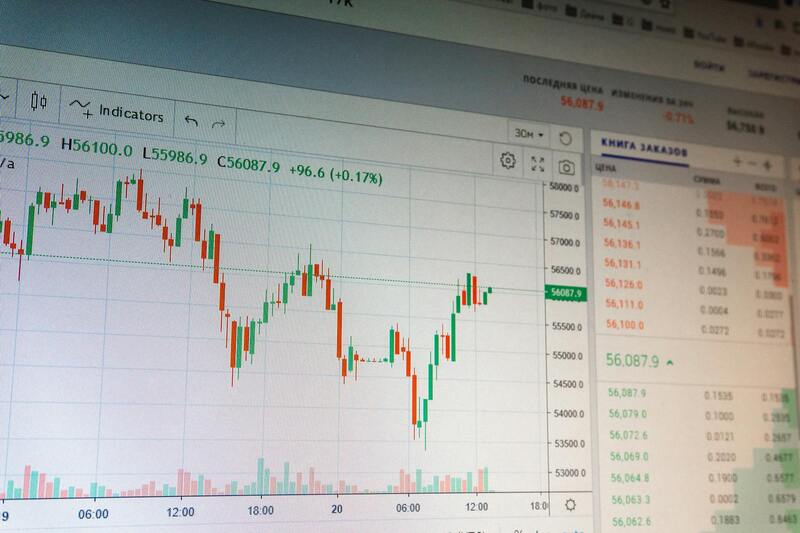
Proprietary trading also involves rigorous performance measurements and adherence to compliance standards. Successful traders are often rewarded through profit-sharing models, incentivizing skill and consistency while aligning individual performance with the firm's overall financial goals. The agility and competitive nature of prop trading demand continuous adaptation and innovation in trading techniques.
Understanding Proprietary Trading Firms: An Overview
Proprietary trading firms, often known as prop firms, serve as specialized financial entities that utilize their own capital to generate profits through active trading. While the structure and operations vary among firms, their primary objective remains consistent: leveraging talented traders and sophisticated strategies to capitalize on market opportunities. These firms typically invest heavily in technology, risk management, and talent development to maintain a competitive edge in diverse markets such as equities, derivatives, forex, and commodities.
Prop firms operate by equipping skilled traders with the necessary capital and resources to execute trades across various financial instruments. Traders, whether employing discretionary methods, algorithmic models, or a hybrid approach, analyze market data to identify potential profitable entries and exits. The firm's infrastructure supports rapid order execution, comprehensive risk controls, and continuous performance evaluation, ensuring that trading activities align with the company's financial objectives and risk appetite.

Core Functions and Responsibilities within a Prop Firm
- Trade Execution and Management: Implementing trading strategies that exploit short-term market movements and technical setups, while constantly adjusting positions based on evolving market data.
- Risk Control and Compliance: Maintaining strict adherence to predefined risk limits, monitoring exposure across asset classes, and implementing hedging techniques when necessary to protect firm capital.
- Strategy Development and Optimization: Between traders and quantitative analysts, the firm continually refines trading algorithms, backtests new models, and explores innovative approaches to stay ahead of market trends.
- Performance Monitoring: Regular review of trading outcomes, profit metrics, and risk metrics to ensure consistency and to identify areas for enhancement.
Effective prop firms also foster a culture of ongoing learning, where traders are encouraged to keep pace with market developments, technological advances, and evolving trading techniques. Their success hinges on a delicate balance of aggressive market tactics and disciplined risk management, promoting stability while seeking growth opportunities in dynamic markets.
Methods of Operation in Proprietary Trading
Operational models within prop firms are tailored to the firm’s strategic focus and trader capacity. Common approaches include:
- Discretionary Trading: Traders leverage their experience, intuition, and fundamental or technical analysis to make trading decisions that are not strictly rule-based.
- Algorithmic and Quantitative Trading: Automated systems execute trades based on mathematical models that process large data sets, aiming for optimized trade entries and exits.
- Hybrid Strategies: Combining human judgment with automated systems to capture market opportunities while maintaining flexibility and oversight.
Each operational approach demands different skillsets and technological infrastructure but shares a common goal: to achieve consistent profitability through disciplined execution and rigorous risk controls.

Capital and Funding Structures in Prop Firms
Unlike retail trading accounts, prop firms deploy significant capital reserves, often extending millions of dollars, to diversify risk and amplify trading capacity. Some firms operate with a centralized pool of funds, while others allocate specific amounts to individual traders based on their experience and track record. The firm's capital is managed within established risk parameters, with continuous oversight to ensure that trading activities do not expose the firm to undue loss.
Recruitment and Evaluation of Traders
Prop firms rigorously assess potential traders through a combination of trading simulations, performance metrics, and interviews. The selection process emphasizes consistent profitability, risk management discipline, and adaptability to different market conditions. Many firms engage in an initial probationary period, during which traders demonstrate their skills before being granted access to the firm’s full capital allocation.
Profit Sharing and Incentive Structures
Compensation models in prop trading are often performance-based, aligning traders’ incentives with the firm's financial success. Common arrangements include profit splits, where traders receive a percentage of the net profits they generate, and fixed salary plus performance bonuses. These structures motivate traders to optimize their strategies and adhere to risk protocols, fostering a culture of accountability and continuous improvement.
Advantages and Challenges in Prop Trading Employment
Joining a prop firm offers access to substantial trading capital, cutting-edge technology, and professional development resources, making it attractive for experienced traders seeking to scale their activities. The collaborative environment often provides mentorship and shared insights, enhancing skill levels and market understanding.
However, the competitive nature of prop trading also entails risks, including significant performance pressure and the potential for substantial financial losses if risk controls are breached. Furthermore, constant adaptation to changing market conditions and evolving trading techniques is essential for sustainable success.

Funding and Capital Requirements
Prop trading firms typically allocate a specific amount of trading capital to their traders, which varies depending on the firm's policies and the trader’s experience level. Unlike retail trading accounts, the capital provided by the firm is substantial, allowing traders to execute larger positions and capitalize on more significant market movements. This funding is often contingent upon the trader's proven ability to adhere to risk protocols and maintain consistent performance.
Initial capital requirements for traders can range from a few thousand dollars to several hundred thousand dollars, with some firms offering tiers that correspond to the trader’s skill set and trading history. To access this capital, traders usually undergo a rigorous evaluation process, which includes testing their trading strategies in simulated environments before proceeding to live trading conditions. This step ensures that traders can manage risk effectively while optimizing their strategies for real-market conditions.

Once funded, traders must comply with the firm's risk management policies, which typically include limits on maximum daily loss, overall drawdown, and position sizes. These safeguards are critical in maintaining the financial health of the firm while allowing traders the flexibility to deploy their strategies effectively. The balance between sufficient funding and stringent risk control creates a structured environment where traders can operate confidently, knowing their strategies are supported by substantial capital but protected by comprehensive risk management protocols.
Trader Selection and Evaluation
Prop trading firms implement detailed selection processes to identify traders with the potential to contribute to the firm’s profitability. This process often involves multiple phases, including initial interviews, trading tests, and review of trading history and methodology. Firms seek candidates proficient in various markets such as forex, equities, commodities, or derivatives, depending on their focus areas.
Evaluation periods are designed to assess traders' consistency, risk management skills, and ability to adapt to changing market conditions. During these phases, the firm monitors traders’ performance metrics, including profit targets, adherence to risk protocols, drawdown levels, and decision-making consistency. This thorough assessment ensures that only traders capable of generating sustainable profits and managing risk effectively gain full access to the firm's capital.

This systematic approach to selection and ongoing evaluation helps prop firms maintain a high standard of trading activity and reduces potential losses. It also encourages traders to develop disciplined trading routines, refine their strategies based on performance data, and continuously enhance their skills to meet the firm’s benchmarks.
Funding and Capital Requirements
Prop trading firms utilize diverse approaches to fund their trading activities, often combining internal capital reserves with external investment sources. These firms allocate significant financial resources to support traders and maintain liquidity across various markets. The amount of capital available directly influences the scale and scope of trading operations, enabling traders to execute larger positions with greater confidence.
Many prop firms operate on models that emphasize risk-adjusted capital allocation, ensuring that each trader's position sizes align with both their experience and the firm's overall risk parameters. This approach minimizes the potential for large-scale losses and preserves the firm's financial stability.
Funding models vary among different firms. Some rely predominantly on internal funds, reinvesting profits to grow their trading capital base. Others incorporate external funding sources or partner with institutional investors to bolster their capital reserves. The choice of funding impacts the firm's capacity to support aggressive trading strategies and its ability to absorb market volatility.
Trader performance metrics serve as essential benchmarks for determining access to capital. Factors such as consistent profitability, adherence to risk management rules, and the ability to generate sustainable returns influence the amount of capital a trader can access. Continual evaluation based on these metrics ensures that the firm's resources are allocated efficiently and that traders are incentivized to operate within prudent risk parameters.

Trader Selection and Evaluation
Selection processes within prop firms are designed to identify traders with the requisite skills, discipline, and market knowledge to succeed. The process typically begins with initial screening, where applicants demonstrate their trading capabilities through detailed questionnaires, interviews, and review of their trading history.
Following the initial screening, candidates often undergo simulated trading tests that mimic real-market conditions. These tests evaluate their decision-making processes, execution speed, and risk management strategies. During these phases, their performance is meticulously tracked to assess consistency and adaptability under varying conditions.
Throughout their evaluation, traders are subjected to benchmarks concerning profit targets and risk controls. For example, firms monitor maximum drawdowns, profit-to-loss ratios, and adherence to trading rules. This rigorous evaluation process helps ensure that only traders capable of consistent, risk-aware trading are granted access to firm capital.
Ongoing performance reviews are a staple of prop trading, encouraging continuous improvement. Traders who consistently meet or exceed performance expectations may receive increased capital allocation, larger trading accounts, or additional resources. This performance-based progression incentivizes traders to refine their strategies and maintain disciplined trading routines, ultimately contributing to the firm's overall profitability.

Funding and Capital Requirements
One of the essential aspects of engaging with a proprietary trading firm involves understanding the firm’s funding mechanisms and the capital allocated to traders. Prop firms typically provide traders with a trading account funded by the firm, allowing traders to leverage the firm's capital without risking their own personal funds. This setup not only minimizes personal financial exposure but also maximizes the trader’s potential returns, as profit sharing is based on a predefined percentage of the gains generated.
Initial capital contribution from traders usually varies depending on the firm's policies, the trader’s experience, and their proven track record. Many firms set minimum capital requirements, which could range from several thousand dollars to larger sums, serving as a foundation for trading activities. As traders demonstrate consistent profitability and adherence to risk management protocols, they often gain access to increased capital allocations, enabling them to scale their trading sizes and capitalize on more opportunities.
Capital requirements are supported by rigorous evaluation of trading strategies and risk parameters. Prop firms prefer traders who can operate effectively within predefined risk limits, maintaining steady performance over time. Clear guidelines regarding maximum drawdowns and profit targets help safeguard the firm's assets while promoting disciplined trading practices. Successful traders often benefit from access to larger pools of capital, which amplifies their potential earnings through scaling strategies.
Furthermore, the structure of capital funding underscores the importance of consistency and risk management. Prop firms usually implement ongoing oversight, including daily performance reviews and compliance checks, to ensure that traders adhere to the firm’s standards. This continuous monitoring not only helps preserve the firm’s financial stability but also supports traders in developing sustainable trading routines.
Trader Selection and Evaluation
Prop firms employ a detailed process to identify traders with the right skills and mindset for successful trading. This process involves a combination of skill assessments, review of past trading records, and simulated trading tests designed to replicate real-market conditions. Evaluations focus on evaluating decision-making speed, risk control, and consistency of returns.
Effective trader evaluation hinges on rigorous criteria that measure both technical acumen and psychological resilience. Traders are assessed on their ability to adapt to volatilities and maintain discipline under pressure. Documented trading histories demonstrating profitable strategies, coupled with a disciplined risk approach, significantly enhance a trader’s prospects of passing selection steps.

In addition to quantitative measures, prop firms may interview potential traders to gauge their trading philosophy and motivation. This qualitative assessment helps determine if a trader’s mindset aligns with the firm’s risk policies and operational culture. Firms value transparency and depth in a trader’s trading methodology, as these traits are indicative of long-term success.
Ultimately, selection procedures aim to identify traders with robust risk management skills, disciplined trading routines, and a strategic approach capable of delivering consistent profits. Added to this is the importance of maintaining an ongoing evaluation process, which ensures that traders continuously meet the firm’s performance standards.
Legal and Regulatory Considerations
Operating within the framework of established rules and standards is integral to the proper functioning of prop trading firms. While these firms are bound by specific industry regulations, it is essential for traders to understand the foundational compliance measures that support a secure trading environment. Adhering to strict protocols related to client funds, transparency measures, and operational procedures ensures the integrity of the trading activities and fosters trust among stakeholders.
Official prop firms often comply with comprehensive regulatory frameworks that govern financial services within their jurisdictions. These standards include robust policies on data protection, capital adequacy, and reporting requirements that help maintain the stability and accountability of their operations. Regular audits and compliance checks are part of the ongoing efforts to uphold these standards, ensuring that operations align with national and international directives aimed at financial transparency.
One critical aspect of these compliance measures involves the safeguarding of trader information and proprietary strategies. Secure data management practices are implemented to prevent unauthorized access and data breaches, which could compromise confidential information. Additionally, prop firms employ strict vetting procedures for their traders, often involving background checks and verification processes to establish professional credibility.

Moreover, many prop firms align their practices with industry best practices and ethical standards. Transparency in profit sharing, trading activities, and administrative policies enhances credibility and fosters long-term relationships with traders. It is important for traders to engage with firms that uphold these standards, as it reflects a commitment to fair trading practices and responsible corporate governance.
In addition, understanding the operational scope of a prop firm helps traders navigate compliance expectations. This includes knowledge about permissible trading instruments, leverage limits, and risk management policies specific to the firm's licensing environment. Ensuring that trading activities conform to these parameters reduces potential legal complications and enhances sustainability in trading operations.

Funding and Capital Requirements
Securing adequate funding is a fundamental aspect of prop trading. Unlike retail traders who rely on personal capital, traders within prop firms gain access to substantial pools of capital managed by the firm. These funds allow traders to take larger positions, diversify trading strategies, and potentially amplify profits, all without risking their own money directly.
Typically, prop firms establish minimum capital requirements for traders, which serve as an initial investment benchmark. These thresholds ensure traders are equipped with the necessary resources and risk management capabilities to sustain trading activities. Variations exist depending on the firm's size, niche, and risk appetite, with some firms providing initial seed capital, while others might require traders to demonstrate their competency through evaluation phases.

Capital allocation methods can differ widely. Some firms allocate funds based on prior trading experience and performance metrics, while others adopt tiered structures where traders gradually access larger sums as they demonstrate consistency and discipline. The primary aim is to balance the firm's risk exposure with the trader’s potential to generate profits through strategic and disciplined trading.
Trader Selection and Evaluation
Meticulous evaluation processes are central to selecting traders who align with a prop firm’s objectives and standards. These assessments typically encompass a combination of skill tests, simulated trading exercises, and interviews to gauge analytical capabilities, emotional resilience, and adherence to risk protocols.
Some firms conduct comprehensive background checks, focusing on past trading experiences, educational background, and professional conduct. Stress testing during evaluation phases helps determine a trader’s ability to perform under pressure and manage volatility. The emphasis is on trading discipline, risk management proficiency, and the ability to follow predefined trading strategies.

To maintain high standards, many prop firms implement ongoing performance reviews. These evaluations involve reviewing trade logs, analyzing profit consistency, and assessing adherence to risk controls. Traders who consistently meet or exceed performance benchmarks are often rewarded with increased capital allocations and more advanced trading privileges.
Profit Sharing and Incentives
Profit sharing models are a core feature that incentivizes disciplined trading behavior. Most prop firms operate on a split basis, where profits generated from a trader’s activities are divided between the trader and the firm. Typical arrangements may range from 50/50 splits to more favorable terms for high-performing traders.
Incentives extend beyond immediate profit sharing. Many firms offer performance-based bonuses, access to additional capital, and professional development resources. These incentives recognize traders’ contributions and motivate ongoing compliance with risk policies and strategic discipline.

Legal and Regulatory Considerations
Operating within the framework of a prop firm involves adhering to specific industry standards and compliance protocols that ensure transparent and responsible trading practices. While these firms are not bound by conventional financial regulation in the same way as traditional brokerages, they still maintain internal policies aligned with relevant industry guidelines to safeguard all parties involved.
Prop trading firms typically establish comprehensive compliance programs that govern trader activities. These programs include detailed risk management policies, trading conduct codes, and operational procedures designed to promote ethical and disciplined trading behaviors. Strict adherence to established trading limits, regular reporting requirements, and systematic audit processes are standard components of these protocols.
Many prop firms actively participate in industry-wide initiatives to maintain high standards of professionalism. This involves conforming to best practices related to anti-money laundering (AML) measures, anti-fraud policies, and clear disclosure of trading terms and profit-sharing arrangements. Transparency in fee structures and profit splits is crucial for building trust and ensuring mutual understanding between traders and the firm.

In addition, prop firms often implement rigorous onboarding standards that include background checks, trading proficiency assessments, and ongoing training to ensure traders are well-versed in risk management and trading ethics. These measures help sustain a professional environment and promote sustainable trading growth.
Furthermore, traders operating under prop firms may be subject to internal monitoring systems that track trading activities in real-time. This oversight ensures that trades are executed according to predefined strategies, risk limits are respected, and any deviations are flagged for review. Such practices reinforce responsible trading and help prevent practices that could undermine the firm's stability.
Ultimately, although prop firms operate in a relatively autonomous environment compared to traditional financial institutions, maintaining a structured adherence to industry standards and proactive compliance measures is essential for fostering a reputable and sustainable trading ecosystem. This focus on good governance not only protects the firm but also provides traders with a transparent framework within which they can develop their skills and achieve consistent results.