
Definition and Role of Prop Firms
Proprietary trading firms, commonly known as prop firms, play a vital role in the financial markets by engaging in trading activities with their own capital. Unlike traditional financial institutions that primarily manage client investments, prop firms focus on generating profits through their trading strategies. They employ skilled traders who operate under specific risk parameters to exploit market opportunities and enhance the firm's financial position.
The primary purpose of prop firms is to leverage specialized knowledge, advanced trading algorithms, and rapid execution capabilities to capitalize on market inefficiencies. These firms serve as vital contributors to market liquidity and efficiency by actively participating in securities, commodities, foreign exchange, and derivatives trading.
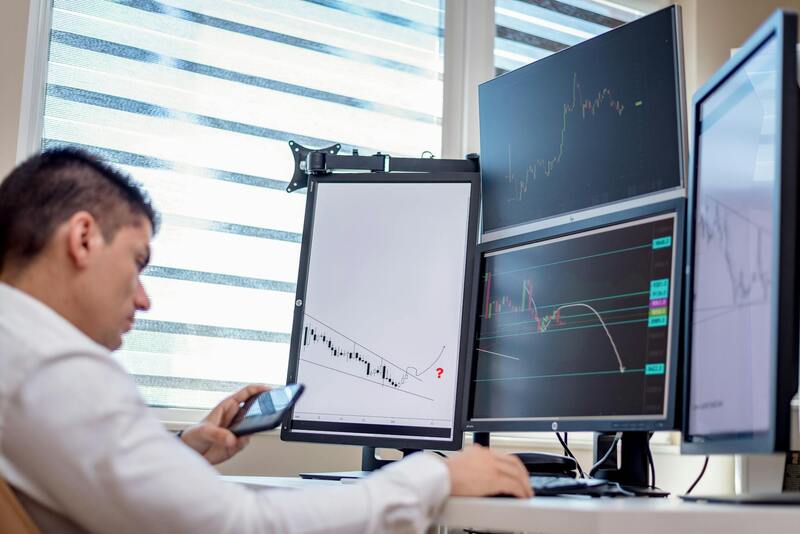
Distinct from other financial institutions such as investment banks, hedge funds, or asset managers, prop firms operate mainly to profit from their own trading endeavors rather than managing external client funds. This focus allows them to implement aggressive trading strategies, employ cutting-edge technology, and adapt quickly to changing market dynamics, all while maintaining strict risk management protocols.
By concentrating on proprietary trading, these firms create opportunities for traders and investors to engage with innovative financial markets, often providing training programs and resources to develop trading expertise. Their operational scope extends across multiple asset classes and global markets, contributing significantly to the overall landscape of financial trading activities.
As an integral part of the financial ecosystem, prop firms continue to evolve, adopting new technological tools and trading methodologies to remain competitive and maximize their trading performance. Whether through algorithmic trading, quantitative analysis, or manual trading strategies, these entities are dedicated to extracting value from market movements with precision and discipline.
Types of Prop Trading Firms
Proprietary trading firms come in various structures, each tailored to different trading strategies, asset focuses, and organizational setups. Understanding these distinctions helps traders identify opportunities that align with their expertise and career aspirations.
Independent Prop Trading Firms
These firms operate as standalone entities dedicated exclusively to proprietary trading. They typically hire experienced traders or provide platforms for talented individuals to trade under the firm's umbrella. Independent prop firms often emphasize a trading culture centered on innovation, risk management, and performance. Traders benefit from access to first-rate resources, capital, and technology, making them attractive options for those seeking a focused trading environment.
Institutional Proprietary Trading Desks
Major banks, brokerage houses, and financial institutions maintain proprietary trading desks that engage in high-volume trading across various markets. These desks often operate as specialized units within larger organizations, leveraging extensive research capabilities, technological infrastructure, and large-scale capital reserves. Traders within these desks typically adhere to strict internal policies, with risk management protocols aligned with the broader institution’s objectives.
Hybrid Models
Some prop firms adopt hybrid structures, blending elements of independent firms and institutional setups. These entities may partner with external traders or manage multiple trading desks across different asset classes. Hybrid models offer flexibility, allowing traders to operate independently within structured frameworks, often combining proprietary capital with external funds or co-investment arrangements. This approach broadens the scope for innovation and diversification of trading strategies.

Emerging Specialty Firms
With the advancement in trading technology, niche prop firms focusing on algorithmic, quantitative, or algorithm-based trading strategies are increasing. These firms harness sophisticated models, big data, and machine learning techniques to identify trading opportunities. They often operate with highly automated systems, allowing traders to execute complex strategies with minimal manual intervention.
The differentiation among these firm types enables traders to select environments conducive to their skillsets, while also fostering innovation across different trading methodologies. Recognizing the specific operational style of each firm is essential for traders looking to maximize their impact and growth within the prop trading landscape.
Understanding the Operational Framework of Prop Trading Firms
Proprietary trading firms operate through a combination of structured processes designed to optimize trading effectiveness, manage risk, and ensure consistent profitability. The core of their operation revolves around the deployment of capital to execute high-conviction trades across various asset classes, including equities, options, futures, forex, and cryptocurrencies. These firms typically maintain dedicated teams of traders, quantitative analysts, and risk managers who collaborate to develop and implement trading strategies tailored to market conditions.
At the heart of a prop firm’s operation is an advanced technological infrastructure. Sophisticated trading platforms, real-time data feeds, and algorithmic systems enable traders to execute orders swiftly and accurately. Many firms emphasize automation, leveraging machine learning models and big data analytics to identify promising trading signals, automate order execution, and refine strategies dynamically.
Risk management constitutes a critical aspect of prop firm operations. Firms deploy strict risk controls, such as position limits, stop-loss orders, and real-time monitoring systems, to prevent significant losses and maintain financial stability. Regular performance evaluations and strategy adjustments are integral to sustaining favorable risk-adjusted returns.
Profit sharing models are typically designed to incentivize traders while ensuring the sustainability of the firm. Common arrangements include a percentage of the profits generated, with some firms offering fixed salary components combined with performance bonuses. Transparency in reporting and alignment of trader and firm interests are essential components of these models.
Execution and Trade Development in Proprietary Firms
Trading strategies within prop firms range from technical and fundamental analysis to quantitative and algorithmic approaches. Traders often specialize in specific asset classes or strategies, such as breakout trading, arbitrage, or market making. Ongoing research and development labs within the firm continuously enhance trading models, incorporating new data sources, refining algorithms, and testing emerging strategies under simulated market conditions.
For traders, access to proprietary data, advanced research tools, and mentorship from experienced analysts are valuable resources provided by prop firms. This environment fosters innovation, allowing traders to experiment with new ideas while adhering to risk parameters.

Overall, the operational structure of prop trading firms emphasizes agility, technological sophistication, disciplined risk management, and a performance-driven culture. These elements collectively give prop firms the agility to adapt swiftly to changing market conditions and capitalize on fleeting trading opportunities, all while maintaining robust risk controls to safeguard capital.
Detailed Insight into Prop Firms' Operational Models
Prop trading firms employ a variety of operational frameworks that are tailored to maximize efficiency, manage risk effectively, and foster a culture of innovation among traders. Central to these models is the use of advanced technological infrastructure, which enables real-time data analysis, rapid order execution, and sophisticated risk management protocols. These technological capabilities are vital in maintaining competitiveness in fast-paced financial markets and allow traders to exploit short-lived opportunities with precision.
Among the common operational structures, some prop firms adopt a profit-sharing arrangement, where traders are rewarded based on the profits they generate. This model aligns trader incentives with the firm's goals, motivating a performance-oriented environment. Additionally, the integration of fixed salary components uplifted by performance bonuses further incentivizes traders to deliver consistent results while maintaining a focus on risk management.
Operational transparency is a priority for reputable prop firms. They implement rigorous reporting frameworks to monitor trading activities and assess risk exposure regularly. Such transparency ensures that both traders and the firm have a clear understanding of the trading environment and facilitates quick decision-making in response to market changes.
Risk management is embedded into the operational fabric of prop firms through comprehensive policies and real-time monitoring systems. These include strict leverage controls, stop-loss mechanisms, and daily risk assessments, which serve to protect the firm's capital while allowing traders to operate within defined risk parameters. The balance between aggressive trading strategies and prudent risk controls is crucial for sustaining long-term profitability and stability.
Trade development is another vital aspect of prop firm operations. Many firms host dedicated research and development labs where quantitative analysts, market researchers, and technologists collaborate to enhance trading algorithms and data models. This continual refinement process involves testing new strategies under simulated conditions before deployment in live markets, ensuring that trading models adapt to evolving market dynamics.
Furthermore, proprietary data access is a significant advantage provided by leading firms, enabling traders to leverage exclusive insights that are not available to the public. Coupled with advanced analytics tools, these resources empower traders to make informed decisions swiftly and accurately.
Example working environments within prop firms often feature collaborative spaces designed to foster innovation and knowledge sharing among traders, researchers, and technologists. This collaborative environment contributes to the development of novel trading ideas and strategies, reinforcing the firm's capacity to remain competitive.
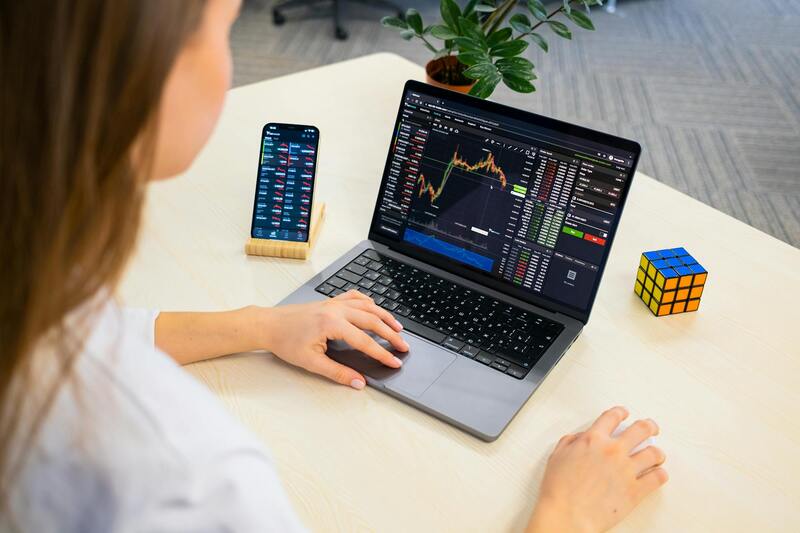
In summary, the operational model of a prop trading firm is characterized by technological sophistication, strategic risk management, and a performance-driven culture. These elements together facilitate rapid adaptation to market conditions, optimization of trading strategies, and safeguarding of capital, all essential for maintaining a competitive edge in the proprietary trading landscape.
Qualities of Successful Prop Traders
Navigating the competitive environment of proprietary trading demands a unique blend of skills, traits, and qualifications. Successful prop traders possess a robust understanding of financial markets, allowing them to interpret complex data, identify emerging opportunities, and execute trades with precision. A deep analytical mindset is essential, enabling traders to develop and refine strategies based on quantitative models, market signals, and statistical analysis.
Adaptability stands out as a critical trait in this high-stakes setting. Markets are inherently dynamic, and traders who can swiftly adjust their approaches in response to shifting conditions tend to outperform those rigidly adhering to outdated methods. Strong decision-making capabilities, coupled with the ability to manage psychological pressure, are vital for maintaining composure during volatile periods and making rational choices under stress.
Moreover, discipline and consistency are foundational qualities. Prop traders often operate under strict risk management rules and performance targets. Maintaining adherence to predetermined trading plans and limits minimizes emotional trading and helps sustain long-term profitability. Technical skills, including familiarity with trading platforms, algorithmic trading tools, and real-time data analysis software, are also indispensable in executing quick, informed trades.
In addition to technical proficiency, successful traders demonstrate a continuous learning mindset. They stay updated on market developments, regulatory changes, and technological advancements. Cultivating a collaborative attitude allows traders to exchange insights with peers, fostering collective growth and innovative problem-solving approaches.
These qualities collectively empower traders to capitalize on fleeting market opportunities while effectively managing risks. Such attributes, coupled with a performance-driven mindset, position traders for sustained success in a highly competitive industry.
How to Join a Prop Trading Firm
For traders aiming to become part of a proprietary trading firm, understanding the acquisition process is crucial. Typically, individuals interested in joining prop firms follow a structured pathway that emphasizes skill development, assessment, and compliance with firm-specific standards. The initial step often involves demonstrating trading proficiency through a rigorous evaluation process known as a trading audition or challenge. This assessment measures not only technical trading skills but also discipline, emotional control, and risk management capabilities.
Prospective traders usually need to meet certain prerequisites, such as having a foundational understanding of financial markets, familiarity with trading platforms, and a proven track record of disciplined trading, whether through simulated accounts or personal trading histories. Many prop firms require applicants to pass a series of tests designed to evaluate their analytical skills, decision-making speed, and adherence to risk parameters.
Once an applicant successfully passes the evaluation, the firm will often conduct interviews to verify understanding of trading strategies, market dynamics, and personal motivation. After completing these steps, traders may be offered a contractual agreement that delineates their roles, profit-sharing arrangements, and risk management protocols. This process ensures that only traders who meet the firm’s standards for skill and psychological resilience are invited to trade with firm capital.
It is essential for applicants to prepare thoroughly for each stage of this process, cultivating skills such as technical analysis, market intuition, and emotional regulation. Building a diverse trading portfolio in simulation environments can significantly enhance chances of success, demonstrating consistent profitability and risk discipline. Furthermore, understanding the particular focus and trading style of the target prop firm — whether they specialize in equities, forex, futures, or options — can provide a competitive edge during the selection process.
Engaging in continuous education and staying updated with market trends, economic indicators, and technical software tools further positions candidates favorably. Many successful traders attribute their entrance into prop trading to rigorous preparation and a disciplined approach to showcasing their competencies during evaluation phases.

Risks and Challenges in Proprietary Trading
While prop trading offers significant financial opportunities, it also involves a variety of inherent risks that traders and firms must diligently manage. The primary challenge is the potential for substantial financial loss, especially when trading with firm capital. Traders are often exposed to rapid market movements, leveraging their skills to maximize profits while minimizing losses. Proper risk management strategies, such as setting strict stop-loss orders and position sizing, are essential components of successful proprietary trading practices.
Another notable concern is market volatility, which can unexpectedly impact trading positions. Fluctuations driven by economic news, geopolitical events, or sudden market shocks require traders to maintain adaptability and a thorough understanding of current events and their potential effects on trading instruments. Adaptive strategies and ongoing market analysis are vital to navigate these volatile environments effectively.
Besides market risks, regulatory oversight plays a crucial role in shaping prop trading activities. Compliance with industry standards and internal risk protocols ensures that traders operate within established boundaries, avoiding penalties and reputation damage. Firms often enforce detailed trading guidelines, such as limits on leverage and exposure, to protect both the individual trader and the organization as a whole.
Psychological resilience is another critical factor. The high-pressure environment demands discipline, emotional regulation, and the ability to accept losses as part of the trading process. Traders who cannot manage stress or who deviate from established trading plans risk significant setbacks and can compromise the firm’s resources.

Successful firms invest heavily in ongoing training and support systems to help traders develop sound decision-making skills and emotional intelligence. This holistic approach to risk mitigation not only protects the firm but also fosters the growth of capable traders who can adapt to changing market conditions and uphold high operational standards.
Future Trends in Prop Trading
Looking ahead, the prop trading landscape is expected to evolve significantly, influenced by technological advancements and market dynamics. Automation and algorithmic trading are increasingly integrated into proprietary strategies, allowing traders to execute large volumes of transactions at unprecedented speeds. This shift enhances efficiency but also requires traders to develop new skills in coding, data analysis, and system management.
Artificial intelligence and machine learning continue to shape trading models, offering deeper insights into market patterns and automating complex decision-making processes. Firms that leverage these innovations can gain a competitive edge by refining strategies and reducing human error.
Furthermore, the expansion of markets—covering cryptocurrencies, commodities, and emerging asset classes—provides additional opportunities for prop traders to diversify their portfolios. This diversification helps spread risk and tap into new growth areas, though it also necessitates a broadened knowledge base and specialized expertise.
The regulatory environment will persist as a critical factor, guiding the development of sustainable and compliant trading practices. Transparent operations and adherence to evolving standards will be vital to long-term success in the industry.
Risk Management and Compliance Considerations in Prop Trading
Effective risk management is fundamental in proprietary trading, serving to protect the firm’s capital while allowing traders to capitalize on market opportunities. Prop firms implement a variety of risk mitigation techniques, including predefined loss limits, position sizing rules, and real-time monitoring systems. These protocols ensure that traders stay within acceptable risk parameters, minimizing potential losses during volatile market periods. Additionally, firms often employ sophisticated software to track trading activity, analyze risk exposure, and enforce compliance with internal policies.

Beyond internal controls, regulatory compliance frameworks are integral to maintaining operational integrity. Prop firms adhere to strict reporting standards and rigorous audit processes to uphold transparency and accountability. Compliance involves monitoring trading practices to prevent market manipulation, ensuring data security, and adhering to relevant financial regulations. These measures bolster the firm’s reputation and foster an environment of trust among traders, clients, and industry stakeholders.
Technology’s Role in Modern Prop Trading
The integration of advanced technological tools has transformed proprietary trading in recent years. High-speed trading platforms enable execution of large volumes of transactions within milliseconds, thereby maximizing opportunities for profit. Algorithmic trading models are increasingly personalized, allowing traders to implement customized strategies based on real-time data analysis.
- Artificial intelligence and machine learning enhance predictive analytics, identifying potential market shifts before they occur.
- Automated trading systems reduce human error and increase operational efficiency.
- Data analytics tools provide comprehensive insights into market trends, aiding strategic decision-making.

Expanding Asset Classes and Diversification
As markets evolve, prop firms are increasingly diversifying their trading portfolios across various asset classes such as cryptocurrencies, commodities, fixed income, and foreign exchange. This diversification offers numerous benefits, including risk reduction and access to emerging opportunities. Traders specializing in these asset classes need to develop expertise in the unique dynamics and regulations governing each market.
- Cryptocurrency trading demands an understanding of blockchain technology, market sentiment, and cybersecurity considerations.
- Commodities trading involves analyzing macroeconomic indicators, geopolitical tensions, and supply-demand fundamentals.
- Multi-asset strategies enhance overall portfolio resilience and tap into high-growth sectors.

Adapting to Regulatory Changes
Responsive adaptation to evolving regulatory standards remains crucial in proprietary trading. As regulators worldwide introduce new rules to increase market transparency and protect investors, prop firms must update their operational protocols accordingly. Staying ahead of regulatory developments ensures compliance and reduces potential disruptions.
- Implementing transparent record-keeping and reporting systems.
- Conducting regular compliance audits and staff training.
- Engaging with industry bodies to understand emerging standards and best practices.
By maintaining a proactive stance, prop firms can sustain high operational standards and foster a resilient trading environment capable of navigating market and regulatory complexities.
