
Overview of Funded Trading Accounts
Funded trading accounts have emerged as a prominent opportunity within the landscape of proprietary trading, offering traders a pathway to access substantial capital without the need to risk their personal funds. These accounts are provided by proprietary trading firms, which allocate their capital to traders who meet specific performance standards and trading criteria. Unlike traditional personal trading accounts, funded accounts enable traders to leverage the firm’s resources, allowing for increased trading size and potential profit sharing based on performance.
The core purpose of funded trading accounts is to bridge the gap between individual traders' aspirations and the financial capacity necessary to execute larger trades. Proprietary firms develop structured programs that assess traders’ skills through evaluation phases, often involving simulated trading challenges, which gauge the trader's ability to manage risk, adhere to trading plans, and generate consistent returns. Once selected, traders gain access to funded accounts where they execute live trades under predefined rules and guidelines set forth by the firm.

Funded trading accounts differ significantly from personal trading accounts, primarily in terms of capital and risk exposure. With their own money at stake, personal accounts limit traders to their individual funds, often constraining the trade size and profit potential. Conversely, funded accounts are backed by the firm’s capital, allowing traders to engage in larger positions while sharing a portion of the profits. This symbiotic relationship benefits traders seeking to scale their trading activities beyond personal resources, all within a structured environment designed to manage risk effectively.
How Funded Trading Accounts Work
The mechanism of funded trading accounts centers around a systematic evaluation process followed by live trading opportunities. Typically, traders initially participate in a rigorous testing phase, which may include simulated trading challenges or objective assessments of trading performance. Successful completion of these stages demonstrates trading competency, risk management discipline, and adherence to the firm's trading rules.
Upon approval, traders receive a funded account with specific parameters such as maximum drawdown limits, daily loss caps, and target profit objectives. They execute trades within these constraints, and the firm's capital supports their trading activities. Profits earned are generally split according to predefined agreements, incentivizing skillful trading and consistent performance.

Benefits of Using Funded Trading Accounts
- Amplified Trading Capacity: Access to larger capital pools enables executing more substantial trades which can result in increased profit potentials.
- Risk Management Support: Defined risk parameters and drawdown limits help traders focus on disciplined trading practices, supported by the firm’s risk mitigation protocols.
- Reduced Personal Financial Exposure: Traders are not risking their own capital directly, which diminishes personal financial risk and fosters a more sustainable trading environment.
- Performance Incentives: Profit sharing models motivate traders to optimize their strategies and maintain consistent performance standards.
- Access to Resources and Infrastructure: Many firms provide advanced trading platforms, analytics tools, and educational support to funded traders.
Common Funding Models and Agreements
Funding models for these accounts are based on specific contractual arrangements that detail profit sharing, trading limits, and operational rules. Different firms adopt variations such as revenue split models, fixed salary plus performance bonuses, or tiered profit sharing based on trading milestones. The agreements also specify risk management protocols, such as maximum daily or overall drawdowns, to safeguard the firm’s capital.
Risks and Challenges in Funded Trading
While funded trading accounts offer significant opportunities, they also entail specific challenges. Traders must consistently perform at a high level to maintain their status and capital access. Risks include strict drawdown limits, the need for disciplined risk management, and the potential for account termination due to non-compliance with trading rules. Additionally, traders may face psychological pressures associated with managing large capital and adhering to firm guidelines under market fluctuations.
Requirements and Qualifications for Funded Accounts
Potential funded traders typically need to demonstrate proficiency through evaluation programs, including simulated trading challenges, to verify their skills. Firms often look for traders with solid risk management practices, consistent profitability, and compliance with trading discipline. Educational background and experience in specific markets or instruments can enhance candidacy. Traders are also expected to adhere to strict trading plans and risk parameters to qualify for funding.
Choosing a Funded Trading Program
Selecting the appropriate funded trading program involves assessing factors such as the firm’s reputation, funding models, profit-sharing arrangements, and the specific rules governing trading activities. Traders should consider the platform’s usability, available resources, and the level of support provided. It’s also essential to review the evaluation process, account management procedures, and the flexibility of program rules to ensure they align with personal trading style and goals.
Future Trends in Funded Trading Accounts
The landscape of funded trading accounts is evolving with technological advancements in trading analytics, AI-driven risk assessment tools, and automated evaluation protocols. Increased transparency, regulatory developments, and innovative funding models are shaping the future of prop trading. As trading environments become more sophisticated, funded accounts are likely to become more accessible, with enhanced support systems aimed at nurturing skilled traders and optimizing capital allocation strategies.
How Funded Trading Accounts Work
Funded trading accounts serve as a strategic bridge between traders seeking capital to expand their trading activities and firms aiming to leverage skilled individuals to generate profit. The process typically begins with traders participating in a structured evaluation or verification stage long before they access actual account funds. This preliminary phase is designed to assess adherence to trading rules, risk management capabilities, and overall profitability potential within a simulated or controlled environment.
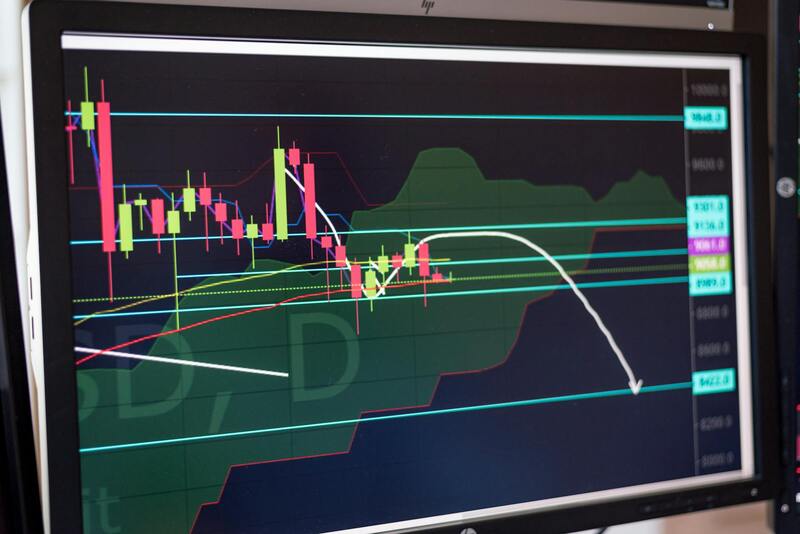
During the initial qualification, traders are usually required to complete a series of challenges that test their strategic consistency, discipline, and ability to adapt to dynamic market conditions. Successful completion of these stages often leads to a funded account where traders gain access to the firm’s capital, subject to predefined risk parameters and trading limits.
Qualification Criteria and Evaluation Stages
- Verification of Trading Discipline: Demonstrating strict adherence to risk management rules, such as maximum drawdowns and position sizing. Traders are evaluated on their ability to avoid over-leveraging or impulsive trading decisions.
- Profitability Consistency: Maintaining steady performance over a specified period, highlighting the trader’s capacity to generate sustainable profits without risking catastrophic losses.
- Risk Management Proficiency: Effectively controlling downside risk while maximizing profit opportunities is crucial. Firms often analyze how traders manage losing streaks and volatility.
- Adherence to Trading Strategies: Sticking to a predefined trading plan and avoiding opportunistic or emotionally driven trades exemplifies discipline necessary for funded accounts.
Funding Structures and Access
Once traders showcase their ability to meet evaluation criteria, they are granted access to funded accounts. The funding structure generally involves profit-sharing arrangements where a portion of the profits generated by traders is retained by the firm, often ranging from 70% to 80% in favor of the trader. This incentivizes traders to perform efficiently while ensuring the firm’s capital is protected by strict risk controls.
Throughout the trading period, firms monitor performance continuously, providing real-time oversight and, in many cases, access to analytic tools that enhance trading decisions. Regular reporting and compliance checks are standard procedures to ensure traders sustain their performance levels and operate within agreed parameters.
Conclusion
The process of obtaining and managing funded trading accounts involves a rigorous assessment of skill, discipline, and risk control. By adhering to evaluation criteria and demonstrating consistency, traders can leverage significant capital to expand their trading activities without risking personal funds, provided they maintain strong trading practices throughout their engagement with prop trading firms.
Overview of Funded Trading Accounts
Funded trading accounts represent a strategic pathway for traders aiming to scale their operations by leveraging external capital provided by proprietary trading firms. Unlike personal trading accounts, which are limited to the trader's own capital, funded accounts allow traders to access significantly larger pools of funds without risking their personal assets. This setup enables traders to execute larger trades, diversify their strategies, and potentially amplify profits, all while adhering to strict risk management protocols enforced by the funding firm.

The process of acquiring a funded trading account usually begins with an evaluation phase, where traders are assessed based on their trading performance, discipline, and consistency. Successful completion of this phase results in the trader being granted access to the firm's capital, which is managed through a pre-defined trading agreement. The funded account model aligns the interests of traders and firms, aiming to maximize profitability while safeguarding the firm's capital through well-established risk controls.
How Funded Trading Accounts Work
Funded trading accounts operate on a system of performance-based access to capital. Traders typically undergo a rigorous evaluation process, known as an evaluation or challenge. During this period, traders must meet specific profit targets, adhere to maximum drawdown limits, and follow a predefined set of trading rules. Success in this phase results in the trader being assigned a funded account, often with a predetermined size and trading parameters.
Upon activation of the funded account, traders begin managing real capital. Profits generated from trades are usually shared between the trader and the trading firm, with profit splits generally ranging from 70% to 80% in favor of the trader. This profit-sharing model incentivizes traders to perform at their best, knowing their efforts directly impact their earning potential. Simultaneously, risk management protocols are enforced to protect the firm's capital, including daily loss limits, position size restrictions, and real-time monitoring tools.

During the trading phase, firms continuously monitor performance metrics, providing traders with analytical tools and support to improve decision-making. Regular performance reviews and compliance checks are integral to maintaining the funded status, ensuring traders operate within the defined risk parameters. This setup fosters a disciplined trading environment aimed at sustainable profitability for both parties.
Risk Management and Oversight
Risk management is central to the funded account structure. Firms establish strict guidelines, including maximum drawdowns and daily loss limits, designed to prevent significant capital erosion. Traders must follow these rules precisely; failure to do so can result in account suspension or termination. Real-time tracking systems allow firms to oversee trades actively and intervene if trading behavior deviates from agreed standards. This oversight helps maintain capital integrity while providing traders with a framework to develop disciplined trading habits.
Common Funding Models and Agreements
Funded trading accounts operate under various financial arrangements that define how profits, losses, and scaling are managed between traders and the funding entity. Understanding these models is essential for traders seeking to optimize their earning potential within funded programs.
One prevalent model is the profit split arrangement, where traders receive a predetermined percentage of the profits generated from their trading activities. Common splits range from 70% to 80%, aligning the trader’s incentives with the firm’s goal of sustainable profitability. This model encourages disciplined trading practices since the trader’s earnings directly correlate with their ability to manage risk and generate profits.
Another key model involves scaling plans, which permit traders to increase their trading capital progressively based on consistent performance. This approach offers an opportunity to expand trading size, thereby amplifying potential earnings without necessarily risking personal funds. Scaling plans are often tied to milestone achievements and performance metrics, ensuring traders meet proven standards before larger capital is allocated.
Contract terms also vary across firms, typically specifying the duration of the funded status, performance benchmarks, and conditions for termination. Some agreements include specific clauses about maximum drawdowns, daily loss limits, and mandatory reporting schedules. These contractual elements are designed to align expectations, assure transparency, and promote consistent risk management practices.
Additionally, some firms implement hybrid funding models combining elements of profit sharing and scaling agreements, offering traders tailored pathways to grow their accounts while sharing profits equitably. When selecting a funded trading program, traders should review these contractual aspects carefully to find the structure that best supports their trading strategy and risk management preferences.
Risks and Challenges in Funded Trading
While funded trading accounts present significant opportunities, they are not without inherent challenges. One of the primary concerns involves strict adherence to risk management policies, including daily loss limits and maximum drawdowns. Failure to comply can lead to suspension or termination of the funded status, which emphasizes the importance of disciplined trading behavior.
Market volatility presents another challenge, impacting a trader’s ability to execute strategies within set risk parameters. Sudden price movements can trigger stop-loss levels or breach daily loss limits, resulting in account restrictions or loss of funding. As a result, traders must maintain rigorous risk awareness and adjust their strategies accordingly, especially in unpredictable market conditions.
Operational risks also exist, such as technical failures or connectivity issues that may hinder order execution or monitoring. Traders should ensure their trading setup is robust, with reliable internet access and redundant systems, to mitigate these vulnerabilities.
Psychological pressures can intensify when managing funded accounts, as traders are often under scrutiny from the funding firm, and their performance directly affects their income potential. Maintaining emotional discipline and a methodical approach is crucial to navigating these pressures successfully.
Requirements and Qualifications for Funded Accounts
Most prop trading firms impose specific prerequisites for traders to qualify for funded accounts. These often include a proven track record of consistent profitability, demonstrated through a comprehensive evaluation process or trading performance in demo or real markets. Experience levels vary depending on the firm's standards, but a history of disciplined trading and risk management is universally valued.
Some firms require passing an assessment or evaluation phase, where traders demonstrate their ability to meet profit targets while adhering to risk guidelines within a specified time frame. This phase includes rigorous testing of trading skills, risk control, and emotional resilience.
Educational qualifications are usually not mandatory, but firms favor traders with solid foundational knowledge of market dynamics, technical analysis, and trading psychology. Additionally, traders should possess a well-defined trading strategy compatible with the firm's guidelines and risk parameters.
Successfully meeting these requirements can open doors to access substantial trading capital without the need for personal funding, provided traders uphold the firm’s standards during the evaluation and trading phases.
Risks and Challenges in Funded Trading
Venturing into funded trading accounts offers significant opportunities, but it also comes with inherent risks that traders need to understand and manage diligently. One of the primary challenges faced by traders is navigating the strict evaluation rules imposed by funding firms. These rules often include precise profit targets and maximum drawdowns within specified timeframes. Failure to meet these benchmarks can result in account termination or suspension, emphasizing the importance of disciplined trading strategies and consistent performance.
Drawdowns represent another critical risk factor. A drawdown occurs when a trader experiences a decline in account equity after a series of losses. In funded trading environments, firms typically set strict limits on acceptable drawdowns to protect their capital. Traders must employ rigorous risk management techniques, such as setting appropriate stop-loss levels and position sizing, to mitigate the potential for excessive losses. Managing emotions during downturns is vital; impulsive decisions driven by fear or greed can exacerbate losses and jeopardize the trading career under the funded account model.
Adherence to firm policies regarding trading behavior and compliance standards adds an additional layer of complexity. Funded trading firms often monitor trading activity to detect violations such as overtrading, trading outside permitted hours, or employing prohibited strategies. Traders should familiarize themselves thoroughly with the specific guidelines of their chosen program to avoid inadvertent breaches that can result in account restrictions or termination.

Finally, the psychological aspects of funded trading demand resilience. The pressure to meet performance benchmarks without risking personal capital can induce stress, potentially impacting decision-making quality. Developing emotional discipline, maintaining a consistent trading routine, and setting realistic expectations are key strategies to facing these challenges effectively.
By addressing these risks proactively, traders can better position themselves to navigate the complexities of funded trading accounts. A thorough understanding of evaluation criteria, disciplined risk management, strict adherence to policies, and mental resilience are indispensable components of a sustainable funded trading career.
Understanding the Process of Securing Funded Trading Accounts
Gaining access to funded trading accounts involves a rigorous selection and evaluation process designed to identify traders who demonstrate consistent performance, disciplined risk management, and a thorough understanding of market dynamics. Typically, traders must participate in an application process that assesses their trading skills, strategy robustness, and adherence to specified trading rules. This process often includes simulated trading periods or evaluation phases, during which traders execute a series of trades under controlled conditions. The goal is to demonstrate the ability to generate profits while managing risk effectively under market pressures.
During the evaluation, firms may impose specific targets concerning profit, drawdown limits, and trading consistency that traders need to meet within a set timeframe. These objectives serve as benchmarks for assessing a trader’s competence and readiness to handle live-funded accounts. Beyond simply reaching profit targets, traders must adhere to risk rules such as maximum loss per trade, daily loss limits, and overall account drawdown restrictions. Consistently adhering to these parameters confirms a trader’s discipline and reliability, which are key factors in the decision to allocate funded capital.
Assessment of Trading Strategies and Skills
Funded trading programs tend to favor traders who demonstrate strategic diversity and adaptability. Traders are often evaluated based on their ability to handle various market conditions, including trending, volatile, and sideways markets. This involves employing different trading techniques such as scalping, swing trading, or trend following, as long as these strategies align with the program’s rules. Risk management practices, like position sizing, stop-loss placement, and profit-taking procedures, are scrutinized closely to ensure traders can protect the account against substantial losses. The evaluation process may include reviewing trading journal entries, analyzing trade histories, and assessing psychological resilience under simulated or real trading conditions.

Funded trading firms typically utilize sophisticated monitoring tools to oversee traders’ activities in real-time. This allows them to verify compliance with trading rules, prevent unauthorized strategies, and ensure that traders maintain disciplined behavior. Successful candidates are those who combine strong analytical skills with emotional stability, allowing them to execute strategies consistently in live environments.
Developing a Robust Trading Profile for Funding
High-performing traders often have a well-documented trading history that showcases their ability to produce steady profits while managing risk prudently. Maintaining a detailed trading journal helps demonstrate accountability, facilitate self-assessment, and highlight improvements over time. Engaging in ongoing education, staying informed of market trends, and refining trading methodologies contribute to a trader’s credibility and readiness for funding opportunities.
Finalizing a funded account agreement involves understanding the specific terms outlined by the prop trading firm, including profit split arrangements, withdrawal policies, and account management expectations. Honing these skills and knowledge ensures traders are well-prepared to capitalize on funded trading opportunities effectively.
Key Strategies for Securing and Maintaining Funded Trading Accounts
For traders aiming to access funded trading accounts, understanding the pathways and methods to secure such opportunities is essential. These accounts represent not only financial backing but also a validation of a trader’s skills, discipline, and consistency in the volatile landscape of financial markets. Success in this domain hinges upon adhering to proven strategies that leverage official and reputable channels.
Building a Strong Trading Record
One of the most reliable avenues to gaining a funded trading account involves establishing a compelling trading track record through consistent and disciplined performance on personal accounts or within trading communities. Many prop trading firms require candidates to demonstrate their ability to generate steady profits over a designated period. Maintaining detailed trade journals that include entries, exits, reasoning, and emotional state is vital. These records serve as tangible evidence of trading acumen, which funding firms scrutinize during the evaluation process.
Engaging in simulated trading environments (demo accounts) can also pave the way toward funded accounts. Such platforms allow traders to hone their strategies, demonstrate their discipline, and meet strict risk management criteria without financial exposure. Many reputable firms offer evaluation programs that recognize successful demo performances as part of their funding criteria, making this an official route for aspiring traders.
Participation in Evaluation Programs and Trading Challenges
Numerous recognized prop firms routinely organize evaluation challenges and funded trading tests for prospective traders. These programs are formalized processes designed to assess trading skills within specific parameters. Traders typically need to meet profitability and risk management benchmarks within a set time frame. Passing these evaluations not only demonstrates competency but also officially trains traders in adhering to the firm’s operational standards.
Participation in these programs involves following structured rules, including maximum drawdown limits, target profit levels, and compliance with trading hours. Successful completion results in offering a funded trading account, often with predefined profit splits and risk constraints. These challenges are structured, transparent, and adhere to established procedures, serving as proven pathways to funding.
Official Training and Certification Programs
Another legitimate method involves enrolling in official trading courses and certification programs aligned with reputable funding entities. These programs often include criteria for trading performance, theoretical examinations, and assessments that validate a trader’s skills. Upon successful completion, traders are often provided with opportunities for funding based on their validated competence and adherence to professional standards.
Enrolling in federally or industry-recognized financial education programs further enhances a trader’s profile. Authorities and trading institutions may partner with funded trading companies to facilitate job-placement or funding processes for candidates who demonstrate proficiency in both trading expertise and adherence to professional conduct.
Applying Through Reputable Funding Platforms
Many established and regulated platforms facilitate legitimate applications for funded trading opportunities. These include official portals of prop trading firms and industry-recognized brokerage networks that specialize in funding high-potential traders. The application process typically involves submitting detailed trading histories, performance metrics, and compliance records explicitly via official channels.
Applicants should ensure that their trading activities conform to the criteria outlined by these platforms, focusing on transparency, disciplined risk management, and consistent profitability. Submitting verified trading data through official methods—such as linking to verified trading accounts or providing audit-ready trade logs—is integral to the application process.
Maintaining Compliance and Growth Post-Funding
Once funded, adding value to the trading account involves strict discipline and adherence to the firm's operational protocols. Regular analysis of trading performance, ongoing education, and participating in firm-mandated reviews help maintain the account's standing. Demonstrating consistency, proper risk management, and a professional approach affirms the trader’s reliability and opens avenues for increased funding or profit sharing opportunities.
Final Considerations for Securing and Managing Funded Trading Accounts
For traders committed to advancing their careers through funded trading accounts, understanding the nuances of application, management, and ongoing performance is crucial. These programs are designed to support traders with capital, but they also require a disciplined approach to sustain funding and achieve consistent results.
Official Documentation and Performance Verification
One of the essential steps in accessing a funded trading account is the provision of verifiable documentation. Traders should maintain meticulously organized trading logs, transaction histories, and performance records. Utilizing official trade reporting platforms and audit-ready software ensures that all relevant data are accurate and readily accessible for submission through approved channels.
Applicants are often asked to demonstrate their trading proficiency through verified results. This process includes linking personal trading accounts from recognized brokerages or submitting comprehensive trade logs that reflect consistent profitability, disciplined risk controls, and adherence to trading strategies.
Developing a Sustainable Trading Routine
Maintaining a routine that aligns with the requirements of the funded program is vital. This means adhering to specified risk limits, following regulatory compliance standards, and regularly reviewing trading strategies to adapt to market conditions. Traders should also engage in continuous education, including reviewing market analyses, participating in webinars, and staying updated on industry developments.

Performance Monitoring and Feedback
Analysis of trading performance should be ongoing. Using performance analysis tools enables traders to identify strengths and weaknesses in their trading strategies. Many funded programs require traders to participate in regular performance reviews, which may include submitting trade summaries and discussing trade rationale with compliance officers or account managers. Accepting feedback constructively and making data-driven adjustments are critical to maintaining and growing funding support.
Scaling and Expanding Funding
Successful traders within funded accounts often have opportunities to scale their trading activity or access additional capital. Demonstrating consistent profitability, disciplined risk management, and compliance increases the likelihood of receiving higher funding tiers or profit-sharing arrangements. Traders should also explore training and mentorship programs offered by the funding entities to further refine their skills and improve their track record.
Adapting to Evolving Market Dynamics
Market conditions continually change, requiring traders to stay agile and adapt their strategies accordingly. Leveraging advanced trading technology, such as algorithmic tools and real-time analytics, helps maintain a competitive edge. Additionally, keeping abreast of emerging markets and new financial instruments can open further opportunities within funded programs, enabling traders to diversify and optimize their performance.
