
Overview of Online Trading Platforms
Online trading platforms serve as the digital backbone for traders engaged in prop trading and proprietary trading firms. These platforms provide traders with a comprehensive suite of tools for executing trades, analyzing markets, and managing portfolios efficiently. By integrating real-time data feeds, advanced charting capabilities, and order execution functions, they enable traders to react swiftly to market movements while maintaining precision and control.
In the realm of proprietary trading, where firms leverage their own capital to generate profits, having a reliable and high-performance trading platform is crucial. Such platforms facilitate not only manual trading but also algorithmic strategies, allowing traders to automate complex decision-making processes. Moreover, they support multiple asset classes—including equities, options, futures, and currencies—making them versatile for diverse trading strategies.
Beyond immediate trade execution, these platforms often incorporate risk management features, order types, and portfolio analytics. They enable traders to implement sophisticated risk controls, monitor open positions in real-time, and execute complex order types to optimize trading strategies. As essential tools in prop trading environments, online trading platforms demand robustness, speed, and accuracy to meet the high standards of professional traders.
Key Features of Top Trading Platforms
- Real-time Market Data: Ensures traders operate on the latest market conditions to make informed decisions.
- Advanced Charting and Technical Analysis Tools: Provides visual representations and analytical indicators for strategy development.
- Fast Order Execution: Minimizes latency ensuring trades are executed at desired prices.
- Automated Trading Capabilities: Supports algorithmic strategies to execute trades based on predefined parameters.
- Customizable User Interface: Allows traders to tailor their workspace for efficiency.
- Robust Security Protocols: Protects sensitive data and ensures secure transactions.
- Multi-asset Support: Enables trading across various financial instruments within a single platform.
Comparison Criteria for Selecting Platforms
Choosing the ideal online trading platform involves evaluating several critical factors. First, speed and reliability are paramount, especially in volatile markets where milliseconds can influence profitability. Next, the platform’s analytical tools should align with trading strategies, whether it involves technical analysis, quantitative models, or fundamental research.
Ease of use also factors into effective decision-making. Traders require intuitive interfaces that reduce operational complexity. Compatibility with various devices and operating systems ensures flexibility, allowing traders to monitor and execute trades from desktops, tablets, or smartphones.
Integration capabilities with brokerage accounts, risk management systems, and additional data sources can streamline workflows. Additionally, a platform’s support and training resources are essential for onboarding and ongoing development.
Security and Compliance Standards
Maintaining high standards of security is vital in trading environments. Platforms should employ encrypted data transmission, multi-factor authentication, and secure storage protocols to safeguard user information and trade data. Compliance with industry standards and best practices further reassures users that their activities are protected within a compliant framework.
Popular Platforms Used in Prop Trading
Some of the most widely adopted platforms in prop trading include MetaTrader 4 and 5, NinjaTrader, TradingView, and proprietary solutions developed by trading firms themselves. These platforms are favored for their stability, extensive feature sets, and ability to cater to professional trading requirements. Each offers unique advantages, such as scripting capabilities, community support, and automation functionalities, making them suitable for different trading styles.
Cost and Funding Considerations
Cost structures vary significantly across platforms, encompassing licensing fees, data subscription costs, and brokerage commissions. For prop traders and firms, understanding the total cost of trading is essential when selecting a platform—especially considering the potential for additional expenses related to data feeds and technical support.
Furthermore, some firms offer funding models that include capital allocation, trading credit, or profit-sharing arrangements, which can influence platform selection. Ensuring that the platform supports efficient deployment of allocated capital and facilitates clear performance tracking is crucial for operational success.
Future Trends in Trading Platforms
Future developments are expected to focus on increased integration of artificial intelligence, machine learning, and enhanced analytics. Cloud-based platforms are gaining prominence, offering greater flexibility and scalability. Additionally, real-time collaboration tools and more sophisticated risk management features will likely become standard, enabling traders to adapt rapidly to changing markets with minimal friction.
Choosing the Right Platform for Your Firm
Selecting the optimal trading platform involves assessing your firm’s specific operational needs, trading strategies, and technological infrastructure. Compatibility with existing systems, customization options, and ongoing support are critical considerations. In-depth testing and trial periods can help identify platforms that best fit the firm’s workflow, ultimately ensuring that technology enhances trading performance rather than impeding it.
Comparison Criteria for Selecting Platforms
When evaluating online trading platforms, several critical factors influence the suitability for prop trading operations. These criteria ensure traders and firms can optimize their workflows, minimize risks, and maximize profitability.
Performance and Stability
A robust platform must deliver high stability and minimal latency, especially during high-volume trading sessions. Reliable servers, low downtime, and efficient load balancing are essential to execute trades swiftly and avoid missed opportunities. Performance metrics should be thoroughly tested through demo accounts or trial periods before committing to a specific platform.
Customization and Flexibility
Prop traders require platforms that allow extensive customization of interfaces, indicators, and trading algorithms. This flexibility enables traders to develop personalized strategies, automate trades, and adapt quickly to market shifts. Platforms offering scripting capabilities or API access are advantageous for integrating proprietary tools and strategies.
Order Execution Capabilities
Fast and accurate order execution is fundamental. Features such as one-click trading, advanced order types (e.g., stop-loss, take-profit, OCO), and smooth order modification are vital. Traders should assess each platform’s execution speed and reliability, particularly during volatile market periods.
Data Integration and Tools
Access to comprehensive real-time data feeds, historical data for analysis, and advanced charting tools are indispensable. Platforms that support multiple data sources and analytical plugins empower traders to conduct thorough research and craft informed strategies.
User Interface and Usability
An intuitive user interface reduces the learning curve and enhances operational efficiency. Platforms should provide clear layouts, customizable workspace, and accessible help resources. Usability becomes a decisive factor for both new and experienced prop traders.
Cost Structure and Funding Models
Beyond the platform’s initial cost, prop firms often consider the total expenses related to data feeds, technical support, and transaction fees. Funding models that provide capital allocation or profit-sharing arrangements also impact platform choice, reinforcing the need for platforms that facilitate transparent profit tracking and capital management.
Support and Training
Quality technical support and ongoing training ensure traders can resolve issues swiftly and stay updated with platform innovations. Platforms offering dedicated support channels, educational resources, and community forums contribute significantly to operational continuity.

Security and Compliance Standards
Security is paramount in online trading to protect sensitive data and funds. Platforms should implement advanced encryption protocols, secure login procedures, and regular vulnerability assessments. Robust compliance with industry standards not only safeguards assets but also reinforces trust among traders and firms. Efficient data management, audit trails, and transparent reporting contribute to compliance adherence and facilitate smooth audits or reviews.

Overview of Online Trading Platforms
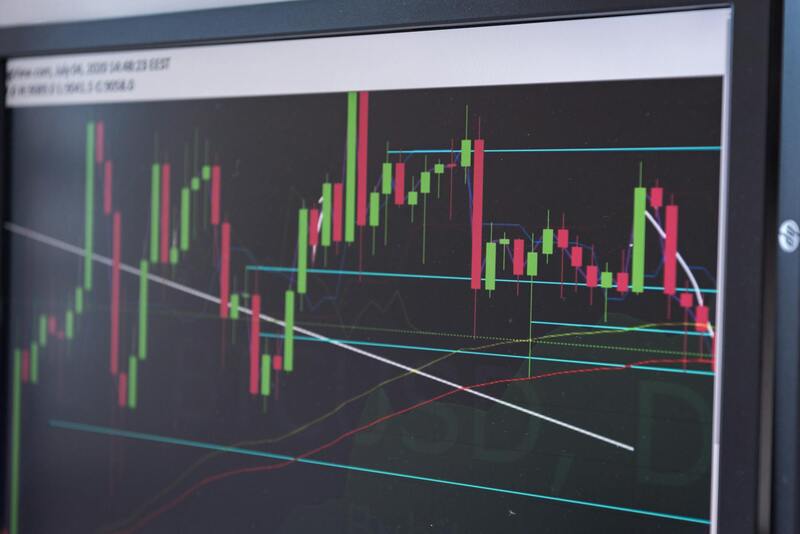
Online trading platforms serve as the essential interface between traders and financial markets, enabling execution of trades, monitoring of positions, and analysis of market data. These platforms vary from simple web-based interfaces to complex software solutions capable of handling multiple asset classes simultaneously. For proprietary trading firms, selecting a platform with robust functionalities, real-time data processing, and reliable performance is crucial to gaining a competitive edge.
Modern trading platforms integrate advanced features such as customizable dashboards, automated trading capabilities, and comprehensive analytical tools. They facilitate quick order execution, real-time market analysis, and seamless data management. Ensuring compatibility across devices and operating systems further enhances accessibility, allowing traders to operate efficiently regardless of location or hardware.
Core Functionalities of Leading Platforms
- Order Execution: Rapid, low-latency order processing to capitalize on market opportunities.
- Market Data Feeds: Access to real-time quotes, news, and economic indicators essential for informed decision-making.
- Technical Analysis Tools: Indicators, charting packages, and pattern recognition enable detailed market analysis.
- Risk Management: Features such as stop-loss, take-profit, and position sizing tools safeguard investments.
- Automation and APIs: Support for algorithmic trading and integration with external systems to execute strategies automatically.
Through the integration of these features, trading platforms empower prop traders to operate with precision, agility, and strategic insight, forming the backbone of successful trading operations.
Key Features of Top Trading Platforms
High-caliber proprietary trading platforms emphasize performance, security, and flexibility. Attributes such as seamless usability and advanced customization options directly influence traders' efficiency and ability to adapt to market dynamics.
Critical features include:
- Advanced Order Types: Limit, stop, OCO, and algorithmic orders to execute complex trading strategies.
- Multiple Asset Class Support: Accessibility to equities, forex, commodities, and derivatives within a single platform.
- Real-Time Data and Analytics: Sophisticated tools for live tracking and historical performance analysis.
- Customizable Interface: Flexibility to tailor the workspace according to trader preferences, enhancing workflow efficiency.
- Robust Security Measures: Multi-factor authentication, encryption, and regular security audits ensure data integrity and operational safety.
Furthermore, compatibility with third-party applications via APIs and support for automated trading strategies provide traders with expansive operational capacity. The ability to personalize the interface and functionalities enables traders to optimize their workflows and respond swiftly to market changes.

Usability and Support
Ease of use remains a decisive factor for traders, balancing complex functionalities with intuitive interfaces. Well-designed platforms minimize learning curves and reduce operational errors. Continuous support, including technical assistance and educational resources, ensures traders can maximize platform features and swiftly resolve issues, maintaining operational flow in dynamic trading environments.
Security and Compliance Standards
Ensuring the security of sensitive data and operational stability forms the backbone of reputable online trading platforms. These platforms employ layered security protocols to safeguard user information and transaction details, including encryption technologies that secure data in transit and at rest. Multi-factor authentication (MFA) adds an additional barrier to unauthorized access, requiring traders to verify their identity through multiple channels before gaining entry.
Regular security audits and updates are integral to maintaining a resilient trading environment. These audits identify potential vulnerabilities and enable platforms to implement necessary patches swiftly, preventing malicious exploits and data breaches. Additionally, platforms often adhere to strict standards and frameworks that align with industry best practices, promoting a trustworthy trading ecosystem.
Data protection extends beyond security measures, encompassing compliance with applicable regulatory standards and best practices. Many platforms implement rigorous KYC (Know Your Customer) procedures to verify user identities, which helps in maintaining transparency and accountability while safeguarding against fraudulent activities. Furthermore, operational transparency is reinforced through detailed audit logs, transaction histories, and compliance reporting that facilitate regulatory reviews and ensure accountability.

Official Methods for Securing Trading Operations
- Implementing Multi-Factor Authentication (MFA) for user login and account access
- Applying end-to-end encryption for all data exchanges
- Regular security audits and vulnerability assessments
- Ensuring compliance with industry-specific standards such as ISO 27001 and adherence to local regulatory guidelines
- Utilizing secure and compliant data storage solutions
- Establishing comprehensive incident response strategies for potential breaches
By adopting these safety measures, trading platforms can create a robust, secure environment that ensures continuous, uninterrupted trading while maintaining user trust and operational integrity.
Secure Data Management and Operational Transparency
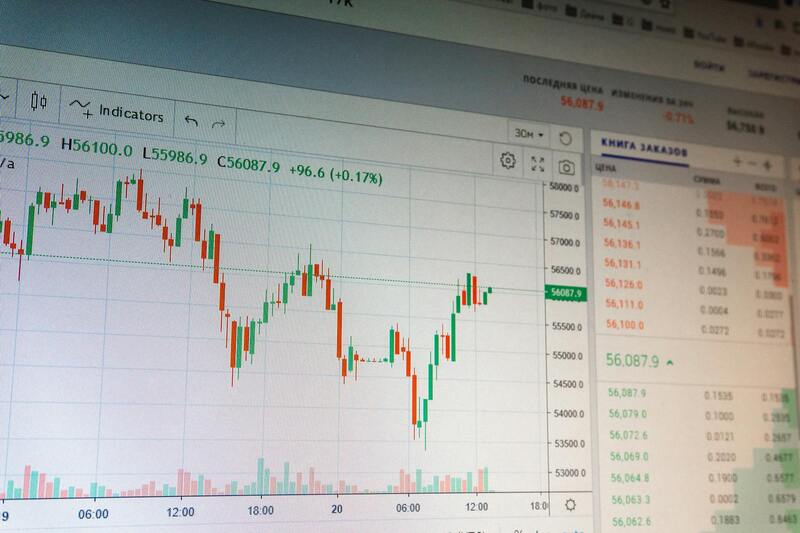
Efficient security management is fundamental to maintaining confidence in trading activities. Top-tier trading platforms deploy multiple layers of security protocols to safeguard sensitive data and transactional integrity. Advanced encryption standards ensure that data exchanged during trades remains confidential, while multi-factor authentication (MFA) adds an additional barrier against unauthorized access. Regular vulnerability assessments and security audits help identify potential risks, allowing for timely mitigation before exploits can occur.
Operational oversight is bolstered through comprehensive record-keeping systems that generate detailed audit logs and transaction histories. These records support transparent review processes, facilitate regulatory compliance, and promote trust among users. Robust incident response strategies enable platforms to respond swiftly to potential breaches, containing threats and minimizing damage.
As the trading landscape continues to evolve, platforms are increasingly aligning with global standards such as ISO 27001, ensuring a consistent approach to information security management. These measures are complemented by the adoption of secure, scalable data storage solutions that protect against data loss and ensure availability.
Official Methods for Securing Trading Operations
- Implementing multi-factor authentication (MFA) for user login and account access
- Applying end-to-end encryption for all data exchanges
- Conducting regular security audits and vulnerability assessments
- Ensuring compliance with industry-specific standards such as ISO 27001 and local regulatory guidelines
- Utilizing secure, compliant data storage solutions
- Establishing comprehensive incident response strategies for potential breaches
These protective measures are integral to creating a resilient environment that supports consistent, secure trading operations. They enhance user confidence and uphold the integrity of the trading platform by proactively addressing security threats and ensuring adherence to best practices.
Security and Compliance Standards of Leading Online Trading Platforms
Ensuring the integrity, confidentiality, and availability of trading data is paramount for the smooth operation of online trading platforms. Industry leaders adhere to rigorous security protocols designed to protect user information and transaction details from unauthorized access. These protocols include multi-factor authentication (MFA), which adds an extra layer of verification when logging into trading accounts, significantly reducing the risk of unauthorized access.
End-to-end encryption is a fundamental security measure, securing all data exchanges between users and the platform. This encryption prevents interception and tampering of sensitive information, such as login credentials and order details. Regular security audits are conducted to identify and address potential vulnerabilities, maintaining the strength of security defenses over time.
Compliance with recognized industry standards like ISO 27001 demonstrates a platform’s commitment to comprehensive information security management. These standards require continuous review and improvement of security processes, ensuring that platforms remain resilient against evolving threats. Additionally, platforms often implement secure and scalable data storage solutions, which protect against data loss and facilitate seamless access for authorized users.
Good security practices also involve establishing detailed incident response strategies. These plans facilitate quick identification and containment of security breaches, reducing potential impact. Transparency in operational procedures and adherence to local regulatory guidelines further reinforce the platform’s credibility and trustworthiness in the trading community.
Official Methods for Securing Trading Operations
- Implementation of multi-factor authentication (MFA) for user login and account access
- Application of end-to-end encryption for all data exchanges
- Regular security audits and vulnerability assessments
- Compliance with industry standards such as ISO 27001 and regional regulatory requirements
- Use of secure, compliant data storage solutions
- Development of comprehensive incident response strategies for potential breaches
Adopting these methods not only mitigates risk but also builds confidence among users, fostering a trusted environment for trading activities. Platforms that invest in robust security and compliance protocols are better positioned to support sustainable growth and user satisfaction in the dynamic online trading landscape.
Security and Compliance Standards
Ensuring the safety and integrity of trading activities relies heavily on the adherence of online trading platforms to rigorous security protocols and compliance standards. Vendors that prioritize these elements tend to foster trust and provide a stable environment conducive to consistent trading performance. Implementing multi-layered security measures signifies the commitment to protecting user assets and sensitive data from malicious threats. These include multi-factor authentication (MFA), which adds an additional verification step during login processes, significantly reducing the risk of unauthorized access.
Beyond login security, data encryption methods play an essential role in safeguarding communications and transactional data. End-to-end encryption ensures that data exchanged between users and servers remains confidential, preventing interception or tampering. Regular security audits by independent third-party experts reveal potential vulnerabilities before they can be exploited, ensuring continuous resilience against emerging threats.
Platforms also demonstrate their commitment to security through compliance with industry standards such as ISO 27001, which provides a framework for managing information security. Regionally, platforms adhere to regulatory requirements that dictate procedures for data privacy, transaction transparency, and operational integrity. These compliance measures help mitigate risks associated with data breaches and financial misconduct.
Secure data storage solutions are critical in preventing data loss and ensuring quick recovery in case of system failures or breaches. These solutions typically include encrypted cloud storage, redundant backups, and real-time monitoring. Coupled with comprehensive incident response plans, they enable quick containment of security events, minimizing operational disruptions.
Maintaining transparency in operational procedures further underscores a platform's credibility. Regular communication about security updates, compliance audits, and incident management processes reassures users of the platform’s proactive approach to security. Platforms that demonstrate unwavering dedication to these standards foster confidence among traders and institutional partners alike, ensuring a reliable foundation for all trading activities.
Popular Platforms Used in Prop Trading
In prop trading environments, several online trading platforms have established themselves as favorites due to their robust security measures, user-friendly interfaces, and comprehensive trading tools. These platforms include well-regarded names within the industry, offering reliable infrastructure tailored to meet the specific demands of professional traders.
- MetaTrader 4 and MetaTrader 5: Recognized worldwide, these platforms provide advanced charting tools, customizable interfaces, and strong security protocols. Their popularity stems from a large user base and extensive third-party support.
- Sharekhan: Known for its strong regulatory adherence and secure trading environment, Sharekhan offers real-time data, detailed analytics, and a dependable execution system that appeals to institutional traders.
- TOS (Trade Station): Providing sophisticated trading tools and automated strategies, TOS is a preferred choice among professional traders who prioritize security and customization.
- Interactive Brokers: This platform emphasizes comprehensive security features, low latency execution, and extensive global market access, making it suitable for large-scale prop trading firms.
Selection among these platforms often hinges on specific security features, data integration capabilities, and the potential for customization. As the landscape evolves, newer entrants often incorporate cutting-edge security protocols, including biometric verification and AI-based threat detection, to offer even higher levels of protection.
Cost and Funding Considerations
While security features are paramount, evaluating the associated costs and funding mechanisms is equally essential when choosing an online trading platform. Platforms may impose various fees, such as transaction commissions, subscription charges, or platform usage fees, which can impact overall profitability.
Funding methods also play a vital role in platform selection. Reliable and transparent funding options, including bank transfers, electronic wallets, and wire transfers, ensure smooth account financing without delays or hidden charges. Platforms that offer quick deposit and withdrawal processes, coupled with secure transaction channels, provide additional convenience for traders managing multiple accounts or large capital allocations.
Some platforms might charge extra for premium security features or advanced data services, but such investments can be justified by the added layer of protection and operational reliability they provide. It is crucial for traders and firms to analyze the total cost of ownership—including security costs, fees, and potential funding expenses—to select a platform that aligns with their operational needs and risk management strategies.
Evaluating Support and Customer Service
Effective support is crucial when choosing an online trading platform, especially for prop trading firms that rely heavily on real-time data and swift transaction execution. Reliable customer service can significantly reduce downtime and address technical issues promptly, ensuring uninterrupted trading activities. Leading platforms invest in multi-channel support systems, including live chat, email, and phone assistance, staffed by knowledgeable specialists familiar with the platform's intricacies.
Traders and firms should look for platforms that offer comprehensive educational resources, detailed tutorials, and responsive support teams capable of providing guidance on advanced features. An accessible support network helps maintain operational efficiency, reduces the risk of costly errors, and facilitates seamless onboarding for new team members. Platforms that regularly update their knowledge base and proactively communicate platform updates or maintenance schedules also demonstrate commitment to user success.

Integration Capabilities and Data Management
Modern online trading platforms should seamlessly integrate with analytical tools, third-party software, and data feeds to provide a comprehensive trading environment. Compatibility with popular trading software such as MetaTrader, NinjaTrader, or proprietary APIs facilitates efficient data flow, order execution, and strategy testing.
Robust data management features—including real-time market data, historical data access, and customizable dashboards—enable traders to analyze market movements effectively. The capacity to automate data collection and reporting minimizes manual errors and accelerates decision-making processes. Additionally, platforms that support multiple device integration ensure traders can monitor and execute trades from desktops, tablets, or mobile devices, enhancing operational flexibility.

User Experience and Platform Design
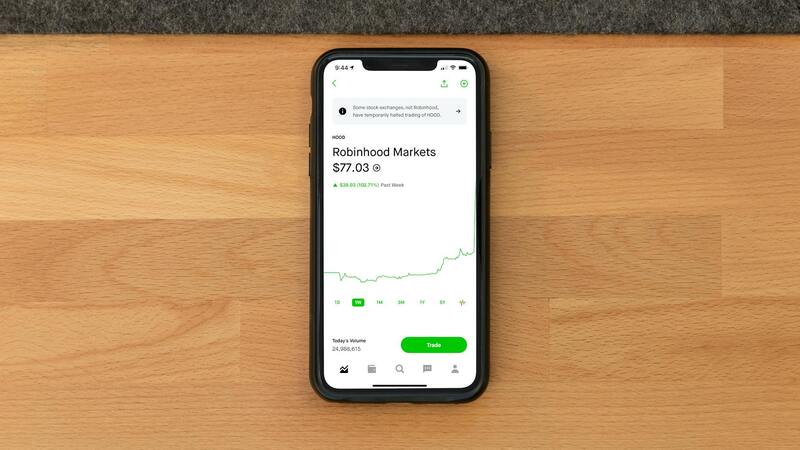
An intuitive, user-friendly interface is essential for maximizing trading efficiency. Top platforms prioritize clean layouts, customizable workspace configurations, and quick access to critical tools and information. The learning curve should be manageable for both new and experienced traders, with logical menu structures and clear navigation pathways.
Responsive design and minimal latency contribute to a smoother trading experience, reducing delays during high-volatility periods. Additionally, platforms offering customizable alerts, hotkeys, and automated order management create a tailored environment that aligns with specific trading strategies. Visual clarity, including well-designed charts, indicators, and a clutter-free interface, significantly improves situational awareness and decision accuracy.
Conclusion
Optimizing the choice of an online trading platform involves a comprehensive assessment of support services, integration capabilities, user experience, and operational reliability. Prop traders and firms should prioritize platforms that not only offer advanced security features and cost-efficiency but also provide seamless support, flexible data management, and an intuitive interface. These elements collectively contribute to a more efficient, secure, and adaptable trading environment, positioning firms for sustained success in a competitive landscape.
