Understanding Funding Futures in Prop Trading
Funding futures represent a specialized approach within the proprietary trading industry, offering traders the opportunity to access substantial capital without risking their personal funds. This model allows traders to demonstrate their skill via structured evaluation programs and secure funding that aligns with their trading strategies. Unlike traditional financing methods, funding futures programs are designed specifically for traders aspiring to scale their operations efficiently and securely.
At its core, funding futures facilitate a partnership between traders and funding providers, usually prop trading firms or proprietary trading companies, with the primary intent of leveraging the trader’s ability to generate profits. These programs serve multiple purposes: they enable talented traders to expand their trading activity, provide a layer of capital management, and foster a professional environment focused on consistent profit generation.
One of the main distinctions of funding futures from conventional capital access lies in its evaluation component. Traders are required to undergo rigorous assessment procedures where their trading strategies, risk management skills, and overall profitability potential are scrutinized. Successful completion of these processes results in the issuance of a funding agreement, which grants the trader access to significant trading capital.

This system effectively shifts the financial burden from individual traders to the funding entities, enabling traders to focus solely on trading performance. It offers an empowering pathway for skilled traders to grow their careers without the constraints of initial capital limitations, fostering a more merit-based and performance-centric environment in proprietary trading.
How Funding Futures Differ from Traditional Funding Methods
- Evaluation-Based Access: Funding futures require passing rigorous trading assessments before capital is allocated.
- Risk-Sharing Partnership: Capital is shared between traders and fund providers, with profit and loss-sharing agreements typically in place.
- Growth-Oriented: Designed to help traders scale their operations efficiently without the need for personal investment.
- Structured Cap Limits: Funding levels are often structured according to performance metrics and risk parameters.
This innovative funding mechanism introduces a performance-driven pathway that aligns the interests of the trader with that of the funding provider, fostering a mutually beneficial relationship that emphasizes consistent, disciplined trading practices and risk management.
Types of Funding Futures Programs
Prop trading firms offer a diverse array of funding futures programs tailored to accommodate traders at different experience levels, risk appetites, and strategic preferences. Understanding the specific structures of these programs helps traders select the most compatible pathway for growth and success.

Profit-Sharing Agreements
This model involves a partnership where both the trader and the funding firm share the profits generated from trading activities. Traders are often provided with a predefined trading account with specific risk management guidelines. Profits are split according to an agreed percentage, typically favoring the trader, but with clear rules to ensure risk control. This model incentivizes traders to maximize their performance while maintaining discipline to adhere to predetermined risk limits.
Scaled Funding
Scaled funding programs are designed to gradually increase the trader’s available capital based on proven performance metrics. Initially, traders start with a modest trading account, and as they demonstrate consistent profitability and risk management expertise, their funding levels are scaled up. This approach rewards success and encourages traders to develop sustainable trading habits, reducing the risks associated with large, untested positions.
Direct Capital Allocations
In this scenario, firms allocate a significant sum of trading capital directly to selected traders passing certain evaluation benchmarks. These allocations often come with detailed performance and risk management guidelines. Traders operate with a high degree of independence, but the firm maintains oversight to ensure adherence to risk parameters. This structure is attractive for experienced traders seeking substantial capital to deploy in their strategies.

Key Criteria for Funding Futures Eligibility
Entering a funding futures program requires meeting several essential criteria that demonstrate a trader’s capacity to handle capital responsibly. These criteria often focus on proven trading skills, risk management discipline, and consistency.
- Trading Performance Record: Demonstrating consistent profitability over a defined period is often a primary requirement. Firms typically look for traders who have shown sustained gains, indicating their ability to adapt and succeed under various market conditions.
- Risk Management Discipline: Traders must exhibit strong control over their risk exposure, including adherence to drawdown limits, position sizing rules, and stop-loss strategies. Successful risk management is crucial for maintaining capital and demonstrating reliability.
- Trading Strategy Transparency: Clear documentation of trading strategies, including the rationale behind each trade and risk controls, helps firms assess the trader’s approach and suitability for funding.
- Market Knowledge and Experience: An in-depth understanding of market mechanics, asset classes, and trading instruments enhances a trader’s capacity to generate profits within risk parameters.
Assessment and Evaluation Processes
The process to qualify for funding futures involves rigorous assessments designed to validate a trader's skills and strategy robustness. Typically, these evaluations consist of multiple stages, including simulation accounts, real trading simulations, and live trading periods under monitored conditions.
- Initial Evaluation: Traders often complete a predetermined demo or evaluation phase, where performance metrics such as profit targets, drawdown limits, and trading discipline are scrutinized.
- Live Trading Test: Successful candidates may proceed to a live account with real money, monitored closely for adherence to risk management rules and profitability consistency.
- Performance Review: Continuous evaluation during the funding period ensures that traders maintain performance standards, with periodic reviews and progress assessments.
Risk Management and Funding Limits
Funded traders must operate within strict risk management protocols that safeguard the capital of funding firms and promote sustainable trading. These protocols dictate position sizes, daily loss limits, and maximum drawdowns, all calibrated based on the funding amount and risk appetite.
- Position Sizing: Limits are established to prevent overexposure, often based on a percentage of the total allocated capital.
- Daily Loss Limits: Traders are prohibited from exceeding specific daily loss thresholds to avoid significant capital erosion in adverse conditions.
- Cumulative Drawdown Restrictions: The maximum permissible decline from the peak account balance is tightly monitored, with restrictions in place to protect overall capital integrity.
Benefits and Challenges of Funding Futures
The funding futures model offers notable advantages such as access to substantial trading capital, risk-sharing partnerships, and opportunities for scalable growth. However, traders must also navigate potential challenges, including stringent evaluation processes, performance pressure, and adherence to strict risk controls.
Choosing the Right Funding Futures Program
Selecting an appropriate funding futures program requires a comprehensive assessment of personal trading strengths, risk management capabilities, and strategic goals. Traders should analyze the program’s structure, evaluation criteria, profit-sharing policies, and support systems to identify the best fit for their trading style and career objectives.
Future Trends in Funding Futures and Prop Trading
Emerging innovations include enhanced evaluation platforms utilizing artificial intelligence to better assess trader potential, increased transparency around funding criteria, and the development of more flexible funding arrangements tailored to individual trader profiles. The integration of advanced analytics and performance tracking tools will further streamline the funding process, making opportunities more accessible to a broader range of talented traders.
Eligibility Criteria for Funding Futures
Access to funding futures programs is contingent upon meeting specific eligibility criteria established by proprietary trading firms. These standards are designed to identify consistent, disciplined traders capable of managing risk effectively while generating profitable results. The primary requirements typically include a proven track record of trading performance, adequate market experience, and strong risk management practices.
Traders are generally expected to demonstrate a consistent profit pattern over a defined period, often through verified trading accounts or simulation assessments. This consistency indicates a trader’s ability to generate sustainable returns under varied market conditions. Furthermore, firms assess traders’ familiarity with risk management strategies, such as setting stop-loss orders, position sizing, and managing drawdowns, which are crucial for protecting the capital entrusted to them.

Assessment and Evaluation Processes
The evaluation process for funding futures typically involves a series of rigorous phases designed to verify a trader’s skill level and risk discipline. Initial assessments often include simulated trading challenges or demo accounts, where traders must meet predefined profit targets while adhering to strict risk parameters. Successful completion demonstrates consistency and discipline, essential qualities for managing real funding.
Following initial screening, traders progress to more comprehensive evaluation stages, which may involve live trading with smaller capital allocations. During these phases, firms monitor metrics such as profit factor, win rate, average return per trade, and adherence to risk controls. These metrics provide quantitative insight into a trader’s capabilities and consistency, forming the basis for funding decisions.
Risk Management and Funding Limits
Effective risk management strategies are integral to sustaining funding futures programs. Firms impose specific trading limits, including daily, weekly, and overall maximum drawdowns, to mitigate potential losses and preserve capital. Traders are often required to maintain their account drawdowns within these limits; exceeding them can result in account suspension or termination of funding access.
Additionally, strict rules regarding position sizing and leverage are enforced to ensure traders do not take excessively risky trades that could jeopardize funding. By maintaining disciplined risk practices, traders not only protect the capital but also showcase their professionalism and suitability for ongoing funding opportunities.
Key Methods for Securing Funding Futures
- Verified Proven Performance: Demonstrate consistent profitability through real or simulated trading accounts.
- Adherence to Risk Guidelines: Strictly follow risk management protocols, including stop-loss orders and position limits.
- Market Knowledge and Strategy: Present well-developed trading plans and a robust understanding of market conditions.
- Discipline and Consistency: Maintain disciplined trading behaviors over an extended period, verified through performance records.
- Ongoing Evaluation Readiness: Prepare for continuous assessments that test adaptability and risk control under varying market scenarios.

Documentation and Verification for Funding Futures
Securing funding futures requires traders to submit comprehensive documentation to demonstrate their trading capabilities and adherence to established standards. This process typically involves providing proof of trading experience, performance records, and compliance with risk management practices. Traders may also need to verify their identity and financial background through official documents such as government-issued IDs, proof of address, and sometimes bank statements or trading account history.
In addition to the initial verification, ongoing performance assessments are common. Traders may be asked to submit regular trading reports or undergo simulated evaluation scenarios designed to test their consistency and risk control across different market conditions. These assessments help firms gauge not only a trader’s skill but also their ability to adapt and maintain discipline over time.

To facilitate the verification process, traders are advised to keep meticulous records of all trading activities, including trade execution times, profit and loss statements, and risk management logs. Maintaining clear and organized records supports smooth evaluations and increases the likelihood of progressing through different funding stages.
Continuous Monitoring and Performance Reviews
Most funding programs incorporate ongoing monitoring to ensure traders continue to meet performance standards. This ongoing review process might involve periodic performance reports, real-time compliance checks, and assessments against predefined metrics such as profit consistency, risk management discipline, and market adaptability. Traders who demonstrate stable performance often qualify for increased funding amounts or more favorable trading conditions.
Furthermore, firms typically set clear benchmarks for continued eligibility, emphasizing the importance of disciplined trading, adherence to risk limits, and strategic consistency. Regular evaluations serve to uphold high standards within the funding futures ecosystem, promoting profitable and responsible trading practices.
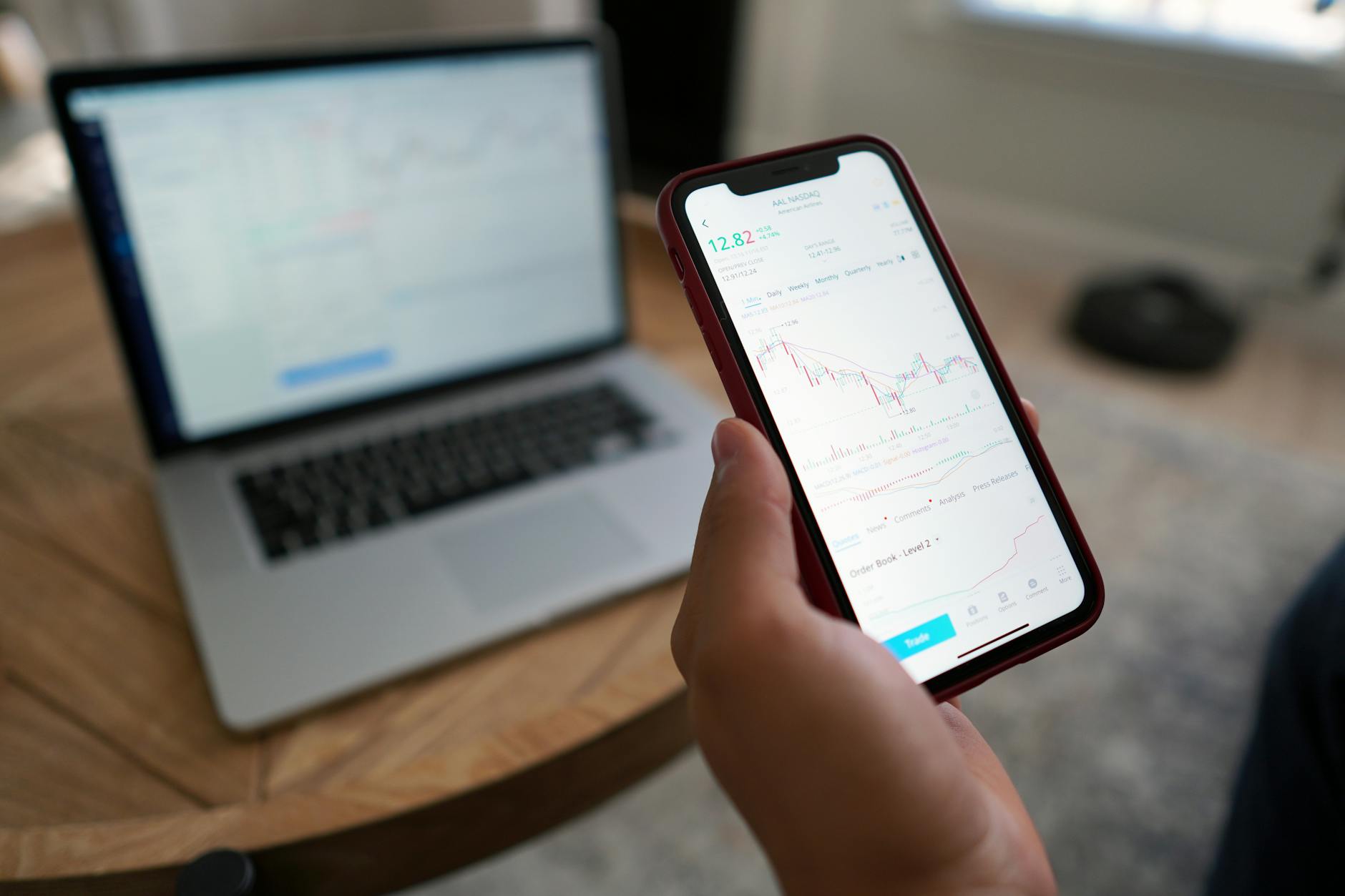
Understanding Funding Futures in Prop Trading
Funding futures programs serve as vital mechanisms for traders seeking access to significant capital without the need to risk their own funds fully. These programs enable traders to demonstrate their skill and consistency, after which they are granted the opportunity to trade with a firm’s capital, adhering to specific rules and protocols designed to preserve the integrity of the fund. The core concept revolves around evaluating a trader’s ability to generate profits while maintaining disciplined risk management practices, which, in turn, minimizes the exposure for the funding entity.
Mechanics of Funding Futures
Typically, a trader begins by applying for a funding program that matches their trading style and experience level. This involves an evaluation phase, often called a challenge or verification period, where traders must meet predetermined trading targets. These targets usually encompass profit goals, maximum drawdown limits, and risk management parameters that gauge the trader’s ability to sustain profitability and control losses over a specified duration.

Upon successful completion of the initial evaluation, traders are granted access to a funded account, which is subject to ongoing performance assessments. This setup ensures that traders continue to demonstrate the consistent, responsible trading behavior necessary for continued funding and potential scaling of trading capital. The process is structured to incentivize disciplined trading, as consistent profit generation coupled with risk control is rewarded with increased funding opportunities and enhanced trading conditions.
Importance of Transparency and Professionalism
Operating within funding futures programs demands a high degree of transparency. Traders are often required to provide thorough documentation of their trading activities, including detailed logs and reports. Proper documentation not only supports smooth evaluations but also fosters a professional trading environment, establishing trust and clarity between traders and funding firms. It ensures that performance metrics are accurately assessed and that trading practices align with the program’s standards.
Role of Continual Performance Monitoring
Funding programs typically incorporate ongoing review mechanisms to oversee trader performance. These assessments help identify traders who maintain high standards of discipline and profitability over time. Metrics such as profit consistency, adherence to risk limits, and adaptability to market conditions are scrutinized regularly, often through automated monitoring tools or periodic review sessions. Traders who adhere to these standards can benefit from increased capital allocations and more favorable trading conditions, reinforcing responsible trading behavior.
Technological Support in Funding Futures
Advanced trading platforms and risk management tools are integral to funding futures programs. These technologies enable real-time oversight, enforce trading limits, and facilitate swift intervention if a trader breaches risk parameters. Automated systems also streamline performance tracking and reporting, ensuring that evaluation processes are both transparent and efficient. Such technological integration enhances the reliability of the funding programs and provides traders with a stable platform for responsible trading.
In the dynamic landscape of proprietary trading, funding futures – supported by robust evaluation and monitoring processes – remain central to fostering professional, disciplined trading practices, and allowing traders to scale their strategies in a controlled manner.
Understanding Funding Futures in Prop Trading
Funding futures serve as a strategic bridge for traders aiming to expand their trading capacity through external capital supplied by proprietary trading firms. These programs are designed to allocate larger sums of capital to skilled traders, enabling them to execute more substantial trades while sharing in the profits generated. Unlike traditional trading accounts where traders burden the entirety of their funds, funding futures programs establish a partnership model, emphasizing responsible trading and consistent performance. This collaborative approach offers traders the opportunity to leverage professional resources, sophisticated analytics, and advanced technology tools to refine their trading strategies and optimize outcomes. As the trading environment evolves, these funding initiatives remain pivotal in cultivating disciplined, scalable trading practices that align with the overarching goals of transparency and profitability.

Types of Funding Futures Programs
Funding futures programs can be categorized based on their structure, evaluation criteria, and contractual arrangements. The most common types include:
-
Performance-Based Funding Models
These programs allocate capital contingent upon a trader’s demonstrated skill and historical performance. Traders undergo rigorous testing phases, after which a successful track record can lead to significant funding. Such models prioritize proven consistency and risk discipline, rewarding traders who meet or exceed predefined benchmarks.
-
Equity Share Programs
In these arrangements, traders receive a fixed percentage of the profits generated, with the trading firm's capital at risk. These programs foster a partnership ethos, where both parties are invested in long-term performance and risk mitigation. The structure often includes tiered profit sharing and performance incentives.
-
Hybrid Models
Combining elements of performance-based and equity sharing, hybrid programs offer flexibility and customized funding terms. Traders might initially access smaller capital amounts, with opportunities to scale up based on continuous performance and adherence to risk standards.

Key Criteria for Funding Futures Eligibility
Qualified candidates for funding futures programs typically meet a set of criteria that demonstrate both trading skill and operational discipline. These include:
- Proven Trading Track Record: Evidence of consistent profitability over a designated period, often verified through demo accounts or simulated trading environments.
- Risk Management Discipline: Demonstrated ability to adhere to predefined risk limits, including maximum drawdowns and position sizing protocols.
- Market Knowledge and Strategy Development: A deep understanding of market dynamics and a clear, actionable trading strategy aligned with the specific asset classes involved.
- Discipline and Emotional Control: Consistent adherence to trading plans, avoiding impulsive decisions that could jeopardize funding or capital.
- Technical Proficiency: Mastery over trading platforms, analytical tools, and order execution strategies to ensure efficiency and accuracy.
Assessment and Evaluation Processes
Assessing prospective traders involves comprehensive evaluation phases that test their capabilities under simulated or live conditions. These phases often include:
-
Initial Testing and Simulation
Candidates participate in simulated trading challenges that mimic real market conditions. Objectives focus on profitability, risk management, and adherence to trading rules within specified parameters.
-
Verification of Past Performance
Traders may need to submit verification of previous trading results, including records of profit consistency, drawdowns, and risk metrics that validate their capabilities.
-
Trial Funding Periods
Successful candidates might be granted a trial phase where limited capital is provided, allowing evaluation of real-time performance and discipline before full funding approval.
-
Performance Review and Approval
Ongoing performance monitoring involves regular review sessions utilizing automated tools and manual assessments to ensure continued adherence to program standards and risk controls. Traders who maintain high standards often qualify for increased capital allocation and more diverse trading opportunities.
Risk Management and Funding Limits
Effective risk management remains central to thriving funding futures programs. These frameworks incorporate strict limits intended to preserve capital integrity and promote sustainable trading practices. Core components include:
- Predefined Risk Parameters: Clear protocols for maximum daily or total drawdowns, position sizing limits, and stop-loss triggers to mitigate potential losses.
- Automated Monitoring Tools: Use of real-time analytics and trading alerts to automatically flag risk breaches or deviations from established protocols.
- Dynamic Capital Allocation: Capital is scaled based on ongoing performance, rewarding consistency while maintaining risk controls.
- Trade Surveillance and Compliance: Continuous oversight ensures traders adhere to program standards, with corrective measures implemented swiftly if deviations occur.
- Discipline Enforcement: Strict rules and ongoing education support traders in maintaining disciplined trading behavior aligned with risk management goals.
Understanding Funding Futures in Prop Trading
In the evolving landscape of proprietary trading, funding futures represent a pivotal opportunity for traders to access significant capital resources without personal financial risk. These programs serve as a bridge between aspiring traders and professional trading environments, offering a structured pathway to demonstrate skills, develop risk management techniques, and scale trading operations effectively. Funding futures empower traders to leverage their strategies within predefined risk parameters, increasing the potential for profit while safeguarding firm capital. Such arrangements are especially appealing for those who possess proven trading techniques but lack the substantial capital typically required to participate in high-stakes markets.

Operational Framework of Funding Futures
Funding futures programs generally operate through a comprehensive evaluation process, assessing traders' skills, consistency, and risk management capabilities. Once accepted, traders are provided with a trading account that contains a capital allocation scaled to their demonstrated competence. The core principle revolves around controlled risk exposure, permitting traders to maximize their profitability while adhering to strict guidelines and limits set forth by the program administrators.
Finalizing Funding Agreements
Most programs require traders to formalize their engagement through agreements that specify parameters such as maximum drawdowns, minimum performance thresholds, and trading timeframes. These contractual details establish clear expectations, minimize misunderstandings, and create a transparent environment for both parties to operate within. It is essential for traders to thoroughly review and understand these agreements to align their strategies accordingly and ensure compliance throughout the trading lifecycle.
Types of Funding Futures Programs
Funding futures programs are tailored to accommodate various trading styles and risk preferences. These programs differ primarily based on their evaluation criteria, funding capacities, and scaling mechanisms, providing options for traders at different stages of their careers and with diverse strategic approaches.
Standard Evaluation Programs
This category involves a predefined testing phase where traders must meet specific profit targets while adhering to risk management rules. Typically, such programs require traders to demonstrate consistency over a designated period, providing a clear pathway from evaluation to funding. The focus is on verifying skill, discipline, and risk control before committing significant capital.
Instant Funding Initiatives
Some programs offer immediate access to capital based on prior trading experience or verifiable track records. These programs are designed for seasoned traders who have a proven success history, allowing them to bypass lengthy evaluation processes and engage in live markets quickly. The caveat is that such arrangements often come with higher initial requirements or fees, reflecting the increased trust placed in experienced traders.
Customized Scalability Programs
These programs adapt dynamically to traders’ performance, incrementally increasing funding levels as consistent profitability and disciplined risk management are maintained. Such flexibility empowers traders to grow their trading authority in line with their skill development, fostering long-term engagement and capital growth.

Key Criteria for Funding Futures Eligibility
Prospective traders must meet specific criteria to qualify for funding futures programs. These benchmarks ensure alignment with program standards and mitigate associated risks. Critical eligibility factors include:
- Demonstrated Trading Experience: Verification of consistent profitability over time, typically through trading records, track records, or certifications.
- Adherence to Risk Management Rules: Evidence of disciplined trading behaviors, including maintaining risk limits, proper position sizing, and adherence to stop-loss protocols.
- Performance Consistency: Ability to generate steady returns without excessive drawdowns, reflecting reliability and emotional resilience under market stress.
- Technical Competency: Proficiency with trading platforms, order execution, and analytical tools necessary for precise decision-making.
- Discipline and Professionalism: Punctuality during evaluation stages, clear communication, and adherence to program rules, all indicative of trader reliability.
Assessment of Trading Records
Regular review of trading activity forms the backbone of eligibility determination. Evaluation often involves scrutinizing trading logs, profit-loss statements, and risk metrics. Programs may employ automated data analysis tools to objectively measure trader performance metrics, such as consistency, risk exposure, and reaction to market fluctuations. These assessments help identify traders who demonstrate resilience and disciplined risk management, key indicators of success in funding futures environments.
Assessment and Evaluation Processes
The journey toward funding eligibility typically begins with an evaluation phase that rigorously tests traders’ skills and adherence to program guidelines. During this process, traders are expected to meet specific objectives relating to profitability and risk control within a set timeframe. The evaluation process ensures that traders possess the necessary discipline and technical proficiency to operate within the constraints of a funded account.
Simulation and Live Trading Stages
Many programs utilize simulated trading environments, where traders are monitored for adherence to risk parameters and consistency in performance. Successful completion of the simulation often leads to a live funding phase. During live trading, performance continues to be closely monitored using automated tools that track profit targets, drawdowns, and compliance with trading protocols.
Performance Metrics and Continuous Monitoring
Ongoing monitoring is crucial for sustaining funding status. Metrics such as maximum drawdown, earnings volatility, and trading discipline are continuously assessed. Traders must navigate these parameters to maintain their funded accounts, with any breach potentially leading to account reviews or program termination. Regular performance reviews reinforce disciplined trading habits and enable traders to incorporate feedback for ongoing improvement.

Risk Management and Funding Limits
Risk management forms the foundation of successful funding futures programs. These frameworks establish maximum allowable losses and trading boundaries to protect both traders and the funding entity. Implementing strict risk controls helps to uphold capital integrity and promotes sustainable growth within the program.
Core Risk Management Protocols
- Predefined Risk Limits: Clear boundaries on daily and total drawdowns, outline the maximum acceptable loss levels to prevent catastrophic account depletion.
- Position Sizing Rules: Regulations on trade sizes relative to the account to balance risk and reward potential effectively.
- Stop-Loss and Take-Profit Triggers: Automated or manual mechanisms to lock in profits and limit losses, thereby reducing emotional trading influences.
- Real-Time Analytics and Alerts: Technology-driven tools that flag potential risk breaches or deviations from trading protocols instantly.
- Cap on Leverage: Controlled use of leverage to prevent excessive risk exposure, tailored to the trader’s experience and the market conditions.
Funding Limit Flexibility
While limits are set to preserve integrity, many programs incorporate dynamic scaling where account funding can be increased as traders demonstrate proven consistency and risk compliance. This approach encourages disciplined trading and provides opportunities for traders to grow their capital significantly over time.

Benefits and Challenges of Funding Futures
Funding futures offer numerous advantages for traders seeking to elevate their careers through scalable capital access. They facilitate professional growth by providing real-world trading experience within a managed environment that emphasizes risk control. Traders are supported by structured evaluations, ongoing risk monitoring, and capital scaling opportunities, which contribute to skill refinement and profitability maximization.
However, navigating funding futures programs also involves challenges, including the necessity for disciplined adherence to risk protocols, consistent performance, and the ability to adapt strategies during evaluation and live trading phases. Traders must be prepared to manage emotions and maintain rigorous discipline, as lapses can lead to account restrictions or closures. Additionally, the competitive nature of these programs demands continuous learning, strategic refinement, and the development of resilient trading habits to succeed in the long term.
Understanding Funding Futures in Prop Trading
Funding futures represent a strategic method for traders to access significant trading capital without risking personal funds. This approach enables skilled traders to capitalize on their expertise by managing larger accounts under the oversight of a proprietary firm. Such arrangements typically involve a rigorous evaluation process that assesses the trader’s ability to generate consistent profits while adhering to risk management guidelines. The core premise of funding futures is not merely about providing capital but fostering a disciplined environment where traders can develop sustainable, profitable strategies within predefined risk parameters.

The arrangements differ from traditional trading accounts primarily in the oversight and criteria involved. Funding futures programs often include structured evaluation phases where traders demonstrate their skill, risk discipline, and consistency. Upon successful completion, traders gain access to larger, professionally managed accounts which they can leverage to enhance earnings. This model aligns the interests of traders and firms, promoting responsible trading behaviors that prioritize capital preservation and steady growth.
Types of Funding Futures Programs
Funding futures programs vary primarily in their evaluation procedures, size of the initial capital offered, and scaling possibilities. The main types include:
- Standard Evaluation Programs: These programs involve a fixed assessment period where traders must meet specific profit targets, risk limits, and trading rules. Successful completion grants access to funded accounts with predetermined capital sizes.
- Dynamic Scaling Programs: Traders start with a set account size and can increase their funding based on performance. Consistent profitability and risk adherence lead to account growth, providing opportunities for larger trading capital over time.
- Profit Sharing Models: Instead of fixed funding amounts, some programs allocate a proportion of profits to traders, fostering a partnership model where traders are incentivized to optimize their strategies.

Key Criteria for Funding Futures Eligibility
Achieving eligibility for funding futures programs involves fulfilling several critical criteria that focus on risk discipline, consistent performance, and strategic trading habits. The core requirements typically include:
- Consistent Profitability: Demonstrating the ability to generate steady gains during evaluation phases is essential. This often involves maintaining profitability over multiple trading periods without excessive drawdowns.
- Risk Management Compliance: Adhering to predefined risk limits, such as maximum drawdown thresholds and per-trade risk percentages, is fundamental. Traders must exhibit prudent risk-taking to qualify for funding.
- Discipline and Strategy Adherence: Following the program’s trading rules and maintaining disciplined order execution are vital for success.
- Trading Experience and Knowledge: A sound understanding of market mechanics, technical and fundamental analysis, and trading psychology support better performance during evaluations.
Assessment and Evaluation Processes
The evaluation process is the gateway to funded trading accounts. It typically involves multiple stages designed to scrutinize a trader's skill, consistency, and risk management ability. These stages include:
- Application and Pre-Verification: Initial screening for trading experience and adherence to program prerequisites.
- Simulation and Demo Trading: Traders demonstrate their skills within simulated environments, adhering to all risk and trading rules.
- Funding Evaluation Phase: Real-time or simulated trading where performance metrics like profit targets, drawdown limits, and trade discipline are monitored.
- Verification and Final Approval: Successful traders may undergo additional review before gaining full access to funded accounts, often with conditions for continued evaluation and performance review.

Risk Management and Funding Limits
Proper risk management is at the heart of funding futures programs. These programs set strict trading limits to safeguard both trader and firm capital, which include:
- Maximum Drawdown: Defines the total loss allowable on the account before trading is suspended or terminated. This encourages traders to preserve capital and avoid reckless trading.
- Per-trade Risk Limits: Caps on the amount of capital risked per individual trade to prevent significant losses from single positions.
- Profit Target Constraints: Minimum profit objectives that traders must achieve to demonstrate effectiveness.
- Trading Hours and Instrument Restrictions: Limits on trading during volatile periods or in certain instruments to control exposure and risk.
Dynamic scaling is often incorporated, allowing traders to increase their account sizes proportionally to their consistent risk management and profit generation, providing a pathway for sustained growth.
Benefits and Challenges of Funding Futures
Funding futures open pathways for traders to evolve from personal account trading to professional levels, offering significant financial leverage, educational opportunities, and growth potential. Yet, success hinges on disciplined risk management, continuous performance, and strategic adaptation. Navigating these programs requires a resilient mindset, as the high standards for evaluation and ongoing performance monitoring demand persistent discipline and strategic refinement.

Choosing the Right Funding Futures Program
Selecting a suitable funding futures program entails evaluating several factors:
- Evaluation Criteria: Consider programs with transparent and achievable performance benchmarks aligned with your trading style.
- Funding Amounts and Scaling Opportunities: Choose programs that offer growth potential and account scaling based on performance.
- Risk Management Rules: Assess if the risk limits fit your trading approach and comfort levels.
- Reputation and Support: Prioritize programs known for transparency, fair evaluations, and supportive environments to facilitate your growth.
- Cost and Profit Sharing: Review fee structures, profit splits, and potential costs involved in evaluation stages and ongoing trading.