
Definition and Overview of Crypto Prop Firms
Crypto proprietary trading firms, commonly known as crypto prop firms, are specialized entities that engage in the trading of cryptocurrencies using their own capital. Unlike traditional trading firms that trade on behalf of clients or investors, crypto prop firms operate primarily to generate profits through their trading strategies. They allocate their resources to a team of professional traders, who are entrusted with executing trades based on market analysis and strategic insights.
These firms serve as a bridge between individual traders and the expansive world of digital assets, providing traders with the necessary capital and infrastructure to optimize their trading potential. Crypto prop firms differ from conventional financial institutions in their focus and operational approach, emphasizing agility and rapid response to market fluctuations inherent to the cryptocurrency landscape.
Typically, the structure of a crypto prop firm involves a rigorous evaluation process whereby traders demonstrate their skills and strategies in simulated environments. Successful traders then gain access to the firm’s capital, enabling more significant trading volumes and potential profits. The primary goal of such firms is to capitalize on the high volatility of the crypto markets, leveraging sophisticated algorithms, market analysis, and risk management techniques to maximize returns.

This specialized approach provides a scalable and efficient means of participating in the cryptocurrency markets, often resulting in high-profit margins and expanded trading opportunities. Importantly, crypto prop firms work exclusively with their capital, which allows for a distinct separation from client funds, emphasizing their role as independent trading entities within the digital economy.
Definition and Overview of Crypto Prop Firms
Crypto proprietary trading firms, commonly known as crypto prop firms, are specialized organizations that utilize their own capital to engage in cryptocurrency trading. Unlike traditional investment firms that manage client funds, these entities focus on deploying their resources to maximize trading profits through strategic and expertly executed trades. The fundamental principle behind a crypto prop firm is to leverage advanced technology, proprietary algorithms, and skilled traders to navigate the highly volatile digital asset markets efficiently.
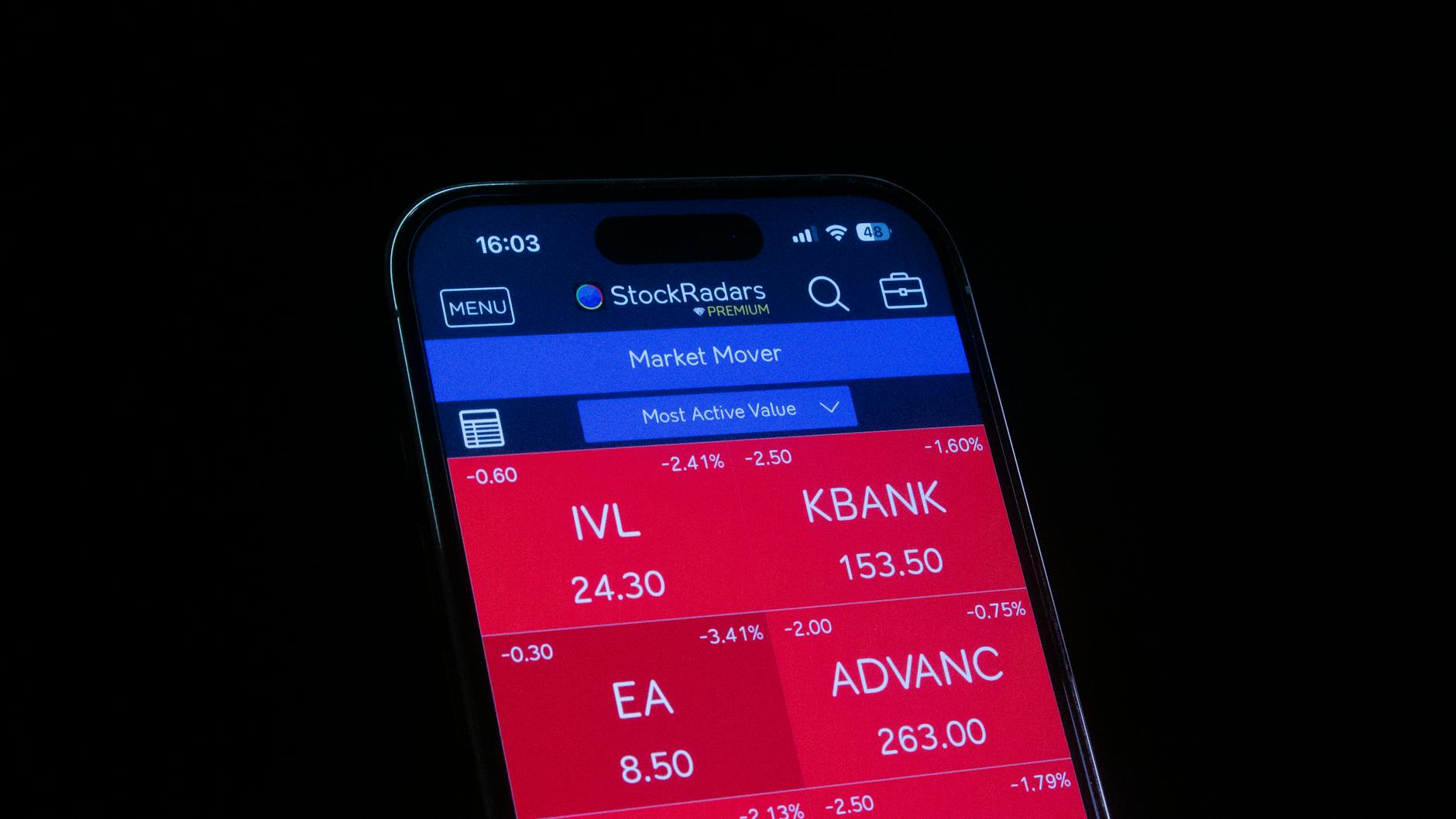
Typically, these firms implement a comprehensive evaluation process to identify talented traders, often through simulated trading challenges that assess their risk management, market analysis skills, and profitability potential. Successful candidates are granted access to the firm's trading capital, which enables larger position sizes and the pursuit of higher returns. Crypto prop firms serve as vital players in the digital economy, providing a bridge for professional traders to utilize significant capital resources while maintaining operational independence.
Crypto prop firms differ from traditional financial institutions in several ways. They emphasize agility to respond swiftly to rapid market shifts and employ cutting-edge trading technology designed specifically for the cryptocurrency environment. Their focus on digital assets involves utilizing sophisticated algorithms, real-time data analytics, and manual trading expertise to exploit short-term market opportunities, thereby aiming to generate consistent profits in an inherently unpredictable landscape.
Furthermore, crypto prop firms operate under strict risk management protocols to preserve capital and optimize profitability. This includes setting exposure limits, utilizing hedging strategies, and employing automated algorithms to monitor and manage trades dynamically. Their exclusive focus on their own capital allows them to fine-tune strategies continuously without the constraints often imposed by client fund management, fostering a culture of innovation, precision, and quick decision-making.
Types of Trading Strategies Used
Crypto prop firms employ a wide array of trading strategies tailored to the volatile nature of digital assets. Their strategies typically encompass algorithmic trading, arbitrage, scalping, and trend following, each designed to exploit specific market conditions and short-term opportunities. Algorithmic trading, for instance, involves the use of advanced computer algorithms to execute trades at high speed and volume, capitalizing on minute price discrepancies and market inefficiencies. These algorithms often incorporate machine learning models to adapt to evolving market environments, ensuring that trading decisions are both swift and data-driven.

Arbitrage strategies seek to profit from price differences of the same asset across different exchanges or trading pairs, requiring real-time data analysis and quick execution to capitalize on temporary mispricings. Scalping, another prevalent approach, involves making a large number of small trades to capture tiny price movements, demanding high liquidity, fast execution speeds, and disciplined risk management.
Trend-following tactics are extensively utilized to identify and ride sustained market movements, leveraging technical indicators like moving averages or volume patterns. Crypto prop firms often combine these approaches within a hybrid strategy framework to maximize adaptability, allowing traders to switch between methods based on market conditions. Through employing diverse strategies, crypto prop firms aim to optimize profit potential while managing inherent risks of digital asset trading.
Risks and Challenges in Crypto Prop Trading
Engaging in crypto prop trading involves several inherent risks that demand meticulous oversight. The highly volatile environment of digital assets can lead to rapid, unpredictable price swings, which challenge even the most sophisticated trading systems. One primary risk is overexposure, where large position sizes may result in significant losses in a short timeframe if market conditions turn unfavorably. To address this, firms enforce strict risk controls, including exposure limits and stop-loss orders, to mitigate potential damages.
Another challenge is technical risk, originating from reliance on complex algorithms and automated systems that require continuous maintenance and monitoring. System failures, latency issues, or bugs in trading software can lead to missed opportunities or unexpected losses. Furthermore, the emerging regulatory landscape across various jurisdictions introduces legal uncertainties that can affect operational parameters, although firms typically navigate these through compliance programs and risk assessments.

Market manipulation and liquidity shortages also present notable obstacles, especially in less liquid tokens or emerging markets. These factors can distort price signals or restrict the ability to execute large trades without impacting the market adversely. Consequently, crypto prop firms place a high emphasis on real-time data analysis, robust technological infrastructure, and disciplined trading protocols to confront these challenges proactively. Maintaining a balanced approach towards risk and reward is essential for long-term success in crypto proprietary trading ventures.
Business Models and Funding Structures in Crypto Prop Firms
Crypto proprietary trading firms utilize a variety of business models to operate efficiently while maximizing their trading potential. Understanding the funding structures that underpin these firms is essential for traders and investors seeking credible partnerships. Typically, these firms secure capital through internal funds, partnerships, or external investors, allowing them to allocate significant resources toward sophisticated trading algorithms and risk management tools.
Internal funding refers to the firm's own capital, derived from previous profits or initial seed investments. This approach affords the firm complete control over its trading strategies and risk controls. When external investors are involved, the firm may function as a fund manager, pooling capital from diverse sources to create a larger trading pool. These arrangements often include profit-sharing agreements, where traders receive a percentage of the profits they generate, aligning incentives with firm objectives.
Additionally, some crypto prop firms operate through profit-sharing models based on performance. Traders are provided with a trading account size, often with predefined risk limits, and are compensated based on their ability to generate consistent returns within set parameters. Such models foster a symbiotic relationship where traders are incentivized to employ disciplined trading strategies while the firm manages overall portfolio risks efficiently.

The choice of funding model significantly influences the firm's operational agility, risk management practices, and transparency. Firms that leverage robust and transparent funding structures tend to attract more skilled traders, thereby improving their overall performance and reputation within the trading community.
In terms of operational costs, firms often invest heavily in technology infrastructure, including high-frequency trading systems, secure data feeds, and sophisticated analytical tools. These investments are essential for maintaining a competitive edge in the fast-paced cryptocurrency markets. Moreover, compliance costs associated with adherence to regulatory standards can be substantial, especially as the industry continues to evolve and adapt to new jurisdictional requirements.
Conclusion
By adopting sound business models and transparent funding mechanisms, crypto prop firms can sustain long-term growth and stability. This structure not only enables access to substantial capital but also fosters an environment where talented traders can thrive within clearly defined risk parameters. As the industry matures, ongoing innovation in funding strategies will continue to shape the landscape, emphasizing the importance of credibility and operational efficiency for success in crypto proprietary trading.
Criteria for Joining a Crypto Prop Firm
Successfully onboarding with a crypto prop firm requires strict adherence to specific criteria that evaluate a trader’s potential, discipline, and understanding of the cryptocurrency markets. These criteria typically help the firm gauge not only technical proficiency but also risk management capabilities and overall market insight.
Trading Experience and Track Record
Most crypto prop firms look for candidates who demonstrate a consistent trading history, preferably with verifiable results. While extensive experience in traditional markets can be advantageous, firms value traders with proven success in cryptocurrency trading, especially those familiar with market dynamics, chart analysis, and volatility management. Maintaining a clean trading record, free of significant drawdowns or violations, is often a prerequisite.
Knowledge of Cryptocurrency Markets
A solid understanding of blockchain technology, various cryptocurrencies, and their respective market drivers is essential. Applicants should be comfortable analyzing market data, understanding technical indicators, and keeping abreast of industry news and regulatory shifts that influence asset prices. This knowledge ensures traders can develop strategies aligned with current market conditions.
Risk Management Skills
Crypto prop firms emphasize disciplined risk management to protect their capital pool. Candidates are usually assessed on their ability to cap potential losses, set appropriate stop-loss orders, and adjust positions based on market volatility. Demonstrating a clear approach to risk mitigation reassures the firm of a trader’s stability during turbulent market phases.
Technical Proficiency
Proficiency in trading platforms, analytical tools, and programming languages (such as Python or TradingView scripts) can enhance a trader’s appeal. In particular, familiarity with algorithmic trading techniques can be advantageous, as many firms prefer traders who utilize automation to execute strategies swiftly and accurately.
Psychological Resilience
Psychological endurance and emotional control are critical in the high-stakes environment of crypto trading. Firms seek individuals who can maintain discipline during rapid market swings, resist impulsive decisions, and adhere strictly to predefined trading plans.

Application Process and Evaluation
The process typically involves submitting a detailed trading profile, passing evaluation tests, and sometimes a simulated trading challenge. This assessment phase is designed to filter candidates based on their strategic thinking, risk control, and overall market understanding. Successful candidates often begin with a probation period, during which their trading performance is monitored before full funding is granted.
Additional Considerations
- Demonstrated ability to adapt strategies based on market conditions.
- Transparent trading history with clear documentation.
- Alignment with the firm's trading philosophy and operational standards.
- Adherence to strict compliance and ethical trading practices.
Understanding the Funding and Compensation Structure
Crypto prop firms primarily operate by providing traders with capital to execute their trading strategies, allowing the traders to leverage the firm's resources to potentially generate returns. Unlike conventional employment models, traders within these firms often operate under profit-sharing agreements or performance-based compensation structures. Typically, traders are assigned a certain percentage of the profits they generate, with some firms offering a fixed salary plus bonuses tied to performance metrics. The key advantage here is the ability to access significant trading capital without risking personal funds, enabling high-volume trading activity that would be unattainable otherwise.
Profit-Sharing and Payout Models
Profit-sharing models vary among crypto prop firms but generally revolve around monthly or quarterly payout cycles. In some instances, a tiered system is implemented where the trader’s share increases as they meet certain profit benchmarks, incentivizing consistent performance. The payout calculations often consider the net profit after deducting operational costs or fees set forth by the firm. Transparency in payout procedures is crucial, with reputable firms providing detailed statements outlining profit shares, fees, and any adjustments applicable due to market conditions or trading outcomes.
Funding Limits and Scaling Opportunities
Initial capital allocations offered to traders differ based on the firm’s policies and the trader’s experience or proven track record. Successful traders who consistently generate profits may qualify for increased funding, enabling them to scale their trading activities and potentially amplify their earnings. Scaling strategies often involve tiered funding levels, where traders demonstrate their ability to manage larger positions prudently. Dynamic funding models also exist, where firms allocate more capital based on ongoing performance evaluations, fostering long-term trader development and stability.
Role of Risk Management in Compensation
Risk management practices are embedded deeply in funding and payout schemes. Reputable crypto prop firms enforce strict risk controls, including maximum drawdown limits and position size restrictions, which protect both the firm and the trader's earnings. Traders who adhere to these protocols are more likely to sustain profitability and secure continued funding. Non-compliance or consistent breach of risk parameters can result in reduced funding, temporary suspension, or termination of trading privileges. This system emphasizes disciplined trading and responsible capital use, reinforcing sustainable profit generation.

Legal and Ethical Considerations in Crypto Prop Trading
Engaging with a crypto prop firm involves understanding the contractual obligations and operational standards mandated by these organizations. Reputable firms provide clear agreements detailing profit-sharing arrangements, risk management policies, and compliance requirements. Traders are expected to adhere strictly to these protocols, ensuring their activities align with firm standards and industry best practices. Additionally, transparent record-keeping and ethical trading behavior are essential for maintaining mutual trust and securing ongoing funding support.
Conclusion
The structure of funding, profit sharing, and compensation within crypto prop firms plays a significant role in defining the trading environment. It offers traders opportunities for substantial earnings through strategic use of firm capital, provided they demonstrate consistency, disciplined risk management, and adherence to established policies. As this industry continues to evolve, these frameworks are likely to become more sophisticated, offering advanced scaling options and nuanced payout models that align incentives for both traders and the firms themselves.
Understanding the Criteria for Joining a Crypto Prop Firm
Entering the world of crypto proprietary trading requires applicants to meet specific standards set by established firms. These criteria ensure that traders possess the necessary skills, knowledge, and discipline to effectively manage firm capital and generate sustainable profits. A comprehensive evaluation process typically includes various assessments and prerequisites designed to gauge a trader’s competency and readiness.
Prerequisite Skills and Qualifications
Successful candidates often demonstrate a solid understanding of cryptocurrency markets, trading principles, and risk management strategies. Prior experience in trading, whether in crypto or traditional financial markets, can significantly strengthen an application. Educational background in finance, economics, or related disciplines may also be advantageous, reflecting a trader’s foundational knowledge base.
- Proven track record of profitable trading activities
- Strong analytical skills and ability to interpret market data
- Effective risk management and disciplined trading habits
- Knowledge of trading platforms and charting tools
Assessment and Evaluation Processes
Crypto prop firms utilize rigorous testing procedures to evaluate potential traders. Common methods include simulation challenges, real-time trading assessments, and theoretical exams. These tests measure a trader’s ability to execute strategies under volatile market conditions while adhering to risk parameters. The goal is to identify individuals who can handle the inherent uncertainties of crypto markets and sustain consistent performance over time.

Mandatory Trading Demonstrations
Many firms require candidates to participate in simulated trading environments or demo contests. These exercises allow evaluators to observe trading behaviors, decision-making processes, and adaptability without risking real capital. Success in these demonstrations often serves as a prerequisite for access to funded trading accounts, highlighting a trader’s capacity to execute strategies efficiently and responsibly.
Verification of Financial Background and Personal Integrity
Beyond technical skills, firms also scrutinize the personal and financial backgrounds of applicants. This step includes checks on financial stability, trading history, and adherence to ethical standards. Maintaining transparency and demonstrating a commitment to responsible trading practices can significantly influence acceptance prospects. Such due diligence helps ensure that traders align with the firm’s values and operational protocols.
Continuous Development and Skill Enhancement
Joining a crypto prop firm is not the end of the learning curve. Ongoing education and skill refinement are vital for sustained success. Many firms offer training programs, mentorship opportunities, and access to cutting-edge trading tools. Traders are encouraged to stay updated on market trends, technological innovations, and regulatory changes to adapt their strategies effectively and maintain their competitive edge.

Understanding the Evaluation Process for Crypto Prop Firm Candidates
Joining a crypto prop firm involves a rigorous assessment process designed to identify traders who possess the necessary skills, discipline, and ethical standards. The process typically begins with traders completing structured evaluation phases that test their ability to develop and execute effective trading strategies under simulated or real market conditions.

Initial Skill and Strategy Testing
Prospective traders often undertake detailed testing to demonstrate their strategic thinking and technical proficiency. This phase includes executing trades based on well-defined plans, managing risk appropriately, and maintaining discipline under pressure. Firms evaluate not only the profitability of these trades but also consistency, reaction to market volatility, and adherence to predefined trading rules.
Simulated Trading Environments
Many companies employ simulated trading platforms that mirror live crypto markets. These platforms serve as a sandbox for traders to showcase their ability to adapt to rapid price fluctuations, news events, and market sentiment shifts without risking real capital. Success in these scenarios allows traders to progress to live trading stages within the firm’s framework.
Ongoing Performance Metrics
Throughout the evaluation, firms monitor key performance indicators such as win-loss ratio, drawdowns, consistency over time, and risk-adjusted returns. Traders demonstrating disciplined trading habits, effective risk management, and sustained profitability are more likely to secure a funded account.
Ethical Conduct and Compliance Checks
In addition to technical performance, the assessment process also involves review of personal integrity and adherence to ethical trading standards. Transparency about trading history, financial background, and willingness to follow firm policies are crucial for building trust and fostering a responsible trading environment.
Importance of Continuous Monitoring and Feedback
Once traders are onboarded, ongoing monitoring helps ensure they maintain high standards of performance. Regular feedback sessions and training opportunities are offered to support the development of trading skills, adapt to evolving market conditions, and uphold the firm’s operational integrity.
