
Comprehensive Overview of Multi Asset Trading Platforms
Introduction to Multi Asset Trading Platforms
In today’s dynamic financial landscape, efficient trading across multiple asset classes is essential for traders seeking diversification and maximized opportunities. Multi asset trading platforms serve as integrated environments that provide access to various financial instruments, ranging from equities and commodities to foreign exchange and derivatives. Their importance is especially pronounced within proprietary trading firms, where agility and comprehensive tools can significantly influence performance.
These platforms facilitate traders in executing strategies that span multiple markets simultaneously, thereby enabling a more holistic approach to risk management and investment. As markets become increasingly interconnected, the ability to switch swiftly between assets and analyze cross-asset correlations directly impacts trading success.
Core Functionalities and Features
Effective multi asset trading platforms are equipped with advanced features designed to enhance efficiency and precision:
- Real-time Data Analytics: Access to live market data for multiple asset classes ensures traders can make informed decisions without delay.
- Order Management System: Streamlined order placement, modification, and cancellation capabilities across different instruments optimize trading workflows.
- Advanced Charting and Technical Analysis: Customizable tools support technical traders in identifying market trends and entry/exit points.
- Automated Trading and Algorithms: Integration of algorithmic strategies to execute trades based on predefined criteria enhances execution speed and consistency.
- Risk Controls and Stop-Loss Mechanisms: Built-in safeguards to limit losses and manage exposure effectively.
Supported Asset Classes
Multi asset trading platforms typically encompass a wide spectrum of financial instruments, including but not limited to:
- Equities and ETFs
- Foreign exchange (FX)
- Commodities such as metals, energy, and agriculture
- Futures and options
- Fixed income securities
- Cryptocurrencies (where applicable)
The ability to trade across these varied classes within a unified environment empowers traders to diversify their portfolios and implement complex strategies more effectively.
Execution Capabilities and Speed
Execution speed remains a cornerstone in competitive trading environments. Multi asset platforms leverage high-performance infrastructure, including direct market access (DMA), low-latency data feeds, and robust order routing systems to facilitate swift trade execution. Such capabilities minimize slippage and enhance the likelihood of execution at desired price levels.
In addition, many platforms offer smart order routing algorithms that optimize order fulfillment across multiple venues, further improving operational efficiency.
Risk Management and Compliance Tools
Proprietary traders operate within strict risk parameters; therefore, comprehensive risk management tools are integral to multi asset platforms. These include:
- Position monitoring dashboards
- Automated alert systems for margin or risk threshold breaches
- Trade audit trails for transparency and review
- Compliance modules to adhere to trading regulations and internal policies
Integration and Connectivity
Seamless integration with external data providers, financial news services, and third-party analytical tools enhances a platform’s versatility. Connectivity options such as FIX protocol support and API integrations enable traders to incorporate custom solutions and automate workflows, creating a cohesive trading environment that adapts to evolving requirements.
User Interface and Customization
An intuitive user interface tailored to the needs of both novice and experienced traders boosts operational efficiency. Customizable workspace layouts, hotkeys, and alert systems allow users to optimize their trading setups. Additionally, multi-monitor support and flexible charting configurations help traders manage complex strategies more effectively.
Selecting an Appropriate Multi Asset Trading Platform
Choosing the right platform involves assessing several factors, such as asset coverage, platform stability, speed, and data integration capabilities. A robust multi asset trading system should not only support current trading needs but also be scalable to accommodate future growth or strategy adjustments. Evaluating vendor reputation and ongoing support services ensures a consistent and reliable trading experience.
Core Functionalities and Features
Multi asset trading platforms are designed with a comprehensive suite of functionalities that cater to the diverse needs of professional traders and trading firms. Central to these platforms is their ability to support a wide range of asset classes, enabling traders to diversify their portfolios and execute strategies seamlessly across different markets.
Multi-Asset Support and Asset Class Coverage
Effective multi asset trading platforms encompass support for a variety of asset classes including equities, commodities, forex, options, futures, and fixed-income securities. This breadth ensures traders can implement complex strategies that involve multiple markets without switching between different systems, thereby maximizing efficiency. The platform's architecture often allows integration with multiple liquidity providers, enabling access to competitive bid-ask spreads and deeper liquidity pools.
Execution Capabilities and Speed
Speed of order execution remains a critical factor in successful trading, especially in markets where price volatility can lead to significant gains or losses within seconds. Advanced platforms leverage low-latency technology and optimized order routing algorithms to provide rapid execution. Additionally, support for sophisticated order types—such as iceberg orders, stop-limit, and trailing stops—equips traders with the tools needed to refine their strategies and mitigate risks effectively.
Risk Management and Compliance Tools
In high-stakes trading environments, robust risk management features are vital. These include real-time margin monitoring, position limits, and automated risk alerts to prevent overexposure. Many platforms incorporate compliance modules that help traders adhere to regional and international trading regulations, including anti-money laundering (AML) protocols and transaction reporting standards. Such tools foster disciplined trading practices and operational transparency.
Integration and Connectivity
Leveraging sophisticated APIs and connectivity protocols, multi asset trading platforms enable integration with data feeds, news services, and analytical tools. This connectivity enhances decision-making by providing traders with real-time market insights and customizable data dashboards. Support for industry-standard protocols like FIX ensures seamless interaction with various external systems, creating a fluid trading environment adaptable to evolving technological requirements.
User Interface and Customization Options
A well-designed user interface simplifies complex trading workflows. Platforms offer customizable layouts that enable traders to organize their workspace according to personal preferences or specific trading strategies. Features such as multi-monitor support, customizable hotkeys, and advanced charting tools contribute to efficiency, allowing traders to monitor multiple assets simultaneously and react swiftly to market movements.
Assessing and Selecting the Right Platform
Choosing the appropriate multi asset trading platform involves careful evaluation of several key factors. These include asset coverage, platform stability, execution speed, and the ability to integrate with various data sources and third-party tools. An ideal platform should be scalable, catering to future growth, and adaptable to changing strategies. Vendor reputation, quality of customer support, and ongoing software updates are also crucial considerations to ensure continuous, reliable trading operations.
Focusing on platforms that offer comprehensive features, high execution reliability, and flexible customization options will notably enhance the trading experience for professional traders and firms aiming for consistent performance across multiple asset classes.
Asset Classes Supported
Multi asset trading platforms are engineered to provide comprehensive access across a wide spectrum of investment options. These platforms cater to the diverse needs of traders and institutional investors by supporting a variety of asset classes, thereby enabling diversified portfolio management within a single interface. The primary asset classes available include equities, foreign exchange (forex), commodities, derivatives, and digital currencies, each with distinct trading characteristics and market dynamics.
Equities
Trading stocks and equity indices forms a significant component of multi asset platforms, offering access to major stock markets worldwide. These platforms provide real-time data, advanced charting tools, and order execution capabilities designed specifically for equity trading. Traders can employ various strategies, including long-term investing and short-term day trading, utilizing the platform’s analytical tools and market insights.
Forex
Foreign exchange trading is a core feature of most multi asset platforms, supporting major currency pairs, minors, and exotic currencies. The platform delivers fast execution speeds and competitive spreads vital for currency trading, alongside risk management tools like stop-loss and take-profit orders. Forex trading through these platforms often includes access to leverage, currency analysis tools, and news feeds to inform trading decisions.
Commodities
Commodity trading encompasses assets such as gold, oil, agricultural products, and metals. Multi asset platforms facilitate trading in physical commodities derivatives and futures, accommodating traders seeking exposure to commodity price movements. Advanced charting, historical data, and market forecasts assist traders in making informed decisions within volatile commodity markets.
Derivatives
Derivative instruments such as options, futures, and swaps are integral to multi asset trading environments. These platforms offer sophisticated tools for options pricing, risk hedging, and strategic position management. Support for complex order types and automated trading strategies is common, providing traders with the flexibility needed to execute multi-layered financial strategies effectively.
Cryptocurrencies
The inclusion of cryptocurrencies enables traders to access digital assets like Bitcoin, Ethereum, and a broad range of altcoins. Platforms supporting cryptos typically feature real-time liquidity updates, secure wallets, and integration with blockchain technology to facilitate seamless trading and secure asset custody. The volatile nature of cryptocurrencies demands robust risk management and rapid execution capabilities.
By offering extensive asset class coverage, multi asset trading platforms empower traders to implement diverse trading strategies, hedge against market risks, and capitalize on market opportunities across different sectors. Seamless access and efficient execution across these classes are essential for maintaining competitive advantages in fast-moving markets.
Execution Capabilities and Speed
Efficiency in trading execution is a critical component of any multi asset trading platform. Traders require rapid order fulfillment to capitalize on fleeting market opportunities and to minimize the impact of slippage. High-performance platforms employ advanced algorithms and infrastructure designed to deliver low latency execution, ensuring that orders are processed swiftly, even during periods of high market volatility.
Real-time data feeds are an integral part of this process, providing traders with instantaneous updates across all supported asset classes. These feeds facilitate accurate decision-making and enable traders to implement strategies that depend on rapid market movements. Connectivity options, such as direct market access (DMA), virtual private servers (VPS), and dedicated fiber optic lines, further enhance the speed and reliability of trade execution, allowing traders to operate at the competitive edge.
Advanced Order Types and Automation
Multi asset trading platforms often support a variety of sophisticated order types, including stop-loss, take-profit, and trailing stops, which are essential in managing risk across different markets. Additionally, algorithmic trading capabilities enable traders to automate entry and exit points based on pre-set criteria, reducing emotional decision-making and increasing operational efficiency.
Automated trading systems allow for multi-layered strategies that can execute complex sequences of trades across diverse asset classes simultaneously. This level of automation, combined with superior execution speed, is crucial for traders aiming to seize transient opportunities and maintain a competitive advantage.
Furthermore, integration with external data providers and trading signals ensures traders receive actionable insights in real-time, facilitating adaptive strategies in fluid markets.

Asset Classes Supported
Multi asset trading platforms excel in providing traders with access to a wide variety of financial instruments across multiple classes. This diversity allows for greater flexibility in executing complex trading strategies that leverage the unique characteristics of each asset type, including stocks, commodities, forex, bonds, ETFs, and derivatives. Such platforms are designed to seamlessly integrate these asset classes into a unified trading environment, enabling traders to monitor, analyze, and execute trades efficiently without switching between disparate systems.
In the realm of stocks and equities, traders can take advantage of real-time price data, historical analysis, and advanced charting tools to identify optimal entry and exit points. Commodities trading features direct access to futures markets, spot markets, and options, offering opportunities in energy, metals, agriculture, and more. Forex trading within these platforms provides participants with currency pairs, leveraging high liquidity and 24-hour market accessibility. Bond markets are incorporated through access to government and corporate debt instruments, facilitating income-oriented investment strategies.

Execution Capabilities and Speed
One of the foremost considerations in multi asset trading is execution reliability, which directly impacts trade outcomes and profitability. Modern platforms employ advanced order execution technologies that minimize latency, ensuring orders are filled swiftly at the desired prices. This entails high-frequency data feeds, direct market access (DMA), and optimized routing algorithms that select the best venues or liquidity pools for each asset class.
Connectivity options play a crucial role in this ecosystem. Traders often utilize virtual private servers (VPS) and dedicated fiber optic lines to reduce transmission delays, especially critical during periods of high market volatility. The result is a streamlined execution process that supports high-volume traders and institutional clients engaging in multi asset strategies.
Furthermore, the execution system is typically equipped with a variety of order types and order management tools, such as immediate-or-cancel (IOC), fill-or-kill (FOK), and innovative algorithmic order options that adapt to market conditions. These tools enable traders to fine-tune their approach and execute complex strategies with minimal slippage and maximum efficiency.

Summary
Successful multi asset trading hinges on platforms that can reliably support multiple asset classes with fast, accurate execution capabilities. By integrating advanced connectivity solutions and sophisticated order management tools, traders can capitalize on global market opportunities across various instruments, managing risk and optimizing performance in real-time.
Overview of Multi Asset Trading Platforms
Multi asset trading platforms are designed to facilitate the trading of diverse financial instruments within a single interface. They serve as comprehensive environments where traders can access real-time data, execute trades efficiently, and manage various asset classes simultaneously. These platforms are particularly valuable for professional traders, hedge funds, and institutional investors aiming to diversify their portfolios and execute complex strategies across multiple markets.
Core Functionalities and Features
At the heart of effective multi asset trading platforms lie several core functionalities that ensure seamless trading experiences. These include:
- Advanced Order Types: Platforms provide a variety of order types such as limit, market, stop-loss, and algorithmic orders, enabling traders to implement precise trading strategies.
- Real-Time Data Streaming: Up-to-the-second market data for multiple asset classes facilitates quick decision-making and tactical execution.
- Trade Execution Optimization: Technologies like direct market access (DMA) and smart routing algorithms ensure order fillings are optimized for speed and price, minimizing slippage.
- Risk and Position Management Tools: Features such as margin management, stop-loss settings, and portfolio overview assist traders in maintaining balanced risk exposure.

Asset Classes Supported
These platforms support a broad spectrum of asset classes, each with their own trading nuances:
- Equities: Stocks traded on various exchanges with access to international markets.
- Commodities: Including precious metals, oil, natural gas, and agricultural products.
- Foreign Exchange (Forex): A highly liquid market for currency pairs trading 24/7.
- Derivatives: Futures, options, and contracts for difference (CFDs) for hedging and speculative purposes.
- Fixed Income: Government and corporate bonds, offering income-focused investment opportunities.
Execution Capabilities and Speed
Execution speed is critical in a multi asset trading environment. High-performance infrastructure employs several tools and technologies to support rapid transactions:
- High-Frequency Data Feeds: Delivering instant access to market events and price changes across multiple venues.
- Direct Market Access (DMA): Providing traders with direct connectivity to exchanges and liquidity pools.
- Latency Optimization: Utilizing virtual private servers (VPS) and dedicated fiber optic lines to minimize transmission delays.
- Algorithmic Trading: Employing sophisticated algorithms to automate order placement and execution, ensuring swift response to market movements.

Risk Management and Compliance Tools
Effective management of risks and adherence to regulatory standards are fundamental for professional trading platforms. These tools include:
- Automated Risk Checks: Real-time calculations of exposure and margin requirements to prevent over-leverage.
- Trade Monitoring and Alerts: Continuous surveillance of trading activities for unusual patterns or potential compliance issues.
- Reporting and Audit Trails: Detailed records of trading activities support review processes and regulatory reporting.
- Position Limits and Stop-Losses: Built-in controls that help traders mitigate downside risks and maintain portfolio health.
These features work collectively to provide a secure environment where traders can confidently execute multi asset strategies, ensuring operational resilience and adherence to regulatory standards.
Overview of Multi Asset Trading Platforms
Multi asset trading platforms serve as comprehensive environments where traders can access and manage a diverse range of financial instruments within a single interface. Designed for versatility, these platforms facilitate trading in multiple asset classes—including equities, commodities, forex, options, futures, and cryptocurrencies—without the need to switch between different software or providers. This integrated approach streamlines trading workflows, reduces operational complexity, and enables traders to implement sophisticated, diversified strategies that capitalize on opportunities across various markets.

Core Functionalities and Features
Effective multi asset trading platforms are built around a suite of core functionalities that enhance usability, execution speed, and strategic control. These functionalities include:
- Market Data Integration: Real-time streaming of bid/ask quotes, price charts, and depth of market across multiple asset classes ensures traders stay informed and can react swiftly to market fluctuations.
- Order Management System (OMS): Advanced OMS capabilities support complex order types, multi-leg strategies, and batch order execution, providing flexibility and precision.
- Trade Automation: Automated execution through algorithmic trading tools allows traders to implement pre-defined strategies with minimal manual intervention.
- Portfolio Tracking and Analysis: Integrated analytical tools and dashboards enable ongoing assessment of portfolio performance, risk exposure, and profit/loss calculations.
- Risk Management Measures: Built-in features such as margin monitoring, stop-loss, take-profit orders, and risk limits protect traders from excessive losses and help maintain a balanced risk profile.
Asset Classes Supported
These platforms accommodate a broad spectrum of asset classes, offering traders the ability to diversify and optimize their strategies effectively. Supported assets typically include:
- Equities: Stocks and exchange-traded funds facilitating ownership stakes in companies.
- Commodities: Physical commodities such as gold, oil, agricultural products, and metals.
- Foreign Exchange (Forex): Currency pairs with high liquidity and 24-hour trading availability.
- Options and Derivatives: Contracts enabling hedging and leverage across underlying assets.
- Futures: Standardized contracts for commodities and financial instruments delivered at a future date.
- Cryptocurrencies: Digital assets like Bitcoin, Ethereum, and others, supported through integration with blockchain markets.
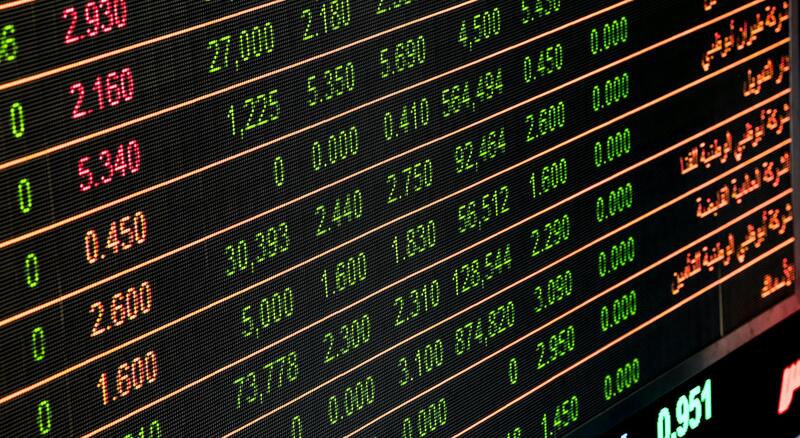
Execution Capabilities and Speed
Rapid and precise execution is the cornerstone of professional multi asset trading platforms. They employ cutting-edge infrastructure that supports high-frequency trading (HFT) and minimizes latency. Key features include:
- Direct Market Access (DMA): Traders connect directly to liquidity pools and exchanges, reducing intermediary delays.
- Low Latency Network Infrastructure: Use of dedicated fiber optic lines, virtual private servers (VPS), and colocated servers ensures the fastest possible transmission of orders.
- Smart Routing Algorithms: Intelligent order routing directs trades to venues offering the best prices, optimizing execution quality.
- Order Types and Precise Control: Support for limit, market, stop, and more advanced order types allows traders to tailor executions to their strategies.
- Real-Time Market Data: Continuous updates enable quick decision-making and responsive trade placement.

Risk Management and Compliance Tools
Robust risk management and compliance features are essential for maintaining operational integrity across diverse asset classes. These tools include:
- Automated Risk Checks: Continuous real-time calculations of margin requirements, exposure limits, and leverage prevent over-risking and help maintain balanced portfolios.
- Trade Monitoring and Alerts: System surveillance identifies unusual trading activities or potential compliance breaches, issuing timely alerts for corrective action.
- Comprehensive Audit Trails: Detailed logs of all trading activities enable thorough review and facilitate regulatory reporting.
- Position Limits and Stop-Losses: Pre-set controls automatically exit trades or limit exposure when predefined thresholds are reached.
- Regulatory Reporting Support: Automated report generation ensures compliance with relevant standards and simplifies submission workflows.
Integration and Connectivity
Seamless integration capabilities allow traders to connect with multiple liquidity providers, data feeds, and analytical tools. Key aspects include:
- API Connectivity: Robust Application Programming Interfaces enable custom integrations, scripting, and automation.
- Plug-in Support: Compatibility with third-party modules and add-ons enhances platform flexibility.
- Multi-Device Support: Access across desktops, tablets, and mobile devices ensures flexibility and continuous trading operation.
- Compatibility with Market Data Providers: Integration with leading market data services guarantees access to comprehensive and accurate data streams.
- Secure Data Transmission: Industry-standard encryption protocols protect sensitive information during data exchanges.
Comprehensive Trading Management and Security Features
Effective multi asset trading platforms prioritize robust management tools that ensure transparency, security, and compliance across trading activities. These platforms implement sophisticated risk management systems designed to safeguard assets while maintaining operational efficiency. Advanced encryption protocols secure data transmission, protecting sensitive client information and transaction details from potential breaches. Regular system audits, combined with detailed logging of all trading activities, create an audit trail that facilitates compliance reviews and supports regulatory reporting requirements.
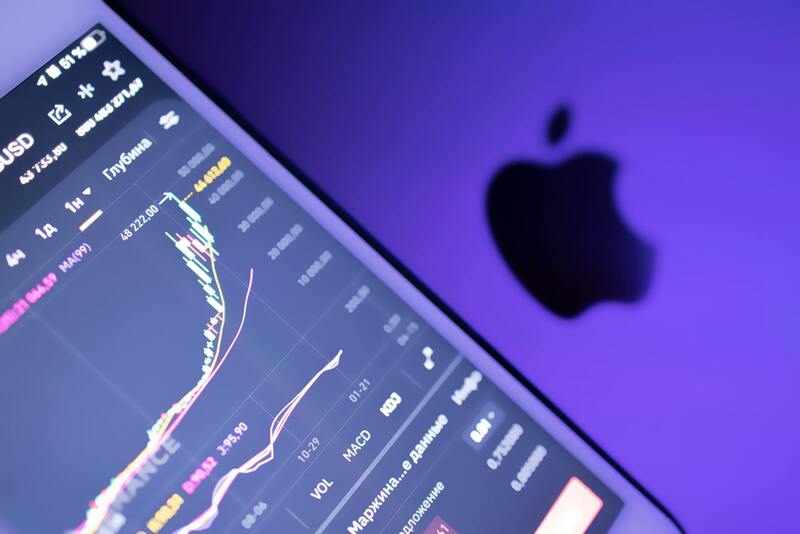
One of the key features is dynamic margin management, where the platform continuously evaluates margin requirements in real-time, adjusting for variations in market conditions. Position limits, combined with automatic stop-loss orders, help traders and firms manage risk exposure effectively. These tools prevent over-leveraging and ensure the sustainability of trading strategies. Additionally, automated alerts notify traders of unusual activities or approaching risk thresholds, enabling swift intervention to mitigate potential losses.
Seamless Integration and Connectivity
Modern multi asset trading platforms provide extensive integration capabilities that connect traders with multiple liquidity providers, market data feeds, and analytical tools. This interconnected environment offers significant advantages:
- API Connectivity: Platform APIs allow for custom software development, enabling traders to automate strategies and integrate internal systems seamlessly.
- Plug-in Support: Compatibility with third-party modules enhances the platform’s adaptability, allowing firms to tailor functionalities according to specific needs.
- Multi-Device Support: Mobile responsiveness ensures traders can access markets via desktops, tablets, or smartphones, facilitating continuous operation regardless of location.
- Market Data Integration: Harmonization with leading data providers supplies access to real-time, accurate market information vital for informed decision-making.
- Secure Communications: Industry-standard encryption protocols safeguard all data exchanges between the platform, data providers, and liquidity sources, maintaining confidentiality and trust.
User Experience: Interface and Customizability
The user interface plays a critical role in trading efficiency, particularly for prop trading operations that require rapid decision-making. Multi asset trading platforms offer highly customizable dashboards, enabling traders to personalize layouts, display relevant analytics, and streamline workflows. Drag-and-drop tools, configurable alert systems, and multiple workspace configurations allow traders to optimize their environment—enhancing focus and reducing operational errors.
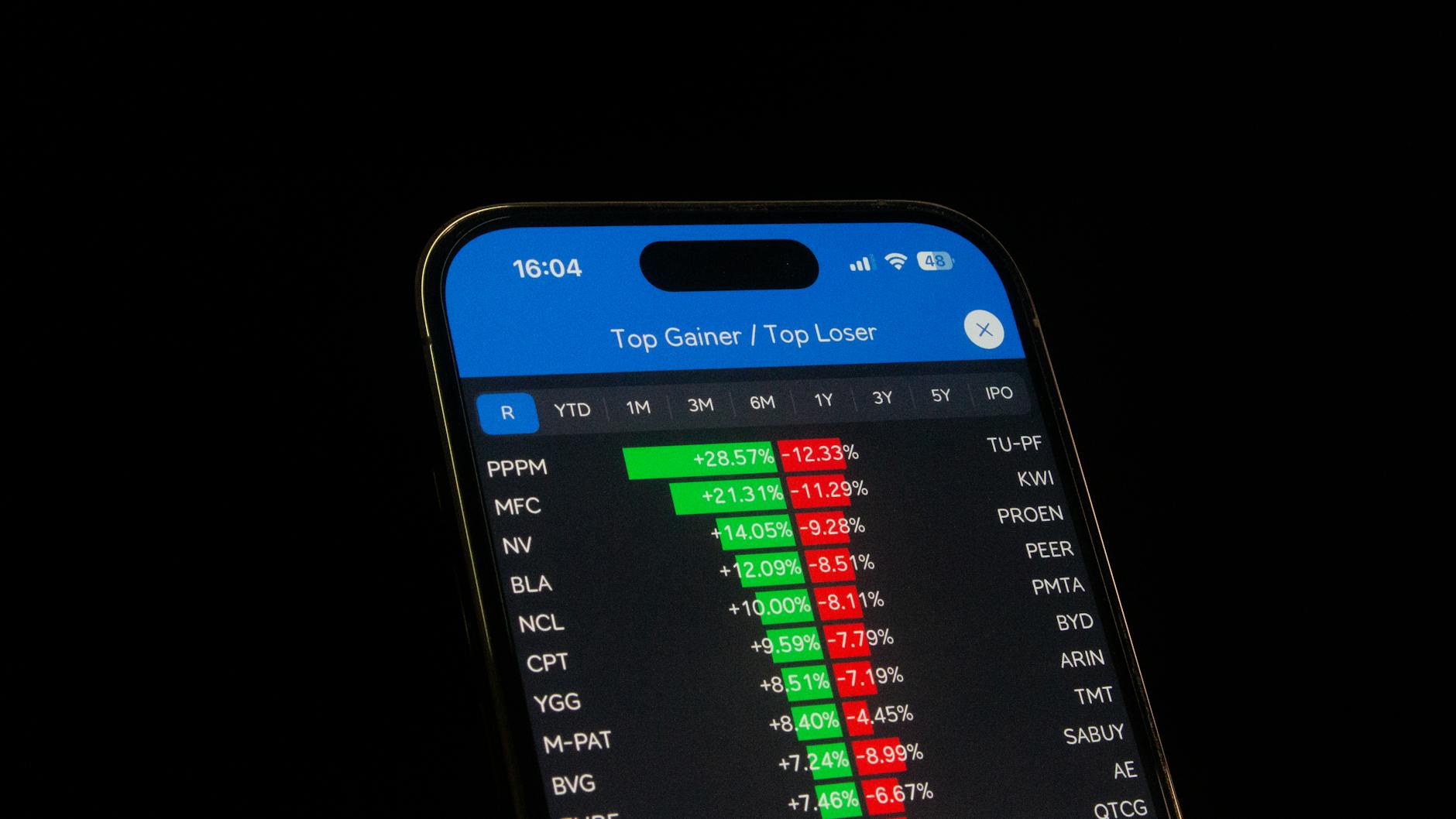
Furthermore, the ability to integrate third-party analytical tools and scripts within the platform fosters a highly adaptable environment, accommodating evolving trading strategies and technological innovations. Advanced customization capabilities support diverse asset classes and trading modalities, ensuring that platforms remain flexible and responsive to the specific requirements of individual traders or trading firms.
