
Overview of Forex Trading Platforms
Forex trading platforms serve as the primary interface for traders to access the foreign exchange market. These digital environments enable traders to analyze currency pairs, execute trades swiftly, and manage their trading accounts. Within the context of proprietary (prop) trading firms, these platforms are vital tools that facilitate rapid decision-making and real-time market engagement. Prop trading firms often select platforms that offer advanced features, robust stability, and integration capabilities, allowing traders to optimize their strategies and maximize potential returns.

Unlike retail traders who rely on commonly available platforms, prop firms usually utilize customized or specialized trading environments designed to enhance performance, provide seamless connectivity, and support complex trading algorithms. These platforms are built to handle high trading volumes with minimal latency, providing traders with the tools necessary to execute large-scale operations efficiently. As technology advances, the capabilities of forex trading platforms continue to evolve, offering greater analytical power, automation, and integration with various financial instruments.
Types of Forex Trading Platforms
There are several types of forex trading platforms, each catering to different trading needs and preferences. Understanding these types helps traders, especially those operating within prop firms, select the most appropriate tools for their trading operations.
- Desktop Platforms: These are installed directly on a computer and provide comprehensive functionality, including advanced charting, technical analysis tools, and automated trading options. Desktop platforms are popular among professional traders for their stability and extensive features.
- Web-Based Platforms: Accessible through internet browsers, these platforms are convenient for traders who need flexibility and mobility. They usually offer simplified interfaces but still provide essential trading functions and market analysis tools.
- Mobile Trading Apps: Designed for smartphones and tablets, these applications enable traders to monitor markets and execute trades on the go. They are especially useful for prop traders who require real-time access during their daily activities.
- Automated Trading Platforms: Equipped with algorithms and AI-driven tools, these platforms allow for automated trading strategies. They are integral within prop trading environments where speed and automation are critical.
Core Features of Forex Trading Platforms
Effective forex platforms for prop trading are distinguished by features that enhance trading efficiency and strategic execution. Key functionalities include:
- Real-Time Market Data: Continuous updates on price movements, news, and economic indicators are essential for making informed decisions.
- Advanced Charting and Technical Analysis Tools: Providing multiple timeframes, indicators, and drawing tools for detailed market analysis.
- Order Types and Execution: Support for various order types such as market, limit, stop-loss, and trailing stops to manage risk effectively.
- Leverage and Margin Management: Tools that help traders optimize leverage use while managing margin requirements.
- Risk Management Tools: Calibration of position sizes, setting of alerts, and automatic exit strategies to control potential losses.
Compatibility with Prop Trading and Proprietary Trading
Forex trading platforms adopted by prop firms are tailored to accommodate high-frequency trading, large transaction volumes, and automation. They often integrate with proprietary trading systems, giving traders the flexibility to execute complex strategies that require rapid order processing and data analysis. Compatibility with multiple accounts and seamless integration with risk management modules are also critical features ensuring that traders adhere to firm policies while maximizing their trading capacity.
Factors to Consider When Choosing a Platform
Traders within prop firms must evaluate several considerations when selecting a forex trading platform:
- Execution Speed: Critical for high-frequency trading environments, minimizing latency ensures trades are executed at desired prices.
- Stability and Reliability: Platforms should offer consistent performance with minimal downtime during market volatility.
- Analytical Tools: Availability of advanced charting and analysis options is necessary for strategic decision-making.
- Compatibility: The platform needs to integrate seamlessly with existing infrastructure and trading algorithms.
- Security Measures: Robust encryption, user authentication, and data protection are vital for safeguarding trading operations and client information.
- User Support and Service: Reliable customer support ensures quick resolution of technical issues that can impact trading activities.
Popular Forex Trading Platforms in the Industry
Several platforms are well-regarded within the trading community for their performance, features, and adaptability to prop trading needs. Some of the industry’s leading options include:
- MetaTrader 4 and 5 (MT4/MT5): Widely used for their comprehensive analytical tools and automation capabilities.
- cTrader: Known for fast execution and an intuitive interface suitable for professional trading.
- NinjaTrader: Offers advanced charting and automation particularly favored in futures and forex markets.
- TradingView: Primarily a web-based platform, renowned for social trading features and collaborative analysis.
Security and Regulatory Aspects
While selecting a trading platform, traders should prioritize systems that incorporate high standards of security. Encryption protocols, two-factor authentication, and regular security audits help protect sensitive information and trading assets. Platforms that operate within frameworks adhering to regulatory guidelines ensure transparency and accountability, which are essential characteristics fostering trust within prop trading environments.
Future Trends in Forex Trading Platforms
The evolution of forex trading platforms continues towards greater automation, artificial intelligence, and enhanced data integration. Future developments are expected to include more sophisticated risk management tools, improved connectivity across multiple devices, and broader adoption of blockchain technology for secure and transparent transactions. Such advancements will further empower prop trading firms to execute strategies more efficiently and securely in a highly competitive marketplace.
Types of Forex Trading Platforms
Forex trading platforms are available in a variety of formats designed to cater to different trading styles and preferences. The primary types include desktop platforms, web-based platforms, and mobile applications, each offering unique advantages that influence trader efficiency and experience.
Desktop Trading Platforms
Desktop platforms are installed directly onto a trader’s computer, providing robust functionalities, extensive analytical tools, and customizable interfaces. These systems typically offer superior performance and stability, making them ideal for traders who require real-time data processing and advanced charting capabilities. Desktop platforms support a wide range of order types and automated trading features, accommodating professional traders and experienced individuals.
Web-Based Trading Platforms
Web-based platforms operate directly within a browser, eliminating the need for software installation. They are prized for their accessibility across multiple devices and operating systems, making them suitable for traders who need flexibility and rapid access to the markets from various locations. These platforms often feature user-friendly interfaces and integrate essential trading tools without sacrificing security or speed.
Mobile Trading Applications
Mobile platforms authorize traders to engage in forex markets via smartphones and tablets. Designed with intuitive interfaces, these apps enable quick execution of trades, real-time updates, and management of trading accounts from anywhere. While slightly limited in advanced analytical features compared to desktop versions, mobile trading apps are essential for active traders who require responsiveness and convenience on the go.
Core Features of Forex Trading Platforms
The commendable trading platforms for forex incorporate essential features that enhance performance and trader control. These core features include:
- Real-time Market Data: Instant access to price quotes, news feeds, and market analysis tools vital for timely decision-making.
- Order Execution Capabilities: Various order types such as market orders, limit orders, and stop-loss orders, enabling precise trade management.
- Analytical Tools: Advanced charts, technical indicators, and pattern recognition tools to facilitate technical analysis.
- Automation Features: Support for trading bots and Expert Advisors (EAs) to implement automated trading strategies efficiently.
- Risk Management Tools: Features like margin calculation, stop-loss, and take-profit settings to control trade risks effectively.
- Security Measures: Encryption, password protection, and two-factor authentication to safeguard trading activity and personal data.
Compatibility with Prop Trading and Proprietary Trading
Platforms designed for prop trading environments emphasize flexibility and interoperability with proprietary systems. They typically support multiple accounts and rapid execution capabilities necessary for high-frequency trading strategies. Compatibility with custom APIs and algorithmic trading systems is also critical, enabling prop traders to deploy sophisticated models and controls seamlessly. Ensuring the platform integrates smoothly with internal trading infrastructures contributes significantly to operational efficiency and strategic agility.
Factors to Consider When Choosing a Platform
Selecting the right trading platform for forex requires careful consideration of several factors:
- Performance and Reliability: High-speed execution and minimal downtime are vital for maintaining an edge in volatile markets.
- User Interface and Usability: An intuitive, customizable layout can enhance efficiency and reduce errors during fast-paced trading.
- Feature Set: Compatibility with desired trading strategies, analytical tools, and automation features is crucial.
- Security Protocols: Robust encryption and secure login procedures protect assets and sensitive information.
- Customer Support: Responsive technical assistance ensures minimal disruption and quick issue resolution.
- Cost and Fees: Transparent fee structures and subscription costs should be evaluated against platform capabilities and trader needs.
Popular Forex Trading Platforms in the Industry
Among the highly regarded options in the industry are MetaTrader 4 and 5 (MT4/MT5), cTrader, NinjaTrader, and TradingView. Each platform offers specialized features tailored for different trader preferences and operational requirements. These systems are continually upgraded and offer extensive support for automated strategies, analytical tools, and multi-device compatibility.

Security and Regulatory Aspects
While navigating the forex trading landscape, placing emphasis on secure and compliant platforms ensures a reliable trading environment. Modern systems utilize advanced encryption protocols and multi-factor authentication to mitigate unauthorized access. Regular security audits and adherence to industry standards create a trustworthy infrastructure. These elements foster confidence in the platforms, particularly in high-stakes prop trading scenarios, by ensuring transparency and operational stability.
Future Trends in Forex Trading Platforms
The industry is continuously evolving towards greater automation, leveraging artificial intelligence, machine learning, and big data analytics to improve trading precision and risk management. Enhanced connectivity across desktop and mobile devices, along with the integration of blockchain technology for transaction security and transparency, hints at a more interconnected trading ecosystem. Additionally, developments in social trading features and virtual collaboration spaces are shaping how traders share insights and execute strategies in real time.
Core Features of Forex Trading Platforms
In the competitive landscape of forex trading, selecting a platform that aligns with a trader’s operational needs is vital. Central to this decision are the platform's core functionalities which facilitate efficient and informed trading decisions. Real-time data feeds are fundamental, providing traders with instant access to market prices, news, and economic indicators, enabling timely responses to market movements.
Advanced charting tools form the backbone of technical analysis, offering customizable layouts and a variety of indicators. These tools help traders identify trends, momentum shifts, and potential entry or exit points. A platform’s ability to execute orders swiftly and accurately is equally important; features like one-click trading, multiple order types (e.g., stop-loss, take-profit), and instant execution are designed to minimize slippage and delays.
Risk management functionalities are integrated to safeguard trading capital. These include automated stop-loss and take-profit orders, margin control, and alerts for significant market events. Additionally, the ability to backtest trading strategies using historical data ensures that traders can refine their approach without risking real funds. Multi-asset access, allowing trading across various financial instruments, enhances diversification strategies while providing a seamless user interface across different devices ensures flexibility and ongoing engagement.
Compatibility with Prop Trading and Proprietary Trading
Effective trading platforms for those involved in proprietary trading require robust compatibility with advanced trading environments. Prop firms often demand platforms that support large-volume trades without sacrificing speed or stability. These platforms must also integrate seamlessly with proprietary trading systems and risk management software, enabling traders to execute strategies swiftly while maintaining strict compliance controls.
Numerous platforms are designed with API access, offering flexible integration capabilities that facilitate automated trading systems and algorithmic strategies. This ensures traders can deploy custom tools and strategies tailored to specific risk profiles or market conditions. Multi-device synchronization is particularly important, allowing traders to monitor and execute trades conveniently whether they are at their desktop, on a tablet, or using a mobile device.
Factors to Consider When Choosing a Platform
- Execution Speed: Platforms must execute orders promptly to avoid slippage, especially in volatile markets.
- Reliability: Downtime or glitches can be costly; a proven track record of stability is essential.
- Security Measures: Encryption, multi-factor authentication, and routine security audits safeguard user data and funds.
- Customization: Ability to tailor interfaces, indicators, and trading strategies enhances operational efficiency.
- Cost Structure: Transparent fee models, including spreads, commissions, and platform fees, influence overall profitability.
- User Support: Responsive customer support and extensive educational resources bolster user confidence and skill development.
- Compatibility and Integration: Essential for connecting with other tools, data providers, and risk management systems.
Popular Forex Trading Platforms in the Industry
Among the many options available, certain platforms have cemented their reputation for quality, reliability, and advanced features. MetaTrader 4 (MT4) and MetaTrader 5 (MT5) remain industry staples, celebrated for their user-friendly interface, extensive community support, and customizable scripts. cTrader is favored for its sleek design and superior charting capabilities, providing an efficient environment for manual and automated trading.
NinjaTrader specializes in futures and forex trading, emphasizing analytical tools and automation. TradingView stands out as a web-based platform that combines social trading features with comprehensive charting and analysis, facilitating community engagement and shared strategies among traders. Each platform offers unique strengths suited to diverse trading styles and requirements, supporting traders through sophisticated tools and real-time connectivity.
Compatibility with Prop Trading and Proprietary Trading
For traders involved in proprietary trading or working within prop trading firms, selecting a suitable forex trading platform is crucial. These platforms must offer advanced customization capabilities to meet the specific demands of high-frequency, high-volume trading strategies employed by proprietary traders. Custom indicators, tailored automated strategies, and specialized order execution functionalities are often essential components. In addition, robust security measures are a top priority. Platforms need to employ encryption protocols, multi-factor authentication, and secure data storage to protect sensitive trading data and ensure the integrity of transactions. Compatibility with the internal risk management systems of prop firms is also vital, enabling real-time monitoring of trading activity and exposure levels. Many prop trading entities prefer platforms that support integrations with proprietary software or APIs, allowing traders to embed custom algorithms and connect with external data providers seamlessly. This flexibility enhances a trader’s ability to execute complex strategies efficiently while maintaining strict control over data security and operational risk. Overall, the ideal platform for prop trading should combine flexibility in customization with sophisticated security features, fostering an environment where traders can leverage advanced tools without compromising on safety or compliance.
Core Features of Forex Trading Platforms
When selecting a trading platform for forex, understanding its core features is vital to ensure it meets the specific requirements of your trading style and objectives. Key features typically include real-time market data, advanced charting tools, and comprehensive order management capabilities. These functions enable traders to analyze market movements effectively and execute trades with precision.
High performance execution speed is another critical component, especially for active traders engaged in high-frequency trading strategies. Platforms that support one-click trading and direct market access help reduce latency, ensuring orders are filled promptly and at desired prices.
Customizability plays a significant role as well, with many platforms offering the ability to add or modify indicators, create personalized dashboards, and develop automated trading strategies through API integrations or built-in scripting environments. Enhanced risk management tools, such as stop-loss, take-profit, and trailing orders, allow traders to protect their capital and optimize their profit potential under varying market conditions.

Compatibility with Prop Trading and Proprietary Trading
For traders engaged in proprietary trading or working within proprietary trading firms, selecting a platform that aligns with operational demands is essential. Such platforms need to support sophisticated customization features, allowing traders to develop and implement complex, automated strategies that can handle high-volume, rapid-fire trades.
In addition, these platforms should offer seamless API integration capabilities, enabling traders to connect proprietary algorithms and tools directly. This integration facilitates a smoother workflow, enhances strategy execution, and supports detailed data analysis, which is fundamental for prop trading environments.
Security features are equally critical, with encryption protocols, multi-factor authentication, and secure data storage mechanisms safeguarding sensitive trading information. Moreover, compatibility with proprietary risk management systems ensures real-time monitoring of trading activities, helping to maintain compliance with internal risk limits and operational protocols.

Factors to Consider When Choosing a Platform
Choosing the right forex trading platform involves evaluating several critical factors to match your trading needs with the platform's capabilities. First and foremost, consider latency or execution speed, especially if your trading approach relies on rapid order fulfillment. Lower latency often equates to better chances of entering and exiting trades at optimal prices.
User interface design and ease of navigation significantly influence trading efficiency. Platforms with intuitive interfaces and customizable layouts help reduce errors and streamline trading activities. Cost considerations, including platform fees, commissions, and data feeds, should also be weighed against the features offered—cost-effective solutions can make a substantial difference over time.
Customer support quality is another vital aspect; accessible, knowledgeable support can resolve issues quickly and minimize downtime. Additionally, adherence to regulatory standards and data security protocols provide peace of mind, ensuring your trading activities are conducted within a safe and compliant environment.
Finally, assess the platform’s scalability and compatibility with various devices. Platforms that accommodate desktop, mobile, and tablet trading provide flexibility and allow traders to respond promptly to market changes regardless of their location or device.

Overview of Forex Trading Platforms
Forex trading platforms are sophisticated software environments that facilitate the execution of currency trades across global markets. These platforms provide traders with access to real-time market data, advanced analytical tools, and robust order execution capabilities. Their design aims to support both novice and experienced traders in making informed decisions while executing trades efficiently. The core purpose of these platforms is to bridge the gap between traders and the forex market, offering a seamless interface to analyze currency pairs, monitor market movements, and automate trading strategies where applicable.

Types of Forex Trading Platforms
Forex trading platforms are generally categorized into three primary types, each catering to different trading preferences and operational styles:
- Desktop Platforms: These are installed directly onto a trader’s computer, offering high performance, extensive customization, and advanced analytical tools. Desktop platforms typically deliver superior speed, making them ideal for high-frequency trading and scalping strategies.
- Web-Based Platforms: Accessible through web browsers, these platforms do not require installation, providing flexibility to trade from any device with internet access. They are often favored for their ease of use and integrations, though they may have limitations in speed compared to desktop counterparts.
- Mobile Trading Apps: Designed for smartphones and tablets, these platforms enable on-the-go trading with simplified interfaces. They prioritize quick execution and notifications, allowing traders to monitor markets and manage trades remotely.
The choice among these types depends on individual preferences, trading frequency, and the need for mobility or analytical depth.
Core Features of Forex Trading Platforms
Robust forex trading platforms come equipped with features tailored to optimize the trading experience. These include:
- Advanced Charting Tools: Multiple chart types, technical indicators, and drawing tools support in-depth market analysis.
- Order Types: Support for various order types such as market, limit, stop-loss, and take-profit orders enhances risk management capabilities.
- Real-Time Data: Access to live price feeds and news updates ensures traders stay informed of market movements.
- Automated Trading: Compatibility with Expert Advisors (EAs) or algorithmic trading scripts allows for systematic trading based on predetermined criteria.
- Risk Management Features: Tools like trailing stops, position sizing calculators, and heat maps assist traders in managing exposure effectively.
- Trade History and Reporting: Detailed transaction logs and performance reports facilitate performance review and strategic adjustments.
Compatibility with Prop Trading and Proprietary Trading
Many professional trading operations and prop firms depend on platforms that enable rapid and reliable trade execution, as well as flexible account management. Prop trading environments often favor platforms that support multiple accounts within a single interface, provide direct market access (DMA), and enable algorithmic trading. Proprietary trading firms look for solutions that integrate robust risk controls, data security, and compatibility with high-speed execution systems.
Platforms that combine these features with easy customization and quick deployment are preferred, as they empower traders to implement sophisticated strategies while maintaining oversight and control over trading activity. Furthermore, integration capabilities with external data feeds, brokers, and automated systems form a crucial component in supporting the dynamic needs of prop trading teams.
Factors to Consider When Choosing a Platform
Selecting the most suitable forex trading platform requires careful consideration of several factors:
- Execution Speed and Reliability: Opt for platforms known for minimal latency and consistent order execution to capitalize on fleeting market opportunities.
- User Interface and Usability: An intuitive layout with easy navigation reduces operational errors and enhances your trading focus.
- Cost Structure: Evaluate platform fees, commissions, and additional charges for data feeds or premium features. Consider whether the costs align with your trading volume and strategies.
- Security Measures: Look for platforms with robust encryption, secure login protocols, and compliance with data security standards to safeguard your trading activities and information.
- Customer Support and Training: Reliable customer service and educational resources can significantly impact your ability to resolve issues swiftly and improve trading skills.
- Device Compatibility: Ensure the platform performs well across desktop, tablet, and smartphone devices to maintain flexibility in your trading environment.
- Advanced Analytical Tools: Confirm that the platform offers comprehensive technical analysis features to support strategic decision-making.
Security and Regulatory Aspects
When selecting a forex trading platform for professional trading contexts, prioritizing security features is essential to protect sensitive trading data and financial transactions. Robust encryption protocols, such as SSL/TLS encryption, are standard for safeguarding data transmitted between traders and servers, minimizing the risk of interception or unauthorized access. Multi-factor authentication (MFA) adds an extra layer of security, requiring traders to verify their identity through multiple methods before gaining access to their accounts. This helps prevent unauthorized logins, particularly in high-stakes trading environments.
Besides technical security measures, platforms must adhere to strict compliance standards established by relevant regulatory bodies. Although trading platforms themselves may not operate as regulators, they typically implement features that support compliance with trading standards and anti-fraud measures. Features such as detailed audit trails, real-time monitoring of trades, and secure record-keeping enable traders and brokers to maintain transparent trading practices and facilitate audits or dispute resolutions.
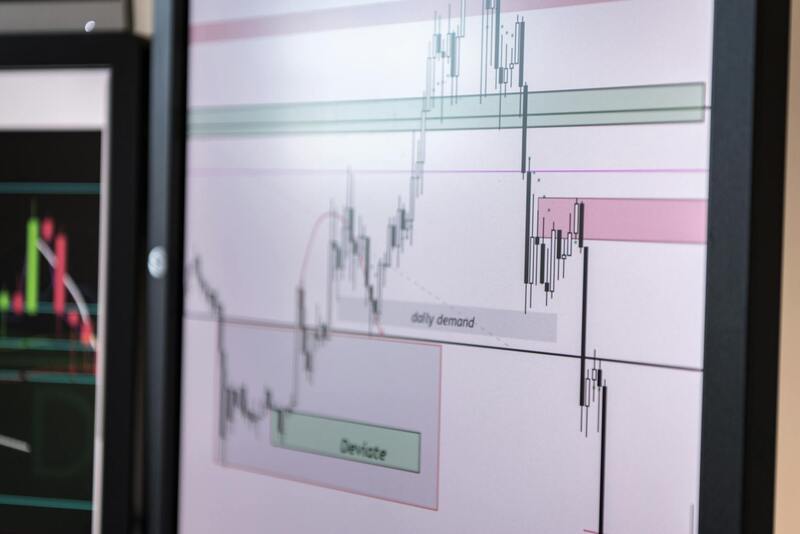
Additionally, maintaining compliance with data protection regulations, such as GDPR or other regional standards, ensures that user information is managed responsibly and securely. Platforms that emphasize security and regulatory standards are better equipped to provide a trustworthy environment conducive to consistent, risk-aware trading. This not only enhances the credibility of the platform but also reinforces the confidence of traders engaging in high-frequency or prop trading strategies.
Future Trends in Forex Trading Platforms
The evolution of forex trading platforms continues to be driven by technological innovations aimed at improving performance, security, and user experience. Cloud-based solutions are increasingly prevalent, offering scalability and seamless integration with other financial tools. This shift allows traders to access their accounts from multiple devices without concerns about compatibility or data loss.
Artificial intelligence and machine learning are profoundly shaping future platform capabilities. Advanced algorithms can analyze vast data sets, identify market patterns, and generate actionable insights with minimal latency. These features are especially valuable for prop trading firms that depend on rapid decision-making and automated trading systems. Machine learning-driven predictive analytics enable traders to refine strategies proactively based on emerging market conditions.
Moreover, the integration of blockchain technology is beginning to influence forex platforms by introducing decentralized security and transparent audit trails. Such features reduce counterparty risks and enhance the integrity of trade execution processes. As cryptocurrencies become more embedded in trading environments, platforms that adapt to these innovations will offer expanded opportunities for traders seeking diversified investment options.
Enhanced user interfaces, incorporating virtual and augmented reality, are also expected to transform the trading experience by providing immersive data visualization and real-time scenario simulations. This, combined with improved mobile trading applications, will facilitate more flexible and efficient trading environments, aligning with the needs of fast-paced prop trading scenarios.

Security and Regulatory Aspects
Ensuring the security of trading platforms for forex is paramount for maintaining the integrity of transactions and safeguarding sensitive trader information. Reliable platforms employ advanced encryption protocols, multi-factor authentication, and secure server architectures to protect against cyber threats and unauthorized access. Additionally, they implement real-time monitoring systems to detect and respond to suspicious activities promptly.
Regulation plays a critical role in shaping the operational landscape of forex trading platforms. Many leading platforms operate under the oversight of recognized financial authorities, adhering to strict standards that govern transparency, client funds protection, and operational integrity. Such oversight ensures that platform providers maintain high operational standards, conduct regular audits, and implement compliance measures aligned with industry best practices.

Traders should prioritize platforms that have clear terms of service, transparent fee structures, and robust user verification processes. These factors contribute to an environment where traders can execute transactions confidently, knowing their assets and information are protected by proven security measures.
Best Practices for Selecting a Secure Forex Trading Platform
- Verify the platform’s compliance with established financial authorities.
- Ensure the platform uses industry-standard encryption and security protocols.
- Look for transparent fee disclosures and clear terms of service.
- Assess the platform’s reputation through reviews and user feedback.
- Check for features like two-factor authentication and account activity logs.
By focusing on these security and regulatory aspects, traders can select platforms that not only offer competitive features but also uphold a high standard of trustworthiness and operational integrity.
