
Understanding Prop Trading Firms
Proprietary trading firms, commonly known as prop trading firms, play a significant role within the financial trading industry. These organizations leverage their own capital to engage in trading activities across diverse markets, including stocks, futures, Forex, and options. Unlike individual traders who utilize personal funds, prop firms provide their traders with access to substantial trading capital, enabling them to execute larger positions and maximize potential returns.
The core advantage of working with a prop trading firm is the access to institutional-grade resources, advanced trading technology, and expert support. Traders employed by these firms often follow strict rules and guidelines designed to optimize profitability and manage risks effectively. This structure creates a unique environment that combines individual trading skills with the financial backing and infrastructure of a larger entity.

It is also important to note that prop trading firms differ from hedge funds, mutual funds, or individual trading desks within banks. They typically operate under specific trading programs or models that assess traders’ skills before providing funding. These organizations are committed to maintaining high standards of professionalism and transparency, ensuring that their operations adhere to industry best practices and risk management protocols.
Participation in a prop trading firm often involves a comprehensive evaluation process, which assesses trading ability, discipline, and risk management skills. Once onboard, traders gain access to a structured environment characterized by clear rules, profit-sharing arrangements, and ongoing training opportunities. The combination of capital access, professional support, and disciplined trading strategies positions prop firms as prominent facilitators in the competitive landscape of financial markets.
Funding and Capital Access
One of the primary benefits of partnering with a top-tier prop trading firm is the access to substantial trading capital. The best prop firms typically provide traders with significant resources, enabling them to execute larger trades and diversify their strategies without risking their own personal funds. These firms leverage their institutional-grade resources to support traders with an ample pool of capital, thereby creating opportunities for higher profit potential.
Given that funding remains a critical component of prop trading, the ideal firms offer transparent and flexible capital arrangements. This includes clear guidelines on capital increments based on trading performance, as well as mechanisms for reallocating funds to optimize trading opportunities. Such firms often have multiple tiers of funding, allowing traders to grow their allocated capital as they demonstrate consistent profitability and disciplined trading behavior.

Trading Conditions and Rules
Outstanding prop trading firms cultivate trading environments that empower traders while maintaining stringent risk management standards. The best firms enforce rules designed to ensure disciplined trading behaviors, including maximum drawdown limits, position sizing restrictions, and daily trading caps. These conditions help protect both the trader and the firm from excessive losses, fostering a sustainable trading environment.
Additionally, firms often specify acceptable trading styles, instruments, and timeframes, tailoring environments that align with traders’ strategies. They also use real-time monitoring to enforce compliance with trading rules, ensuring consistency and professionalism across the board.
Profit Sharing and Payout Structures
In the competitive environment of retail prop firms, the structure of profit sharing plays a crucial role in determining a trader’s potential earnings. The best firms typically offer transparent and competitive payout arrangements, often splitting profits 50/50 or better, depending on performance levels and experience.
Some firms also incorporate tiered profit-sharing models, which reward traders as their cumulative profits increase. Regular payout cycles, clear performance metrics, and absence of hidden fees are hallmarks of top prop firms, giving traders confidence in their remuneration and motivating sustained high performance.
Evaluation and Onboarding Process
The process of qualifying for a prop trading account involves comprehensive assessment procedures. Reputable firms conduct detailed evaluations that measure trading skills, risk management discipline, and consistency. This often includes a simulated trading phase or evaluation program, where traders demonstrate their ability to generate profits while adhering to risk parameters.
Successful candidates progress through structured onboarding, which typically involves initial training, review periods, and performance benchmarks. Transparent criteria and constructive feedback during this process help traders understand expectations and improve their strategies effectively.
Support, Training, and Trading Platforms
The best prop firms invest heavily in trader support and ongoing education. Professional support teams assist traders in refining strategies, managing risks, and troubleshooting technical issues. Furthermore, top firms provide access to advanced trading platforms, offering real-time analytics, comprehensive charting tools, and algorithmic trading capabilities.
Training programs often encompass webinars, mentorships, and educational resources focused on developing trading skills, market analysis, and psychological resilience. These comprehensive support systems enable traders to stay competitive and adapt to evolving market conditions efficiently.

Funding and Capital Access
Access to substantial trading capital is often a defining feature of the most reputable prop trading firms. The capacity to trade with ample funds allows traders to maximize profit potential, leverage sophisticated trading strategies, and take advantage of larger market positions. These firms typically employ various funding models to allocate capital, ensuring a structured approach to risk and growth.
Many top prop firms operate on a tiered funding system, where traders initially use a combination of firm capital and personal funds to demonstrate their skills. Successful performance in initial evaluation phases often qualifies traders for increased funding levels, enabling them to scale their trading operations. This phased approach helps to align trader performance with the firm’s risk parameters, fostering a mutually beneficial relationship.
Criteria for gaining access to firm capital usually involve consistent profitability, disciplined risk management, and adherence to trading rules. Firms frequently set performance benchmarks that traders must meet during probationary periods, such as maintaining certain profit targets within prescribed risk limits. Additionally, traders are evaluated on their ability to handle adverse market conditions without incurring excessive losses. Transparent criteria and ongoing performance reviews ensure only qualified traders benefit from significant capital allocations.
Some firms also offer profit-sharing schemes where traders receive a percentage of generated profits, which can serve as an incentive for consistent performance and responsible trading behavior. Access to trading capital is therefore closely tied to trader competence, risk discipline, and proven track record, making it a core element in the selection and ongoing support of top trading firms.
Trading Conditions and Rules
Understanding the trading conditions established by top prop firms is essential for assessing their suitability and alignment with individual trading strategies. These conditions define the parameters within which traders operate, including permitted trading instruments, risk management protocols, and trading hours. Generally, reputable firms specify a range of assets such as forex pairs, commodities, indices, and cryptocurrencies that traders can access. The choice of instruments often depends on the firm's specialization and risk appetite.
Risk limits are a core aspect of trading rules. They typically encompass maximum drawdowns, daily loss caps, and position size restrictions that help mitigate excessive risk exposure. Adherence to these limits is fundamental, as violations can lead to disqualification or penalties. Firms employ real-time monitoring systems to ensure compliance, fostering disciplined trading practices.

Flexibility within structured environments enables traders to adapt to market conditions while adhering to risk management protocols. Many firms incorporate rules on trading frequency, stop-loss placements, and profit targets to promote responsible trading and consistent performance. These provisions create a framework that balances trader autonomy with regulatory oversight, ensuring sustainable trading operations.
Trade execution is often facilitated through proprietary platforms or popular third-party trading software, which are optimized for speed and reliability. The choice of platform can influence trading efficiency and overall experience, making it important for traders to select firms offering robust technological tools.
Funding and Capital Access
One of the most attractive features of leading proprietary trading firms is their provision of substantial funding and trading capital. These firms typically evaluate traders through a rigorous assessment process, which validates their skill, discipline, and risk management capabilities before granting access to trading capital. Upon successful completion of evaluation phases, traders gain the ability to trade with significant sums of capital that are otherwise inaccessible independently. This leverage enables traders to maximize their profit potential without risking personal funds.
Many top firms operate via a tiered funding model, where traders start with a smaller account during the evaluation phase, and, upon meeting specific performance metrics, they are allocated larger trading accounts. This stepwise approach ensures that traders demonstrate consistency and adherence to risk protocols, which are critical in scaling up trading operations. The capital access process is designed not only to assess trading ability but also to establish a controlled environment that emphasizes sustainability over reckless risk-taking.
Additionally, firms offer flexible funding options tailored to different trading styles and asset classes. For example, some specialize in forex, while others focus on commodities or indices. The allocation of trading capital is often proportional to the trader’s proven performance, experience, and risk management discipline. This method ensures that traders are empowered with enough capital to optimize their strategies while maintaining the firm’s overarching risk controls.

Most firms also incorporate real-time risk monitoring systems into their capital management infrastructure. Such systems continuously evaluate trading activity, asset exposure, and profit/loss metrics to prevent excessive drawdowns. This proactive oversight promotes discipline, helping traders stay within predetermined risk limits and maintain the viability of their trading accounts over the long term.
Trading Conditions and Rules
Effective trading conditions are fundamental to maintaining a balanced and professional environment within prop firms. These conditions encompass various rules designed to promote responsible trading and protect both the trader and the firm’s capital. Common stipulations include maximum daily and overall drawdowns, position size restrictions, and detailed risk management protocols that traders must adhere to strictly.
Trade execution rules often specify acceptable trading hours, mandatory stop-loss placements, and profit-taking protocols. Firms also regulate trading frequency and restrict pattern behaviors that could lead to excessive speculation or risk accumulation. These protocols are enforced through sophisticated monitoring tools that flag violations in real-time, facilitating swift intervention if necessary.

The trading platforms offered by reputable firms are usually proprietary or popular third-party options optimized for speed, stability, and ease of use. The technological infrastructure is a crucial aspect, as it influences order execution quality, latency, and overall trader experience. Firms often invest heavily in cutting-edge technology and ensure that their platforms support advanced trading tools, customizable interfaces, and seamless connectivity to various markets.
Flexibility within these structured rules allows traders to adapt to rapidly changing market conditions without violating risk limits. Firms often incorporate modifiers such as flexible stop-loss placement, adaptive profit targets, and tailored trading schedules to accommodate various trading styles. An environment that balances structured discipline with operational flexibility helps traders optimize performance while safeguarding the firm’s assets.
Understanding Prop Trading Firms
Proprietary trading firms, commonly known as prop firms, serve as specialized institutions that provide traders with the capital necessary to execute trades while offering profit-sharing arrangements. Unlike retail trading, where traders use personal funds, prop firms allocate their capital to skilled traders, enabling them to access larger trading volumes and take advantage of market opportunities without risking their own money. These firms typically establish structured environments, offering technologically advanced trading platforms, comprehensive risk management protocols, and tailored support systems designed to foster consistent trading performance. Successful traders within these firms are usually subjected to rigorous evaluation processes, ensuring they meet the firm’s standards of discipline, strategic thinking, and risk management. The primary goal of a prop firm is to identify and nurture talented traders, providing the infrastructure and resources needed to maximize profitability while maintaining strict risk controls. These organizations often operate across multiple asset classes, including equities, forex, commodities, and derivatives, facilitating diverse trading strategies and opportunities.

Criteria for Evaluating the Best Prop Firms
When selecting a prop trading firm, traders should consider several critical factors that influence their trading experience and long-term success. The overall reputation of the firm is paramount, as it reflects the consistency and fairness of its operations. Transparency in fee structures, profit-sharing arrangements, and evaluation procedures is essential to ensure clarity and trust. A robust evaluation process—comprising trading assessments, simulated trading periods, or trial phases—serves as a benchmark for the firm’s ability to identify competent traders. The firm’s technological infrastructure should feature state-of-the-art trading platforms that offer stability, speed, and customization options, which are vital for executing high-frequency or sensitive trades efficiently. The firm’s support system, including educational resources, mentorship programs, and responsive customer service, plays a significant role in a trader’s development. Additionally, the flexibility of trading rules and the clarity of profit payout structures significantly influence a trader’s motivation and comfort within the environment. These criteria collectively help traders gauge whether a prop firm aligns with their trading style, goals, and risk management approach.

Funding and Capital Access
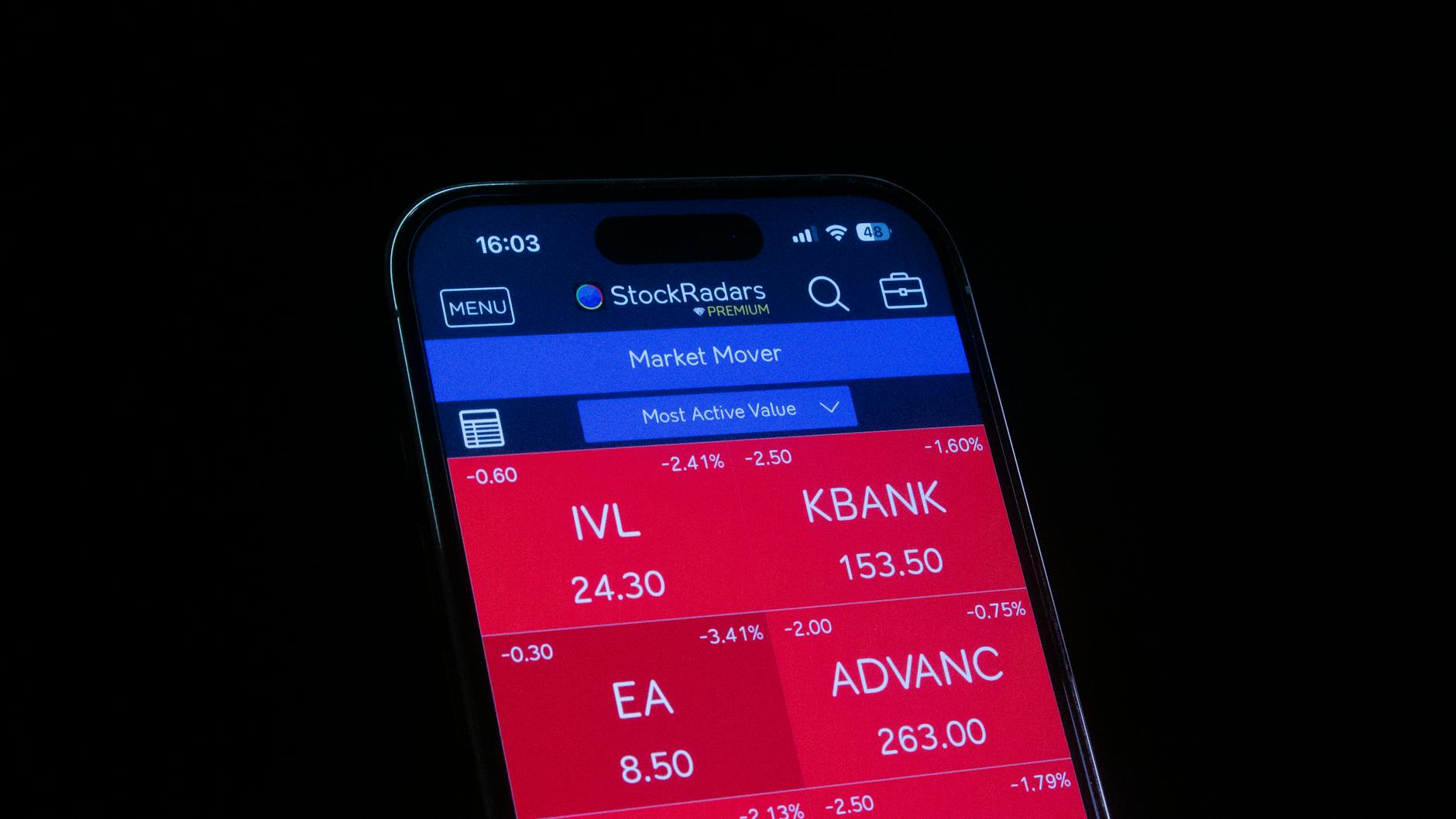
Access to capital is a fundamental aspect of prop trading, enabling traders to deploy larger positions and capitalize on market opportunities that would be otherwise unattainable with personal funds. Reputable prop firms allocate substantial financial resources, giving traders a significant trading budget based on their evaluated skill levels and performance metrics. Many firms implement tiered funding models, where traders can progress through different levels of capital allocation as they demonstrate consistency and adherence to risk parameters. Funding is often conditional on passing stringent evaluation phases, including trading simulations or real-time assessments, to verify the trader’s capability to manage risk effectively. The amount of available capital can vary widely, with top-tier firms offering millions of dollars in trading funds. This access not only enhances the trader’s potential for profit but also fosters disciplined trading practices, as larger positions increase the importance of adhering to risk management protocols. The seamless onboarding process for funding is supported by detailed documentation, risk assessment tools, and continuous performance reviews to maintain capital allocation and growth opportunities.
Trading Conditions and Rules
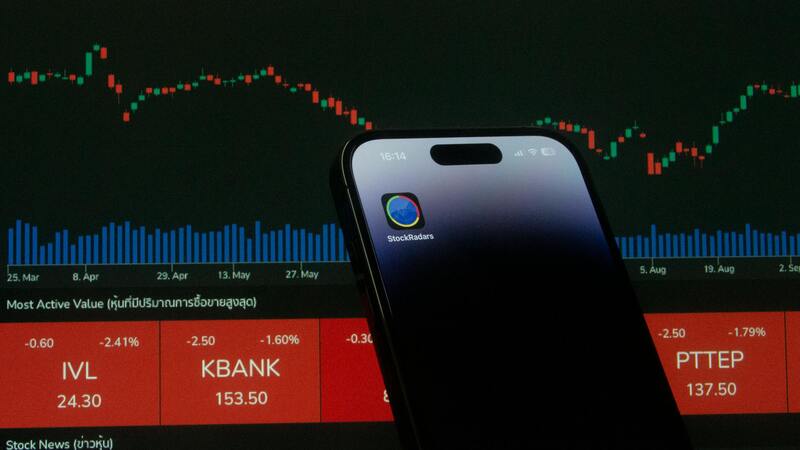
Prop firms establish specific trading conditions and rules to create a disciplined yet adaptable trading environment. These rules typically specify acceptable trading hours, mandatory stop-loss and take-profit levels, and restrictions on trading frequency to mitigate excessive speculation. The enforcement of these conditions is facilitated through advanced monitoring tools capable of real-time oversight, ensuring traders abide by set protocols and risk limits. Firms often allow some flexibility within these rules, such as adaptable stop-loss placements or adjustable profit targets, to accommodate different trading styles while maintaining overarching discipline. For instance, traders might be permitted to modify stop-loss levels within predetermined ranges or to execute trades during specified windows aligned with market volatility. These structured yet flexible environments help traders optimize their strategies without jeopardizing the firm’s capital. It’s essential that all trading conditions are clearly communicated and consistently enforced, reinforcing a culture of risk awareness, strategic planning, and adherence to best practices in trading activities.
Profit Sharing and Payout Structures
One of the most attractive features of top prop firms is the profit-sharing and payout arrangements they offer to their traders. Usually, profit sharing models are designed to be transparent and mutually beneficial, with a common structure being a split where the trader retains a majority of the profits—often around 70%—while the firm takes the remaining percentage to cover capital costs and operational expenses. The payout frequency can range from weekly to monthly, depending on the firm’s policies and the trader’s performance. In addition to profit sharing, some firms incorporate performance-based bonuses or incremental funding opportunities for consistent performers. Payout methods are typically straightforward, with many firms supporting electronic transfers, direct deposits, or other secure payment channels. Critical to these arrangements is clear communication about profit splits, withdrawal procedures, and any potential fees or penalties associated with trading activities. These structures aim to motivate traders to maximize their performance within a disciplined framework, fostering a mutually profitable relationship that values transparency and fairness.
Understanding Prop Trading Firms
Proprietary trading firms, commonly known as prop firms, serve as vital bridges between talented traders and substantial capital resources. They provide traders with access to significant trading funds, which would typically be unattainable for individual traders operating independently. These firms operate under a business model that emphasizes skill, strategy, and disciplined risk management, rewarding traders with a portion of the profits they generate using the firm’s capital. The primary goal of prop firms is to leverage trading expertise to generate consistent profits while minimizing risk exposure through structured rules and controlled trading environments.

Criteria for Evaluating the Best Prop Firms
When assessing which prop firms rank among the best, several key factors come into play. The foremost consideration is the transparency of the firm’s rules and policies. It’s essential that traders clearly understand the trading conditions, profit-sharing arrangements, fees, and risk management protocols before commencing trading activities. Additionally, the firm’s reputation for integrity, consistent support, and trader-centric policies contributes significantly to its standing. A comprehensive evaluation should also include the firm's track record of stability, the quality of its technology infrastructure, and the level of access to diverse trading instruments and markets.
Funding and Capital Access
Effective funding models are crucial indicators of a top-tier prop firm. Such firms offer traders access to substantial capital, often through staged funding or scaling opportunities that reward consistent, disciplined trading. The process for gaining access to funds typically involves pass/fail evaluations based on simulation trading or real trading performance. Once onboarded, traders are empowered to utilize the firm’s capital to pursue their trading strategies, with the firm providing risk limits and oversight to safeguard its investments.
Trading Conditions and Rules
Optimal trading conditions are characterized by clear, fair, and enforceable rules that prioritize risk management. These may include maximum drawdown limits, specific trading hours, leverage caps, and restrictions on certain instruments or strategies that could increase risk. A rigorous and transparent rule set is essential for maintaining consistency and fairness among traders, ensuring that all participants operate within a structured environment designed to promote discipline and minimize undue risks.
Profit Sharing and Payout Structures
The best prop firms implement profit-sharing arrangements that motivate performance while ensuring sustainability. Imposing an equitable profit split, often favoring traders with around 70% of the profits, aligns the firm’s success with individual trader performance. Payout schedules are typically monthly or weekly, supported by multiple secure payment options, including electronic transfers and direct deposits. Transparent communication regarding withdrawal procedures, fees, and any conditions attached to profit disbursements ensures trust and clarity in profit distribution.
Evaluation and Onboarding Process
High-caliber prop firms tend to utilize rigorous evaluation phases to identify skilled traders. These assessments usually include simulated trading challenges, followed by real-account trading under monitored conditions. Successful completion of these evaluations leads to a formal onboarding process, where traders receive comprehensive training on platform use, rules, and risk management protocols. Such processes ensure that only disciplined and capable traders are granted access to the firm’s capital, reinforcing a culture of professionalism and accountability.

Throughout this journey, transparency, fairness, and support are emphasized to help traders adapt to the firm’s trading environment and succeed over the long term. Incorporating feedback loops and continuous training opportunities further enhances trader development, ensuring they are well-equipped to navigate diverse market conditions effectively.
Choosing the Optimal Path with Reputable Prop Trading Firms
When seeking the best trading prop firms, traders must prioritize those with transparent operational structures, well-established track records, and a commitment to trader success. A trustworthy firm provides not only robust capital access but also comprehensive support systems and fair profit-sharing schemes. Carefully evaluating these aspects ensures candidates align with a firm's philosophies and trading practices, fostering an environment conducive to sustained profitability.

Adherence to Ethical Standards and Industry Benchmarks
Leading firms implement rigorous compliance of industry standards, emphasizing transparent fee structures, clear risk management protocols, and consistent payout procedures. These standards guarantee that traders focus on skill development and disciplined trading rather than navigating opaque contractual terms or hidden fees. An emphasis on ethical operations fosters long-term relationships with traders, characterized by trust and mutual growth.
Assessment of Technical Infrastructure and Platform Reliability
A critical component for top-tier prop firms is their trading technology and platform stability. Reliable execution, real-time data feeds, and advanced analytical tools are fundamental for traders to develop strategies and execute trades efficiently. Firms investing in cutting-edge technology create a competitive advantage by ensuring traders operate in a seamless trading environment, minimizing disruptions and maximizing opportunities.
Clarity in Profit Sharing and Performance Metrics
Understanding how profit splits and performance-based payouts are structured helps traders gauge the economic viability of engaging with a specific firm. Firms that clearly outline their profit-sharing policies, including thresholds, fees, and potential deductions, foster transparency. Such clarity reduces disputes and misconceptions, enabling traders to plan their strategies with confidence.
Support Systems and Educational Resources
Elite prop firms distinguish themselves by offering ongoing educational programs, mentorship, and dedicated support channels. Access to webinars, market analysis, and personalized coaching enhances traders' skills, promoting professional development. Additionally, responsive support teams address technical issues and trading inquiries promptly, allowing traders to focus on performance rather than operational hurdles.
Assessment and Evaluation Procedures
Effective onboarding involves stringent evaluation phases designed to test a trader's skills, discipline, and risk management capabilities. These assessments typically consist of simulated challenges and real-time trading under monitored conditions. Firms that uphold rigorous selection standards ensure only proficient traders gain access to capital, fostering a disciplined trading environment that benefits all stakeholders.
Comprehensive Training and Continuous Development
The most reputable firms recognize that trading proficiency is an ongoing journey. They invest in continuous training programs, market insights, and development tools that help traders refine their strategies and adapt to changing market dynamics. Such initiatives contribute to a trader’s long-term success and the firm’s reputation for nurturing talent.
Summary of Leading Prop Firms
In evaluating the best trading prop firms, emphasis should be placed on entities with transparent operational policies, robust technological infrastructure, fair profit-sharing models, and comprehensive support systems. The overall reputation, trader satisfaction, and commitment to professional development are key indicators of a firm's credibility and potential for sustained growth in the competitive landscape of proprietary trading.
