
What Is a Prop Firm? Understanding Its Role in the Trading Industry
Proprietary trading firms, commonly known as prop firms, are specialized financial entities that allocate capital to skilled traders to execute trades across various markets. Unlike traditional investment firms or banks that manage clients' funds, prop firms trade with their own capital, aiming to generate profits through active trading. This setup enables traders to leverage significant financial resources without risking their personal funds, fostering an environment where expertise and strategic decision-making are paramount.
Prop firms play a vital role in the trading ecosystem by providing traders with the infrastructure, resources, and capital necessary to capitalize on market opportunities. They often operate across multiple asset classes, including equities, futures, forex, and options, diversifying their trading portfolios to optimize profit potential. The distinction between prop firms and traditional financial institutions lies primarily in the ownership of the trading capital and the focus on proprietary trading activities rather than client asset management.

Unlike conventional investment entities that act on behalf of clients, prop firms prioritize their own profit generation, which influences their operational strategies, risk management protocols, and trader recruitment. They often collaborate with a diverse team of experienced traders, technology experts, and risk analysts to ensure optimized trading performance and sustainable growth.
Understanding what a prop firm is entails recognizing its unique position within the financial industry—acting as a bridge between individual traders seeking capital and the larger markets aiming for consistent profit opportunities. They are designed not just as trading platforms but as comprehensive business models centered around the skill and performance of their traders. This structure allows them to continuously adapt to market conditions, support promising trading talent, and foster innovation in trading strategies.

Types of Prop Trading Firms
Within the landscape of proprietary trading, firms can be categorized based on their operational models, trading focus, and organizational structure. Recognizing the different types can help aspiring traders and industry observers understand the available opportunities and unique characteristics of each.
Independent Proprietary Trading Firms
These firms operate autonomously, often specializing in particular asset classes such as equities, futures, or currencies. They typically have their own capital, with traders working under the firm’s branding and resources. Independent prop firms tend to prioritize innovation, emphasizing cutting-edge technology and proprietary trading algorithms to gain competitive advantages. They may have a more flexible approach to risk and trading strategies, fostering an environment that encourages experimentation and agility. The key aspect of such firms is their focus on their own profitability, which influences their hiring practices, compensation structures, and operational policies.

Partnership and Consortium Prop Firms
Some prop firms operate as partnerships or form alliances with other financial entities to expand their capital base and trading capabilities. These firms often pool resources from multiple stakeholders, including individual traders, institutional investors, and other financial entities. By sharing risks and profits, they can undertake larger trading positions and diversify their strategies across multiple markets. The collaborative nature often leads to more structured profit-sharing arrangements and joint development of trading systems. Such setups can facilitate access to a broader range of markets and instruments, offering traders greater leverage and resources.
Hybrid Prop Firms
Hybrid prop firms blend features of independent firms and partnerships, often utilizing a combination of firm-owned capital and external funding sources. They may also integrate proprietary trading with client-related activities, balancing internal risk management with external revenue streams. This model provides flexibility in deploying capital and trading strategies, allowing firms to adapt quickly to changing market conditions. Traders working within hybrid firms typically benefit from a mix of firm support, technological resources, and a diversified trading environment.
Specialized Prop Trading Firms
Some firms focus exclusively on niche markets or specific types of trading, such as high-frequency trading (HFT), quantitative trading, or options trading. These specialized firms employ advanced algorithmic strategies and invest heavily in technology infrastructure to capitalize on ultra-fast market movements. Due to their niche focus, they often require traders with specific skill sets and offer tailored incentives aligned with their strategic objectives. Their exclusive focus allows for highly optimized trading algorithms and risk management practices, making them leaders in their chosen domains.
Understanding Prop Trading Firms: An In-Depth Overview
Types of Prop Trading Firms
Prop trading firms are diverse entities characterized by their trading approaches, the assets they focus on, and their operational scale. Recognizing these differences helps traders identify the environment best suited to their skills and aspirations.
- Independent Prop Firms: These are standalone companies dedicated solely to proprietary trading. They typically operate their own capital and focus exclusively on executing proprietary strategies without external interference. Such firms often have a clear, streamlined structure emphasizing high-frequency or algorithmic trading environments.
- Scale and Scope-Based Firms: Some prop firms are small with a local or regional presence, concentrating on specific markets or assets. Conversely, larger firms operate internationally, offering traders access to global markets like equities, forex, commodities, and derivatives. Their extensive resources can support sophisticated algorithms and trading systems.
- Specialized Niche Firms: These firms focus on particular trading strategies such as derivatives, cryptocurrency, or emerging markets. Their specialization allows them to develop deep expertise and technological infrastructure aligned with their niche, often requiring traders to possess tailored skill sets.
- Hybrid and Multi-Asset Firms: Combining elements from various models, these firms trade across multiple asset classes, utilizing both firm-owned capital and external funding. They often serve a diverse trader base, offering a broader spectrum of trading opportunities and technological tools.

Operational Structures and Strategies
Prop firms employ different operational strategies tailored to their trading objectives and organizational structure. These strategies are supported by robust technological infrastructure designed to capitalize on market inefficiencies and rapid price movements.
- Quantitative Trading: Relying on algorithms and data analysis, quantitative traders generate signals and execute trades based on mathematical models. These firms invest heavily in infrastructure, data feeds, and custom software to stay ahead in high-speed trading environments.
- High-Frequency Trading (HFT): These firms focus on executing a large number of transactions within fractions of a second, leveraging cutting-edge advancements in hardware and network connectivity to exploit minute price discrepancies.
- Discretionary Trading: Involving traders making decisions based on market analysis, news, and experience, these firms emphasize human judgment paired with technological tools for strategic trades.
- Spread and Arbitrage Strategies: Targeting small profit margins across different markets or instruments, these firms capitalize on differences in price or timing, requiring precise execution capabilities.
While operational methods vary, the core principle remains consistent: leveraging technological innovation and market insights to identify opportunities and execute trades efficiently.

Definition of a Prop Firm
A proprietary trading firm, commonly known as a prop firm, is a company that offers traders access to its capital to trade various financial instruments such as stocks, forex, commodities, and derivatives. Unlike traditional investment firms that manage client funds, prop firms use their own financial resources to generate profit. These organizations are structured to facilitate trading activity by providing traders with sufficient leverage, technology, and support, enabling them to focus solely on executing trades that align with the firm's strategies. Traders within prop firms do not need to invest their own capital, which lowers the barrier to entry for professional trading while offering the firm an avenue to amplify potential gains from active market participation.

How Prop Firms Operate
Prop firms operate through a combination of rigorous trading strategies, advanced technological infrastructure, and structured trader programs. Their main goal is to maximize profitability by leveraging their capital while managing risk effectively. Operating models can vary but generally involve establishing a set of trading rules, risk management protocols, and profit-sharing arrangements that align trader incentives with the firm’s financial objectives.
Within these organizations, traders are often employed full-time or operate as independent contractors, trading on behalf of the firm using its capital. Risk control measures such as strict stop-loss limits, position sizing rules, and real-time monitoring are integral to maintaining the firm’s financial health. Additionally, prop firms invest heavily in technology—high-speed trading platforms, data analytics, and algorithmic trading tools—to stay competitive in fast-moving markets. These technological assets allow traders to analyze market data efficiently, execute trades swiftly, and adjust strategies in real time based on evolving market conditions.
Types of Prop Trading Firms
- Quantitative Proprietary Trading Firms: These firms rely heavily on data-driven algorithms and mathematical models to identify trading opportunities. They employ traders and analysts specialized in data science, machine learning, and statistical analysis to develop and implement trading strategies.
- High-Frequency Trading (HFT) Firms: Focused on executing thousands to millions of trades within fractions of a second, HFT firms capitalize on tiny price discrepancies across markets. Their infrastructure emphasizes ultra-low latency hardware and high-speed network connectivity.
- Discretionary Trading Firms: These organizations depend on skilled human traders who analyze market conditions, news, geopolitical events, and other factors to make trading decisions. Such firms often combine human judgment with technological tools like advanced charting and analytics software.
- Spread and Arbitrage Firms: Specializing in exploiting small price movements across different markets or financial instruments, these firms focus on rapid execution and precise order placement to capitalize on inefficiencies and timing differences.

Understanding the operational distinctions among these types enhances a trader's ability to align their skills with a firm's strategic focus.
Funding and Capital
One of the defining features of a proprietary trading firm is its approach to funding traders and managing capital. Unlike individual retail traders who operate their personal funds, prop firms allocate their own capital to enable traders to execute larger positions and participate in more diverse markets.
Prop firms often utilize a structured funding model that involves onboarding traders through a rigorous evaluation process. Once selected, traders are provided with a trading account that is funded by the firm, often with dedicated capital allocated to specific trading strategies or asset classes.
Fund allocation practices vary among firms. Some provide a fixed amount of capital upfront, granting traders a set trading budget, while others follow a scaling model where traders earn increased capital as their performance demonstrates consistent profitability. This incentivizes disciplined and high-performing traders to expand their trading capacity.
The distribution of profits is typically structured to motivate traders while ensuring the firm’s risk is contained. Commonly, profit-sharing arrangements are established, where traders receive a significant portion of the earnings, often ranging from 60% to 80%, with the remainder retained by the firm for operational and risk management purposes.

Capital management strategies also involve setting risk parameters, such as maximum drawdowns and position sizes, which are integral to preserving the firm's financial health. Advanced risk analytics and real-time monitoring systems are employed to oversee trading activities and ensure traders adhere to the prescribed risk levels.
Moreover, some prop firms leverage technology-driven methods for capital deployment, including automated risk controls and real-time position monitoring, to swiftly respond to adverse market movements. This disciplined approach to funding and risk management helps maintain the stability and profitability of the firm, even during volatile market conditions.
Benefits of Trading with a Prop Firm
- Access to significant capital, enabling larger position sizes and diversified trades.
- Structured training programs and mentorship from experienced traders.
- The opportunity to trade in a variety of financial instruments, including equities, futures, and forex.
- Reduced personal financial risk, as the firm absorbs most of the financial exposure.
- Potential for partnership-based profit sharing, motivating consistent performance.
Risks and Challenges
- Intense competition among traders, requiring high skill levels and disciplined trading strategies.
- Strict compliance with risk management rules, which can limit strategic flexibility.
- Performance pressure that may influence decision-making under stress.
- Dependence on firm infrastructure and support systems, which must be reliable and up-to-date.
- Potential for loss of capital if risk parameters are exceeded or market conditions turn adverse.
Getting Started with a Prop Firm
Engaging with a prop trading firm involves passing through a comprehensive evaluation process designed to assess your trading skills, discipline, and risk management capabilities. Many firms offer demo accounts or simulation environments where traders can demonstrate proficiency before receiving live funding.
Traders should focus on developing a consistent trading methodology, maintaining detailed performance records, and adhering to the firm's risk guidelines. Preparing thoroughly for the evaluation phase increases the likelihood of securing funding and establishing a profitable partnership with the prop firm.

Understanding the Funding Structure and Capital Allocation
One of the most appealing aspects of working with a proprietary trading firm is access to substantial trading capital, which is often beyond what individual traders could amass independently. Prop firms allocate their capital based on various criteria, including trader skill level, risk management proficiency, and trading history. This pooled capital allows traders to engage in larger positions and diversify their trades without risking personal funds, thereby amplifying potential gains.
Most prop firms operate with a tiered funding model. Initially, traders may be provided with a smaller trading account to assess their consistency and adherence to risk parameters. Successful traders who demonstrate disciplined trading and risk management usually qualify for increased capital allocations, enabling them to scale their trading activity effectively. This incremental approach ensures that the firm's capital is allocated to traders with proven capabilities, minimizing exposure to unproven or high-risk strategies.

Risk Management and Profit Sharing Mechanics
Fundamental to a prop firm's operational model is its rigorous risk management system. Traders must conform to predefined risk limits, including maximum daily loss, drawdown thresholds, and position sizing rules. These safeguards protect both the firm's capital and the trader's stability, fostering disciplined trading habits essential for long-term success.
Profit sharing arrangements vary among firms but typically involve a split of the profits generated by the trader’s activities. After deducting any operational fees or commission costs, the remaining profits are divided according to the agreement. Commonly, traders retain a significant percentage of their gains—sometimes upwards of 70%—as an incentive for consistent performance and risk discipline.

Collaborative Infrastructure and Support Systems
Prop firms invest heavily in infrastructure to support their traders, including state-of-the-art trading platforms, real-time data feeds, risk analytics, and backend support. This robust infrastructure ensures traders have access to accurate information and can execute trades efficiently, which is critical during volatile market conditions.
Moreover, many firms offer educational resources, mentorship programs, and community forums that help traders sharpen their skills and learn from peers. These support systems are designed to create an environment conducive to professional growth and consistent profitability.

Summary
The funding structure and capital allocation methods employed by prop trading firms are core elements that distinguish them from individual trading endeavors. Through pooled resources, strict risk management, and profit-sharing models, these firms create a platform that enhances traders' capabilities while safeguarding their own investments. Efficient infrastructure and ongoing support further empower traders to execute strategies effectively, paving the way for sustained profitability and professional development within the prop trading space.
Understanding the Structures of Prop Trading Firms
Investment and Capital Allocation Strategies
Prop trading firms utilize a variety of funding models to manage their trading capital effectively. Unlike individual traders, these organizations pool resources to create a sizable trading fund, enabling them to assume larger positions in the market. This pooled capital often originates from the firm’s own balance sheet or through institutional investors willing to back the firm’s trading strategies. Such arrangements allow traders within the firm to access substantial leverage and execute complex trading strategies without risking their personal funds.
The allocation of capital within a prop firm is carefully managed through sophisticated risk management systems. These systems monitor trading activity in real time, ensuring that positions adhere to predetermined risk limits and that the firm’s overall exposure remains within acceptable boundaries. This structured approach enables traders to operate at a higher level of confidence, knowing that their activities are supported by a solid financial backbone and that safeguards are in place to prevent catastrophic losses.

Profit-Sharing and Compensation Models
The financial incentives offered by prop firms are structured to motivate disciplined and consistent trading performance. Typically, traders negotiate profit-sharing agreements that delineate their earnings from the profits generated on their trades. These arrangements often feature tiered profit splits, allowing traders to earn a significant portion of the gains once certain performance benchmarks are met.
Additional incentives may include performance bonuses, access to advanced trading tools, or further funding opportunities. These models aim to align the interests of traders with those of the firm, fostering an environment where disciplined risk management and strategic trading are rewarded. Transparency in profit calculation and regular performance assessments help ensure that traders and firms maintain a mutually beneficial relationship.
Technology and Infrastructure Supporting Prop Traders
A critical advantage of working within a prop firm is access to cutting-edge trading technology. Firms invest heavily in platforms that facilitate fast, reliable order execution, comprehensive market analysis, and seamless connectivity to multiple exchanges. Real-time data feeds and advanced analytics enable traders to make informed decisions swiftly, a crucial factor during fast-moving and volatile market conditions.
Furthermore, many prop firms provide educational resources, mentorship, and collaborative platforms that promote skill development and shared learning among traders. These support systems enhance trading performance, foster innovation, and create a professional community that continuously evolves through experience and knowledge exchange.
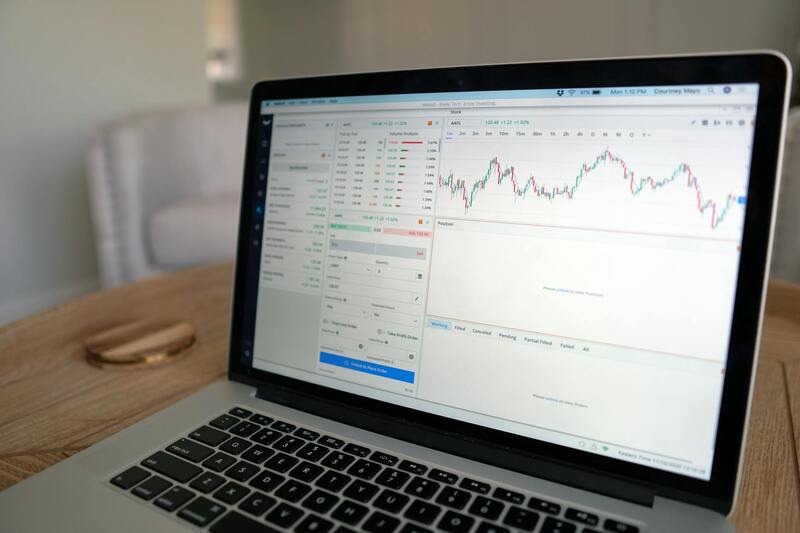
Understanding the Business Models of Prop Trading Firms
Profit-Sharing Structures and Performance Incentives
Prop trading firms employ various profit-sharing models designed to motivate traders and align their interests with those of the firm. Many firms operate on a tiered profit split system, where a trader’s share of profits increases as they achieve higher performance benchmarks or risk more capital. This incentivizes traders to optimize their strategies and take disciplined risks, knowing that their efforts directly impact their earnings.
In addition to profit splits, traders often have access to performance bonuses that reward consistent results and exceptional performance. These bonuses may be tied to specific trading metrics, such as annual profitability or risk-adjusted returns. Furthermore, some prop firms provide opportunities for traders to receive additional funding, enabling them to scale their trading activities without personal capital constraints.
Transparency in profit calculations and regular performance assessments are fundamental aspects of these arrangements. They ensure clarity in how profits are shared and maintain fairness, fostering trust and long-term collaboration between traders and the firm.

Technological Resources and Support Systems
At the core of prop trading success lies access to sophisticated trading technology. Leading firms invest in cutting-edge platforms that provide rapid execution, real-time market data, and comprehensive analytical tools. These technological resources enable traders to identify opportunities swiftly and execute trades seamlessly, which is essential in volatile market conditions.
Beyond technology, many prop firms cultivate a professional environment through mentorship programs, strategic training, and collaborative trading communities. These resources help traders develop their skills, share insights, and adapt to evolving market dynamics. Continuous education, advanced analytics, and a supportive network contribute significantly to a trader’s ability to perform consistently and improve over time.
Starting Your Journey with a Prop Firm
For prospective traders interested in joining a prop trading firm, understanding the application process is crucial. Typically, firms require candidates to complete an evaluation or trading assessment designed to gauge their skills, discipline, and risk management prowess. These assessments often involve simulated trading environments or live trading simulations with designated capital.
Applicants are usually expected to demonstrate consistent profitability, proper risk controls, and adherence to trading rules throughout the assessment process. Meeting specific qualification criteria, such as trading experience, educational background, or proficiency in certain trading strategies, can vary between firms.
Once accepted, traders often undergo onboarding programs that familiarize them with the firm’s trading platforms, risk management protocols, and internal policies. Building a track record of disciplined trading and maintaining a professional approach are essential to progressing within a prop firm environment.
