
Understanding the Prop Firm Meaning: A Comprehensive Overview

Definition of a Prop Firm
A proprietary trading firm, commonly known as a prop firm, is an organization that utilizes its own capital to execute trades across various financial markets. Unlike traditional financial services companies that trade on behalf of clients or manage client funds, prop firms focus solely on their own assets. The primary goal of a prop firm is to generate profits from market activities, often by leveraging sophisticated trading strategies, advanced technology, and skilled traders.
Prop firms act as a central hub for traders who are equipped with access to substantial trading capital, sophisticated tools, and research capabilities. These firms invest in proprietary technologies and analytical models to identify trading opportunities, aiming for consistent profitability. The core purpose of a prop firm is to maximize their trading returns while managing risk effectively through rigorous analysis and strategic positioning.

How Prop Firms Operate
Proprietary trading firms operate by deploying their own funds into financial markets such as stocks, forex, commodities, or derivatives. These firms employ a team of experienced traders, quantitative analysts, and risk managers who develop and implement trading strategies designed to exploit market inefficiencies.
The operational model involves allocating trading capital across various assets and strategies, monitoring market conditions continuously, and adjusting positions accordingly. Risk control mechanisms are integral to their operations, ensuring losses are minimized and profits maximized. Many prop firms incorporate technological advancements like algorithmic trading and artificial intelligence to enhance their decision-making processes.
Profit-sharing arrangements within prop firms vary, but typically, traders receive a percentage of the profits they generate, creating incentives for high performance. The firms also invest heavily in training and development to continuously improve their traders' skills and strategies.

Types of Prop Trading Firms
- Exclusive Prop Firms: These firms primarily focus on trading with their own capital and often recruit skilled traders who work exclusively within the organization.
- Multilateral Prop Firms: These firms operate across multiple markets and asset classes, employing diverse trading strategies to optimize returns.
- Hybrid Firms: Combining proprietary trading with other financial services, hybrid firms leverage their trading expertise to diversify revenue streams.
Roles and Responsibilities of Prop Traders
Prop traders are responsible for executing trades based on the firm's strategies and risk management guidelines. Their responsibilities include market analysis, quick decision-making, and maintaining discipline to adhere to predefined trading plans. Successful prop traders often possess strong analytical skills, deep market understanding, and the ability to manage stress effectively.
Traders are expected to continually adapt to changing market conditions, employ technical and fundamental analysis, and utilize technological tools for trade execution. Their performance directly impacts the firm's profitability, emphasizing the importance of rigorous training and ongoing education.
Benefits of Working with a Prop Firm
- Access to significant trading capital and state-of-the-art technology
- Risk management support and trading discipline
- Opportunities for professional growth and skill enhancement
- Potential profit-sharing arrangements that reward performance
- Exposure to diverse markets and trading strategies
How Prop Firms Operate
Proprietary trading firms operate on a business model centered around utilizing their own capital to generate profits through strategic trading activities. These firms typically develop and employ a range of trading strategies aimed at exploiting market inefficiencies, price discrepancies, and technical patterns to maximize returns. The core of their operational philosophy revolves around aggressive risk management combined with innovative trading techniques.
At the heart of prop firm operations is a structured process that includes detailed market analysis, algorithmic or discretionary trade execution, and continuous performance evaluation. Many firms leverage advanced technological infrastructure, such as high-frequency trading platforms, algorithmic trading systems, and real-time data analytics, to gain a competitive advantage. Additionally, firms often maintain a diversified portfolio across various asset classes including equities, commodities, forex, and derivatives, seeking to optimize profit opportunities while managing downside risks.
The revenue model of prop firms relies heavily on the accumulation of trading gains, with a portion of profits often allocated to cover operational costs, technology investments, and trader incentives. This performance-based structure encourages traders to align their strategies with the firm's financial goals, fostering a culture of accountability and continuous improvement.
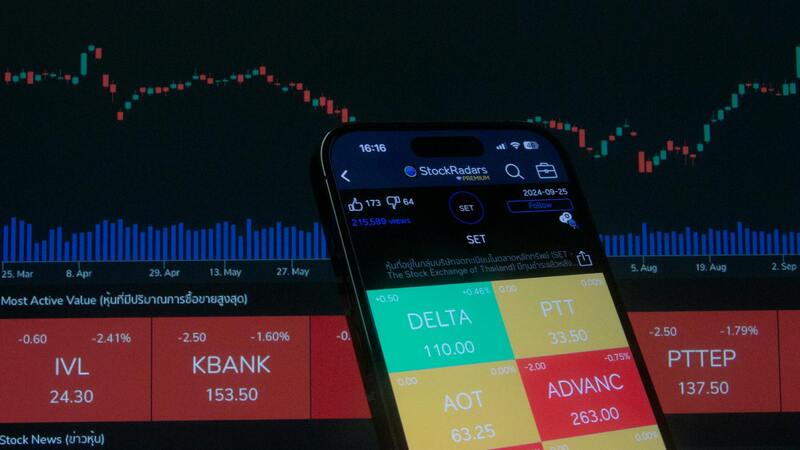
Risk management remains a critical aspect of prop firm operations. Firms implement strict controls such as daily loss limits, drawdown restrictions, and position sizing rules to prevent catastrophic losses. These measures ensure the sustainability of trading activities and protect the firm's capital against adverse market movements. Moreover, real-time monitoring tools and automated systems facilitate rapid response to market fluctuations, minimizing potential damages.
While some firms adopt discretionary trading approaches where experienced traders make individual decisions, others emphasize algorithm-driven models that execute trades automatically based on predefined parameters. Many successful prop trading enterprises integrate both methodologies, creating hybrid strategies that adapt to evolving market conditions.
Revenue generated through prop trading is predominantly driven by the successful execution of trades that outperform market benchmarks or fulfill specific strategic objectives. The continuous evolution of trading algorithms, coupled with rigorous backtesting and validation processes, supports the firm's ability to maintain a competitive edge. Ultimately, the operational efficiency of a prop firm hinges on sophisticated technological infrastructure, disciplined risk controls, and skilled traders dedicated to achieving consistent profitability.
Types of Prop Trading Firms
Prop trading firms can be categorized based on their operational models, target clientele, and trading methods. Understanding these distinctions helps traders identify which environment aligns best with their skills and trading style.
Retail Prop Trading Firms
These firms typically operate online and cater to individual traders who meet certain qualification criteria. They offer access to proprietary capital by means of evaluation programs or trading contests. Traders in retail prop firms often benefit from educational resources, mentorship, and advanced trading platforms. The primary focus is to attract talented traders who can generate consistent returns while adhering to the firm's risk management guidelines.
Institutional Prop Trading Firms
Such firms usually serve larger financial institutions, hedge funds, or asset managers. They deploy substantial capital resources and employ extensive research and technology infrastructure. The scope of trading activities tends to be broader, often involving high-frequency trading, market making, or arbitrage strategies. Institutional prop firms emphasize rigorous compliance standards and operational controls to maintain the integrity of their trading operations and meet regulatory expectations.
Online-Based Prop Firms
This emerging segment of the industry operates predominantly through digital platforms, making it accessible to a global pool of traders. These firms often utilize cloud-based infrastructure and automated trading algorithms. They tend to focus on scalable strategies and provide flexible trading conditions that allow traders to operate from various geographic locations. Online prop firms might also employ innovative funding models, such as trading challenges, to evaluate and onboard new talent.

Roles and Responsibilities of Prop Traders
Prop traders hold a pivotal role within their firms, responsible for deploying capital to generate returns. Their responsibilities encompass a variety of tasks that require discipline, skill, and strategic thinking:
- Market Analysis: Conducting technical and fundamental analysis to identify trade opportunities and assess market conditions.
- Trade Execution: Implementing trading strategies efficiently using advanced trading platforms and tools.
- Risk Management: Controlling exposure by adhering to predefined trading limits and employing hedging techniques when appropriate.
- Strategy Development: Continuously refining trading models based on empirical data, backtesting results, and evolving market dynamics.
- Record Keeping and Reporting: Maintaining detailed logs of trades, performance metrics, and compliance documentation for review and analysis.
- Collaboration and Feedback: Working closely with analysts, risk managers, and compliance teams to optimize trading approaches and stay aligned with firm policies.
Benefits of Working with a Prop Firm
Engaging with a proprietary trading firm offers numerous advantages for traders looking to leverage broader market access and resources:
- Access to Capital: Prop firms provide traders with significant trading capital, allowing for larger positions and potentially greater profits.
- Educational Resources: Many firms invest in training programs, workshops, and mentorship opportunities to enhance traders' skills.
- Technological Infrastructure: Advanced trading platforms, analytical tools, and real-time data feeds improve trading efficiency and accuracy.
- Shared Risk and Rewards: Profit-sharing models mean traders can benefit directly from their success, creating strong incentives for performance.
- Community and Support: Becoming part of a network of experienced traders fosters knowledge exchange and morale boosting.

Understanding the Operational Framework of Prop Firms
Official Methods for Prop Trading
Proprietary trading firms primarily rely on established methodologies that emphasize transparency, adherence to industry standards, and meticulous risk management. These companies typically operate under comprehensive procedures designed to ensure consistent and responsible trading practices. They employ rigorous selection processes for traders, incorporating evaluations of trading strategies, risk appetite, and market knowledge, often validated through standardized testing scenarios and simulated trading environments.
Once onboard, traders are provided with clearly defined trading limits, which are set following thorough assessments of market conditions and the firm's risk parameters. These limits serve to safeguard both the trader and the organization from undue exposure. Regular monitoring and reporting protocols are integral to validating that trading activities stay within prescribed boundaries, using advanced compliance software and audit trails to record every transaction accurately.
Communication channels between traders and risk management teams are structured to facilitate ongoing oversight and feedback. This ensures traders receive guidance and perform within the established risk appetite while maintaining operational integrity. Prop firms also invest in ongoing compliance training aimed at reinforcing best practices, ethical standards, and adherence to regulatory frameworks.

Legitimate and Verified Approaches in Prop Trading
Engaging with prop firms through legitimate channels involves following verified procedures such as applying through official recruitment portals, participating in formal evaluation phases, and signing contractual agreements that outline expectations, trading limits, and profit-sharing arrangements. These processes are designed to uphold operational transparency and allow for mutual accountability, ensuring that traders and firms work within an established framework.
Various industry-standard tools and resources support professional prop traders, including proprietary trading platforms, real-time market data, and risk analytics. These tools are supplied through official vendor partnerships, and their use is governed by strict compliance rules. Additionally, traders are encouraged to maintain detailed trading journals and documentation, which are essential for performance evaluations, audits, and continuous improvement.
Adherence to official standards in prop trading also encompasses participating in mandatory compliance training, understanding market regulations, and maintaining ethical trading conduct. These measures help sustain a disciplined trading environment that promotes responsible market participation and minimizes the risk of misconduct or operational irregularities.

Implementing Ethical Trading Strategies
Ethical trading involves utilizing time-tested, legitimate strategies that focus on consistent risk-reward assessments, disciplined trade entries and exits, and adherence to pre-established trading plans. Such strategies are supported by comprehensive analysis, technical indicators, and market research techniques that align with the firm's operational standards.
Case in point, traders employ systematic approaches like trend following, mean reversion, or arbitrage, all within the confines of approved risk limits and using validated signals. These methods are developed through validated backtesting processes, allowing traders to refine their tactics based on historical data and current market conditions.
Maintaining integrity also requires continuous education and professional development. Official training modules and certification programs equip traders with the knowledge to navigate complex markets responsibly. Moreover, ongoing scenario analysis and performance reviews facilitate adherence to ethical standards and operational protocols, fostering a culture of accountability and excellence.
Roles and Responsibilities of Prop Traders
Prop traders hold a pivotal position within proprietary trading firms, serving as the primary agents responsible for executing trades that aim to generate profits for the company. Their responsibilities extend beyond mere market participation; they encompass strategic decision-making, rigorous risk management, and disciplined adherence to trading protocols that uphold the firm's standards of operation.
Core Responsibilities
- Market Analysis and Strategy Development: Prop traders conduct comprehensive technical and fundamental analysis to identify trading opportunities. They develop and refine trading strategies based on market trends, economic indicators, and historical data, ensuring consistency and adherence to the firm's risk parameters.
- Trade Execution: Accurate and timely trade execution is critical. Prop traders utilize sophisticated trading platforms and tools to enter and exit positions swiftly, minimizing slippage and optimizing profit potential.
- Risk Management: Managing risk is central to a prop trader’s role. They employ advanced techniques such as stop-loss orders, position sizing, and hedging strategies to control exposure and protect the firm's capital during volatile market conditions.
- Performance Monitoring: Continuous monitoring of trades and market developments enables traders to adjust strategies dynamically. Regular performance reviews also help in identifying areas for improvement and ensuring compliance with internal guidelines.
- Compliance and Ethical Standards: Upholding high standards of integrity and compliance with trading protocols is fundamental. Traders participate in ongoing training to stay informed about industry best practices, market regulations, and internal policies.
Skills and Qualities of Successful Prop Traders
Effective prop traders possess a blend of analytical skills, emotional discipline, and adaptability. They demonstrate resilience under pressure, maintain a disciplined trading routine, and continuously update their knowledge base. Success depends heavily on their ability to interpret market data accurately, make swift decisions, and stick to predetermined risk limits, all while maintaining an ethical approach to trading activities.

Understanding the Core Functions of a Prop Firm
A proprietary trading firm, commonly known as a prop firm, functions primarily as an entity that allocates its own capital to skilled traders who execute trades across various financial markets. Unlike traditional brokerage firms that facilitate client transactions, prop firms focus on generating profit from their assets through strategic trading activities. These firms often employ rigorous selection processes to identify talented traders and provide them with the necessary resources, such as advanced trading platforms, analytical tools, and comprehensive data feeds. The primary goal is to leverage the firm's capital efficiently while managing associated risks through strict protocols and trading strategies.
Operational Framework of Prop Firms
Prop firms operate by establishing clear operational structures that align with their trading objectives. They typically develop trading algorithms, set risk limits, and define profit-sharing arrangements with traders. The firm's management team monitors trading performance continuously, adjusting strategies as needed to adapt to market conditions. Traders are often evaluated based on performance metrics, including profitability, adherence to risk controls, and consistency. This oversight ensures the firm's capital is protected and that traders remain aligned with the firm’s overall risk appetite.

Effective communication channels are maintained between traders and the firm's risk management team, fostering a culture of transparency and accountability. The firm may also employ proprietary trading algorithms and data analysis systems to identify market opportunities and execute trades at optimal moments. Additionally, ongoing training and development sessions are essential to keep traders updated on emerging market trends, trading techniques, and compliance requirements.
Distinct Types of Prop Trading Entities
- Independent Prop Firms: These operate solely for profit, with a focus on trading in various asset classes, including equities, forex, commodities, and derivatives.
- Bank-Affiliated Prop Firms: These are subsidiaries or departments within large banking organizations that engage in proprietary trading as part of their broader financial services.
- Specialized Tech-Driven Firms: These firms heavily rely on algorithmic and quantitative trading models, emphasizing high-frequency trading (HFT) and data-driven decision-making.
Each type leverages different operational strategies and risk exposures, but all aim to maximize returns on their capital through skilled trading activities within structured frameworks.
Core Responsibilities of Prop Traders
Prop traders are entrusted with executing trades based on comprehensive market analysis, including technical, fundamental, and quantitative methods. Their responsibilities include rigorous risk management, adhering to predetermined trading limits, and maintaining discipline under fast-paced market conditions. They are often required to develop and test trading hypotheses, constantly refine strategies, and utilize cutting-edge tools for real-time decision-making. A key aspect of their role involves monitoring market developments, news flow, and economic indicators that could influence asset prices.

Success in this environment hinges on a trader’s ability to remain composed under pressure, swiftly interpret market signals, and execute trades that align with the firm's risk and profit objectives. Traders also participate in regular reviews, analyzing their performance and learning from both successes and setbacks. The development of interpersonal and analytical skills is critical, alongside a disciplined approach to daily trading routines.
Advantages of Collaborating with a Prop Firm
- Access to substantial trading capital that individual traders might find difficult to secure independently.
- Use of sophisticated trading platforms and technology that enhance decision-making and trade execution.
- Mentorship and training from experienced professionals, fostering skill development.
- Potential for profit-sharing arrangements, incentivizing high performance and dedication.
- Exposure to diverse markets and trading styles, broadening trading expertise.
These benefits create an environment where traders can focus on honing their skills and strategies while the firm manages operational risks and resources. It also facilitates a scalable approach to trading, enabling traders to handle larger positions and diversify their trading portfolio efficiently.

Understanding the Proprietary Trading Model
Proprietary trading, often referred to as prop trading, involves firms trading financial instruments using their own capital, rather than client funds. By doing so, these firms aim to generate profits through strategic trading activities across various markets, including equities, commodities, forex, and derivatives. The core idea centers on leveraging their expertise, technology, and resources to exploit market opportunities more efficiently than individual investors. Internally, prop firms develop detailed trading strategies, risk management protocols, and technological infrastructures to support their traders and safeguard their assets.
Operational Foundations of Prop Trading Firms
At the heart of a prop firm's operation lies a combination of advanced analytics, algorithmic models, and experienced personnel. These firms establish specific trading desks that focus on different asset classes or strategies, such as day trading, swing trading, or arbitrage. Capital allocation decisions are made based on rigorous analysis, market conditions, and historical performance. Trade execution is facilitated through sophisticated platforms integrated with real-time data feeds, ensuring traders can make swift decisions in volatile environments.
Different Kinds of Prop Trading Firms
Prop trading entities can be categorized based on their operational scope and structure:
- Independent Prop Firms: These are standalone organizations solely dedicated to trading activities, often with their own proprietary systems and risk management frameworks.
- Bank-Owned Prop Desks: Larger banking institutions often maintain proprietary desks within their broader operation, focusing on trading strategies that align with the bank's overall objectives.
- Hedge Funds with Prop Trading Arms: Some hedge funds incorporate proprietary trading as a component of their diversified investment approaches, emphasizing unique strategies and higher risk-reward profiles.
The Roles and Duties of Prop Traders
Prop traders serve as the operational backbone of these firms, tasked with executing trades that adhere to the firm's predefined risk and profit parameters. Their responsibilities include:
- Market Analysis: Continuously analyzing market conditions, news, and economic indicators to identify trading opportunities.
- Strategy Execution: Applying proprietary strategies that leverage technical, fundamental, or quant models to maximize returns.
- Risk Management: Monitoring and adjusting positions to stay within the risk limits set by the firm, including using stop-loss and take-profit orders.
- Record Keeping and Reporting: Maintaining detailed records of trades and providing performance reports for review and compliance purposes.
Advantages of Associating with Prop Firms
Participants collaborating with prop firms gain various strategic benefits that enhance their trading capacity and expertise:
- Access to significant trading capital, allowing for larger positions and greater market influence.
- State-of-the-art technology and trading platforms that streamline operations and enable sophisticated analysis.
- Structured mentorship programs, fostering skills development and strategic honing from experienced professionals.
- Potential profit-sharing arrangements, aligning trader incentives with firm success.
- Broader exposure to multiple markets and trading methodologies, which deepens professional tactics and adaptive skills.

Legal and Regulatory Environment
Prop trading operations are governed by comprehensive regulatory frameworks that promote transparency, fair trading practices, and operational accountability. These regulations often encompass licensing requirements, capital adequacy standards, internal compliance policies, and reporting obligations. Adhering to these frameworks ensures that firms conduct business ethically while protecting market integrity and investor interests.
Anticipating the Evolution of Prop Trading
Emerging technologies such as artificial intelligence, machine learning, and big data analytics are set to transform how prop firms operate, enabling more precise risk assessments and automated trading strategies. Additionally, regulatory adaptations may influence operational structures, encouraging firms to innovate within compliance boundaries. Understanding these future trends allows traders and firms to remain competitive and leverage technological advancements effectively.
Understanding the Core Aspects of Prop Firms
Definition of a Prop Firm
Proprietary trading firms, commonly known as prop firms, are specialized financial organizations that engage in trading securities, commodities, or other financial instruments using their own capital. Unlike traditional financial institutions or brokerage services that execute client trades, prop firms focus solely on generating profits through their trading activities. Their primary objective is to leverage the firm's resources, expertise, and sophisticated strategies to capitalize on market opportunities. This unique operational model positions prop firms as key players in the trading environment, often operating with markedly different aims, risk profiles, and resource allocations than conventional investment entities.

How Prop Firms Operate
Prop trading firms typically employ a combination of advanced trading algorithms, expert traders, and cutting-edge technology to identify and exploit market inefficiencies. They allocate a dedicated pool of capital into multiple markets, including equities, futures, forex, or derivatives, with the goal of maximizing returns. The operational structure often involves running proprietary trading desks where traders execute strategies developed either in-house or through collaboration with quantitative analysts. Risk management plays a pivotal role, with firms employing strict controls and real-time monitoring systems to mitigate potential losses and ensure sustainable profitability.
Many prop firms also develop proprietary platforms that provide traders with real-time data, customizable tools, and automated execution capabilities. These platforms are essential for staying competitive in rapidly changing markets. Moreover, profit-sharing arrangements encourage traders to perform at their best, aligning individual incentives with the firm's overall success, and fostering a performance-driven culture.

Types of Prop Trading Firms
- Market-Making Firms: These firms provide liquidity by constantly quoting buy and sell prices, facilitating smoother trading environments and earning profits through spreads.
- Quantitative Trading Firms: Heavily reliant on algorithms and data analysis, they develop complex models to identify profitable trading patterns across various markets.
- Discretionary Prop Firms: Traders rely on their judgment, market intuition, and experience to make trading decisions, often combining technical and fundamental analysis.
- Hybrid Firms: These blend quantitative techniques with discretionary trading, leveraging the advantages of both approaches.
Roles and Responsibilities of Prop Traders
Prop traders are the core personnel responsible for executing trading strategies, managing risk, and generating profit for the firm. Their responsibilities include market analysis, developing and refining trading algorithms, executing trades, and monitoring positions in real-time. Successful prop traders possess a deep understanding of market dynamics, technical analysis, and risk management principles. They often work within a structured environment that emphasizes disciplined trading, adherence to risk protocols, and continuous performance evaluation.
In addition to trading, these professionals frequently collaborate with data scientists, technologists, and risk managers to optimize strategies, improve execution, and adapt to evolving market conditions. Their expertise significantly influences the firm’s profitability, making their training and professional development vital components of the firm's overall success.

Benefits of Working with a Prop Firm
- Access to Capital: Prop traders operate with the firm's capital, removing individual funding barriers and enabling participation in large-scale trades.
- Advanced Technology: Firms provide state-of-the-art trading platforms, analytics tools, and infrastructure to enhance trading efficiency and effectiveness.
- Learning Opportunities: Exposure to diverse markets, trading strategies, and mentorship from experienced professionals foster rapid skill development.
- Profit Sharing: Many firms implement incentive schemes based on performance, motivating traders to perform at their best.
- Risk Management Support: Dedicated teams and systems help traders adhere to risk protocols, protecting both individual and firm-wide assets.
Risks and Challenges Faced by Prop Firms
Operating with significant capital and sophisticated strategies inherently involves considerable risks, including market volatility, technological failures, and operational errors. Sudden market shifts can lead to substantial losses, which necessitate robust risk management frameworks and continuous monitoring. Additionally, prop firms face challenges related to maintaining competitive edge amidst rapid technological advancements and evolving market regulations. Ensuring trader discipline and adherence to risk limits is critical, as lapses can result in financial and reputational damage.
Operational costs, including technology investments and compliance requirements, also pose financial pressures, particularly for newer or smaller firms striving to scale sustainably. As markets continue to evolve with an increasing presence of automation and AI, firms must adapt quickly to stay relevant and profitable while managing increasing levels of complexity in their trading systems.

Industry Regulations and Compliance
To maintain a structured and transparent trading environment, prop firms are governed by a complex set of rules and standards that promote fair practices and operational integrity. These regulations encompass licensing requirements, minimum capital thresholds, internal compliance protocols, and regular reporting obligations. Compliance ensures that firms operate ethically, manage risks prudently, and uphold market confidence.
Adherence to regulatory standards involves implementing rigorous internal controls, transparent record-keeping, and thorough audits. Many jurisdictions also require proprietary firms to register with relevant financial authorities and submit detailed reports on trading activities and financial health. Staying updated on regulatory developments and integrating necessary adjustments into internal policies is crucial for ongoing operational success.
This regulatory framework plays a vital role in the professionalization of prop trading, supporting sustainable growth and safeguarding the interests of stakeholders within the financial ecosystem.
