
Definition of MT4 White Label Solution
The MT4 White Label Solution serves as a comprehensive platform that enables proprietary trading firms and prop trading companies to launch their own branded trading environments efficiently. This solution is essentially a fully customizable version of MetaTrader 4 (MT4), tailored to meet specific branding and operational preferences of a trading firm, while leveraging the robust infrastructure of the MT4 platform itself. By opting for a white label setup, firms can avoid the extensive and time-consuming process of developing a trading platform from scratch, instead focusing their resources on client acquisition and trading strategies.
The structure of an MT4 white label typically includes the core MT4 trading engine, integrated with a custom front-end interface that bears the firm's branding, logo, and color schemes. This setup often encompasses user account management, risk management tools, and reporting functionalities, all designed to provide a seamless trading experience under the firm's identity. The primary purpose of deploying such a solution is to facilitate direct client interactions, provide a professional trading environment, and ensure operational control, all while utilizing the proven technological foundation of MT4.

Advantages of Implementing an MT4 White Label Solution
A key benefit of incorporating an MT4 white label solution is expedited market entry. Firms can launch their services faster than if they were to develop a platform independently. Additionally, it allows for high customization levels, aligning the interface and features with specific operational requirements and branding strategies. Enhanced control over the client journey, comprehensive reporting, and integration with existing back-office systems further streamline overall operations. The scalability of these platforms also accommodates growth, making it suitable for both startups and established firms aiming to expand their client base efficiently.
Through this approach, firms can focus on strategic growth, client retention, and innovative trading incentives, while the technical backbone remains managed by experienced platform providers. The combination of flexibility, speed, and control underscores why many prop trading entities prefer a white label solution built around MT4.
Benefits of Using an MT4 White Label Solution
Implementing an MT4 white label platform offers numerous strategic advantages for trading firms aiming to establish or expand their market presence. One of the primary benefits is the ability to rapidly deploy a fully functional trading environment without the lengthy and resource-intensive process of building a platform from scratch. This acceleration allows firms to seize market opportunities swiftly, ensuring they can capture a broader client base in a competitive environment.
Another significant advantage pertains to branding flexibility. With a white label solution, firms can tailor the trading platform's appearance, interfaces, and user experience to align with their corporate identity, fostering brand recognition and loyalty among clients. This customization extends beyond aesthetics to include the integration of proprietary trading tools, risk management features, and other operational functions, enabling a bespoke trading experience.
Cost efficiency is also a core benefit. By leveraging an existing platform facilitated by a white label partner, firms avoid the substantial expenses associated with software development, testing, and ongoing maintenance. This model reduces upfront investments and spreads costs over time, making it particularly attractive for startups and smaller firms seeking to optimize their operational budgets.
Moreover, white label platforms are designed with scalability in mind. They can support a growing client base and expanding service offerings, providing the flexibility needed for firms to adapt to evolving market demands. Integration capabilities with existing back-office systems, CRM solutions, and payment gateways further streamline operations, enhancing overall efficiency.

Collaborating with a reputable white label provider ensures access to ongoing technical support, software updates, and security measures. This partnership enables firms to maintain a high standard of service quality and security, essential for client trust and compliance. The shared responsibility model minimizes technical burdens on internal teams, allowing firms to concentrate on client acquisition, retention, and growth strategies.
Furthermore, many white label providers offer comprehensive training, marketing support, and operational consulting, empowering firms to optimize their platform’s features and enhance their competitive edge. This holistic approach facilitates a smoother operational flow and bolsters the firm's ability to adapt quickly to regulatory changes and technological advancements.
In essence, the deployment of an MT4 white label solution constitutes a strategic move that combines speed, customization, cost savings, and operational flexibility. These benefits collectively enable trading firms to establish a professional, scalable, and client-focused ecosystem, fostering growth and long-term success in the bustling financial markets.
Setup Process and Customization Options
Establishing an MT4 white label platform involves a meticulous setup process that ensures the system aligns with your specific operational requirements and branding guidelines. Typically, the process begins with a comprehensive consultation where the white label provider assesses your firm's needs, target markets, and technical infrastructure.
Following the initial assessment, the provider facilitates the installation and configuration of the MT4 platform, tailored to suit your trading operations exclusively. Customization can encompass logo placement, color schemes, and user interface adjustments, creating a seamless branded environment that resonates with your clients. Integration of custom trading instruments, account types, and fee structures may also be customized to meet your strategic goals.
Moreover, setup often involves establishing backend functionalities such as client onboarding modules, KYC verification systems, and risk management controls. These features are critical for maintaining operational integrity and compliance with relevant standards. Many providers offer dedicated onboarding support, ensuring the deployment process is smooth and efficient.
Once the platform is configured, rigorous testing phases are conducted to confirm stability, performance, and security. This testing process includes verifying transaction processing, order execution, and connectivity to liquidity providers. The goal is to ensure that client interactions are swift and reliable, preventing any disruptions that could affect user experience or trading outcomes.
Customization Options
- Branding Elements: Logo, color schemes, and layout adjustments to reflect your corporate identity.
- Trading Instruments: Inclusion of specific assets such as forex pairs, commodities, indices, or cryptocurrencies.
- Account Types: Configurable account setups, including demo, live, ECN, or STP accounts.
- Risk Management: Customizable margin, leverage, and stop-out levels suitable for your trading policies.
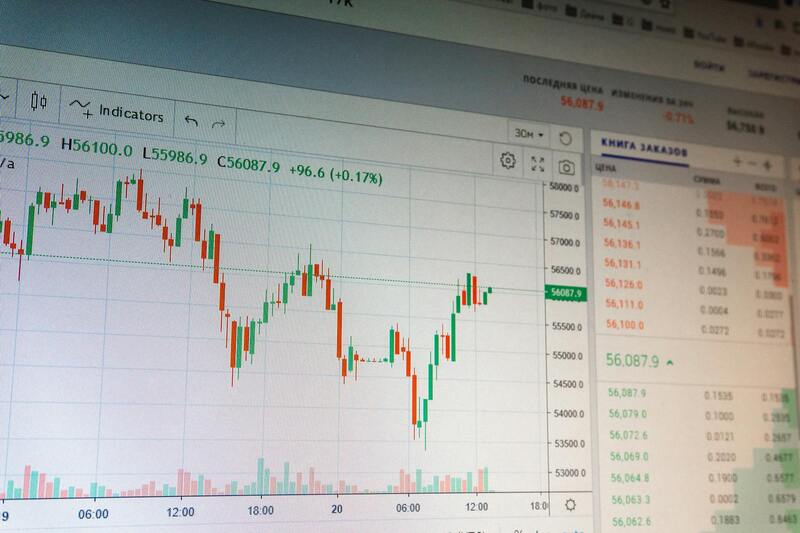
- Trading Tools and Indicators: Integration of preferred technical analysis tools and charting features.
- Payment and Crypto Integration: Compatibility with your preferred payment gateways or crypto wallet providers for seamless deposits and withdrawals.
Careful planning during the setup and customization phase ensures that the platform not only meets your current operational needs but also remains adaptable to future expansion or regulatory requirements. Partnering with a provider that offers extensive customization options and ongoing technical support is essential for maintaining a competitive edge in the dynamic trading environment.
Core Features of MT4 White Label Platforms
MT4 white label solutions are engineered to offer a comprehensive trading environment, empowering firms to operate under their brand while leveraging MetaTrader 4’s robust infrastructure. These platforms come equipped with essential tools and functionalities designed to meet the diverse needs of modern trading operations. Key features include customizable user interfaces, advanced order management systems, and detailed reporting tools to monitor trading activity effectively.
One of the fundamental aspects of an MT4 white label platform is its flexibility in integrating various asset classes. Brokers can incorporate forex pairs, commodities, indices, and cryptocurrencies, enabling a diversified offering for their clients. The platform’s architecture supports multiple account types, such as demo, live, ECN, or STP, allowing for tailored client experiences aligned with specific trading strategies and risk profiles.

Trade Execution and Risk Management Features
Efficient trade execution is a critical component of any trading platform. MT4 white label solutions facilitate rapid order processing with minimal latency, ensuring traders experience prompt and reliable trade executions. Advanced risk management tools linked to the platform include leverage controls, margin settings, and stop-out levels, which can be customized according to your firm’s policies. These features help in maintaining disciplined trading practices and safeguarding client investments.
Trading Tools and Technical Analysis Integration
A significant advantage of MT4 platforms is the extensive suite of technical analysis tools, indicators, and charting capabilities. White label solutions often offer options to add proprietary or third-party plugins, enhancing analytical precision. These tools empower traders to perform detailed market analysis, identify opportunities, and execute informed trades, thereby increasing overall platform appeal and user engagement.
Payment Processing and Cryptocurrency Compatibility
Seamless financial transactions are vital for effective trading operations. An MT4 white label platform typically integrates with multiple payment gateways, supporting deposits and withdrawals via bank transfers, credit cards, e-wallets, or cryptocurrencies. Compatibility with crypto wallets and blockchain transactions provides additional flexibility, catering to a broader trader demographic seeking quick and secure financial exchanges.

Monitoring and Reporting Capabilities
Effective oversight of trading activities requires detailed reporting functions. MT4 white label systems provide comprehensive dashboards displaying real-time trading data, client account status, and performance metrics. These analytics enable proactive management of client portfolios, compliance adherence, and performance optimization. Customizable reports assist in making strategic decisions based on accurate, up-to-date information.
Definition of MT4 White Label Solution
An MT4 white label solution involves a comprehensive trading platform that is branded with a company's own identity but operates on the MetaTrader 4 software core. This approach allows firms to offer robust forex trading services without the need to develop a trading platform from scratch. The white label platform is provided by a third-party vendor, which handles the technical infrastructure, server hosting, software updates, and maintenance, while the client firm customizes the branding, user interface, and some functional aspects to align with their brand image and operational needs.

Such solutions enable brokerage companies, prop trading firms, and financial institutions to quickly launch their own trading services under their own trademarks, leveraging the extensive features and stability of the MetaTrader 4 platform. They gain the advantage of a proven, reliable trading infrastructure combined with the flexibility to tailor the user experience, manage client accounts, and incorporate specific instruments and functionalities.
Benefits of Using an MT4 White Label Solution
- Rapid Deployment: White label platforms significantly shorten the time to market, allowing firms to start offering trading services shortly after signing the agreement with a provider.
- Cost Efficiency: Investing in a ready-made solution reduces the development costs associated with building a proprietary trading platform from scratch.
- Technical Support and Updates: Ongoing technical assistance and automatic software updates are handled by the provider, ensuring the platform remains secure and aligned with the latest features and compliance standards.
- Branding and Customization: The platform can be customized extensively—from logo placement and color schemes to functional modules—supporting a distinct brand identity.
- Access to Rich Trading Features: Traders benefit from a comprehensive suite of analytical tools, expert advisors, and an intuitive interface optimized for different device types.
- Scalability and Flexibility: As the firm grows, the platform can be scaled and upgraded, accommodating increased trading volume, new assets, or additional features.
Core Features of MT4 White Label Platforms
White label solutions built on MT4 typically include a wide array of essential features to address the diverse needs of traders and brokers alike. These encompass:
- Multi-Account Management: Efficient handling of client accounts, including multiple trading accounts per client, segregated account management, and client onboarding tools.
- Advanced Charting and Technical Analysis: A suite of customizable charts, indicators, and drawing tools enhances traders’ ability to analyze market conditions effectively.
- Automated Trading: Integration with Expert Advisors (EAs) allows traders to deploy automated strategies, boosting trading efficiency and consistency.
- Order Types and Execution Models: Support for various order types such as market, limit, stop, and trailing stops, along with multiple execution modes like instant execution and market order fills.
- Risk Management Tools: Features such as stop-loss, take-profit, margin call alerts, and leverage controls help manage trading risks.
- Security Measures: Robust encryption protocols, secure login options, and fraud detection features protect both traders and brokers.
- Reporting and Analytics: Real-time dashboards, detailed trade history, and performance reports facilitate effective portfolio management and compliance monitoring.

Setup Process and Customization Options
Implementing an MT4 white label solution involves several systematic steps. Initially, the client firm collaborates with the provider to define branding elements, functional requirements, and integration needs. The setup process typically includes:
- Platform Configuration: Selecting specific features, trading instruments, account types, and API integrations to suit target markets and client preferences.
- Design Customization: Uploading logos, defining color schemes, and adjusting the user interface layout to reflect the company's brand identity.
- Feature Integration: Incorporating third-party plugins, risk management tools, and analytical modules as required.
- Server and Hosting Setup: Establishing hosting arrangements—either through the provider’s infrastructure or via dedicated servers—to ensure seamless operation and scalability.
- Testing and Quality Assurance: Conducting comprehensive testing to confirm all functionalities operate smoothly and security measures are in place before launch.
- Staff Training and Support: Training internal teams on platform management, trading policies, and customer support procedures.
Throughout this process, the platform's flexibility allows for ongoing modifications to meet evolving trading conditions or regulatory requirements. This customization ensures that the white label solution not only aligns with branding standards but also enhances operational efficiency, trader engagement, and overall profitability.
Understanding the Regulatory and Compliance Landscape for MT4 White Label Solutions
When adopting an MT4 white label platform, it is crucial to navigate the regulatory and compliance environment carefully. While the platform itself offers robust tools and features, operational adherence to relevant standards ensures a smooth trading experience and maintains trust among clients and stakeholders.
One essential aspect is the platform’s ability to support compliance reporting. This involves detailed logs of all trading activities, client onboarding procedures, and transaction histories, which facilitate audits and reviews by oversight authorities. Proper record-keeping and transparent data management are integral components of a compliant operation.
Another factor is the integration of risk management protocols within the platform. This includes setting leverage limits, implementing margin call procedures, and deploying automated risk controls that respond to trading patterns indicative of potential issues. These measures help in aligning the platform’s operation with best practices and minimal risk exposure.
Additionally, the platform's approval processes for client onboarding should incorporate verification standards, such as Know Your Customer (KYC) procedures, Anti-Money Laundering (AML) checks, and client suitability assessments. Many MT4 white label solutions come equipped with integrations to streamline these processes, ensuring that client management adheres to internal policies and regulatory directives.

Operating within the bounds of digital trading regulations also involves managing updates and modifications in response to evolving standards. Providers often offer ongoing support to ensure platform features comply with changing legal frameworks, thereby safeguarding the operation from potential disruptions.
It is advisable for firms to establish clear protocols and internal policies aligned with industry standards. Partnering with experienced white label providers who possess a comprehensive understanding of applicable regulations can significantly streamline the compliance process, mitigate operational risks, and uphold the integrity of the trading environment.
Understanding the Cost Structures and Pricing Models of MT4 White Label Solutions
When evaluating an MT4 white label platform, it is essential to understand the various cost components and pricing frameworks that govern these arrangements. Typically, providers offer flexible models to accommodate the diverse needs of trading companies and brokers, balancing up-front investment with long-term operational expenses.
Initial Licensing and Setup Fees
The starting point involves initial licensing fees, which grant access to the white label platform and its core features. This fee often covers the software deployment, integration, and the customization of branding, user interface, and specific functionalities. It is usually a one-time payment, designed to offset the provider’s costs associated with onboarding and tailoring the platform to the client’s specifications.

Ongoing Licensing and Maintenance Fees
Post-deployment, many providers charge monthly or quarterly license fees. These recurring charges cover software hosting, updates, security patches, and technical support. The structure of these fees can vary widely; some providers incorporate comprehensive support packages, while others charge separately for ongoing assistance or feature upgrades. Ensuring transparency in these costs helps in planning the long-term budget for your trading operation.
Revenue Sharing and Profit-Based Models
Several white label solutions adopt revenue sharing arrangements, where the provider earns a percentage of trading commissions or spreads generated through the platform. This model aligns incentives, as providers are motivated to ensure the platform's performance and user engagement. Alternatively, some solutions offer flat-rate packages with no profit-sharing components, suitable for firms seeking predictable costs.
Additional Fees and Optional Enhancements
Operational firms should also consider potential expenses related to optional add-ons, such as advanced analytics modules, custom risk management tools, multi-asset integration, or API access for third-party tools. These optional features typically come with separate charges, providing opportunities to scale the platform’s capabilities as the business grows.
Cost-Benefit Balance and Strategic Planning
Choosing the appropriate pricing model requires a careful assessment of anticipated trading volume, client base, and growth projections. While lower upfront costs may seem attractive, they could lead to higher ongoing expenses or reduced flexibility. Conversely, premium packages with comprehensive support and customization options often deliver better value over time, especially for firms aiming to expand their trading operations and client offerings.
Final Considerations for Cost Evaluation
It is advisable to conduct a detailed comparison of different providers' pricing structures, paying close attention to hidden fees, contractual obligations, and the scope of included features. Transparent negotiations and clear contractual terms help prevent unexpected expenses and ensure the platform’s cost aligns with your business strategy.

Integration and Management of MT4 White Label Platforms
Successful deployment of an MT4 white label solution involves seamless integration with existing trading infrastructure and efficient management practices. Providers typically offer detailed onboarding processes designed to ensure smooth platform setup, minimizing downtime and operational disruptions. This process often includes connecting with liquidity providers, configuring risk management parameters, and customizing the user interface to match corporate branding requirements.
Post-launch, effective management involves ongoing support for software updates, troubleshooting technical issues, and ensuring that the platform remains aligned with evolving trading strategies and client needs. Regular monitoring of platform performance, security protocols, and user activity is essential to maintain high standards of reliability and client satisfaction.

Technical Support and Maintenance
Providers typically include comprehensive technical support packages as part of their service offerings. These can range from 24/7 technical assistance to proactive system monitoring and performance optimization. Maintenance routines encompass routine updates, security patches, and feature enhancements to ensure the platform remains robust and competitive.
It is crucial for firms to establish clear communication channels with their platform provider, including dedicated support teams and escalation procedures for critical issues. This cooperation ensures rapid resolution of technical challenges, minimizes potential trading interruptions, and sustains a positive user experience for clients.
Training and Client Onboarding
Effective onboarding programs are vital to familiarize clients with the platform’s features and functionalities. Many providers offer comprehensive training modules, including webinars, detailed user guides, and in-platform tutorials. A well-structured onboarding process improves client retention and reduces the learning curve, fostering faster engagement with the trading environment.

Security and Data Management
Security remains a cornerstone of platform management, involving robust encryption protocols, secure user authentication, and regular vulnerability assessments. Data management policies should align with industry standards to protect sensitive client information and transaction data. Implementing multi-factor authentication and regular security audits helps fortify the platform against potential threats.
Monitoring and Reporting Tools
Continuous monitoring of trading activity, system performance, and transaction logs is essential for compliance and operational efficiency. Advanced reporting features enable firms to analyze trading patterns, client behavior, and platform usage, supporting strategic decision-making and regulatory reporting obligations.
Conclusion: Optimization and Growth Strategies
To maximize the benefits of an MT4 white label solution, firms should focus on ongoing optimization efforts. These include leveraging analytics for client insights, expanding product offerings through integrated tools, and maintaining high standards of technical support. A proactive approach to platform management ensures sustained performance, scalable growth, and enhanced client satisfaction in a competitive trading environment.
