
Understanding Metatrader White Label
In the realm of proprietary trading and brokerage services, leveraging a Metatrader white label platform offers a strategic advantage for firms aiming to establish or expand their trading operations. A Metatrader white label is essentially a pre-built trading platform, based on the MetaTrader software, that can be rebranded and customized to reflect a firm’s unique identity and operational needs. This solution streamlines market entry, reduces development time, and provides a robust foundation for delivering trading services to clients.

At the core, a Metatrader white label involves a licensing agreement where a provider supplies the underlying trading technology, infrastructure, and support, while the firm benefits from branding and tailoring options. The platform encompasses essential components such as live trading environments, account management systems, risk controls, and client interface modules. These components are designed to be adaptable, allowing firms to customize aesthetic elements, user experience, and specific functionalities to meet their target market requirements.
This setup typically includes integration capabilities with liquidity providers, risk management tools, and back-office systems, all crucial for efficient operation. Customization options may also extend to adding proprietary indicators, trading algorithms, or client onboarding processes. The flexibility of a white label solution ensures that each firm can deliver a unique trading experience aligned with its strategic goals, without the need to develop platform technology from scratch.

Deployment of a Metatrader white label platform begins with selecting a provider that aligns with the firm’s operational scope and strategic ambitions. The process involves technical integration, branding customization, and establishing connectivity with liquidity sources. The platform then becomes a scalable and reliable base for client trading activities, enabling firms to offer a wide range of instruments, leverage options, and account types.
Finally, the advantage of adopting a Metatrader white label lies in its balance of ready-to-use functionality combined with the ability to adapt the platform’s look, feel, and features. This approach minimizes time-to-market, facilitates compliance with operational standards, and supports growth by providing a stable, customizable foundation for brokerages and prop trading firms alike.
Implementing a Metatrader White Label Solution
For prop trading firms, deploying a Metatrader white label platform involves a structured process that ensures seamless integration, customization, and operational readiness. The initial step is selecting a reputable white label provider that offers a robust and adaptable platform aligned with the firm's trading objectives and technical infrastructure. Firms should evaluate the provider's support, scalability, and compatibility with existing systems to ensure a smooth transition and ongoing performance.
Once the provider is chosen, technical integration begins. This phase encompasses establishing secure connectivity with liquidity providers, configuring server settings, and integrating risk management and back-office tools. Customization plays a pivotal role here, allowing firms to tailor the platform’s interface, add proprietary trading features, and incorporate branding elements to align with their market identity. The process also involves testing the platform rigorously to guarantee stability, latency performance, and security standards are met before going live.

Post-deployment, firms focus on ensuring operational efficiency and client onboarding. This includes setting up account types, leverage options, and trading restrictions. Ongoing technical support and system updates from the white label provider are essential to maintain optimal performance and implement new features as market needs evolve. A well-executed implementation empowers prop firms with a flexible, reliable platform that can adapt to changing trading strategies and client demands.
Key Considerations During Implementation
- Connectivity: Secure and reliable links with liquidity providers.
- Customization: Tailoring the user interface, trading features, and branding elements.
- Security: Ensuring data protection and transaction integrity.
- Scalability: Preparing the platform for future growth and increased trading volume.
- Regulatory Support: Incorporating compliance tools and functionalities from the outset.
Choosing the right white label partner capable of providing comprehensive support during each phase of implementation significantly impacts the success and efficiency of your platform deployment. The goal is to streamline the transition and minimize downtime, enabling the prop trading enterprise to start trading efficiently and securely with a platform that meets its evolving needs.
Understanding Metatrader White Label
Metatrader white label solutions are comprehensive trading platforms offered by software providers, allowing firms to operate under their own branded interface while leveraging the robust infrastructure of the MetaTrader environment. These solutions integrate seamlessly with the MetaTrader backend, enabling clients to access a variety of assets, execute trades efficiently, and manage their accounts within a familiar and customizable framework. White label providers typically handle system hosting, updates, security, and technical support, ensuring smooth operation and minimal downtime for the trading enterprise. The primary advantage lies in the ability to deliver a professional-grade trading experience without the necessity of developing proprietary software from scratch, thus accelerating time-to-market and reducing upfront costs.

In essence, a white label solution acts as a ready-made scaffold that can be tailored to reflect a firm's branding and operational preferences. This includes custom login pages, branding elements, and customized trading functionalities, all of which reinforce the firm's identity in the marketplace. Additionally, white label platforms often provide comprehensive APIs and integration tools, giving firms the ability to connect with external systems like CRM platforms, analytics tools, and additional liquidity providers. These integrations expand the platform's capabilities, producing an all-in-one trading environment tailored to the unique needs of prop firms and brokers alike.
Benefits of Choosing Metatrader White Label
Adopting a Metatrader white label solution offers numerous strategic advantages. It delivers a professional-grade trading environment that can be quickly branded and deployed, significantly reducing lead times compared to building a custom platform. The scalability of these solutions ensures they can grow alongside the firm, accommodating increasing client volumes and expanding asset classes. Enhanced security features protect client data and transaction integrity, fostering trust and compliance with evolving industry standards. Additionally, the availability of detailed reporting and client management tools enables efficient oversight and personalized service, boosting client satisfaction and retention. Cost efficiency is further realized through the shared infrastructure model, where maintenance, updates, and technical support are managed by the white label provider, allowing firms to focus resources on client acquisition and strategic growth.
Another critical benefit is the flexibility it provides in meeting regulatory and compliance requirements. White label providers often incorporate essential compliance tools, such as KYC (Know Your Customer) and AML (Anti-Money Laundering) measures, directly into the platform. This ensures that firms can operate within their jurisdiction’s legal frameworks while maintaining smooth onboarding processes and transaction monitoring. The platform's multi-asset trading capabilities, combining Forex, commodities, indices, and cryptocurrencies, enable firms to diversify their offerings and attract a broader client base.
Streamlining Client Onboarding and Management
The integrated client management suite simplifies processes such as account creation, deposit management, and risk settings, all within a secure environment. Firms can segment clients based on trading preferences, experience levels, or account types, allowing tailored trading conditions and targeted marketing strategies. These features contribute to a seamless user experience, fostering loyalty and encouraging active engagement with the platform.

Furthermore, white label platforms are equipped with advanced risk management and surveillance tools, supporting compliance and operational oversight. This includes real-time trade monitoring, automated alerts for suspicious activities, and comprehensive audit trails. Such features are instrumental in maintaining a transparent and trustworthy trading environment, which is essential for sustaining long-term growth and regulatory adherence.
Implementing a Metatrader White Label Solution
Deploying a white label platform involves several key phases, starting with selecting a reliable provider capable of delivering a tailored solution aligned with your firm's objectives. The onboarding process includes detailed customization, integration with liquidity providers, and setting up server configurations. Continuous communication with the provider ensures that the platform can be optimized for performance, security, and user experience from the outset. Training staff and providing client support resources further streamline the transition, ensuring a smooth launch and operational efficiency.
Post-launch, ongoing management focuses on system updates, feature enhancements, and maintaining compliance standards. Regular testing and performance monitoring are necessary to uphold platform stability and security. Additionally, the collection of client feedback helps identify areas for improvement, guiding future upgrades that keep the platform competitive and aligned with market trends.
Regulatory Considerations and Compliance
Incorporating compliance from the initial stages of platform deployment minimizes risks and facilitates smooth operations within regulatory frameworks. White label providers often embed compliance tools such as client verification, transaction monitoring, and reporting functionalities, which assist firms in meeting industry standards without extensive manual intervention. Staying abreast of regulatory developments and continuously updating the platform ensures that the firm remains compliant, protects client data, and sustains a trustworthy trading environment.
Cost and Pricing Models
The financial structure of white label solutions varies based on features, volume, and support levels. Typical models include initial setup fees, monthly or annual licensing charges, and transaction-based commissions. Some providers offer tiered packages, allowing firms to select a plan that matches their growth stage and operational needs. Transparent pricing coupled with scalable features ensures businesses can plan their budgets effectively while accessing high-quality technology and support services.
Integrating White Label Solutions with Proprietary Trading Systems
For firms utilizing proprietary algorithms or trading engines, seamless integration with existing systems is crucial. White label solutions typically provide comprehensive APIs, SDKs, and middleware that facilitate real-time data exchange, order routing, and risk management. Careful planning and testing of integration points minimize operational disruption and enhance overall system robustness. This interoperability supports customized trading strategies, data analytics, and automated risk controls, providing a competitive edge in the prop trading arena.
Future Trends and Considerations
The evolution of Metatrader white label solutions is driven by advancements in technology, regulatory changes, and market demand. Trends such as AI-driven analytics, enhanced automation, and increased focus on mobile trading are shaping future platform capabilities. The integration of ESG scoring, social trading features, and decentralized finance options are further expanding the landscape. Firms should continuously evaluate their platform providers' roadmaps, ensuring readiness to adopt innovative features that can differentiate their offerings and meet evolving client expectations.
Choosing an Authorized Provider for Your Metatrader White Label Platform
Partnering with a reputable and authorized provider is essential to ensure the integrity and functionality of your Metatrader white label solution. When evaluating potential providers, consider factors such as their experience in the industry, track record of delivering reliable platforms, and the support services they offer. An authorized provider typically maintains a comprehensive license from MetaQuotes or other relevant regulatory bodies, ensuring compliance with industry standards and receiving continuous updates to keep the platform aligned with market developments. Such providers often offer a range of customization options, technical support, and integration assistance to help bespoke platform deployment aligned with your firm’s operational needs.
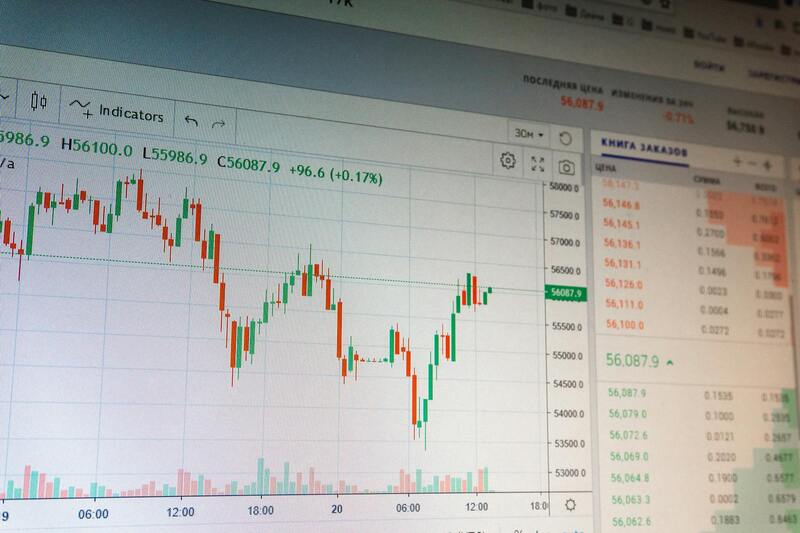
Establishing a solid relationship with an authorized provider simplifies the onboarding process, minimizes potential disruptions, and ensures that your platform remains current with the latest features and security updates. Set clear expectations regarding support services, maintenance schedules, and scalability options to foster a seamless operational environment. A well-established provider will also assist with compliance-related configurations, reporting tools, and integration points necessary for smooth daily operations.
Assessing the Technical Infrastructure Behind White Label Solutions
Technical robustness is central to the success of a Metatrader white label platform. Evaluate whether the provider offers scalable server infrastructure, high-performance hosting, and resilient data centers to guarantee uptime and fast execution speeds. The platform should include comprehensive APIs and SDKs for seamless integration with your proprietary trading engines, risk management systems, and client onboarding processes.
- API availability and documentation quality
- Customization options for trading interfaces and functionalities
- Security protocols and data encryption standards
- Real-time data processing and low-latency execution capabilities

Functionality and performance can significantly impact trader satisfaction and retention. Therefore, the platform must support a wide range of asset classes, trading instruments, and order types, while maintaining stability during high-volume trading periods. Infinity in customization allows your brand to deliver tailored experiences, including branding, customer dashboards, and unique trading tools that resonate with your target users.
Security and Data Privacy Measures
Given the sensitive nature of proprietary trading data and client information, an essential component of a white label solution is rigorous security and privacy standards. Confirm that the provider implements multi-layered security protocols such as SSL encryption, multi-factor authentication, and regular vulnerability assessments. Encryption of data both at rest and in transit ensures operational integrity. Additionally, compliance with international data privacy standards addresses client concerns and supports smooth regulatory reporting processes.

Operational transparency, audit logs, and real-time monitoring tools further enhance platform trustworthiness. These features empower your compliance teams to oversee activities effectively, recognize suspicious behavior promptly, and streamline audit procedures. With a secure infrastructure in place, your firm can confidently provide a safe trading environment that fosters client trust and loyalty.
Choosing the Right Implementation Method for Your Metatrader White Label Platform
Effectively deploying a MetaTrader white label solution requires careful selection of implementation methods that align with your firm’s operational goals, technical capabilities, and growth strategies. There are primarily two approaches to integrating a white label platform:
- Full Turnkey Solution – This approach involves acquiring an all-inclusive package from a service provider. It encompasses everything from software setup to customization, customer onboarding, and ongoing support. This method offers a swift market entry and reduced internal resource allocation, making it suitable for firms seeking to launch efficiently without extensive technical expertise.
- Modular Integration – This strategy allows firms to integrate specific components of a white label platform while maintaining control over certain functionalities. It involves customizing individual modules like risk management, CRM, or payment processing, which can be tailored to unique operational needs. Modular integration offers flexibility and scalability for firms aiming to build a more bespoke trading environment over time.

Technical Considerations for Deployment
When deploying a MetaTrader white label solution, the foundational aspect is ensuring seamless integration with existing infrastructure and trading systems. This involves several critical technical considerations:
- Server Infrastructure – Opt for robust, high-availability servers with adequate bandwidth to handle trading volume fluctuations. Whether cloud-based or on-premise, the setup should guarantee minimal latency and maximum uptime.
- Customization Capabilities – Verify that the white label provider offers extensive customization options, including interface branding, user experience modifications, and the integration of proprietary trading tools.
- Data Security and Connectivity – Implement secure data channels using SSL encryption, along with stable connectivity to liquidity providers and market data feeds. The integrity and confidentiality of trading data must be preserved at all times.
- API Integrations – Ensure compatibility with APIs that support additional functionalities, such as third-party analytics, CRM systems, or innovative trading algorithms, facilitating seamless ecosystem expansion.
- Support and Maintenance – Ongoing technical support from the provider is essential for handling updates, troubleshooting, and ensuring the platform remains compliant with evolving standards.

Key Steps for Successful Deployment
To maximize the benefits of a MetaTrader white label platform, firms should follow a structured deployment process, which includes:
- Needs Assessment – Clarify operational requirements, target trading volume, and desired custom features to guide the selection process.
- Vendor Evaluation – Assess potential providers based on platform capabilities, technological robustness, support services, and track record with similar firms.
- Customization Planning – Work with the chosen provider to tailor the platform’s branding, functionalities, and user interface aligned with your brand identity.
- Technical Implementation – Coordinate with IT teams and the provider’s technical staff to facilitate smooth integration, configuration, and testing.
- Staff Training and Support – Ensure operational teams are well-trained on platform features and maintenance protocols, and establish channels for ongoing technical support.

Exploring Integration of White Label Solutions with Proprietary Trading Systems
Combining a white label MetaTrader platform with proprietary trading systems can significantly enhance a firm's operational capacity and trader experience. Seamless integration ensures that the platform accommodates custom trading algorithms, risk management tools, and client data management solutions specific to the firm's strategic vision.
One critical aspect of integration is establishing a robust API infrastructure. APIs enable smooth data exchange between the white label platform and proprietary systems, facilitating real-time updates on trades, account balances, and market data. This interoperability allows the firm to maintain control over essential functions while leveraging the stability and features of the white label solution.
Furthermore, integration must prioritize scalability. As trading volumes grow and the firm introduces new financial instruments or features, the combined system should adapt without performance degradation. This flexibility supports long-term growth and operational resilience.
Security protocols are equally vital. Implementing multi-layered security measures, such as encryption standards, multi-factor authentication, and regular vulnerability assessments, helps protect sensitive client information and operational data. Strong security also sustains client trust and maintains smooth regulatory compliance.

To achieve successful integration, firms should establish a clear roadmap that includes testing phases, contingency planning, and continuous monitoring. Collaborating closely with technology providers and internal IT teams ensures that the integration aligns with operational needs and technical standards.
Another essential component is training. Operational staff and traders need to understand how to utilize integrated functionalities effectively. This training minimizes disruptions during transition periods and promotes the efficient use of combined systems.
Regular updates and maintenance are necessary to keep the integrated systems compatible with evolving trading technologies and security requirements. This proactive approach ensures the firm remains competitive and responsive to market changes.
Ultimately, integrating white label MetaTrader platforms with proprietary trading systems affords financial firms the agility to offer tailored trading experiences while maintaining operational control and security. Careful planning, technical precision, and ongoing management are fundamental to leveraging these benefits fully.
Integrating White Label Solutions with Proprietary Trading Systems
Effective integration of white label platforms with existing proprietary trading infrastructure is crucial for enhancing operational efficiency and maintaining a seamless trading environment. This process involves aligning the functionalities of the white label Metatrader platform with the firm's in-house risk management tools, trading algorithms, and reporting systems.
One of the primary steps in this integration is establishing APIs that facilitate data exchange between the white label platform and internal systems. These application programming interfaces enable real-time synchronization of trading data, order execution, and account management, ensuring that all components operate cohesively.
Furthermore, integration allows for detailed risk management by implementing unified monitoring tools that oversee trading activities across different channels. Real-time alerts and automated risk mitigation protocols can be embedded within these systems, offering enhanced control over trading exposure and compliance with internal risk policies.
Reporting capabilities are also significantly improved through integration. Firms can generate comprehensive analytics and detailed trading reports, combining data from the white label platform and proprietary systems. This consolidated approach simplifies compliance reporting, performance analysis, and strategic decision-making.
Successful integration requires meticulous planning and collaboration with technology providers. Firms should define clear data flow protocols, establish security measures to protect sensitive information, and implement robust testing phases to identify and resolve potential issues before going live. Continuous monitoring post-implementation guarantees the system’s stability and responsiveness to evolving trading demands.
In addition, proper staff training is essential to maximize the benefits of integrated systems. Traders and operational teams should understand how to utilize combined functionalities effectively, enabling quick adaptation and operational continuity during updates or upgrades.
By adopting a strategic approach to integration, prop firms can leverage white label Metatrader solutions to expand their trading capabilities, improve risk oversight, and streamline reporting functions. These efforts contribute to a more agile, secure, and client-focused trading environment, ultimately supporting long-term growth and competitiveness in the financial markets.
Advanced Customization and Ongoing Support for Metatrader White Label Platforms
For firms leveraging a Metatrader white label solution, ongoing support and customization are vital components that ensure the platform continues to meet evolving trading needs and operational standards. Establishing a solid relationship with the white label provider can facilitate regular updates, technical maintenance, and the integration of new features.
Customization options extend beyond superficial branding elements. Firms can tailor the trading interface to optimize user experience, modify account types, incorporate proprietary trading algorithms, and enhance risk management tools. These modifications enable the platform to align closely with specific business models, regulatory requirements, and client preferences, fostering a competitive edge in the marketplace.

Implementing personalized solutions often requires collaboration with the white label provider's development team. Clear communication and detailed technical requirements help ensure that customization efforts are effective and scalable. This process typically involves stages of planning, development, testing, and deployment, each aimed at minimizing disruptions and ensuring robustness.
Ongoing technical support includes routine system health checks, security patches, and troubleshooting assistance. A responsive support team minimizes downtime, mitigates operational risks, and keeps the platform aligned with industry developments. Regular training sessions and updates further empower internal teams to utilize new features effectively, supporting continuous improvement.
Strategic Future Planning with White Label Solutions
As the trading environment evolves, firms should anticipate adopting innovative features and adapting to new regulatory frameworks. White label providers often lead the way in developing advanced functionalities such as automation tools for trade execution, sophisticated risk analytics, and real-time compliance monitoring systems.
Proactively engaging with the provider about upcoming upgrades and industry trends allows firms to stay ahead of technological advances. This forward-looking approach ensures that the platform remains at the cutting edge, capable of supporting complex trading strategies, integrating emerging assets, and meeting increasingly strict compliance standards.

Another crucial aspect involves monitoring regulatory developments that impact trading activities. White label solutions must adapt to accommodate new requirements without compromising performance or user experience. Engaging in active dialogue with solution providers about compliance features ensures the platform remains aligned with current and anticipated regulatory landscapes.
Conclusion
For firms employing a Metatrader white label, the journey extends beyond initial deployment. Continuous customization, support, and strategic planning are essential components that sustain long-term efficiency, compliance, and growth. Engaging in proactive dialogue with providers, investing in internal expertise, and maintaining flexibility in platform design enable firms to adapt swiftly to market changes and capitalize on emerging opportunities within the trading sector.
