Definition of Prop Trading
Proprietary trading, commonly referred to as prop trading, involves financial firms or individuals engaging in the trading of securities, derivatives, commodities, or other financial instruments using their own capital. Unlike traditional investment where firms manage funds on behalf of clients, prop trading firms allocate their own resources to capitalize on market opportunities. The primary objective is to generate profits from market fluctuations, price discrepancies, and other trading strategies executed by in-house traders.
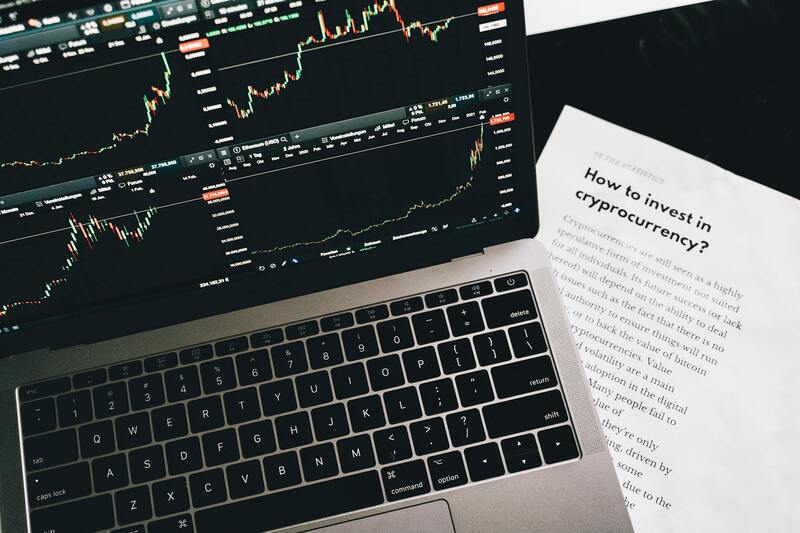
This approach allows traders and firms to leverage significant capital, often utilizing sophisticated technology and analytical tools to identify profitable trades. Prop trading's core purpose is to maximize the return on investment by actively participating in the markets rather than passively managing assets or advising clients. The activities are typically characterized by a high degree of freedom in strategy selection, intensive market research, and swift execution of trades based on market conditions.
Compared to other trading activities, such as asset management or brokerage services, prop trading is distinguished by its emphasis on self-directed risk-taking, with the firm absorbing the full spectrum of potential gains and losses. This model encourages a high level of innovation and agility in adopting trading strategies that can adapt quickly to changing market environments.
Understanding the distinct nature of prop trading also involves recognizing its operational scope. Prop trading desks often operate with dedicated teams of traders specializing in different asset classes, employing proprietary algorithms, high-frequency trading (HFT) systems, and advanced data analytics to identify fleeting opportunities. Their success hinges on a combination of rigorous research, strategic foresight, and technological infrastructure that enables rapid decision-making and transaction execution.
Furthermore, this activity plays a vital role in providing liquidity to financial markets, facilitating smoother price discovery, and enhancing overall market efficiency. By actively engaging in buying and selling, prop trading firms contribute to the depth and liquidity of various markets, benefiting the entire trading ecosystem.

Definition of Prop Trading
Proprietary trading, often referred to as prop trading, involves financial firms using their own capital to buy and sell assets in the financial markets. Unlike client-focused trading activities, prop trading is primarily driven by the firm’s internal objectives with the aim of generating profit directly from market activities. The approach allows traders within the organization to utilize the firm’s resources to execute strategies that capitalize on short-term market movements, inefficiencies, and emerging opportunities.

Prop trading operations are characterized by a high degree of strategic independence, where traders are often empowered to develop, implement, and adjust their own trading tactics to optimize returns. This environment fosters innovation, as traders continuously seek new algorithms, leveraging technological tools and market analytics to stay ahead of competitors. The firm’s capital is at risk during these activities, and the potential for high reward incentivizes exposure to varied asset classes including equities, derivatives, commodities, foreign exchange, and fixed income securities.
Mercury of Mark-Essential Aspects in Prop Trading
- Utilization of Firm Capital: All trades are executed using the company's funds, making it a direct revenue-generating activity.
- Autonomous Trader Operations: Traders often operate with substantial independence, making decisions based on proprietary research and market insights.
- Focus on Innovation: Incorporation of sophisticated algorithms, high-frequency trading techniques, and complex data analytics to identify and execute quick-turnover trades.
- Market Impact: Prop trading contributes to market liquidity and depth, often aiding in efficient price discovery and buffering volatility.
Understanding prop trading requires grasping its role within the larger financial ecosystem, where it acts as a catalyst for innovation, liquidity provision, and efficient market functioning. The sector’s reliance on technological infrastructure and quantitative research underscores the competitive edge necessary for success in this high-stakes environment.
Different Facets of Prop Trading
Prop trading activities are tailored to suit specific firm objectives and trader expertise. These include various strategies such as arbitrage, momentum trading, quantitative analysis, and market making. Each approach involves unique risk profiles and operational methodologies, but all share the common goal of utilizing the firm's resources to generate profit in dynamic market conditions.
Moreover, organizational structures within prop trading firms typically consist of dedicated trading desks, research teams, risk management units, and support personnel—each playing a crucial role in maintaining operational efficiency and adherence to internal standards. The combination of human expertise and technological innovation forms the backbone of successful prop trading endeavors.
Understanding How Proprietary Trading Operates in Practice
Proprietary trading firms leverage a variety of sophisticated strategies and technological tools to maximize their market positions. At its core, prop trading involves deploying firm capital to exploit perceived market inefficiencies or opportunities, with traders acting as key contributors to this process. These firms invest heavily in advanced trading algorithms, data analytics, and quantitative models to identify short-term and long-term profit opportunities within financial markets.
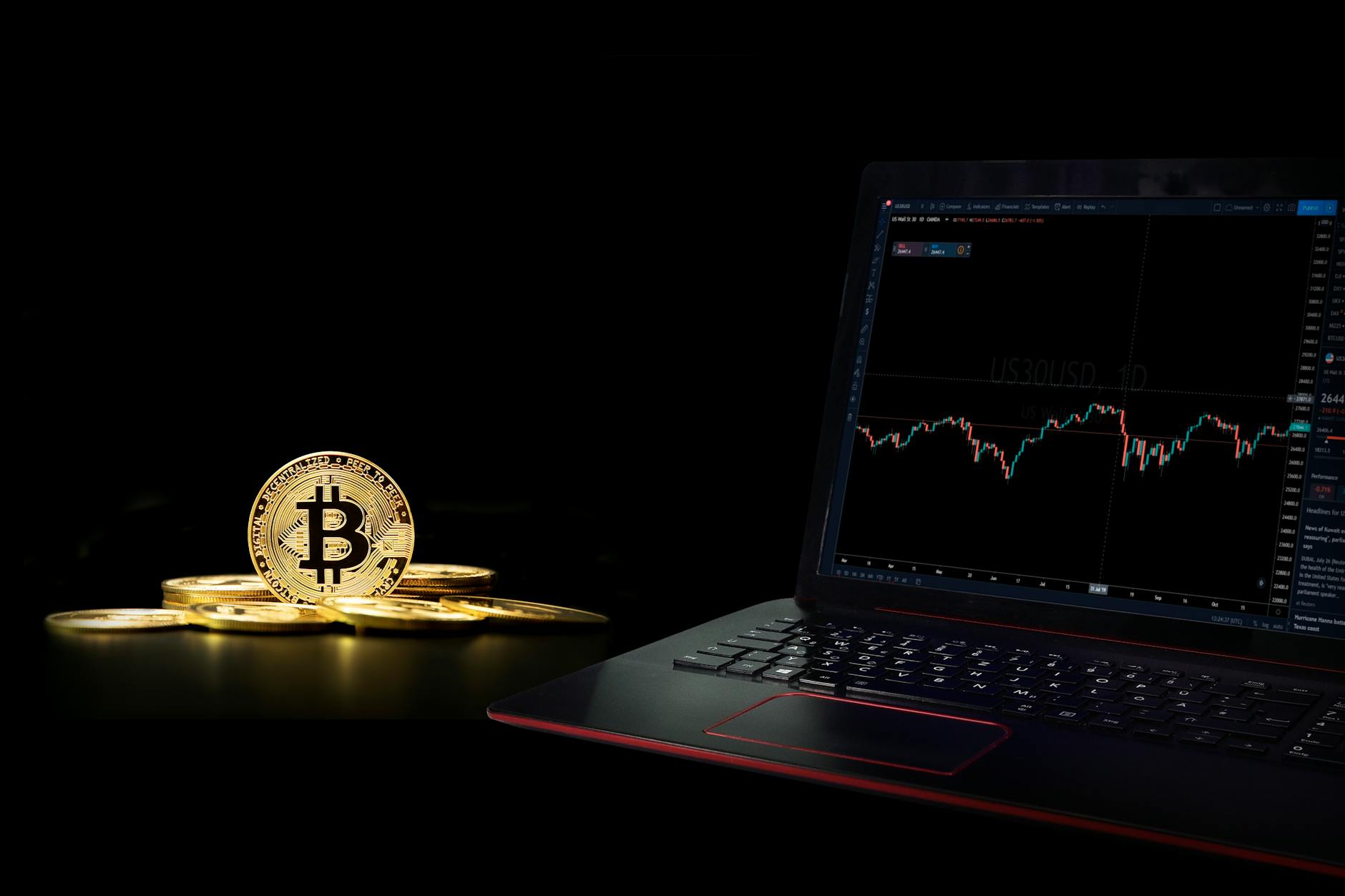
Operationally, prop trading activities typically unfold through dedicated trading desks that focus on specific asset classes such as equities, commodities, currencies, or derivatives. Traders within these desks employ both algorithmic and discretionary methods to execute trades, depending on the firm's strategic preferences and risk appetite. The integration of automated systems allows for rapid execution of high-frequency trades, which can profit from minute price movements that are imperceptible to human traders alone.
To support these activities, prop trading firms rely on real-time market data feeds, robust risk management systems, and sophisticated back-office software. These tools enable traders to monitor their positions continuously, adjust strategies dynamically, and adhere to internal risk parameters. The use of quantitative models and machine learning techniques enhances the firm's ability to anticipate market shifts and refine trading strategies proactively.
The operational framework within a prop trading firm also emphasizes rigorous risk management and compliance. Traders often work under predefined risk limits, which are monitored automatically to prevent significant losses. This structured approach ensures that the firm maintains stability while seeking optimal profit margins. Furthermore, research and development teams continuously refine existing models or develop new strategies to adapt to evolving market conditions, reinforcing the firm's competitive edge.
Moreover, organizational structure within these firms tends to be highly specialized, with distinct roles such as quantitative researchers, traders, risk analysts, and support staff. Collaboration among these groups fosters an environment of innovation and disciplined execution, critical to sustaining profitability. The culture within professional prop trading firms values analytical rigor, technological expertise, and disciplined risk-taking, which collectively contribute to successful trading outcomes.
Overall, prop trading represents a complex, technology-driven confluence of financial expertise, quantitative analysis, and operational precision. It plays a pivotal role in providing liquidity and ensuring efficient price discovery across markets, thereby supporting healthier financial ecosystems.
Detailed Examination of Prop Trading Strategies
Within proprietary trading operations, traders employ a variety of strategies aimed at maximizing returns while managing inherent risks. These strategies are typically optimized through quantitative analysis, technological tools, and market insight. A comprehensive understanding of the different approaches enables traders and firms to adapt effectively to evolving market conditions and capitalize on diverse opportunities.
Market-Making Strategies
Market-making involves continuously providing buy and sell quotes for specific financial instruments, which helps to facilitate liquidity and ensure smooth market functioning. Prop traders utilizing this approach profit from the bid-ask spread while maintaining a careful balance to avoid exposure to excessive risk. Success in market-making depends on rapid execution, precise price management, and sophisticated algorithms that can adjust in real-time to market fluctuations.
Arbitrage Techniques
Arbitrage strategies exploit price discrepancies of the same asset across different markets or instruments. Arbitrageurs in prop trading firms utilize advanced data analysis and high-frequency trading technologies to identify and execute these opportunities within fractions of a second. This method requires a deep understanding of market structures and the ability to act swiftly, ensuring profits before market corrections occur.
Trend Following and Momentum Trading
Trend-following strategies are based on analyzing historical price movements to predict future directions. Traders identify trends through technical indicators and algorithms, executing trades that align with prevailing market momentum. This approach relies heavily on robust risk management protocols to prevent losses during trend reversals and unpredictable market swings.
Quantitative and Algorithmic Strategies
Quantitative strategies involve building complex mathematical models to identify lucrative trading signals. These models incorporate vast datasets, including price history, economic indicators, and market sentiment. Algorithmic trading automates execution based on predefined criteria, reducing emotional biases and increasing trading precision. Continuous refinement of these models ensures adaptability to changing market dynamics, which is essential for maintaining a competitive edge in prop trading.
Technical Infrastructure Supporting Prop Trading Strategies
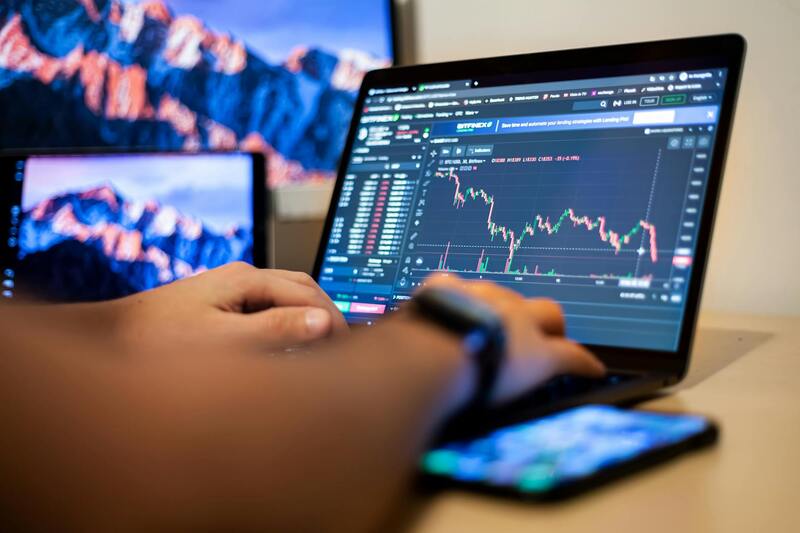
The effectiveness of these strategies largely depends on the technological backbone supporting the trading activities. High-speed data feeds, low-latency execution systems, and sophisticated analytical platforms are integral components. These tools allow traders to analyze extensive datasets swiftly, implement complex algorithms seamlessly, and execute trades with minimal delay. The integration of artificial intelligence and machine learning further enhances predictive capabilities, enabling firms to stay ahead in competitive markets.
Risk Management Practices in Prop Trading Strategies
Regardless of strategy, risk management remains a cornerstone of successful prop trading. Unified risk controls—such as position limits, stop-loss orders, and real-time monitoring—help mitigate potential losses. Prop firms often employ quantitative risk assessment models that continuously evaluate traders’ positions against market conditions, ensuring that risk exposure remains within acceptable bounds. The discipline and structure in risk management are crucial for safeguarding the firm's assets and maintaining long-term profitability.
In essence, the variety of strategies used in prop trading reflects the diverse market environments and trading objectives. From high-frequency arbitrage to patient trend-following, each approach leverages technological innovations and rigorous analysis to generate consistent returns while safeguarding against adverse movements.
Deep Dive into Prop Trading Strategies and Their Execution
Advanced Techniques in Proprietary Trading
Proprietary trading firms utilize a wide array of sophisticated strategies to maximize profits across various market conditions. These techniques often blend analytical rigor with technological innovation, allowing traders to exploit small price discrepancies, forecast market movements, or leverage trending behaviors. An in-depth understanding of these approaches provides insight into how prop trading firms consistently pursue competitive advantages.
Market Making and Arbitrage
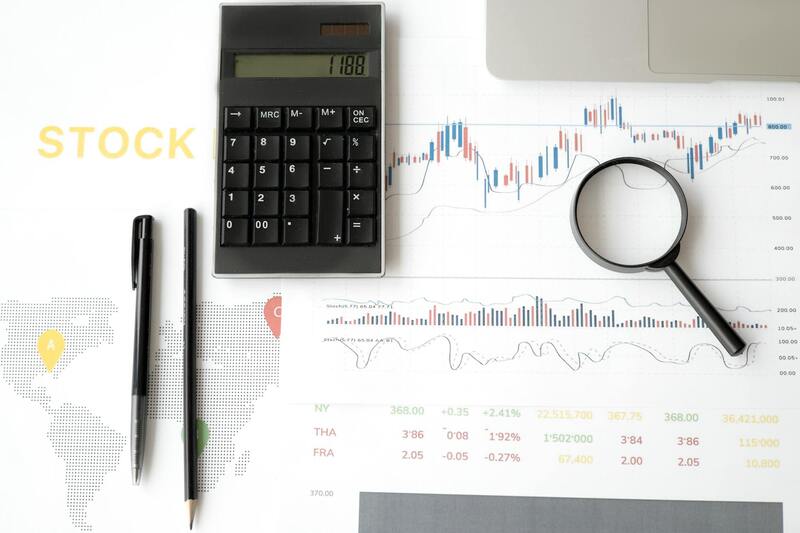
Market making involves providing liquidity in specific securities by continuously quoting buy and sell prices, profiting from the spread. This approach requires sophisticated algorithms capable of managing inventory levels and risk exposure while maintaining optimal bid-ask spreads. Arbitrage strategies, on the other hand, seek to capitalize on price inefficiencies between correlated assets or across different markets. Quantitative models scan markets for opportunities, executing trades within fractions of a second to lock in minimal profit margins that accumulate over numerous transactions.
Momentum and Trend-Following Techniques
Momentum trading leverages the tendency of assets to continue moving in a particular direction, based on historical price patterns. Traders rely on technical indicators, such as moving averages and relative strength indexes, to identify entry and exit points. Trend-following strategies aim to ride market trends, reducing exposure during consolidation periods. Advanced implementation combines these methods with real-time data analysis, allowing traders to adapt to shifting market dynamics promptly.
Quantitative and Algorithmic Trading
Quantitative trading uses mathematical models and statistical analysis to identify lucrative trades. These models process large datasets, including historical prices, order book information, and macroeconomic indicators, to generate trading signals. Algorithmic trading automates decision-making and execution, enabling rapid response to market changes with minimal human intervention. Modern prop firms often deploy machine learning algorithms that refine their predictive accuracy over time, leading to continuous optimization of trading strategies.
Risk Management in Strategy Deployment
Implementing these strategies requires rigorous risk management protocols. Common practices include setting predefined risk limits per trade or strategy, employing dynamic stop-loss and take-profit mechanisms, and utilizing real-time monitoring systems to detect anomalies. Quantitative risk models assess portfolio exposure, liquidity constraints, and potential adverse movements, ensuring that traders operate within acceptable risk parameters. This disciplined approach is vital for preserving capital and maintaining consistent trading performance.
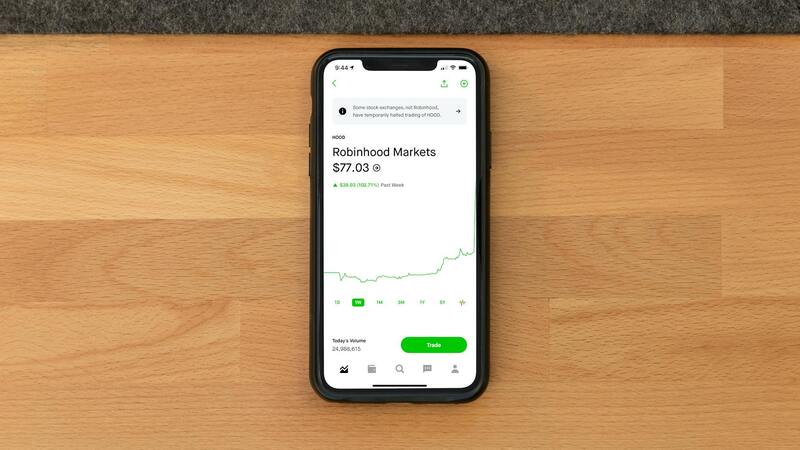
Visualization of Prop Trading Techniques
Emerging Trends in Prop Strategy Development
As technology evolves, so do trading approaches. The increasing application of artificial intelligence enables pattern recognition and predictive analytics at an unprecedented scale. Cloud computing facilitates rapid data processing, while advancements in hardware reduce latency, impacting high-frequency trading capabilities. The adoption of alternative data sources, such as social media sentiment analysis or satellite imagery, opens new avenues for insight-driven trading. These innovations are reshaping prop trading strategies, fostering an environment of continuous adaptation and evolution.
Regulatory Environment and Legal Considerations
Within the landscape of proprietary trading, adherence to established regulatory standards and legal frameworks is fundamental for maintaining operational integrity and fostering trust amongst traders and stakeholders. Prop trading firms operate under a set of guidelines that ensure transparency, proper conduct, and accountability. These guidelines encompass compliance with financial standards, reporting requirements, and operational practices that prevent market manipulation and unethical trading behaviors.
Many prop trading companies implement comprehensive compliance programs to oversee their activities. These programs include rigorous internal policies, regular audits, and staff training to ensure that all trading operations conform to the relevant rules and regulations governing financial markets. Such measures safeguard both the firm and its traders, reducing exposure to legal liabilities and financial penalties.
Furthermore, legal considerations often extend to contractual agreements outlining the scope of trading activities, profit-sharing arrangements, and confidentiality clauses. Clear documentation helps define roles, responsibilities, and expectations, minimizing disputes and ensuring smooth operational workflows. The use of technology also plays a role in compliance; sophisticated surveillance systems monitor trading patterns for signs of unauthorized or suspicious activities, enabling prompt corrective action.
Because prop trading involves significant risk management and capital allocation, firms also establish protocols for anti-money laundering (AML) procedures and know-your-customer (KYC) policies. These measures are essential to verify the identity of traders and to monitor capital flows, helping to prevent illicit financial activities.
In addition to internal control measures, many jurisdictions impose specific licensing requirements and regulatory oversight for firms engaged in proprietary trading activities. Maintaining accurate documentation, timely reporting, and transparent procedures are crucial to aligning with these standards. Firms also stay abreast of evolving regulations, particularly as financial markets continue to innovate and expand. Staying compliant not only safeguards the firm's operations but also promotes a fair and stable trading environment for all participants.
Roles and Responsibilities in Prop Trading Firms
Within proprietary trading firms, the roles and responsibilities assigned to traders and supporting staff are critical for operational success and risk management. Traders are primarily responsible for executing the trading strategies established by the firm, managing their allocated capital efficiently, and maintaining adherence to predefined risk parameters. These professionals must stay informed about market developments, employ technical and fundamental analysis, and adapt swiftly to market fluctuations to optimize profit-generation potential.
Supporting roles encompass risk managers, compliance officers, and technology specialists, each contributing to a secure and efficient trading environment. Risk managers oversee exposure limits, perform stress testing, and develop contingency plans to mitigate potential losses. Compliance officers ensure all trading activities conform to regulatory standards and internal policies, safeguarding the firm against reputation and legal risks. Technology teams develop and maintain trading platforms, implement algorithmic trading tools, and enhance cybersecurity measures that protect sensitive data and transaction integrity.
Key Responsibilities of Traders
- Identifying profitable trading opportunities across various asset classes
- Executing trades efficiently while respecting risk management protocols
- Monitoring market conditions continuously to adjust strategies in real-time
- Collaborating with research teams to incorporate new insights into trading decisions
- Adhering to established profit and loss (P&L) limits to prevent substantial losses
- Documenting trading activities for audit and compliance purposes
Support and Oversight Functions
- Developing and maintaining trading infrastructure and analytical tools
- Performing comprehensive risk assessments and implementing control measures
- Ensuring all activities align with regulatory guidelines and internal policies
- Providing ongoing training and updates on market trends and compliance requirements
- Handling internal reporting and documentation to facilitate transparency
Collaboration and Decision-Making Processes
Effective communication channels among traders, risk managers, and compliance teams foster a cohesive environment where strategies are refined, and operational controls are enforced. Decision-making is often supported by advanced technological tools that analyze trade performance, monitor risk metrics, and generate real-time insights, enabling swift and informed actions under volatile market conditions.
Regulatory Environment and Legal Considerations
Operating within the realm of proprietary trading involves adherence to specific frameworks designed to ensure transparent and compliant activity. Prop trading firms establish internal policies aligned with overarching industry standards to promote responsible trading practices. These policies often include comprehensive compliance programs that encompass rigorous client verification protocols, detailed record-keeping of trading activities, and strict oversight mechanisms to monitor trader actions continually.
To uphold these standards, firms implement advanced surveillance software capable of detecting irregular trading patterns and potential conflicts of interest. Traders are required to follow documented procedures for trade approvals, risk assessments, and reporting, thus fostering an environment of accountability. Regular internal audits are conducted to certify adherence to established protocols, ensuring that all trading operations are executed within approved parameters.
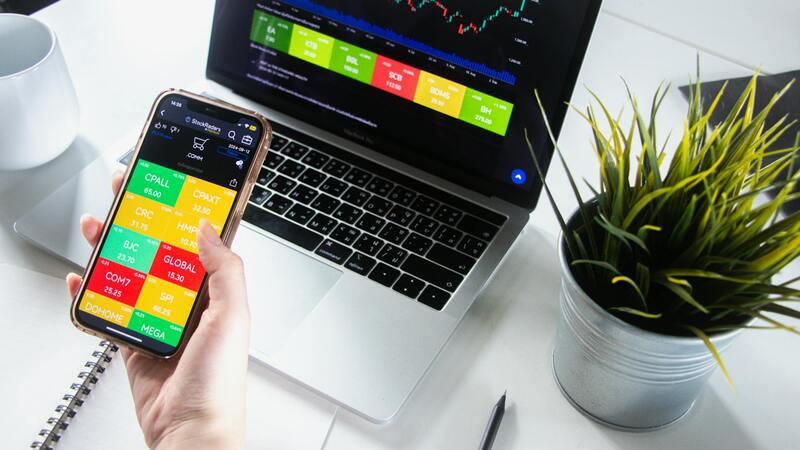
Furthermore, firms often engage in continuous education initiatives to keep trading teams informed about the latest regulatory updates and industry best practices. This proactive approach minimizes inadvertent breaches and enhances overall operational integrity. Since intellectual property and proprietary strategies are central to a prop trading firm’s competitiveness, securing trading algorithms and data against unauthorized access is a priority, often involving robust cybersecurity measures.
Official and Responsible Methods in Prop Trading
- Implementing strict internal compliance programs aligned with industry standards
- Utilizing secure and transparent record-keeping systems for all trading activities
- Performing regular audits and risk assessments to identify and mitigate potential issues
- Training traders continuously on compliance, ethical standards, and market regulations
- Employing technological tools to monitor trades and detect anomalies in real-time
- Securing sensitive data and proprietary algorithms with advanced cybersecurity measures
Engaging in transparent operational practices not only helps maintain the integrity of a prop trading firm but also supports a culture of responsible trading that aligns with professional standards. These practices ensure that trading activities are conducted within a framework that emphasizes accountability, risk management, and clear documentation under all circumstances.