
Introduction to Prop Trading in Cryptocurrency
Proprietary trading, commonly known as prop trading, has become a significant component of the cryptocurrency landscape. This trading model involves firms or individual traders utilizing their own capital to execute trades primarily aimed at maximizing profit. Unlike retail traders who rely on personal or borrowed funds, prop traders operate with the resources of the trading firms they represent, allowing access to substantial trading capital and advanced tools that are not typically available to individual investors.
In the context of cryptocurrencies, prop trading plays a crucial role in market liquidity and price discovery. Firms engaged in crypto prop trading actively participate in various trading strategies, including arbitrage, market making, and directional bets on digital assets. These activities help facilitate smoother market operations and contribute to the overall efficiency of crypto exchanges.

What sets prop trading in cryptocurrencies apart from traditional retail trading is the scale and sophistication involved. Prop traders typically use high-frequency trading algorithms and access to deep liquidity pools, enabling them to capitalize on short-term market movements. This professional approach allows them to execute large trades efficiently while managing inherent risks effectively.
Furthermore, prop trading firms often cultivate a professional environment characterized by rigorous analysis, systematic strategies, and swift execution, distinguishing them from individual traders who operate with less infrastructure. As a result, prop trading has become an integral part of the crypto ecosystem, offering opportunities for financial growth, innovation, and market stability.
Understanding the nuances of prop trading in the crypto space provides valuable insight into how digital assets are traded at a professional level. It highlights the importance of infrastructure, strategic execution, and risk management, which are essential for navigating this fast-paced and evolving market.
Details on the Structure, Functions, and Business Models of Prop Trading Firms Focused on Cryptocurrency Trading
Prop trading firms dedicated to the crypto market operate with a sophisticated structural setup designed to maximize efficiency, leverage technological advancements, and manage risks effectively. These firms typically function as specialized financial entities that utilize proprietary capital to execute high-volume trades across various digital assets. Their operational frameworks integrate advanced trading algorithms, real-time market analytics, and automated execution systems to capitalize on fleeting market opportunities.
The core business model of crypto prop trading firms revolves around earning profits from short-term price movements, arbitrage opportunities, and liquidity provision. Unlike retail traders who operate with limited capital and resources, prop firms deploy substantial financial backing, enabling them to undertake large position trades that can influence market dynamics. This access to significant capital allows for diversified trading strategies, such as market making, momentum trading, and scalping, which are executed at high speeds and precision.
Another crucial aspect of their operational architecture is risk management. Prop trading firms employ rigorous risk control measures—including diversification, stop-loss triggers, and position sizing protocols—to safeguard their capital during volatile market conditions. These procedures are supported by sophisticated risk management software and analytical dashboards, ensuring that trading activities adhere to pre-established risk parameters.

In terms of business operations, prop trading firms often operate within a tightly regulated framework that requires adherence to financial standards, transparency, and disclosure requirements. This environment fosters robust internal policies, compliance protocols, and ongoing monitorings to ensure adherence to operational guidelines. Many firms also develop proprietary trading platforms tailored to their specific strategies, integrating real-time analytics, automated order execution, and detailed reporting features.
By leveraging in-house research teams, quantitative analysts, and experienced traders, prop trading firms continuously refine their methodologies. This combination of high-caliber talent and cutting-edge technology enables them to adapt swiftly to market changes, optimize trading performance, and enhance overall profitability.
Types of Capital and Risk Management in Crypto Prop Trading
Effective capital allocation and rigorous risk management are cornerstones of successful crypto proprietary trading operations. Prop trading firms typically employ diverse capital structures depending on their size, strategic goals, and market focus. They may retain significant internal funds to capitalize on high-conviction trades or leverage external capital sources, including institutional investors or partner firms, to amplify their trading capacity.
Managing risk in the high-volatility environment of cryptocurrency markets involves sophisticated techniques designed to protect the firm's assets and ensure sustainability. Common methods include setting precise position limits and stop-loss orders that automatically close positions when certain loss thresholds are reached. These measures help prevent catastrophic losses during rapid market shifts. Additionally, firms employ dynamic position sizing algorithms that adjust trade exposure based on real-time volatility levels, ensuring that no single position can disproportionately impact overall capital.

Further risk mitigation is achieved through diversification across multiple assets and trading strategies, reducing reliance on a single market or approach. Quantitative models continuously analyze market data to identify potential risk factors, enabling trading desks to pivot swiftly and avoid accumulating significant exposure to abrupt market movements. Risk management software integrated within proprietary platforms offers real-time analytics, providing traders with continuous oversight and control.
In addition, firms employ margin management protocols, carefully balancing leverage to optimize returns without exposing themselves to excessive downside risk. Regular internal audits and compliance checks ensure adherence to risk policies, maintaining the integrity of trading activities and long-term stability of the trading operation.

Part of establishing a resilient risk framework involves leveraging advanced portfolio optimization tools, scenario analysis, and stress testing scenarios. These techniques simulate various market conditions to evaluate potential vulnerabilities and prepare contingency strategies. By integrating these practices into daily operations, prop trading firms maintain a balance between aggressive trading and cautious safeguarding of capital, fostering both growth and resilience in highly dynamic crypto markets.
Types of Capital and Risk Management in Crypto Prop Trading
Effective capital management forms the backbone of successful crypto proprietary trading. Firms typically utilize a combination of internal funds, where the company's own capital is allocated directly to trading activities, along with external financing sources arranged through strategic partnerships or specialized fund providers. This diversified approach enables firms to deploy larger trading volumes while maintaining the flexibility to adjust exposure based on prevailing market conditions.
Leverage plays a pivotal role in crypto prop trading, allowing traders to amplify position sizes beyond their available capital. However, responsible leverage utilization is critical. Firms enforce strict leverage limits through automated margin controls to prevent excessive exposure that could threaten their overall capital base. This is reinforced through advanced risk algorithms which monitor trading activity, automatically liquidating positions if predefined thresholds are approached, protecting against substantial losses.
Risk controls are meticulously designed to preserve capital and ensure operational continuity. These controls include real-time position monitoring, automated stop-loss orders, and dynamic capital allocation adjustments. Regular stress testing and scenario analysis assist firms in understanding the potential impact of adverse market movements, thus preparing contingency plans to shield portfolios from sudden disruptions.
The integration of advanced analytics and machine learning tools allows risk managers to identify early signals of market volatility and adjust trading parameters accordingly. Portfolio diversification across multiple cryptocurrencies and trading strategies further reduces the risk of correlated losses, ensuring a more resilient overall trading posture. Internal compliance protocols and periodic audits support adherence to risk policies, formalizing a disciplined operational environment that aligns with the firm's strategic objectives.
Crypto Exchanges and Infrastructure for Prop Trading
Robust infrastructure is essential for crypto prop trading operations. Firms partner with high-performance cryptocurrency exchanges equipped with advanced matching engines, high liquidity, and comprehensive APIs. These infrastructural components enable traders to execute large volumes efficiently and with minimal latency, critical factors for maintaining competitive advantage in rapidly fluctuating markets.
Secure custody solutions are equally vital, safeguarding digital assets against theft or hacking attempts. Many prop trading firms leverage cold storage and multi-signature wallets in conjunction with secure key management systems to protect their holdings.
Furthermore, proprietary trading platforms are often integrated with institutional-grade analytics, order management systems, and risk assessment tools. These platforms facilitate rapid decision-making and allow traders to implement complex strategies swiftly. Automation through algorithmic trading bots and API connectivity reduces manual intervention, thereby increasing execution accuracy and speed.
Market data feeds provided by leading exchanges supply real-time price data, order book depth, and trade execution reports, forming the informational backbone of trading decisions. Firms also utilize connectivity solutions to ensure redundancy and minimal downtime, which is especially important given the 24/7 nature of crypto markets.
Legal and Regulatory Aspects of Crypto Prop Trading
While it is essential to operate within a framework of official guidelines, firms focus on adhering to established industry standards and best practices. Compliance encompasses thorough Know Your Customer (KYC) procedures, anti-money laundering (AML) policies, and transparent reporting standards. Many firms also engage with self-regulatory initiatives and industry consortiums to promote responsible trading behaviors.
Licensing requirements vary depending on geographic location but often include registration with relevant financial authorities and adherence to specific operational protocols. Proper documentation, clear contractual agreements, and regular audits ensure that all activities align with prevailing norms, reinforcing the firm's integrity and fostering trust with clients and partners.
Additionally, firms invest in compliance officers and legal advisors to stay abreast of regulatory changes, ensuring swift adaptations to any new rules or standards introduced into the crypto space.
Types of Capital and Risk Management in Crypto Prop Trading
Effective capital allocation and rigorous risk management are fundamental components of successful crypto proprietary trading operations. Prop trading firms typically leverage diverse pools of capital, ranging from internally allocated funds to externally sourced investments, depending on the firm’s size and strategy focus. These capital sources are carefully monitored and calibrated to optimize trading efficiency while safeguarding against excessive losses.
Risk management frameworks in crypto prop trading are designed to adapt to the high volatility and unique market conditions characteristic of digital assets. Firms implement a combination of pre-trade risk controls, such as position limits, leverage restrictions, and automated stop-loss orders, to contain potential downside. Additionally, post-trade analysis and continuous performance evaluation assist traders and risk managers in refining strategies and adjusting exposure levels in real time.
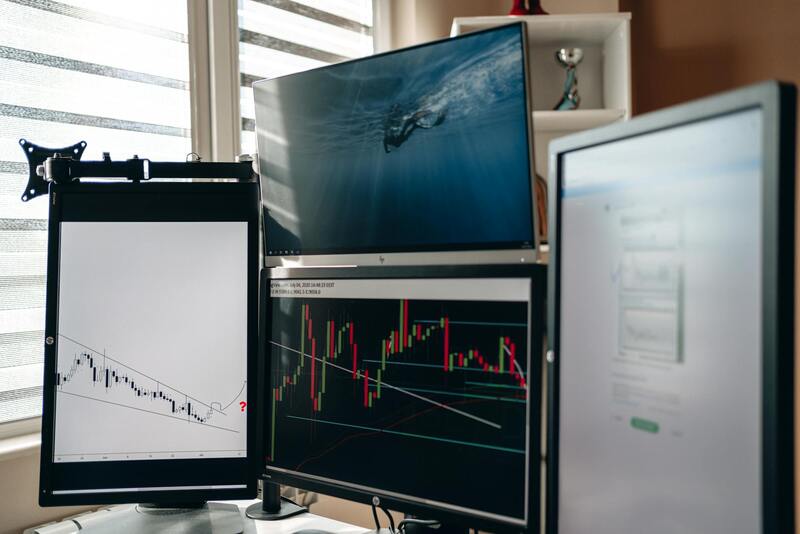
Advanced analytics and algorithmic tools analyze market patterns and historical data to make predictive assessments, guiding risk mitigation measures. The use of portfolio diversification, correlation tracking between different cryptocurrencies, and the application of volatility-index models as hedging tools further enhance the robustness of risk controls.
Equipped with comprehensive risk management strategies, prop trading firms seek to maximize profit potential while minimizing exposure to unforeseen market shocks. This disciplined approach enables consistent trading performance and fosters long-term sustainability in an environment marked by rapid price swings and evolving regulatory landscapes.
Furthermore, transparent documentation and regular audits of risk protocols reinforce operational integrity. These measures help to ensure that trading activities remain within prescribed limits and align with the firm's overall risk appetite, ultimately supporting strategic growth and stability in crypto prop trading ventures.
Types of Capital and Risk Management in Crypto Prop Trading
In the realm of proprietary crypto trading, the management of capital and risk stands as the cornerstone of sustainable success. Prop trading firms allocate diverse sources of capital, ranging from firm-owned assets to strategically pooled funds, each with specific risk appetite parameters and operational guidelines. Proper capital allocation ensures that traders have sufficient liquidity to seize market opportunities while maintaining buffers against adverse price movements.
Effective risk management techniques are integral to navigating the highly volatile cryptocurrency markets. These techniques include predetermined position limits that prevent overexposure to single assets or market directions. Leverage restrictions are often implemented to maximize trading capacity without amplifying potential losses beyond manageable levels. Automated stop-loss orders play a crucial role in limiting downside risk by triggering sell actions when prices reach unfavorable levels, thereby protecting both the firm's capital and the trader's position.
Financial institutions engaged in crypto prop trading frequently utilize advanced risk assessment models that analyze real-time market data, volatility indices, and historical price patterns. These models help in quantifying potential risks and informing decision-making processes. Portfolio diversification across various cryptocurrencies and trading strategies further reduces vulnerability to specific asset downturns. Correlation tracking allows traders and risk managers to understand how different assets interact, helping to balance portfolios in volatile environments.

Moreover, continuous performance evaluation and stress testing are vital components of a comprehensive risk management system. Regular audits and reviews ensure adherence to internal risk protocols and regulatory standards, fostering transparency and operational integrity. These measures, combined with sophisticated analytics and algorithmic trading tools, enable prop firms to adapt swiftly to market shifts, mitigate unforeseen shocks, and sustain profitability.
Strategic Data Utilization for Enhanced Risk Control
In a landscape characterized by rapid innovation and frequent market fluctuations, leveraging data analytics becomes indispensable. Prop trading firms integrate real-time market feeds, sentiment analysis, and predictive algorithms to identify emerging risks early. This proactive approach enhances decision accuracy, aligns trading activities with the firm’s risk tolerance, and ultimately supports long-term capital preservation.
In the context of crypto proprietary trading, a disciplined and informed approach to capital deployment and risk reduction facilitates not only short-term gains but also the stability needed for consistent growth. This strategic balance between aggressive pursuit of profit and prudent oversight underpins the operational framework of successful prop trading entities.
Legal and Regulatory Aspects of Crypto Prop Trading
Prop trading firms operating in the cryptocurrency market adhere to a strict framework of rules and guidelines established by financial authorities and industry standards. These operational protocols are designed to ensure transparency, compliance, and the integrity of trading activities. Since the crypto environment is characterized by rapid technological innovation and evolving regulatory landscapes, firms focus on maintaining rigorous internal compliance measures.
One of the core elements of legitimate crypto prop trading is the implementation of comprehensive due diligence procedures. These procedures verify the legitimacy of capital sources, the authenticity of trading accounts, and compliance with anti-money laundering (AML) standards. Such processes help prevent illicit activities and promote a trustworthy trading environment.
Operational transparency is maintained through detailed recording of all transactions and adherence to audit standards. Regular audits by independent entities assess the integrity of trading operations, financial reporting, and risk management practices. These audits ensure that firms uphold high operational standards and foster confidence among investors and regulatory bodies.
Another critical aspect involves the structured governance of proprietary trading activities. Clear policies and procedures are established for trading strategies, risk limits, and capital allocation. These policies are continuously reviewed and updated in response to market developments and regulatory updates, ensuring that trading practices remain within accepted operating parameters.

Furthermore, many reputable firms implement strict cybersecurity protocols to protect sensitive financial data, trading algorithms, and client information. This includes advanced encryption measures, regular security scans, and comprehensive access controls.
Ultimately, operating within established compliance frameworks and maintaining rigorous internal controls allow crypto prop trading firms to effectively manage legal and regulatory responsibilities. This approach not only safeguards their operations but also supports long-term sustainability in the highly dynamic crypto trading landscape.
Ensuring Sustainable and Ethical Prop Trading Practices in Crypto
Maintaining a sustainable and ethical approach in crypto prop trading is essential for long-term operational success and reputational integrity. Firms that prioritize transparent practices, robust risk management, and adherence to industry standards foster trust with their traders, investors, and trading partners. Implementing comprehensive compliance protocols and rigorous internal controls helps to align trading activities with best practices, ensuring fair and consistent execution across all operations.
Training and continuous education play a vital role in supporting responsible trading. Prop trading firms often invest in ongoing training programs for their traders, emphasizing risk awareness, disciplined trading habits, and adherence to the firm’s trading policies. These initiatives help mitigate impulsive or reckless trading behaviors that could lead to significant financial losses or operational breaches.
Advanced Technology and Infrastructure for Crypto Prop Trading
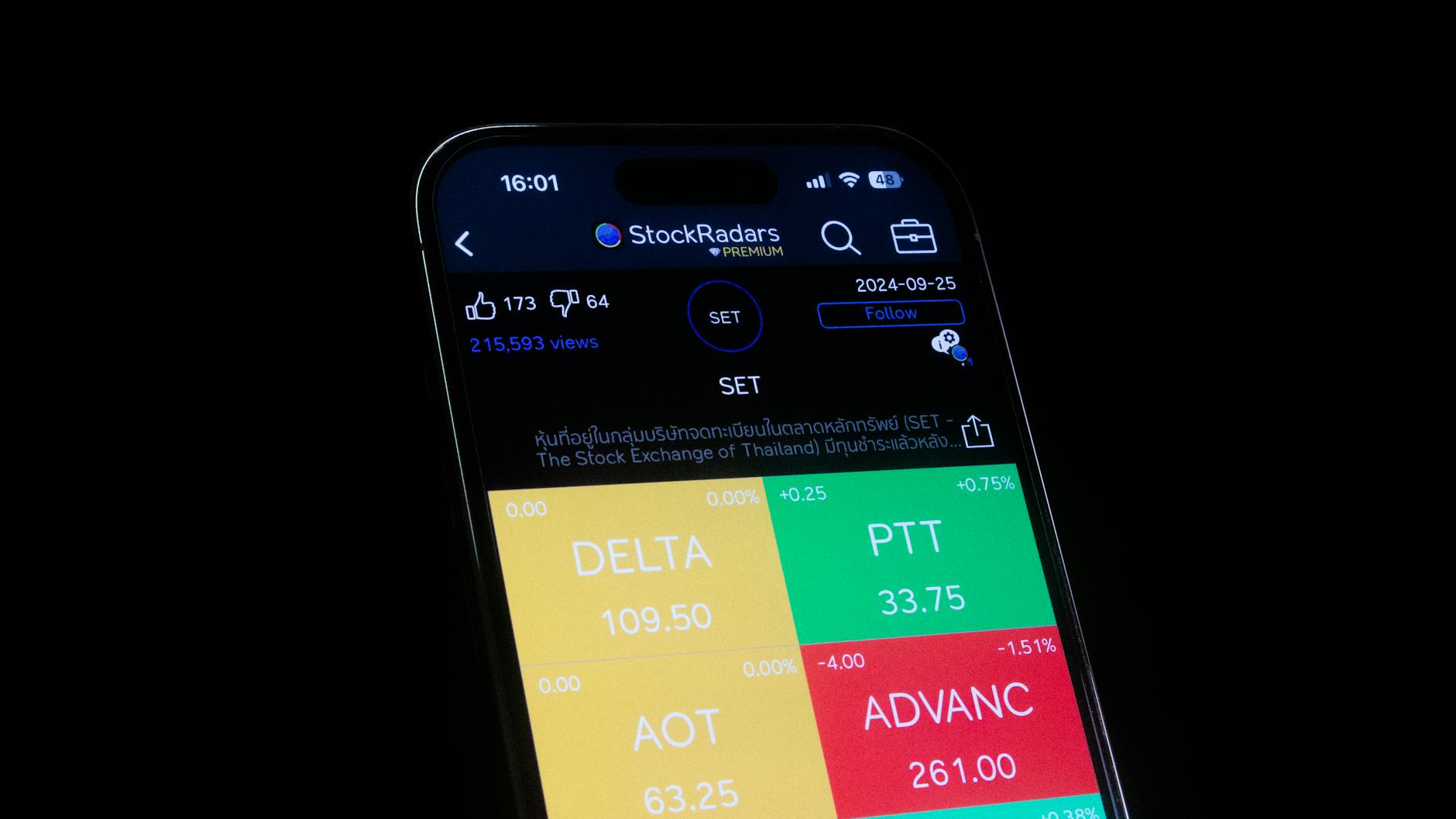
Modern prop trading firms leverage advanced technological infrastructures to enhance their operational efficiency and trading precision. High-speed data feeds, sophisticated trading algorithms, and real-time analysis tools enable traders to execute strategies with minimal latency and maximum accuracy. These technological assets are essential for capitalizing on short-lived market opportunities and navigating the highly volatile crypto environment.
In addition, secure and scalable trading infrastructure ensures resilience against system failures and cyber threats. Cloud-based solutions and redundancy protocols are often employed to maintain continuous trading operations without interruption. Data security measures, including encryption and multi-factor authentication, protect sensitive financial and strategic information from unauthorized access.

Enhancing Transparency and Reporting in Crypto Prop Trading
Transparency is a core principle for reputable crypto prop trading firms. Accurate and detailed reporting mechanisms are vital for tracking trading activities, identifying potential issues, and providing clarity to stakeholders. Firms often utilize advanced reporting software that consolidates trading data, risk metrics, and performance indicators into comprehensive dashboards accessible to management and auditors.
This transparency extends to regular internal reviews and external audits, which help to validate trading operations and ensure compliance with established policies. Maintaining detailed records of all transactions, decisions, and risk assessments provides an audit trail that supports accountability and continuous improvement.
Future Outlook and Strategic Preparedness for Crypto Prop Trading
As the crypto landscape continues to evolve, so do the operational and strategic challenges faced by prop trading firms. Emerging technological trends, such as decentralized finance (DeFi) integrations, artificial intelligence-driven trading, and blockchain scalability solutions, are poised to reshape how prop trading operates in the crypto space.
Prospective crypto traders and firms should stay attuned to these developments, adopting innovative tools that enhance efficiency while maintaining stringent controls. Strategic foresight, coupled with an emphasis on operational integrity and technological agility, remains central to thriving in this dynamic environment.
By steadfastly adhering to sound trading principles, leveraging cutting-edge infrastructure, and continuously refining compliance and transparency practices, crypto prop traders can navigate future market shifts effectively, securing sustainable growth and success amid the rapidly changing digital asset landscape.
