
Understanding Free Trial Prop Firms
Free trial prop firms serve as an entry point for traders seeking to demonstrate their skills within a proprietary trading environment without initial capital investment. These firms provide aspiring traders with an opportunity to showcase their trading capabilities through predefined trial programs, typically involving simulated or live accounts, designed to evaluate trading strategies and discipline. Unlike traditional trading firms, which often require traders to fund their own accounts or meet specific capital thresholds, free trial prop firms focus on assessing a trader’s proficiency and risk management skills before granting access to trading capital.
The core purpose of a free trial prop firm is to identify traders who possess the necessary expertise to generate consistent profits while maintaining strict adherence to risk controls. This approach benefits both parties: traders gain a platform to prove their ability without risking personal funds, and firms expand their roster of profitable traders who can contribute to institutionalized trading activities.
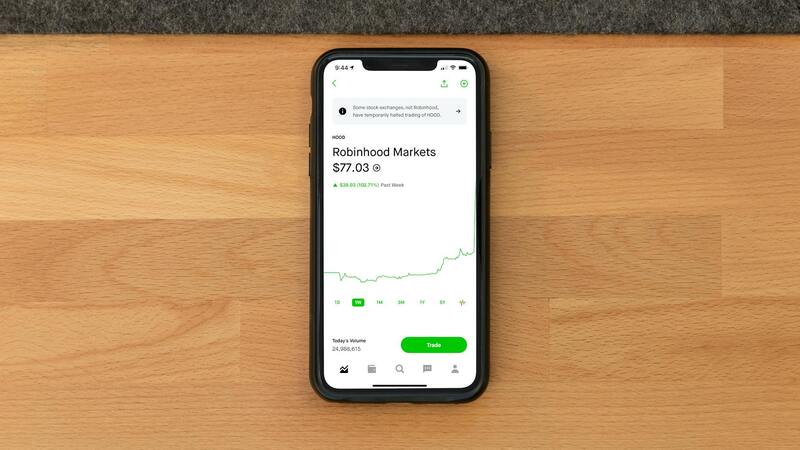
In comparison to traditional trading firms, which often require traders to meet significant minimum deposit or experience requirements, free trial prop firms have lowered entry barriers by offering structured assessment phases. These phases typically include trading challenges that test the trader’s ability to manage risk, execute trades effectively, and maintain discipline under simulated or real-time conditions. Successfully completing these assessments often leads to earning a funded account, allowing traders to operate with the firm’s capital and share in the profits.
It is important to recognize that the evaluation process of free trial programs is designed with precision, emphasizing transparency, fairness, and consistency. Reputable firms depend on standardized testing procedures and clear benchmarks to distinguish traders with genuine skill from those less suited for professional trading environments. This structured approach ensures that traders are evaluated fairly and, if successful, are provided with opportunities to develop their trading careers within a supportive framework.
Overall, free trial prop firms are becoming increasingly popular as they offer a mutually beneficial arrangement, allowing skilled traders to access significant capital and providing firms with reliable talent without upfront investment in training or onboarding costs. The next sections will delve into the specific advantages of these programs, common features to look for, and guidance on identifying reputable firms in this space.
Understanding Free Trial Prop Firms
Free trial prop firms serve as an accessible entry point for traders seeking to demonstrate their capabilities without immediate financial commitment. These programs typically implement a structured assessment phase where the trader is evaluated through a series of simulated or live trading challenges. Unlike traditional prop trading arrangements that demand significant upfront capital or experience, free trial programs are designed to identify talented traders based on their skill, discipline, and risk management abilities in a controlled environment.

The evaluation process generally revolves around predefined performance benchmarks, such as profit targets, drawdown limits, and consistency metrics. Successful navigation of these criteria often grants the trader access to a funded account, where they can trade with the firm's capital. This transition allows traders to scale their operations and potentially earn a share of the profits, creating a mutually beneficial relationship. Reputable firms emphasize fairness, transparency, and standardized testing procedures, ensuring that evaluation results genuinely reflect a trader’s ability to perform under real market conditions.
Moreover, free trial programs serve as an effective testing ground for traders to refine their strategies, adapt to various market environments, and gain experience executing trades without risking personal funds. This not only minimizes financial exposure but also provides valuable insights and feedback that can enhance trading performance in future endeavors.
Participants often appreciate that these programs eliminate the need for substantial initial deposits, making professional trading more accessible. The streamlined process, combined with clear rules and consistent evaluation standards, helps distinguish qualified traders from the broader market. As the industry continues to evolve, the importance of authentic and well-structured free trial offerings becomes evident, fostering a fair and performance-oriented trading landscape.

Benefits of Free Trial Programs in Prop Trading
Engaging in free trial programs presents several compelling advantages for traders aiming to transition into professional trading environments. First and foremost, these initiatives significantly reduce the financial risks associated with entering the competitive realm of prop trading. By allowing traders to demonstrate their skills without initial capital outlay, they can focus on honing their strategies and risk management without the pressure of financial losses.
Additionally, free trial programs serve as an effective metric for skill assessment. Traders gain insight into their strengths and weaknesses, enabling targeted improvements. The evaluation criteria often include consistency in profit generation, adherence to risk parameters, and emotional resilience during trading challenges. Such comprehensive assessments help traders identify their true capabilities and areas for development.
Access to trading capital constitutes another key benefit. Successful completion of a free trial often results in the trader being allocated a funded trading account, allowing for larger position sizes and increased profit potential. This opportunity facilitates scalability and enables traders to operate in real-market conditions with significant capital support, enhancing earnings potential. Furthermore, these programs can serve as stepping stones for traders aspiring to establish a sustainable, high-performance trading career.
From a professional standpoint, participating in free trial programs also promotes disciplined trading habits, as firms typically enforce strict rules to ensure consistency. This environment cultivates good trading practices, risk controls, and systematic analysis—training assets that benefit traders long-term. As a result, traders who succeed in these programs often develop a resilient, skill-focused approach that aligns with the standards of established prop trading firms.
Understanding Free Trial Prop Firms
Free trial prop firms serve as a valuable gateway for traders aiming to demonstrate their skills without initial capital risks. These programs typically require candidates to showcase consistent profitability, risk management, and disciplined trading over a designated evaluation period. Unlike traditional trading environments, where traders allocate their own funds, free trial programs provide a simulated or limited-time financial platform that mimics real-market conditions. The core purpose is to identify talented traders who can consistently generate profits while adhering to the firm's risk parameters. This approach creates a structured pathway for traders to validate their abilities in a controlled environment, paving the way for short-term earning opportunities and long-term career development within the prop trading industry.

Often, these programs incorporate comprehensive evaluation metrics, including profit targets, drawdown limits, and trading discipline, to ensure only the most capable traders progress. Additionally, many firms employ automated systems to monitor trading activity, ensuring adherence to rules and providing objective assessment criteria. Successful completion of a free trial can lead to funding arrangements, where traders gain access to significant capital, enabling larger trades and increased profit potential. This structure not only offers financial growth opportunities but also acts as a qualification step toward becoming a fully funded trader within reputable prop firms.
Benefits of Free Trial Programs in Prop Trading
The primary advantage of participating in free trial programs lies in their capacity to develop trading skills under real-market pressures without risking personal funds. Such programs foster disciplined trading habits as traders learn to manage risk and maintain emotional composure during volatile conditions. This disciplined approach—critical for sustainable trading success—becomes ingrained as traders gradually progress through evaluation stages. Furthermore, free trial programs offer access to professional trading environments, mentorship, and feedback, which are instrumental in refining trading strategies.
Another significant benefit is the opportunity for scalability. Successfully passing a free trial often results in the trader receiving access to a funded account, allowing them to operate with substantial capital and scale their trading activities accordingly. As a result, traders can leverage the firm’s resources to maximize profit potential while minimizing personal financial exposure. This setup can be especially advantageous for traders seeking to transition into full-time professional trading. Additionally, participating in these programs can serve as a competitive differentiator, demonstrating a trader’s ability to operate within strict risk and profit guidelines—traits highly valued by prop trading firms globally.
Common Features of Free Trial Prop Firms
Understanding the typical characteristics of these programs helps traders identify credible opportunities. Most free trial prop firms offer a structured evaluation period, often ranging from 7 to 30 days, during which traders are assessed based on quantitative and qualitative benchmarks.
- Trial Periods: Set specific durations for evaluation, often including daily, weekly, and cumulative profit targets.
- Evaluation Metrics: Criteria such as maximum drawdown, consistency of returns, trading discipline, and adherence to risk parameters are used to gauge performance.
- Profit Sharing: Successful traders are typically rewarded through profit split arrangements, which allocate a percentage of earnings back to the trader.
- Trading Rules: Firms enforce strict guidelines including stop-loss limits, position sizing, permissible trading hours, and prohibited trading behaviors.
- Trading Platforms: Accessible via popular trading platforms, ensuring trader convenience and technical robustness.

While these features vary among providers, most reputable firms emphasize transparency, rigorous evaluation standards, and fair profit-sharing models. The emphasis on comprehensive assessment ensures that only skilled, disciplined traders gain access to funded trading accounts, fostering a professional trading ecosystem.
Understanding Free Trial Prop Firms
Free trial prop firms serve as a gateway for traders seeking to showcase their skills without initial capital investment. These programs typically provide a simulated trading environment that rigorously evaluates a trader’s performance based on predefined benchmarks. By offering an opportunity to demonstrate consistency, risk management, and disciplined trading behaviors, free trial programs help firms identify talented traders who can be entrusted with real trading accounts.

Most free trial programs are structured around specific evaluation periods, ranging from a week to a month. During this timeframe, traders are monitored against criteria such as profit targets, maximum drawdowns, and adherence to trading rules. Successful completion often results in access to funded accounts, enabling traders to capitalize on larger trading capital with reduced personal risk.
Official Methods to Engage with Free Trial Prop Firms
- Application Submission: Fill out official forms on the firm’s website, providing trading experience details and supporting documents.
- Verification Process: Complete identity verification steps, which may include submitting government-issued IDs and trading history.
- Demo Trading: Participate in the designated evaluation phase, executing trades within the program’s specified rules and parameters.
- Assessment and Feedback: Receive performance evaluations based on conformance to the set benchmarks, with feedback for improvement if needed.
Maintaining Transparency and Authenticity
Engaging with legitimate free trial programs involves following formal submission protocols, adhering to the outlined trading guidelines, and maintaining open communication channels with the firm’s support team. It is vital to keep thorough records of your trading activity during the trial period to substantiate your performance criteria when requested.
Additional Documentation and Support
Most reputable firms provide detailed documentation outlining trial rules, evaluation criteria, and profit-sharing arrangements. Traders are encouraged to review these materials thoroughly to understand expectations and standards, which helps in aligning trading strategies for successful completion of the evaluation period.
Image Placeholder 2

Criteria for Successfully Completing a Free Trial
Achieving successful completion of a free trial with a proprietary trading firm hinges on a trader's ability to meet specific performance benchmarks while adhering to established risk management protocols. These criteria are designed to evaluate a trader’s consistency, discipline, and strategic approach, ensuring they align with the firm’s standards for professional trading.
Key performance indicators typically include:
- Profit Targets: Traders are expected to achieve predetermined profit levels within the evaluation period. These targets are set to assess profitability and trading efficiency.
- Risk Management Rules: Maintaining acceptable drawdowns is critical. Most firms impose maximum risk limits per trade and overall portfolio risk thresholds to simulate real trading conditions and ensure capital preservation.
- Trading Discipline: Consistent adherence to the firm’s trading guidelines, including trade frequency, position sizing, and allowable trading hours, is essential for demonstrating discipline.
- Strategy Compliance: Using approved trading strategies or styles may be mandatory, especially in firms with specific evaluation criteria. Traders should avoid unconventional or unauthorized trading methods.
- Record Keeping: Precise documentation of trades, including reasons for entry and exit, helps in evaluating performance against benchmarks and provides transparency during reviews.
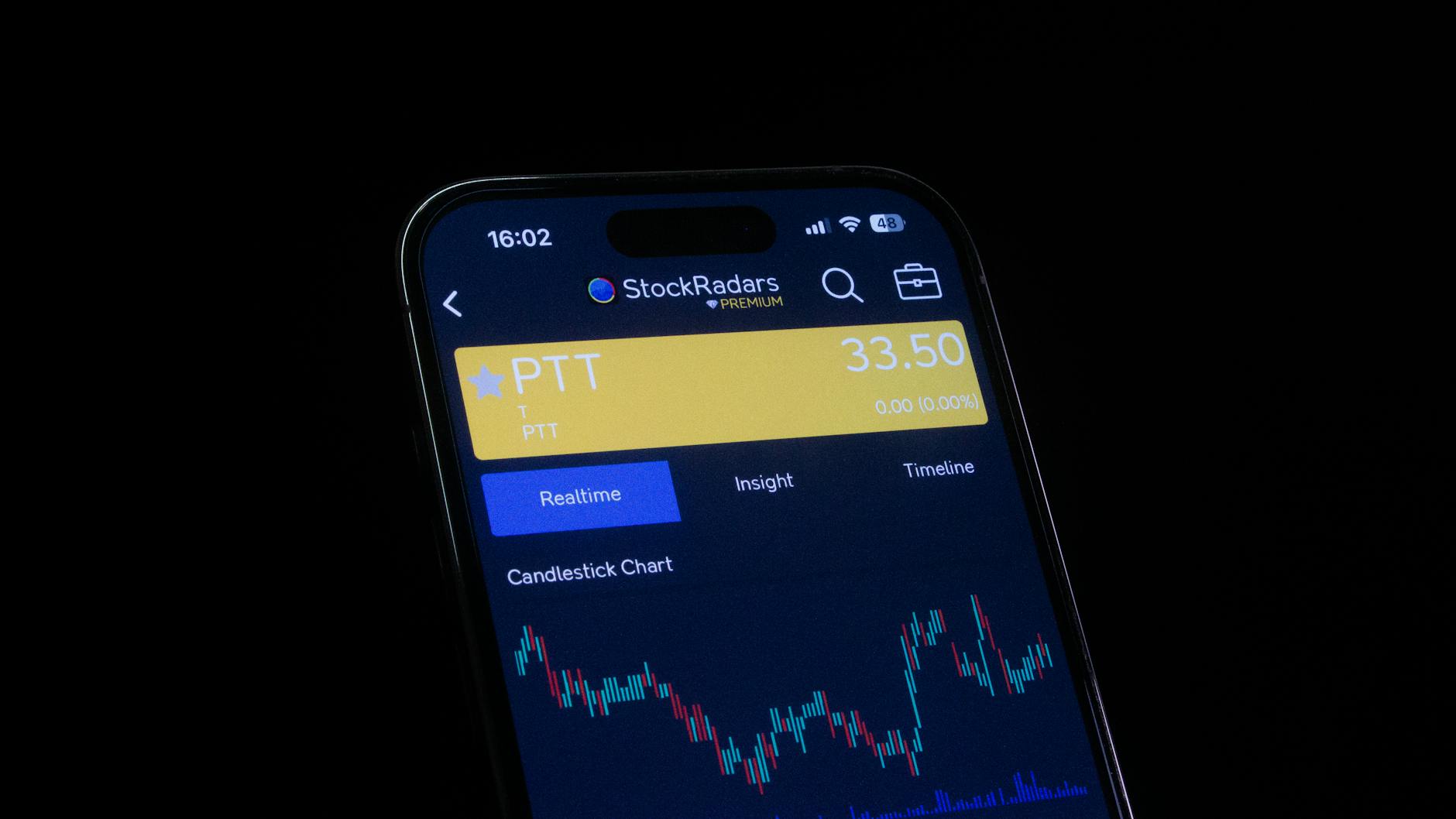
Sample evaluation metrics for free trial completion Failure to meet these criteria can result in the termination of the trial, but it also presents an opportunity to learn and refine trading strategies. Continuous improvement in risk control, discipline, and strategic execution increases chances of passing subsequent evaluations.
Understanding Free Trial Prop Firms
Free trial prop firms are trading entities that offer aspiring traders the opportunity to demonstrate their skills without initial capital investment. These firms usually provide a simulated trading environment or a probation period during which traders are evaluated based on their performance, discipline, and adherence to set trading guidelines. The primary aim of these trials is to identify disciplined, consistent, and strategically sound traders who can manage the firm's capital effectively when given real trading funds. Such programs serve as a mutually beneficial platform—offering traders a pathway to access substantial trading capital while enabling firms to assess mechanisms and trader quality before committing significant resources.
Benefits of Free Trial Programs in Prop Trading
Engaging in a free trial prop firm provides numerous advantages for traders seeking to advance their careers. First, it eliminates the barrier of initial capital investment, empowering traders who might lack significant funds but possess the skill set necessary for professional trading. Additionally, free trials offer an authentic chance to demonstrate consistency under real market conditions, which can be more valuable than simulated environments, as they reflect true trading dynamics.
Success in these trials often results in access to funded trading accounts, allowing traders to scale their operations and develop their trading styles within a formal structure. Moreover, participating in these programs can help traders refine their risk management techniques, improve discipline, and gain insights into the evaluation metrics used by prominent prop firms. This process cultivates professionalism, which is essential for long-term trading success. Many firms also provide educational resources, mentorship, and performance reviews during the trial, all of which contribute to a trader’s growth and confidence in managing sizable capital.
Common Features of Free Trial Prop Firms
- Evaluation Periods: Most firms set fixed durations—such as 14, 30, or 60 days—during which traders must meet specific performance benchmarks.
- Profit Targets: Clear profit objectives help assess a trader’s ability to generate returns within risk parameters.
- Risk Management Parameters: Strict rules on maximum allowable drawdowns and position sizing simulate real trading constraints.
- Trading Style Constraints: Some firms prefer traders to employ particular strategies or styles, such as scalping or trend following.
- Performance Feedback: Regular reviews and feedback sessions are integral to the evaluation process, providing constructive insights for improvement.
- Transition Criteria: Passing the trial typically leads to scaling opportunities, where traders can access larger capital allocations.

Evaluating performance during a prop firm free trial How to Find Reputable Free Trial Prop Firms
Identifying credible free trial prop firms requires diligent research and careful consideration of several factors. Reliable firms are transparent about their evaluation procedures, fee structures, and trader support services. It’s essential to verify their reputation through independent trader communities, reviews, and industry forums. A reputable firm will provide detailed documentation on evaluation criteria, trading rules, and the benefits of passing the trial, including the process for transitioning into a funded trader role.
While shiny advertising claims can be tempting, traders should prioritize firms that emphasize transparency, consistent communication, and fair assessment methods. Accreditation by reputable industry bodies, clear terms of the trial process, and a track record of successful funded traders are strong indicators of a trustworthy program. Engaging with experienced traders or mentors can also provide valuable insights into the reputation and reliability of specific prop firms offering free trials.
Criteria for Successfully Completing a Free Trial
Successful completion hinges on adherence to the firm’s evaluation standards, including profit achievement, risk management, and trading discipline. Traders must show consistent profitability without breaching drawdown limits, which demonstrates their ability to manage risk effectively. Maintaining a disciplined trading routine, following approved strategies, and keeping thorough records are vital for demonstrating professionalism.
Moreover, traders should focus on continuous performance improvement—learning from mistakes, refining strategies, and sticking to the firm’s guidelines throughout the evaluation period. These efforts increase the likelihood of passing and securing a funded trading account, positioning the trader for sustained profitability in the long term.
Understanding Free Trial Prop Firms
Free trial prop firms serve as an initial gateway for aspiring professional traders to demonstrate their skills and trading discipline without immediate financial commitment. These programs are designed to evaluate a trader’s ability to generate consistent profits while effectively managing risk, often within specific parameters set by the firm. By participating in such trials, traders gain an opportunity to showcase their proficiency in real-market conditions, earning the possibility of transitioning into a funded trader role with access to significant capital, stable profit-sharing arrangements, and additional resources.

Illustration of a trader navigating a free trial step-by-step process Benefits of Free Trial Programs in Prop Trading
Engaging in free trial programs offers numerous advantages for traders aiming to establish themselves professionally. First and foremost, it provides a low-risk environment where traders can practice and refine strategies without risking personal funds. This risk-free setup encourages traders to adopt disciplined trading habits, which are crucial for long-term success.
Additionally, free trial programs serve as a valuable benchmark for traders to evaluate their skills against industry standards. Successful completion often leads to opportunities for funded trading accounts, which can significantly amplify earning potential. The credibility associated with passing a well-established program also enhances a trader’s profile within the trading community and increases access to advanced trading tools, mentorships, and capital management support.
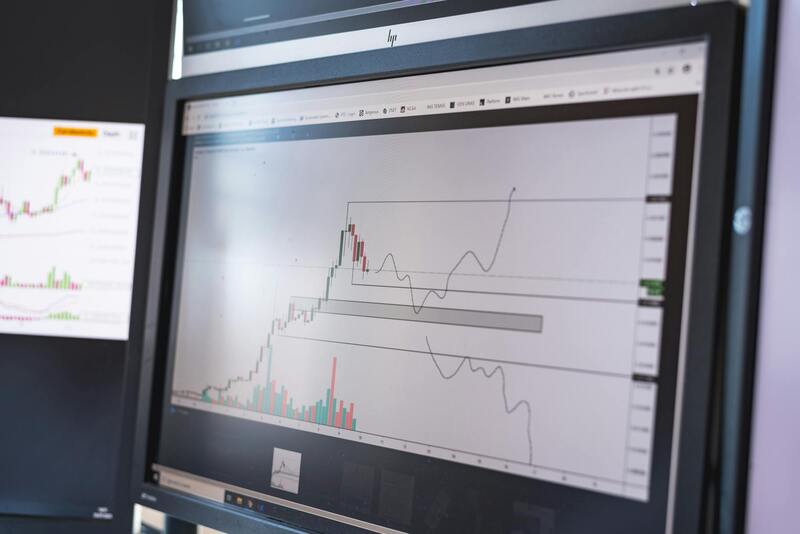
Trader reviewing performance metrics during a free trial evaluation Common Features of Free Trial Prop Firms
- Defined evaluation period with clear trading objectives
- Profit targets and maximum drawdown limits
- Pre-set risk management rules and trading parameters
- Access to trading platforms and analytical tools
- Structured feedback and progress tracking
- Post-trial mentorship or coaching opportunities
How to Find Reputable Free Trial Prop Firms
Locating trustworthy free trial programs involves a careful assessment of the firm’s reputation, transparency, and past success stories. Start by researching industry forums, reviewing feedback from past participants, and consulting experienced traders. A reputable firm typically provides detailed, clear documentation about their evaluation process, criteria for passing, and the terms of transitioning into funded trading roles. It is also beneficial to verify if the firm has established partnerships with recognized industry bodies, which can serve as a testament to their credibility.
Furthermore, selecting firms with transparent communication channels, comprehensive support systems, and a history of helping traders succeed can significantly increase the likelihood of a positive experience. Many leading prop firms publish case studies and testimonials that highlight their program’s fairness and efficacy, which can be useful guides in your decision-making process.
Criteria for Successfully Completing a Free Trial
Achieving success in a free trial program requires adherence to specific evaluation standards. Traders should focus on maintaining consistent profitability within mandated risk limits, demonstrating disciplined trading behavior, and effectively managing drawdowns. Consistency over the evaluation period is paramount, as it showcases the trader’s ability to sustain profits and control losses.
Developing a systematic approach—sticking to predefined strategies, keeping thorough trading records, and avoiding impulsive decisions—can significantly increase chances of passing. Traders should also prioritize continuous learning and self-assessment throughout the trial, using every trade as an opportunity to refine skills and strategies. Meeting the firm’s standards not only secures funding but also signifies readiness for more advanced trading environments and larger capital allocations.
Risks and Limitations of Free Trial Programs
Despite their many merits, free trial prop programs come with inherent challenges. Variability in evaluation criteria, strict adherence to trading rules, and limited flexibility during the trial can pose obstacles. Traders should be aware that failure to meet specific profit or risk management thresholds within the allotted timeframe might result in disqualification.
Additionally, some firms may have concealed fees, misleading marketing practices, or overly restrictive rules that could hinder genuine profit-making efforts. It is crucial to scrutinize the detailed terms and conditions of each program beforehand. Traders must also recognize that passing a free trial does not guarantee long-term success without sustained discipline, ongoing learning, and adaptability. Continuous performance improvement and cautious risk management are essential elements for thriving beyond the initial evaluation phase.
Understanding Free Trial Prop Firms
Free trial prop firms offer traders an opportunity to demonstrate their skills and trading discipline without initial capital investment. These programs are designed to evaluate a trader’s ability to follow risk management rules, maintain consistency, and generate profit within a defined framework. Typically, traders are provided with a simulated or real trading environment where their performance is closely monitored over a specified period, often ranging from a few weeks to a few months. Successful completion of the trial can lead to a funded trading account, allowing traders to operate with the firm’s capital and share in the profits.

Illustration of the evaluation process in a free trial prop firm Benefits of Free Trial Programs in Prop Trading
Participating in a free trial prop program provides several significant advantages. Primarily, they enable traders to access substantial trading capital without risking their own funds. This access can lead to higher profit potential, as traders are not limited by personal capital constraints. Additionally, free trial programs allow traders to evaluate the firm's trading environment, support systems, and risk management policies without financial commitment. They serve as an effective testing ground for refining trading strategies, gaining real-world experience, and demonstrating discipline under pressure. Successfully completing a free trial often results in a funded trading account, which can serve as a stepping stone toward building a sustainable trading career.

Key benefits of engaging in free trial prop programs for traders Common Features of Free Trial Prop Firms
While each prop firm has its unique approach, several core features are typically shared across reputable free trial programs:
- Defined Performance Targets: Clear profit goals and risk management limits that traders must adhere to during the trial.
- Evaluation Period: A specified timeframe within which traders need to demonstrate consistent trading performance.
- Trading Restrictions: Possible limitations on trading hours, instruments, or leverage to ensure controlled evaluation conditions.
- Progress Tracking: Regular assessments and feedback to monitor trader performance and progress.
- Post-Trial Funding: Fund allocation upon successful completion, often accompanied by a contractual agreement outlining ongoing rules.
How to Find Reputable Free Trial Prop Firms
Identifying trustworthy firms involves thorough research and scrutiny. Start by reviewing independent trader forums, industry reviews, and official websites. Legitimate firms typically provide transparent terms, detailed evaluation criteria, and clear communication channels. Assess the firm’s track record, history in the prop trading industry, and compliance with regulatory standards. It is also advisable to verify their credibility through third-party verification sources and to ensure they do not promote misleading promises or exorbitant fees. Connecting with experienced traders who have completed these programs can provide valuable insights into the firm’s operations and credibility.
Graphic illustrating research steps for selecting legitimate prop firms Criteria for Successfully Completing a Free Trial
Passing a free trial requires more than just making profits. Traders must meticulously adhere to the firm’s risk limits, trading rules, and evaluation criteria. Maintaining discipline and avoiding impulsive trading decisions are critical. It is essential to follow a well-defined trading plan, keep detailed records of trades, and continually evaluate performance against set benchmarks. Consistency, risk control, and strategic adaptability are vital for meeting the firm's standards within the allotted timeframe. Often, firms look for traders who demonstrate a balanced approach—profitable yet cautious—highlighting their ability to manage emotions and sustain performance in real-market conditions.
Risks and Limitations of Free Trial Programs
Despite offering a pathway to funded trading, free trial programs carry inherent challenges. The strict evaluation criteria and rigid trading rules can sometimes impede genuine profit opportunities. Traders must often operate within tight risk parameters, limiting flexibility and spontaneity. Market volatility and unforeseen events can lead to setbacks, risking disqualification if profit targets are not met or if risk management rules are breached. Additionally, some firms may have concealed fees, complex terms, or aggressive marketing tactics that require careful scrutiny. A failure to pass the initial evaluation does not diminish a trader’s skill but underscores the importance of understanding and adapting to the specific rules and environment of each program. Continuous learning and strategic refinement remain essential, even after initial setbacks.
Maximizing Opportunities with Free Trial Prop Firms
To make the most of free trial programs, traders should approach the process with methodical discipline. Developing a detailed trading plan aligned with the firm’s rules and practicing rigorous risk management can help navigate evaluation hurdles. Maintaining detailed trade records not only aids in performance review but also demonstrates professionalism and accountability to the firm. It is crucial to leverage resources such as trading journals, expert analysis, and continuous education to refine strategies. Behavioral discipline can be reinforced through mindfulness training and stress management techniques, which are essential during intense evaluation phases. Once funded, strict adherence to established risk protocols, ongoing performance reviews, and a commitment to continuous skill development are key to sustained success in funded trading environments.
