
Prop Trading Challenges: Navigating Market Complexities and Operational Hurdles
Proprietary trading, often referred to as prop trading, involves financial firms using their own capital to execute trades across various asset classes. While this approach offers significant profit potential, it is accompanied by a range of inherent challenges that demand careful navigation. Understanding these obstacles is essential for traders and firms committed to sustaining long-term success within this competitive environment.

Market Volatility and Trading Risks
One of the foremost obstacles in prop trading is the unpredictable nature of financial markets. Sharp fluctuations can dramatically impact a trader’s position, often leading to significant gains or losses within short periods. Managing these swings requires rigorous risk assessments and swift decision-making. Traders must develop robust strategies that can adapt instantaneously to changing conditions, such as sudden economic events, geopolitical developments, or unexpected market sentiments.
Market volatility not only affects individual trades but also poses systemic risks to trading portfolios. During turbulent periods, high leverage amplifies potential losses, making precise risk controls indispensable. Effective traders utilize sophisticated analytical tools, including real-time data analysis and predictive modeling, to anticipate potential shifts and hedge their positions accordingly.

Capital and Funding Constraints
Securing adequate capital remains a key challenge in prop trading. Firms need sufficient funds to support trading activities, cover operational costs, and withstand periods of market downturns. Limited funding can restrict a trader’s capacity to diversify their portfolio or exploit emerging opportunities. Moreover, maintaining liquidity during times of financial stress is critical to prevent forced closures of positions, which could result in substantial losses.
Many traders face the additional pressure of sourcing ongoing funding, especially as they seek to expand their trading volume. Capital constraints often necessitate disciplined trading practices, as overextending can lead to increased risk exposure and potential financial strain on the firm.

Trader Recruitment and Retention
The competitive landscape of prop trading demands top-tier talent capable of generating consistent profits under volatile conditions. Attracting skilled traders is a significant challenge, given the high stakes and demanding performance metrics associated with proprietary trading firms. Once recruited, retaining talented traders involves providing continuous support, competitive compensation structures, and growth opportunities.
High turnover rates can disrupt trading continuity and impact overall performance. Firms often invest in training programs and technological resources to foster a conducive environment that encourages trader loyalty and skill development.

Technological Infrastructure and Data Security
Proprietary trading firms rely heavily on advanced technological infrastructure — including trading algorithms, high-speed data feeds, and secure communication channels — to execute trades efficiently and accurately. Building and maintaining such systems pose significant technical challenges, requiring ongoing investments and expertise.
Data security is equally critical, as sensitive financial information and proprietary algorithms are vulnerable to cyber threats. Ensuring the integrity and confidentiality of data involves implementing robust cybersecurity measures, regular system audits, and compliance with industry standards. Failures in technology or security breaches can lead to operational disruptions, financial losses, and reputational damage.

Regulatory Compliance and Legal Risks
While not explicitly mentioning legal terms, it’s vital for prop trading operations to align with industry standards and operational best practices. This involves adhering to a broad set of guidelines designed to promote market transparency and protect investor interests. Non-compliance with operational protocols can result in penalties, operational suspensions, or restrictions that hamper trading activities.
Maintaining disciplined operational procedures and keeping abreast of evolving industry standards help firms mitigate associated risks. Regular audits and compliance checks form part of a strategic approach to uphold operational integrity and market reputation.

Risk Management Strategies
A strategic approach to risk management is essential for mitigating potential losses and ensuring sustainable profits. Prop trading firms implement various techniques, such as setting strict trading limits, employing stop-loss orders, and diversifying across different asset classes. Continuous monitoring of trading positions and market conditions enables quick adjustments and minimizes exposure to adverse events.
Employing a comprehensive risk management framework also involves stress testing portfolios against unlikely but impactful scenarios to understand vulnerability points. These practices help firms develop resilience against unexpected market shocks and enhance overall trading stability.
Summary of Key Challenges
- Managing market volatility and trading risks requires advanced analytics and swift response tools.
- Capital and funding constraints influence trading capacity and operational flexibility.
- Attracting and retaining skilled traders is vital for sustained performance in a competitive environment.
- Technological infrastructure demands significant investments and proactive security measures.
- Adherence to operational standards is critical to avoid penalties and operational setbacks.
- Implementing effective risk management strategies safeguards against market uncertainties.
Prop Trading Challenges: Navigating Market Volatility and Trading Risks
Prop trading firms operate within a dynamic environment characterized by rapid price movements, unpredictable market conditions, and complex asset interactions. These factors significantly elevate trading risks, demanding robust strategies and advanced tools to safeguard capital and optimize returns. Market volatility, driven by macroeconomic shifts, geopolitical tensions, and unforeseen events, can cause sudden and severe price swings. These fluctuations pose a persistent threat to traders aiming to execute profitable trades without exposing the firm to substantial losses.
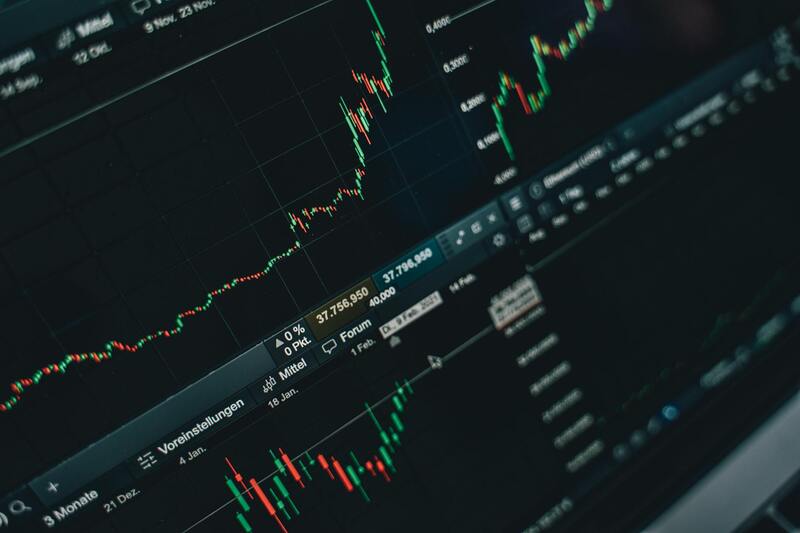
To counteract these risks, firms deploy comprehensive risk management frameworks that include real-time data analysis, automated loss controls, and strategic diversification. Utilizing advanced trading algorithms and predictive analytics enables traders to forecast potential market moves and adjust their positions proactively. Moreover, setting stringent risk parameters—such as maximum daily loss thresholds and position size limits—prevents overexposure and preserves capital during turbulent periods.
Within this context, continuous market analysis and stress testing become indispensable tools. Firms simulate various adverse scenarios to understand vulnerabilities within their trading systems and prepare contingency plans. These proactive measures enhance resilience, ensuring that traders can adapt swiftly to evolving market dynamics and minimize adverse impacts.
Implementing Effective Risk Controls
- Stop-loss orders: Automated triggers that limit potential losses by closing positions once predefined criteria are met.
- Diversification: Spreading investments across asset classes to reduce systematic risk exposure.
- Real-time monitoring: Utilizing high-speed data feeds and analytics to detect and respond to market signals instantly.
- Scenario analysis: Stress testing portfolios against hypothetical events to assess resilience and formulate mitigation strategies.
Successful prop trading operations rely on a synergistic blend of technological innovation, disciplined trading practices, and rigorous risk oversight to navigate the complexities associated with market volatility. This integrated approach helps protect firm capital, maintain operational stability, and capitalize on emerging opportunities despite unpredictable market conditions.
Market Volatility and Trading Risks
One of the most persistent challenges in prop trading involves managing the unpredictable nature of financial markets. Market volatility can cause sudden and severe price swings, which impact trading strategies and overall profitability. Traders must be adept at quickly adjusting their positions and risk parameters to adapt to rapid changes. The use of sophisticated analytical tools and real-time data feeds becomes essential in accurately assessing current market conditions and potential threats.
Furthermore, traders need to implement stringent risk management protocols to mitigate the impact of adverse events. Automated stop-loss orders help limit downside risks by closing positions once predetermined thresholds are hit, minimizing the likelihood of significant losses during volatile periods. Diversifying across various asset classes reduces systematic risk exposure, providing a buffer against turbulent market movements. Such diversification can include trading different instruments like stocks, commodities, and forex, each responding differently to economic shifts.
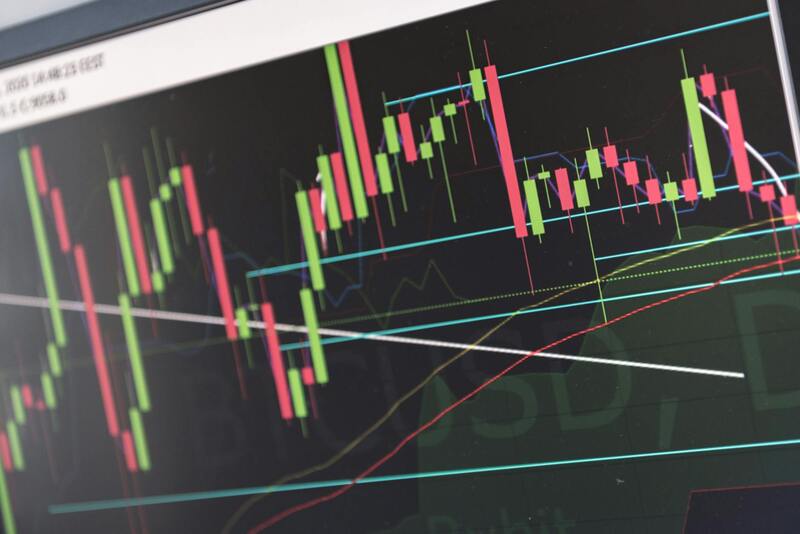
Real-time monitoring is also a crucial component. High-speed data analytics enable traders to detect market signals and execute trades swiftly, capitalizing on opportunities while limiting losses. Scenario analysis and stress testing further enhance resilience by examining how portfolios react under extreme conditions, allowing traders to develop contingency plans and adjust their strategies preemptively. These proactive steps ensure trading operations can withstand unexpected shocks and maintain stability even during periods of heightened market uncertainty.
Capital and Funding Constraints
The availability and management of capital significantly influence a prop trading firm's operational capacity. Limited funding can restrict the scale of trades, confine the diversification possibilities, and hinder the ability to respond to market opportunities swiftly. Maintaining adequate capital reserves is vital for supporting trading strategies, especially during downturns or volatile episodes where drawdowns might occur.
Firms often establish strict capital allocation rules and leverage controls to optimize resource utilization, ensuring that every trade adheres to the firm's risk appetite. Additionally, establishing relationships with multiple funding sources and maintaining liquidity buffers help sustain trading activities during periods of tight liquidity or increased market stress.
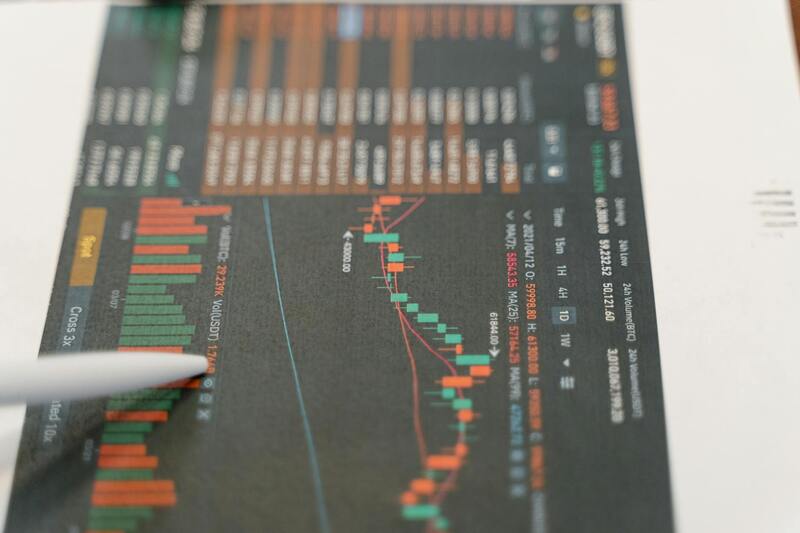
Access to continuous funding streams also allows traders to manage positions more dynamically and pursue diverse trading opportunities. As part of a comprehensive strategy, firms often review their capital structure regularly, adjusting their risk exposure and liquidity posture to align with current market realities.
Market Volatility and Trading Risks
Prop trading firms operate in an environment characterized by rapid and unpredictable market movements. The volatility inherent in financial markets poses substantial challenges to traders, who must continuously adapt their strategies to mitigate potential losses. Turbulent market conditions can lead to abrupt changes in asset prices, increasing the likelihood of margin calls and unexpected drawdowns. For prop traders, managing these risks effectively requires real-time data analysis, swift decision-making, and disciplined execution of predetermined risk parameters.
One of the core obstacles is the necessity to develop robust risk management frameworks that can withstand periods of heightened volatility. Such frameworks typically include stop-loss orders, profit targets, and position limits designed to contain potential losses. Implementation of these tools demands a disciplined trading culture that emphasizes adherence to established protocols, thereby reducing the impact of emotional biases that often exacerbate risk during turbulent times.
Moreover, market volatility calls for sophisticated analysis tools that can interpret complex data streams, including news feeds, economic indicators, and technical signals. Prop trading firms invest heavily in these analytical resources to anticipate market shifts and execute strategic trades proactively. However, even with advanced technology, the unpredictable nature of volatile markets can challenge risk controls and test the resilience of trading models.

Capital and Funding Constraints
Efficient capital management remains central to maintaining competitive advantage in prop trading. Limited capital reserves can hinder a firm's capacity to capitalize on fleeting opportunities, while insufficient funding may force traders to reduce position sizes or liquidate positions prematurely. Ensuring a steady flow of funding through diversified sources enables firms to sustain operations during downturns and market stress.
Firms face the challenge of balancing leverage and risk exposure. Excessive leverage can amplify losses, especially during volatile periods, whereas conservative leverage might restrict potential gains. To address this, many prop firms establish strict leverage controls aligned with their risk appetite. Regular review of capital allocation policies and liquidity buffers is essential to accommodate shifting market dynamics and prevent funding shortages that could impair trading operations.
Building relationships with multiple funding partners helps create a resilient capital structure capable of supporting diverse trading strategies. Implementing sophisticated risk-adjusted capital deployment strategies ensures that trading activity remains sustainable without jeopardizing the firm’s financial stability, even amid unpredictable market conditions.

Trader Recruitment and Retention
Securing skilled traders is a persistent challenge for prop firms aiming to sustain consistent performance. Highly qualified traders possess specialized knowledge and experience that enable them to navigate complex trading environments; however, attracting these professionals involves competitive compensation packages, attractive profit-sharing schemes, and a supportive work culture. The dynamic nature of prop trading demands continual talent acquisition efforts, as experienced traders may shift to other firms or sectors seeking better incentives.
Retaining top talent requires ongoing investment in training, technology, and professional development. Establishing clear career pathways and performance-based rewards encourages traders to enhance their skills and stay committed to the firm’s objectives. Additionally, maintaining an engaging environment that fosters collaboration and innovation can reduce turnover and promote long-term performance stability.
Furthermore, firms often implement comprehensive onboarding procedures to align new traders with their risk management policies and trading strategies. Regular performance reviews and feedback sessions help identify areas for improvement and reinforce compliance with internal standards, subsequently reducing the risk of costly mistakes or deviations from strategic goals.
Market Volatility and Trading Risks
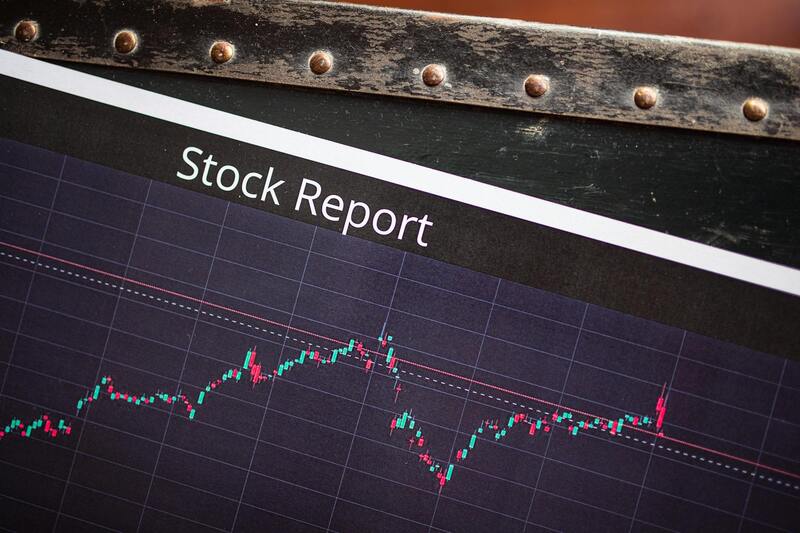
Proprietary trading firms operate within a landscape characterized by rapid market fluctuations and unpredictable economic events. Market volatility can significantly impact trading outcomes, posing a constant challenge to maintain consistent profitability. Unexpected shifts in asset prices, geopolitical tensions, macroeconomic releases, and sudden liquidity changes can lead to substantial losses, especially if not managed proactively.
To effectively navigate these risks, prop firms implement comprehensive risk management protocols that include dynamic stop-loss orders, position sizing strategies, and real-time monitoring systems. Advanced analytics and algorithmic trading tools assist traders in adapting swiftly to market movements, minimizing exposure during turbulent periods. Maintaining a diversified trading portfolio can also serve as a buffer against abrupt market corrections, spreading risk across various asset classes and trading strategies.
Furthermore, disciplined trading discipline remains paramount. Traders are trained to strictly adhere to preset risk parameters, avoiding overleveraging or impulsive decisions during volatile episodes. Regular scenario analysis and stress testing of trading strategies help identify vulnerabilities and refine risk mitigation plans, ensuring the firm remains resilient amid market upheavals.

Capital and Funding Constraints
Limited access to capital or restrictive funding conditions can hamper a prop trading firm's ability to scale operations or seize lucrative trading opportunities. Capital constraints might restrict the size of positions traders can take, thereby curbing potential profits and increasing the relative impact of transaction costs. Additionally, insufficient funding can lead to liquidity issues, making it challenging to exit positions at optimal prices and potentially exacerbating losses during adverse market movements.
To address these challenges, firms often maintain robust capital management frameworks that optimize the use of available funds. Establishing diversified funding sources, including partnerships or proprietary capital injections, can alleviate funding shortages. Proper capital allocation strategies ensure that trading risk is proportional to available resources, fostering sustainable growth while safeguarding against unforeseen losses.
Innovative financing arrangements such as performance-based profit-sharing or risk pooling arrangements can also empower traders, aligning incentives with firm stability. Regular assessment of capital adequacy ratios and liquidity profiles ensures the firm remains adaptable and prepared for market shifts that could strain financial resources.

Trader Recruitment and Retention
Choosing and Grooming Top Traders
Attracting highly skilled traders remains a key strategic objective for prop firms seeking to outperform competitors and sustain long-term growth. Successful recruitment involves a rigorous selection process that evaluates a trader’s track record, risk appetite, and strategic insight. Transitioning promising talent into the firm requires comprehensive onboarding procedures, including mentorship, risk management training, and alignment with firm protocols.
Retention strategies are equally critical. Competitive compensation combined with transparent profit-sharing schemes incentivizes traders while fostering loyalty. Providing ongoing training, professional development opportunities, and career progression paths strengthens engagement and reduces turnover. A collaborative environment that promotes knowledge exchange and innovation can positively influence trader satisfaction and productivity.
Building a Skilled and Committed Team
Creating an environment where traders feel valued involves transparent communication of expectations and performance metrics. Regular review sessions help identify skill gaps and tailor development initiatives accordingly. Recognizing and rewarding consistent performers encourages a high-performance culture integral to the firm’s success.

Technological Infrastructure and Data Security
Robust technological infrastructure underpins the efficacy of proprietary trading operations. Reliable hardware, high-speed internet connections, and advanced trading platforms enable traders to execute strategies efficiently and respond swiftly to market changes. Investing in scalable, flexible infrastructure ensures the firm remains agile amid evolving market conditions and technological advancements.
Equally vital is the protection of sensitive data and trading algorithms. Cybersecurity threats pose significant risks to proprietary trading firms, potentially compromising proprietary strategies and client information. Implementing multi-layered security protocols, regular system audits, and strict access controls is essential for safeguarding assets and maintaining operational integrity.
In addition, firms adopt disaster recovery plans and data backup solutions to ensure continuity in the face of technical failures or cyber-attacks. Staying ahead of cybersecurity threats requires ongoing staff training, investment in security technologies, and compliance with industry best practices.

Market Volatility and Trading Risks
One of the most persistent prop trading challenges stems from market volatility. Rapid and unpredictable price fluctuations require traders to continuously adapt their strategies to align with current conditions. During periods of heightened volatility, the potential for significant gains is coupled with increased risk exposure, demanding meticulous risk management practices to prevent substantial losses. Managing these risks involves deploying sophisticated analytical tools that can detect emerging trends and anomalies, enabling traders to make informed decisions swiftly. Additionally, setting clear risk thresholds and implementing automatic stop-loss mechanisms are crucial in limiting downside exposure during turbulent markets. Regular training on market dynamics further enhances traders’ ability to respond proactively, rather than reactively, to sudden market movements. Market volatility also affects the overall stability of a firm’s trading portfolio. Therefore, firms often diversify strategies across multiple asset classes and geographical regions to mitigate localized risks. Employing hedging techniques, such as options and futures, can serve as effective instruments to offset potential losses, ensuring that the firm remains resilient even during turbulent periods. Furthermore, continuous monitoring of market shocks, geopolitical events, and economic indicators allows firms to anticipate potential disruptions. This proactive approach helps in adjusting trader positions or strategies before adverse impacts materialize, thereby safeguarding the firm’s capital.

Capital and Funding Constraints
Managing capital efficiently is fundamental to overcoming prop trading challenges. Limited access to sufficient funding can restrict trading activities, especially when opportunities arise that require rapid deployment of capital to capitalize on fleeting market conditions. Prop trading firms operate within predefined capital limits, which necessitate strategic allocation to maximize returns while managing exposure. When capital constraints exist, traders must make meticulous decisions to prioritize high-probability setups, often sacrificing broader diversification for targeted risk-return profiles. Access to funding also dictates the firm’s ability to scale operations and explore new markets or instruments. Insufficient capital can hamper aggressive trading strategies, leading to missed opportunities during volatile periods when quick responsiveness is essential. To mitigate these issues, firms seek to optimize their capital resources through refined risk-adjusted performance metrics, ensuring that allocated funds deliver maximum value. Some firms establish credit lines or partnerships with financial institutions to bolster their capital pool temporarily, providing additional flexibility. Maintaining a balance between risk appetite and available capital is crucial. This involves implementing rigorous position sizing rules, adhering to well-defined trading limits, and continuously reviewing capital efficiency to adapt to changing market conditions and internal performance metrics.

Trader Recruitment and Retention
Building a team of skilled traders is vital for sustaining a proprietary trading operation. Recruiting traders who possess strong analytical skills, discipline, and resilience is often a complex process that requires careful evaluation of technical abilities and psychological endurance. Once recruited, retaining top talent becomes a continuous endeavor. Competitive compensation packages, performance-based incentives, and opportunities for career development play a key role in employee satisfaction. Establishing a transparent and meritocratic environment encourages traders to stay engaged and committed. Moreover, ongoing training and access to cutting-edge research and technology facilitate skill enhancement, keeping traders aligned with the firm’s strategic objectives. Creating a collaborative culture where traders can share insights and learn from each other further boosts talent retention. Firms must also be cognizant of burnout and stress management practices, given the high-pressure nature of prop trading environments. Offering support systems, flexible working arrangements, and mental health resources can help maintain trader well-being, ultimately reducing turnover. In addition, tracking performance metrics and providing regular feedback assist traders in understanding their development areas and growth potential, fostering continuous improvement and loyalty.
Market Volatility and Trading Risks
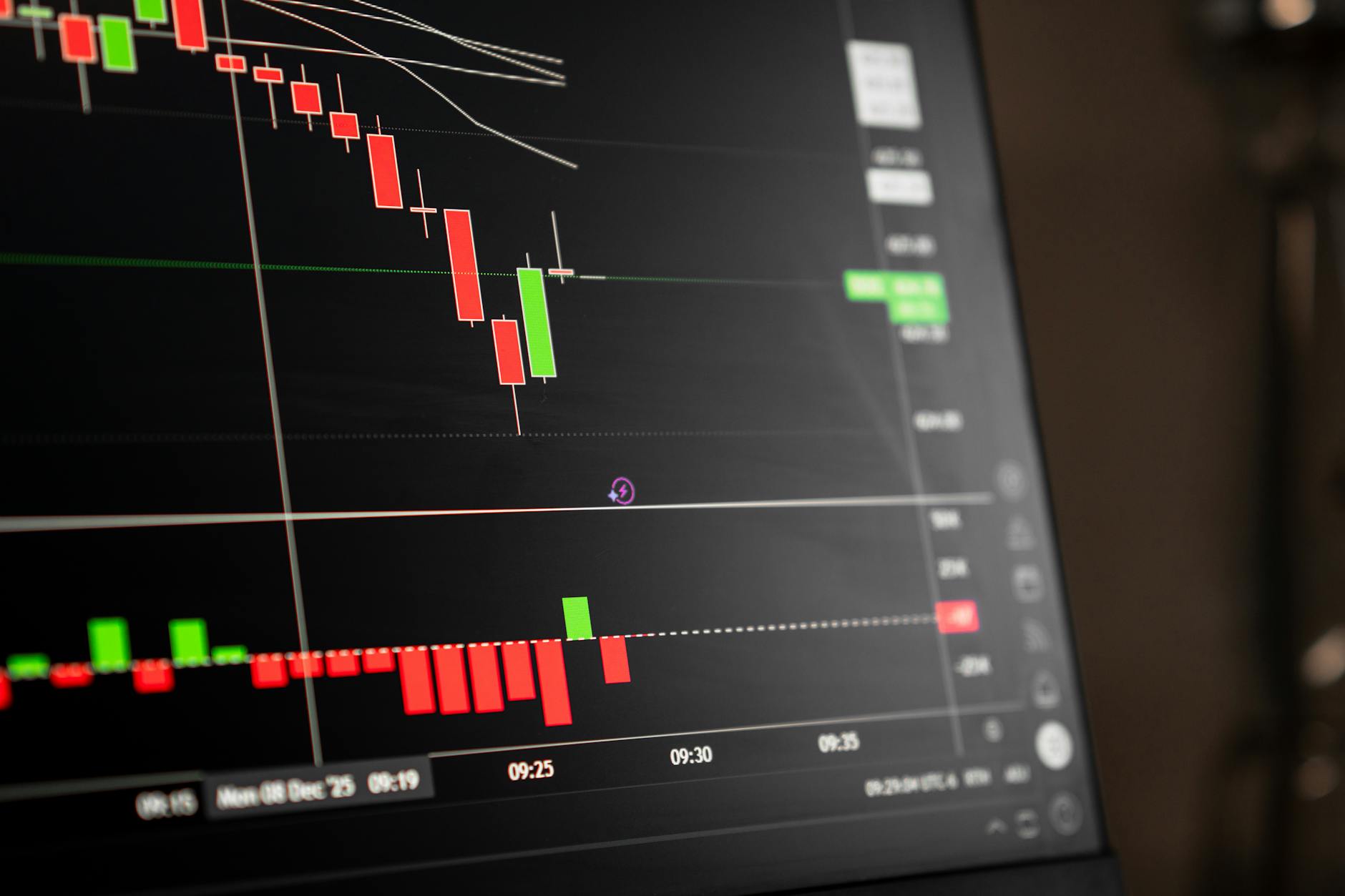
Proprietary trading firms navigate a landscape marked by unpredictable market behaviors and inherent financial risks. Fluctuations in asset prices, sudden economic shifts, geopolitical events, and unexpected market news can rapidly impact trading positions, sometimes leading to substantial losses. Navigating these dynamics requires traders to possess not only sharp analytical skills but also the ability to maintain composure under tumultuous conditions.
Effective risk assessment tools and real-time data analytics are essential in identifying exposure and adjusting positions accordingly. Strategies such as diversifying trading portfolios, setting conservative stop-loss levels, and maintaining disciplined leverage usage are critical in mitigating adverse effects of volatility. Maintaining liquidity for unforeseen market events is also a fundamental aspect of operational resilience.

Traders must stay ahead of market trends through diligent research and continuous education, ensuring they are equipped to react swiftly to emerging risks. Failing to adapt to rapid market changes can lead to significant drawdowns or missed opportunities, emphasizing the importance of agility and proactive risk management frameworks within prop trading environments.
Capital and Funding Constraints
Securing sufficient capital to sustain ongoing trading activities presents a persistent challenge for proprietary trading firms. Maintaining adequate funds not only allows traders to participate in diverse opportunities but also provides a buffer against unfavorable market movements. Limited capital can restrict trading size, reduce the ability to diversify, and increase the risk of significant losses on individual trades.
Moreover, firms often face the challenge of managing funding while ensuring compliance with internal exposure limits and external regulations. Efficient capital allocation demands sophisticated financial planning, real-time monitoring, and strategic reallocation to optimize trading outcomes.
In addition, fluctuations in available capital due to profit fluctuations or operational costs may necessitate dynamic adjustments in trading strategies. Capital constraints often compel firms to prioritize quality over quantity, emphasizing high-conviction trades and rigorous due diligence to maximize return on investment.

Trader Recruitment and Retention
Building a team of skilled traders is vital for sustaining a proprietary trading operation. Recruiting traders who possess strong analytical skills, discipline, and resilience is often a complex process that requires careful evaluation of technical abilities and psychological endurance.
Once recruited, retaining top talent becomes a continuous endeavor. Competitive compensation packages, performance-based incentives, and opportunities for career development play a key role in employee satisfaction. Establishing a transparent and meritocratic environment encourages traders to stay engaged and committed.
Moreover, ongoing training and access to cutting-edge research and technology facilitate skill enhancement, keeping traders aligned with the firm’s strategic objectives. Creating a collaborative culture where traders can share insights and learn from each other further boosts talent retention.
Firms must also be cognizant of burnout and stress management practices, given the high-pressure nature of prop trading environments. Offering support systems, flexible working arrangements, and mental health resources can help maintain trader well-being, ultimately reducing turnover.
In addition, tracking performance metrics and providing regular feedback assist traders in understanding their development areas and growth potential, fostering continuous improvement and loyalty.
Technological Infrastructure and Data Security
Robust technological infrastructure is central to successful prop trading operations. High-speed connectivity, reliable hardware, and advanced trading platforms enable traders to execute strategies efficiently and capitalize on fleeting opportunities within milliseconds. Ensuring system stability and minimizing downtime are ongoing challenges that require significant investment and proactive maintenance.
Additionally, data security is paramount, as proprietary trading strategies, client information, and financial data are highly sensitive. Implementing multi-layered cybersecurity protocols, regular security audits, and strict access controls help safeguard assets against cyber threats and internal breaches.

Integrating advanced analytics, machine learning, and algorithmic trading systems can provide a competitive edge. However, these innovations also add complexity, demanding ongoing updates and adept technical management to prevent vulnerabilities from exploitation.
Regulatory Compliance and Legal Risks
Operating within a framework of complex regulations requires diligent adherence to ensure smooth progression of trading activities. Firms must stay informed about evolving legislative requirements, reporting standards, and compliance protocols that differ across jurisdictions.
Failure to comply can result in penalties, operational disruptions, or reputational damage. Establishing comprehensive compliance programs, regular staff training, and audit procedures are essential in managing legal risks proactively.
Understanding the implications of trading on various markets and assets, including derivative products and leveraged instruments, necessitates a detailed knowledge of regulatory stipulations. Many firms leverage specialized legal counsel and compliance officers to oversee these responsibilities, ensuring all trading activities align with current standards.

Risk Management Strategies
Implementing structured risk management strategies is central to sustaining profitable operations in prop trading. Establishing predefined risk parameters, including maximum daily loss limits and position sizes, helps control downside exposure. Traders are often required to adhere to strict guidelines to prevent reckless trading behaviors that could threaten the firm’s stability.
Advanced risk assessment tools, such as real-time scenario analysis and stress testing, enable firms to evaluate potential impacts of extreme market conditions. These insights guide the design of contingency plans and adjustment protocols that can be activated swiftly during adverse scenarios.
Regular review and refinement of risk policies ensure they adapt to changing market conditions and technological advancements. Encouraging a culture of risk awareness, where traders understand the importance of disciplined risk-taking, is essential for long-term success and sustainable growth.
Market Volatility and Trading Risks
Market volatility presents an ongoing challenge for proprietary trading firms striving to maintain stable profitability. Sudden price swings and unexpected market movements can significantly impact trading positions, especially when leverage is involved. Firms mitigate these risks by employing advanced quantitative models that analyze market conditions, identify potential volatility spikes, and suggest risk-adjusted trading strategies. Risk controls, such as dynamic stop-loss orders and real-time position monitoring, are essential to prevent excessive losses during turbulent periods.
Traders need to stay informed about macroeconomic factors, geopolitical developments, and sector-specific news that can precipitate extreme price movements. Maintaining an adaptive trading approach, capable of responding swiftly to market shocks, is crucial. Many firms invest in high-frequency data feeds and sophisticated analytic tools that enable traders to detect early warning signals and adjust strategies accordingly. Implementing diversification across asset classes and trading styles further helps to reduce overall exposure to unpredictable market shifts.
Capital and Funding Constraints
Access to sufficient capital and ongoing funding constraints are common hurdles for prop trading entities. Limited capital allocation can restrict the scale and scope of trading activities, constraining profit potential and risking the inability to capitalize on high-probability opportunities. To optimize capital use, firms adopt rigorous capital planning, ensuring stringent allocation aligned with strategic objectives.
- Developing detailed budgets and funding plans aligned with expected trading performance.
- Engaging in stress testing to evaluate capital resilience under adverse conditions.
- Seeking diverse capital sources, including internal reserves and external investors, to enhance funding stability.
Maintaining a healthy cash flow and liquidity buffer is vital for absorbing losses, covering operational costs, and facilitating rapid deployment of new trading strategies during market dislocations. Firms also continuously review leverage policies to balance risk and reward, ensuring that trading positions do not compromise financial stability.
Trader Recruitment and Retention
Building a talented, committed team remains a critical challenge. The competitive landscape for skilled traders incentivizes firms to refine recruitment practices, offering attractive compensation packages and clear growth pathways. Fostering an environment conducive to trader retention involves providing ongoing training, performance feedback, and a culture that emphasizes disciplined risk-taking and ethical trading practices.
- Implementing comprehensive onboarding programs to accelerate skill development.
- Creating incentive structures that reward consistent, disciplined performance rather than short-term gains.
- Supporting professional growth through mentorship, education, and access to cutting-edge trading tools.
Furthermore, establishing open communication channels and a collaborative culture encourages traders to innovate, share insights, and remain loyal. Recognizing the importance of mental health support and work-life balance can also contribute to higher retention rates and a more resilient trading team.
Technological Infrastructure and Data Security
Robust technological infrastructure underpins successful prop trading operations. From high-speed execution systems to advanced analytical platforms, the technological backbone must be resilient, scalable, and continuously updated to keep pace with evolving market demands. Data security remains paramount; protecting sensitive trading algorithms, client information, and proprietary strategies mitigates risks associated with cyber threats and unauthorized access.

Implementing multi-layered security protocols, including encryption, intrusion detection systems, and frequency audits, is essential for safeguarding firm assets. Regular system audits and vulnerability assessments help identify potential points of failure, enabling proactive remediation. Investing in disaster recovery plans and backup systems ensures continuity during technical outages or security breaches. Additionally, integrating real-time monitoring and alerting tools enhances the ability to respond swiftly to operational disruptions or security incidents.
Regulatory Compliance and Legal Risks
Adhering to regulatory requirements is a continuous process. Compliance involves meticulous record-keeping, transparent reporting, and implementing internal controls to ensure all trading activities conform to prevailing standards. Many firms employ dedicated compliance officers and legal advisors to navigate complex regulatory landscapes, oversee audits, and ensure adherence to best practices for data handling and trading disclosures.
- Regular training for staff on evolving regulatory standards and internal policies.
- Automated compliance monitoring tools that flag suspicious activities or anomalies.
- Comprehensive audit trails to maintain transparency and facilitate smooth regulatory reviews.
Proactive engagement with regulators and industry bodies helps to anticipate upcoming changes and adjust internal policies accordingly. Vigilant monitoring of legal developments safeguards firms from unintended violations and associated penalties, maintaining the firm’s reputation and operational stability.
Risk Management Strategies
Effective risk management strategies are integral to sustaining profitable prop trading. Establishing clear risk limits, including maximum drawdowns and position sizes, forms the backbone of risk controls. Real-time analytics tools facilitate continuous monitoring of trading positions, enabling swift adjustments in response to market movements. Additionally, scenario analysis and stress testing provide insights into potential vulnerabilities under extreme market conditions, guiding contingency planning.
- Define and enforce strict trading limits based on risk appetite and capital capacity.
- Utilize real-time data and analytics to detect and respond to adverse market movements promptly.
- Implement automated risk controls to prevent breaches of risk thresholds.
- Regularly review and update risk policies to align with changing market dynamics and firm objectives.
Promoting a risk-aware culture among traders, supported by ongoing training and clear communication, enhances compliance with risk protocols. Documentation of all risk management activities ensures accountability and provides a basis for continuous improvement.
Adaptation to Market Changes
The ability to dynamically adjust strategies is vital, given the rapidly evolving nature of financial markets. Firms invest heavily in research and development, striving to refine models, incorporate alternative data sources, and adopt new trading methodologies. Continuous learning and technological upgrades enable traders to adapt to changing conditions, such as shifts in interest rates, currency fluctuations, or policy interventions.
Monitoring macroeconomic trends and integrating machine learning algorithms assist in forecasting future market behavior. Flexibility in strategy design, coupled with a disciplined testing environment, allows firms to experiment with new approaches without risking significant capital. Emphasizing innovation and agility ensures sustained competitiveness in the volatile landscape of prop trading.
