Definition and Role of a Prop Firm
Proprietary trading firms, commonly known as prop firms, serve a pivotal role within the financial trading landscape by providing traders with the necessary resources to engage in large-scale market operations. These firms operate as specialized entities that allocate their capital to skilled traders, enabling them to execute trades across diverse financial instruments such as stocks, futures, options, and forex. The core function of a prop firm centers on leveraging its accumulated capital and expertise to generate profit through strategic market participation, rather than through client funds or asset management.
Unlike traditional financial institutions that primarily focus on managing client portfolios, prop firms prioritize direct trading activities. They invest in their traders by furnishing advanced trading platforms, sophisticated analytical tools, and comprehensive risk management systems. This operational model allows traders to access greater leverage and market opportunities, often surpassing what individual retail traders can secure independently. The significance of prop firms in the trading industry lies in their capacity to foster an environment where talented traders can thrive by utilizing institutional-grade resources.
From a broader perspective, prop firms act as catalysts for innovative trading strategies, technological innovation, and market liquidity. Their ability to adapt rapidly to market changes and to implement complex algorithms plays a critical role in maintaining competitive edge within the industry. Furthermore, these firms contribute to the development of trading talent by offering structured evaluation programs that ensure traders meet specific standards of performance and risk management.

Importance in the Proprietary Trading Industry
The influence of prop firms extends beyond simple capital allocation. They serve as innovation hubs, promoting the adoption of cutting-edge trading technologies and methodologies. By supporting traders with substantial resources, prop firms facilitate the exploration of new strategies, which can lead to more efficient markets. Moreover, they act as vital liquidity providers, helping to ensure smoother market operations and tighter bid-ask spreads, especially during volatile periods.
In essence, a prop firm acts as an intersection point between financial markets and upward-trending trading talent, fostering an environment where success is regulated by skill and strategic insight. The paramount goal remains generating consistent profits through disciplined trading while managing inherent market risks effectively.
How Prop Trading Firms Operate
Proprietary trading firms employ a systematic approach to managing capital, deploying advanced trading strategies, and maintaining robust risk management practices. The core operational framework revolves around the allocation of significant trading capital to skilled traders, who execute strategies across various financial instruments, including equities, commodities, currencies, and derivatives. These firms often utilize state-of-the-art technology, such as algorithmic trading platforms and real-time data analysis tools, to maximize efficiency and seize market opportunities.

Early stages involve detailed research and strategy formulation, where traders and analysts work collaboratively to identify potential market inefficiencies or patterns. Once a strategy is established, it undergoes rigorous backtesting to evaluate its historical performance and robustness. This process helps in fine-tuning the approach before deployment in live markets. The trading infrastructure then executes these strategies systematically, often leveraging automation to minimize human error and capitalize on rapid market movements. Continuous monitoring and real-time adjustments are crucial components, ensuring that strategies adapt dynamically to changing market conditions.
Risk management is integral to the operation of prop firms. This involves setting predefined limits on exposure, implementing stop-loss orders, and employing sophisticated hedging techniques to protect capital. Risk controls are embedded within trading algorithms and manual oversight, maintaining a balance between aggressive market participation and prudent stewardship of assets. The firms also maintain liquidity buffers and capital reserves to sustain trading activity during downturns, ensuring operational continuity across different market cycles.
Funding and Capital Structure of Prop Firms
At the heart of a prop firm’s operation is its capital base, which supports trading activities across diverse financial markets. This capital can originate from the firm’s own accumulated profits or through external investment. Many firms maintain a split between internal funds and external capital, allowing flexibility in scaling trading operations and diversifying risk exposure. The structure is designed to optimize leverage while adhering to prudent risk parameters, facilitating maximal trading opportunities without overextending financial commitments.
Some prop firms operate with a reserve capital system, where a portion of the firm's funds is allocated for speculative trading, while other portions are reserved for contingency purposes and operational expenses. This strategic allocation helps sustain long-term trading activities and allows the firm to adapt to market volatility without jeopardizing overall stability.
Trader Recruitment and Evaluation
Recruitment processes are rigorous, centered on assessing both trading skills and risk management capabilities. Potential traders usually undergo comprehensive evaluation programs that include simulated trading, performance reviews, and behavioral assessments. These programs measure traits such as discipline, adaptability, and consistency, which are vital in a high-stakes trading environment.
Evaluation period parameters often involve trading a demo account under predefined rules that mimic real-market conditions. Successful candidates demonstrate the ability to generate consistent risk-adjusted returns and follow strict risk controls. Once evaluated, traders receive dedicated capital and resources to operate within the firm’s strategic framework. Continuous performance monitoring ensures that only the most disciplined traders maintain their roles, fostering a culture of accountability.
Profit Sharing and Compensation Models
Compensation structures in prop firms are typically performance-based, aligning traders’ incentives with the firm’s overall profitability. Common models include profit splits, where traders receive a percentage of their generated profits, and fixed salary components combined with performance bonuses. The percentage of profit sharing can vary significantly, often favoring traders who demonstrate sustained success or exceptional risk-adjusted returns.
This approach encourages traders to adopt disciplined strategies that balance risk and reward while fostering an environment of ongoing motivation and performance excellence. Properly structured profit-sharing schemes also serve as a mechanism for attracting top trading talent, as they directly link effort and skill with financial rewards.
Regulatory Environment and Legal Considerations
Operating within a well-defined regulatory framework is essential for prop firms, ensuring compliance with industry standards and national financial regulations. These firms develop internal policies and procedures aligned with relevant oversight bodies and market authorities, particularly regarding transparency, reporting, and operational safeguards. Such measures help protect both the firm and its traders by establishing clear guidelines for risk management, capital adequacy, and client confidentiality.
Legal considerations also involve establishing contractual agreements that outline the rights and responsibilities of traders and the firm, including terms related to profit sharing, confidentiality, and dispute resolution. Maintaining a compliant operational environment supports the firm’s reputation and facilitates sustained trading activities across different jurisdictions.
Definition and Role of a Prop Firm
A proprietary trading firm, commonly known as a prop firm, functions as a financial organization that employs its own capital to engage in trading across various markets, including stocks, forex, commodities, and derivatives. Unlike traditional asset management companies that trade on behalf of clients, prop firms focus on utilizing their own funds to generate profits through disciplined trading strategies. Their primary role is to identify market opportunities, execute trades, and leverage advanced technology and analytics to optimize trading performance.
Prop firms serve several key functions within the financial ecosystem. They act as a bridge between individual traders and large institutional markets, providing the resources, infrastructure, and capital necessary for successful trading activities. By doing so, they create an environment where skilled traders can apply their expertise without the constraints typically associated with personal capital. This setup allows firms to scale their operations swiftly while offering traders access to larger trading positions and sophisticated tools that might be unavailable to individual traders.
How Prop Trading Firms Operate
Prop trading firms operate through a combination of capital deployment, risk management, and strategic execution. These firms typically allocate a significant portion of their capital to high-conviction trades based on rigorous analysis and proprietary algorithms. Traders working within these firms often operate under specific guidelines designed to maximize profitability while maintaining risk controls.
The operational framework of prop firms centers on several core elements:
- Capital Allocation: Firms allocate their financial resources to traders who demonstrate discipline, skill, and consistent profitability. This capital is used to take large positions in the markets, aiming for incremental gains.
- Trade Execution: Advanced trading platforms and cutting-edge technology are employed to ensure swift and efficient order execution, minimizing slippage and execution risk.
- Risk Management: Strict risk management protocols are established, including position limits, stop-loss orders, and diversification strategies, to protect the firm's capital from significant losses.
- Performance Monitoring: Continuous evaluation of traders’ performance helps in adjusting trading parameters and providing targeted training or support.
Funding and Capital Structure of Prop Firms
Prop firms usually sustain their trading activities through a combination of internal capital reserves, external investment, and leverage. Internal reserves are accumulated from previous profits, while external funding may come from private investors or institutional partners. The firm’s ability to leverage its trading capital enables it to engage in larger positions, which are essential for capturing significant market movements.
Leveraging allows prop firms to amplify their capital base without necessarily increasing risk exposure proportionally. However, prudent use of leverage is critical, as it also magnifies potential losses. Proper risk controls and conservative leverage ratios are typically implemented to strike a balance between growth potential and safety.
Capital structure considerations also influence the firm’s strategic decisions regarding market participation, trade sizes, and risk appetite. Maintaining a robust capital framework ensures that the firm can withstand adverse market conditions while pursuing sustained profitability.
Funding and Capital Structure of Prop Firms
Prop trading firms rely on a sophisticated mix of funding sources to sustain their operations and facilitate trading activities. A primary component of their capital base is internal reserves, which are accumulated through consistent profitable trading, allowing the firm to reinvest in its trading infrastructure and personnel. These reserves serve as a buffer against market volatility and assist in scaling trading operations. Additionally, some prop firms secure external funding from private investors or institutional partners. Such external capital expands the firm's capacity for larger trades and increased market exposure, enabling it to capitalize on significant market movements that would be otherwise unattainable with internal reserves alone.
Leverage plays a crucial role in the financial architecture of prop firms. By utilizing borrowing or margin, these firms can amplify their trading positions without proportionally increasing capital outlay. This strategic leverage allows prop firms to pursue higher potential returns, but it also requires a disciplined approach to risk management to mitigate amplified risks. Proper leverage ratios are established to balance growth opportunities with the imperative of safeguarding capital, ensuring sustained operational stability.

The structure of funding in prop firms influences strategic decisions such as trade size, market selection, and trading strategies. A robust capital foundation provides the flexibility to adapt quickly to changing market conditions, pursue aggressive trading opportunities, and weather downturns. By maintaining an optimal mix of internal reserves and external investment, prop firms can ensure operational resilience while pursuing long-term growth and profitability.
Furthermore, the financial setup impacts how the firm approaches risk management and compliance with internal trading policies. Strong capital reserves enable the firm to absorb unexpected losses, reducing the likelihood of insolvency during volatile periods. Consequently, a well-balanced capital structure enhances confidence among traders, investors, and partners, forming a solid underpinning for sustainable trading success.
Funding and Capital Structure of Prop Firms
Prop trading firms operate with a unique financial architecture that centers around their capital structure and sources of funding. Unlike traditional investment firms, prop firms rely heavily on their own capital, supplemented by external investments or financing arrangements, to support extensive trading operations. The core of their capital structure is designed to provide sufficient liquidity and flexibility, enabling traders to execute large-volume trades across various markets.
Fundamentally, the capital structure in a prop firm often comprises a mix of internal reserves, borrowed funds, and sometimes investor capital, depending on the firm's strategic orientation. Internal reserves serve as a buffer against market volatility, allowing the firm to withstand adverse trading results and continue operations seamlessly. Borrowed funds, including lines of credit or margin facilities, amplify the firm's trading capacity, enabling it to take advantage of market opportunities with leverage.

The strategic deployment of these financial resources influences the firm's risk appetite, trading volume, and market reach. A solid capital base supports aggressive trading strategies, such as high-frequency trading or large-position investments, which require substantial funding to execute effectively. Conversely, maintaining a prudent balance between leverage and reserve funds ensures the firm's operational stability, particularly during volatile market periods.
Moreover, the structure of funding impacts compliance and risk management protocols. Firms with robust financial backing can afford to set aside reserves dedicated to risk mitigation, thereby enhancing their capacity to manage potential losses and maintain trading continuity. This financial resilience is crucial for sustaining trader confidence and facilitating long-term growth.
Whether through internal capital, external financing, or a combination of both, a prop firm's financial foundation must be meticulously managed. Proper capital allocation, risk mitigation strategies, and funding diversification are central to maintaining competitive advantage and operational integrity in the highly dynamic environments of global financial markets.

Funding and Capital Structure of Prop Firms
Proprietary trading firms rely heavily on an intricate setup of funding and capital allocation to sustain their trading operations and maximize profitability. Their capital structure typically comprises internal funds, external financing, or a combination of both, ensuring they possess the liquidity necessary to deploy diverse trading strategies across various markets.
Internal funds originate from the firm's own reserves, accumulated profits, and retained earnings, providing a stable financial backbone. This self-sufficiency ensures that the firm can execute large trades, lease advanced technology, and cover operational costs without depending excessively on external sources. External financing, including lines of credit and borrowed capital, offers additional liquidity to seize large-scale or time-sensitive market opportunities.
Effective capital management within prop firms involves strategic allocation to different trading desks and asset classes, based on risk assessments and market conditions. Risk management protocols often dictate that a portion of capital is set aside as reserves to buffer against potential losses, ensuring stability even during volatile periods. Diversified funding sources further enhance resilience by reducing reliance on any single financial stream, safeguarding the firm’s ability to respond swiftly to market fluctuations.

Capital structures also influence the firm's borrowing capacity, trading leverage, and overall risk profile. Firms that maintain a strong capital base can afford more aggressive trading strategies, including high-frequency trading and large position investments, which demand substantial financial backing. Conversely, prudent leverage ratios are crucial for minimizing exposure and maintaining operational stability during periods of heightened market uncertainty.
The deployment of available capital is meticulously planned to optimize profit generation while managing risk exposure. Many prop firms adopt dynamic capital allocation models that adjust based on real-time market insights, ensuring agility and competitiveness. Maintaining a balanced approach between leveraging funds for aggressive trading and preserving reserves for risk mitigation is fundamental to sustainable growth.
Trader Recruitment and Evaluation
An essential aspect of prop trading operations involves the recruitment and evaluation of traders. The success of a prop firm hinges on its ability to attract skilled traders capable of executing profitable strategies within the firm’s risk parameters. Recruitment processes often include rigorous assessments of trading performance, technical skills, and psychological resilience.
Evaluation methods encompass simulated trading tests, portfolio reviews, and ongoing performance monitoring. This thorough vetting ensures that only traders with demonstrated expertise and disciplined trading habits gain access to the firm’s capital. Once onboarded, traders are subjected to continuous evaluation frameworks, which track profitability, risk management, and adherence to trading protocols.
Some firms utilize proprietary scoring models that analyze trading behavior and decision-making patterns, ensuring alignment with firm's objectives. This structured approach helps in identifying high-performing traders and providing targeted support or remediation to those requiring improvement. Establishing clear performance benchmarks and accountability measures fosters a disciplined trading environment that prioritizes long-term stability over short-term gains.
Profit Sharing and Compensation Models
The compensation structure within prop firms plays a pivotal role in incentivizing traders and aligning their interests with the firm’s goals. Profit sharing models are predominantly designed to reward traders based on the profitability they generate, with specific arrangements varying across firms.
Common models include:
- Revenue Split: Traders receive a predetermined percentage of the profits they generate, often ranging from 50% to 80%. This model incentivizes traders to maximize their performance while maintaining risk discipline.
- Profit-Sharing Pools: Profits are aggregated into a pool, from which traders receive defined bonuses or shares based on performance metrics and tenure.
- Structured Advances and Draws: Traders may receive a fixed salary or advance against future profits, complemented by performance-based bonuses.
Beyond profit-based rewards, some firms implement non-monetary incentives such as additional capital allocations, advanced technology access, and professional development opportunities. These elements foster a committed and motivated trading environment, encouraging traders to refine their strategies and adhere to best practices.
Overall, transparent and performance-driven compensation models are essential for attracting top talent and maintaining high levels of operational efficiency within proprietary trading firms.
Funding and Capital Structure of Prop Firms
Proprietary trading firms operate with a distinctive financial foundation that differentiates them from traditional investment entities. Their core strength lies in leveraging pooled capital, which is often sourced from a combination of the firm’s own reserves, external investors, and sometimes, the trading capital provided by the firm's management. The primary goal of this structure is to allocate sufficient financial resources to allow traders to execute sizable trades, take calculated risks, and capitalize on market opportunities without overextending personal funds.
Unlike individual traders who rely heavily on personal savings, prop firms maintain a substantial capital reserve that enables them to sustain trading activities even during periods of market volatility. This capital is structured to support various trading strategies, including high-frequency trading, options trading, forex, and equities. The firm’s ability to deploy large amounts of capital while managing exposure is crucial in facilitating competitive trading performance and ensuring sufficient liquidity provision across markets.

Additionally, prop firms often establish financial frameworks that promote risk management through reserve buffers, risk limits, and capital allocation policies aligned with market conditions and firm objectives. Some firms also incorporate a tiered capital approach, where initial trading funds are gradually increased based on performance, risk management compliance, and strategic growth plans.
Trader Recruitment and Evaluation
The process of recruiting traders for a prop firm involves rigorous evaluation to identify candidates with the potential to generate consistent profits. This process typically includes multiple stages such as application screening, trading assessments, simulated trading tests, and interviews. The focus is on skills such as market analysis, risk management, discipline, and adaptability.
Evaluations are designed to determine not only trading acumen but also psychological resilience and adherence to the firm’s trading protocols. Many prop firms utilize technology-driven algorithms and scoring models to objectively assess candidate performance during simulated trading environments. This data-driven approach ensures that only traders with the highest potential for consistent profitability are granted access to the firm’s trading capital.
For the evaluation phase, candidates are often asked to demonstrate proficiency across different market conditions and asset classes, with specific emphasis on risk control and strategic planning. Once a trader passes these assessments, they typically undergo a probationary period where their live trading results are monitored and evaluated before full capital allocation is granted, ensuring alignment with the firm’s risk management standards.

Profit Sharing and Compensation Models
The financial incentive structure in prop firms is crafted to motivate traders to perform at their best while maintaining disciplined trading practices. Profit sharing is the primary compensation method, typically involving a predetermined split of net profits generated by the trader’s activities.
Common profit-sharing arrangements include:
- Revenue Split: Traders receive a percentage of the profits, often 50-80%, with the remaining allocated to the firm to cover operational costs and risk provisions.
- Profit-Sharing Pools: Profits are accumulated into a pooled account, with traders earning bonuses based on individual contribution and overall firm performance.
- Performance Bonuses and Fixed Salaries: Some firms combine a base salary with performance-based bonuses to ensure financial stability alongside incentive motivation.
Additional non-monetary benefits include access to premium trading technology, educational resources, and opportunities for advancement within the firm. These incentives serve to promote continuous professional development and loyalty among traders.

Regulatory Environment and Legal Considerations
Operating as a prop trading entity requires adherence to a set of industry standards and legal considerations designed to safeguard all stakeholders involved. While the specific regulatory landscape varies by jurisdiction, firms generally follow established compliance frameworks that govern financial operations, trader conduct, and operational transparency.
Prop firms often implement internal policies that align with anti-money laundering procedures, data protection mandates, and risk management protocols. This includes maintaining detailed records of trades and financial transactions, enforcing ethical trading standards, and ensuring that trader activities do not infringe upon market integrity.
Trade execution, capital allocation, and profit distribution are managed through legally structured agreements that clarify trader obligations, compensation terms, and risk responsibilities. These agreements are reviewed regularly to ensure ongoing compliance with evolving industry regulations and best practices.

Future Trends and Opportunities in Prop Trading
Emerging Technologies and Innovation
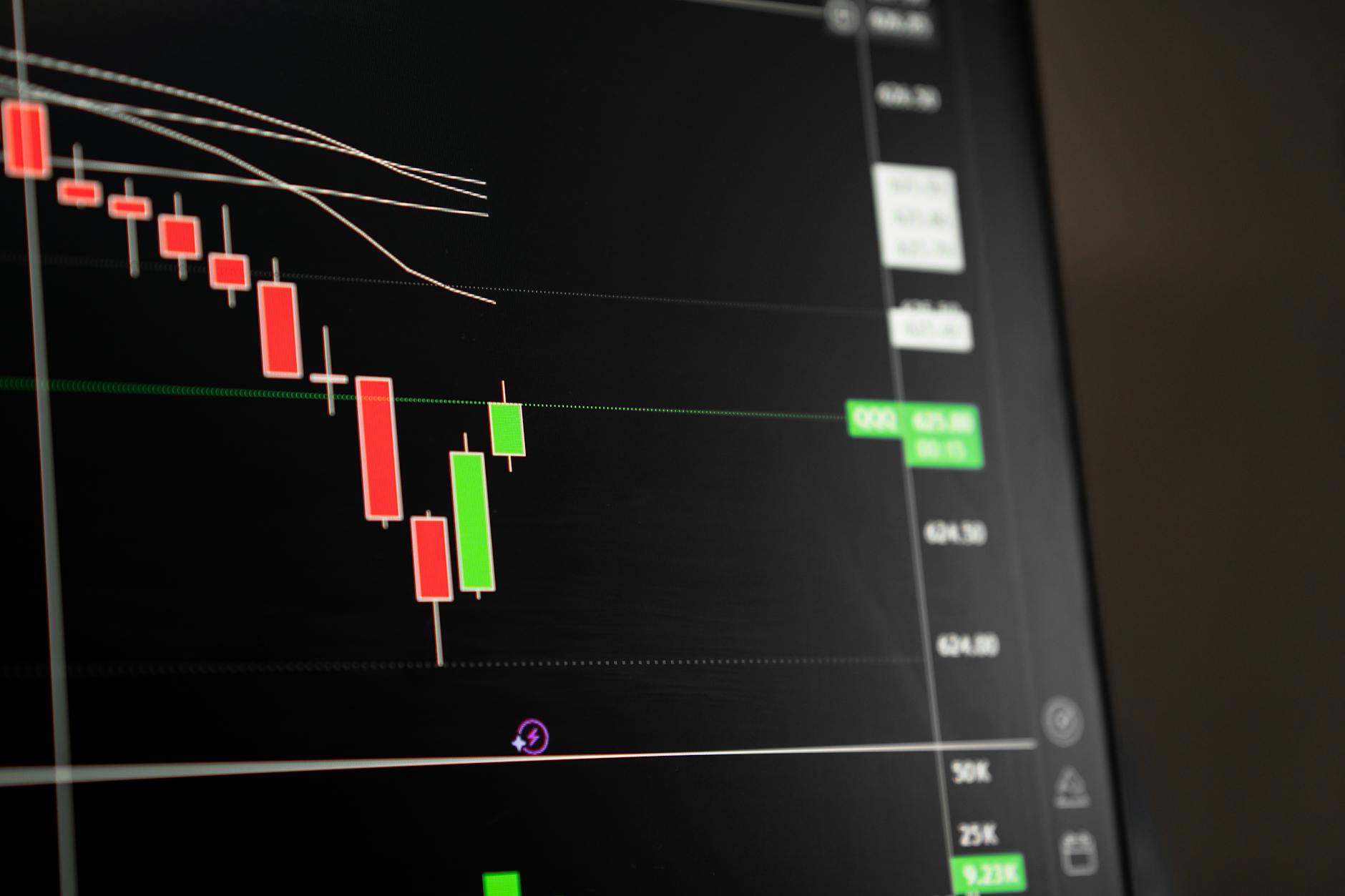
As the landscape of proprietary trading continues to evolve, technological advancements play a crucial role in shaping future opportunities. Artificial intelligence (AI) and machine learning algorithms are increasingly integrated into trading platforms, enabling more sophisticated data analysis, pattern recognition, and decision-making processes. These tools allow traders to execute strategies with higher precision and adapt swiftly to market changes. Enhanced algorithms also facilitate risk management by providing more accurate predictive analytics, helping traders and firms control exposure effectively.
Expanding Market Access and Asset Classes
Future prop trading initiatives may see increased diversification into emerging markets and alternative asset classes. Cryptocurrencies, digital assets, and tokenized securities are becoming more prominent, offering new pathways for profit but also requiring specialized knowledge and risk assessment techniques. As regulatory frameworks adapt to these innovations, prop firms will need to develop expertise that aligns with new market structures, broadening the scope of opportunities available to professional traders.
Technological Infrastructure and Data Security
Investment in robust, secure technological infrastructure remains a primary focus. High-frequency trading (HFT) and algorithmic strategies demand ultra-low latency systems and sophisticated data management solutions. Future prop firms will likely prioritize cybersecurity measures to protect sensitive trading algorithms, client data, and financial transactions. This heightened emphasis on security not only ensures operational integrity but also builds trust among traders and clients.
Training, Education, and Professional Development
As the industry becomes more sophisticated, continuous professional education is paramount. Prop firms are expected to expand their training programs to include emerging topics such as AI-driven trading, blockchain technology, and quantitative analysis. Platforms offering simulation trading environments and mentorship programs will become integral in cultivating skilled traders capable of navigating complex markets. These initiatives foster a culture of innovation and adaptability that benefits both the individual trader and the firm as a whole.
Career Pathways and Industry Growth
The trajectory of a proprietary trader often extends beyond initial trading roles. Successful traders may progress into risk management, trading desk leadership, or strategic development positions within the firm. Additionally, the expanding scope of prop trading opens doorways for interdisciplinary roles involving data science, software development, and financial analysis. As the industry grows, ongoing talent acquisition and development will be essential, leading to diverse career pathways and increased industry stability.