
What is a Proprietary Trading Firm?
A proprietary trading firm, often referred to as a prop firm, is a specialized financial institution that trades stocks, bonds, commodities, derivatives, and other financial instruments using its own capital rather than client funds. Unlike traditional investment firms or asset managers that handle third-party money, prop firms operate with the primary goal of generating profits through their own trading activities.
This distinctive approach allows proprietary trading firms to focus solely on strategic and tactical trading methods that capitalize on market opportunities. Their operations are governed by internal risk management policies and strategic goals rather than client demands. As a result, these firms usually employ highly skilled traders equipped with advanced tools and information to execute trades that maximize returns on their invested capital.
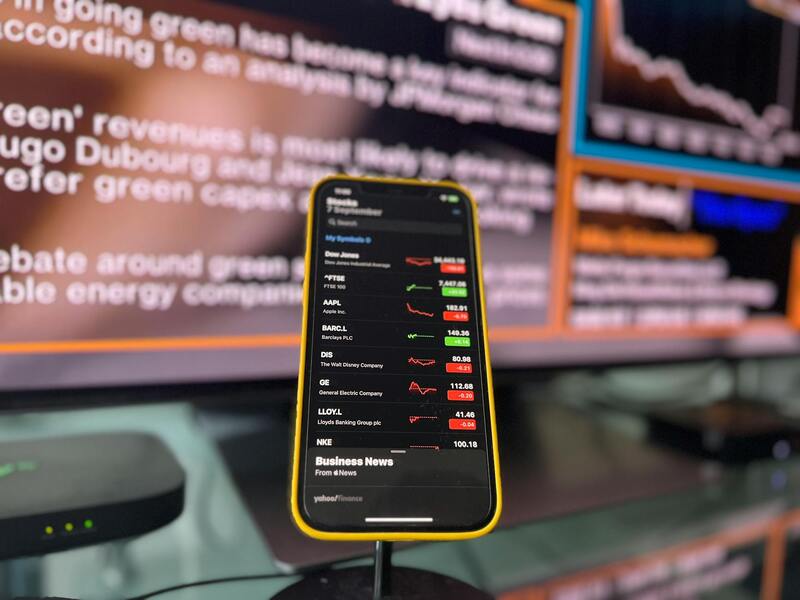
One of the defining features of a proprietary trading firm is its independence from client-driven investments, which sets it apart from brokerage firms and asset management companies. This independence allows these firms to take swift, strategic positions in the market without the constraints imposed by client mandates or external oversight. Consequently, they often take on higher risks, aiming for potentially higher returns, leveraging in-depth market analysis, quantitative models, and high-frequency trading techniques.
While some proprietary trading firms focus solely on short-term trading, others may implement longer-term investment strategies. Regardless of their specific approach, the fundamental characteristic remains their use of the firm's own assets to trade, aiming to profit from market movements and disparities.
In sum, a proprietary trading firm is a financial entity that actively engages in trading using its own capital. Its operational model and strategic execution distinguish it from other financial institutions, emphasizing agility, expertise, and a focus on maximizing trading profits within a controlled environment.
Functions and Business Model
Proprietary trading firms operate through a well-defined set of functions designed to optimize their trading activities and maximize profitability. These firms typically focus on identifying and executing high-probability trades by leveraging sophisticated analytical tools, proprietary algorithms, and cutting-edge technology. Their core business model revolves around deploying their own capital to capitalize on market inefficiencies, price discrepancies, or emerging trends, rather than managing client funds or offering investment advisory services.
Fundamental to their operations are several key functions:
- Market Analysis and Research: Prop firms invest heavily in both qualitative and quantitative research to identify viable trading opportunities. They often employ teams of analysts, data scientists, and quantitative traders to develop models that predict short-term market movements.
- Trade Execution: Leveraging advanced trading platforms and algorithms, these firms execute trades swiftly to gain competitive advantages. High-frequency trading, in particular, allows for rapid capital deployment within fractions of a second, capturing minute price differentials.
- Risk Management: Since trading involves significant risk, prop firms utilize rigorous risk controls, including stop-loss measures, position limits, and real-time monitoring systems. These parameters help contain potential losses and preserve capital.
- Capital Allocation: Allocating capital efficiently across various asset classes, such as equities, derivatives, fixed income, or currencies, enables the firm to diversify risk and pursue multiple trading strategies simultaneously.
- Technology and Infrastructure: Proprietary trading firms heavily depend on technological infrastructure, including data feeds, low-latency networks, and sophisticated trading software, to ensure their trading edge remains competitive.
Technological infrastructure is vital for prop firms for rapid trade execution and data analysis. Revenue generation for these firms is primarily derived from successful trading activities. Profits are reinvested into the business to finance ongoing research, technology upgrades, and to expand trading operations. This business model emphasizes agility, continuous innovation, and disciplined risk management to sustain profitability over time.
Types of Proprietary Trading Strategies
Proprietary trading firms employ a spectrum of strategies tailored to exploit different market conditions and trading horizons. These include:
- High-Frequency Trading (HFT): Utilizing algorithms to capitalize on small price discrepancies across markets with ultra-fast execution speeds.
- Scalping: Making numerous small trades to profit from minimal price movements within short time frames.
- Market Making: Providing liquidity by quoting buy and sell prices, earning from bid-ask spreads.
- Statistical Arbitrage: Exploiting statistical mispricings between related securities or indices through quantitative models.
- Momentum Trading: Riding market trends and buying assets that demonstrate upward momentum while shorting those exhibiting downward trends.
- Long-Term Algorithms: Some firms develop strategies that hold positions over extended periods based on fundamental or technical analysis.
Roles and Responsibilities of Traders
Professionals working within proprietary trading firms bear a range of responsibilities crucial for the firm's success:
- Strategy Implementation: Executing predefined trading strategies while adhering to risk controls and guidelines.
- Market Analysis: Continuously monitoring markets to adjust positions and identify new opportunities.
- Risk Oversight: Managing individual and aggregate exposure, ensuring adherence to risk parameters designed to protect the firm's capital.
- Data Analysis and Reporting: Contributing to the development of models and analyzing trade performance for ongoing improvement.
- Collaboration: Working in tandem with quantitative analysts, technology teams, and risk managers to refine strategies and improve execution.
Traders play a vital role in executing strategies and managing market risks within a prop firm. The fast-paced environment demands traders to possess strong analytical skills, discipline, and the ability to operate under pressure while maintaining a focus on the firm’s strategic objectives and risk appetite.
Understanding the Business Models and Strategies Employed by Proprietary Trading Firms
Proprietary trading firms are distinguished by their sophisticated execution of various trading strategies, tailored to capitalize on market inefficiencies and exploit real-time opportunities. The core business model revolves around deploying proprietary capital to generate profits through a range of financial instruments, including equities, derivatives, currencies, and commodities. These firms leverage advanced technology, data analytics, and quantitative models to optimize trading performance. Their success depends on the seamless integration of strategy development, risk management, and technological infrastructure to ensure that trading activities remain aligned with the firm's financial objectives.

State-of-the-art trading computer systems enable real-time decision-making within proprietary trading firms. Key Components of Proprietary Trading Business Models
- Quantitative and Algorithmic Strategies: Utilizing complex mathematical models, these strategies allow firms to execute trades at speeds and volumes impossible for human traders. Examples include statistical arbitrage, where small price discrepancies between related securities are exploited, and momentum strategies that ride market trends based on technical signals.
- High-Frequency Trading (HFT): Capitalizing on minuscule price movements over very short time horizons, HFT relies heavily on technology infrastructure and ultra-low latency systems. These strategies often involve placing thousands of orders globally within fractions of a second.
- Market Making: Firms provide liquidity by continuously quoting buy and sell prices for specific securities, profiting from bid-ask spreads. This strategy requires rapid execution and sophisticated risk controls to manage inventory risks.
- Discretionary Trading: Although many firms emphasize automated strategies, some maintain human traders who use fundamental analysis or discretionary judgment to identify trading opportunities, particularly in less liquid markets or during macroeconomic shifts.
Technological and Analytical Infrastructure
Proprietary trading firms invest heavily in cutting-edge technology, including ultra-fast data feeds, co-location servers near exchanges, and AI-powered algorithms. This infrastructure facilitates high-speed order execution, real-time market monitoring, and swift decision-making. Data analytics also play a crucial role in refining strategies, understanding market patterns, and predicting future movements, enhancing the firm’s competitive advantage.
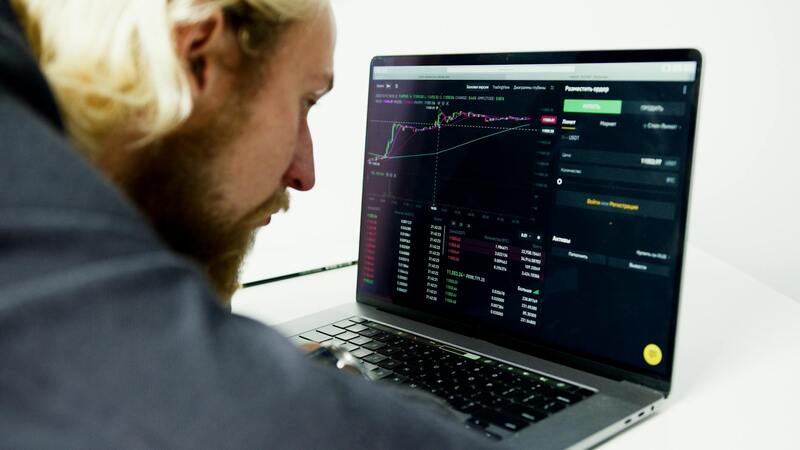
Advanced trading systems enable rapid order execution and real-time market analysis within prop firms. Risk Management and Capital Allocation
Effective risk management frameworks are central to the operation of proprietary trading firms, ensuring that trading activities do not jeopardize the firm's financial stability. This involves setting strict risk limits, real-time exposure monitoring, and employing sophisticated algorithms to adjust trading parameters dynamically. Capital allocation strategies are designed to balance potential returns with tolerable risk levels, often utilizing portfolio diversification and hedging techniques to mitigate adverse market movements.
Conclusion
The business model of a proprietary trading firm is characterized by its reliance on quantitative methods, technological superiority, and vigilant risk controls. These elements combine to provide the foundation for consistent profitability in highly competitive and rapidly evolving financial environments. By continually advancing their analytical and technological capabilities, prop firms aim to maintain a competitive edge and adapt to emerging market challenges and opportunities.
Roles and Responsibilities of Traders in Proprietary Trading Firms
Traders serve as the core operational force within proprietary trading firms, responsible for executing strategies that generate profits while maintaining adherence to firm protocols. Their duties encompass a broad spectrum of activities, including the development of trading plans, real-time decision-making, and continuous risk assessment. Successful traders possess a combination of analytical aptitude, technical skills, and psychological resilience, enabling them to navigate volatile markets effectively.
One of the primary responsibilities of traders is to manage risk proactively. This involves setting predefined limits on position sizes, stop-loss orders, and profit targets to prevent significant losses from adverse market movements. Traders must constantly monitor their exposure levels, adjust their trading parameters dynamically, and abide by the risk management frameworks established by the firm. This disciplined approach ensures that individual trades align with overall capital preservation objectives.
Decision-making is at the heart of a trader's role, requiring the ability to interpret a multitude of data sources, including technical indicators, order flow analysis, and market sentiment. Traders rely heavily on advanced trading platforms that provide real-time information, enabling swift execution of trades based on current market conditions. They often integrate quantitative models and algorithms into their strategies, overseeing their operation and intervening when necessary to optimize outcomes.

Traders utilize sophisticated platforms to execute high-frequency trades efficiently. Technical skills are crucial for traders in proprietary firms. Proficiency with programming languages such as Python, R, or C++ allows traders to develop, backtest, and refine automated trading algorithms. Strong analytical skills contribute to identifying profitable market patterns and understanding complex financial instruments. Effective communication and teamwork are also vital since traders often collaborate with quantitative analysts and risk managers to enhance trading strategies.
Additionally, psychological resilience plays a significant role, especially in high-pressure situations where market volatility can lead to rapid gains or losses. Maintaining emotional discipline helps traders stick to their strategies, avoid impulsive decisions, and adapt to changing market dynamics without compromising performance.
Continuing Education and Skill Development
Traders in proprietary firms are encouraged to pursue ongoing education, staying updated with the latest market trends, regulatory changes, and technological advancements. Many firms support professional development through training programs, certifications, and access to research resources. This continuous learning process ensures traders remain competitive and capable of leveraging innovative strategies to gain an edge in the marketplace.
By fulfilling these multifaceted responsibilities, traders contribute significantly to the firm's overall profitability and stability. Their expertise, discipline, and adaptability are essential in navigating the complexities of modern financial markets and driving sustained success within proprietary trading environments.
Understanding the Internal Operations and Strategies of Proprietary Trading Firms
Varieties of Proprietary Trading Strategies
Proprietary trading firms employ a diverse array of strategies to generate profits and manage risk effectively. These strategies can be broadly categorized into systematic, discretionary, and hybrid approaches, each requiring different skill sets and technological infrastructure.
Systematic Trading relies heavily on algorithmic and quantitative models. Traders and analysts develop complex mathematical formulas, often utilizing machine learning and high-frequency trading techniques to execute trades at lightning speeds. These models analyze vast datasets, identify patterns, and make trading decisions with minimal human intervention, allowing for rapid response to market shifts.

Automation and data analysis drive many proprietary trading strategies, enabling firms to capitalize on fleeting trading opportunities. Discretionary Trading involves traders making decisions based on their judgment, market experience, and technical analysis. These traders often monitor a range of indicators, news feeds, and economic data to anticipate market movements. Success in discretionary trading hinges on intuition, experience, and the ability to interpret complex market signals quickly.
Hybrid Strategies combine algorithmic models with discretionary insights. Traders may use automated systems to generate trade ideas or manage orders while applying their judgment to select the most promising opportunities. This approach seeks to optimize the strengths of both methods, balancing speed and analytical rigor with nuanced decision-making.
Roles and Responsibilities of Traders in Proprietary Firms
Within proprietary trading firms, traders play a central role in executing strategies and managing risk. Their responsibilities extend beyond simply placing trades; they are tasked with analyzing market data, developing new trading ideas, and adjusting strategies based on current conditions. Risk management is integral to their role, ensuring that the firm’s capital is protected against unforeseen losses.
Typically, traders operate within well-defined risk parameters, with strict adherence to internal controls and compliance protocols. They collaborate closely with quantitative analysts and risk managers to refine models and strategies continuously. The ability to adapt quickly to market fluctuations, maintain psychological discipline, and implement well-planned trading decisions form the core of a trader’s expertise.
Furthermore, ongoing education and skills enhancement are encouraged, with traders often participating in training sessions, industry seminars, and certification programs. Staying abreast of technological advancements, regulatory changes, and market developments ensures that traders remain effective and competitive in a rapidly evolving landscape.

Traders at proprietary firms utilize a mix of data analysis, strategic planning, and risk management to optimize profits. Roles and Responsibilities of Traders in Proprietary Firms
Traders are the core drivers of profitability within proprietary trading firms. Their responsibilities encompass a broad range of activities centered on executing strategies that capitalize on market movements while diligently managing associated risks. Unlike external traders or brokers who represent clients, traders in proprietary firms operate with the company's own capital, making their decisions crucial to the firm’s overall financial health.
At the heart of their role is market analysis. Traders must interpret real-time market data, identify potential opportunities, and make swift, informed decisions. This requires a deep understanding of financial markets, including equities, commodities, currencies, and derivatives, coupled with technical analysis tools and fundamental insights. Through these analyses, traders aim to pinpoint entry and exit points that maximize profits and minimize losses.
Risk management is integral, with traders adhering to strict internal limits designed to prevent catastrophic losses. They monitor exposures constantly, adjusting positions proactively to maintain a balanced portfolio aligned with risk appetite and market conditions. Collaboration with risk managers ensures that trading strategies stay within predefined parameters, safeguarding the firm’s capital.

Traders utilize advanced analytics and risk controls to optimize market opportunities. Beyond executing trades, traders participate in ongoing strategy development, financial modeling, and strategy testing. They analyze their trading performance, learn from losses, and refine their approaches through data-driven feedback. Continuous education is encouraged—traders attend industry seminars, participate in training programs, and keep abreast of technological advancements to sharpen their skills.
Effective communication with quantitative analysts and developers often forms part of their responsibilities, as they work together to improve algorithmic trading systems or develop new indicators. Additionally, adhering to compliance protocols and internal policies is critical, ensuring all activities align with regulatory standards and internal control requirements.
Psychological resilience and discipline are vital qualities in this environment. Traders must withstand market volatility and maintain a level-headed approach, avoiding impulsive decisions that could jeopardize the firm’s capital. Their ability to adapt quickly—adjusting strategies in response to changing market dynamics—serves as a key differentiator for successful proprietary traders.
In sum, traders in proprietary trading firms play a multi-faceted role that combines analytical expertise, strategic agility, disciplined risk management, and continuous learning. These elements collectively contribute to the firm’s ability to generate consistent profits in complex financial markets, making their responsibilities pivotal to sustained success and growth.
Understanding the Infrastructure and Operational Aspects of Proprietary Trading Firms
Technology and Trading Infrastructure
At the core of any proprietary trading firm lies a robust technological backbone designed to facilitate rapid data analysis, order execution, and risk management. These firms typically invest heavily in cutting-edge trading platforms, high-frequency trading algorithms, and secure data centers to ensure optimal performance and security. Advanced hardware and software allow traders to react instantaneously to market fluctuations, which is essential in high-volume and high-speed trading environments.
Connectivity is a critical component, often involving direct market access (DMA) that minimizes latency and ensures traders can execute orders with minimal delay. Many firms also develop or acquire proprietary trading algorithms tailored to specific strategies, which are continuously refined using real-time market data and historical analytics.
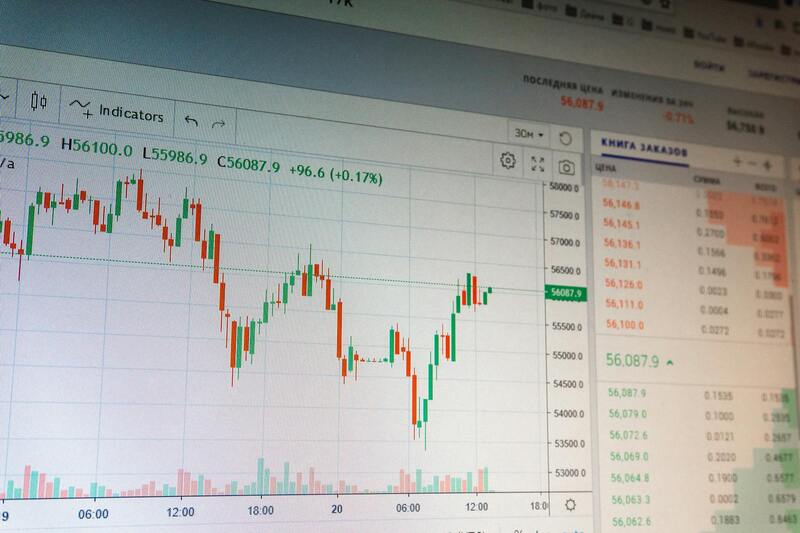
Cutting-edge trading infrastructure enabling rapid analytics and execution Data Management and Analytics
Data management is a foundational element in proprietary trading operations. Firms gather and process vast amounts of data from multiple sources, including exchange feeds, news outlets, economic reports, and social media. Sophisticated data analytics tools are employed to identify trading opportunities, detect market anomalies, and calibrate algorithms.
These analytics encompass statistical models, machine learning techniques, and pattern recognition to uncover actionable insights. Traders and quantitative analysts work collaboratively to interpret the data, develop predictive models, and backtest strategies against historical datasets. This data-driven approach enhances decision-making accuracy and reduces reliance on intuition, fostering a disciplined trading process.
Risk Management Strategies
Proprietary trading firms implement rigorous risk management frameworks to safeguard their capital. This involves setting predefined limits on position sizes, profit and loss thresholds, and market exposures. Real-time risk monitoring systems alert traders when they approach or breach these thresholds, prompting immediate action to mitigate potential losses.
Stress testing and scenario analysis are routinely conducted to evaluate how strategies perform under unusual market conditions. Leveraged trading and derivatives use are carefully controlled within the boundary of established risk parameters. Proper risk management is essential not only to shield profits but also to maintain the long-term stability of the trading operation.
Compliance and Internal Controls
While operating within high-stakes markets, proprietary trading firms uphold strict internal controls and compliance protocols. These include transparency in trading activities, detailed record-keeping, and adherence to internal policies designed to prevent conflicts of interest and maintain operational integrity.
Regular audits, staff training on regulatory requirements, and robust security measures are standard practices. The goal is to ensure that all trading activities align with the firm’s standards and the broader regulatory framework, thereby preserving the firm’s reputation and operational continuity.
Financial and Organizational Structure
Proprietary trading firms often organize themselves with a centralized management team overseeing different operational divisions such as technology, risk management, compliance, and trading. The financial model relies heavily on the firm's own capital, profit sharing, and sometimes incentive-based compensation structures for traders. This setup encourages traders to perform at their best while aligning their interests with the firm's overall goals.

Organizational structure of a typical proprietary trading firm Understanding the Core of Proprietary Trading Firms
Defining Proprietary Trading Firms
Proprietary trading firms, often referred to as prop firms, are financial organizations that allocate their own capital to engage in trading activities across various markets. Unlike brokers or asset managers who manage clients' assets, these firms prioritize profit generation through strategic market positioning using their resources. They operate independently, leveraging sophisticated trading techniques, advanced technology, and extensive market research to identify and capitalize on trading opportunities. The primary objective is to achieve significant returns on the firm's own investments through a variety of trading instruments including stocks, options, futures, forex, and other derivatives.

Properly structured proprietary trading firms utilize proprietary algorithms and strategies to maximize their trading potential. Functions and Business Model
The core operation of proprietary trading firms revolves around strategic market analysis, robust risk management, and disciplined execution of trades. Their business model centers on deploying capital efficiently and leveraging technological infrastructure to gain a competitive edge. Many prop firms operate with a decentralized approach, encouraging traders to utilize the firm's capital based on proven trading performance or through structured evaluation processes. The revenue model is primarily based on the profits generated from trading activities. Traders typically receive a share of their trading profits, incentivizing high-performance trading while maintaining financial discipline. This profit-sharing framework aligns the interests of traders with the success of the firm, fostering a performance-driven environment.

Leveraging advanced algorithms and technology plays a vital role in the success of a proprietary trading firm’s business model. Types of Proprietary Trading Strategies
Proprietary trading firms employ a broad array of strategies to navigate complex markets effectively. These strategies can generally be categorized into the following types:
- Technical Trading: Utilizes historical price data, chart patterns, and technical indicators to forecast future price movements.
- Fundamental Trading: Focuses on economic indicators, earnings reports, macroeconomic data, and other fundamental factors influencing asset prices.
- Quantitative Trading: Based on mathematical models and algorithms, often involving high-frequency trading to capitalize on minute price discrepancies.
- Market-Making: Involves providing liquidity to markets by continuously quoting buy and sell prices, earning profit through spreads.
- Arbitrage Strategies: Exploit price differences of the same asset across different markets or related assets to generate profit.

Many firms focus on sophisticated quantitative and algorithmic strategies to stay ahead in a competitive market environment. Roles and Responsibilities of Traders
Individuals working within proprietary trading firms carry a range of responsibilities that are critical to the firm’s success. These roles typically include:
- Trading Execution: Implementing trading strategies with precision, adhering to predefined risk parameters, and reacting swiftly to market movements.
- Market Analysis: Conducting technical and fundamental analysis to develop insights and identify emerging opportunities.
- Risk Management: Monitoring positions continuously, adjusting trades to control exposure, and adhering to risk limits.
- Strategy Development: Innovating and refining trading algorithms or approaches based on market trends and performance data.
- Compliance and Reporting: Ensuring all trading activities conform to internal policies and regulatory standards while maintaining detailed records for audit purposes.

Effective risk management and strategic execution remain fundamental for traders within proprietary firms. Navigating the Regulatory and Compliance Landscape
Proprietary trading firms operate within a framework that emphasizes transparency, accountability, and operational integrity. They implement strict internal controls to ensure adherence to established trading standards and procedures. Regular audits and staff training underpin compliance efforts, fostering a culture of responsible trading. The use of comprehensive record-keeping systems and security protocols helps protect sensitive data and trading strategies, facilitating oversight and continuous improvement. While market activity is aggressive, maintaining discipline and clear operational boundaries helps sustain the firm's reputation and operational longevity.

Dedicated compliance teams oversee regulations and internal policies to ensure consistent adherence across trading activities. Balanced Advantages and Risks
Proprietary trading offers substantial opportunities, including the ability to generate significant profits and develop cutting-edge trading skills. The firm's capital and resources provide traders with an environment conducive to exploring innovative strategies, often facilitated by advanced technology and analytics. However, inherent risks accompany these benefits. Market volatility, rapid price swings, and high leverage can lead to substantial financial losses if risk controls are not meticulously managed. Additionally, intense competition within the industry demands continuous skill enhancement and technological adaptation, making ongoing education and infrastructure investment essential for sustained success.

Successful proprietary trading requires balancing innovative strategies with disciplined risk management to sustain profitability over time. Pathways to Joining and Excelling in Proprietary Trading Firms
Prospective traders aiming to enter the proprietary trading space should focus on acquiring a comprehensive understanding of financial markets, trading systems, and risk management practices. Many firms prefer candidates with backgrounds in finance, mathematics, engineering, or computer science. Advancement often begins with rigorous evaluation processes that may include trading simulations, skill assessments, and interviews. Once onboarded, traders typically undergo ongoing training programs designed to sharpen their analytical abilities, familiarity with proprietary algorithms, and adherence to risk standards. Success within proprietary trading firms often hinges on consistent performance, innovative thinking, and the ability to adapt swiftly to market dynamics. Cultivating discipline, participating in continuous learning, and leveraging technological tools are crucial strategies for long-term achievement in this challenging environment.
