
Definition and Role of a Prop Trading Fund
A proprietary trading (prop trading) fund is a financial resource dedicated to enabling professional traders to execute trades using the firm's capital rather than individual investors' money. Unlike traditional investment avenues, prop trading firms focus on leveraging their own assets to generate profits through various trading strategies across different markets, including stocks, forex, commodities, and derivatives. These funds serve as the backbone of proprietary trading operations, supplying the necessary capital to traders who possess the skills, experience, and strategic approach to capitalize on market opportunities.
The primary role of a prop trading fund is to facilitate skilled traders by providing them with the financial means to execute trades without the constraints of personal capital limitations. This setup allows traders to employ sophisticated strategies, such as algorithmic trading, statistical arbitrage, and high-frequency trading, to exploit market inefficiencies. By pooling resources into a dedicated fund, proprietary trading firms can better manage risks, allocate capital efficiently, and optimize profit-generation potential, creating a mutually beneficial environment for both the firm and its traders.

In essence, a prop trading fund acts as the financial engine powering expert traders, enabling them to implement high-impact trading strategies while managing risk exposure effectively. The fund’s success depends on the firm's ability to select qualified traders, implement rigorous risk management protocols, and continuously adapt to changing market conditions, all while aiming to maximize returns on invested capital.
How Prop Trading Funds Operate
Operationally, prop trading funds are managed through a combination of strategic planning, risk management, and real-time execution. The firm allocates capital to traders according to their skill level, track record, and trading style, often divided into different accounts or segments to diversify risk. Traders are typically compensated through profit-sharing arrangements, which incentivize high performance and disciplined trading practices.
Risk control measures, such as predefined drawdown limits and position sizing rules, are integral to fund operations, helping prevent substantial losses that could jeopardize the entire fund. The use of advanced trading platforms and real-time analytics enables traders to identify market opportunities swiftly and implement trades with precision. Regular monitoring and performance evaluation ensure that the fund operates within its risk appetite while striving for steady growth.

Overall, the effective management of a prop trading fund combines strategic capital deployment, rigorous adherence to risk management practices, and cutting-edge trading technology. This integrated approach maximizes the potential for profits while maintaining stability within the dynamic environment of financial markets.
Operational Mechanics of Prop Trading Funds
Prop trading funds function through a meticulously coordinated process that begins with capital allocation, progresses through strategic trade execution, and incorporates continuous risk management to safeguard assets and optimize profitability. The initial step involves the fund’s managers evaluating the trading capabilities of their traders, assigning appropriate capital according to their skill levels, historical performance, and trading styles. This allocation is designed to foster a competitive environment while maintaining controlled exposure to market fluctuations.
Once traders receive their allocated capital, they utilize advanced trading platforms equipped with real-time data feeds, charting tools, and risk monitoring modules. These sophisticated systems enable traders to swiftly identify market opportunities, assess risk-reward ratios, and execute trades with precision. Proprietary algorithms and technical analysis further enhance decision-making processes, ensuring that trades align with the fund’s overall strategy and risk appetite.
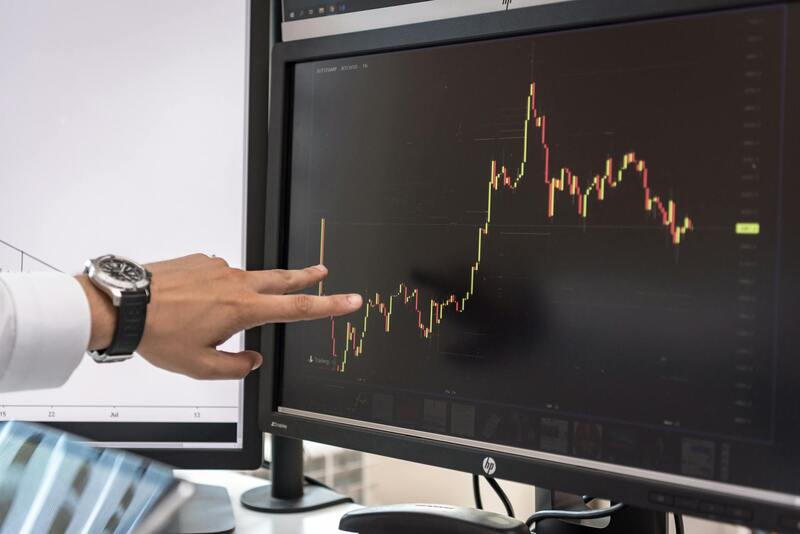
Trade execution is typically rapid, leveraging automation where appropriate to capitalize on fleeting market opportunities. During this phase, traders must adhere to strict guidelines concerning position sizing, margin requirements, and stop-loss orders. These safeguards serve as real-time risk control measures, preventing excessive losses and ensuring that individual trades do not compromise the entire fund.
The ongoing oversight involves a series of monitoring and evaluation activities. Performance metrics are tracked daily, enabling fund managers to identify trends, adjust risk exposure, and provide targeted coaching or feedback. Any significant deviations from expected performance trigger reviews to determine whether strategic adjustments are necessary, maintaining a continuous alignment with the fund’s risk management framework.

Key Elements of Prop Trading Fund Operations
- Capital Allocation: Distributing funds based on trader expertise and risk profile to optimize overall portfolio performance.
- Market Analysis and Trade Setup: Utilizing technological tools and technical indicators to identify high-probability trading setups.
- Trade Execution: Rapid, disciplined order placement respecting predefined parameters to manage risk effectively.
- Risk Monitoring: Continuous assessment of open positions and overall portfolio to prevent significant drawdowns.
- Performance Evaluation: Regular review sessions to analyze profit trends, identify weaknesses, and refine trading strategies.
This systematic approach ensures that each phase—from initial capital deployment to trade comfort and risk limits—is executed with precision and discipline, allowing the fund to operate resiliently within fluctuating market conditions.
Types of Prop Trading Funds
Proprietary trading funds are diverse, catering to various trader profiles and operational frameworks. Broadly, they fall into two principal categories: firm-owned funds and externally managed funds. Each type has unique characteristics that influence trader participation, operational strategies, and risk management approaches.

Firm-Owned Proprietary Trading Funds
These funds are directly managed and owned by the trading firm itself. The firm allocates capital internally to its traders, who execute trades under the company's strategic guidelines. This structure offers the advantage of unified risk control and streamlined operational management, making it easier to implement consistent trading policies. The firm's profit-sharing models often incentivize individual traders, aligning their success with the overall performance of the fund. Additionally, firm-owned funds tend to have stricter entry requirements and rigorous training programs to ensure traders adhere to the fund’s risk management standards.
Externally Managed Prop Trading Funds
External management involves third-party traders or hedge funds managing capital on behalf of larger institutional investors or proprietary trading firms. These funds often operate with a degree of independence and may employ diverse trading strategies across markets and asset classes. They are generally governed by contractual agreements outlining risk exposure limits and performance criteria. The external management model provides flexibility and access to a broader range of talent, but it requires robust oversight to ensure adherence to risk protocols and operational standards.
Hybrid and Specialist Funds
Some proprietary trading operations combine elements of both inward and outward management, creating hybrid structures to optimize resource allocation and strategic diversification. Specialist funds may focus on specific markets such as foreign exchange, commodities, or equities, tailoring their risk management and operational techniques accordingly. This specialization allows traders to develop deep expertise while maintaining strict control over exposure and risk factors.
Operational Variations and Filtration Processes
The internal operational framework often includes comprehensive trader vetting, skill assessments, and simulated trading tests designed to ensure only qualified traders get access to significant capital. For externally managed funds, rigorous due diligence is conducted on management teams, track records, and operational infrastructure. These procedures protect the integrity of the fund and safeguard stakeholders’ interests by maintaining high standards of performance and risk discipline.
Conclusion
No matter the structure, all proprietary trading funds emphasize disciplined risk management, strategic market analysis, and systematic performance evaluation. These core principles facilitate the robust functioning of the fund and contribute to sustained profitability in ever-changing market conditions.
Impact of Market Conditions on Prop Trading Fund Performance
Prop trading funds are highly sensitive to fluctuations in global financial markets. Changes in economic indicators, geopolitical developments, and macroeconomic policies can influence market volatility and liquidity, which directly affect trading opportunities and risk exposure. During periods of heightened volatility, prop trading funds may experience increased profit potential as market swings create more opportunities for strategic trades. Conversely, extreme volatility can also expose the fund to significant losses if risk management protocols are not meticulously adhered to.
Traders within these funds continually monitor market conditions, employing advanced analytical tools and real-time data feeds to adapt strategies swiftly. The ability to interpret macroeconomic trends and integrate them into trading decisions is vital for maintaining consistent performance. Fund managers often develop dynamic risk mitigation strategies that modify trading parameters during turbulent periods, minimizing potential losses while capitalizing on emergent opportunities.

Key Components of Prop Trading Fund Infrastructure
A robust operational infrastructure is essential for prop trading funds to perform effectively. This includes sophisticated trading platforms that enable rapid execution and order management, comprehensive risk management systems that monitor real-time exposure levels, and data analysis tools that support strategic decision-making. Additionally, established operational protocols ensure compliance with internal policies and external standards, which is fundamental for maintaining the integrity and stability of the fund.
Staffing also plays a critical role, with dedicated teams focused on compliance, technology support, and trading strategy development. These specialists work collaboratively to optimize the infrastructure, ensuring the fund operates seamlessly and can respond swiftly to market shifts. Regular audits and system upgrades further reinforce the effectiveness of these components, safeguarding the fund's assets and reputation.

Risk Management Strategies in Prop Trading Funds
Implementing comprehensive risk management strategies is fundamental to the success and stability of prop trading funds. These strategies encompass a mix of pre-trade analysis, real-time monitoring, and post-trade review processes. Risk limits are established to prevent excessive exposure in volatile markets, with automated alerts and stop-loss triggers designed to contain potential losses.
Position sizing, diversification across asset classes, and hedging techniques are critical tools used to mitigate risk. Additionally, traders are often required to adhere to strict trading disciplines that include setting daily loss thresholds and maintaining disciplined trade journaling for performance review. Ongoing training programs ensure that all team members stay informed about evolving market risks and are equipped with best practices for risk mitigation.
Operational Challenges Faced by Prop Trading Funds
Despite their potential, prop trading funds face several operational challenges that can impact their viability. Market unpredictability is a constant obstacle, requiring traders and risk managers to continuously adapt strategies. Technological failures or cybersecurity threats pose risks to trading infrastructure, potentially leading to significant financial losses or data breaches.
Furthermore, maintaining compliance with evolving industry standards and internal policies demands ongoing effort and resource allocation. Talent acquisition and retention also present hurdles, as securing skilled traders and support personnel is highly competitive. Ensuring seamless communication across teams and maintaining a cohesive trading environment are ongoing operational priorities that influence overall fund stability and growth.
Understanding the Structure and Management of a Prop Trading Fund
Official Funding Sources and Capital Allocation
Prop trading funds primarily operate through the capital allocated by the firm's management or external investors seeking targeted exposure to trading markets. This capital is strategically distributed across various asset classes to diversify risk and maximize returns. The fund's management team is responsible for ensuring that these funds are invested in a manner that aligns with the firm's overall risk appetite and strategic objectives. Proper allocation involves rigorous analysis of market conditions, potential opportunities, and risk assessments to optimize capital deployment.
Operational Oversight and Risk Management
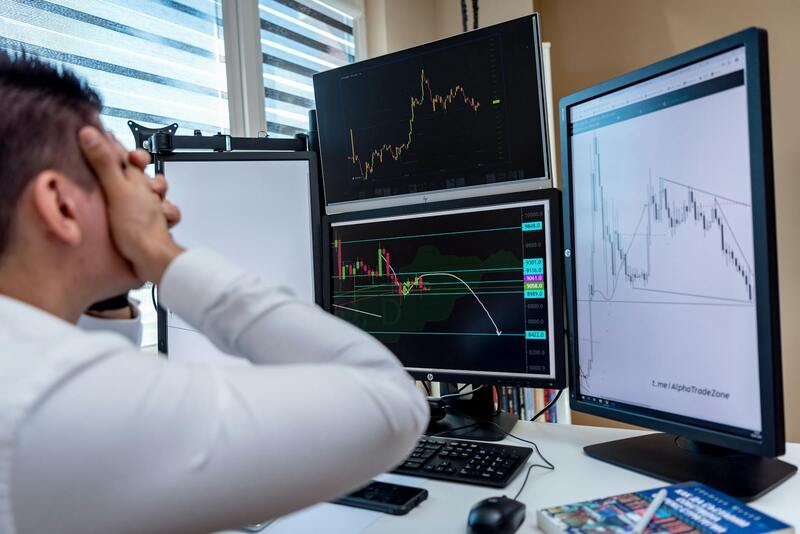
Effective management of a prop trading fund involves continuous oversight by experienced risk managers. These specialists evaluate trading activities, monitor exposure levels, and implement risk mitigation strategies to prevent excessive losses. Technology plays a vital role in this process, with advanced trading platforms providing real-time analytics and automated risk controls. Regular audits and performance reviews ensure adherence to internal policies, compliance standards, and strategic objectives.
Transparency and Reporting Protocols
Transparency within a prop trading fund is maintained through comprehensive reporting mechanisms that track trading performance, risk metrics, and compliance adherence. These reports are compiled regularly and reviewed by senior management to assess the fund’s health and to make informed decisions about future trading strategies. Detailed documentation helps uphold operational integrity and builds trust among stakeholders, whether they are internal investors or external oversight bodies.
Key Infrastructure and Technology Utilized
Fundamentally, a prop trading operation relies on cutting-edge technology infrastructure. High-frequency trading systems, algorithmic models, and data analytics platforms facilitate rapid decision-making and execution. Secure trading environments are also crucial to protect sensitive data from cyber threats, and disaster recovery plans are implemented to ensure continuous operation under adverse circumstances. These technological components enable the fund to operate efficiently in highly competitive and fast-paced markets.
Strategies Capable of Enhancing Fund Performance
Consistent success of a prop trading fund depends on sophisticated trading strategies that adapt to evolving market conditions. Quantitative models, market making, arbitrage, and momentum trading are among the preferred approaches. Risk-adjusted return optimization involves balancing potential gains with acceptable risk levels, which requires traders to employ disciplined trading routines and rigorous back-testing of strategies. Regular evaluation and refinement of these strategies help maintain competitive advantages and protect the fund's assets.

Understanding the Structure and Benefits of Prop Trading Funds
Key Advantages of Engaging with a Prop Trading Fund
Participating in a proprietary trading fund offers a range of strategic advantages for traders and investors seeking to expand their trading capabilities. One of the foremost benefits is access to substantial capital, which allows traders to execute larger positions than they might independently, thereby amplifying potential gains. This increased financial capacity is coupled with advanced technological infrastructure that might be inaccessible to individual traders, such as high-frequency trading platforms, sophisticated analytics, and secure trading environments. Another critical advantage is professional risk management. Prop trading funds often employ dedicated teams and robust frameworks to monitor and mitigate risks effectively, ensuring that trading activities align with predefined risk parameters. This disciplined approach helps safeguard assets and maintain consistent performance despite the volatile nature of financial markets. Moreover, being part of a prop trading environment fosters a culture of continuous learning and development. Traders benefit from collaborative strategies, mentorship opportunities, and access to diverse trading algorithms and models. As markets evolve, these funds update their trading strategies, giving participants an adaptive edge. Also, operating within regulated and transparent structures enhances confidence among traders and stakeholders, reinforcing the integrity of trading operations. Lastly, the streamlined infrastructure within prop trading funds allows for the execution of complex trading strategies with minimal latency, essential for high-frequency trading, arbitrage, and market-making activities. This technological edge enhances the ability to capitalize on market inefficiencies swiftly, thereby improving the profitability potential for traders involved.

Participation in a prop trading fund encompasses multiple strategic benefits, firmly positioning traders to leverage market opportunities while maintaining rigorous risk controls. This enables them to optimize their trading performance within a supportive and technologically advanced environment.
Understanding the Structure and Investment Strategies of Prop Trading Funds
Within the realm of proprietary trading, the structure of a prop trading fund is designed to optimize trading efficiencies and foster strategic growth. These funds typically operate by pooling capital from a group of traders or institutional investors, with a primary objective of generating high returns through diverse and often sophisticated trading strategies. By centralizing trading activities under one umbrella, these funds leverage shared research, cutting-edge technology, and collective expertise to capitalize on market opportunities that individual traders might find challenging to access alone.
One core characteristic of prop trading funds is the emphasis on agility and innovation—traits essential for navigating volatile markets. Funds invest heavily in technological infrastructure, such as high-frequency trading (HFT) platforms, advanced data analytics, and algorithmic trading systems. This infrastructure not only allows for rapid execution of trades but also provides a competitive edge by enabling traders to identify and exploit fleeting market inefficiencies with minimal latency. Additionally, some funds employ quantitative models and machine learning techniques to assess risks and optimize trade entry and exit points, making their strategies both dynamic and data-driven.

Core Investment Strategies Employed by Prop Trading Funds
The investment approach within prop trading funds is highly diverse, tailored to suit the fund's risk appetite and market outlook. Typical strategies include:
- Market Making: Consistently providing buy and sell quotes to facilitate liquidity and profit from the bid-ask spread, especially prevalent in equities and foreign exchange markets.
- Arbitrage Opportunities: Exploiting price discrepancies across different markets, assets, or derivatives to lock in risk-free profits.
- Trend Following: Harnessing technical indicators and momentum signals to ride prevailing market trends for sustained gains.
- Momentum Trading: Capitalizing on short-term price movements based on high-volume trades and news catalysts.
- Scalping: Making numerous quick trades to capture small price movements, often within fractions of a second, requiring sophisticated technology and fast execution speeds.
Resource Allocation and Risk Management
Effective resource allocation is vital to ensure profitability and stability. Prop trading funds allocate capital based on the perceived risk and return potential of specific strategies, often employing dynamic sizing models. Risk management remains integral, with predefined risk limits, stop-loss orders, and continuous monitoring to prevent excessive losses or exposure to adverse market movements.
Further, risk analytics and back-testing of trading algorithms allow funds to adapt their strategies to evolving market conditions. This proactive approach helps mitigate downside risks and ensures that trading activities remain aligned with the fund's overall performance objectives.
Image Placeholder
Understanding the Private Investment and Evaluation Process of Prop Trading Funds
Engaging with a prop trading fund involves a comprehensive evaluation process designed to assess a trader's skill, strategy robustness, and risk management capabilities. Unlike traditional employment models, participation often begins with an accounting phase, where aspiring traders demonstrate their ability to generate consistent profits within a simulated environment or a structured challenge. This phase serves as a rigorous filter, ensuring that only traders who exhibit disciplined trading practices and strategic consistency proceed to the next stages.
During this evaluation, traders are typically required to adhere to specific trading parameters, such as maximum drawdowns, daily profit targets, and position sizing rules. These constraints test traders' capacity to manage risk effectively while exploiting market opportunities. The emphasis on disciplined execution is fundamental, given that prop trading funds rely heavily on systematic and repeatable trading behaviors rather than impulsive decisions.
Post-evaluation, successful traders undergo an onboarding process that may include further training or familiarization with the fund’s proprietary trading systems and compliance requirements. This phase ensures traders are well-versed in the operational protocols and risk parameters, aligning their trading with the fund’s overall strategy framework.
Performance Monitoring and Continuous Assessment
After commencement, traders are subject to ongoing performance evaluations. These assessments involve real-time monitoring, review of trading logs, and periodic audits to verify adherence to trading rules. The evaluation criteria extend beyond profitability to include consistency, risk-adjusted returns, and adherence to risk management protocols.
Implementing regular review processes helps in identifying potential issues early, allowing for corrective measures such as additional training or trading restrictions if necessary. This layered approach ensures sustained profitability and minimizes the likelihood of significant losses, safeguarding both the traders’ and the fund’s interests.
Data-Driven Decision Making and Transparency
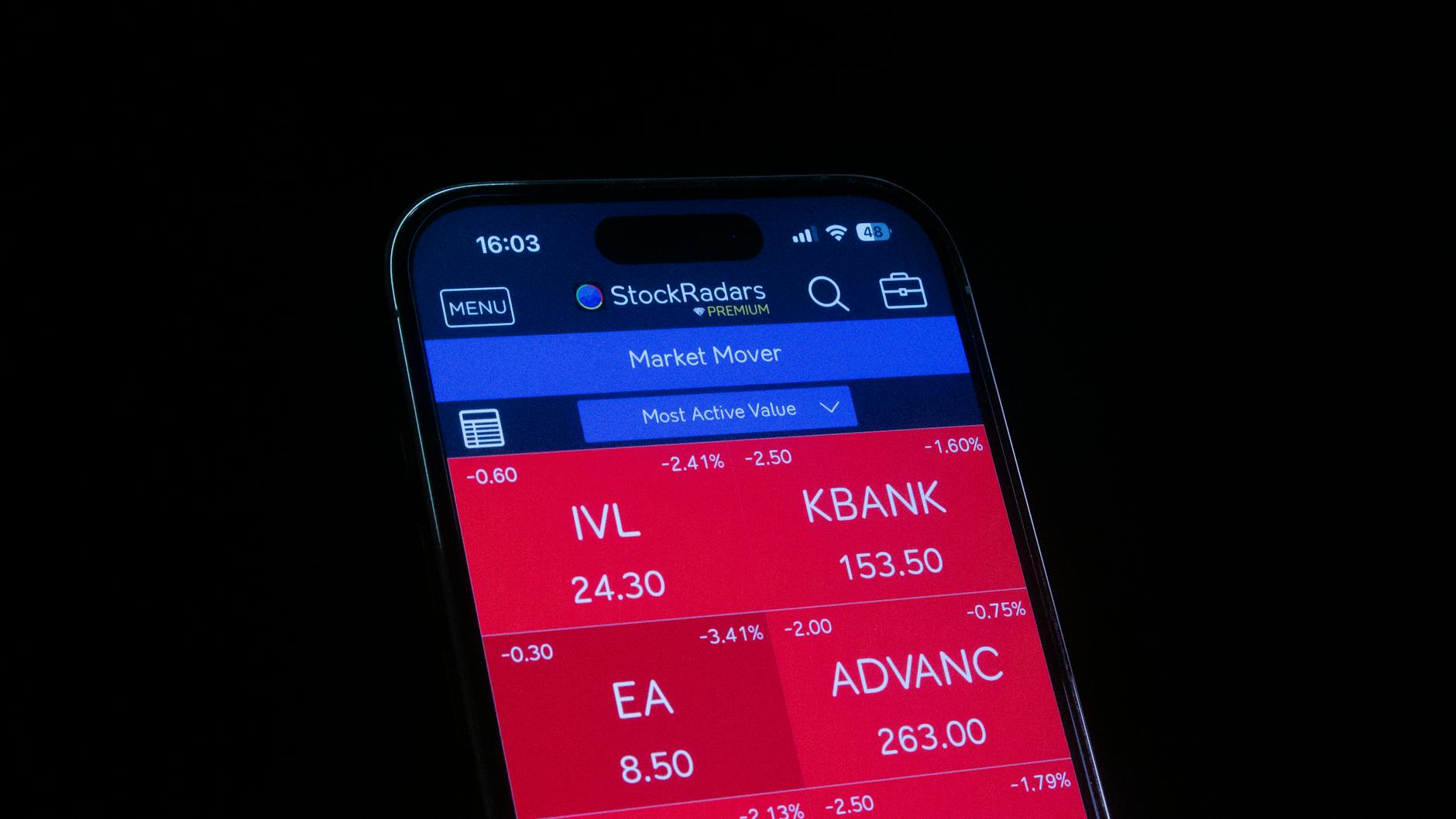
Modern prop trading funds leverage advanced data analytics and reporting tools to maintain transparency and facilitate informed decision-making. Traders often gain access to dashboards that display real-time performance metrics, risk exposures, and compliance status. These tools enable traders to recognize patterns, refine their strategies, and adjust their trading activities proactively, ultimately fostering a culture of continuous improvement.
The assessment process within prop trading funds is a disciplined, data-driven journey rooted in consistent performance, strategic alignment, and rigorous risk governance. This approach not only enhances the skill development of individual traders but also promotes a resilient trading ecosystem capable of navigating various market conditions effectively.
