
Overview of Proprietary Trading and Prop Firms
Proprietary trading, commonly known as prop trading, involves financial institutions or specialized companies that trade stocks, commodities, currencies, and other financial instruments using their own capital. The primary aim is to generate profit from market activities, rather than on behalf of clients. Prop firms have become an essential part of the financial ecosystem by offering traders the opportunity to access significant capital, advanced trading tools, and sophisticated risk management systems.
These firms serve as catalysts for talented traders looking to advance their careers without the constraint of personal capital limitations. Through a proprietary trading firm, traders gain access to a structured environment that provides essential resources such as professional mentorship, cutting-edge technology, and strategic trading strategies. This enables traders to focus on honing their skills and executing profitable trades while the firm manages the logistical and financial risks involved.

Prop firms typically operate by providing capital to skilled traders who meet specific performance and risk criteria. In return, the firms often take a share of the profits generated, creating a mutually beneficial relationship. This model not only fosters a competitive environment but also promotes responsible trading practices through rigorous risk management protocols. Traders benefit from extensive training and resources, while firms leverage their capital to maximize market opportunities. Overall, prop trading firms play a pivotal role in facilitating market liquidity, fostering innovation in trading methodologies, and supporting the growth of professional traders worldwide.
Reputation and Reliability of Prop Firms
When assessing the best prop firm, evaluating its reputation and long-term reliability is paramount. Renowned firms build their credibility through transparent operations, consistent performance, and positive feedback within the trading community. Traders should thoroughly research the firm’s history, industry standing, and client testimonials to gauge its stability and trustworthiness.
A reputable prop firm maintains clear communication channels and provides comprehensive onboarding processes, ensuring traders understand the firm’s policies and expectations. Consistent payout history and the absence of unresolved disputes indicate a firm’s commitment to maintaining high standards of integrity. Furthermore, firms that participate actively in industry forums and maintain positive relationships with regulatory bodies demonstrate a mature operational framework.
In addition, the longevity of a prop firm can be a strong indicator of its financial health and operational effectiveness. Firms that have navigated various market cycles without compromising their commitments are often more reliable for traders seeking a stable environment. Transparency in profit-sharing arrangements and trading terms further enhances trust, allowing traders to focus on their strategies without concerns over hidden fees or sudden policy changes.
A comprehensive review of these aspects helps traders identify firms that prioritize ethical practices and long-term partnerships, making them among the best options for sustained trading growth.

Trading Conditions and Risk Management
Optimal trading conditions and robust risk management protocols are essential components that distinguish high-quality prop firms. The best firms offer competitive trading environments with access to advanced trading platforms and real-time market data, which are vital for executing precise and timely trades.
In addition, the firm’s risk management policies must be transparently communicated and rigorously enforced. These include daily loss limits, position size restrictions, and comprehensive review processes to prevent excessive risk-taking. Such measures protect both the trader and the firm from significant drawdowns, fostering a sustainable trading ecosystem.
Firms with strong risk management practices often incorporate automated monitoring systems that alert traders of potential violations, ensuring compliance and immediate corrective actions. They also provide ongoing training to improve traders’ understanding of risk controls and market behavior.
Furthermore, a firm’s flexibility in offering various trading styles—whether day trading, swing trading, or longer-term positions—enables traders to align their strategies with the firm’s risk parameters. This alignment enhances the trader’s ability to perform consistently while adhering to disciplined risk protocols.

Careful evaluation of these factors ensures traders can operate within a secure environment that supports their growth while minimizing potential financial setbacks. The combination of favorable trading conditions and effective risk controls makes a prop firm stand out as a reliable partner for professional trading pursuits.
Types of Prop Trading Models
Understanding the various proprietary trading models available is crucial for traders seeking the best prop firm that aligns with their trading approach and goals. Each model offers distinct advantages and considerations, shaping the trading experience and potential profitability.
- Employee-Based Models: In this setup, traders are employed directly by the firm, typically as full-time staff. They operate under a structured environment with access to firm resources, research, and dedicated support. Compensation usually includes a salary and performance-based bonuses. While providing stability and institutional backing, employee models may involve less flexibility in trading strategies and limited profit-sharing opportunities.
- Independent or Solo Trader Models: These traders operate more autonomously, often using proprietary capital provided by the firm but retain greater control over their trading styles and systems. This model fosters independence, allowing traders to implement personal strategies without stringent oversight. However, it may come with fewer resources and support systems compared to employee-based arrangements.
- Funded Trader Programs: Growing in popularity, these programs offer traders the opportunity to trade using the firm's capital after passing evaluation phases. Successful traders typically receive a profit split percentage, and the firm bears most of the risk. Funded trader programs are attractive for experienced traders who want to scale their activities without risking their own capital, but they require demonstrating consistent performance initially.

Key Benefits and Challenges
Each trading model offers unique benefits. Employee-based arrangements provide stability and resources, ideal for traders seeking a structured environment. Independent models offer flexibility and independence, appealing to seasoned traders confident in their strategies. Funded trader programs combine the advantages of capital support with the opportunity for profit sharing, making them an excellent choice for traders ready to prove their consistency.
However, each model also presents challenges. Employee models might limit strategic flexibility, whereas independent traders might face fewer support systems and resources. Funded programs require rigorous performance and discipline during evaluation phases—success depends heavily on consistent trading results. Traders should evaluate these factors carefully to select a model compatible with their risk tolerance, experience, and long-term goals.
Reputation and Reliability of Prop Firms
When evaluating the options available within the realm of proprietary trading, the reputation and operational transparency of a firm stand out as crucial factors. A well-regarded prop firm consistently demonstrates a history of fair dealings, clear communication, and adherence to established trading standards. Traders should prioritize firms that maintain open lines of communication, provide detailed information about their trading conditions, and have verifiable track records of supporting their traders through transparent payout histories and regular updates.
Numerous online trading communities and professional trader forums serve as valuable sources for feedback on specific prop firms. Genuine reviews from traders who have firsthand experience offer insights into the firm's responsiveness, support systems, and fairness in handling disputes or performance evaluations. Firms with high trader satisfaction ratings typically emphasize professional development, maintain ethical business practices, and ensure their operations are free from hidden fees or ambiguous policies.

Trading Conditions and Risk Management
Optimal trading conditions are fundamental to a prop firm's value proposition. These include leverage limits, trading hours, available instruments, and the tools provided to traders. A reputable firm will offer competitive spreads, flexible leverage within sensible boundaries, and access to advanced trading platforms that help traders execute strategies effectively.
Effective risk management protocols are equally vital. This encompasses real-time monitoring of trading activities, strict adherence to drawdown limits, and clearly defined rules on position sizing. Rigorous risk controls protect both the trader and the firm from excessive losses, fostering a professional environment where disciplined trading is encouraged and maintained.

Fee Structure and Payouts
Understanding how a prop firm structures its fees and profit distribution is crucial for assessing its overall value. Some firms charge initial evaluation fees, which may cover access to proprietary assessment platforms or training resources. Others operate on a profit-sharing basis, where a portion of the trader’s earnings is retained by the firm, often after passing performance benchmarks.
Transparent payout policies are indicative of a firm’s professionalism. Reputable firms typically offer regular payouts based on actual trading performance, with clear documentation of profit splits, fees deducted, and any applicable bonuses. It's important to scrutinize the payout schedule, fee conditions, and any additional costs that might impact net earnings.
Comparison of Top Prop Firms
Different firms excel in various aspects, making thorough comparison vital to identify the best fit. Leading firms often differentiate themselves through their evaluation procedures, support systems, trading conditions, and payout reliability. For instance, some firms are known for their challenging but fair testing phases, while others provide extensive educational resources and mentorship programs.

Steps to Find the Best Prop Firm for Your Trading Style
- Assess your trading experience and risk tolerance to identify what type of prop trading model suits you best.
- Conduct comprehensive research on firms’ reputations, fee structures, and trading conditions using trusted online reviews, forums, and official websites.
- Evaluate the evaluation process of each firm—understanding the performance metrics, time limits, and rules involved.
- Review payout policies, profit-sharing arrangements, and frequency of payouts to ensure they meet your financial expectations.
- Seek clarity on risk management protocols and trading support services offered by the firm.
- Engage with the community of traders, seeking insights and practical feedback on their experiences with specific firms.
- Start with smaller trading accounts or trial phases offered by firms to test their systems and support structures before committing fully.
Trading Conditions and Risk Management
Understanding the trading environment and risk management protocols established by a prop firm is essential for aligning your trading strategy with the firm's operational framework. Key aspects to evaluate include leverage limits, drawdown policies, and specific risk management rules that uphold trading safety and flexibility.
Leverage and Position Sizing
Leverage offers traders the ability to control larger positions relative to their capital, but excessive leverage can increase the risk of significant losses. Top prop firms typically implement leverage caps that balance trading flexibility with prudent risk control. It's important to review the maximum leverage available, as well as how it varies across different trading accounts or instruments. Firms that offer adjustable leverage levels can better accommodate traders’ risk tolerances and experience levels.
Drawdown Policies and Limits
Drawdown policies define the maximum acceptable loss from a trader’s peak account equity. Strictly enforced limits help prevent catastrophic losses and ensure sustainable trading practices. When choosing a prop firm, examine their maximum drawdown allowances and whether these are based on daily, total, or percentage-based criteria. Some firms may impose immediate account suspension if the drawdown threshold is breached, so clarity on these parameters aids in risk planning.
Risk Management Rules
Effective risk management protocols include rules around position sizing, stop-loss orders, and daily loss limits. Firms often require traders to adhere to specific risk-to-reward ratios and prohibit overexposure in volatile markets. Many also promote or enforce the use of guaranteed stop-loss features to lock in losses and protect trading capital. Familiarity with these policies before trading ensures that strategies are compliant with firm standards and reduces the risk of account penalties or suspension.
Trade Execution and Support Features
High-quality prop firms provide robust trade execution systems with low latency, enabling traders to capitalize on fleeting market opportunities. Additionally, access to advanced trading platforms, real-time analytics, and dedicated support teams can significantly impact overall trading performance and confidence. Firms that incorporate educational resources, webinars, and mentorship programs foster a comprehensive support network, aiding traders in optimizing risk management practices.

Details on Fee Structures and Payouts Within Leading Prop Firms
Understanding the fee arrangements and payout systems is crucial for traders to accurately assess potential earnings and operational costs associated with different proprietary trading firms. These models typically encompass evaluation fees, profit-sharing arrangements, and withdrawal policies, all of which directly influence a trader's net income and trading flexibility.
Evaluation Fees and Costs
Most prop firms implement an evaluation phase to test the trader's skill and adherence to trading rules. During this stage, traders often pay an upfront fee, which varies based on the firm's reputation and the complexity of the evaluation criteria. These fees are intended to cover the costs related to monitoring, assessment, and sometimes providing educational resources. It is essential to evaluate whether such fees are one-time or recurring, as well as to compare what features or support are included in the evaluation process.
Profit Sharing and Revenue Splits
Profit splits are a key element in determining a trader's overall earnings with a prop firm. These arrangements typically range from 70/30 to 90/10, where the trader receives the larger share. Firms with more favorable splits often provide additional benefits such as leverage, enhanced support, or lower evaluation costs. The structure also varies based on performance tiers, with some firms offering increased profit shares for traders who consistently meet or exceed specific performance metrics.
Payout Policies and Frequency
Effective payout policies ensure that traders can access their earnings in a timely manner. Most reputable prop firms support weekly or monthly payouts, with some offering instant withdrawals after meeting certain account milestones. Transparency about payout thresholds, processing times, and any fees associated with withdrawals is vital to ensure smooth financial management. Furthermore, some firms impose minimum withdrawal amounts, which traders should consider when planning their cash flow.
Additional Financial Provisions
- Bonuses and performance incentives: Certain firms provide bonuses for achieving specific growth targets or maintaining stability during volatile periods.
- Account management fees: These are sometimes charged for ongoing account maintenance or platform usage, impacting overall profitability.
- Leverage costs: While leverage amplifies trading capacity, some firms charge interest or fees associated with higher leverage ratios.
Evaluation of Cost-Effectiveness
Traders are encouraged to compare evaluation and ongoing costs across firms to identify the best value proposition. Lower fees paired with favorable profit sharing and reliable payout policies can significantly enhance earnings potential. It is advisable to scrutinize the fine print regarding any hidden charges or conditions that could affect overall profitability.

Overview of Proprietary Trading and Prop Firms
Proprietary trading, often referred to as prop trading, involves trading financial instruments using a firm's capital rather than clients' funds. Prop firms provide experienced traders with the opportunity to leverage substantial resources, including advanced trading platforms, extensive research tools, and significant capital allocations. This model allows traders to focus entirely on executing strategies without the burden of managing their own funds, fostering an environment where skilled traders can maximize their earning potential.
Legal frameworks, regulatory considerations, and industry standards shape the operations of these firms, emphasizing the importance of transparency and integrity. Traders often undergo rigorous evaluations, including trading simulations or trial periods, to demonstrate their capability and expertise. Successful traders usually share a percentage of the profits generated, aligning their success with that of the firm. The industry continues to evolve, with innovative models designed to attract and retain top talent while maintaining stability and risk controls.

Key Factors to Consider When Selecting a Prop Firm
Choosing the right prop firm requires a comprehensive assessment of various operational and support features. Transparency is essential, especially regarding funding parameters, payout policies, and fee structures. A firm that openly shares its trading rules fosters trust and clarity for traders making ongoing strategic decisions.
Additionally, the firm's reputation within the trading community can serve as a reliable indicator of stability and professionalism. The quality of trader support, including access to educational resources and responsive customer service, significantly impacts long-term success. Flexible trading conditions—such as leverage options, risk management tools, and platform accessibility—also contribute to a firm's suitability for diverse trading styles.

Types of Prop Trading Models
Prop firms employ various trading models tailored to different trader preferences and risk management strategies. The most common types include:
- Evaluation-Based Model: Traders complete a simulated or real trading assessment. Successful completion grants access to a funded account.
- Instant Funding Model: Traders are given immediate access to trading capital, often based on prior experience and trading history.
- Profit-Sharing Model: The firm provides capital, and profits are shared according to predefined agreements, encouraging traders to maximize performance.
- Hybrid Models: Combining elements of evaluation, instant funding, and profit sharing to cater to diverse trader needs.
Understanding these models helps traders select a firm aligned with their experience level, risk appetite, and trading objectives.

Reputation and Reliability of Prop Firms
The industry’s competitive nature underscores the importance of choosing firms with established reputations for integrity and consistency. Well-regarded firms often have a transparent operational history, positive feedback from traders, and observable compliance with industry standards. Evaluating the longevity and stability of a firm, along with its history of payouts and support responsiveness, provides valuable insights into its reliability.
Many top-tier firms also maintain active online communities and provide testimonials that support assessing their credibility. Certification by recognized industry bodies or partnerships with reputable technology providers can further reinforce confidence in a firm’s dependability. A reliable prop firm fosters a fair trading environment and offers stability that traders can rely on as they develop their strategies.
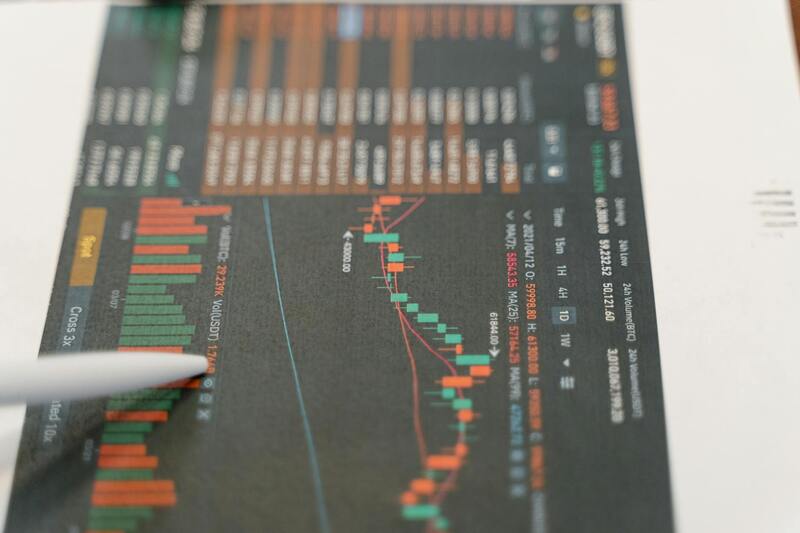
Trading Conditions and Risk Management
Optimal trading conditions are fundamental to sustained success in prop trading. The initial funding limits, leverage ratios, and trading platforms should align with the trader’s strategies. High leverage can amplify gains but also increases exposure to losses; hence, risk controls such as margin calls, drawdown limits, and automated shutdowns are vital for protecting both the trader and the firm.
Prop firms often implement robust risk management systems that include real-time monitoring, detailed trading reports, and strict rules designed to prevent reckless trading behaviors. These measures reduce the probability of significant losses and ensure the firm’s ongoing stability, while also fostering a disciplined trading environment.

Fee Structure and Payouts
Understanding the financial arrangements of a prop firm is crucial for assessing its profitability and sustainability. Transparent fee structures—covering account setup, platform usage, evaluation costs, and ongoing expenses—allow traders to plan their finances effectively. Many firms operate without upfront fees, instead opting for profit-sharing arrangements that incentivize performance.
Most reputable firms support regular payouts aligned with the trader’s profit accumulation, often on weekly or monthly schedules. Clarity about payout thresholds, delays, and processing durations enables traders to anticipate their cash flow accurately. Some firms offer instant or flexible payouts once certain profit levels are achieved, providing additional liquidity options.

Comparison of Top Prop Firms
Evaluating the leading prop trading firms involves examining their funding methodologies, trader support systems, and community engagement. Top firms distinguish themselves through their comprehensive training, advanced technology infrastructure, and active communication channels. The overall reputation of these firms, built on years of consistent performance and positive trader feedback, makes them attractive options for both novice and experienced traders.
When comparing, consider factors like the variety of trading instruments offered, flexibility in trading conditions, and responsiveness to trader inquiries. These elements collectively contribute to an environment conducive to growth and profitability, helping traders identify the best options suited to their individual trading styles.

Steps to Find the Best Prop Firm for Your Trading Style
Matching your personal trading approach with a suitable prop firm involves a strategic assessment. First, define your risk tolerance, capital requirements, and preferred trading instruments. Second, research firms that offer flexible trading conditions, robust risk management, and comprehensive educational resources aligned with your skill set.
Third, evaluate each firm’s reputation, payout policies, and fee structures. Seek feedback from existing traders and review any publicly available experiences to gain insights into operational transparency and support quality. Finally, consider starting with trial accounts or evaluation phases to test the platform’s functionality, support responsiveness, and adherence to promised conditions. This iterative process helps in identifying a prop firm that nurtures your trading growth while safeguarding your financial interests.
Comprehensive Evaluation of Prop Firm Offerings
When assessing the top contenders in the proprietary trading industry, an in-depth understanding of their operational frameworks, support mechanisms, and overall market positioning becomes essential. Official, well-established prop firms typically provide a structured environment designed to advance trader success while ensuring transparency and fairness. Differentiating among these firms involves scrutinizing their adherence to professional standards, the robustness of their trading infrastructure, and their commitment to trader development.
Core Attributes of Leading Prop Firms
- Transparency and Communication: Reliable firms maintain open communication channels, providing clear updates on policies, trading rules, and financial transactions. Transparency ensures traders can make informed decisions and maintain confidence in the platform's integrity.
- Operational Stability: Strong technological infrastructure minimizes downtime, ensures quick execution of trades, and upholds data security. Firms with stable systems reduce operational risks and support consistent trading activity.
- Trader Support and Resources: The best firms offer educational resources, mentorship programs, and responsive customer service. These assets assist traders in refining their strategies, understanding risk management, and adapting to evolving market conditions.
- Performance Metrics and Evaluation: Objective evaluation criteria for traders' performance, coupled with constructive feedback, motivate continuous improvement and align expectations with attainable results.
Operational Standards and Compliance Measures
Successful prop firms enforce rigorous compliance standards related to trading practices and financial reporting. Consistency in applying these standards demonstrates a firm’s commitment to fairness and ethical trading environments. They also implement robust risk management protocols to protect both the firm's and traders' capital, fostering a secure trading ecosystem that emphasizes sustainable growth over short-term gains.

Final Considerations in Selecting a Prop Firm
Beyond official credentials and operational strengths, traders should consider the firm’s adaptability to individual trading styles and career development. A top-tier prop firm not only provides capital and infrastructure but also aligns with traders’ long-term goals by offering opportunities for scaling, specialized training, and diversification of trading techniques. Due diligence in examining official documentation, reviewing performance disclosures, and engaging with community feedback are pivotal steps in forming a comprehensive view of each firm’s excellence.
Listening to the experiences of existing traders, analyzing official testimonials, and participating in official trial programs can uncover important insights. These steps ensure the selection process is grounded in factual, verifiable information, leading to a strategic partnership with a prop firm that values professionalism, transparency, and mutual success.
