
Understanding Prop Trading Firms in Forex
Proprietary trading firms, commonly known as prop trading firms, have established themselves as pivotal entities within the forex trading landscape. Unlike traditional trading accounts that retail traders operate, prop firms provide traders with capital to execute trades, allowing them to leverage larger positions without risking their personal funds. These firms serve as intermediaries between traders and the broader forex markets, offering resources, infrastructure, and support to optimize trading performance.
In essence, a prop trading firm acts as both a financial facilitator and a risk manager. Traders affiliated with these firms often undergo rigorous evaluation processes to demonstrate their trading skills and adherence to risk management protocols. Successful traders then use the firm's capital, which can significantly amplify their potential returns while mitigating personal exposure. This model creates an environment where talented traders can focus solely on strategies and execution, without the constraints of their own capital limitations.

Prop trading firms typically differ from traditional trading accounts in several key aspects. While retail traders usually operate using their own funds, often with limited leverage, traders within a prop firm access larger pools of capital and benefit from institutional-grade trading platforms and analytical tools. The relationship is mutually beneficial: the firm earns a share of the profits generated by traders, while traders gain access to substantial trading capital and professional resources that can enhance their trading capabilities.
The dynamic environment of forex markets requires agility, discipline, and a strategic approach. Prop firms cultivate these qualities through structured training, risk management guidelines, and performance-based evaluations. These elements help identify top-performing traders and ensure that both parties benefit from a transparent and efficient trading setup.

Advanced Infrastructure and Resources Offered by Prop Trading Firms for Forex Traders
Prop trading firms invest heavily in state-of-the-art technological infrastructure to support their traders' success in the highly competitive forex markets. This includes access to high-speed, low-latency trading servers that ensure order execution occurs swiftly, minimizing slippage and maximizing potential profits. Reliable, scalable internet connectivity is a standard feature, reducing the risk of disconnections during critical trading moments.
traders are equipped with professional-grade trading platforms that offer comprehensive analytical tools, customizable interfaces, and advanced order types. These platforms often integrate seamlessly with multiple data feeds, enabling traders to monitor live price movements, news events, and economic indicators in real-time. Additionally, robust risk management software helps traders set predefined stop-loss and take-profit levels, manage position sizes, and implement automated trading strategies, all within a secure environment.
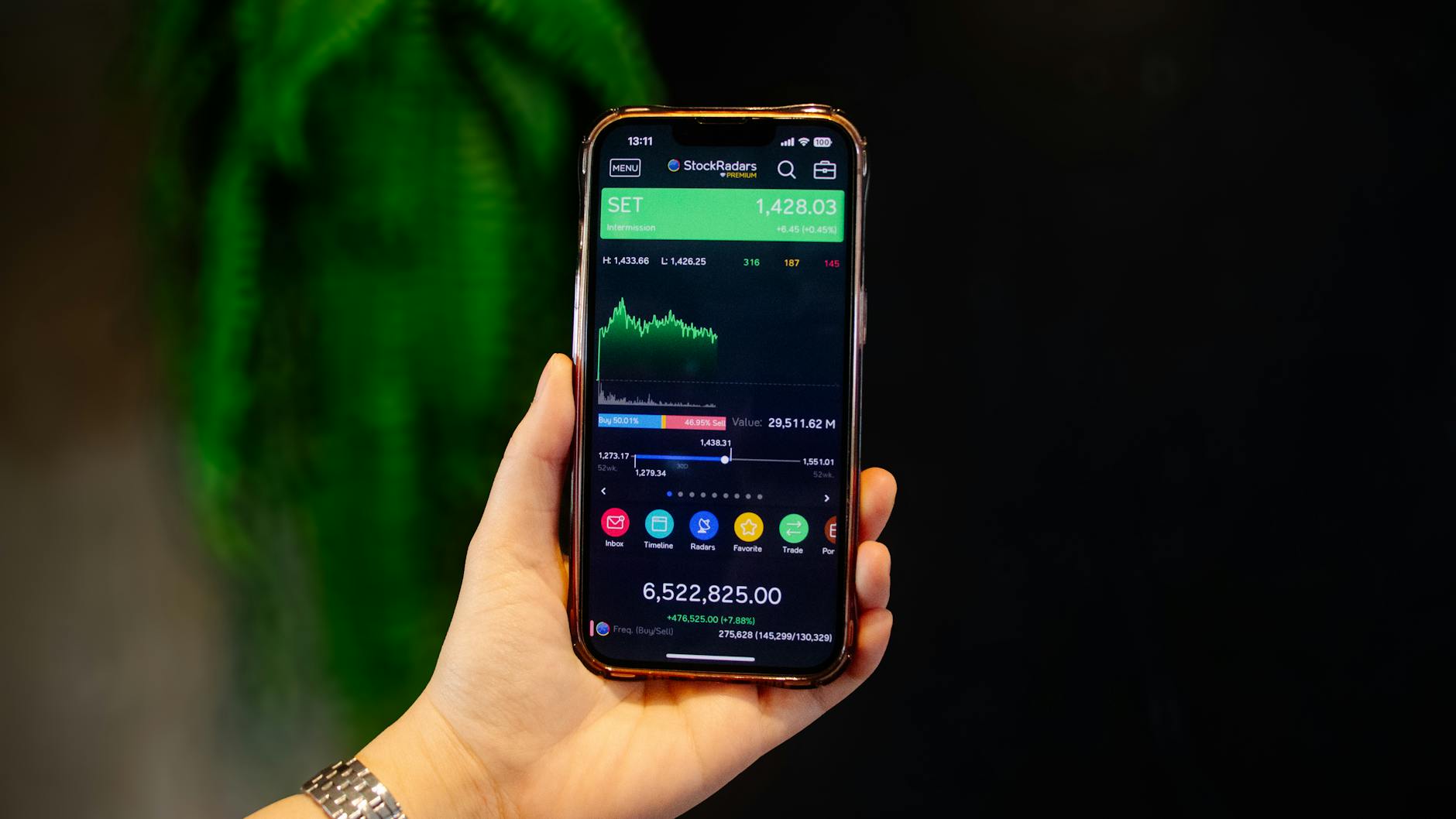
Data analytics and back-testing tools are particularly vital for prop traders who refine their strategies continuously. These tools allow for rigorous testing of trading models against historical market data, helping traders optimize their approaches before deploying them in live trading scenarios. Advanced charting software with multiple timeframes, pattern recognition, and indicator functionalities further enhances decision-making processes.
Many prop firms also provide dedicated analytical resources, such as research teams that deliver regular market insights and economic analysis reports, helping traders stay informed about broader market trends and geopolitical influences that could impact currency prices.
Furthermore, firms often facilitate seamless connectivity between trading systems and communication channels, such as dedicated chat rooms, video conferencing tools, and corporate intranet systems. This infrastructure supports ongoing training, mentorship, and collaborative strategy development, bolstering the overall trading community within the firm.
Assessment and Skill Evaluation Processes
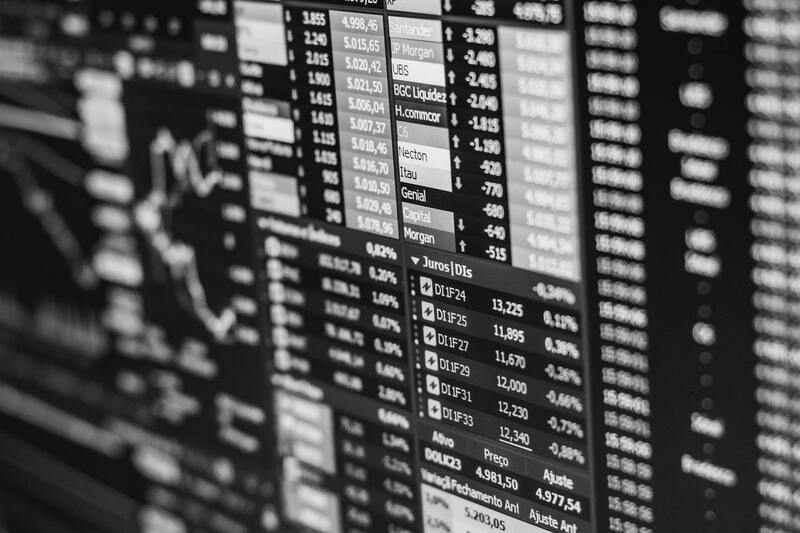
Getting accepted into a prop trading firm in forex typically involves a comprehensive assessment process designed to evaluate a trader’s skills, trading mindset, and potential for consistent profitability. These evaluations may include multiple phases, such as online testing, simulated trading challenges, and personal interviews. During testing, traders are often asked to demonstrate their ability to manage risk effectively, maintain discipline under pressure, and adhere to strict trading rules.
Simulated trading environments are vital for both evaluation and training. In these scenarios, traders utilize real-time market data to execute trades according to their strategies, allowing firms to observe performance metrics such as win-rate, drawdown, and risk management discipline. These simulations test a trader’s capacity to handle volatility and adapt strategies in dynamic market conditions without risking real capital.
Throughout the evaluation journey, firms assess personality traits, psychological resilience, and decision-making skills. Successful candidates demonstrate patience, discipline, and emotional control—traits necessary for thriving in high-pressure trading environments. Moreover, firms often look for traders with a solid understanding of fundamental and technical analysis, along with the ability to quickly interpret market signals and adjust strategies accordingly.
Besides technical skills, demonstrating a consistent track record in personal trading accounts can bolster a candidate's application. Many prop firms request traders to submit their trading history, showcasing profitable streaks and controlled drawdowns over an extended period. This background provides insight into a trader’s approach to risk and capital preservation, essential qualities in prop trading roles.

Ultimately, the recruitment process is designed to filter traders with the appropriate technical skills, psychological resilience, and disciplined trading habits. This rigorous evaluation ensures that only traders with a high potential for consistent performance gain access to the firm's trading capital, fostering a professional environment focused on sustained profitability and risk mitigation.
Common Forex Trading Strategies Employed by Prop Traders
Prop traders in the forex market utilize a variety of proven strategies designed to optimize returns while maintaining effective risk management. These strategies are often rooted in technical analysis, with traders analyzing price patterns, candlestick formations, support and resistance levels, and indicators such as moving averages, RSI, and MACD. The goal is to identify high-probability entry and exit points that align with prevailing market momentum.
Trade execution in prop trading environments frequently emphasizes disciplined risk control. This includes setting strict stop-loss and take-profit levels, employing position sizing techniques, and adhering to predefined trading plans. Many prop traders adopt a scalping approach for quick in-and-out trades targeting small price movements, or they might employ swing trading strategies to capitalize on short-term market swings over a few days.
Alongside technical methods, some traders integrate macroeconomic fundamentals into their analysis, monitoring economic indicators, geopolitical developments, and central bank policies to anticipate market shifts. This hybrid approach enhances the trader’s ability to adapt strategies dynamically, especially during volatile market periods.
Scalable trading approaches are also a hallmark of successful prop traders. These involve gradually increasing trade sizes as confidence and track record build, always within the risk parameters established by the firm. The use of algorithms and automated trading systems is increasingly common, enabling traders to execute complex strategies with precision and consistency, reduce emotional bias, and manage multiple positions simultaneously.
Advantages and Disadvantages of Prop Firm Forex Trading
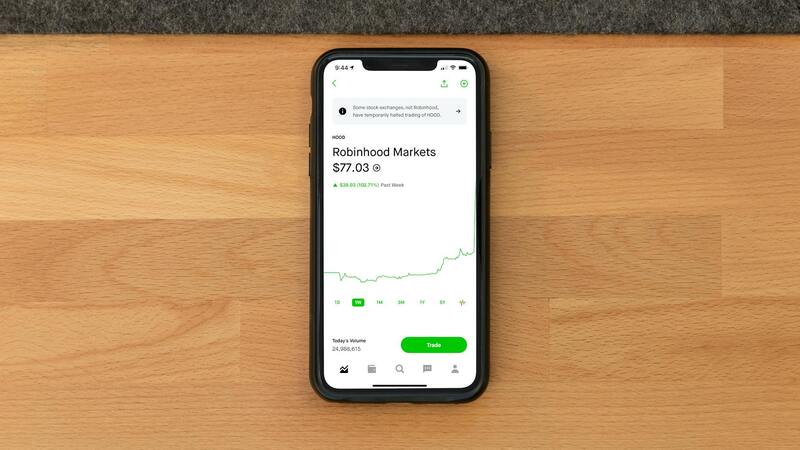
Engaging in forex trading through prop firms offers significant advantages, including access to substantial trading capital, professional risk management tools, and a structured environment that fosters skill development. These firms typically provide traders with tailored training programs, analytical resources, and ongoing mentorship, which can accelerate the learning curve and enhance trading performance.
Furthermore, traders benefit from the firm's risk-sharing arrangements, which shield personal capital and allow for larger position sizes and diversified portfolios. The collaborative environment often encourages the sharing of insights and strategies, fostering a culture of continuous improvement and knowledge exchange.
Despite these benefits, there are notable challenges. The high-pressure nature of prop trading environments demands disciplined emotional control and strategic consistency. Traders must often meet stringent performance criteria to maintain their positions or qualify for capital scaling, which can increase stress levels and impact decision-making. Additionally, some firms impose profit splits or fees, which can affect net earnings, especially during periods of lower profitability.
It's also important to be aware that some proprietary trading setups might limit a trader’s flexibility, requiring adherence to specific trading styles or strategies dictated by the firm. Understanding and aligning with such operational requirements is crucial for sustained success in a prop trading context.

Considerations for Harnessing Prop Trading Opportunities Effectively
To maximize benefits in prop forex trading, traders should focus on continuous skill development, maintaining disciplined trading routines, and rigorously adhering to risk management protocols. Selecting a firm that aligns with one's trading style, risk appetite, and professional goals is essential to foster a productive partnership.
Data-driven decision-making, paired with emotional resilience, enables traders to navigate market volatility effectively. Transparent communication with the firm's management and regular performance reviews provide valuable feedback for refining trading strategies.
Additionally, staying informed on macroeconomic trends and leveraging technological advancements can give traders a competitive edge. The integration of automated systems, real-time analytics, and robust trading platforms strengthens overall performance and operational efficiency in the fast-paced forex environment.
Legal and Regulatory Considerations in Prop Forex Trading
Engaging with a proprietary trading firm in the forex market involves understanding various compliance standards and adherence to established industry practices. While the focus remains on ensuring trading transparency and risk management, traders should also familiarize themselves with the procedural requirements set forth by the firm to maintain a smooth operational relationship.
Many reputable prop trading firms implement comprehensive onboarding procedures, including verification of identity, financial background checks, and assessments of trading proficiency. These steps help establish a secure trading environment, ensuring all participants meet consistent standards. It is essential for traders to provide accurate and complete documentation to facilitate these processes and ensure uninterrupted access to the firm’s resources.

Understanding the framework of the firm's operational policies is equally vital. These policies encompass trading parameters, risk limits, profit-sharing arrangements, and protocols for dispute resolution. Adherence to these guidelines promotes a professional trading atmosphere and mitigates operational disruptions that could affect trading performance.
Furthermore, compliance with industry standards often includes regular reporting and transparency measures, such as performance records or trading activity audits. Traders should be prepared to document their trades meticulously and participate in periodic reviews to remain aligned with the firm's expectations and maintain privileged access to trading capital.
While specific regulatory bodies overseeing prop trading activities may vary by region, engagement with firms that uphold best practices consistently contributes to a stable trading experience. By prioritizing partnerships with established and reputable firms committed to responsible trading standards, forex traders can focus on strategy development and risk management, secure in the knowledge that their operational framework adheres to recognized norms.
Legal and Regulatory Considerations in Prop Forex Trading
Operating within the foreign exchange trading environment requires a clear understanding of the legal frameworks and compliance standards that govern prop trading firms. These standards serve to maintain operational transparency, protect traders' interests, and uphold market integrity. Regulatory compliance encompasses a range of practices, including the adherence to financial reporting standards, anti-money laundering (AML) protocols, and trading conduct rules. These measures ensure that firms operate within the established boundaries set by governing bodies and industry best practices.
Prop trading firms often implement comprehensive policies to navigate the intricate legal landscape effectively. Such policies include rigorous client verification procedures, detailed record-keeping, and regular audits to monitor trading activity and ensure compliance. Traders are typically required to participate in ongoing training programs that reinforce the importance of adhering to regulatory requirements. This training emphasizes understanding the legal responsibilities associated with forex trading and highlights the importance of ethical conduct.
In addition, many firms establish strict risk management frameworks that align with regulatory expectations. These frameworks often involve automated monitoring systems capable of detecting unusual trading patterns, which could indicate regulatory issues or fraudulent activity. Ensuring proper consent and communication channels between the firm and its traders is also vital to maintain transparent operations and meet compliance standards.
Compliance is further reinforced through periodic reporting and mandatory disclosures, which provide oversight agencies and internal stakeholders with insights into trading activities. These practices foster trust and demonstrate a commitment to responsible trading practices. Both traders and firms benefit from clarity regarding regulatory expectations, which minimizes the risk of inadvertent violations and enhances overall market stability.
Engaging with reputable prop trading firms that prioritize compliance not only ensures adherence to legal standards but also promotes a professional environment conducive to sustainable trading growth. As the legal landscape evolves, continuous adjustment of internal policies and procedures becomes essential for staying aligned with current regulations, thereby safeguarding the interests of all participants involved in prop forex trading.
Understanding Prop Trading Firms in Forex
Prop trading firms operate as specialized financial entities that provide traders with funds, infrastructure, and resources to engage in the foreign exchange market. Unlike individual traders who use their own capital, these firms deploy their capital to maximize trading profits, sharing the gains with traders based on predetermined agreements. Their primary goal is to leverage their expertise and capital to generate consistent returns, often employing rigorous risk management protocols and sophisticated trading technology.
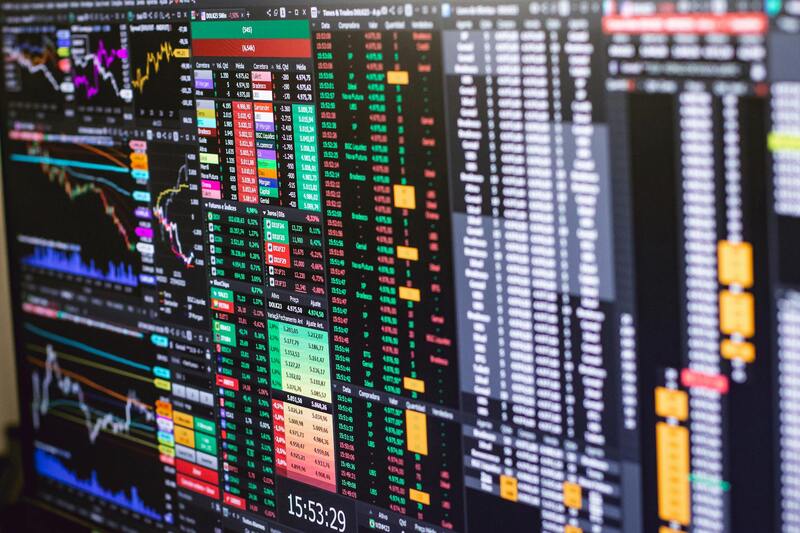
These firms also serve as incubators for talented traders, providing training, mentorship, and strategic support to help enhance trading performance. The relationship between the firm and traders is structured around profit-sharing models, with firms typically imposing certain trading limits and guidelines to mitigate risks. The success of a prop firm heavily depends on its ability to identify proficient traders, maintain disciplined risk controls, and adapt to market fluctuations.
How Prop Trading Firms Operate in the Forex Market
Prop trading firms operate through a combination of capital deployment, strategic trading decisions, and rigorous monitoring. They often utilize advanced trading platforms that offer traders automated tools, risk management features, and real-time data analysis. Traders execute trades based on their strategies within the parameters set by the firm, which may include stop-loss limits, position sizes, and trading hours.
To ensure adherence to overall risk policies, firms employ automated systems that scrutinize trading activity, flagging any deviations from established procedures. Regular performance reviews and feedback sessions are integral to maintaining high standards and refining trading techniques. The operational model prioritizes transparency, accountability, and compliance with internal risk guidelines, fostering a professional trading environment that strives for consistent profitability.
Criteria for Joining a Prop Firm in Forex Trading
Potential traders seeking to join a prop trading firm must satisfy several key criteria. These include demonstrating a solid understanding of forex trading strategies, risk management skills, and a proven track record of profitable trading or simulated trading performance. Many firms conduct comprehensive assessments, including testing traders’ analytical skills, discipline, and ability to manage emotional stress during volatile market conditions.
Moreover, traders are often required to meet minimum capital or account size thresholds, and some firms prefer candidates with prior professional trading experience or relevant financial certifications. The ability to adhere to strict trading discipline, follow set guidelines, and communicate effectively with the firm are critical factors in the selection process. A good fit with the firm’s culture and philosophy also contributes significantly to successful onboarding.
Forex Trading Strategies Used by Prop Traders
- Scalping: Executing dozens to hundreds of trades within a day to capitalize on small price movements.
- Trend Following: Identifying persistent directional movements and trading in the direction of the trend to maximize profitability.
- Range Trading: Exploiting price oscillations within well-defined support and resistance levels.
- Breakout Trading: Entering trades when the price breaches significant support or resistance levels, indicating potential momentum shifts.
- Carry Trading: Capitalizing on interest rate differentials between currencies, holding positions over longer periods to earn rollover interest.
Prop traders often combine these strategies, adjusting them based on market conditions and risk appetite. The aim is to develop adaptable, disciplined trading routines that can withstand volatility and generate consistent returns over the long term.
Advantages and Disadvantages of Prop Firm Forex Trading
Engaging in forex trading through a prop firm offers notable benefits, including access to substantial trading capital, cutting-edge trading technology, and professional support. Traders can leverage the firm's resources to pursue larger positions than their personal funds would permit, potentially increasing profits. Additionally, the structured environment and risk management frameworks help traders develop disciplined trading habits and mitigate losses.
However, there are inherent challenges and limitations. Prop traders often operate under strict guidelines regarding trading styles, risk thresholds, and profit sharing, which may restrict flexibility. The pressure to perform consistently can induce stress and emotional strain, particularly during adverse market conditions. Moreover, some firms enforce specific operational procedures that may not align with every trader’s preferred approach, potentially limiting individual trading styles.
Legal and Regulatory Considerations in Prop Forex Trading
While navigating the operational aspects, understanding the framework within which prop trading firms operate is critical. Transparency in trading operations, adherence to internal risk policies, and compliance with financial reporting standards are vital for maintaining an ethical trading environment. Many firms implement robust oversight mechanisms, including automated monitoring and regular audits, to ensure that trading activities align with established policies.
Such firms often cultivate a culture of accountability, ensuring that traders understand their fiduciary responsibilities and the importance of ethical conduct. This involves clear communication of trading rules, expectations, and consequences for violations, which helps uphold a professional standard across the organization. As the landscape of forex trading continues to evolve, these practices serve as a foundation for sustainable growth and trust within the trading community.
Closing Insights on Prop Firm Forex Trading
Trade success within prop trading firms in forex hinges on more than just market knowledge; it demands a strategic approach rooted in disciplined risk management, continuous learning, and adaptation to evolving technologies. For traders seeking sustainable growth, aligning with a well-established prop firm that emphasizes transparency, ethical standards, and robust infrastructural support is paramount.
Successful prop traders often prioritize comprehensive training programs provided by established firms. These programs typically cover advanced technical analysis, effective risk mitigation techniques, and the use of cutting-edge trading platforms. Additionally, many firms foster a collaborative environment where traders can share insights, strategies, and feedback, creating a learning ecosystem that benefits all participants.

In choosing a prop trading partner, due diligence involves assessing several critical aspects:
- Reputation and track record: The firm’s history of supporting traders and maintaining ethical standards speaks volumes about its stability and reliability.
- Profit sharing and fee structure: Clear understanding of how profits are divided ensures transparency and fairness, aligning incentives for long-term success.
- Operational infrastructure: The availability of advanced trading platforms, data feeds, and risk management tools facilitates efficient and informed trading decisions.
- Support and resources: Access to professional mentorship, educational materials, and psychological support can significantly influence trader performance.
Moreover, transparency in internal policies and adherence to regulatory frameworks ensures that traders operate in an environment conducive to integrity and growth. Such an environment mitigates unforeseen disruptions and promotes consistent performance.
For traders aspiring to excel, continual skill enhancement and a proactive approach towards market analysis remain essential. Leveraging proven methodologies while staying updated with market developments helps in navigating volatility and capitalizing on emerging opportunities.
Finally, maintaining a disciplined trading routine—adhering to set risk parameters and avoiding impulsive decisions—is fundamental. By doing so, traders not only protect their capital but also establish a professional reputation that can lead to greater opportunities within reputable prop firms.
