
Understanding Prop Firm Trading
Proprietary trading, commonly referred to as prop trading, involves financial firms using their own capital to execute trades across various markets, including stocks, commodities, forex, and derivatives. Unlike individual traders who use personal funds, prop trading firms allocate substantial resources to leverage market opportunities with the goal of generating consistent profits.
Prop trading firms serve as pivotal players within the financial sector, facilitating liquidity and market efficiency. These firms employ skilled traders who implement diverse trading strategies to capitalize on market movements. The core objective is to maximize returns while managing exposure and risks effectively, often through sophisticated systems and disciplined trading processes.
Traders within these organizations operate under structured environments, with the firm providing training, resources, and technological infrastructure. They are responsible for executing trades based on clear methodologies and risk parameters. The performance of each trader is closely monitored, with the firm fostering an environment that emphasizes adherence to established trading protocols and continuous improvement.

This model allows firms to generate revenue not only from the markets but also from the efficiency and skill of their traders. Consequently, developing a disciplined, well-informed trading approach aligned with the firm’s strategic goals is essential for success in prop trading.
Understanding how prop trading functions and the roles of traders within these organizations lays the foundation for constructing effective trading strategies. It highlights the importance of technical knowledge, disciplined execution, and risk controls — all crucial elements that underpin sustainable trading performance in a prop firm environment.
Understanding Prop Firm Trading
Prop trading firms rely heavily on well-structured trading strategies to ensure consistent profitability and risk mitigation. At the core of these strategies lies a thorough understanding of market dynamics, technical analysis, and disciplined execution. Traders are often expected to develop approaches that are adaptable to different market conditions, with the goal of capturing reliable opportunities while protecting capital.
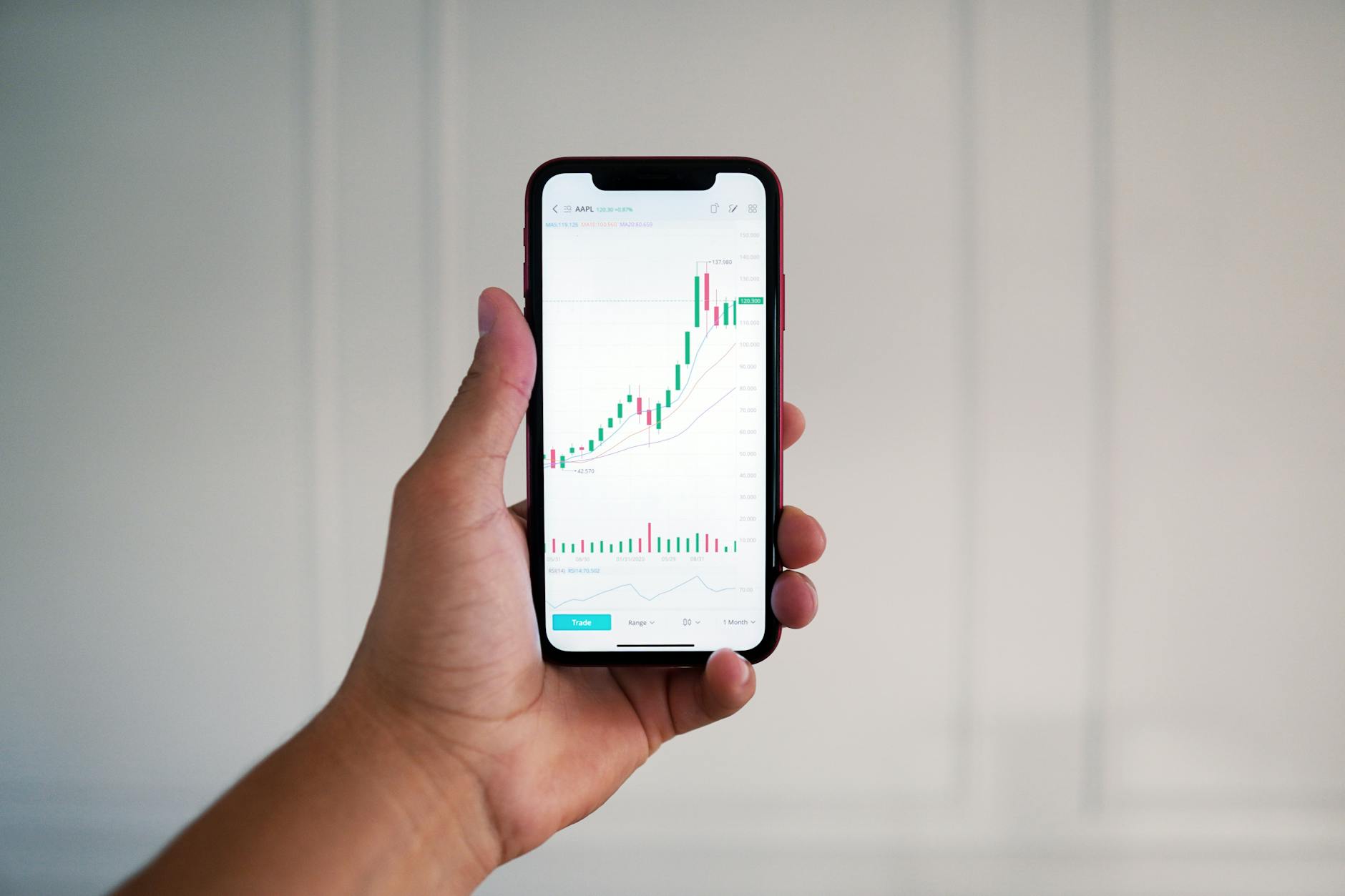
Developing a solid prop trading strategy involves a layered approach, starting with foundational principles such as trend analysis, momentum, support and resistance levels, and volume indicators. These elements serve as signals to identify entry and exit points. Constructing a detailed trading plan ensures that each position is entered with a clear rationale and pre-defined criteria for profit targets and stop-loss levels, thereby reducing emotional decision-making.
Risk management stands as the cornerstone of any effective prop trading strategy. This involves setting maximum drawdown limits, employing position sizing techniques based on account equity, and diversifying trades across different assets to prevent overexposure. Maintaining a disciplined routine in monitoring trades and adjusting positions as needed helps sustain profitability over the long term.
Many prop traders leverage a combination of technical indicators and chart patterns to enhance decision-making. Moving averages, RSI, MACD, and Fibonacci retracements are common tools to assist in validating trade setups and timing entries. Moreover, traders often incorporate market sentiment analysis and news flow to gauge potential volatility spikes or trend reversals.
Key Elements of a Prop Trading Strategy
- Technical Analysis: Identifying reliable patterns and indicators to inform trades.
- Risk Control: Using stop-loss orders and position sizing to limit downside risk.
- Trading Discipline: Following predetermined rules without succumbing to emotional impulses.
- Trade Management: Regularly monitoring open positions and adjusting as market developments unfold.
- Performance Review: Analyzing trade logs to identify strengths and areas for improvement.

Integrating these components into a cohesive framework requires ongoing education and experience. Automation tools, such as trading algorithms and risk management software, are increasingly vital for maintaining consistency and adhering to strategy parameters.
In the highly competitive environment of proprietary trading, a focus on constant refinement based on rigorous backtesting and real-time performance data is crucial. Through disciplined application of technical analysis, risk controls, and systematic review, prop traders can optimize their approaches to meet the evolving market landscape.
Understanding Prop Firm Trading
Prop firm trading involves utilizing capital provided by proprietary trading firms to execute trades within specific risk parameters. Traders operate on the firm’s capital, allowing for larger position sizes and potentially higher returns without risking personal funds. Success in this environment depends heavily on adherence to disciplined trading strategies that prioritize risk management, systematic analysis, and continuous improvement.
Prop traders typically employ a structured approach, leveraging official trading strategies rooted in verified technical and fundamental analysis. These strategies focus on identifying high-probability setups that align with the firm’s risk appetite and trading guidelines. Consistency and adherence to the firm’s rules are essential, as they serve as the foundation for scalability and sustainable performance.
Key Components of a Prop Trading Strategy
Implementing an effective prop trading strategy involves several interconnected components that work together to generate reliable trading opportunities and mitigate risks:
- Technical Analysis: Prop traders rely heavily on technical indicators such as moving averages, RSI, MACD, and Fibonacci retracements to identify potential trade entries and exits. Chart patterns like head and shoulders, flags, or double tops/bottoms provide visual cues for trend reversals or continuations.
- Market Context and News Flow: Monitoring news releases and economic indicators helps traders understand market sentiment and anticipate volatility spikes or trend shifts. Incorporating macroeconomic data ensures trades are aligned with prevailing market conditions.
- Risk Management: Proper position sizing, stop-loss orders, and profit targets are fundamental to controlling downside risk. Defining clear risk/reward ratios ensures that potential gains justify the risk undertaken in each trade.
- Trade Discipline: Strict adherence to predefined entry and exit rules prevents impulsive decisions driven by emotional reactions. Maintaining discipline preserves capital and ensures consistency across trading sessions.
- Trade Management and Monitoring: Continuous oversight of open positions allows traders to adjust stops or scale out of trades as market dynamics evolve. Dynamic management maximizes gains and minimizes losses.
- Performance Review and Adjustment: Regularly reviewing trade logs, assessing win/loss ratios, and analyzing trade setups facilitate ongoing refinement of strategies. This process highlights strengths and uncovers areas needing improvement.
Integrating these elements into a cohesive framework is supported by automation tools such as trading algorithms and risk management software, which ensure consistency and adherence to trading rules. Successful prop traders emphasize ongoing education, backtesting strategies against historical data, and adapting to real-time market feedback effectively.
Flowchart of Trade Execution within a Disciplined Prop Trading Strategy

Popular Trading Styles Used in Prop Trading
Within the prop trading environment, various trading styles are adopted based on individual preferences and firm policies. Common approaches include:
- Day Trading: Involves opening and closing positions within the same trading session, utilizing short-term price movements. This style demands quick decision-making and high focus on intraday volatility.
- Swing Trading: Targets intermediate-term trends, holding positions for days or weeks. Swing traders capitalize on larger price moves while avoiding the noise of intraday fluctuations.
- Scalping: Focuses on executing numerous small trades to profit from minor price movements. Scalping requires precise timing, rapid execution, and intense market observation.
Each style has its unique risk-reward profile and skill requirements. Successful prop traders select a trading style that aligns with their strengths, risk appetite, and the firm's trading parameters. Mastery of the chosen style, supported by disciplined follow-through and proper risk controls, enhances long-term profitability in proprietary trading.
Implementing and Refining Your Prop Firm Trading Strategy
Developing a robust prop firm trading strategy requires meticulous implementation and continuous refinement. After establishing your core approach—be it day trading, swing trading, or scalping—success hinges on disciplined execution, rigorous monitoring, and ongoing adjustment based on market conditions and personal performance metrics.
Systematic Trade Execution
Executing trades according to a predefined plan minimizes emotional biases and ensures consistency. Prop traders often rely on detailed trading rules and protocols to guide decisions. This includes predefined entry and exit criteria, position size calculations aligned with risk parameters, and adherence to trading schedules. Automated order execution systems can assist in maintaining consistency, reducing the chance of delays or errors during volatile market periods.
Data-Driven Analysis and Backtesting
Backtesting remains a fundamental component of strategy refinement. By testing trading rules against historical data, traders can evaluate potential performance and identify weaknesses. This process helps refine timing, triggers, and stop-loss levels, which are essential for managing risk effectively. Incorporating forward testing with demo accounts or small live positions further verifies the strategy’s robustness before full deployment.

Real-Time Market Monitoring and Feedback
Active monitoring allows traders to stay aligned with dynamic market conditions. Many prop traders utilize advanced trading platforms with customizable alerts, real-time data feeds, and technical analysis tools. Maintaining a trading journal to document decisions, emotions, and outcomes fosters self-awareness and guides necessary adjustments.
Risk Adjustment and Strategy Improvements
Continual assessment of strategy performance through key metrics—such as win rates, profit factor, and maximum drawdown—guides iterative improvements. Adjusting position sizes, refining entry/exit criteria, or integrating new indicators are typical modifications. Regular review sessions should be scheduled to analyze trading logs and performance data, ensuring the strategy remains aligned with evolving market conditions and firm policies.
Training and Skill Development
Ongoing education and skill sharpening are crucial for sustaining profitability. Participating in advanced training, engaging with experienced traders, and reviewing historical trade recordings enhance decision-making capabilities. Additionally, cultivating psychological resilience helps traders handle the emotional stresses that accompany active trading, ultimately leading to more disciplined execution of strategies.

Strategies for Consistent Performance in Prop Trading
Implementing a disciplined prop firm trading strategy requires adherence to structured methods that emphasize consistency and scalability. Traders should focus on developing clear, rule-based entry and exit points grounded in solid analysis and validated through rigorous testing. This involves defining precise conditions under which trades are initiated, such as specific technical patterns, momentum indicators, or price action signals, ensuring decisions are driven by objective criteria rather than emotional impulses.
It’s essential to adopt a systematic approach to strategy development, which begins with extensive backtesting across historical data to evaluate how the approach performs under various market conditions. This process helps identify the strengths and weaknesses inherent in the strategy, allowing traders to refine parameters for optimal results. Adjustments based on backtest outcomes should be documented meticulously, enabling ongoing improvements aligned with real-time performance feedback.

In addition to technical robustness, a focus on risk management is vital to maintaining consistent results. Implementing predefined risk parameters, such as maximum allowable loss per day, position sizing rules, and stop-loss orders, helps safeguard capital during adverse market movements. Establishing risk/reward ratios for each trade ensures that potential gains justify risks taken, fostering a disciplined trading environment that emphasizes sustainability over impulsive gains.
Trading discipline also extends to adhering strictly to your strategic framework, avoiding deviations based solely on market hype or short-term volatility. This consistency is supported by maintaining detailed trading logs that track entry and exit points, rationale, emotional state, and outcomes. Periodic reviews of these logs offer insights into behavioral patterns that may need correction, fostering a continuous improvement cycle.
Another critical component for prop traders is market adaptability. While a core strategy forms the foundation, traders should remain flexible enough to adjust parameters in response to changing market dynamics. This includes incorporating new technical indicators, understanding macroeconomic impacts, and re-calibrating risk management thresholds. Consistent review and refinement ensure that strategies stay relevant and effective over time.
Leveraging advancements in trading technology enhances execution precision and analytical depth. Traders benefit from real-time data feeds, algorithmic order execution, and sophisticated charting platforms, which together facilitate more informed decision-making. Automation of certain routine aspects, such as order placement and position monitoring, reduces human error and frees up mental resources for strategic analysis. With these tools, performance tracking becomes more accurate, enabling quantifiable assessments of strategy efficacy.
Finally, maintaining a growth mindset through continuous learning and psychological resilience ensures long-term success. Participating in educational webinars, reviewing profitable and losing trades, and engaging with experienced traders provides valuable perspectives. Cultivating emotional discipline—particularly in high-stress situations—helps eliminate impulsive actions, fostering a consistent and professional trading approach that aligns with prop firm standards.
Developing a Profitable Prop Trading Strategy
Constructing an effective prop trading strategy requires a disciplined approach rooted in thorough analysis and methodical execution. Traders focus on building a strategy that leverages technical, fundamental, and quantitative analysis to make informed decisions. This entails identifying high-probability trade setups, establishing clear entry and exit points, and setting realistic profit targets aligned with market conditions.
One fundamental step involves backtesting trading ideas using historical market data to evaluate potential profitability and identify weaknesses. Backtesting provides insights into how a strategy performs across different market environments, helping traders to understand its robustness. Importantly, this process highlights the significance of well-defined parameters, such as position size, stop-loss levels, and profit-taking zones, which collectively manage the risk-reward profile of trades.

Another key element is real-time analysis—monitoring ongoing trades and adapting to current market signals. Advanced trading platforms facilitate this by providing live data feeds, charting tools, and customizable alerts. These features enable traders to identify emerging opportunities swiftly and adjust positions accordingly, ensuring their approach remains aligned with prevailing market trends.
Core Principles for Strategy Development
- Consistency: Adhering to predefined rules to minimize emotional bias and impulsive decisions.
- Discipline: Maintaining strict adherence to risk management parameters, including stop-loss orders and position sizing limits.
- Adaptability: Updating strategies in response to evolving market conditions, macroeconomic shifts, and technological advancements.
- Data-Driven Decision Making: Relying on quantitative analysis and systematic evaluation rather than speculation.
Incorporating Quantitative Models
Quantitative models enhance strategy robustness by employing statistical techniques and algorithms to identify trading opportunities. These models can analyze vast datasets rapidly, uncovering patterns that may not be visible through manual analysis. For instance, algorithmic trading systems can execute orders based on predefined criteria, reducing latency and human error for high-frequency trades.
Moreover, integrating machine learning approaches allows traders to refine models over time, continuously improving predictive accuracy. Such techniques are particularly valuable in prop trading environments where speed and precision are critical for capturing short-term market movements.
Monitoring and Refining Strategies
Developing a prop trading strategy is an ongoing process that involves regular performance review. Traders should analyze both winning and losing trades to identify strengths and weaknesses. Journaling trades provides a record to evaluate adherence to trading plans, effectiveness of setups, and execution discipline.
Periodical strategy reviews enable adjustments to parameters, ensuring alignment with current market environments. This iterative process helps in maintaining an edge over competitors and sustaining profitability over the long term.

Understanding Prop Firm Trading
Prop firm trading involves leveraging specialized capital provided by trading companies to execute trades across various financial instruments. Traders operate under specific guidelines and frameworks that encourage disciplined strategies focused on consistent profitability, often utilizing proprietary methods exclusive to the firm. The goal is to generate returns that not only benefit the trader but also contribute to the firm’s overall financial objectives.
Working within these structured environments, traders must adhere to established trading plans, risk parameters, and operational procedures. Success in this arena relies heavily on the integration of disciplined strategies, the disciplined use of capital, and sophisticated risk controls. Many firms emphasize the importance of developing a proprietary trading strategy that aligns with established metrics to ensure sustainable trading performance.

Key Components of a Prop Trading Strategy
A robust prop trading strategy incorporates multiple elements designed to optimize trading performance while managing risks. These components include:
- Market Analysis Techniques: Employing technical, fundamental, or quantitative analysis to identify favorable trading opportunities.
- Entry and Exit Criteria: Clear rules for entering and exiting trades ensure consistency and discipline.
- Position Sizing: Determining trade size based on risk appetite and market conditions to maintain balance and prevent overexposure.
- Trade Management: Using stop-loss, take-profit, and trailing stops to safeguard profits and limit losses.
- Performance Metrics: Regularly assessing trade outcomes against pre-established benchmarks to refine strategies over time.
Developing a Strategic Framework
Developing a disciplined framework requires a thorough understanding of market mechanics and personal risk tolerance. Traders often combine technical indicators with price action signals, creating a layered approach to decision-making. Incorporating backtesting and forward testing into the development process helps validate the robustness of the strategy across different market conditions.
Popular Trading Styles Used in Prop Trading
Various trading styles are adopted within prop firms, each aligning with different trader preferences, timeframes, and market conditions. The most common include:
- Day Trading: Involves opening and closing positions within the same trading day, leveraging short-term market movements.
- Swing Trading: Entails holding positions over several days or weeks, aiming to capitalize on expected market swings.
- Scalping: Focuses on making rapid trades to profit from small price movements, often executing dozens or hundreds of trades daily.
- Position Trading: Adopts a longer-term perspective, based on fundamental analysis and macroeconomic trends, with positions held for weeks or months.
Choosing the appropriate style depends on individual skills, risk appetite, and the trading environment of the prop firm. Each style demands different time commitments and technical approaches, but all require disciplined execution and continuous strategy evaluation.
Adapting Styles to Market Conditions
Prop traders often modify their styles according to market volatility and liquidity levels. For instance, during high-volatility periods, scalping or short-term day trading may be more effective, while in steadier markets, swing or position trading can yield better results. Flexibility and adaptability are essential for maintaining profitability in diverse conditions.

Risk Management Techniques for Prop Traders
Effective risk management is fundamental to long-term success in prop trading. Strategies for managing risk include:
- Defining Risk Per Trade: Limiting the amount of capital allocated to each position, often expressed as a percentage of total trading capital.
- Implementing Stop-Loss Orders: Setting predetermined exit points to minimize potential losses.
- Position Sizing: Calculating optimal trade sizes based on risk parameters to prevent overleveraging.
- Diversification: Spreading trades across different assets or sectors to reduce exposure to specific market risks.
- Continuous Monitoring: Regularly reviewing open positions and adjusting stops as market conditions evolve.
Some prop firms also employ advanced techniques such as volatility-adjusted position sizing and dynamic risk controls to adapt to real-time market fluctuations. Consistent application of these techniques helps preserve capital, allowing traders to endure unfavorable periods and capitalize on opportunities as they arise.

Implementing Robust Backtesting and Forward Testing Methods
Establishing a reliable prop trading strategy requires rigorous testing through both backtesting and forward testing phases. Backtesting involves applying the trading strategy to historical market data to evaluate its performance over various market conditions. This process helps identify strengths, weaknesses, and potential areas for improvement by analyzing key metrics such as win rate, profit factor, and drawdowns.
For effective backtesting, traders should utilize sophisticated trading platforms that allow detailed simulation of trades, including variables like order execution, slippage, and commissions. It’s crucial to use high-quality historical data to ensure that testing results accurately reflect real-market scenarios. Once the strategy passes backtesting benchmarks, forward testing—often conducted in a demo environment—serves as the next step. Forward testing evaluates how the strategy performs in real-time markets without risking actual capital. This phase helps traders assess psychological factors and operational execution in live conditions, providing valuable insights before deploying significant funds.

Performance Monitoring and Dynamic Strategy Adjustments
Continuous performance assessment is vital for maintaining a profitable prop trading strategy. Traders should regularly review trading logs and performance analytics, focusing on key indicators such as profit/loss, expectancy, and risk-adjusted returns. Implementing automated performance dashboards can streamline this process, ensuring traders promptly identify deviations from expected outcomes.
As markets evolve, so too should trading strategies. Adjustments may include modifying parameters, adapting to new volatility regimes, or integrating additional filters to enhance trade selection criteria. Conducting periodic strategy reviews—quarterly or biannually—facilitates systematic improvements, enabling traders to stay aligned with current market dynamics and maintain profitability.
Ensuring Consistency Through Discipline and Routine
Discipline remains a cornerstone of successful prop trading. Developing a structured trading routine that emphasizes adherence to predefined rules minimizes emotional decision-making. This routine includes daily planning, meticulous record-keeping, and post-trade analysis.
Maintaining emotional neutrality is crucial during both gains and losses. Using well-defined trading plans and sticking to them regardless of market noise helps sustain consistency. Additionally, setting clear performance goals coupled with realistic expectations encourages ongoing development while preventing impulsive behaviors that could jeopardize long-term success.
The Role of Education and Community Engagement
Continual education extends beyond initial training, encompassing staying updated on market developments, emerging tools, and evolving trading methodologies. Engaging with professional trading communities provides opportunities to exchange ideas, gain feedback, and learn from experienced peers.
Participating in webinars, workshops, and trading forums fosters a deeper understanding of advanced strategies and risk management techniques. This collaborative environment enhances traders’ knowledge base, enabling them to fine-tune their prop trading strategies for sustained profitability and growth.
