Overview of Prop Firm Software
Prop firm software is a specialized suite of digital tools designed to streamline, manage, and optimize the intricate operations of proprietary trading firms. These firms, often involved in high-frequency trading, algorithmic trading, or other quantitative strategies, rely heavily on sophisticated software solutions to maintain competitive advantage, ensure efficient use of capital, and adhere to operational standards.
At its core, prop firm software consolidates multiple functionalities essential for successful trading operations. This includes real-time market data analytics, risk management modules, trader performance monitoring, trade execution platforms, and reporting capabilities. Such integration allows traders and managers to operate seamlessly within a centralized system, reducing manual errors and increasing operational transparency.
The significance of prop firm software extends beyond mere automation. It enhances decision-making by providing accurate, timely data and advanced analytical tools. Additionally, these platforms support strategic planning by offering insights into trading patterns, risk exposure, and capital allocation. By leveraging specialized software, prop trading firms can improve efficiency, maintain compliance standards, and foster a data-driven trading environment.
Properly implemented, prop firm software also facilitates scalable growth. As trading strategies evolve and the firm expands, these tools adapt to new requirements, ensuring continuous operational stability. Moreover, they help in maintaining a competitive edge by enabling quick adaptation to market changes.
Types of Prop Firm Software
Prop firm software solutions are designed to cater to various operational needs within trading firms, and understanding the different types available helps in selecting the most suitable tools for specific business models. Broadly, proprietary trading software can be categorized into several key types, each optimized for particular functions such as execution, analytics, risk management, and compliance.

Trading Platforms and Execution Software
These systems are central to prop trading activities, providing traders with access to multiple financial markets and instruments. They facilitate trade execution with speed and reliability, often integrating advanced order types and algorithmic trading capabilities. Popular platforms often feature customizable interfaces, real-time price feeds, and access to essential analytical tools. To ensure seamless operations, these platforms are typically optimized for various device types, including desktops, tablets, and mobile devices.
Risk Management and Monitoring Tools
Risk management software is indispensable for maintaining control over trading positions, capital exposure, and compliance with internal and external standards. Such tools offer real-time monitoring of open positions, margin levels, and profit/loss metrics. They often include automated alerts to notify traders or managers when predefined risk thresholds are approached or breached. Through detailed risk analytics, these solutions enable firms to develop strategies that balance opportunity with safety, reducing potential losses and optimizing capital utilization.
Analytics and Performance Tracking Software
Analytics software provides insightful data on trading patterns, trader performance, and market conditions. These tools generate comprehensive reports, visualize trading metrics through charts and graphs, and uncover trading behaviors that influence profitability. Monitoring individual trader performance helps identify strengths and weaknesses, informing training or strategic adjustments. Advanced analytical features may include backtesting capabilities, performance benchmarking, and predictive analytics to project future trends.
Compliance and Reporting Systems
Regulatory compliance is a critical facet of prop trading operations. Compliance software automates monitoring, documentation, and reporting processes to meet industry standards and regulatory requirements. These systems audit trading activity, flag suspicious transactions, and generate necessary reports for audits and regulatory submissions. Efficient reporting tools save time, reduce errors, and ensure transparency across all trading operations.
Supplementary Software Solutions
Additional tools such as account management system, communication platforms, and integration modules permit a cohesive operational environment. These solutions streamline workflows, facilitate communication among team members, and enable integration with third-party data providers or analytical resources. Selecting these supplementary software pieces ensures comprehensive support for the trading ecosystem, aligning technology with operational efficiency.

Types of Prop Firm Software
Prop trading firms rely on a variety of software solutions tailored to their unique operational needs. These software categories include proprietary trading platforms, risk management systems, and back-office solutions, each serving specific functions to enhance efficiency and compliance.
- Proprietary Trading Platforms: These are core trading environments designed specifically for prop firms. They often include advanced order execution capabilities, real-time market data, and customized trading algorithms. Many proprietary platforms allow traders to access multiple markets and asset classes through a unified interface, facilitating seamless trading experiences while providing the firm with control over operational parameters.
- Risk Management Systems: These tools are vital for monitoring exposure levels and ensuring adherence to risk policies. They provide real-time analytics on trading positions, margin requirements, and overall portfolio health. Risk management software often includes alert systems for exceeding predefined thresholds and automated decision-support functions to mitigate potential losses.
- Back-Office Solutions: These encompass trade processing, account reconciliation, and reporting tools. They automate routine administrative tasks, reduce processing errors, and ensure data integrity. Back-office systems streamline compliance reporting, enable audit trails, and support efficient capital allocation, ensuring that operational workflows align with regulatory standards and internal policies.

Integrating these diverse software solutions allows prop firms to create a cohesive operational environment. Doing so boosts efficiency, enhances decision-making, and maintains a high level of regulatory adherence. Modern prop firm software often features modular architectures, enabling firms to scale and customize their technological stack based on evolving trading strategies and regulatory landscapes.
Careful selection of software vendors is necessary to ensure compatibility, data security, and ongoing support. Firms should evaluate features such as user interface intuitiveness, data integration capabilities, and the robustness of analytical tools. An emphasis on scalable solutions ensures that as trading activity or regulatory requirements grow, the software infrastructure can adapt without significant disruptions.
Overview of Prop Firm Software
Prop firm software serves as the backbone of proprietary trading operations, facilitating a seamless integration of trading activities, risk management, and administrative functions. By consolidating essential processes into a unified platform, these software solutions enable firms to optimize operational workflows, enhance decision-making capabilities, and maintain compliance standards. The core aim of prop firm software is to empower traders and operational staff with real-time data, intuitive interfaces, and robust analytical tools, thereby improving overall productivity and strategic agility.
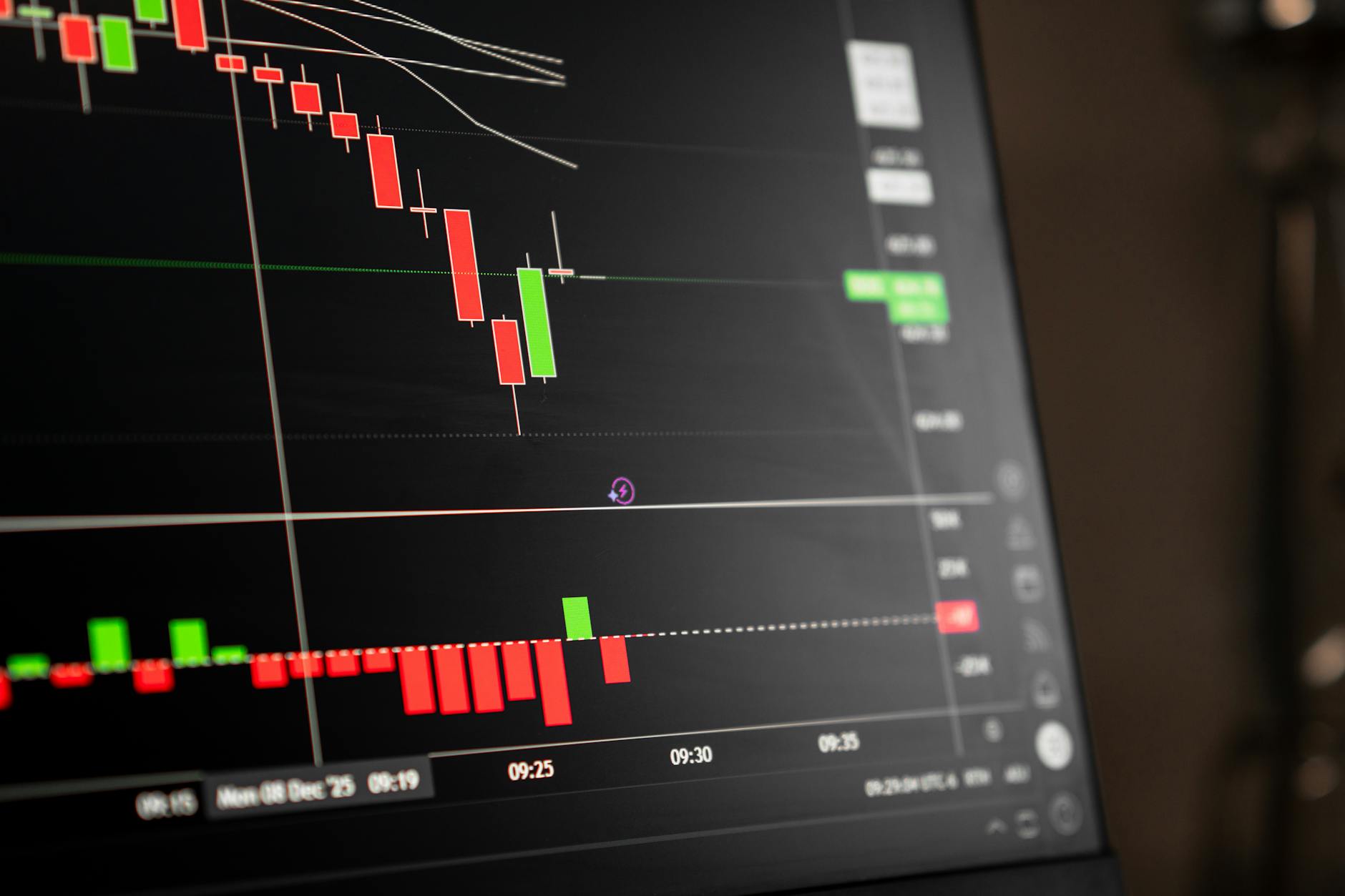
Key Features of Prop Firm Software
- Real-Time Trading Data: Provides instant access to market movements, trade execution statuses, and account balances, supporting swift decision-making.
- Risk Management Tools: Implements pre-trade and post-trade risk controls, including position limits and drawdown monitoring, to protect capital and ensure stability.
- Trade Automation: Automates order execution, order management, and trade adjustments based on predefined criteria, reducing manual intervention and minimizing errors.
- Reporting and Analytics: Offers comprehensive reports on trading performance, risk exposures, and profit/loss analysis, facilitating strategic review and compliance adherence.
- Back-Office Operations: Streamlines account reconciliation, trade processing, and financial reporting, decreasing administrative burdens and ensuring data accuracy.
- Secure Data Management: Ensures all sensitive trading and client data are stored securely, with encrypted access controls and regular audits.
- Customization and Scalability: Supports modular integrations and customization options, allowing firms to tailor functionalities to specific trading strategies or regulatory requirements.
Types of Prop Firm Software
Prop firm software can be categorized based on their primary functions and operational scope. These classifications include:
- Trading Platforms: Focused on order routing, execution, and real-time trade monitoring, often integrated with market data feeds.
- Risk Management Solutions: Designed to monitor exposure levels, enforce trading limits, and alert traders when thresholds are breached.
- Back-Office Systems: Handle administrative processes such as trade reconciliation, compliance records, and performance tracking.
- Integrated Suites: Offer a comprehensive approach by combining trading, risk control, and back-office functions into a single platform, promoting seamless operation.
Overview of Prop Firm Software
Prop firm software plays a pivotal role in the daily operations of proprietary trading firms by providing a centralized platform to manage trading activities, risk controls, and back-office procedures. This specialized software infrastructure is essential for streamlining workflows, maintaining precise records, and ensuring operational efficiency. By utilizing robust prop firm software, firms can automate complex processes, facilitate rapid decision-making, and uphold high standards of data accuracy and security. These platforms are designed to adapt to the dynamic nature of trading environments, supporting various asset classes, trading styles, and regulatory standards. Off-the-shelf solutions often offer modules that cater to the unique needs of prop traders, risk managers, and administrative personnel, making it an indispensable tool for firms aiming to optimize their trading performance and compliance adherence.

Key Features of Prop Firm Software
The effectiveness of prop firm software hinges on several core features designed to support trading operations comprehensively:
- Order Routing and Trade Execution: Ensures rapid and reliable order placement, executing trades across various markets with minimal latency, often integrated with real-time market data feeds.
- Risk Management and Monitoring: Provides real-time exposure tracking, enforces trading limits, and generates alerts to prevent over-leverage or undesirable risk concentrations.
- Performance Reporting and Analytics: Offers detailed insights into trading results, profit/loss breakdowns, and risk profiles, facilitating informed decision-making and strategic adjustments.
- Back-Office Operations: Automates account reconciliation, trade settlement, and compliance documentation, reducing manual workload and errors.
- Secure Data Handling: Implements encryption, access controls, and audit logs to safeguard sensitive client and trading information.
- Customization and Scalability: Allows firms to tailor functionalities to specific trading strategies, regulatory environments, or organizational growth plans via modular configurations.

Types of Prop Firm Software
Prop firm software can be classified into distinct categories based on their primary functionalities and scope of operations:
- Trading Platforms: These focus on execution, order routing, and real-time trade monitoring, often with integrated market data and charting tools. They are optimized for speed and reliability in executing trades across multiple asset classes.
- Risk Management Solutions: Dedicated to tracking traders’ exposure, enforcing predefined risk limits, and issuing instant alerts to prevent excessive risk-taking. These tools help maintain the firm’s overall risk profile within acceptable boundaries.
- Back-Office Systems: Support administrative processes such as trade reconciliation, regulatory reporting, and financial record-keeping. Ensuring accuracy and compliance in post-trading operations is the core function of these systems.
- Integrated Suites: Combine trading, risk management, and back-office features within a single platform. This holistic approach promotes seamless data sharing and operational efficiency across departments.
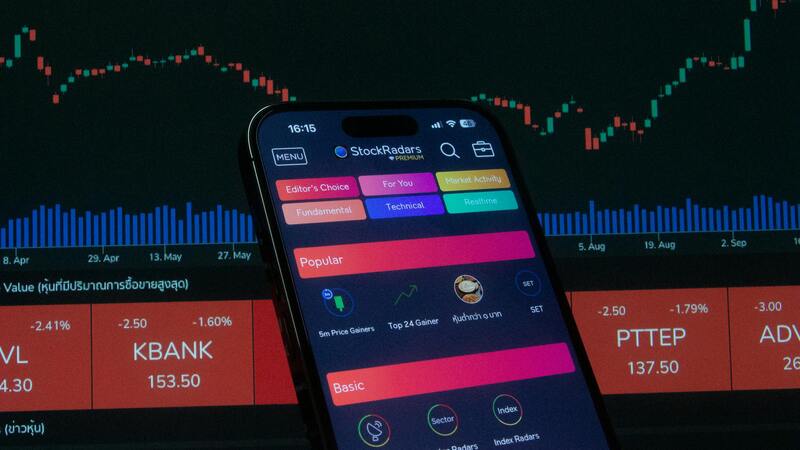
Implementation and Integration
Successfully deploying prop firm software requires a comprehensive approach to ensure it fits seamlessly into existing trading infrastructure and operational workflows. The initial step involves detailed planning, which includes assessing current systems, identifying specific operational needs, and establishing clear objectives for the new software deployment. This planning phase should involve stakeholders from trading, risk management, compliance, and IT departments to align expectations and ensure the software’s capabilities meet organizational demands.
Integration begins with selecting compatible hardware and software components, ensuring that the new prop firm software can communicate effectively with existing trading platforms, data feeds, and back-office systems. Compatibility issues can often be mitigated through the use of APIs (Application Programming Interfaces) and custom middleware solutions that facilitate smooth data exchange and process automation.
Beyond technical considerations, staff training plays a critical role in successful implementation. Comprehensive training programs should be designed to familiarize traders, analysts, and administrative personnel with the software’s features, functionalities, and best practices. This reduces the learning curve and enhances user confidence, ultimately leading to more efficient and accurate trading operations.
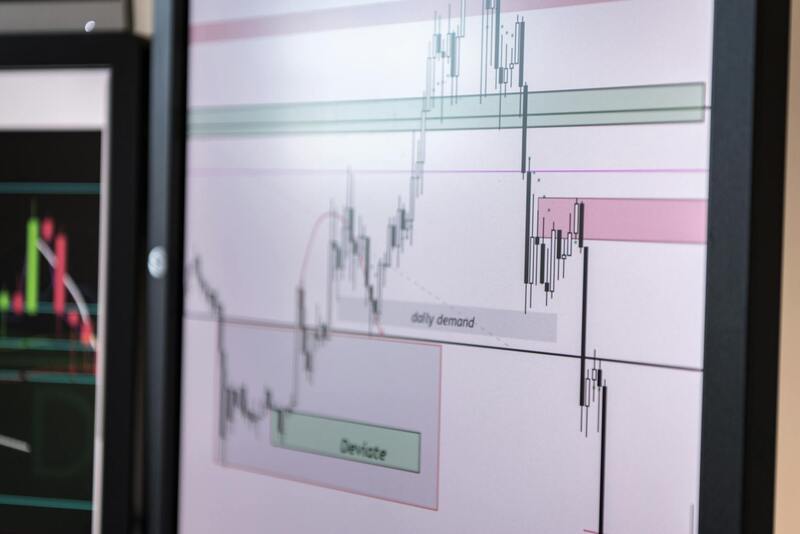
Additionally, phased rollouts can minimize disruptions, allowing teams to adapt gradually while addressing unforeseen issues. Ongoing support and periodic updates are essential to maintain operational smoothness and incorporate new features as the software evolves. Proper documentation and feedback mechanisms also ensure continuous improvement and quick resolution of any integration challenges.
In essence, a methodical approach to implementation fosters a stable environment where the prop firm software enhances trading efficiency, risk control, and compliance management. When carefully integrated, these systems significantly contribute to the agility and competitive edge of trading firms in dynamic markets.
Overview of Prop Firm Software
Prop firm software serves as the technological backbone that enables proprietary trading firms to operate efficiently, manage risk, and capitalize on market opportunities. These platforms consolidate a wide array of functionalities—from trade execution and risk management to performance tracking and reporting—aimed at streamlining operations and enhancing decision-making capabilities. Given the fast-paced nature of trading environments, having reliable and scalable software solutions is essential for firms seeking to maintain a competitive edge.
Effective prop firm software integrates various tools and systems, allowing traders, analysts, and administrative personnel to access real-time data, execute trades seamlessly, and maintain compliance with regulatory standards. Its role extends beyond mere automation; it empowers firms to optimize workflows, improve transparency, and react swiftly to market fluctuations, ensuring sustainable growth and operational resilience.

Key Features of Prop Firm Software
Investing in a robust prop firm software solution involves understanding the spectrum of features that can impact daily operations and strategic decision-making. The most critical components include:
- Real-Time Market Data Integration: Ensures traders have instant access to market movements, enabling timely and informed trade executions.
- Trade Execution and Order Management: Streamlines the process of placing, modifying, and closing trades with minimal latency.
- Risk Management Tools: Provide comprehensive analytics for position sizing, stop-loss, and profit targets, helping to mitigate potential losses.
- Performance Tracking and Analytics: Offer detailed insights into trading strategies, individual trader performance, and overall firm metrics.
- Automated Compliance Checks: Ensure trades and strategies comply with industry regulations and internal policies, reducing the likelihood of violations.
- Customizable User Interfaces: Allow users to tailor dashboards and workflows to suit specific trading styles and operational needs.
Types of Prop Firm Software
Prop firm software solutions can generally be categorized into various types based on their functionality and deployment model. These include:
- Platform-Centric Software: These are comprehensive, all-in-one solutions that cover trading, risk management, and reporting within a single platform, often hosted on-premises or via the cloud.
- Specialized Modules: Focused on specific aspects such as trade execution or compliance, these modules can be integrated into existing systems to enhance functionality.
- Cloud-Based Solutions: Offer scalable, accessible options that enable remote access, seamless updates, and reduced infrastructural costs.
- Open-Source Platforms: Provide customizable frameworks for firms with in-house development capabilities, allowing tailored features and integrations.

Benefits of Implementing Prop Firm Software
Adopting advanced prop firm software translates into multiple operational advantages that support sustainable growth. These include:
- Enhanced Efficiency: Automating routine tasks reduces manual input and minimizes errors, allowing traders to focus on strategic decision-making.
- Improved Risk Control: Real-time monitoring and analytics assist in identifying potential risks promptly, facilitating swift mitigation actions.
- Regulatory Compliance: Built-in compliance tools help ensure adherence to industry standards and facilitate audit readiness.
- Data-Driven Insights: Comprehensive analytics enable firms to evaluate trading performance, optimize strategies, and identify growth opportunities.
- Operational Scalability: Flexible software solutions accommodate evolving business needs and increased trading volumes without significant disruptions.
- Enhanced Security: Advanced encryption, user authentication, and access controls safeguard sensitive trading and client data.
Choosing the Right Prop Firm Software
Selecting the appropriate software hinges on understanding operational priorities and long-term strategic goals. Key considerations include:
- Compatibility: Ensure the software can integrate seamlessly with existing trading infrastructure and third-party data feeds.
- Scalability: Choose solutions that can grow alongside your firm, supporting increased trading capacity and new functionalities.
- User Experience: Opt for intuitive interfaces that facilitate quick onboarding and minimal learning curves for traders and staff.
- Customization: Consider flexibility in adapting workflows, dashboards, and reports to specific operational needs.
- Support and Updates: Verify vendor support structures and the frequency of updates to incorporate improvements and new features.
- Cost-Effectiveness: Balance features and price to optimize return on investment without compromising core requirements.

Implementation and Integration
Successful deployment of prop firm software necessitates meticulous planning and strategic execution. Integration with existing trading platforms, data feeds, and internal systems is critical to ensure seamless operations. To facilitate this process, firms must conduct comprehensive audits of current infrastructure, identify potential incompatibilities, and establish clear timelines and milestones.
A well-structured integration plan typically involves collaboration between software vendors, IT teams, and trading personnel. This collaborative effort ensures that configuration settings are aligned with operational workflows, minimizing disruptions during transition phases. Moreover, phased rollouts allow for incremental testing and adjustments, reducing the risk of technical failures.
Data migration procedures should prioritize data integrity and security. Transferring historical trading data, client information, and performance metrics demands rigorous validation to prevent discrepancies that could impact analytics and decision-making. During this phase, establishing robust backup protocols safeguards against data loss.
Post-implementation support is vital to address unforeseen issues promptly. Vendors often provide onboarding assistance, training sessions, and troubleshooting resources. Continual monitoring of system performance allows firms to fine-tune software configurations, enhancing overall efficiency.