Understanding Proprietary Trading and Prop Firms
Proprietary trading, commonly known as prop trading, involves financial firms or institutions using their own capital to execute trades and generate profits instead of acting on behalf of clients. This approach allows traders within these firms to leverage significant resources and advanced strategies to capitalize on market opportunities. Prop trading firms serve as specialized entities that focus exclusively on trading activities, often employing highly skilled traders who utilize sophisticated algorithms, technical analysis, and market insights to optimize their positions.
The core objective of prop firms is to maximize returns on their invested capital while managing the inherent market risks. They operate across various markets, including equities, forex, commodities, derivatives, and futures, employing a range of trading styles such as day trading, swing trading, and algorithmic trading. The operational framework of a prop firm typically entails providing traders with dedicated capital, access to cutting-edge trading technology, and comprehensive risk management protocols. This model creates an environment geared towards high-stakes trading, where skilled traders are incentivized through profit-sharing arrangements that align their interests with the firm's financial success.

Unlike traditional investment firms that manage client assets, prop trading firms focus solely on their own financial interests. This focus allows for greater flexibility in executing trading strategies, adapting swiftly to market changes, and deploying aggressive trading tactics when compared to asset management operations. The environment within prop firms is highly competitive, demanding traders to display consistent performance, strategic adaptability, and strong risk management skills to thrive and secure ongoing trading capital.
Given their significant role in the financial markets, prop trading firms rely heavily on a combination of cutting-edge technology, disciplined risk controls, and market intelligence to maintain their competitive edge. They operate within a complex landscape that requires constant adaptation and innovation to sustain profitability in an ever-changing trading environment.

Understanding Proprietary Trading and Prop Firms
Proprietary trading, commonly known as prop trading, involves trading financial instruments using a firm’s own capital rather than client funds. Prop firms operate as specialized entities that prioritize their own profit generation through active trading in various markets, including stocks, commodities, forex, and derivatives. The core approach involves recruiting skilled traders and providing them with the necessary resources to execute high-volume trading strategies under a structured environment.

Unlike traditional asset management companies, which handle client investments, prop trading firms focus exclusively on harnessing their capital to generate returns. They deploy advanced trading technology, including algorithmic tools, high-speed data feeds, and sophisticated order execution platforms that enable traders to capitalize on minute market movements rapidly. The internal culture emphasizes performance, risk discipline, and continuous innovation to stay competitive.
Highly competitive and performance-driven, traders at prop firms often operate under stringent performance metrics, where consistent profitability is key to ongoing access to trading capital. This environment necessitates disciplined risk management, strategic flexibility, and quick adaptation to changing market conditions, making prop trading a high-stakes endeavor that demands expertise and resilience.
Given their vital role in the broader financial ecosystem, prop firms rely on a strategic combination of financial technology, disciplined risk controls, and real-time market insights. They thrive in a landscape characterized by rapid technological advancement and complex market dynamics, requiring continuous innovation to sustain profitability.
Market Environment Influencing Prop Trading Activities
The success of prop trading is heavily influenced by prevailing market conditions. Fluctuations, whether short-term volatility or long-term trend shifts, directly impact trading opportunities and risk exposure. Prop traders must maintain robust strategies capable of adjusting to these variations to preserve capital and generate consistent profits. An in-depth understanding of market structure, liquidity, and economic indicators enables traders to anticipate and react effectively to market movements, thereby mitigating potential losses.
Image Placeholder

Effective Strategies for Navigating Prop Challenges
Maintaining operational excellence within prop trading firms requires a multifaceted approach that emphasizes sound practices to overcome the various challenges encountered. Traders and firms must develop and adhere to comprehensive risk management protocols, ensuring disciplined execution of trades and consistent adherence to predefined risk parameters. This involves leveraging advanced analytics and real-time data to make informed decisions, minimizing emotional biases and impulsive trades which could otherwise compromise performance.
Another key aspect is robust capital management. Proper allocation of trading funds and maintaining adequate liquidity reserves are crucial in weathering unforeseen market shifts. Implementing tiered capital allocation ensures that traders can adapt their strategies depending on market conditions, thereby balancing the pursuit of alpha with the preservation of capital.
Utilizing Technology to Overcome Prop Challenges
Investing consistently in cutting-edge trading technology and infrastructure forms the backbone of a resilient prop trading operation. High-speed execution platforms, reliable data feeds, and sophisticated analytical tools provide traders with a competitive edge. These technologies enable rapid response to market fluctuations and facilitate precise risk assessment, which is essential to mitigate losses during volatile periods.
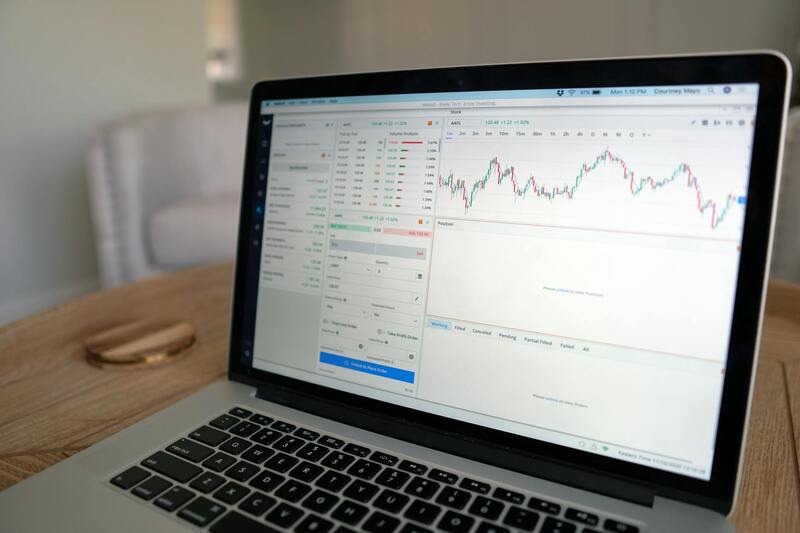
Furthermore, automation and algorithmic trading systems help in executing complex strategies with minimal latency, reducing human error and enhancing consistency. Continuous upgrades and maintenance of these technological assets ensure the firm remains agile and capable of addressing emerging market complexities.
Strategic Adaptation and Continuous Learning
Successful prop traders prioritize ongoing education and strategic adjustments. Markets are inherently dynamic, and static strategies tend to underperform over time. Traders should regularly review their methodologies, incorporate new data, and adapt to changing market signals. This proactive approach helps in identifying new opportunities and adjusting risk levels accordingly.
Implementing systematic feedback loops, where trading outcomes are analyzed to refine strategies, offers a structured mechanism to improve performance. Training programs and internal knowledge-sharing sessions contribute significantly to cultivating skillful traders who are well-versed in current market practices and technological tools.
Building Resilience to Market Uncertainties
Tackling the inherent unpredictability of markets involves developing flexible trading frameworks. Diversifying across different asset classes, employing hedging techniques, and setting conservative risk limits are effective means to safeguard capital. Moreover, maintaining a psychological edge through disciplined decision-making and emotional regulation plays a critical role in navigating periods of extreme volatility.
Finally, establishing strong operational procedures and crisis management protocols ensures the firm can respond promptly to unexpected market shocks, thereby preserving capital and maintaining trader confidence in turbulent times.
Risk Management Challenges in Prop Trading
Effective risk management remains a cornerstone of sustainable prop trading. Traders are tasked with balancing the pursuit of high returns against the necessity to control potential losses. This delicate equilibrium requires a comprehensive understanding of risk metrics, disciplined adherence to predefined parameters, and the ability to respond swiftly to market anomalies.
One prevalent challenge involves setting appropriate stop-loss levels. While tight stops can protect capital from sudden market reversals, they may also lead to premature exits, cutting profitable trades short. Conversely, overly generous stops increase exposure to significant drawdowns. Finding an optimal margin necessitates meticulous analysis of historical volatility and current market conditions.

Additionally, overexposure to single assets or correlated positions can amplify risk, especially during unexpected volatility surges. Proper diversification, although sometimes challenging in capital-constrained environments, is a vital strategy for reducing undue concentration risk. Traders also leverage position sizing techniques to ensure that no single trade can disproportionately impact overall capital.
Implementing real-time monitoring tools and automated alerts enhances decision-making efficiency. These technological aids enable traders to respond proactively when risk thresholds are approached or breached. Moreover, maintaining comprehensive records of trading activities aids in post-trade analysis, identifying patterns that may signal elevated risk levels.
Market shocks, geopolitical developments, or sudden economic data releases can trigger rapid unfavorable movements. Constructing robust contingency plans, including predefined exit strategies and hedging methods, helps mitigate the adverse effects of such events. This proactive risk management framework safeguards capital and sustains consistent trading performance over the long term.
Ultimately, successful prop traders view risk management not merely as a defensive measure but as an integral component of their trading philosophy. They continuously refine their methodologies, integrate technological solutions, and cultivate disciplined trading habits to navigate the complex risk environment inherent in proprietary trading.
Technology and Infrastructure Challenges in Prop Trading
One of the critical hurdles faced by prop traders involves maintaining robust technological infrastructure to support high-frequency and algorithmic trading. As markets evolve with increased digitalization, traders rely heavily on sophisticated trading platforms, real-time data feeds, and high-speed internet connections to execute trades efficiently. Downtime or latency issues can lead to missed opportunities or unfavorable execution prices, directly affecting profitability.
Additionally, cybersecurity concerns are paramount. Prop traders handle sensitive financial data and access proprietary trading algorithms that must be protected against malicious attacks or data breaches. Implementing advanced security measures, including encryption, multi-factor authentication, and regular system audits, is essential to safeguard operational integrity and client confidentiality.

Maintaining and updating trading hardware and software also present logistical challenges. Outdated systems can hinder performance and limit the ability to implement cutting-edge trading strategies. Furthermore, integrating new tools or trading algorithms requires significant technical expertise and seamless compatibility with existing systems.
Data Management and Analytical Capabilities
Effective data management becomes increasingly complex as traders incorporate vast datasets for predictive analytics and strategy development. Ensuring data accuracy, cleanliness, and timely processing is crucial. Traders rely on high-capacity servers and advanced analytical software to identify market patterns and generate actionable insights, which demand ongoing investment in infrastructure.
Similarly, the development and testing of trading algorithms demand reliable and scalable computational resources. Overloading servers or experiencing bottlenecks during critical trading periods can lead to suboptimal execution and increased transaction costs. Consequently, continuous infrastructure upgrades and performance optimization form a fundamental part of sustaining competitive edge in prop trading.
Integration of Emerging Technologies
Adapting to innovations such as machine learning, artificial intelligence, and blockchain integration requires not only investment but also expertise in deploying these technologies within existing trading ecosystems. Proper implementation can enhance signal accuracy, automate decision-making, and improve transaction transparency. However, failure to seamlessly incorporate new tools can lead to operational disruptions and inconsistent results.
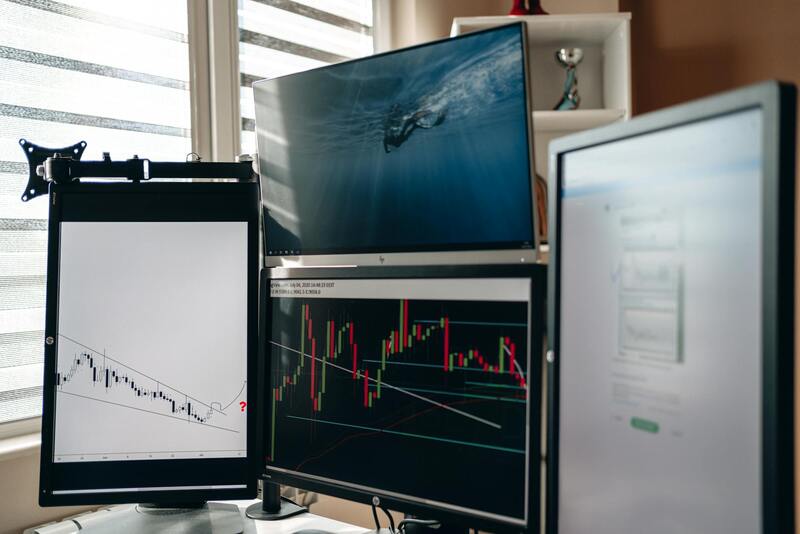
Furthermore, regulatory requirements around technology use and data handling are continuously evolving. Prop firms must ensure their systems are compliant with industry standards and guidelines, necessitating ongoing updates and oversight. This relentless pace of technological advancement and regulation underscores the importance of maintaining resilient, flexible infrastructure capable of adapting to future challenges.
Technology and Infrastructure Challenges
Proprietary trading firms depend heavily on advanced technological systems that facilitate rapid data processing, order execution, and strategy deployment. However, maintaining a robust technological infrastructure presents multiple challenges that can hinder performance if not properly managed. One of the primary concerns is the integration of diverse and often complex systems designed to handle high-frequency trading, algorithmic analysis, and real-time risk management.
Firms must ensure their hardware and software are capable of processing vast amounts of data with minimal latency. This involves investing in cutting-edge servers, data feeds, and networking equipment that can operate seamlessly under demanding conditions. Downtime or lag can lead to missed trading opportunities and increased transaction costs, so continuous monitoring, maintenance, and upgrades are essential. Upgrading infrastructure is a continuous process as technology rapidly evolves, requiring firms to allocate significant resources for research and development.

Another critical aspect is cybersecurity. As trading systems become more sophisticated and interconnected, the risk of cyber attacks and data breaches increases. These vulnerabilities can disrupt trading activities, compromise sensitive information, and result in financial losses or operational delays. Consequently, firms implement multi-layered security protocols, regular vulnerability assessments, and staff training to mitigate these risks.
Technology deployment also involves compliance with industry standards and data handling regulations. Firms must ensure their systems are compliant with various data privacy and security regulations, which often entail regular audits and system updates. The challenge lies in balancing innovation and compliance without interrupting trading operations or exposing the firm to unnecessary risks.
Scalability and Flexibility in Infrastructure
As market conditions change, prop firms need to adapt swiftly. This requires scalable infrastructure capable of handling increased trading volumes without degradation of performance. Cloud computing solutions and hybrid infrastructure models are increasingly adopted to meet these demands. However, managing such adaptable systems demands expertise and strategic planning to avoid pitfalls like vendor lock-in or data synchronization issues.
Real-time Data Management
Handling real-time data streams from multiple sources is fundamental for effective trading decisions. Bottlenecks in data processing or delays in data synchronization can lead to outdated insights, affecting trade execution and profitability. Firms utilize high-throughput data platforms and optimized database management systems to support efficient data handling at scale.
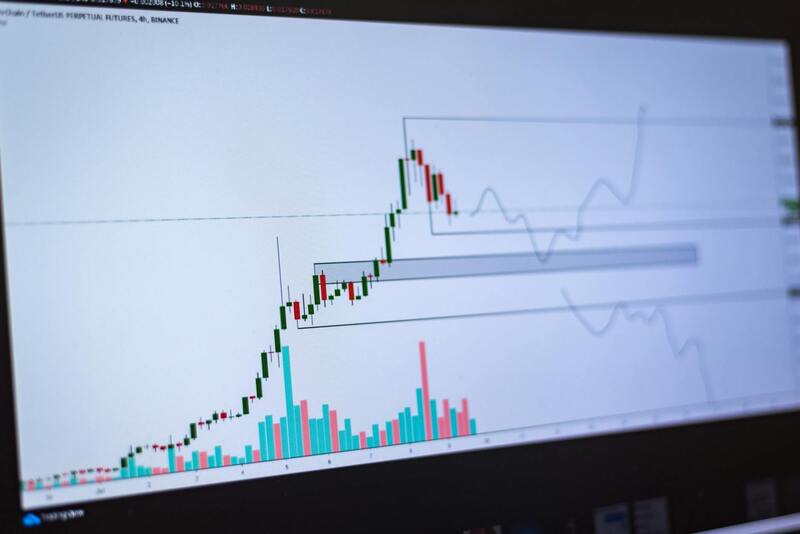
In summary, the persistent evolution of technology and infrastructure necessitates ongoing investments, strategic planning, and operational vigilance. The ability of a prop firm to maintain technological resilience directly correlates with its capacity to execute trades efficiently, adapt to market fluctuations, and uphold competitive advantage in a highly dynamic environment.
Understanding Proprietary Trading and Prop Firms
Proprietary trading involves financial firms using their own capital to execute trades in various markets, aiming to generate profits through strategic investments and market analysis. Prop firms serve as pivotal entities within the trading ecosystem, providing traders with the necessary capital, infrastructure, and risk management tools to maximize trading potential. The operational success of these firms depends heavily on their ability to navigate complex challenges associated with resource allocation, strategy development, and adherence to evolving market standards.
Market Volatility and Its Impact on Prop Trading
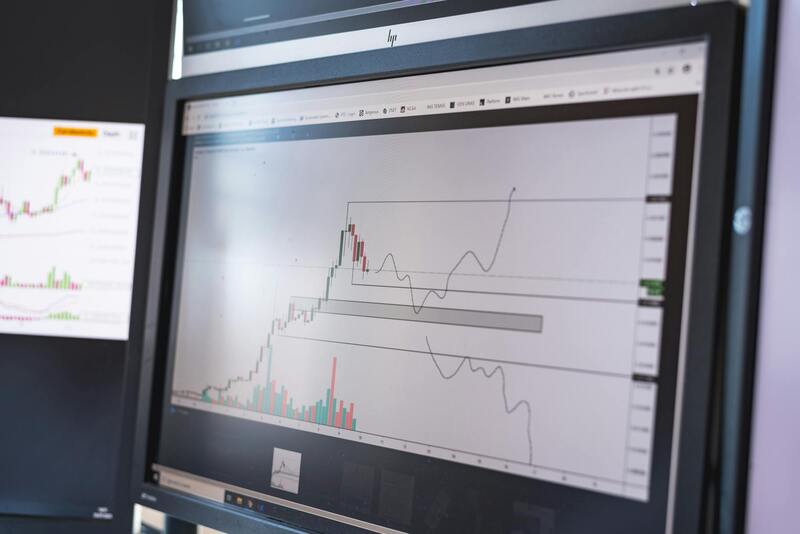
Market volatility remains one of the most significant hurdles for prop traders. Sudden price swings, unpredictable geopolitical events, or macroeconomic shifts can drastically alter trading landscapes, making it difficult to maintain consistent profits. Prop firms often implement rigorous risk management protocols, including stop-loss orders and exposure limits, to mitigate adverse effects. Utilizing advanced analytical tools and real-time monitoring systems helps traders adapt swiftly, but unforeseen market turbulence can still challenge the stability of trading operations.
Risk Management Challenges in Prop Trading
Effective risk management is fundamental for sustaining long-term profitability in proprietary trading. Prop firms face challenges such as balancing aggressive trading strategies with prudent risk controls to prevent disproportionate losses. Traders must be equipped with real-time analytics, bespoke risk dashboards, and automated tools that monitor position sizes, leverage, and exposure across multiple assets. Moreover, establishing clear risk thresholds and disciplined trading routines are essential to avoid impulsive decisions during turbulent market phases, which can jeopardize the firm's capital base.
Capital Allocation and Funding Constraints
Optimal capital allocation is vital for maximizing trading opportunities while safeguarding funds. Prop firms often operate within predefined financial parameters, which can restrict aggressive trading strategies, especially during periods of market uncertainty. Securing sufficient liquidity and funding to sustain trading activities without overextending resources presents ongoing challenges. An imbalance between capital deployment and available reserves can limit a firm's ability to seize market opportunities or sustain positions during downturns. Strategic planning, backed by comprehensive financial analysis, ensures that capital is deployed efficiently and in alignment with market conditions.
Maintaining Consistent Performance and Strategies
Consistency in trading performance hinges on well-developed, adaptable strategies. The dynamic nature of markets necessitates continuous evaluation and refinement of trading models to prevent strategy decay or obsolescence. Prop traders often rely on systematic approaches, combining quantitative models with human oversight, to maintain stability amid fluctuating conditions. Regular backtesting, stress testing, and scenario analysis are crucial practices that help identify vulnerabilities and refine strategies proactively, ensuring performance remains resilient across varying market regimes.

Regulatory and Compliance Limitations
Prop trading firms must navigate an intricate web of regulations that dictate operational conduct, reporting standards, and risk mitigation protocols. These compliance requirements, while essential for market integrity, can impose constraints on trading strategies, limit leverage, and restrict participation in certain high-risk instruments. Staying ahead in compliance demands dedicated legal and operational teams, ongoing staff training, and robust internal controls. Failing to adhere to regulatory stipulations can result in penalties, operational delays, or reputation damage, emphasizing the importance of integrating compliance considerations into the core trading framework.
Overcoming Prop Challenges Through Continuous Improvement and Resource Optimization
Addressing the myriad challenges faced by proprietary trading firms requires a strategic approach centered on ongoing improvement, leveraging technological advancements, and optimizing resource allocation. Developing a resilient operational framework involves not only refining trading strategies but also ensuring that the infrastructural and human resource components are aligned to support sustained performance.
Enhancing Trading Infrastructure and Data Utilization
Modern prop trading demands sophisticated technological infrastructure that facilitates real-time data analysis, rapid order execution, and seamless communication channels. Investing in high-performance trading platforms, low-latency connectivity, and advanced analytics tools enables traders to react swiftly to market movements and execute complex strategies with precision. Additionally, integrating artificial intelligence and machine learning models can uncover patterns and generate insights that improve decision-making, allowing traders to adapt quickly to market shifts.

Prioritizing Staff Training and Skill Development
A committed focus on continuous staff training elevates the overall competence and confidence of trading teams. Regular workshops on emerging market trends, risk management techniques, and technological tools ensure that personnel remain adept and adaptable. Promoting a culture of knowledge sharing and innovation fosters an environment where traders are proactive in addressing challenges and refining their approaches.
Robust Risk Monitoring and Adaptive Strategies
Implementing comprehensive risk monitoring frameworks helps in early detection of potential pitfalls, enabling timely intervention before issues escalate. Adaptive strategies—designed to evolve based on market feedback—are crucial for maintaining consistency amidst volatile conditions. Systematic reviews, scenario testing, and scenario planning are valuable processes that allow firms to calibrate their strategies in response to real-world developments and unforeseen disruptions.
Resource Allocation and Capital Efficiency
Effectively managing capital and human resources is fundamental to navigating prop challenges. This entails prioritizing high-impact trading opportunities, optimizing leverage levels, and ensuring that capital is deployed where it can generate the highest returns relative to risk. Efficient resource allocation also includes maintaining sufficient liquidity buffers and contingency plans to withstand periods of heightened market turbulence.
Fostering a Culture of Innovation and Compliance
Prop firms should cultivate an organizational ethos that emphasizes continuous innovation, disciplined risk-taking, and strict adherence to operational standards. This balance mitigates operational risks and ensures sustainable growth. Maintaining open channels for feedback, conducting regular audits, and staying informed about industry best practices are essential components of a proactive approach to managing prop challenges.