
Overview of Proprietary Trading in the USA
Proprietary trading, commonly known as prop trading, is a specialized segment within the financial industry where firms trade stocks, commodities, derivatives, currencies, and other financial instruments with their own capital. Unlike brokerage firms that execute trades on behalf of clients, prop trading firms prioritize their own trading activities, aiming to generate profits through market speculation and strategic asset management. In the USA, this sector plays a critical role in providing liquidity, facilitating market efficiency, and fostering innovation through the deployment of advanced trading technologies.
Prop trading firms in the United States operate with a variety of business models but generally share a core focus: leveraging skilled traders and sophisticated algorithms to capitalize on market opportunities. They often employ high-frequency trading, algorithmic strategies, and quantitative analysis to stay competitive. These firms act as essential market participants, contributing to price discovery and volatility, and supporting the overall health of financial markets.

The operational framework of US prop trading firms involves deploying proprietary capital, integrating advanced trading systems, and cultivating highly skilled traders. Their success relies heavily on information advantage, rapid order execution, and the ability to adapt swiftly to changing market conditions. Utilizing a mix of human intuition and algorithmic precision, these firms often operate in highly competitive environments that demand innovation and resilience.
Furthermore, proprietary trading firms often collaborate with financial exchanges, data providers, and technology vendors to optimize their trading infrastructure. This synergy enables them to identify and exploit market inefficiencies, often within fractions of a second. As a result, prop trading continues to evolve as a dynamic and technologically driven sector within the US financial landscape.
While their primary goal is profit generation, prop trading firms also contribute to the broader financial ecosystem by enhancing overall market liquidity and stability. Their activities influence asset prices and trading volumes, making them vital players in the continuous functioning of US financial markets.
In the next sections, a detailed examination of the legal and regulatory environment, types of firms, strategies employed, and emerging trends will provide a comprehensive understanding of this complex and innovative industry in the United States.
Legal and Regulatory Environment for Prop Trading Firms
Proprietary trading firms in the USA operate within a complex regulatory landscape designed to ensure transparency, stability, and fair market practices. Regulatory oversight is largely exercised by agencies such as the Securities and Exchange Commission (SEC) and the Commodity Futures Trading Commission (CFTC), which enforce rules related to market operations, reporting requirements, and risk management protocols.
Firms must adhere to rigorous licensing procedures, often involving registration with regulatory bodies, to demonstrate compliance with financial reporting standards and operational standards. These licenses verify that firms maintain adequate capitalization, implement robust risk controls, and follow best practices in trading activities. The registration process typically includes a review of the firm's organizational structure, trading strategies, and internal compliance programs to ensure they meet established regulatory expectations.
In addition to federal standards, certain states may impose their own licensing requirements, especially for firms engaged in specific types of trading activities or operating within certain jurisdictions. This layered regulatory approach aims to prevent market manipulation, ensure investor protection, and maintain an orderly marketplace.
Operational compliance also involves rigorous monitoring of trading activities through surveillance systems that detect irregularities or potential breaches. Firms must implement effective compliance programs, conduct regular audits, and maintain comprehensive records of all trading activities. Failure to comply with these standards can lead to penalties, license suspension, or other enforcement actions, underscoring the importance of strict adherence to established regulations.
Financial firms engaged in prop trading also typically implement anti-money laundering (AML) policies, cybersecurity measures, and staff training programs to align with regulatory expectations. Staying current with evolving rules and guidelines is essential for firms seeking to sustain their operations and reputation within the industry.

Emerging Regulatory Trends and Adaptations
As the financial landscape continues to evolve with technological advances, regulatory bodies are also updating frameworks to address new challenges. For instance, increased emphasis on cybersecurity protections and data integrity is prompting firms to enhance their internal controls. Additionally, regulatory agencies are pursuing greater transparency in trading algorithms and risk exposures by requiring detailed disclosures and regular reporting.
Firms that proactively adapt to these evolving standards can better position themselves for sustained operations and growth. Being in compliance not only fosters trust with clients and partners but also helps avoid disruptions that could arise from non-compliance or sudden regulatory changes.

Overview of Proprietary Trading in the USA
Proprietary trading, or prop trading, involves firms utilizing their own capital to engage in various financial markets with the objective of generating profits. These firms operate by applying sophisticated strategies across asset classes such as equities, options, futures, forex, and derivatives. Unlike client-focused trading, prop trading entities invest their own resources, allowing them greater flexibility and control over their trading operations. This approach often requires the integration of advanced technology, robust risk management protocols, and in-depth market analysis.

In the United States, the landscape of prop trading has expanded significantly, bolstered by accessibility to cutting-edge trading platforms, a large pool of skilled traders, and a regulatory environment that, while strict, provides avenues for legitimate and compliant operations. Firms may operate independently, as part of larger financial institutions, or as specialized hedge funds, each adopting unique trading models tailored to their strategic goals and risk appetite. This diversity allows the US market to maintain a vibrant and competitive environment, where innovation and disciplined risk management are key drivers of success.
Legal and regulatory environment for prop trading firms
The operational framework for US proprietary trading firms is shaped by a combination of federal and state regulations designed to oversee trading practices, protect market integrity, and ensure fair competition. Regulatory bodies such as the Securities and Exchange Commission (SEC) and the Commodity Futures Trading Commission (CFTC) establish guidelines that firms must follow, including disclosures relating to trading activities and adherence to capital requirements. Through registration processes and ongoing compliance obligations, these agencies help create a transparent trading ecosystem that benefits both traders and market participants.
Firms engaged in prop trading often implement comprehensive compliance programs, including controls for anti-money laundering (AML), cybersecurity, and employee training on best practices. Staying compliant with evolving rules is essential to mitigate operational risks, maintain reputation, and sustain long-term growth in a highly dynamic environment. This regulatory oversight encourages firms to adopt industry standards and adopt internal policies that promote integrity and accountability.
Furthermore, emerging advancements in technology have prompted regulatory bodies to refine and update standards related to data security, trading algorithms, and real-time reporting. These adaptations aim to foster a level playing field, enhance market transparency, and prevent manipulative or unethical trading practices. Firms that prioritize proactive compliance and transparency are better positioned to navigate the complexities of the US trading landscape.

Understanding the necessary legal parameters is crucial for any operation that aims to maintain legitimacy within the industry. While regulations provide a structured framework, they also encourage firms to adopt best practices, leverage technological advancements responsibly, and continually adapt to changes in the regulatory landscape. Effective compliance not only safeguards the firm but also enhances its reputation and trustworthiness among clients and trading partners.
Types of Proprietary Trading Firms in the USA
Proprietary trading firms in the USA operate through various models tailored to different trading strategies, risk management preferences, and technological capabilities. Recognizing these distinctions is key for traders and investors seeking to align with a firm that matches their operational style and financial goals.
One prevalent type is the profit-sharing firms, which allocate a portion of the profits generated by traders back to the trading teams or individual traders. These firms typically provide traders with access to capital, trading infrastructure, and risk management tools, earning revenue through commissions and performance fees. They foster an entrepreneurial environment where traders are incentivized to maximize returns while adhering to strict risk controls.
Another common category includes funded trader programs. These programs offer traders initial capital, often based on their demonstrated skills and trading history. Successful traders can scale their trading activities with larger amounts of capital, sharing profits as per the firm's agreement. Such models emphasize trader development and risk mitigation, providing a structured pathway for traders to grow within the firm’s ecosystem.
Furthermore, there are agency-based firms that focus on executing proprietary strategies using advanced algorithms and high-frequency trading (HFT). These firms rely heavily on sophisticated technological infrastructure, including ultra-fast data feeds and colocated servers adjacent to exchange data centers. Their core objective is to leverage speed and automation to exploit micro-inefficiencies in the market.

Additionally, hybrid models are gaining traction, combining elements of profit sharing, funded trader programs, and algorithmic trading. These hybrid firms aim to diversify revenue streams and adapt to evolving market conditions and technological advancements. They often offer comprehensive training and mentorship programs to attract and retain high-performing traders.
Overall, the diversity in operational models within US prop trading firms reflects the dynamic nature of the trading environment. Traders and investors should carefully evaluate the firm's approach, risk management policies, and technological capabilities to ensure alignment with their trading objectives and risk appetite.
Funding Models and Profit Sharing in US Prop Trading Firms
US proprietary trading firms employ diverse funding structures to support their trading activities, often tailored to their operational models and strategic objectives. One predominant approach involves the utilization of pooled capital, where the firm allocates a specific amount of trading capital sourced from its own resources or from external stakeholders. This pooled capital enables the firm to engage in various trading strategies across multiple asset classes, reducing individual trader risk and optimizing overall portfolio performance.
Another common funding method is trader-based capital allocation, where individual traders are provided with a predetermined trading account size, often after demonstrating proficiency and passing rigorous evaluation processes. These funded accounts serve as independent trading units within the firm, and traders operate with the firm’s capital but under specific guidelines that emphasize risk management and adherence to trading parameters.
Profit sharing arrangements are designed to both incentivize traders and align their interests with the firm’s success. Typically, traders receive a percentage of the profits they generate, with common splits ranging from 50% to 80% in favor of traders, depending on the firm’s policies and the trader’s experience. These arrangements encourage skilled traders to maximize their performance while maintaining discipline in risk control.
Some firms adopt a tiered profit-sharing model, where high-performing traders receive higher profit splits or additional bonuses, fostering a competitive environment that rewards consistent profitability. Other models include performance-based bonuses, which are awarded periodically based on individual and overall firm performance metrics. These bonus structures aim to motivate traders to focus on sustainable trading practices and long-term profitability.

Additionally, some firms employ hybrid funding schemes that integrate pooled capital with individual trader accounts, offering flexibility and diversification of risk. This approach allows firms to optimize capital allocation according to market conditions and trader performance patterns.
Technology and Infrastructure in US Prop Trading Firms
High-performance trading technology forms the backbone of US prop trading firms. These firms invest heavily in state-of-the-art infrastructure to enable rapid data transmission, precise order execution, and effective risk management. Ultra-low latency networks connect traders’ terminals with major exchanges, ensuring trades can be executed in microseconds, a crucial capability in high-frequency trading environments.
Colocated servers, often housed in proximity to key exchange data centers, are standard in most top-tier firms. This infrastructure minimizes transmission delays and maximizes trading efficiency. Robust data feeds provide real-time market data, news, and order book updates, facilitating informed trading decisions and rapid responses to market movements.
For algorithmic and quantitative trading, firms develop sophisticated software platforms that support strategy development, backtesting, and live trading deployment. These platforms are integrated with advanced risk monitoring systems that enable traders and risk managers to oversee multiple positions and enforce trading limits dynamically.

The integration of artificial intelligence and machine learning is increasingly prevalent, providing predictive analytics and pattern recognition capabilities that enhance trading strategies. Furthermore, cybersecurity measures are a critical component of operational infrastructure, protecting sensitive data and maintaining the integrity of trading systems against cyber threats.
Challenges Faced by Prop Trading Firms in the USA
Despite the sophistication of their operations, US prop trading firms encounter a range of challenges. Market volatility can adversely impact profitability, especially when leverage is employed or when exposure to rapid price swings is high. Maintaining a competitive edge in a sector characterized by relentless technological advancement demands continuous investment in infrastructure and talent.
Regulatory considerations, even when not explicitly termed as legal requirements, influence operational procedures. Firms must ensure compliance with evolving industry standards, manage risk oversight, and adapt to changes in market structure. Additionally, the increasing complexity of trading algorithms necessitates ongoing research and development, which incurs significant costs.
Talent acquisition and retention are critical, given the highly competitive environment. Experienced traders, quantitative analysts, and IT specialists are in high demand, and firms must offer attractive compensation packages, training programs, and professional development opportunities to maintain a skilled workforce.
Market environment unpredictability, technological failures, and cybersecurity threats pose ongoing risks that require vigilant management. Moreover, external economic factors and geopolitical issues can influence trading outcomes, demanding flexible strategies and resilient operational frameworks.
Funding Models and Profit Sharing in US Prop Trading Firms
Proprietary trading firms in the USA employ diverse funding structures to support their trading activities, balancing risk, capital allocation, and growth potential. These models significantly influence traders' motivation, risk management, and profitability distribution. A prevalent approach is the capital contribution model, where traders are provided with a trading account funded by the firm’s capital. This method ensures that traders operate within predefined risk parameters, while firms benefit from controlled exposure and shared profits.
In many cases, prop trading firms adopt a profit-sharing arrangement, which serves as an incentive for traders to maximize their performance. Typically, the profit split varies based on factors such as trader experience, trading volume, risk management skills, and the firm's internal policies. Standard profit sharing ratios can range from 50/50 to 80/20 in favor of traders, aligning their interests with the firm's overall profitability.
Another innovative funding mechanism employed by some firms is the evaluation or challenge process. Traders are initially provided with a evaluation account where they must demonstrate consistent profitability and risk discipline over a set period. Successful traders then receive access to larger accounts, increased leverage, or additional capital funding, allowing them to scale their trading activities. This model not only encourages disciplined trading practices but also helps firms identify top talent with proven track records.
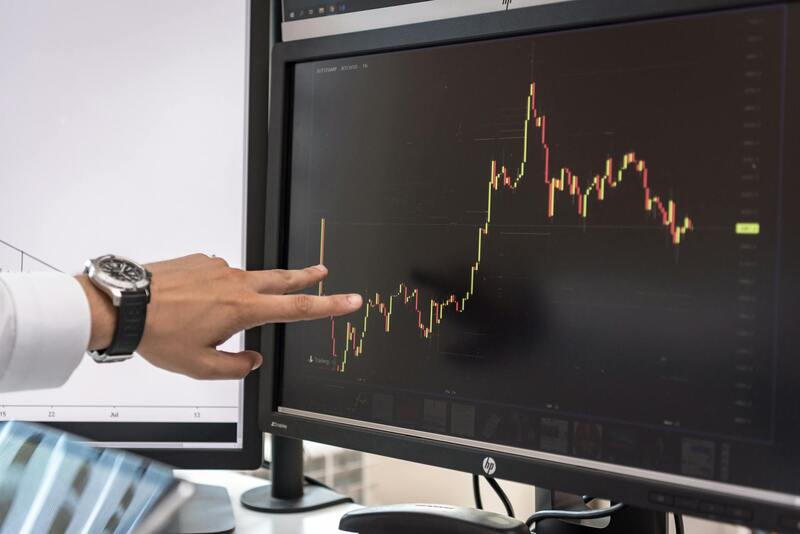
Financial arrangements between firms and traders also extend to tiered commission structures or performance-based bonuses. These systems motivate traders to sustain high precision and disciplined risk management while aligning individual success with the firm's operational goals. Many firms employ advanced analytics to monitor trading performance continuously, adjusting profit-sharing schemes dynamically to optimize outcomes.
Furthermore, some US prop trading firms adopt investor-like models, where external capital investors supply funding, and traders operate under specific mandates, share profits, and adhere to rigorous compliance standards. These models can enhance resource pools and diversify risk but require strict oversight and transparency.
Overall, the choice of a funding model and profit-sharing structure hinges on the firm's strategic objectives, risk appetite, and operational scope. Transparency, fairness, and performance incentives remain central to fostering a motivated trading team capable of navigating the dynamic US financial markets effectively.
Overview of Proprietary Trading in the USA
Proprietary trading, often referred to as prop trading, involves financial firms using their own capital to execute trades in securities, commodities, or other financial instruments. This approach allows firms to generate profit directly from market activities, distinct from commission-based or client-driven trading models. In the United States, prop trading has become a significant aspect of the financial industry, driven by the competitive nature of global markets, technological advancements, and the pursuit of alpha generation. These firms typically employ skilled traders who leverage sophisticated strategies, advanced technology, and comprehensive risk management frameworks to maximize returns. Understanding the landscape of prop trading in the USA reveals a diverse ecosystem comprising various operational models, ranging from small boutique operations to large-scale institutions with international reach. While the core essence remains the same—trading with proprietary funds—the methods, regulatory adherence, and organizational structures vary widely, reflecting the complexity and dynamism of the American financial environment.

Legal and Regulatory Environment for Prop Trading Firms
The regulatory landscape for prop trading in the United States is shaped by ongoing oversight aimed at maintaining market stability, transparency, and fair trading practices. Key regulatory agencies such as the Securities and Exchange Commission (SEC) and the Commodity Futures Trading Commission (CFTC) oversee aspects of the industry, particularly concerning market manipulation, capital adequacy, and trader conduct. In addition, the Financial Industry Regulatory Authority (FINRA) sets standards for compliance and operational integrity. Although proprietary trading was historically less regulated, the implementation of regulations like the Volcker Rule—part of the Dodd-Frank Act—placed restrictions on how banks and similar financial entities engage in these activities. Banks with federal deposit insurance are limited in their prop trading activities to reduce risks to the financial system. Nonetheless, independent prop trading firms and hedge funds operate under different regulations, often with a focus on transparency, operational risk management, and adherence to established trading standards. Firms operating within this environment must establish robust compliance protocols and constantly adapt to changing regulatory requirements, ensuring their trading practices align with national standards and market expectations.
Types of Prop Trading Firms in the USA
The landscape of proprietary trading firms in the United States encompasses a broad range of organizational structures and operational focuses, including:
- Small boutique firms: These are often founded by individual traders or small teams, focusing on niche markets or specific trading strategies. They typically operate with limited capital and personnel but rely heavily on trader expertise and innovative approaches.
- Mid-sized firms: These companies combine substantial proprietary capital with advanced technology infrastructure. They often have dedicated risk management teams, extensive trading desks, and diversified asset class exposure.
- Large institutional firms: Operating with significant capital reserves, these firms often have a global reach, employing hundreds or thousands of traders and analysts. They leverage cutting-edge technology, data analytics, and risk controls to sustain competitive advantages in multi-asset environments.
- Specialist firms: Focused on specific markets such as equities, futures, options, or forex, these entities develop deep expertise in their chosen arena. Their strategies are tailored to exploit microstructure inefficiencies or market-specific opportunities.

Common Trading Strategies Used by US Prop Trading Firms
Profitability in US prop trading relies heavily on the deployment of sophisticated strategies tailored to market conditions and asset classes. Some prevalent tactics include:
- Market Making: Traders provide liquidity by quoting bid and ask prices, profiting from the bid-ask spread. This strategy demands rapid trade execution and tight risk controls.
- Arbitrage: Exploiting price discrepancies between related securities or markets, often requiring advanced algorithms and ultra-fast execution systems.
- Trend Following: Analyzing momentum and price patterns to identify and capitalize on persistent market directions, frequently employed in futures and equities markets.
- Quantitative Trading: Using mathematical models, statistical analysis, and machine learning algorithms to identify trading opportunities across multiple markets.
- Event-Driven Strategies: Trading around corporate actions, economic releases, or geopolitical events to capitalize on resulting price movements.
These strategies are typically supported by a combination of high-frequency trading (HFT) technology, proprietary analytics, and disciplined risk management protocols.
Funding Models and Profit Sharing in US Prop Trading Firms
Funding arrangements form the backbone of operational sustainability for US prop trading firms. Common models include:
- Salary-based models: Traders receive a fixed salary complemented by performance bonuses, which are often tied to individual or team performance metrics.
- Profit sharing: A percentage of the profits generated by a trader is allocated to them, aligning personal incentives with firm objectives. This model encourages disciplined trading and risk-conscious behavior.
- Capital allocation: Firms provide traders with designated capital based on their track record, trading skills, and risk management capabilities. Traders operate within predefined risk limits, with profits shared according to the agreed structure.
- Tiered models: Traders can progress through different funding tiers, accessing larger accounts and increased leverage as they demonstrate consistent performance and risk discipline.
Transparent profit-sharing arrangements foster a motivated trading environment, while also helping firms manage risk exposure and operational costs effectively.
Overview of Proprietary Trading in the USA
Proprietary trading, commonly referred to as prop trading, involves firms or individuals trading financial instruments using their own capital instead of client funds. These firms play a crucial role in providing liquidity, supporting market efficiency, and discovering trading opportunities across various asset classes such as equities, commodities, currencies, and derivatives. In the USA, the ecosystem of prop trading has matured into a sophisticated sector, characterized by innovative trading techniques, advanced technological infrastructure, and strategic operational models.

Legal and Regulatory Environment for Prop Trading Firms in the USA
Operating within the USA's financial markets, prop trading firms are subject to a comprehensive regulatory framework designed to ensure market integrity and protect participants. The Securities and Exchange Commission (SEC) and the Commodity Futures Trading Commission (CFTC) oversee different facets of the industry, establishing clear guidelines concerning trading practices, reporting requirements, and capital adequacy. Moreover, the National Futures Association (NFA) regulates many firms involved in futures and derivatives trading, ensuring transparency and accountability.
Compliance with these regulatory bodies entails rigorous standards for risk management, operational transparency, and financial reporting. Firms must adhere to specific capital requirements, maintain proper segregation of customer and firm assets, and implement robust trading surveillance systems to detect unauthorized or manipulative practices. These regulations foster a disciplined trading environment and uphold the operational integrity of prop trading firms across the country.
Types of Prop Trading Firms in the USA
- Independent Proprietary Trading Firms: These are standalone organizations specializing solely in prop trading activities. They often operate with a high degree of autonomy, developing proprietary algorithms, and deploying unique trading strategies.
- Bank-affiliated Prop Trading Desks: Many large financial institutions maintain dedicated trading desks that engage in proprietary trading, leveraging their extensive capital reserves and market expertise.
- Hedge Funds and Alternative Investment Firms: Some hedge funds incorporate proprietary trading elements, focusing on high-frequency trading, quantitative analysis, and arbitrage strategies to maximize returns.
Common Trading Strategies Used by US Prop Trading Firms
- Statistical Arbitrage: This involves exploiting short-term price discrepancies between correlated assets based on quantitative models and pattern recognition.
- Market Making: Firms provide liquidity by quoting both buy and sell prices, profiting from the bid-ask spread while managing inventory risk.
- Algorithmic and High-frequency Trading: Utilizing high-speed computers and sophisticated algorithms, these strategies aim to capitalize on fleeting market opportunities within milliseconds.
- Event-driven Strategies: Trading around fundamental occurrences such as earnings reports, economic releases, or geopolitical events to benefit from resulting volatility.
- Momentum Trading: Identifying assets with strong price trends and riding the momentum to generate profits while managing risk through disciplined exit strategies.
Funding Models and Profit Sharing in US Prop Trading Firms
The financial arrangements between traders and firms are integral to prop trading operations, aligning incentives and maintaining risk controls. Many firms utilize a combination of funding models:
- Salary plus Bonus: Traders receive a base salary complemented by performance-based bonuses, motivating disciplined and consistent trading behavior.
- Profit Sharing: A predefined percentage of profits generated by a trader is allocated directly to them, fostering a culture of accountability and risk management.
- Capitalize-based Funding: Traders are allocated trading capital proportionally to their experience and track record. They operate within strict risk parameters, with profits and losses shared according to cumulative results.
- Tiered Funding Structures: As traders demonstrate skill and stability, they can access larger accounts, higher leverage, and increased profit-sharing opportunities.
These models help maintain sustainable growth for firms while incentivizing traders to adhere to risk protocols and achieve consistent performance.
Technology and Infrastructure in US Prop Trading Firms
The backbone of successful prop trading operations in the USA is advanced technological infrastructure. Cutting-edge hardware, high-speed data feeds, and low-latency trading systems enable firms to execute strategies swiftly and accurately. Proprietary software solutions—ranging from analytical platforms to automated trading algorithms—are designed to identify and capitalize on market opportunities in real-time.
Furthermore, robust risk management software ensures traders operate within defined limits, minimizes potential losses, and enforces compliance with regulatory standards. The integration of artificial intelligence and machine learning models is increasingly common, allowing firms to refine strategies continuously based on market data analytics and predictive modeling.
Challenges Faced by Prop Trading Firms in the USA
Despite their technological advantage, US prop trading firms encounter multiple challenges. Regulatory shifts demand ongoing compliance efforts and adaptation to new rules, often adding operational overheads. Market volatility and sudden liquidity shifts pose risks to trading strategies, requiring constant risk evaluation and agile response mechanisms.
Competition is intensifying, with many firms vying for the same trading opportunities using increasingly sophisticated algorithms. Talent acquisition and retention are critical, especially as the demand for quantitative analysts, developers, and skilled traders grows. Additionally, technological infrastructure requires constant upgrades to maintain a trading edge, keeping operational costs high.
