Overview of Proprietary Trading Firms in Chicago
Chicago stands as a prominent epicenter for proprietary trading firms, renowned for its dynamic financial environment and strategic location. These firms are distinguished by their focus on trading financial instruments such as equities, derivatives, currencies, and commodities, utilizing the firm's capital rather than client funds. The city's long-standing reputation in finance, combined with its infrastructure and access to extensive market data, makes Chicago an ideal hub for proprietary trading activities. The significance of Chicago’s proprietary trading sector extends beyond its financial market contributions; it serves as a nexus for innovation in trading strategies and technology development. Many firms are at the forefront of algorithmic and high-frequency trading, leveraging cutting-edge infrastructure to execute rapid trades and capitalize on market inefficiencies. The presence of major exchanges, such as the Chicago Mercantile Exchange (CME) and CBOE, further solidifies Chicago's role as a global trading hub. Moreover, the city offers a diverse ecosystem of financial professionals, ranging from experienced traders to quantitative analysts, fostering an environment ripe for growth, collaboration, and competition. The industry’s development in Chicago is supported by a network of educational institutions, financial-services firms, and industry associations, which contribute to a steady pipeline of talent and innovation. As the demand for sophisticated trading strategies increases, proprietary trading firms in Chicago continue to adapt and evolve, maintaining their status as key players in global finance. Their operations often involve a blend of data analytics, technological infrastructure, and risk management practices that set the standard within the industry. The competitive landscape in Chicago also attracts international firms seeking to establish a presence in America’s financial core. This not only enhances the city’s reputation but also fosters a vibrant community of trading professionals dedicated to advancing the intricacies of market trading. Overall, proprietary trading firms in Chicago are vital to the city's economy and continue to shape the future of financial trading through innovation, technology, and strategic market engagement.
Distinct Business Models and Operational Structures of Chicago Proprietary Trading Firms
Proprietary trading firms in Chicago implement various business models tailored to their strategic goals, risk appetite, and market focus. While some firms operate with a singular emphasis on ongoing market making, others adopt a diversified approach that combines algorithmic trading, high-frequency trading (HFT), and manual discretionary trading. These operational frameworks allow firms to optimize profitability, manage risk effectively, and adapt swiftly to market changes.
Many Chicago-based prop trading firms organize their operations around centralized trading desks, which are staffed by skilled traders, quantitative analysts, and risk managers. These desks function as autonomous units, focusing on specific asset classes such as equities, derivatives, futures, or forex. Larger firms may operate multiple desks coordinated through advanced technological infrastructure to capitalize on diverse trading opportunities simultaneously.
In terms of corporate structure, most Chicago proprietary trading firms are privately held entities with a lean organizational hierarchy centered on agility and expertise. Traders often operate under trade-specific mandates, with performance-driven compensation models aligned to individual and team profitability. The emphasis on transparency within internal operations fosters a competitive yet collaborative environment, promoting continuous learning and strategic refinement.

Core Trading Strategies Dominant Among Chicago Firms
Chicago proprietary trading firms leverage a broad spectrum of strategies designed to exploit market inefficiencies and capitalize on liquidity. The predominant approaches include:
- Market Making: Firms provide continuous bid and ask quotes in specific securities, profiting from the bid-ask spread while maintaining tight risk controls.
- Statistical Arbitrage: This strategy involves complex mathematical models to identify and execute trades based on statistical mispricings between correlated assets.
- High-Frequency Trading (HFT): Utilizing ultra-low latency infrastructure, Chicago firms execute a high volume of small, rapid trades to profit from minute market movements.
- Directional Trading: Traders speculate on the future price movements of assets, employing technical analysis, fundamental analysis, or macroeconomic models to guide decisions.
- Algorithmic Trading: Firms develop sophisticated algorithms that automate decision-making processes, allowing for rapid and consistent trade execution across markets.
Each of these strategies is supported by rigorous quantitative research and tailored risk management protocols, ensuring sustained profitability and operational resilience.

Technological Infrastructure and Tools Facilitating Chicago Prop Trading
Chicago proprietary trading firms are distinguished by their investment in cutting-edge technology platforms designed for speed, precision, and security. These technological infrastructures comprise several key components:
- Trading Algorithms and Software: Advanced algorithms are developed in-house or through third-party providers, enabling rapid trade execution and strategy adjustments.
- High-Speed Data Feeds: Continuous access to real-time market data from major exchanges and liquidity providers underpins effective decision-making.
- Low-Latency Connectivity: Firms invest heavily in fiber optic cables, colocated servers, and direct exchange connections to minimize latency, especially for HFT activities.
- Risk Management Systems: Sophisticated tools monitor trading activities, enforce position limits, and assess market exposure, allowing traders to act swiftly in volatile environments.
- Analytic Platforms: Machine learning and data analytics platforms facilitate pattern recognition, predictive modeling, and back-testing of trading strategies.
These technological investments are complemented by robust cybersecurity measures to protect sensitive trading infrastructure and data, which is pivotal in maintaining operational integrity and competitive advantage.
Emerging Industry Trends and Skills in Demand in Chicago’s Prop Trading Sector
As the Chicago proprietary trading landscape continues to evolve, several industry trends are shaping the future direction of the sector:
- Increased Adoption of Machine Learning and AI: Firms are integrating advanced analytics to enhance predictive accuracy and automate complex decision processes.
- Sustainable Trading Initiatives: Growing emphasis on environmental, social, and governance (ESG) factors influence trading strategies and investment considerations.
- Focus on Cybersecurity and Data Privacy: With heightened technological reliance, protecting proprietary algorithms, client data, and operational infrastructure is paramount.
- Talent Acquisition in Quantitative Fields: High demand for professionals with expertise in data science, machine learning, software engineering, and financial modeling.
- Remote and Hybrid Work Models: Adoption of flexible work arrangements to attract a diverse talent pool across regions.
Firms actively seek candidates possessing robust quantitative skills, proficiency in programming languages such as Python and C++, and experience with algorithmic design. Continual skills development, including certifications in financial engineering or data analytics, further enhances career prospects within this dynamic environment.
Characteristics of Proprietary Trading Firms
Proprietary trading firms in Chicago are distinguished by several core features that set them apart within the financial industry. These firms are primarily engaged in executing trades using their own capital, aiming to generate profits through strategic market positions. Unlike traditional financial institutions, prop trading firms operate with a focus on short-term gains, often employing highly sophisticated strategies and leveraging advanced technology to gain an advantage in the competitive landscape.
One defining characteristic of these firms is their emphasis on quantitative analysis and algorithmic trading. Many Chicago-based proprietary trading firms develop and utilize proprietary algorithms that process enormous data sets to identify trading opportunities with high precision. This reliance on quantitative methods necessitates a team of skilled quant researchers, data scientists, and financial engineers who continually refine models to adapt to changing market conditions.
Technological infrastructure plays a pivotal role in prop trading operations. Firms typically invest in high-frequency trading infrastructure, low-latency data feeds, and direct market access (DMA) to optimize execution speed. This technological backbone allows traders to respond instantaneously to market movements, providing a competitive edge.

Furthermore, proprietary trading firms in Chicago are characterized by their agile organizational structures. Many operate with flat hierarchies, fostering a collaborative environment where quantitative analysts, traders, and developers work closely together to develop and implement trading strategies. This synergy is essential for rapid innovation and adaptation in a fast-paced trading environment.
Risk management is also central to the operation of these firms. They employ comprehensive risk controls, including real-time monitoring tools and automated systems that help mitigate potential losses. The focus on risk-adjusted returns ensures sustainable profitability, safeguarding the firm's assets amid volatile market conditions.
Industry Impact and Market Presence
Chicago’s proprietary trading firms significantly contribute to the stability and liquidity of the local and national markets. Their active participation enhances market efficiency by providing vital liquidity and facilitating smoother price discovery. These firms often collaborate with exchanges and liquidity pools, reinforcing their integral role within the broader financial ecosystem.
Many firms maintain a focus on innovation, continuously upgrading their technological and strategic capabilities to stay ahead of industry trends. Their commitment to research and development fosters an environment where competitive edges are maintained through technological superiority and strategic agility.
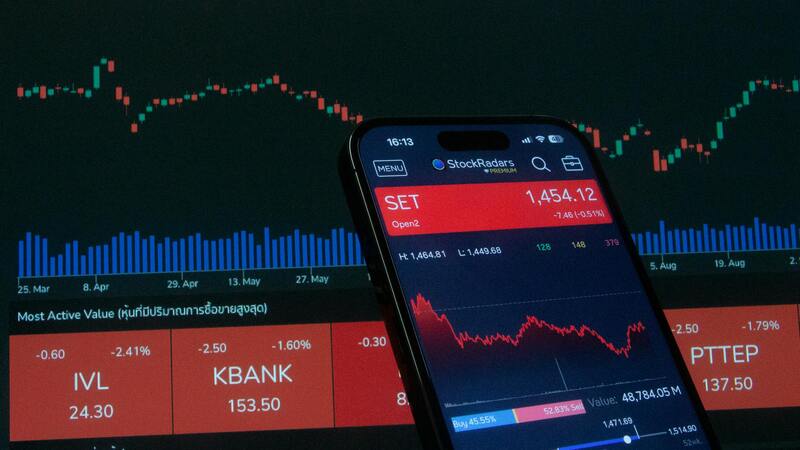
The unique convergence of technological prowess, strategic agility, and risk management expertise distinguishes Chicago as a thriving hub for proprietary trading activities. As the industry evolves, these traits remain essential for firms seeking sustainable growth and competitive dominance within the financial markets.
Regulations and Compliance in Chicago
Proprietary trading firms operating in Chicago adhere to a comprehensive framework of regulatory standards designed to ensure transparency, operational integrity, and financial responsibility. These standards are established by the Commodity Futures Trading Commission (CFTC), the Securities and Exchange Commission (SEC), and other relevant authorities, each maintaining specific guidelines to oversee trading activities and safeguard market participants.
In Chicago, firms must implement rigorous compliance programs that include detailed record-keeping, regular audits, and adherence to reporting requirements. These measures facilitate monitoring of trading activities, help prevent market manipulation, and promote fair trading practices across the industry.
Trade execution and data management are subject to strict oversight, requiring firms to maintain secure systems that preserve audit trails and ensure accurate reporting. Many firms leverage sophisticated compliance software to automate monitoring and flag suspicious activities, thus upholding industry standards and fostering investor confidence.
Furthermore, Chicago’s trading firms participate in mandatory stress testing and disaster recovery protocols to prepare for unexpected market disruptions. These practices contribute to a resilient trading environment, allowing firms to swiftly respond to market volatility while maintaining adherence to all applicable regulations.

Engagement with clearinghouses and exchanges in Chicago necessitates compliance with their specific operational requirements, including margin rules, reporting procedures, and transaction processing standards. Firms often appoint dedicated compliance officers responsible for navigating complex regulatory landscapes and ensuring all activities align with established guidelines.
Continual regulatory updates and market innovations require Chicago-based proprietary trading firms to maintain ongoing staff training and procedural adjustments. This ongoing commitment ensures that all personnel are aware of current compliance expectations and are equipped to implement best practices effectively, nurturing a culture of integrity and operational excellence.

Some firms also participate in industry-sponsored initiatives and work closely with regulatory agencies to stay ahead of legislative changes, fostering a proactive approach to compliance. Such collaborations often include participation in public comment periods for new rules or industry forums that promote shared best practices.
Ultimately, Chicago’s proprietary trading firms view regulatory adherence as an enabler for sustainable growth, fostering trust with clients, partners, and regulators alike. Maintaining high ethical standards and regulatory conformity is essential for long-term success in the highly competitive trading environment of Chicago.
Technologies and Infrastructure Used by Chicago Prop Traders
Chicago-based proprietary trading firms leverage a sophisticated array of technological tools and infrastructure to maintain competitiveness and operational efficiency. Central to their operations are advanced trading platforms that facilitate rapid execution of strategies across multiple markets and asset classes. These platforms often incorporate real-time data feeds, robust algorithmic trading capabilities, and customizable interfaces to suit specific trading styles.
High-speed data connections and low-latency hardware form the backbone of Chicago's trading environment. Firms invest heavily in colocated servers and direct connectivity to major exchanges' data centers, such as CME Group's data facilities. This proximity enables ultra-fast order execution, minimizing latency and maximizing trading opportunities, especially in high-frequency trading operations.
Complementing trading platforms, proprietary software developed in-house or customized solutions from leading providers enable traders to implement complex algorithms, monitor market conditions, and assess real-time risk. These systems often feature advanced analytics, predictive modeling, and machine learning tools that enhance decision-making processes.

The infrastructure also includes comprehensive risk management systems that track open positions, exposure levels, and compliance metrics around the clock. Integration with clearing and settlement systems ensures seamless trade execution and settlement post-trade processes, reducing operational risks and enhancing efficiency.
Furthermore, Chicago firms prioritize data security and cybersecurity measures to safeguard sensitive information and protect against cyber threats. These include advanced firewalls, encryption protocols, and regular security audits to ensure integrity across all digital assets.
In addition to hardware and software, Chicago's proprietary trading firms utilize a range of auxiliary technologies, such as highly reliable backup systems, disaster recovery plans, and real-time communication tools. These technologies safeguard operational continuity and enable swift responses to market disruptions or technological failures.

Overall, the technological ecosystem within Chicago's proprietary trading firms is designed to support aggressive trading strategies, adhere to precise regulatory standards, and promote sustainable growth through innovation and resilience. The continuous evolution of these tools reflects the dynamic nature of Chicago’s trading landscape, where speed, accuracy, and data integrity are paramount to maintaining a competitive edge.
Technologies and Infrastructure Used by Chicago Prop Traders
In the highly competitive environment of Chicago's proprietary trading scene, firms invest heavily in cutting-edge technology to gain an edge. The technological backbone includes high-performance hardware, low-latency data feeds, and sophisticated trading platforms designed for rapid execution and minimal delays. These firms utilize ultrafast fiber optic connections and co-location in data centers close to major exchanges to reduce transmission times, enabling traders to capitalize on fleeting market opportunities.
Algorithmic trading is central to many Chicago-based prop firms, necessitating advanced software that can handle complex quantitative models, backtesting, and real-time analytics. Custom-built trading algorithms are developed using programming languages such as Python, C++, and Java, with some firms employing proprietary platforms tailored to their specific strategies. These algorithms allow traders to automate decision-making processes, enhance precision, and execute multitude of trades simultaneously with minimal human intervention.

Risk management systems integrated into these infrastructures enable real-time monitoring of open positions, exposure levels, and compliance metrics. Such systems automatically flag potential violations and trigger protective measures such as position limits or automated trade halts. This capability ensures that firms can operate within predetermined risk parameters while maintaining the flexibility to capitalize on market movements.
Cybersecurity measures are also critical, given the sensitive nature of trading algorithms and client data. Chicago firms deploy multi-layered security protocols, including advanced firewalls, intrusion detection systems, encryption, and regular vulnerability assessments. These practices protect infrastructure and data from cyber threats and ensure operational integrity.
Supplementary technologies include reliable backup systems, disaster recovery protocols, and secure communication channels that ensure operational continuity during outages or technical failures. Real-time communication tools facilitate swift collaboration among team members and support seamless coordination across different offices or remote locations.
The integration of these technological components creates a resilient, efficient, and highly responsive trading environment. This infrastructure supports the deployment of high-frequency trading (HFT) strategies, quantitative trading, and other advanced approaches that demand speed, accuracy, and consistent data flow. As market conditions evolve, Chicago proprietary trading firms continue to upgrade their technological capabilities, emphasizing innovation and operational resilience.
Technologies and Infrastructure Used by Chicago Prop Traders
Chicago's proprietary trading firms leverage a sophisticated technological environment to maximize trading efficiency, manage risks, and maintain competitive advantages. Central to their operations are high-performance computing systems capable of processing vast quantities of market data in real-time. These systems facilitate complex algorithmic trading strategies that depend on ultra-low latency connections to exchanges and data providers. Precision and speed are non-negotiable, so firms invest heavily in cutting-edge hardware, optimized network architectures, and proprietary software developments.
Among the critical technological components is the use of co-location services. Firms often house their servers physically close to major exchanges in Chicago to reduce latency and gain a strategic edge in executing high-frequency trades. This proximity enables faster data transmission, enabling traders to capitalize on fleeting market opportunities that may only last milliseconds.

Advanced analytics platforms are another cornerstone of Chicago's proprietary trading environment. These platforms aggregate market data, execute complex models, and deliver insights instantaneously. Many firms develop proprietary algorithms tailored to specific market conditions or asset classes, which are continuously refined through machine learning and data science techniques.
Cybersecurity measures are integral in safeguarding sensitive trading algorithms and client data. Firms implement multi-layered security protocols, including encrypted communication channels, intrusion detection and prevention systems, and rigorous access controls. Regular vulnerability assessments and compliance with industry best practices ensure operational resilience against emerging cyber threats.
Automation tools further enhance operational efficiency. These include algorithmic trade execution systems that automatically place, modify, and manage orders based on pre-set parameters, reducing manual intervention and human error. Additionally, sophisticated risk management platforms monitor market positions in real-time, providing alerts and automatic adjustments if predefined thresholds are approached or breached.
Disaster recovery and business continuity strategies are vital for maintaining stable operations amid technical failures or unexpected outages. Back-up power supplies, redundant data centers, and secure communication channels ensure seamless trading activities despite adverse scenarios. These infrastructures support complex trading strategies such as quantitative trading, arbitrage, and statistical analysis.
Ultimately, the technological landscape of Chicago’s proprietary trading firms is characterized by a relentless pursuit of innovation, speed, and security. Continuous investments in infrastructure, data management, and cybersecurity are essential for maintaining a competitive position in a fast-evolving market environment. The integration of these advanced technologies allows firms to execute high-frequency trading (HFT), leverage big data analytics, and adopt emerging strategies that align with market dynamics and client needs.
Technology and Infrastructure in Chicago Proprietary Trading Firms
Chicago's proprietary trading firms leverage cutting-edge technology to remain competitive and efficient in a highly dynamic financial environment. The backbone of their operations consists of advanced hardware, sophisticated software platforms, and secure, high-speed data networks. This technological ecosystem facilitates rapid data processing, real-time decision making, and precise execution of trades, which are crucial for capitalizing on fleeting market opportunities.

At the core of these firms are powerful servers and low-latency connections designed to minimize delays in order transmission. Many firms инвест in colocated data centers situated near major exchanges within Chicago, reducing transmission times significantly and improving trading responsiveness. Coupled with this hardware is the deployment of robust trading algorithms that analyze vast data sets to identify profitable trading signals within milliseconds.
Software platforms used by Chicago's proprietary traders are often custom-developed or tailored to specific trading strategies. These platforms integrate advanced analytics, risk management tools, and real-time market data feeds to support complex decision-making. Automated trading systems execute predefined strategies with minimal human intervention, reducing emotional bias and increasing efficiency.
Security measures are also a vital part of the technological ecosystem. Firms employ high-level cybersecurity protocols, including encrypted data transmission, multi-factor authentication, and intrusion detection systems to safeguard sensitive information and trading operations against cyber threats. Business continuity systems, such as redundant power supplies and backup data centers, ensure operations can persist seamlessly during technical disruptions.
The evolution of technology in Chicago’s proprietary trading scene continues to accelerate, with increased investments in artificial intelligence, machine learning, and big data analytics. These innovations enable firms to develop predictive models, optimize trade execution, and adapt swiftly to changing market conditions. High-frequency trading (HFT) remains a significant component of these technological efforts, where nanosecond advantages can yield substantial profits.
Essential to this technological prowess is a culture of continual improvement. Firms frequently update their infrastructure and software to incorporate the latest advancements and maintain a competitive edge. By doing so, they aim to enhance trading speed, reduce operational risk, and improve overall profitability in the fiercely competitive Chicago market environment.