
Understanding Proprietary Trading and Prop Firms
Proprietary trading, often referred to as 'prop trading,' involves a financial firm or individual trading stocks, bonds, currencies, commodities, derivatives, or other financial instruments with the firm’s own money, rather than client funds. Prop firms serve as dedicated trading entities that focus solely on generating profit through their trading strategies, leveraging their expertise, capital, and technology.
Beginning with a clear grasp of how prop firms operate is essential for anyone interested in establishing their own. These firms typically employ professional traders who operate under a structured framework designed to optimize trading performance while managing risks effectively. The core of a prop firm's success lies in its ability to develop disciplined trading methodologies, utilize cutting-edge technological tools, and maintain rigorous risk management protocols.

Starting your own prop firm provides several strategic advantages. It grants control over trading decisions without reliance on external clients, allows for personalized management of trading capital, and fosters an environment where innovative trading strategies can be tested and refined. Additionally, running a prop firm can open pathways to collaboration with talented traders, access to advanced trading technologies, and the opportunity to build a proprietary trading brand.
However, establishing a successful prop firm demands a comprehensive understanding of trading markets, disciplined operational procedures, and structured growth planning. Recognizing these fundamental aspects ensures a solid foundation from which to develop an effective and sustainable trading enterprise.
Ultimately, a well-run proprietary trading firm functions as an autonomous financial entity that profits from market expertise, strategic risk-taking, and disciplined trading. For prospective founders, knowledge about how these firms operate is a critical first step toward building a business that is both profitable and resilient.
Legal Structure and Regulatory Considerations
Establishing a robust legal framework is fundamental when creating a prop trading enterprise. The choice of legal structure significantly influences operational flexibility, taxation, and compliance obligations. Opting for a corporate entity, such as an LLC or corporation, offers advantages like liability protection and clear separation between personal and business assets. Each structure comes with its own regulatory considerations, which must be meticulously addressed to ensure smooth operational flow.
Developing a comprehensive legal foundation involves drafting essential documents, including articles of incorporation, operating agreements, and trading policies. It’s critical to incorporate clear terms of engagement for traders, outlining their roles, trading limits, and profit-sharing arrangements, ensuring transparency and accountability.
Additionally, understanding licensing and registration requirements relevant to your jurisdiction forms a core part of this process. Some regions may require specific permits or adherence to financial regulations governing proprietary trading activities. It is prudent to consult with legal professionals experienced in financial regulations to tailor your compliance strategies effectively.
Maintaining strict adherence to industry standards and regulatory expectations not only enhances your firm's credibility but also minimizes operational risks stemming from oversight or mismanagement.

Legal Structure and Regulatory Considerations
Establishing a solid legal foundation is essential for the credibility and smooth operation of your proprietary trading firm. Selecting the appropriate legal entity involves evaluating options such as limited liability companies (LLCs), corporations, or partnerships, each offering different advantages in terms of liability protection, tax treatment, and management flexibility. Consulting with financial legal professionals can provide tailored insights into the most suitable structure based on your intended scope and operational plans.
Compliance does not merely involve adhering to local regulations but also entails obtaining pertinent licenses or registrations that authorize your firm to conduct trading activities legitimately. These licenses are designed to ensure transparency, protect investor interests, and uphold market integrity. Typical requirements may include registering your business with relevant financial authorities, submitting proof of financial stability, and demonstrating adequate operational policies.

Implementing a comprehensive compliance program is vital for ongoing adherence to industry standards. This typically involves creating clear internal policies for anti-money laundering (AML), know-your-customer (KYC) procedures, and regular audits. Ensuring these measures are embedded within your firm’s operations will facilitate smoother interaction with regulatory bodies and reduce the risk of disruptions caused by oversight issues.
Furthermore, registering with accounting and reporting authorities enables proper documentation of transactions, profit sharing, and tax obligations, which are critical for transparency and trustworthiness. Building relationships with legal and financial consultants can streamline this process, ensuring your firm remains compliant as regulations evolve.

Choosing the Right Business Structure
- Limited Liability Company (LLC): Offers protection against personal liability, flexible management, and pass-through taxation.
- C Corporation: Suitable for firms planning to raise external capital; provides strong liability protection but involves more regulatory formalities.
- Partnerships: Simplifies management and profit sharing but can expose partners to personal liability unless structured as LLPs.
Key Licensing and Registration Steps
- Identify the regulatory authority overseeing financial trading activities in your jurisdiction.
- Prepare detailed documentation, including business plans, compliance procedures, and financial statements.
- Submit registration applications and licensing requests with supporting materials.
- Engage in any required interviews or assessments conducted by regulatory officials.
- Implement recommended compliance measures and regularly update documentation as needed.
Establishing a Robust Capital Foundation
Securing sufficient capital is fundamental for launching a prop trading firm, as it provides the liquidity necessary to execute trades and sustain operations through market fluctuations. Initial capital requirements will vary depending on your targeted markets and trading scope, but generally, a sizable reserve helps mitigate risks associated with unpredictable market movements and ensures the firm can withstand periods of downturns without jeopardizing its stability.
Sources of funding can include personal savings, angel investors, or partnerships with individuals or entities interested in proprietary trading. It’s crucial to approach funding strategically, emphasizing transparent communication about the firm’s business model, risk management protocols, and projected growth. Establishing a clear financial plan not only attracts potential investors but also ensures you remain aligned with your operational needs and risk appetite.
Managing financial risks involves implementing practices such as proper leverage management, setting strict trading limits, and maintaining a reserve fund dedicated solely to cover unforeseen losses. Employing advanced risk assessment tools and continuous monitoring of trading activity can prevent overexposure and protect the firm’s capital base.

Funding Strategies and Capital Management
- Reinvest Profits: Allocate a portion of earnings to increase capital reserves for future trading opportunities and to buffer against losses.
- Traditional Loans: Explore financial institutions that offer tailored financing options for trading firms, ensuring terms suit your business’s cash flow patterns.
- Partner Contributions: Invite trusted partners or investors to contribute capital, formalizing arrangements to align interests and risk sharing.
- External Investment: Engage with specialized investment firms or groups interested in forex, stocks, or commodities trading, expanding your capital pool.
Effective capital management involves continuously reviewing your financial position, adjusting your trading strategies, and leveraging technology to optimize profitability while safeguarding against adverse market conditions. Maintaining clarity in financial documentation, regular audits, and transparent reporting fosters trust among stakeholders and strengthens your firm’s operational foundation.
Understanding Proprietary Trading and Prop Firms
Proprietary trading, commonly known as prop trading, involves a firm trading stocks, derivatives, commodities, or other financial instruments using its own capital. The primary goal is to generate profits from market activities while managing risk effectively. Prop firms serve as specialized entities that provide traders with capital, technology, and infrastructure to execute trades without risking personal funds. Establishing a successful prop firm requires deep industry knowledge, access to significant financial resources, and a thorough understanding of market dynamics.
Prerequisites and Skills Needed to Launch a Prop Firm
Successful operation hinges on assembling a team with robust trading expertise, financial acuity, and strong analytical skills. Founders should possess or cultivate a comprehensive understanding of financial markets, trading strategies, and risk management principles.
- Market Knowledge: Deep familiarity with the instruments being traded, whether equities, forex, commodities, or derivatives.
- Technical Proficiency: Skill in utilizing trading platforms, coding for algorithmic trading, and leveraging financial software.
- Risk Assessment: Ability to evaluate trading setups, understand leverage implications, and implement position-sizing strategies to mitigate losses.
- Financial Acumen: Knowledge of capital management, profit-loss dynamics, and overall financial planning.
- Regulatory Awareness: Understanding of the compliance framework surrounding proprietary trading activities.
Hiring experienced traders and supporting staff further enhances the firm's operational capacity. Continuous training is essential to stay updated with evolving market conditions and trading technologies.
Legal Structure and Regulatory Considerations
Determining the appropriate legal structure is critical for operational clarity and organizational stability. Common structures include LLCs, partnerships, or corporations, each with specific advantages regarding liability and taxation. Establishing proper legal entities facilitates compliance with financial standards, licensing requirements, and operational transparency.
In setting up a legal framework, consider engaging with legal professionals proficient in financial regulations to develop comprehensive policies covering trade practices, risk controls, and client/employee agreements. Implementing internal compliance procedures aligns the firm with industry standards and fosters a trustworthy environment for traders and stakeholders alike.
Capital Requirements and Funding Options

Launching a proprietary trading firm demands substantial financial backing, which can be sourced through various channels tailored to the firm’s scale and scope. Adequate capital ensures sufficient liquidity for trading operations, risk buffers, and growth initiatives. Depending on the firm's strategic ambitions, funding can be secured through:
- Reinvested Profits: Allocating earnings back into the firm to fund expansion and trading capacity.
- Traditional Lending: Partnering with financial institutions that offer credit options for trading enterprises under specific contractual agreements.
- Partner or Investor Contributions: Inviting strategic partners or investors to inject capital in exchange for equity or profit-sharing arrangements.
- External Investment Firms: Engaging with investment groups interested in trading operations can accelerate capital growth and diversification.
Implementing sound capital management practices, such as regular financial reviews, prudent leverage use, and maintaining cash reserves, provides stability amidst market volatility. Transparency in financial dealings and compliance with reporting standards bolster stakeholder confidence and support sustainable growth.
Building a Trading Infrastructure
Establishing a robust trading infrastructure is a critical component of starting a prop firm, as it directly impacts operational efficiency, risk management, and trader performance. This foundation encompasses both technical systems and processes designed to facilitate seamless trading activities, data management, and compliance adherence.
First, implementing a reliable trading platform is essential. This involves selecting a software solution that supports the specific asset classes your firm intends to trade, offers high-speed execution, and allows for customization to fit your operational protocols. Many prop firms opt for professional-grade trading terminals that support algorithmic trading, advanced charting, and real-time data analysis.
Complementing the software is the hardware setup—high-performance computers, backup power supplies, and secure internet connections to ensure minimal downtime and optimal execution speeds. Additionally, data feeds and market information services are vital for providing traders with timely and accurate market insights, enabling informed decision-making.
Data security and compliance are equally paramount. Implementing secure servers, encrypted communications, and strict access controls protects sensitive information and prevents breaches that could compromise the firm’s integrity. Adopting a comprehensive cybersecurity protocol is necessary to safeguard against cyber threats and maintain operational stability.
Developing Risk Management Protocols
An integral aspect of trading infrastructure is the establishment of detailed risk management protocols. These include pre-trade risk checks, limits on position sizes, and automatic order halts in case of adverse market movements. Automation of these controls ensures consistent enforcement and reduces human error.
Furthermore, maintaining an efficient reporting system allows for ongoing monitoring of trading activities, profit and loss tracking, and adherence to risk limits. Regular audits and systematic review of trading data support proactive identification of potential issues and facilitate continuous improvement in risk controls.
Integrating Compliance and Supervision
To sustain a transparent and accountable trading environment, integrating compliance systems within the infrastructure is essential. This involves deploying software that monitors trading behaviors for adherence to established policies and industry standards. Automated compliance checks can flag irregular activity, providing a safeguard against unintentional violations.
Supervision mechanisms should include clear policies for trader oversight, secure login procedures, and audit trails for all transactions. Proper documentation and record-keeping not only support internal reviews but also prepare the firm for any external scrutiny, creating a trustworthy operational reputation.
Building an efficient trading infrastructure, coupled with rigorous risk and compliance systems, is fundamental in establishing a resilient prop trading firm capable of navigating volatile markets while maintaining regulatory standards and protecting stakeholder interests.
Legal Structure and Regulatory Considerations
Establishing a clear legal framework is vital when launching a proprietary trading firm. Typically, this involves choosing an appropriate business entity such as an LLC, corporation, or partnership that aligns with your operational goals and provides liability protection. These structures can facilitate capital raising, protect personal assets, and establish a formal operating model that adheres to established industry standards.
Adhering to regulatory standards often requires registration with relevant financial authorities, depending on your geographical location and the scope of your trading activities. Registering your firm not only enhances credibility but also fosters trust with traders, investors, and counterparties. This process may involve submitting detailed business plans, financial disclosures, and compliance protocols to demonstrate transparency and competency.
Implementing comprehensive policies for data security, client onboarding, and trading operations is essential. These policies should outline procedures for managing confidential information, executing transactions, and handling investor funds. Additionally, establishing internal controls and operational procedures ensures consistency in compliance efforts across your firm’s functions.
It is also important to consider intellectual property protection for your trading algorithms, proprietary analysis tools, and other innovative resources. Proper documentation and legal protections such as trademarks or patents can safeguard your firm's competitive advantage.

Capital Requirements and Funding Options
Securing adequate capital is fundamental for operational stability and growth. Initial capital requirements vary based on the scope of your trading activities, technological infrastructure, and staffing needs. Typically, an influx of funds is necessary for purchasing trading systems, research tools, and onboarding traders.
Funding options include personal savings, loans, angel investors, or partnerships. When pursuing external funding, presenting a detailed business plan emphasizing your trading strategy, risk management protocols, and growth projections increases credibility and potential for securing capital.
Many successful prop firms grow their funds through reinvested profits, reinvesting earnings to expand trading capacity and attract larger capital pools. Establishing clear policies for capital allocation, profit sharing, and reinvestment helps create transparency and trust among stakeholders.
Implementing sound financial controls and regular reporting enhances investor confidence and ensures regulatory compliance. Maintaining an accurate, auditable trail of funding sources, allocations, and transactional histories supports the firm’s operational integrity.

Building a Trading Infrastructure
An effective trading infrastructure underpins the success of your prop trading operation. This includes backend systems for order execution, risk controls, and data analysis. Selecting robust trading platforms that support customization, real-time analytics, and connectivity to multiple markets optimizes execution efficiency.
Automation tools, such as algorithmic trading systems, help execute strategies swiftly and reduce human error. Integrating risk management modules directly into the trading platform ensures adherence to position limits, stop-loss orders, and other controls. Such automation enforces consistency across all trading activities, especially when managing large volumes and leveraging leverage.
Establishing reliable data feeds and market information sources enhances trading decisions. High-quality data combined with sophisticated analytical tools enables traders to identify opportunities and manage risks proactively.
Security measures, including encryption and multi-factor authentication, safeguard sensitive information and trading credentials. Regular system testing, updates, and cybersecurity audits maintain operational integrity against potential threats.

Hiring and Training Traders
Assembling a team of skilled traders is essential for scaling your prop firm. When hiring, prioritize candidates with proven trading records, strong analytical skills, and discipline. Conduct thorough interviews and assessments to gauge their strategic understanding and risk appetite.
Comprehensive training programs are vital for aligning traders with your firm’s risk management policies and trading methodologies. Providing continuous education on market dynamics, new trading tools, and compliance standards fosters consistent performance.
Developing a mentorship system where experienced traders guide newcomers accelerates skill development and reinforces best practices. Regular performance reviews, coupled with targeted feedback, help identify areas for improvement and reinforce accountability.
Implementing performance metrics and clear incentives motivates traders while maintaining risk controls. Transparency in evaluations and reward structures enhances trader engagement and loyalty.

Ensuring Ongoing Compliance and Building Reputation
Establishing a transparent operational environment is crucial for long-term sustainability in the prop trading industry. By adhering to consistent reporting practices, maintaining accurate and comprehensive documentation, and engaging proactively with regulatory bodies and industry associations, you reinforce your firm’s credibility and operational integrity.
Developing a comprehensive compliance framework involves implementing strict internal controls, routine audits, and regular staff training on compliance standards. This proactive approach minimizes discrepancies and enhances operational transparency, which is highly valued by partners, investors, and traders alike. Additionally, clear communication channels ensure that all parties are aligned with the firm’s policies and procedures, fostering a culture of accountability and trust.
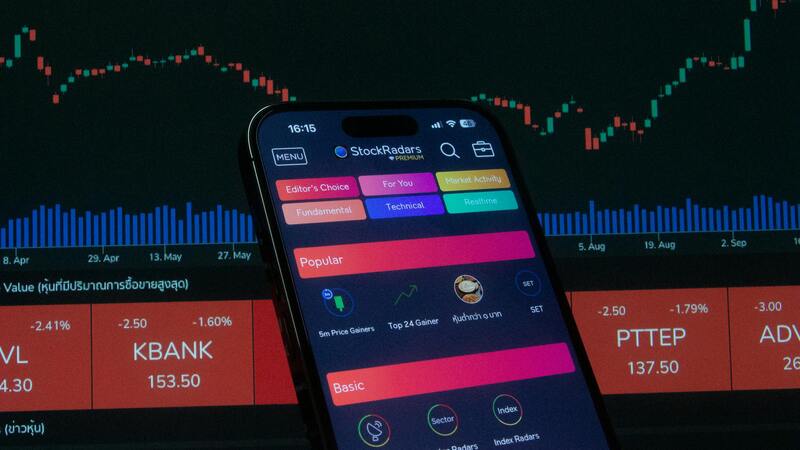
Building a reputation for ethical operations and consistent performance attracts quality traders and investors, facilitating both organic growth and strategic partnerships. Publicly sharing success stories, case studies, and industry recognitions can position your firm as a reputable player in the proprietary trading sector.
Implementing Continuous Improvement Practices
Effective prop firms prioritize ongoing evaluation and refinement of their trading strategies, risk management protocols, and operational workflows. Regular performance reviews of traders, analysis of trading data, and feedback sessions facilitate adaptive learning and innovation. By leveraging technological advancements such as machine learning algorithms and data analytics, your firm can identify emerging market conditions and adjust tactics proactively.
Encouraging a culture of continuous education ensures your team stays updated on the latest market trends, trading tools, and compliance guidelines. This adaptive mindset helps your firm sustain competitiveness and resilience amid fluctuating market environments.
Scaling and Diversifying Your Prop Trading Business
Once your firm stabilizes, scaling operations involves expanding your trader base, increasing your trading capital, and exploring new markets or asset classes. Diversification reduces risk exposure and opens additional revenue streams. Strategic partnerships with financial institutions, attending industry conferences, and participating in trading communities can facilitate expansion efforts.
It’s essential to maintain rigorous risk controls and ensure scalability through technological upgrades. Automating administrative processes and integrating advanced trading platforms support efficient management of larger trading volumes and complex strategies.

Monitoring Performance and Financial Health
Regular monitoring of financial metrics and operational KPIs highlights areas for improvement and guides strategic decisions. Implementing sophisticated dashboards and analytics solutions provides real-time insights into trading performance, trader productivity, and capital allocation.
Maintaining a robust financial management system ensures transparency in profit sharing, expense tracking, and compliance with internal policies. Periodic audits and financial reviews protect your firm’s assets and uphold stakeholder confidence.
Driving Long-Term Success in Your Prop Firm
Achieving long-term success in the prop trading industry depends on strategic planning, operational discipline, and a commitment to continuous development. By fostering a resilient organizational culture, embracing technological innovations, and maintaining strong professional networks, your firm can adapt to evolving market conditions and seize new opportunities efficiently.
