
Overview of Prop Firm Dashboards
Prop firm dashboards serve as the central hub for traders and management teams within proprietary trading firms. These dashboards integrate critical trading data, performance metrics, and risk indicators into a single platform, facilitating real-time decision-making and operational oversight. Designed to optimize trading efficiency and accountability, they enable traders to monitor their activities, review performance trends, and adhere to risk management protocols effectively.
The core purpose of a prop firm dashboard is to streamline the flow of vital information, reducing the need for manual data compilation and enhancing transparency across trading operations. By providing a comprehensive view of trading activities, profit and loss statistics, compliance status, and other key metrics, these dashboards help traders stay aligned with firm policies and trading objectives. For managers, they offer a powerful tool to evaluate trader performance, identify potential issues promptly, and implement strategic adjustments to optimize overall firm profitability.

Effective prop firm dashboards are tailored to support a wide array of functions, from daily trading operations to long-term performance analysis. They often incorporate advanced features such as customizable interfaces, detailed reporting tools, and integrated risk management systems. The importance of such platforms cannot be overstated, as they directly influence the efficiency, safety, and success of proprietary trading activities.
By consolidating data from diverse trading platforms and sources, prop firm dashboards provide a unified view that enables timely and informed decision-making. They also serve as vital tools in fostering a disciplined trading environment, ensuring that traders follow predetermined risk thresholds and compliance guidelines. In this way, these dashboards foster a professional trading ecosystem where strategic insights lead to sustainable growth and risk mitigation.
Data Visualization and User Interface
Clear and intuitive visualization is fundamental to the effectiveness of a prop firm dashboard. High-quality charts, graphs, and heat maps enable traders and managers to quickly interpret complex data without sifting through raw numbers. Visual tools such as candlestick charts, pie charts illustrating portfolio distribution, and line graphs showing performance trends are customized to highlight critical trading metrics. These visual components facilitate rapid decision-making, especially during volatile market conditions when every second counts.
Designing a user interface that balances depth of information with ease of navigation is essential. Dashboards typically feature customizable layouts, allowing users to prioritize metrics most relevant to their activities. For example, a trader focusing on short-term scalping might have real-time bid-ask spread visuals and live order book updates front and center, whereas a performance analyst might prioritize cumulative profit/loss charts and compliance status summaries. Thoughtful UI design not only enhances productivity but also reduces errors, increasing overall operational efficiency.

Performance Monitoring and Reporting
Robust performance monitoring tools are integrated within these dashboards to track individual trader and team results over various periods. Daily, weekly, and monthly reports are generated automatically, capturing key performance indicators such as profit factor, win rate, average trade duration, and drawdowns. These reports serve as vital references for reviewing strategies, identifying high-performing traders, and uncovering underperformance patterns.
Advanced dashboards often feature drill-down capabilities, enabling users to dissect data at granular levels. For example, clicking on a specific trader’s performance chart can reveal detailed trade logs and execution timestamps. Such insights help fine-tune trading strategies and provide targeted feedback for traders aiming to improve their results.

Risk Management Integration
Integrating comprehensive risk management tools within the dashboard is crucial for maintaining trading discipline and safeguarding firm capital. Real-time risk gauges monitor open positions against predefined thresholds, such as maximum drawdown limits and position sizes. Alerts are automatically triggered when parameters approach critical levels, prompting traders or risk managers to take corrective actions.
Many dashboards incorporate scenario analysis, allowing users to simulate potential outcomes based on current positions or market movements. This capability helps in proactive risk mitigation by visualizing potential losses before they occur. Additionally, consolidated risk reports streamline oversight, enabling firms to maintain adherence to internal policies and external compliance requirements.
Security and Data Privacy
Given the sensitive nature of trading data, dashboards employ advanced security measures to protect confidential information. Multi-factor authentication, encrypted data transmission, and role-based access controls are standard practices. Only authorized personnel can view specific data segments, minimizing the risk of unauthorized disclosures.
Regular audits and compliance checks ensure data integrity and help identify potential vulnerabilities within the system. Firms also implement secure cloud or on-premise server solutions to enhance data privacy and maintain operational resilience against cyber threats.

Customization and Scalability
Prop firm dashboards are designed with scalability in mind to accommodate growing operations and evolving trading strategies. Customization options include tailored metric selection, personalized alert systems, and integration with proprietary trading tools or external data feeds. This flexibility ensures that the platform remains relevant, regardless of changes in trading volume or firm size.
Through modular architecture, firms can progressively add new features or connect with additional platforms without disrupting existing workflows. This adaptability helps maintain efficient operations, fosters innovation, and supports long-term growth ambitions.
Data Visualization and User Interface
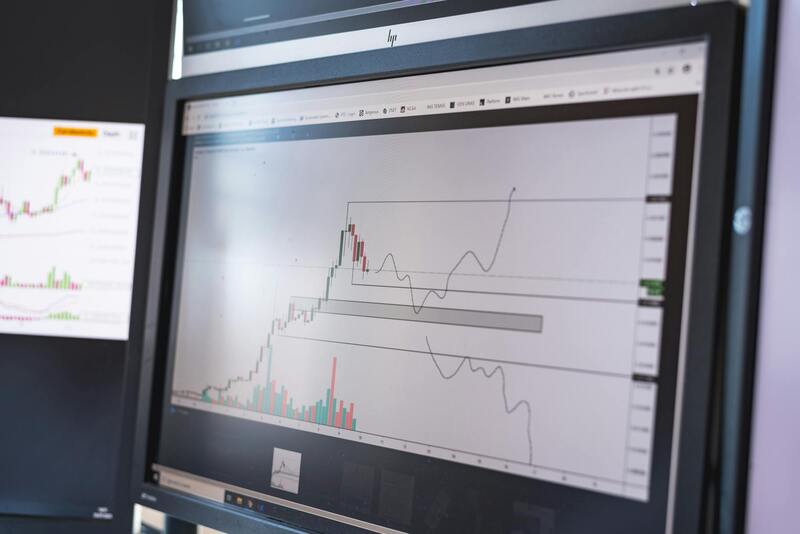
Effective data visualization is a cornerstone of any robust prop firm dashboard, transforming complex trading and operational data into clear, actionable insights. Visual elements such as charts, heatmaps, and trend lines enable traders and management teams to quickly interpret market movements, portfolio performance, and risk metrics without sifting through dense spreadsheets or raw data logs.
Intuitive user interfaces prioritize ease of navigation, ensuring users can access critical information efficiently. Customizable dashboards allow each user to tailor views based on their specific roles—whether monitoring real-time trade execution, assessing overall profitability, or overseeing compliance metrics. Interactive features like drill-down capabilities and real-time alerts support dynamic decision-making and rapid response to market shifts.
Moreover, the use of color coding and visual hierarchies enhances the clarity of data presentation, helping users identify anomalies, patterns, and key performance indicators at a glance. Such thoughtful visual design reduces cognitive load, enabling faster, more accurate trading decisions and operational oversight.
By integrating advanced visualization tools, prop firms ensure their teams are equipped with an immediate understanding of market conditions, portfolio health, and system alerts, ultimately supporting a more responsive and informed trading environment.
Data Visualization and User Interface
Effective data visualization forms the backbone of a well-designed prop firm dashboard, providing traders and managers with a comprehensive, at-a-glance view of complex operational metrics. Visual tools such as interactive charts, heatmaps, and trend lines simplify the interpretation of vast amounts of market data, enabling swift decision-making and operational adjustments. These visual elements facilitate rapid detection of market trends, risk exposures, and performance variances, which are crucial for maintaining a competitive edge in trading activities.
The user interface (UI) of a prop firm dashboard is crafted for clarity and efficiency, often featuring intuitive navigation paths that reduce the learning curve for new users. Implementing customizable views allows users to adapt dashboards to their specific roles—be it a trader monitoring real-time execution data or a compliance officer overseeing adherence to trading rules. Such flexibility enhances operational productivity by ensuring pertinent information is always prominent and accessible.
Interactive features, including drill-down capabilities and real-time alerts, bolster the dynamic utility of dashboards. Users can delve into granular data points for detailed analysis or set up notifications that trigger when certain thresholds are crossed, such as market volatility spikes or trading volume anomalies. These interactive elements support proactive responses to market shifts, ultimately empowering traders and managers to stay ahead of potential risks.

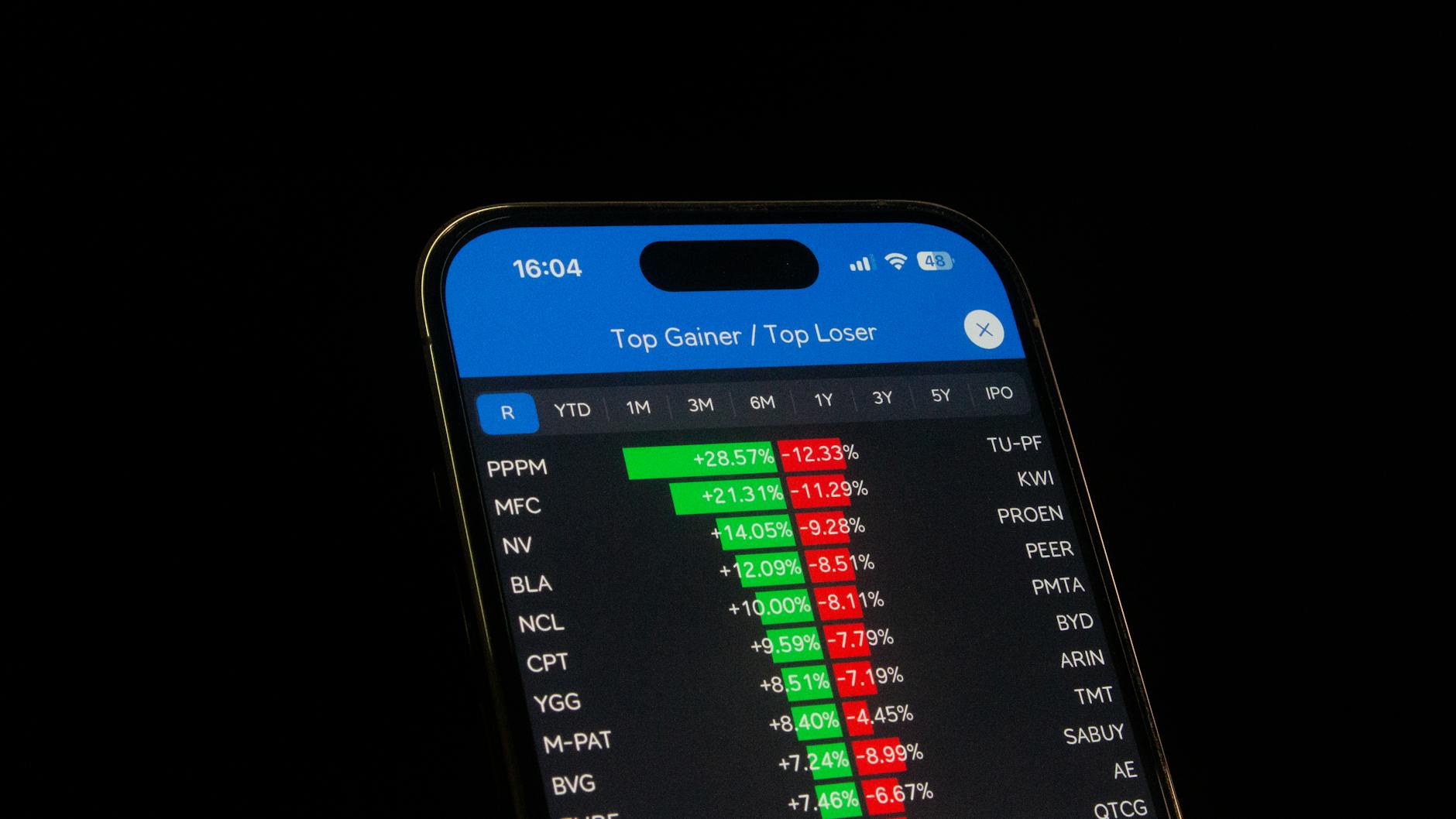
Color coding and visual hierarchies further optimize data presentation, enabling users to quickly identify critical deviations or opportunities. For example, profit and loss figures may be color-coded to immediately highlight gains or losses, while symbols can denote system alerts or compliance flags. This thoughtful use of visual cues mitigates cognitive fatigue, allowing users to interpret data efficiently even during high-pressure trading sessions.
Advanced visualization tools integrated into the dashboard empower teams to understand market conditions and internal performance metrics instantaneously. By transforming raw data into engaging, informative graphics, prop firms facilitate a more informed and responsive trading environment, supporting a culture of transparency and rapid operational adjustments.
Risk Management Integration
Effective risk management remains a cornerstone of operational stability for prop firms, and a comprehensive dashboard plays a vital role in achieving this. Official prop firm dashboards integrate advanced risk control features that help traders and management maintain disciplined trading behaviors. These controls include real-time position limits, leverage restrictions, and automated alerts that notify users when preset thresholds are approached or breached.
Beyond simple monitoring, these dashboards often incorporate scenario analysis tools that simulate potential outcomes of current trades, enabling users to assess vulnerabilities proactively. For instance, if a trader’s position size exceeds a predefined limit, the dashboard can automatically restrict further trades or prompt an advisory message, thereby reducing the likelihood of significant losses. This integration promotes adherence to trading guidelines, minimizes exposure to market fluctuations, and ensures a disciplined approach aligned with firm policies.
In addition, dashboards often empower risk managers with an intuitive overview of aggregated exposure across instruments, sectors, or strategies. They provide visual summaries, such as risk heatmaps and risk-to-reward ratios, which facilitate rapid assessment of overall risk levels. Clear, actionable insights derived from these visual tools support timely decision-making to mitigate potential adverse impacts on the firm's capital.
Security and Data Privacy
Maintaining the confidentiality and integrity of sensitive trading data is non-negotiable in proprietary trading environments. Official prop firm dashboards incorporate multi-layered security protocols designed to safeguard user information and system integrity. These protocols often include encrypted data transmission, secure login procedures with multi-factor authentication, and role-based access controls that restrict sensitive functions to authorized personnel only.
Data privacy is reinforced through regular audits, compliance with relevant data protection standards, and strict internal policies regarding data handling. The system architecture ensures that proprietary trading strategies, personal information, and financial data are isolated and protected against unauthorized access or cyber threats. These measures not only safeguard the firm's intellectual property but also foster a trustworthy environment for traders and stakeholders.

Customization and Scalability
The most effective prop firm dashboards are adaptable to the specific workflows and operational needs of the firm. They offer extensive customization options, enabling firms to tailor dashboards with custom metrics, layouts, and data feeds. Fields and widgets can be rearranged to prioritize critical information, such as real-time P&L, risk exposure, or compliance alerts. This flexibility ensures that the dashboard remains relevant and efficient across different trading strategies or team structures.
Scalability is another fundamental characteristic, allowing the system to grow alongside the firm. As trading volumes expand or new asset classes are introduced, the dashboard can accommodate increased data loads and integrate additional data sources. Cloud-based solutions often underpin these scalable platforms, providing seamless upgrades and performance enhancements without disrupting ongoing operations. The ability to expand functionalities—such as adding new visualization tools or advanced analytics—supports long-term operational resilience and technological evolution.
Best Practices for Using a Prop Firm Dashboard
- Regular Training: Ensure all users understand how to interpret data, utilize features, and respond to alerts effectively.
- Data Accuracy: Maintain updated data feeds and validate input sources to guarantee the integrity of the displayed information.
- Custom Alerts and Notifications: Configure alerts based on specific thresholds to facilitate immediate action on critical issues.
- Routine Audits: Periodically review dashboard configurations, access logs, and security settings to identify and address potential vulnerabilities.
- Integration with Other Systems: Leverage APIs and data interoperability to synchronize dashboards with risk management tools, back-office systems, and analytics platforms.
Effective Use of a Prop Firm Dashboard
For optimal operational efficiency, prop trading firms must leverage their dashboards to monitor key metrics continuously and make informed decisions. This entails utilizing official methods such as integrating real-time data feeds, deploying secure user authentication protocols, and configuring system alerts conservatively to avoid false positives. Ensuring that dashboards are correctly calibrated allows traders and risk managers to identify potential issues promptly, such as deviations from expected performance or emerging market risks.
Active monitoring extends beyond simple observation; it incorporates setting up customized dashboards tailored to specific roles within the firm. For instance, traders might prioritize real-time price movements and execution metrics, whereas risk managers focus on exposure limits and margin utilization. This role-specific configuration enhances clarity and streamlines decision-making processes.
The use of official, established APIs (Application Programming Interfaces) plays a crucial role in enabling seamless integration between the dashboard and other operational systems—such as execution platforms, risk management tools, and compliance modules. These standardized data exchanges ensure consistency and accuracy, facilitating compliance with internal policies and industry standards. Regular updates and patches provided by the dashboard software vendor also contribute to maintaining system robustness and security.
Perform periodic audits of the dashboard setup, verifying access controls and data sources to prevent unauthorized modifications. Users should also verify that automated alerts are functioning correctly, enabling rapid response to anomalies such as unusual trading volumes or margin calls. Documentation of procedures related to dashboard operation and troubleshooting is essential, ensuring consistent practices across the team.
Security Measures for Dashboard Operation
Implementing multi-factor authentication (MFA) and encryption protocols protects sensitive trading data from unauthorized access. Role-based access controls restrict information visibility based on individual responsibilities, reducing the risk of information leaks or accidental mishandling. Regular security reviews, including vulnerability assessments and firmware updates, fortify the dashboard infrastructure against emerging threats.
Data Privacy and Compliance
Maintaining data privacy involves adhering to strict data handling protocols, such as anonymizing sensitive information and controlling data access rights. Official methods also emphasize regular backups and audit logs, which are essential for tracking user activity and supporting transparency. These practices help ensure that trading data remains confidential and complies with relevant data protection standards, fostering trust both internally and with external regulators.
Performance Monitoring and Reporting
Effective performance monitoring is critical for maintaining the efficacy of a prop trading operation. A well-structured prop firm dashboard provides comprehensive tools to track individual and team trading outcomes, assess adherence to risk parameters, and evaluate overall profitability. These dashboards integrate real-time data feeds that display key metrics such as profit and loss (P&L), winning/losing streaks, average return per trade, and drawdowns. Such visibility allows traders and managers to swiftly identify underperformance issues, implement corrective actions, and refine strategies.
Standardized reporting features enhance transparency by generating periodic performance summaries that consolidate activity over daily, weekly, or monthly intervals. Automated reports can be scheduled, ensuring continuous oversight without manual intervention. These insights assist in strategic planning, resource allocation, and compliance verification. For instance, detailed trade logs coupled with analytical charts facilitate post-trade reviews, enabling traders to learn from successful tactics or identify recurring errors.
With robust data analytics tools, stakeholders can delve into granular data points, observe trends, and forecast future performance. Integration with external analytics platforms enriches reporting capabilities, allowing for sophisticated scenario analysis and risk assessment. The dashboard’s ability to visually present complex data in accessible formats accelerates decision-making processes and supports proactive management of trading activities.

Regular performance evaluations through these dashboards uphold operational integrity and ensure traders operate within predefined risk thresholds. Any anomalies or deviations are flagged via automated alerts, prompting immediate review. Archiving historical performance data contributes to institutional memory, facilitating long-term strategic adjustments and compliance audits.
Risk Management Integration
Proper risk management is embedded into the core functionalities of prop firm dashboards. These platforms allow for real-time monitoring of trading limits, leverage usage, and margin requirements. Automated risk alerts notify traders and risk officers when predefined thresholds are approached or breached, enabling swift remedial actions such as position adjustments or halting trading activities.
Integrated risk management tools also support scenario testing, enabling traders to evaluate the potential impact of sudden market movements or unexpected volatility. By simulating various stress scenarios within the dashboard, firms can enhance their preparedness and resilience. This proactive approach helps prevent significant financial losses and supports sustained trading performance.

Security and Data Privacy
Security protocols play a vital role in safeguarding sensitive trading data stored within dashboards. The implementation of multi-factor authentication (MFA) ensures that only authorized personnel access critical information, reducing the risk of unauthorized entry. Encryption of data in transit and at rest further protects proprietary trading strategies and client data against interception or breaches.
Role-based access controls (RBAC) customize permissions based on individual responsibilities, limiting sensitive data visibility and operational functions to necessary personnel only. Regular security audits, vulnerability scans, and firmware updates are conducted to identify and mitigate potential threats, maintaining the integrity of the dashboard infrastructure.
Data privacy protocols include maintaining detailed audit logs that record user activity, offering transparency and accountability for all actions within the system. Routine data backups ensure the recovery of information in case of system failures, supporting continuity and compliance with data handling standards. These practices collectively uphold the confidentiality of trading intelligence and reinforce the integrity of the firm's operations.
Comprehensive Use of Prop Firm Dashboards in Modern Trading Operations
Effective Workflow Integration
Leveraging a prop firm dashboard requires seamless incorporation into daily trading routines. It involves establishing standard operating procedures that specify how traders, risk managers, and administrative staff interact with the platform. Consistent training sessions ensure every team member understands how to navigate analytics, generate reports, and respond to alerts efficiently. This integration helps streamline decision-making processes, reducing response times during volatile market conditions.

Maintaining Data Accuracy and Integrity
Accurate data input and regular system audits are vital in maximizing the effectiveness of a prop firm dashboard. Implementing validation checks minimizes errors in trade data, operational metrics, and financial reports. Periodic reconciliation processes ensure that recorded data aligns with external systems and market feeds. Maintaining data integrity fosters trust in the dashboard insights and supports informed decision-making, which is critical in fast-moving trading environments.
Utilizing Analytics for Strategic Insights
Advanced data analytics within the dashboard enable comprehensive performance evaluation. Traders can identify patterns, assess risk exposure, and refine trading strategies based on historical and real-time data. Customized dashboards allow teams to monitor specific asset classes, strategies, or individual trader performance. Such detailed analytics facilitate strategic adjustments that optimize returns while managing risk effectively.
Automating Routine Tasks and Alerts
Automation features in a prop firm dashboard minimize manual oversight by setting up alerts for critical thresholds. These may include margin calls, sudden market movements, or discrepancies in trade execution. Automated reporting schedules ensure key performance metrics are reviewed regularly without administrative burden. This automation enhances operational efficiency and quickens response times during high-pressure trading periods.
Continuous Improvement Through Feedback
Gathering feedback from users—traders, risk managers, and support staff—is essential for refining dashboard functionalities. Regular assessments can identify usability issues and suggest enhancements, ensuring the platform adapts to evolving trading strategies and regulatory changes. Incorporating user feedback supports the development of intuitive interfaces and feature sets that contribute to overall operational excellence.
Regular System Updates and Maintenance
Keeping the dashboard updated with the latest software releases and security patches fortifies its performance and security posture. Scheduled maintenance routines prevent system downtimes, ensuring uninterrupted access to vital trading information. Maintaining a robust support framework accelerates problem resolution and enhances user confidence in the system's reliability.
