
Definition and Role of Proprietary Trading Firms
Proprietary trading firms, commonly known as prop firms, are financial entities that allocate their own capital to engage in trading activities across various markets, including equities, derivatives, commodities, and foreign exchange. Unlike investment firms that manage funds on behalf of clients, prop firms prioritize trading their own assets to generate revenue based on market movements. These firms employ professional traders, quantitative analysts, and support personnel to capitalize on market inefficiencies and opportunities, aiming to amplify their capital through strategic transactional activities.

In essence, the core purpose of proprietary trading firms is to profit from short-term market fluctuations, price discrepancies, and algorithmic signals, often utilizing sophisticated trading systems that analyze vast datasets in real time. These firms contribute significantly to market liquidity and efficiency, providing vital depth to trading volumes and facilitating smoother transaction flows across financial markets. Their primary role is to act as active market participants, with a focus on generating consistent returns through disciplined trading practices.
Business Model and Revenue Generation
The revenue model of proprietary trading firms is predominantly driven by the profits realized from their trading activities. Since these firms employ their own capital, the direct gains from successful trades translate immediately into revenue. The profitability of a prop firm depends on its ability to accurately predict market directions and execute trades efficiently. Key components of their revenue generation include:
- Trading profits: Earnings from buying and selling assets at advantageous prices.
- Market-making activities: Providing liquidity and earning from bid-ask spreads.
- Algorithmic trading: Utilizing automated systems to exploit rapid market movements.
- Leverage: Amplifying exposure to markets to increase potential returns, often within controlled risk parameters.
Operational cost structures typically encompass technology infrastructure, data feeds, trading commissions, and personnel salaries, all of which are balanced against the profits generated to ensure sustainable growth.
Types of Trading Strategies Used by Proprietary Firms
Proprietary trading firms employ a variety of strategies tailored to market conditions and their risk appetite. Some common approaches include:
- Quantitative trading: Exploiting statistical patterns and algorithmic signals derived from large datasets.
- High-frequency trading (HFT): Executing rapid trades to profit from tiny price movements within milliseconds.
- Market making: Facilitating trade liquidity by continuously quoting buy and sell prices and earning from the spread.
- Event-driven strategies: Trading around news events, earnings releases, or macroeconomic indicators.
- Trend following: Identifying and capitalizing on sustained market movements.
Adopting a diversified range of strategies allows prop firms to adapt swiftly to changing market dynamics while managing risk effectively.
Funding and Capital Structure
Proprietary trading firms are funded either through internal capital reserves or external sources, such as investors or institutional partners. While most firms rely on their own funds, some may seek strategic partnerships that provide additional capital infusion, enabling larger positions and greater market influence.
The capital structure usually emphasizes a balance between risk management and capital deployment, with firms carefully allocating funds to different trading desks or asset classes. This segmentation helps optimize trading performance while maintaining control over potential losses. Leveraging advanced risk management systems, firms monitor exposure levels continuously to ensure that trades align with their predefined risk appetite.
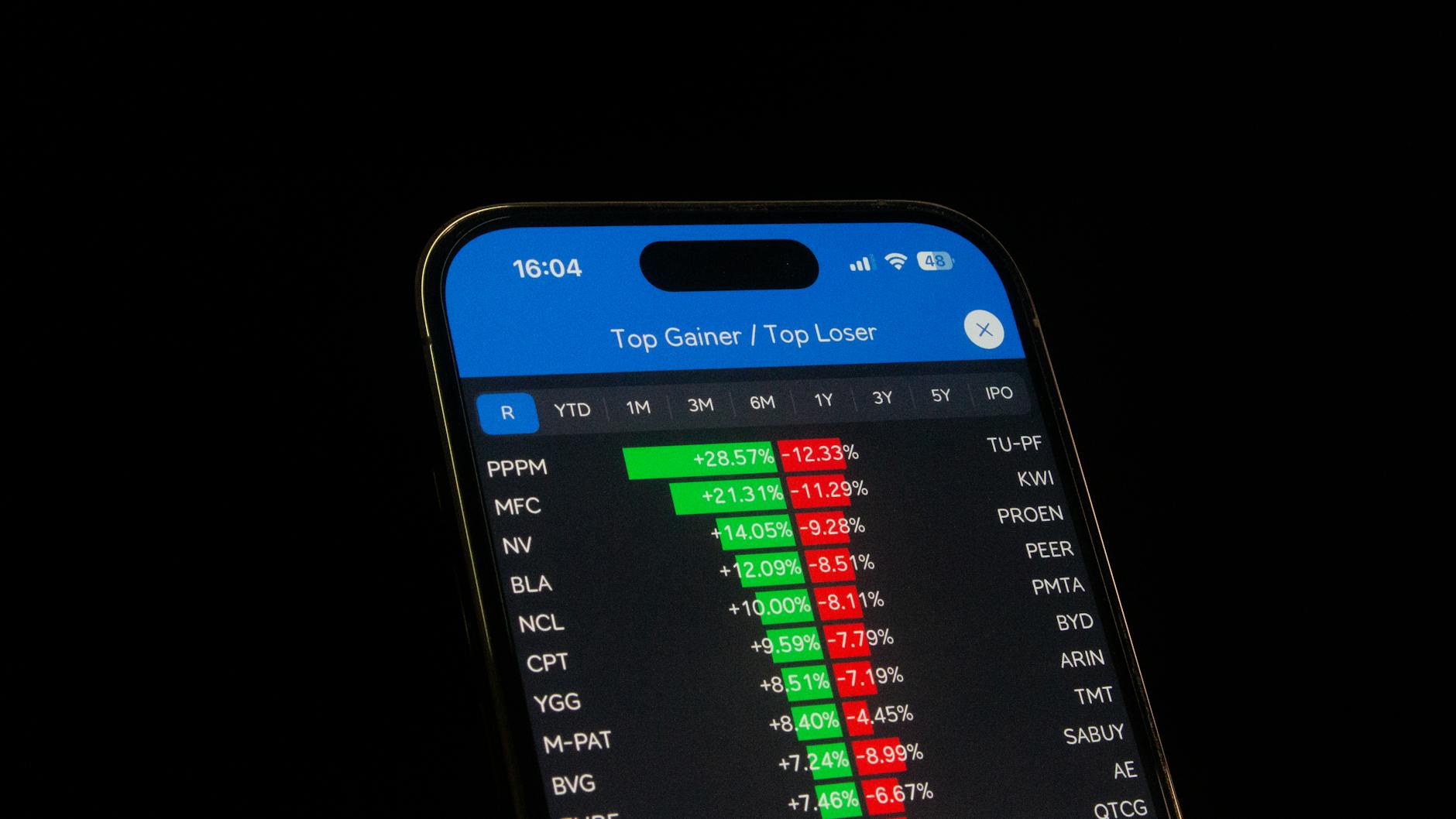
In addition, firms often employ proprietary trading accounts that focus on specific strategies or asset classes, allowing for targeted risk management and performance tracking. Access to substantial capital resources enables prop firms to participate in a wide spectrum of markets, capturing emerging opportunities with agility.
Definition and Role of Proprietary Trading Firms
Proprietary trading firms, commonly known as prop firms, operate primarily as financial entities that deploy their own capital to engage in market transactions. Unlike firms that trade on behalf of clients, prop firms focus inwardly on generating profits through strategic trading initiatives. Their core role involves leveraging proprietary knowledge, advanced technology, and sophisticated risk management techniques to capitalize on market inefficiencies and opportunities across various asset classes, including equities, commodities, currencies, and derivatives.

Many of these firms operate with a structured framework that emphasizes both aggressive market participation and rigorous risk controls. They typically employ a range of trading strategies tailored to exploit short-term price movements or long-term trends. Notably, prop firms maintain dedicated trading desks staffed by skilled traders who are either directly employed or operate under profit-sharing arrangements. These traders benefit from access to the firm’s capital, proprietary technology, and analytical tools, which collectively enhance their ability to execute high-frequency trades, arbitrage opportunities, or algorithmic strategies.
Understanding how prop firms work involves examining their operational models, financial structures, and strategic approaches. Their activities are supported by comprehensive risk management systems designed to monitor market exposure and mitigate potential losses. Leveraging substantial financial reserves, they can engage in large-scale trades that might be impractical for individual investors or smaller trading entities, thereby offering a competitive edge in highly liquid and volatile markets.
Funding and Capital Structure
Proprietary trading firms typically manage their capital within a framework that balances aggressive trading with cautious risk oversight. Capital sources are mainly internal reserves accumulated through previous trading profits. However, some firms supplement their resources through external investors, strategic partnerships, or institutional alliances, allowing access to additional liquidity that can scale up their trading capacity.
The structure of capital allocation is crucial in prop trading operations. Firms often segment their funds across different trading desks, each specializing in particular strategies or asset classes. For example, there might be a dedicated desk for equities trading, another for commodities, and a third focusing on forex. This segmentation helps optimize risk distribution and performance monitoring, while also fostering specialization among traders and analysts.
Effective risk management is integral to the firm’s capital strategy. Advanced systems track exposure levels in real-time, ensuring that no single position or strategy exposes the firm to disproportionate risk. By constantly adjusting capital deployment and maintaining liquidity buffers, prop firms protect their assets and optimize potential returns.
Trader Selection, Training, and Incentives
Success in proprietary trading hinges on attracting and nurturing talented traders. Most firms implement rigorous selection procedures that evaluate a trader’s analytical skills, market intuition, and psychological resilience. The recruitment process often involves simulation trading, testing under various market scenarios, and assessing decision-making under pressure.
Once onboard, traders typically undergo comprehensive training programs that include market analysis, risk management, and the use of proprietary trading platforms. Continuous development is encouraged through performance feedback, mentorship, and access to advanced analytics tools.
Incentive structures are designed to align traders' objectives with the firm’s profitability goals. Common models include profit-sharing agreements and tiered bonus systems based on individual and team performance. Such incentives motivate traders to perform optimally while reinforcing disciplined trading practices that minimize excessive risks.
Technology and Infrastructure
Robust technological infrastructure forms the backbone of prop trading operations. Firms invest heavily in high-speed trading servers, comprehensive data feeds, and sophisticated analytical software. This technological edge allows traders to execute trades swiftly, analyze market trends in real-time, and optimize strategies based on evolving data.
Automation plays a significant role, with many firms employing algorithmic trading systems that can process vast data sets and execute trades at lightning speed. Machine learning models are increasingly integrated to enhance predictive capabilities and adapt strategies dynamically.
Additionally, secure and reliable communication channels ensure that traders can operate seamlessly across global markets. Reliable infrastructure minimizes latency, reduces operational risks, and enhances overall performance.
Regulatory Environment and Compliance
Operating within the regulatory confines of different jurisdictions requires prop firms to maintain rigorous compliance standards. They implement policies to adhere to financial reporting, anti-money laundering (AML), and know-your-customer (KYC) protocols. Regular audits and internal controls are standard practice to ensure adherence to these standards and to maintain transparency in operations.
Many firms also employ compliance officers dedicated to overseeing regulatory changes, conducting risk assessments, and ensuring that trading activities remain within legal boundaries. Staying compliant not only preserves the firm’s reputation but also minimizes exposure to costly penalties and operational disruptions.
Challenges Faced by Proprietary Trading Firms
Despite their advantages, prop firms encounter several challenges that can impact their profitability and operational stability:
- Market Volatility: Unexpected market shifts can lead to rapid losses if risk controls are breached.
- Technological Failures: System outages or hacking threats can disrupt trading activities and compromise data security.
- Regulatory Changes: Evolving regulations may impose additional compliance costs or restrict certain trading strategies.
- Talent Retention: The competitive landscape for skilled traders requires constant innovation in incentives and training.
- Capital Constraints: Access to sufficient liquidity is critical, especially during downturns when external funding may become more difficult to secure.
Funding and Capital Structure
Proprietary trading firms significantly depend on their capital structure to sustain their trading operations and absorb potential losses. Typically, these firms start with an initial seed capital, which may come from the firm's own reserves or from external investors interested in the firm’s trading methodologies. The primary objective is to deploy this capital efficiently across various markets and trading strategies to maximize returns while managing exposure to risk.
Firms often allocate capital to different trading desks based on the strategies they employ, such as momentum trading, arbitrage, or statistical models. This diversification of capital allocation helps in mitigating risks associated with market volatility or specific asset class downturns.

Maintaining liquidity is vital for proprietary trading operations. Firms typically keep a substantial reserve to ensure they can meet margin requirements, capitalize on sudden trading opportunities, and weather periods of adverse market conditions. Additionally, some firms may leverage external financing, such as lines of credit or partnerships with liquidity providers, to amplify their trading capacity without overly risking their own funds.
Trader Selection, Training, and Incentives
The success of proprietary trading ventures hinges heavily on the quality and skills of their traders. Top-tier firms establish rigorous selection processes, including comprehensive evaluations of trading experience, strategic thinking, and risk management capabilities. These processes may include simulated trading exercises, psychological assessments, and detailed interviews to identify traders with a strong track record and high resilience under pressure.
Once selected, traders undergo continuous training that emphasizes development of proprietary trading algorithms, risk controls, and market analysis skills. The onboarding process often involves mentorship, workshops, and access to advanced trading tools to refine their strategies.
Incentives play a crucial role in motivating traders and aligning their interests with the firm’s objectives. Compensation structures typically include base salaries combined with performance-based bonuses directly linked to profitability. Some firms employ profit-sharing models, where traders receive a percentage of the profits they generate, encouraging prudent risk-taking and long-term thinking.

Technology and Infrastructure
Proprietary trading firms heavily rely on sophisticated technology and infrastructure to execute trades efficiently, minimize latency, and analyze vast datasets in real-time. High-performance computing systems, low-latency trading platforms, and advanced data feeds are essential components of their operational backbone.
These firms invest extensively in developing proprietary trading algorithms, which may include machine learning models and statistical analysis tools. Robust hardware and networking infrastructure ensure traders and algorithms can access markets swiftly and execute orders without delays that could disadvantage them.
Moreover, cybersecurity measures are integral to safeguarding sensitive trading algorithms, client data, and proprietary information from potential threats or breaches. Continuous updates and system maintenance are necessary to keep pace with evolving technological standards and to prevent disruptions that could impact trading activities.
Regulatory Environment and Compliance
Operating within a well-defined regulatory framework, proprietary trading firms adopt comprehensive compliance protocols to adhere to market rules, reporting standards, and data management policies. They employ dedicated compliance officers who oversee daily operations, ensuring that trading activities align with evolving regulations and internal risk policies.
The firm’s compliance measures include routine audits, transaction monitoring, and transparent record-keeping. These practices help in preventing unauthorized trading practices, market manipulation, or other activities that could risk operational integrity.
Additionally, firms maintain detailed documentation of all trades and communications, which is crucial for audit purposes and dispute resolution. Staying abreast of regulatory updates and adjusting internal procedures accordingly enable firms to operate seamlessly within complex market environments.

Funding and Capital Structure
Proprietary trading firms typically secure their capital through various channels, primarily relying on internal funds, external investors, or a combination of both. These firms often allocate a sizeable amount of their own capital to support their trading activities, allowing for greater control over decision-making processes and risk management protocols. To amplify their trading capacity, many firms also raise capital from institutional investors or high-net-worth individuals, who seek exposure to firm strategies while understanding the high-risk, high-reward nature of proprietary trading.
Leverage plays a critical role in the capital structure of proprietary trading firms. By employing leverage—borrowing funds to increase trading positions—firms can magnify returns on successful trades, although this approach also amplifies potential losses. Effective leverage management is essential; firms establish strict limits to prevent exposure that could jeopardize their financial stability. Leveraging technology-driven risk management systems enables these firms to monitor exposure levels continuously and adjust positions promptly to mitigate potential risks.
Resource allocation within proprietary firms is meticulously managed to optimize trading capacity and operational efficiency. This includes investments in hardware, trading platforms, and back-office infrastructure. Maintaining a robust capital structure and strategic resource deployment allows firms to adapt swiftly to market conditions, capitalize on emerging opportunities, and sustain competitive advantages in the highly dynamic trading landscape.

Trader Selection, Training, and Incentives
Selecting the right trading talent is a fundamental aspect of a proprietary trading firm's success. Firms often employ rigorous screening processes that include assessments of analytical skills, trading aptitude, psychological resilience, and experience. Many firms favor candidates with backgrounds in quantitative analysis, computer science, or finance, as these disciplines provide a solid foundation for understanding complex trading algorithms and market behavior.
Once selected, traders undergo comprehensive training programs designed to hone their trading skills and align them with the firm's strategic objectives. Training often encompasses technical skill development, risk management techniques, and the use of proprietary trading platforms and algorithms. Ongoing education and performance reviews are integral components, ensuring traders adapt to evolving market conditions and technological advancements.
Incentive structures are carefully crafted to motivate traders while aligning their interests with the firm's overall performance. Compensation packages usually combine base salaries, performance bonuses, and profit-sharing arrangements. Performance metrics are typically based on risk-adjusted returns, adherence to risk limits, and consistent profitability. These measures encourage traders to pursue sustainable growth rather than taking excessive risks that could threaten the firm's stability.
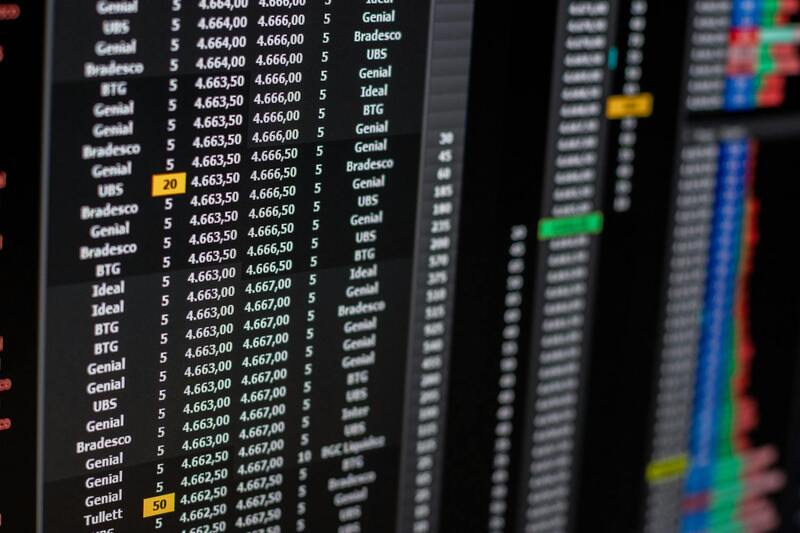
Technology and Infrastructure
Advanced technology and robust infrastructure are the backbone of proprietary trading firms. Cutting-edge trading platforms are tailored to provide traders with real-time market data, automated trade execution, and sophisticated analytical tools. High-speed data feeds ensure traders can respond swiftly to market movements, which is vital in fast-paced trading environments.
The implementation of algorithms and automated systems enhances the efficiency and precision of trading activities. These systems are capable of executing thousands of trades per second, employing complex strategies developed through quantitative research. Integration with global exchanges and electronic communication networks (ECNs) ensures minimal latency and competitive execution speeds.
Infrastructure investments extend beyond trading platforms. Firms also deploy resilient and secure networks, data storage solutions, and disaster recovery plans to maintain continuous operations. Cybersecurity is paramount; protective measures shield sensitive information from potential threats and operational disruptions. Additionally, continuous system upgrades and maintenance are necessary to stay ahead in a rapidly evolving technological landscape, leveraging innovations such as cloud computing, artificial intelligence, and machine learning to refine trading strategies and operational capabilities.

Funding and Capital Structure
Proprietary trading firms operate with a carefully structured capital framework that supports their trading activities. These firms typically allocate significant funding dedicated exclusively to trading, allowing their traders to capitalize on market opportunities without the restrictions often faced by retail traders. The capital is sourced from the firm’s own reserves, investor contributions, or a combination of both, enabling the firm to scale its operations accordingly.
One of the defining features of these firms is their leverage strategy. They employ leverage to amplify trading positions, which can significantly increase potential returns during favorable market conditions. However, managing leverage effectively is crucial to prevent magnified losses, particularly during volatile periods. As part of their risk management protocols, proprietary firms establish strict limits on leverage ratios and position sizes to safeguard their capital base.

Further, the financing arrangements within these firms often involve internal capital allocation models that prioritize high-potential trading strategies. Capital is dynamically distributed based on performance metrics, allowing firms to continuously optimize their trading operations. This flexible approach enables quick adaptation to evolving market conditions and the deployment of funds where opportunity is greatest.
Liquidity management plays a vital role in maintaining the firm's operational stability. Proprietary traders require immediate access to capital to execute high-frequency and sizeable trades. Therefore, firms maintain liquid reserves and credit lines with banks or financial institutions to ensure uninterrupted trading capacity. All these elements collectively form a resilient financial infrastructure that underpins the firm's capacity to execute large-scale and sophisticated trading strategies.
Trader Selection, Training, and Incentives
Identifying and cultivating talented traders is fundamental to a proprietary trading firm's success. Candidate selection often involves rigorous assessments of cognitive abilities, decision-making skills, and a deep understanding of market dynamics. Firms may conduct multiple rounds of testing, including simulated trading exercises, personality assessments, and interviews to gauge analytical thinking and stress management. The goal is to find traders who demonstrate disciplined risk control and consistent performance under pressure.
Once selected, traders undergo comprehensive training programs that cover trading methodologies, risk management protocols, technical infrastructure, and compliance standards. This ongoing education ensures traders stay current with market developments and technological advancements. Many firms employ mentorship systems where experienced traders guide newer members, fostering a culture of continuous learning and skill enhancement.
To align traders' interests with the firm's objectives, incentive structures are designed to motivate sustained high performance. Performance-based compensation models typically include profit-sharing arrangements, bonuses for meeting or exceeding targets, and equity stakes in certain strategies. Clear and transparent metrics are established to evaluate trader success, often combining quantitative measures such as return on capital, risk-adjusted performance, and adherence to trading rules. These incentives promote disciplined trading behavior and encourage traders to focus on consistent profitability rather than short-term gains.
Technology and Infrastructure
Advanced technology is at the core of proprietary trading operations. Firms invest heavily in developing and maintaining sophisticated trading platforms that facilitate rapid trade execution, real-time data analysis, and automated decision-making. These platforms integrate seamlessly with global exchanges and electronic communication networks, which is crucial for minimizing latency and capitalizing on fleeting market opportunities.
High-performance computing resources allow traders to deploy complex algorithms and execute thousands of transactions per second. These algorithms often utilize quantitative models that analyze vast datasets to identify trading signals and optimize entry and exit points. Automated trading systems enhance efficiency, reduce human error, and enable traders to implement high-frequency strategies with precision.

Continuous technological innovation is essential to maintaining competitive advantage. Firms adopt emerging technologies such as artificial intelligence and machine learning, which facilitate pattern recognition, predictive analytics, and adaptive trading strategies. Cloud computing platforms enable scalable infrastructure, allowing firms to adjust capacity based on trading volume and computational demands. Cybersecurity measures safeguard sensitive data and trading algorithms from cyber threats, ensuring uninterrupted and secure trading operations.
Regulatory Environment and Compliance
While proprietary trading firms are primarily focused on maximizing performance within a structured framework, they also operate within the boundaries set by regulatory standards. These standards are designed to ensure transparency, fair trading practices, and systemic stability. Firms employ dedicated compliance teams to monitor and enforce adherence to applicable trading rules, reporting requirements, and internal policies. Regular audits and risk assessments help identify potential vulnerabilities and address them proactively.
Firms also implement strict Know Your Customer (KYC) procedures and anti-money laundering (AML) protocols to verify trader identities and prevent illicit activities. Maintaining compliance with evolving regulations is an ongoing process, requiring updates to policies, training programs, and operational procedures. This disciplined approach not only safeguards the firm's reputation but also ensures its trading activities are sustainable over the long term.
Challenges Faced by Proprietary Trading Firms
The competitive landscape and rapidly changing technological environment pose ongoing challenges for proprietary trading firms. Market volatility can lead to significant losses, requiring agile risk management and continuous adaptation of trading strategies. Additionally, technological disruptions and cyber threats necessitate ongoing investments in infrastructure security and modernization.
Regulatory changes can impact trading operations, requiring firms to modify compliance practices and adjust business models accordingly. Moreover, attracting and retaining top trading talent amidst fierce competition is critical for maintaining a competitive edge. Managing these interconnected challenges demands strategic planning, innovation, and disciplined execution to sustain profitability and operational resilience.
Funding and Capital Structure
Proprietary trading firms often operate with a unique funding model that allows traders to access significant capital pools without the requirement of personal financial backing. Typically, these firms allocate a substantial amount of their own capital or raised funds into a pooled trading account, which traders draw from based on individual or team trading mandates. This centralized approach to funding enables the firm to maintain oversight and risk management while offering traders the flexibility to execute diverse trading strategies.
Funding structures may vary, with some firms adopting a hierarchical model where capital is allocated based on trader skill, experience, and historical performance. Others employ a tiered strategy that offers incremental funding as traders demonstrate consistency and profitability over time. Moreover, proprietary firms often implement strict leverage policies, balancing the potential for amplified returns with the imperative to manage risk effectively. This ensures that traders operate within predefined risk parameters, safeguarding the firm's financial health.

In addition to internal capital allocation, some firms incorporate external funding sources, such as private investors or institutional partners, to expand their trading capacity. These arrangements often come with specific compliance and reporting requirements, further reinforcing the firm’s operational integrity. The combination of internal capital management and strategic external funding allows proprietary trading firms to adapt rapidly to market conditions, scale their operations efficiently, and optimize trading performance.
Trader Selection, Training, and Incentives
Proprietary trading firms prioritize rigorous selection processes to identify traders who display exceptional analytical skills, discipline, and adaptability. These processes typically involve multiple rounds of assessments, including technical tests, trading simulations, and interviews to evaluate a trader’s decision-making capabilities under real-world market conditions.
Once selected, traders undergo comprehensive training programs designed to familiarize them with the firm’s trading platforms, risk management protocols, and strategic frameworks. Continuous education, mentorship, and performance feedback serve as vital components of this training, ensuring traders remain aligned with the firm’s objectives and compliance standards.
Incentive structures are carefully designed to promote sustainable trading practices. Compensation may include profit-sharing arrangements, bonuses based on individual and team performance, and other performance-linked rewards. These incentives motivate traders to pursue consistent and disciplined trading behaviors while aligning their goals with the firm’s long-term profitability. Risk management principles are embedded into these incentive schemes, discouraging reckless trading and fostering a culture of prudence and accountability.
Funding and Capital Structure
Proprietary trading firms typically operate with substantial capital pools that are allocated to various trading strategies and asset classes. This capital is often sourced either from the firm’s own reserve funds, funds provided by principal investors, or a combination of both. Unlike retail traders, proprietary firms maintain large trading accounts capable of executing sizeable positions across multiple markets, allowing them to capitalize on price discrepancies and market inefficiencies.
To optimize capital utilization, these firms deploy sophisticated risk management systems that monitor exposure levels in real-time. This ensures that trading positions remain within pre-defined risk parameters, safeguarding the firm’s assets against significant losses. Capital is often allocated based on the risk profile of specific trading strategies, with higher risk, higher reward approaches often assigned more capital to maximize potential gains.
Some proprietary trading firms establish segregated accounts for different trading desks or strategies, facilitating clearer performance tracking and risk compartmentalization. This structure enables the firm to evaluate the profitability of each segment independently, adjust capital allocations dynamically, and maintain control over overall risk exposure.

Trader Selection, Training, and Incentives
Proprietary trading firms prioritize rigorous selection processes to identify traders who display exceptional analytical skills, discipline, and adaptability. These processes typically involve multiple rounds of assessments, including technical tests, trading simulations, and interviews to evaluate a trader’s decision-making capabilities under real-world market conditions.
Once selected, traders undergo comprehensive training programs designed to familiarize them with the firm’s trading platforms, risk management protocols, and strategic frameworks. Continuous education, mentorship, and performance feedback serve as vital components of this training, ensuring traders remain aligned with the firm’s objectives and compliance standards.
Incentive structures are carefully designed to promote sustainable trading practices. Compensation may include profit-sharing arrangements, bonuses based on individual and team performance, and other performance-linked rewards. These incentives motivate traders to pursue consistent and disciplined trading behaviors while aligning their goals with the firm’s long-term profitability. Risk management principles are embedded into these incentive schemes, discouraging reckless trading and fostering a culture of prudence and accountability.

Technology and Infrastructure
Proprietary trading firms heavily rely on cutting-edge technology to gain a competitive edge. Advanced trading platforms provide traders with real-time data, algorithmic trading capabilities, and complex analytical tools necessary for high-frequency and quantitative trading strategies. These platforms are integrated with high-speed data feeds that deliver instant market information, enabling traders to execute trades with minimal latency.
The technological infrastructure also includes powerful hardware, secure networks, and proprietary software systems that support back-office operations, compliance monitoring, and risk assessment. Many firms develop or customize their own trading algorithms, which are tested rigorously before deployment in live markets. The use of artificial intelligence and machine learning models further enhances predictive accuracy and decision-making processes.

Understanding the Funding and Capital Structure of Proprietary Trading Firms
Proprietary trading firms operate with a distinct financial framework that supports their extensive trading activities. These firms typically allocate a significant portion of their capital for trading purposes, which is often sourced from their own retained earnings, private investments, or institutional backers. The capital structure is designed to balance risk and operational flexibility, allowing the firm to engage in diverse trading strategies across various asset classes.
Most proprietary trading firms maintain a reserve fund dedicated exclusively to trading operations, ensuring liquidity and the capacity to absorb operational losses without disrupting overall business stability. This capital is carefully managed and monitored through sophisticated risk management systems, which track exposure levels, leverage ratios, and margin requirements. These measures ensure that the firm can maintain sufficient capital buffers, even in volatile market conditions.

Trading firms also utilize leverage, which amplifies their trading capacity. Leverage ratios are strictly controlled, balancing the opportunity for higher returns against the risk of larger losses. Capital is distributed across multiple trading desks and strategies, providing diversification and reducing the impact of adverse moves in any single market segment. This strategy helps sustain the firm's profitability during periods of market turbulence.
Moreover, firms often set aside a portion of their capital for research and development, technological upgrades, and continuous trader training programs. Such investments are crucial for maintaining a competitive edge, deploying innovative trading algorithms, and refining existing strategies based on market evolution.
Trader Selection, Training, and Incentives
Success in proprietary trading hinges on the quality of traders and their alignment with the firm’s objectives. Firms employ rigorous selection processes that evaluate candidates' analytical skills, trading acumen, and psychological resilience. This often involves simulated trading tests, interviews, and assessments of past trading experience.
Once selected, traders undergo comprehensive training programs tailored to the firm’s strategies and risk management protocols. These programs encompass technical skill development, market analysis, strategy optimization, and behavioral discipline. Continuous education is emphasized to adapt to changing markets and new trading technologies.
Incentive structures are meticulously designed to motivate traders while fostering disciplined trading behaviors. Profit-sharing arrangements and performance bonuses are commonly used, but they are coupled with strict risk controls and loss limits. This approach encourages traders to maximize returns without compromising the firm’s overall risk appetite.
Technology and Infrastructure Support
Cutting-edge technology forms the backbone of proprietary trading operations. The use of advanced trading platforms equipped with algorithmic trading capabilities allows traders to implement complex strategies efficiently. High-frequency trading, quantitative analysis, and statistical arbitrage are all supported by these sophisticated systems.
Moreover, robust infrastructure includes high-speed data feeds, low-latency connectivity, and secure network architectures to ensure rapid execution of trades. Many firms develop proprietary algorithms that are rigorously backtested before deployment, allowing traders to execute strategies with precision and minimal market impact.
Artificial intelligence and machine learning models further enhance decision-making by analyzing vast datasets to identify trading opportunities and optimize tactics. Back-office systems integrated with compliance monitoring tools ensure adherence to established trading protocols and regulatory standards, safeguarding the firm’s operations and reputation.
Operational Challenges and Strategic Risks
Despite their technological and strategic advantages, proprietary trading firms face significant challenges, such as market volatility, rapidly changing regulatory environments, and intense competition. Sudden price swings can lead to rapid losses if risk controls and leverage management are not meticulously maintained. Firms must continuously adapt their strategies and infrastructure to mitigate these risks.
Market dynamics, including evolving algorithmic trading techniques by competitors and shifting liquidity conditions, require firms to stay innovative and responsive. Additionally, the complexity of operations demands diligent compliance oversight and transparent risk reporting to prevent regulatory or operational pitfalls.
