
How to Start a Forex Prop Firm
Understanding Proprietary Trading and Forex Prop Firms
Proprietary trading firms, commonly known as prop firms, are specialized companies that trade financial instruments using their own capital rather than client funds. In the forex market, these firms capitalize on the trading expertise of their employed traders, aiming to generate profit through strategic currency trading. Unlike retail traders who trade through personal accounts, traders within a forex prop firm operate under a structured setup that provides access to larger capital allocations, advanced technology, and professional support.
Forex prop firms serve as vital platforms for skilled traders seeking to leverage institutional-grade resources and scale their trading activities. They differ from traditional trading organizations by focusing primarily on proprietary trading activities, often establishing a formal framework for evaluating trader performance, managing risk, and expanding operational capacity. This distinction allows prop firms to foster a professional trading environment, emphasizing disciplined trading strategies, risk management, and consistent performance metrics.

Prerequisites for Starting a Forex Prop Firm
Launching a forex prop firm requires a combination of industry knowledge, strategic planning, and appropriate resources. Founders must possess a clear understanding of forex markets, trading principles, and risk management principles. Experience in financial services or trading operations can significantly influence the firm’s success, ensuring informed decision-making and operational efficiency.
Additionally, aspiring proponents should evaluate the competitive landscape, identify potential client segments, and determine the firm's unique value proposition. Establishing credibility within the currency trading community often involves certifications, industry affiliations, and a demonstration of sound risk practices. Creating a comprehensive plan that addresses these elements lays a solid foundation for future growth and operational stability.

Legal Setup and Compliance Requirements
Establishing a solid legal framework is fundamental for the secure operation of a forex prop firm. It involves registering the business according to local jurisdictional requirements, which could include forming an LLC, corporation, or other business entity suitable for financial activities. This provides a clear legal identity and helps protect personal assets from business liabilities.
Beyond registration, obtaining the necessary licenses or permits related to financial trading and advisory services is often mandatory. These licenses ensure that the firm adheres to the regulations set by financial authorities, contributing to transparency and operational integrity.
To ensure compliance, firms should implement strict anti-money laundering (AML) protocols, know-your-customer (KYC) procedures, and data protection measures. Regular audits and compliance checks are essential, not only to meet regulatory standards but also to build trust with clients and partners. Maintaining accurate records of all transactions, trader activities, and risk management practices creates a transparent operational environment.
Engaging with legal professionals experienced in financial services can streamline the process of meeting regulatory requirements. These specialists can assist with drafting legal documents such as trading agreements, trader contracts, confidentiality agreements, and risk disclosures.
Developing Trading Infrastructure and Tools
Investing in reliable trading infrastructure is crucial for a smooth and efficient operation. This includes selecting a robust trading platform compatible with the firm's trading strategies, which offers advanced analytical tools, real-time data feeds, and risk management features.
Additionally, establishing secure communication channels and data security protocols is vital to protect sensitive information. The infrastructure must support seamless trader interactions, real-time monitoring, and accurate record-keeping to facilitate compliance and performance evaluation.
Implementing proprietary or third-party risk management and back-office systems helps in effectively monitoring trader activities, managing capital, and auditing performance. Automated tools for trade analysis, reporting, and compliance checks contribute significantly to operational efficiency.
Ensuring that all trading systems are regularly updated and maintained protects against potential vulnerabilities and technical issues. Technical support and staff training in using these tools ensure that traders and operational teams can leverage technology effectively, fostering a productive and compliant trading environment.
Establishing Clear Selection and Evaluation Criteria
One of the fundamental steps in starting a forex proprietary trading firm involves defining stringent selection and evaluation criteria for potential traders. This process ensures that only qualified individuals with the appropriate skill set and trading discipline are brought onboard, minimizing risk and fostering long-term success.
Targeted assessment methods typically include a combination of written tests, simulation trading exercises, and interviews designed to evaluate a trader’s analytical skills, emotional resilience, and adherence to risk management protocols. These evaluations often measure factors such as risk-to-reward ratios, consistency in trade execution, and ability to stick within predefined trading parameters.
Implementing a structured assessment process serves multiple purposes. It filters out less suitable candidates, set clear expectations for trader performance, and reduces the likelihood of potential losses caused by impulsive or unprepared traders. Additionally, establishing consistent evaluation benchmarks helps maintain fairness and transparency within the recruitment process, which is crucial for building a trustworthy brand image in the competitive forex industry.
Designing a Profit-Sharing and Incentive Structure
Before launching operations, it is essential to develop a compelling profit-sharing and incentive structure that motivates traders while aligning with the firm’s business objectives. These structures should balance trader incentives to perform well with the firm’s risk management policies, ensuring mutual growth and stability.
The most common models include a percentage share of the profits generated by the traders, which incentivizes traders to maximize their performance within risk parameters. Some firms implement tiered incentive schemes that reward consistent performers with higher profit splits or bonuses, fostering a competitive yet disciplined trading environment.
Transparency is key in these arrangements. Clear documentation outlining profit distribution, bonus criteria, and performance benchmarks helps foster trust and engagement among traders. Flexible incentive structures also allow for adjustments based on evolving market conditions or individual performance, providing motivational continuity and risk mitigation.
Establishing Robust Risk Management Protocols
While selecting traders and designing incentive models are critical steps, implementing comprehensive risk management protocols forms the backbone of a sustainable prop trading operation. Effective risk controls protect both the firm’s capital and its reputation in the industry.
- Set maximum drawdown limits for individual traders and the overall firm to prevent significant capital erosion.
- Implement real-time monitoring systems to track trading activities continuously, enabling swift intervention if traders deviate from predefined risk parameters.
- Use automation tools to enforce trading limits and prevent excessive leverage use, which can amplify losses in volatile market conditions.
- Require traders to adhere to a strict risk-disclosure agreement and conduct regular reviews of trading practices to ensure compliance.
- Conduct periodic stress-testing of trading strategies and capital reserves to prepare for adverse market scenarios.
These protocols must be clearly communicated to traders during onboarding and reinforced through ongoing training and reporting procedures. Continual assessment and refinement of risk controls allow the firm to adapt to changing market dynamics and maintain stability.
Legal Setup and Compliance Requirements
Establishing a solid legal foundation is crucial for the success and stability of a forex proprietary trading firm. The initial step involves registering the business in an appropriate jurisdiction that aligns with your operational goals and offers a favorable business environment. This may include choosing the right legal structure, such as a limited liability company (LLC) or corporation, which helps in protecting personal assets and facilitating easier management of the firm's activities.
Beyond registration, obtaining necessary licenses and permits tailored to financial services and trading operations is essential. These licenses ensure that the firm operates within the framework of financial regulations, enabling transparency and establishing credibility with traders and investors. Detailed documentation, including business registration certificates, tax identification numbers, and compliance declarations, should be maintained meticulously.
Implementing robust compliance protocols minimizes legal risks and creates a trustworthy operational environment. This includes developing policies related to anti-money laundering (AML), know your customer (KYC) procedures, and data protection standards to safeguard client information. Regular audits and reviews, facilitated by compliance officers or legal consultants, help maintain adherence to industry standards and prevent potential breaches that could disrupt operations.
Drafting comprehensive legal agreements forms a core part of operational setup. These agreements encompass trader agreements outlining terms, conditions, and risk disclosures; investor agreements if capital is sourced externally; and internal policies on trade execution and risk management. Clear contractual terms protect the firm and traders, laying out the rights and responsibilities of each party.

Ongoing legal oversight is also necessary to adapt to evolving industry standards and regulations. Engaging with legal professionals who specialize in financial markets ensures that the firm remains compliant and can swiftly address legal developments that impact trading activities. Establishing a dedicated compliance team or appointing a compliance officer can further streamline adherence to regulations and foster a culture of transparency and integrity.
Finally, maintaining detailed records of all transactions, agreements, and compliance activities not only facilitates audits but also reinforces the firm’s commitment to ethical operations. Proper documentation and legal safeguards serve as the backbone of a sustainable forex prop firm, minimizing operational disruptions and fostering trust among traders, investors, and regulatory bodies.
Establishing a Robust Trading Infrastructure
Building an efficient and reliable trading infrastructure is crucial for the smooth operation of a forex prop firm. This includes selecting high-performance trading platforms, setting up secure data servers, and ensuring network stability to facilitate rapid trade execution and data analysis. Opting for reputable trading software that offers robust risk management tools, real-time analytics, and customizable features will empower traders to make informed decisions while adhering to the firm's risk parameters.
Integrating advanced trading technologies such as algorithmic trading systems or AI-driven analytics can further optimize trading strategies. These tools enable traders to process vast amounts of market data swiftly, identify patterns, and execute trades with precision. Additionally, establishing secure communication channels and data encryption protocols protects sensitive information from cyber threats, safeguarding both the firm and its traders.

Implementing Effective Risk Management Policies
Risk management is at the core of a profitable and sustainable prop trading operation. Developing comprehensive risk management policies involves defining clear trading limits, stop-loss procedures, and position sizing rules. These policies should be embedded into the trading platform through automated risk controls, which enforce adherence to predefined thresholds and prevent excessive losses.
Ongoing monitoring of trading activity allows for real-time adjustments to risk parameters, responsive to changing market conditions. Regular stress testing and scenario analysis help identify vulnerabilities within the trading system. Ensuring that traders understand and comply with these policies is vital; this can be achieved through training programs and performance reviews.
Creating a Supportive Trader Environment
Fostering a professional and transparent environment encourages traders to perform at their best while maintaining compliance. Clear communication channels, regular performance feedback, and access to advanced analytical tools motivate traders and emphasize the importance of disciplined trading practices. Providing ongoing education on market conditions, technological updates, and risk policies supports traders in adapting to evolving industry standards.
Establishing a feedback system where traders can report issues or suggest improvements helps in refining the firm's operational processes. Reinforcing a culture of integrity through consistent leadership and adherence to firm policies ensures long-term success.
Securing Capital and Funding the Firm
Acquiring the necessary capital to launch and sustain a forex proprietary trading firm involves a combination of strategic planning, effective resource management, and a thorough understanding of funding sources. Unlike traditional business models, prop firms often leverage a mixture of personal investment, external funding, and partner contributions to build a robust financial foundation. Establishing transparent financial protocols and detailed investment plans helps attract credible investors and ensures efficient capital deployment.
One of the most common methods to secure initial funding is through personal savings or assets, which demonstrates commitment and aligns the founders' interests with the firm's success. Entrepreneurs may also seek funding from private investors or industry-specific venture capitalists who understand the forex trading landscape.
Many successful prop firms utilize a phased capital infusion approach, where initial funds are used to establish infrastructural components, followed by additional capital injections based on performance milestones and risk assessments. It’s vital to maintain meticulous financial records and clear documentation to facilitate audits, investor confidence, and operational transparency.
Partnerships and joint ventures can also serve as valuable avenues for funding. Collaborating with experienced traders or financial firms allows shared capital commitments, which can mitigate individual risk while expanding the firm’s operational capacity. Securing funding from multiple channels diversifies financial sources, providing stability during volatile market conditions.
Additionally, some firms explore alternative financing routes, such as trading capital solutions from specialized funding platforms or structured credit arrangements designed for trading businesses. These options typically involve negotiations around profit-sharing ratios and performance performance thresholds.

Legal Setup and Compliance Requirements
Establishing a proprietary trading firm involves implementing comprehensive legal and regulatory frameworks that align with industry standards and operational goals. This process begins with selecting the appropriate legal structure—commonly a Limited Liability Company (LLC), corporation, or partnership—each offering distinct advantages in terms of liability, taxation, and operational flexibility.
Registering the business requires obtaining necessary permits or licenses, which vary depending on jurisdiction and the scope of trading activities. Proper registration ensures the firm operates within designated legal parameters and fosters trust with traders, partners, and clients.
Developing internal policies that adhere to industry best practices helps mitigate risks associated with compliance breaches. These policies include anti-money laundering (AML) procedures, know your customer (KYC) protocols, and data protection measures.
It is crucial to establish clear contractual agreements with traders, outlining performance expectations, profit-sharing arrangements, risk management protocols, and conditions for account access and trading authority. Having comprehensive legal contracts reduces potential disputes and provides a framework for lawful operation.
Ongoing compliance monitoring is necessary to adapt to evolving industry regulations and to maintain the firm’s reputation. Employing experienced legal counsel and compliance officers ensures adherence to policies, promotes ethical trading, and reinforces the firm’s credibility in the market.
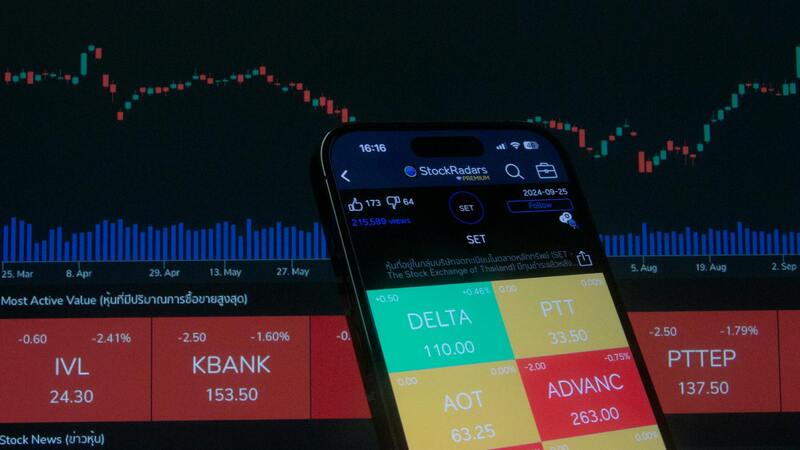
How to Start a Forex Prop Firm: Navigating the Final Steps
Once the foundational aspects of legal setup, infrastructure development, and trader recruitment are in place, the focus shifts towards operational deployment and sustainable growth strategies. Successfully launching a forex prop firm necessitates a comprehensive approach that integrates technology, risk management, and strategic planning to ensure long-term viability.
Optimize Trading Platforms and Connectivity
At the core of a productive prop trading environment lie reliable trading platforms and robust connectivity. High-quality execution software, compatible with various trading algorithms, enables traders to execute strategies swiftly and efficiently. Ensuring that the infrastructure supports both manual and automated trading is crucial for accommodating diverse trader preferences.
It is equally important to establish secure and resilient internet connections, redundant data centers, and backup systems to prevent downtime during critical trading moments. These technological investments safeguard trading continuity and protect the firm’s reputation among traders and clients.

Implement Robust Risk Management Procedures
Risk management serves as the backbone of sustainable trading operations. Developing standardized risk protocols—including daily loss limits, position size restrictions, and margin control—helps protect the firm’s capital during volatile market conditions.
Automated risk monitoring tools should be integrated into trading platforms to notify traders of breaches and enforce safety limits automatically. Additionally, establishing clear procedures for handling underperforming traders or unexpected market events ensures the firm maintains stability and adheres to prudent trading principles.
Implement Performance Tracking and Feedback Systems
Consistent evaluation of trader performance is essential. Implement transparent and fair review mechanisms that measure profit targets, adherence to risk policies, and overall trading discipline. Regular performance reviews and personalized feedback sessions promote professional growth and align trader activities with the firm’s objectives.
Utilize data analytics to identify patterns, strengths, and weaknesses within trading behaviors. Such insights can inform tailored training programs, enhance risk protocols, or adjust trading parameters for optimal results.
Scale Operations Strategically
Growth begins with strategic scaling. As the firm matures, consider diversifying into different trading strategies, asset classes, or markets to broaden revenue streams. This diversity reduces reliance on a single market condition and increases resilience against downturns.
Invest in marketing efforts targeted at attracting skilled traders and industry partnerships. Building a strong reputation through transparent practices, consistent performance, and solid compliance reinforces trust with stakeholders and sets the stage for expansion.
Maintain Focus on Compliance and Ethical Standards
Continuous adherence to industry standards and internal policies preserves the firm’s integrity. Regular audits, compliance checks, and adherence to reporting mandates ensure that all trading activities are above reproach. Maintaining a culture of ethical trading and transparency enhances reputation and long-term success.
Final Steps: Launching the Firm and Long-term Sustainability
Transitioning from planning to active trading involves meticulous execution of operational strategies designed to sustain and grow the forex proprietary trading firm. Establishing a robust trading environment is critical to ensuring ongoing success and operational stability.
Implementing Risk Management Protocols
Effective risk management acts as the backbone of a thriving prop trading firm. Develop comprehensive risk policies that define acceptable loss limits, leverage restrictions, and position sizing. Utilize real-time monitoring tools to oversee trading activities, ensuring traders adhere strictly to set risk parameters. Automated risk alerts can be configured to notify risk management teams of breaches, enabling immediate intervention and mitigation of potential losses.

Monitoring Performance and Interim Adjustments
Consistent performance evaluation is essential to identify high-performing traders, flag underperformers, and implement necessary adjustments. Use performance dashboards to track metrics such as profit and loss, adherence to risk rules, and trading discipline. Regular review sessions facilitate constructive feedback, helping traders refine their strategies and align with the firm's standards.
Adjust trading parameters and risk limits based on market conditions and performance analytics. Keeping abreast of global economic developments and market volatility informs strategic tweaks, ensuring the firm remains adaptable and resilient.
Scaling Operations and Expanding the Team
Once initial trading stability is achieved, consider scaling operations thoughtfully. Expand the trader base by sourcing skilled traders, either through formal recruitment processes or industry partnerships. Establish a comprehensive onboarding process that emphasizes the firm’s risk management principles and trading expectations.
Invest in ongoing training programs and advanced trading tools to enhance trader capabilities. Additionally, explore diversification into different asset classes or trading strategies to broaden revenue opportunities and mitigate market-specific risks.
Enhancing Infrastructure and Leveraging Technology
Continuous enhancement of trading infrastructure ensures efficiency and security. Deploy state-of-the-art trading platforms, data analysis tools, and cybersecurity measures to protect sensitive information and intellectual property. Integrate automation where feasible, such as algorithmic trading, to optimize execution and reduce human error.
Building a Reputable Brand and Strategic Partnerships
Establish a solid reputation through transparent operations and consistent profitability. Foster relationships with financial institutions, technology providers, and industry influencers to facilitate access to new capital and technological innovations. Participating in industry forums, conferences, and online communities enhances visibility and credibility, attracting top-tier talent and opportunities for strategic alliances.
Long-term Growth and Sustainable Development
Focus on building a resilient, adaptable trading firm capable of weathering market fluctuations. Regularly review operational policies, risk controls, and technological systems to incorporate best practices and emerging trends. Prioritize ethical trading standards and compliance to maintain a trustworthy reputation.
By systematically implementing these measures, a proprietary forex trading firm can evolve from nascent operations into a reputable enterprise capable of sustained growth, risk mitigation, and industry leadership.
