
Definition and Purpose of a Prop Trading Program
A proprietary trading (prop trading) program is a structured initiative within trading firms that allows traders to utilize the firm's capital to execute trades across various financial markets. These programs serve as a bridge between individual traders and the firm's resources, fostering an environment where skilled traders can leverage significant financial backing to maximize their potential gains.
At its core, a prop trading program aims to capitalize on market opportunities through a team of proficient traders who operate under the firm's strategic guidelines and risk management policies. Unlike retail trading, where individuals trade with personal funds, participants in these programs trade with the firm's assets, often resulting in larger trading positions and greater profit opportunities. This setup benefits traders by providing access to advanced trading infrastructure, research tools, and risk management systems, while the firm benefits from the expertise and market insights of its traders.
In essence, a prop trading program acts as a symbiotic relationship that aligns the interests of talented traders with the firm's broader financial objectives. The main goal is to generate substantial returns through disciplined and strategic trading practices, while also offering traders the chance to develop their skills, build a trading track record, and earn competitive compensation based on performance. These programs are typically structured around rigorous evaluation processes that identify traders with promising skills, and they often involve ongoing training, support, and performance monitoring to ensure sustainable growth.
Overview of Main Operations
The operational framework of a prop trading program involves several key components:
- Trader Selection: Identifying and onboarding traders with proven skills and strategic insights.
- Capital Allocation: Providing traders with the firm's capital to execute trades, often based on predefined risk limits and trading strategies.
- Trade Execution: Executing trades across various asset classes, including equities, derivatives, forex, and commodities, utilizing state-of-the-art trading platforms.
- Risk Management: Implementing strict risk controls, monitoring trades continuously, and adjusting trading activity as necessary to protect the firm's assets.
- Performance Review: Regular assessment of trading activity to ensure compliance with risk parameters and to evaluate profitability.
Overall, the success of a prop trading program hinges on the synergy between skilled traders and robust operational infrastructure, designed to optimize trading performance while managing exposure and maintaining disciplined risk levels.
Types of Prop Trading Programs
Proprietary trading programs come in various frameworks, tailored to meet the strategic objectives of the trading firm and the preferences of individual traders. Understanding the differences between these models helps prospective traders and firms align their goals effectively.
Firm-Sponsored Prop Trading
This is the most common structure, where a trading firm provides capital, technology, and operational support to traders. The firm bears the risk of trading activities, and traders operate within predefined risk parameters. Typically, firm-sponsored programs require traders to undergo rigorous evaluation processes before gaining access to live capital. Traders earn a portion of the profits they generate, often following a tiered compensation structure that rewards high performance. The firm maintains control over trading strategies, risk management policies, and technological resources, ensuring a cohesive operational environment.
Trader-Funded Prop Trading
Under this model, individual traders invest their own capital into the trading program, assuming most of the financial risk. The firm provides support in terms of trading infrastructure, risk management tools, and access to markets. Profit sharing in trader-funded programs is often structured so that traders retain a larger percentage of their gains, incentivizing better performance and risk discipline. While the initial capital commitment comes from traders themselves, the firm plays a crucial role in offering training, mentorship, and technological resources to enhance trading skills.
Hybrid Prop Trading Structures
Combining elements of both firm-sponsored and trader-funded models, hybrid programs provide a flexible framework suited to experienced traders who wish to leverage firm resources while maintaining a stake in their trading capital. In these arrangements, traders often contribute some personal capital but benefit from the firm's capital pools and infrastructure. This setup offers a balanced risk-reward dynamic, promoting autonomy while supporting disciplined risk management and technology access.

Choosing the Right Model
Prospective traders should evaluate their experience level, risk appetite, and long-term trading goals to select an appropriate prop trading program. Firm-sponsored models work well for traders seeking structured environments with comprehensive support, while trader-funded structures appeal to those with sufficient capital and a desire for more profit sharing autonomy. Hybrid models suit traders who value a combination of resource access and capital investment flexibility, offering a tailored approach to trading success.
How Prop Trading Programs Operate
Prop trading programs are structured around a core framework that facilitates both the firm's operational safety and traders' growth potential. These programs begin with the initial allocation of trading capital, which can either be provided entirely by the trading firm, contributed by the trader, or a combination of both, depending on the trading model involved.
Once capital is allocated, traders are expected to adhere to predefined risk management protocols. This entails setting stop-loss and take-profit levels, monitoring positions continuously, and maintaining compliance with the firm's risk policies to prevent significant losses that could jeopardize the trading capital. Rigorous risk controls are integral, often enforced through automated trading systems or manual oversight by risk managers.
Trading Strategies Employed
Participants in prop trading programs employ a diverse range of trading strategies tailored to their expertise and market conditions. Common approaches include day trading, swing trading, arbitrage, scalping, and algorithmic trading. The choice of strategy typically aligns with the trader's skill set, market experience, and the resources available through the program’s infrastructure.
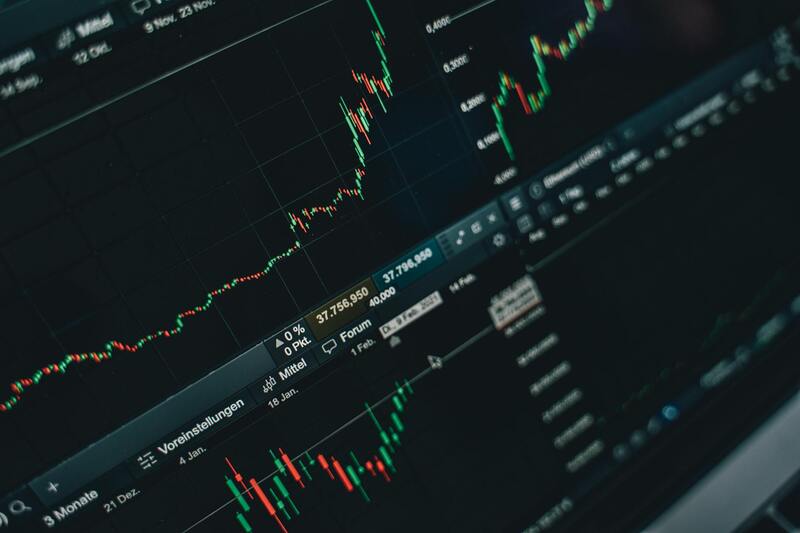
Technological resources play a vital role in prop trading operations. Advanced trading platforms, real-time market data feeds, and analytical tools enable traders to execute strategies efficiently and with precision. Many firms also provide proprietary software or APIs to facilitate algorithmic trading or automated decision-making processes.
Monitoring and Performance Review
Performance oversight is an ongoing process, with regular evaluations to ensure compliance with risk parameters and to assess trading effectiveness. Traders often submit daily or weekly reports, and some firms implement live monitoring to observe trades in real time. Feedback from mentorship programs or senior traders further refines individual trading approaches and supports continuous improvement.
Resource and Capital Management
Effective resource management involves balancing risk exposure with opportunity, ensuring that trading activity aligns with the firm's risk appetite and capital constraints. Traders must also manage their trading schedules and strategies to optimize returns while staying within acceptable risk thresholds. The communication between traders and risk managers is crucial for maintaining a healthy trading environment and achieving consistent profitability.

Eligibility and Selection Process
Participating in a prop trading program requires aspiring traders to meet specific eligibility criteria, which can vary among firms. Typically, candidates should possess a solid understanding of trading fundamentals, technical analysis, and risk management strategies. Many firms favor applicants with prior trading experience, demonstrated profitability, or relevant financial education, though some programs are open to highly motivated individuals with limited professional background who pass their internal assessments.
The selection process is comprehensive and designed to evaluate a trader’s skill set, psychological resilience, and approach to market risks. It often begins with an application that details educational background, trading experience, and personal trading philosophy. Successful applicants are usually invited to participate in testing phases, which may include simulated trading challenges, aptitude assessments, and psychological evaluations.
Practical tests play a crucial role in the evaluation process. These tests assess a candidate's ability to develop effective trading strategies, stick to predefined risk parameters, and demonstrate consistency over a set period. Firms often employ goal-oriented simulations where traders need to manage a hypothetical trading account, making decisions reflective of real-world conditions and constraints. During this phase, traders are assessed on their analytical thinking, emotional control, discipline, and adherence to risk management protocols.
Beyond skill assessments, firms pay close attention to a candidate’s risk tolerance, decision-making speed, and capacity for under-pressure performance. Transparency and the ability to document trading rationale are also valued traits. Successful candidates who demonstrate consistent performance and align with the firm's trading philosophy are then invited to advance to the onboarding stage, where they may undergo further training or probationary trading phases.

It is important for candidates to prepare thoroughly, understanding the specific requirements of the program they are applying for. Developing a structured trading plan, maintaining discipline during testing, and showcasing a disciplined risk management approach significantly increase chances of acceptance. Admission into proprietary trading programs often depends not only on technical skills but also on demonstrating consistency, emotional stability, and a willingness to learn and adapt to market conditions.
Understanding the Application and Selection Process in Prop Trading Programs
Securing a position in a proprietary trading firm involves a comprehensive evaluation process designed to identify traders who can consistently generate profits while managing risks effectively. The initial phase typically begins with an online application, where candidates are required to demonstrate their trading knowledge, experience, and understanding of market dynamics. Many firms emphasize a detailed trading history or a simulated trading record, often submitted through detailed questionnaires or trading logs, to gauge a candidate’s understanding of various markets and trading strategies.

Evaluation Methods and Testing Phases
Once shortlisted, candidates often participate in rigorous testing phases tailored to assess specific skills. These may include:
- Simulated Trading Challenges: Candidates are given a virtual trading account to demonstrate their ability to execute trades based on provided scenarios, with particular focus on risk management, consistency, and decision-making under pressure.
- Technical Questionnaires: Tests designed to evaluate knowledge of market mechanics, trading platforms, and financial instruments.
- Psychological Assessments: Evaluations aimed at understanding emotional resilience, discipline, and the ability to operate under stressful conditions.
Focus on Trading Style and Compatibility
Another critical aspect during the selection process is assessing how well a candidate’s trading style aligns with the firm’s operational philosophy. Some firms favor systematic, algorithmic approaches, while others prioritize discretionary trading strategies. Candidates demonstrating adaptability, discipline, and a clear risk management methodology tend to have higher success rates. Firms also look for traders who show a strong capacity for analytical thinking, quick decision-making, and maintaining composure when faced with volatile markets.
Interview and Final Review
The final step usually involves an interview with senior traders or firm's management, during which candidates discuss their trading background, approach, and specific examples of past trading decisions. This session helps evaluators gauge a candidate’s communication skills, professionalism, and insight into market behavior. A thorough review of all assessment outcomes ensures only the most capable traders are invited to proceed to the onboarding phase, where they usually undergo further training, mentoring, or probationary trading periods.

Profit Sharing and Compensation Structures
Participation in a prop trading program often includes diverse profit sharing arrangements, designed to align the interests of traders with the goals of the firm. Structured compensation packages typically consist of a base salary complemented by performance-based incentives. These incentives are directly tied to the trader’s ability to generate profit within the firm’s risk parameters, fostering a meritocratic environment that rewards skill and discipline.
Many prop trading firms adopt a tiered profit split model where traders receive a percentage of the profits they generate, ranging from 50% to as high as 80% in some cases. This structure incentivizes traders to maximize their trading performance while adhering to strict risk management guidelines established by the firm. The revenue splits also often reflect the trader’s experience, track record, and the complexity of the instruments traded.
Additionally, some programs incorporate a bonus system based on achieving specific milestones, such as hitting monthly profit targets or demonstrating consistent risk-adjusted returns. These bonuses can significantly enhance a trader’s earnings, especially for those who excel in volatile markets or demonstrate exceptional analytical skills.

Beyond direct earnings, certain trading programs provide supplementary benefits such as health insurance, retirement plans, and access to advanced trading tools or proprietary platforms. These benefits enrich the overall compensation package, making participation more attractive for dedicated traders seeking long-term career development.
Mechanisms for Monitoring and Evaluating Performance
To ensure sustained performance and adherence to risk parameters, most prop trading programs implement comprehensive monitoring systems. These systems include real-time analytics, trade review tools, and risk dashboards that provide instant feedback to traders. Regular performance assessments help identify areas for improvement, sustain high standards, and prevent excessive risk-taking.
Evaluation metrics often encompass profit and loss (P&L), risk-adjusted return measures such as the Sharpe ratio, and compliance with position sizing rules. Firms may also utilize automated alerts to flag deviations from standard trading practices or to monitor adherence to firm-wide risk limits.
Continuous training and coaching sessions are integral to maintaining a high-performance culture. Traders participate in review meetings where their trading strategies are analyzed, successes highlighted, and adjustments discussed. This feedback loop ensures traders develop their skills within safe boundaries, fostering a professional environment geared toward sustainable growth.
In addition to quantitative assessments, qualitative evaluations such as behavioral assessments and risk tolerance tests often inform performance reviews. These assessments gauge a trader’s psychological resilience, decision-making under pressure, and adherence to firm policies. By integrating these measures, firms promote a balanced approach that emphasizes both profitability and sound trading practices.
Key Factors for Success in a Prop Trading Program
Success within a proprietary trading environment hinges on a combination of disciplined trading strategies, comprehensive risk management, and continuous skill development. Traders must develop an in-depth understanding of market dynamics, develop robust trading plans, and adhere strictly to predetermined risk limits. This discipline helps mitigate the potential for significant drawdowns and fosters long-term profitability.
Another vital aspect is effective emotional regulation. Traders are often exposed to high-pressure situations that demand decisiveness and emotional resilience. Maintaining composure prevents impulsive decisions that deviate from established strategies, ensuring consistency in trading behavior. Firms often emphasize behavioral assessments during the selection process to gauge a trader’s psychological readiness and resilience under stress.
Furthermore, ongoing education and training are critical. Advanced market analysis, the application of sophisticated trading algorithms, and staying updated on economic indicators empower traders to adapt to evolving market conditions. Many prop trading firms offer specialized coaching programs, mentorship opportunities, and access to proprietary research tools that enhance trading effectiveness.
Regulatory Compliance and Ethical Trading
Although not always discussed explicitly, adherence to regulatory standards and ethical trading practices are fundamental. Traders are expected to follow strict compliance guidelines that govern trading activities, data security, and customer interactions when applicable. These standards ensure transparency, safety, and fairness within the trading environment, further reinforcing the integrity of the proprietary trading ecosystem.
Maintaining ethical standards also involves honest reporting of trading activities, avoiding manipulative practices, and respecting market regulations. Adherence to these principles not only preserves the reputation of the trading firm but also supports sustainable growth within the industry.

Monitoring and Evaluating Trading Performance
Consistent performance evaluation is an integral part of thriving in a prop trading program. Regular reviews involve analyzing trade records, assessing profitability, and examining risk metrics. Many firms utilize advanced analytics platforms to generate detailed reports that highlight strengths and identify improvement areas.
Key performance indicators (KPIs) include return on capital, drawdown levels, trade frequency, and adherence to risk parameters. Traders who demonstrate sustained profitability while managing risk effectively are often considered strong candidates for ongoing opportunities within the firm.
Qualitative factors, such as decision-making consistency and psychological resilience, also influence evaluations. Some firms incorporate peer reviews or supervisor assessments to provide a comprehensive picture of a trader's capabilities and potential for growth.
Conclusion
Thriving in a prop trading program depends fundamentally on disciplined strategies, a thorough understanding of market conditions, and a solid commitment to risk management. Traders who focus on continuous improvement, adhere to regulatory and ethical standards, and leverage sophisticated performance evaluation tools are positioned for long-term success within these competitive environments.
Maximizing Success in Prop Trading Programs: Strategies and Best Practices
For traders aspiring to excel within a prop trading environment, understanding and implementing robust risk management techniques is fundamental. Effective risk management safeguards not only individual trading capital but also preserves the reputation and operational integrity of the trading firm. Employing comprehensive risk controls involves setting clear trading limits, utilizing stop-loss orders diligently, and maintaining adequate capital buffers to absorb potential losses.
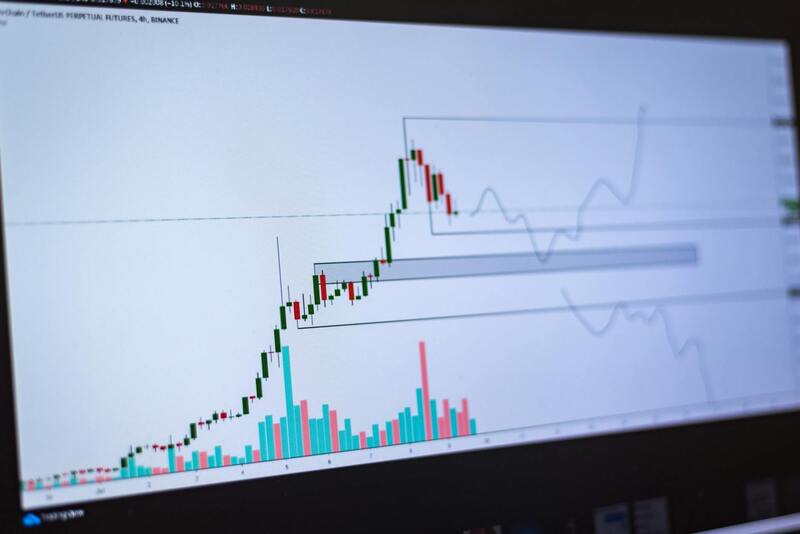
Traders should also leverage technology-enabled tools such as real-time analytics, automated alerts, and backtesting platforms to refine trading strategies and anticipate market movements better. A disciplined approach to position sizing, combined with strict adherence to pre-defined risk parameters, helps in maintaining a balanced portfolio that can withstand volatile market conditions.
Continuous Education and Skill Development
Staying ahead in prop trading necessitates ongoing education about market dynamics, new trading instruments, and emerging risk factors. Participation in webinars, advanced training courses, and industry conferences enhances a trader’s knowledge base and sharpens decision-making skills. Additionally, studying case studies and trading journals provides insights into successful strategies and common pitfalls.

Adherence to Ethical Standards and Firm Policies
Maintaining high ethical standards and strict compliance with firm policies is essential in prop trading. This not only mitigates legal and operational risks but also fosters a culture of transparency and accountability. Traders should familiarize themselves thoroughly with the firm's code of conduct, trading protocols, and risk management procedures to ensure consistent compliance.
Promoting open communication channels with compliance teams and supervisors facilitates early identification of potential issues and enables proactive resolution. Upholding these standards reinforces trust within the organization and contributes to a sustainable trading career.
Leveraging Technological Innovations
The integration of artificial intelligence, machine learning, and big data analytics is transforming prop trading landscapes. These technological advancements allow traders to analyze vast datasets rapidly, identify patterns, and develop predictive models that enhance trading accuracy. Utilizing cutting-edge trading platforms equipped with customized algorithms and automation tools can lead to more efficient trade execution and better risk-adjusted returns.
Furthermore, staying informed about developments in fintech enables traders to adopt innovative tools that streamline workflows, improve data security, and provide competitive advantages.
Collaborative Approaches and Mentorship
Fostering collaboration among traders and engaging with mentors can significantly accelerate skill development. Sharing insights, strategies, and trade experiences fosters a learning environment conducive to innovation and continuous improvement. Experienced mentors provide personalized feedback, helping traders refine their approach, avoid common mistakes, and set realistic performance goals.
This collaborative spirit not only enhances individual performance but also contributes to a cohesive and resilient trading team capable of navigating complex markets effectively.
Monitoring Market Conditions and Adapting Strategies
In the dynamic realm of prop trading, adaptability is key. Successful traders proactively monitor macroeconomic indicators, geopolitical developments, and market sentiment to adjust strategies accordingly. Developing a flexible trading plan that accommodates shifting conditions minimizes losses during downturns and capitalizes on emerging opportunities.
Implementing scenario analysis and stress testing further equips traders to handle unexpected market shocks, ensuring resilience and sustained profitability.
Conclusion
Thriving within a prop trading program requires a comprehensive approach that integrates disciplined risk management, continuous education, technological innovation, and ethical conduct. Building strong collaborative relationships and maintaining agility in response to market dynamics are essential components of long-term success. By adhering to these principles, traders can enhance their performance, contribute positively to the firm's objectives, and develop a sustainable trading career.
