Understanding Prop Trading Firms and Their Needs
Proprietary trading firms, commonly known as prop firms, are financial organizations that trade their own capital in the financial markets. Their primary objective is to generate profit through active trading strategies across various asset classes, including equities, commodities, forex, and derivatives. Unlike institutional investors or asset managers, prop firms focus on leveraging their internal expertise and resources to optimize trading performance.
For prop firms, establishing a robust presence in the competitive finance landscape is crucial. They seek to attract skilled traders who can contribute to the firm's overall profitability and to forge strategic partnerships that can enhance their market reach. As such, targeted marketing plays a vital role in communicating their value proposition effectively to potential traders, capital providers, and industry collaborators.

The Importance of Targeted Marketing for Prop Firms
Effective marketing strategies enable prop firms to differentiate themselves in a crowded marketplace. By clearly articulating their trading philosophy, risk management techniques, and success stories, they can attract high-caliber traders and partners who align with their strategic goals. Moreover, targeted marketing facilitates the dissemination of educational resources and thought leadership, fostering a reputation for expertise and trustworthiness.
Success in prop trading depends significantly on recruiting traders with the right skill set and risk appetite. A well-executed marketing approach ensures these prospective traders find the firm’s offerings compelling and credible. In addition, it helps build a community around the brand, encouraging loyalty and long-term engagement.
Key Needs of Prop Trading Firms
- Trader Recruitment: Attracting talented traders with proven track records or promising potential.
- Brand Visibility: Establishing a recognizable presence in financial markets and online platforms.
- Partnership Development: Forming alliances with technology providers, educational platforms, and financial institutions.
- Educational Outreach: Providing training resources that enhance trader performance and loyalty.
- Market Positioning: Differentiating their operational approach and success metrics from competitors.

Role of a Prop Firm Marketing Agency
Prop firm marketing agencies play a crucial role in elevating the visibility and credibility of proprietary trading firms within competitive markets. These agencies are uniquely equipped with industry-specific expertise that enables them to craft tailored marketing strategies aligned with the distinctive needs and operational nuances of prop trading companies. Their core competence lies in understanding the complex landscape of financial markets, trader psychology, and compliance considerations, which collectively inform messaging and outreach efforts that resonate with target audiences.
By leveraging their specialized knowledge, a prop firm marketing agency ensures that the firm’s value propositions—such as advanced trading technology, risk management strategies, and success records—are communicated effectively across relevant channels. This targeted approach helps attract skilled traders, foster strategic partnerships, and enhance overall brand presence.
Many agencies utilize a combination of industry-specific digital channels, such as professional trading forums, niche financial networks, and financial publication platforms, to reach potential traders and partners. They also develop bespoke campaigns that highlight the firm’s unique trading philosophy, technological edge, and support infrastructure. In addition, data-driven insights allow these agencies to continuously refine approaches, optimize engagement metrics, and demonstrate tangible results from marketing initiatives.

Furthermore, these agencies often provide consultancy on compliance considerations, ensuring marketing approaches align with pertinent regulations while maintaining transparency and professionalism. This proactive stance safeguards the firm's reputation and fosters trust among prospective traders and partners.
Effective collaboration with a prop firm marketing agency results in a cohesive brand narrative that resonates with the targeted trader profile. It also helps the firm establish authority within niche communities and expand its reach through strategic content dissemination and community engagement efforts.
Understanding Prop Trading Firms and Their Needs
Prop trading firms operate in a highly specialized and competitive sector where establishing a solid reputation and attracting talented traders are paramount. These firms often seek to differentiate themselves through technological innovation, superior risk management, transparency, and proven trading success. As they strive to build trust within a sophisticated audience, their marketing strategies must communicate these qualities clearly and convincingly. Ensuring that potential traders and partners understand the firm’s core strengths, trading philosophy, and support infrastructure requires targeted, precise outreach. A comprehensive marketing approach combines clear messaging, consistent branding, and strategic channel selection to deliver a compelling narrative that resonates with the right audience.

Recognizing the unique needs of prop firms, a professional marketing agency must develop tailored campaigns that highlight the firm’s technological capabilities, trading philosophy, and success metrics. This involves crafting narratives that explain the firm's commitment to transparency, trader development opportunities, and competitive advantages, all while addressing industry-specific concerns and interests. Additionally, understanding the regulatory environment and industry standards ensures that marketing efforts align with operational practices and uphold a professional image. As a result, the firm's messaging resonates authentically within the trading community, fostering trust and encouraging engagement.
Role of a Prop Firm Marketing Agency
An experienced prop firm marketing agency acts as a strategic partner, translating technical and operational strengths into compelling marketing assets. They implement a variety of official, legitimate methods to ensure the firm gains visibility and authority within the industry. These methods include carefully curated digital channels that emphasize professionalism and industry relevance. The agency also excels in developing customized campaigns that reflect the firm’s unique trading ethos, technological edge, and market positioning.
In addition to content-driven initiatives, a prop firm marketing agency leverages data analytics and market research to refine messaging and optimize engagement. They assist in maintaining a consistent brand voice across all communication platforms, which enhances recognition and trustworthiness. Furthermore, they provide guidance on compliance-related content, ensuring marketing efforts are aligned with industry standards and best practices—this not only fosters credibility but also protects the firm's reputation.
Official and Effective Channels for Prop Firm Marketing
- Professional financial forums and industry-specific networks
- Financial publication platforms and newsletters
- Targeted digital advertising campaigns
- Thought leadership articles and whitepapers
- Webinars, virtual seminars, and industry conferences
- Strategic collaborations with industry influencers
- Search engine optimization (SEO) to enhance online visibility

Employing these channels and methods allows prop firms to build a credible presence in the industry. The marketing agency’s role encompasses not just promoting the firm but also educating the industry and fostering transparency through trustworthy communication. This balanced approach helps attract high-caliber traders and strategic partners, reinforcing the firm’s reputation and facilitating sustainable growth within the competitive landscape.
Implementing Effective Digital Strategies for Prop Firms
Executing precise digital marketing techniques is vital for prop trading firms aiming to expand their reach within a highly competitive landscape. These strategies are designed to connect with professional traders, prospective partners, and industry influencers through targeted online channels. By applying a combination of Search Engine Optimization (SEO), content marketing, paid advertising, and social media engagement, a prop firm marketing agency ensures that the firm’s message resonates with the right audience.

Search Engine Optimization (SEO)
Optimizing a prop firm's online presence begins with strategic SEO practices. This includes conducting keyword research focused on terms relevant to proprietary trading, firm offerings, and trader resources. On-page SEO elements such as meta tags, headers, and high-quality content are tailored to increase visibility on search engine results pages. Off-page strategies involve earning authoritative backlinks from reputable financial and trading platforms, elevating the firm’s credibility and organic search ranking. Local SEO tactics can also target specific regions or trading communities to attract traders seeking dedicated support in their area.
Content Marketing
Developing authoritative and insightful content positions a prop firm as a trusted industry leader. Thought leadership articles, detailed whitepapers, and case studies shed light on the firm’s trading methodologies, risk management protocols, and success stories. Educational blog posts and video tutorials help in building trader confidence and engagement. Consistent content updates optimize the firm’s website for search engines while providing value-driven information that nurtures relationships with prospective traders and partners.
Paid Digital Advertising
Targeted paid advertising campaigns, including pay-per-click (PPC) and social media ads, focus on reaching niche segments of traders and industry professionals. These campaigns are precisely tailored based on demographics, trading experience, and geographic location to maximize ROI. Retargeting strategies serve ads to visitors who have previously engaged with the firm’s website, reinforcing brand awareness and encouraging conversions. Advertising on industry-specific platforms and finance-related newsletters ensures the messaging is seen by individuals actively seeking trading opportunities.
Social Media and Community Engagement
Active presence on professional social networks like LinkedIn and industry-specific forums allows prop firms to foster community interaction and showcase their expertise. Regular updates, live sessions, and Q&A events offer transparent insights into the firm’s operations, attracting engaged traders and strategic partners. Community engagement also involves participating in industry discussions, sharing trader success stories, and highlighting corporate social responsibility initiatives to strengthen community ties and credibility.
Image Placeholder
Assessing Campaign Effectiveness
Continuous monitoring of digital marketing campaigns is crucial to evaluate success and refine strategies. Advanced analytics tools track key performance indicators (KPIs) such as website traffic, engagement rates, lead conversions, and overall ROI. Analyzing this data allows marketing professionals to identify high-performing channels and areas needing improvement, ensuring resource allocation is optimized for maximum impact. Regular reporting and adjustment keep digital efforts aligned with the firm’s growth objectives and market dynamics.
Content Creation and Thought Leadership
Establishing a prop firm as a reputable authority within the trading industry hinges significantly on strategic content development. These firms must prioritize the creation of high-quality, industry-specific materials that resonate with their target audience. Such content not only educates potential traders about trading methodologies, risk management, and best practices but also demonstrates the firm’s deep expertise and commitment to transparency. This can encompass a variety of formats, including comprehensive blog articles, in-depth white papers, and insightful case studies that highlight successful trading strategies or innovations. Regularly published market analysis, commentary on trading trends, and expert interviews serve to reinforce the firm's role as a reliable industry leader. Additionally, creating engaging multimedia content, such as webinars and podcasts featuring renowned traders or analysts, can significantly broaden the firm's reach and influence.

The key to effective thought leadership lies in delivering consistent, well-researched, and actionable insights. This establishes trust and encourages ongoing engagement from traders, partners, and industry stakeholders. Furthermore, these efforts can enhance organic traffic through improved search engine rankings. Well-optimized content that addresses the specific interests and questions of prospective traders helps the firm appear as a go-to resource for industry knowledge.
Strategic Approaches to Content Marketing
- Developing a comprehensive content calendar aligned with market events and firm milestones
- Utilizing SEO best practices to enhance visibility in relevant search queries
- Engaging industry experts and traders as content contributors to add authenticity
- Sharing success stories and case studies that provide real-world validation of the firm’s trading environment
- Implementing interactive content formats like quizzes, calculators, or live discussion panels to foster engagement
Ensuring content compliance and adherence to industry standards is imperative. This includes transparent disclosures about risk and performance, maintaining factual accuracy, and avoiding misleading statements. By aligning content strategies with these principles, prop firms can foster an environment of trust and professionalism conducive to attracting serious traders and strategic partners alike.
Developing Strategic Outreach Through Official Channels
For a prop firm marketing agency, establishing credibility and building trust within industry circles are paramount. To achieve this, focusing on official and transparent communication channels is essential. The deployment of professional press releases, participation in industry conferences, and contributions to reputable trading publications serve as cornerstone strategies. These methods not only enhance the firm’s visibility but also reinforce its commitment to integrity and industry standards.
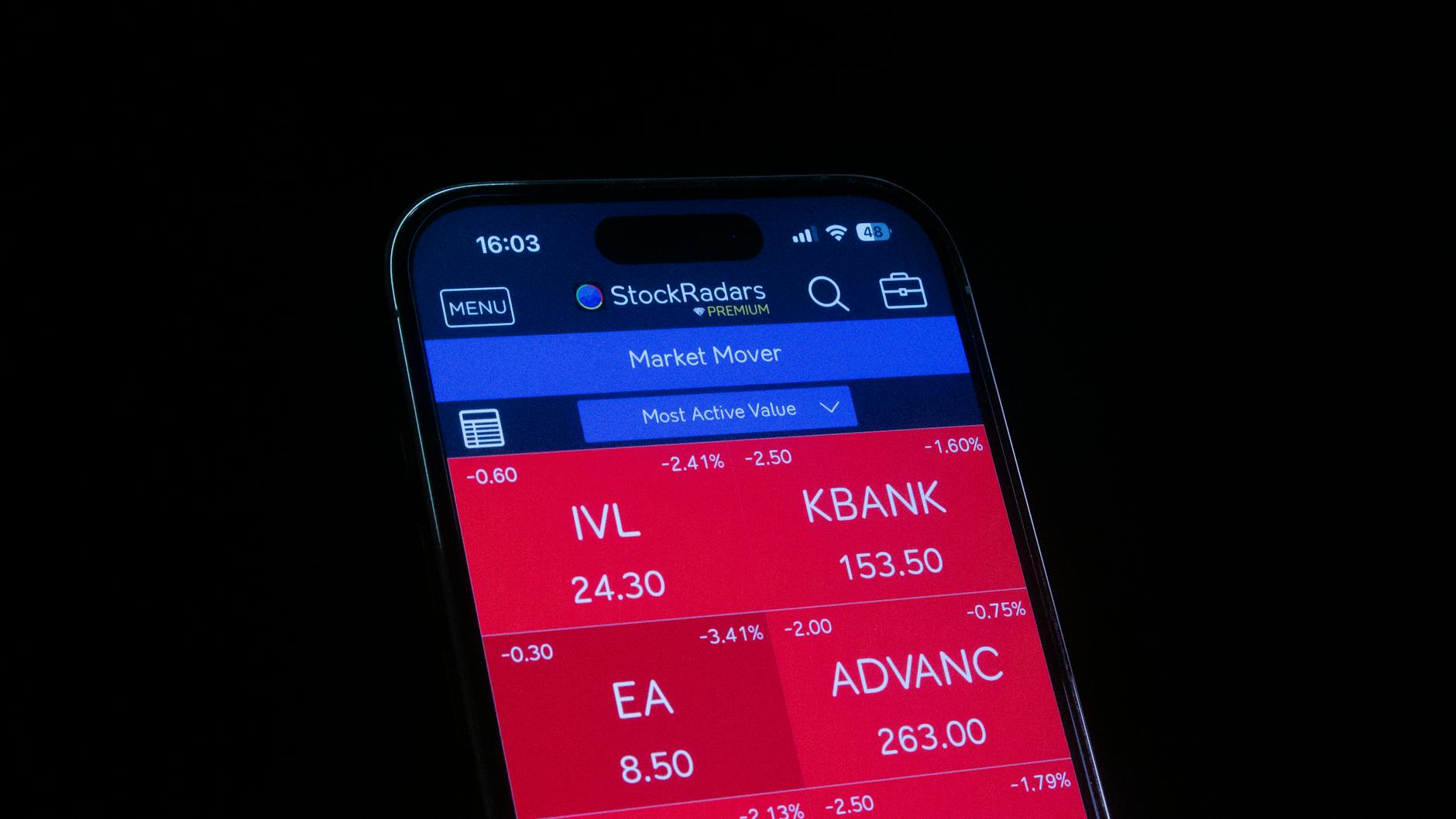
Engaging with industry-specific events provides opportunities for direct interaction with potential traders, partners, and industry influencers. Sponsoring or speaking at conferences and seminars positions the prop firm as a thought leader, showcasing its expertise and fostering trust among professional traders and institutional partners.
Additionally, adherence to industry best practices in public communications is critical. All marketing messages should accurately depict the firm’s offerings, risk management protocols, and performance metrics. Maintaining transparency in disclosures related to trading results and risk parameters helps build long-term credibility and positions the firm as a responsible participant in the trading ecosystem.
Utilization of Industry Certifications and Endorsements
Securing relevant industry certifications and endorsements from recognized bodies can serve as a powerful testament to a prop firm’s credibility. These credentials often act as validation signals for prospective traders and partners, streamlining the trust-building process. A proactive approach includes showcasing these achievements on the firm’s official website and marketing materials, emphasizing a strategic commitment to industry standards and excellence.
Maintaining Robust Online Presence and Official Documentation
Ensuring that all digital assets—such as the official website, social media profiles, and client portals—adhere to high standards of professionalism is essential. The content should consistently reflect the firm’s core values, operational transparency, and commitment to compliance. Providing comprehensive and accessible documentation, including terms and conditions, risk disclosures, and client guides, supports a transparent environment
Furthermore, engaging in regular content updates and providing accurate, up-to-date information helps maintain a relationship of trust with visitors and traders who rely on official sources for decision-making.
Image Placeholder

Effectively leveraging official communication channels not only solidifies a firm’s standing but also differentiates it from less transparent competitors. Validating this approach with consistent, high-quality content and open dialogue creates a sturdy foundation for sustained growth and industry recognition.
Understanding Prop Trading Firms and Their Needs
Prop trading firms operate within a complex regulatory and competitive landscape, necessitating a strategic approach to market positioning and client engagement. These firms require a marketing partner that comprehends their operational nuances, compliance obligations, and industry standards. Effective marketing for prop firms involves communicating transparency, operational integrity, and industry expertise, fostering confidence among traders, investors, and partners. Recognizing unique firm strengths—such as risk management strategies, trader training programs, and technological advancements—enables targeted messaging that highlights the firm's value proposition.

The Role of a Prop Firm Marketing Agency
Specialized marketing agencies focusing on prop trading firms serve as strategic partners that translate industry insights into compelling marketing initiatives. Their core responsibilities include crafting brand stories that demonstrate technical expertise, establishing a firm’s authority within the trading community, and executing campaigns that attract both traders and institutional clients. Leveraging a deep understanding of financial markets, these agencies develop tailored communication strategies that align with regulatory standards while emphasizing the firm's competitive edges.
Additionally, a dedicated prop firm marketing agency manages digital assets, oversees reputation management, and ensures consistent messaging across all channels. Their role extends to developing educational content, organizing industry seminars, and fostering community engagement that reflects the firm’s commitment to trader success and industry transparency.
Developing a Strong Brand Identity
Establishing a cohesive and professional brand identity is fundamental. This process involves creating visual elements such as logos, color schemes, and a compelling value proposition. Messaging should consistently communicate the firm’s expertise, reliability, and innovative approach to prop trading. An authoritative brand image enhances trust and differentiates the firm in a competitive environment.
Official documentation and communication materials must align with the brand identity, emphasizing clarity, professionalism, and operational transparency. This consistency reinforces credibility and positions the firm as a leader committed to best practices and trader support.
Targeted Digital Marketing Techniques
- Search Engine Optimization (SEO): Improving visibility through keyword optimization related to prop trading and industry-specific terms, ensuring the firm ranks prominently in search results.
- Pay-Per-Click (PPC) Campaigns: Utilizing targeted advertising to reach specific trader demographics and institutional clients, maximizing lead generation efforts.
- Email Marketing: Developing personalized and informative campaigns to nurture relationships with potential and existing traders, highlighting new programs, trading tools, and educational resources.
- Webinars and Online Events: Hosting industry-focused webinars that showcase trading strategies, risk management techniques, and technological solutions, establishing the firm as a thought leader.
Content Creation and Thought Leadership
Consistent, high-quality content positions a prop firm as an industry authority. Blog articles, whitepapers, and market analysis studies serve as educational resources that attract traders seeking insights and expertise. Publishing content that covers market trends, trading strategies, and technological innovations demonstrates a proactive knowledge-sharing approach.
Whitepapers and case studies that detail successful trading methodologies or risk mitigation strategies provide tangible evidence of the firm’s expertise. These materials should be accessible via the firm’s website and promoted through digital channels to broaden reach and impact.
Leveraging Social Media and Community Engagement
Social media platforms are essential for fostering community engagement and building relationships with traders. Regular updates, industry commentary, and success stories help establish a dynamic online presence. Platforms such as LinkedIn, Twitter, and industry-specific forums enable direct interaction with traders and industry influencers.
Participating in forums and industry events further enhances visibility while demonstrating the firm’s active involvement in the trading community. Facilitating discussions and sharing expert opinions reinforces authority and trustworthiness within the ecosystem.

Optimizing Your Prop Firm’s Outreach Through Strategic Measurement and Analytics
Effectively tracking and analyzing the outcomes of marketing efforts is fundamental to refining strategies, demonstrating tangible value, and making informed decisions for ongoing growth. A comprehensive measurement framework enables prop trading firms to understand which campaigns resonate with their target audience, where resources are best allocated, and how marketing initiatives translate into operational success.
Establish Clear Key Performance Indicators (KPIs)
To accurately assess campaign effectiveness, it is essential to define precise KPIs aligned with the firm’s overall objectives. Typical KPIs include lead acquisition rates, conversion ratios, website traffic, engagement metrics on digital platforms, and the quality of inquiries or applications received. These indicators serve as benchmarks for evaluating the performance of individual marketing channels and initiatives.
Utilize Advanced Analytics Tools
Implementing robust analytics tools provides deep insights into user behavior, campaign reach, and engagement patterns. Platforms such as Google Analytics, social media analytics dashboards, and marketing automation systems allow for the tracking of visitor interactions across digital channels. This data-driven approach helps identify high-performing content, optimal posting times, and audience preferences, facilitating ongoing campaign adjustments.
Regular Reporting and Data Analysis
Consistent reporting cycles—monthly or quarterly—are vital for maintaining campaign momentum and adapting strategies. Reports should include actionable insights, trends, and comparative analyses of different marketing efforts. The aim is to detect emerging opportunities, quickly address underperforming tactics, and evolve messaging to better suit audience needs.
Attribution Modeling
Understanding the customer journey requires robust attribution models that assign appropriate value to each touchpoint. Whether through last-click, multi-touch, or data-driven attribution techniques, these models help determine which marketing channels most effectively influence trader inquiries and account openings. Accurate attribution guides resource allocation and supports strategic planning.
Continuous Optimization and Testing
Data insights should drive ongoing experimentation. A/B testing various ad creatives, landing pages, and messaging strategies enables firms to refine their approach continuously. Learning from performance metrics ensures marketing activities stay aligned with evolving trader behaviors and industry trends.