
Overview of Prop Trading Firms and cTrader Platform
Proprietary trading firms, commonly known as prop firms, have become pivotal players within the financial markets by enabling traders to utilize the firm’s capital to execute trades. These firms do not operate based on client funds but instead focus on generating profit from their own trading portfolios. Their role extends beyond mere capital provision; they also supply traders with advanced trading tools, comprehensive risk management systems, and a structured environment conducive to strategic trading activities.
The success of prop trading firms heavily relies on the platforms they choose to deploy. Among the various trading platforms available, cTrader has gained significant recognition within the proprietary trading community. This platform offers a suite of advanced features tailored to meet the demanding needs of prop traders, including high-speed execution, customizable interfaces, and robust analytical tools. Its intuitive design facilitates efficient trading workflows, which are crucial in the fast-paced environments typical of prop trading operations.
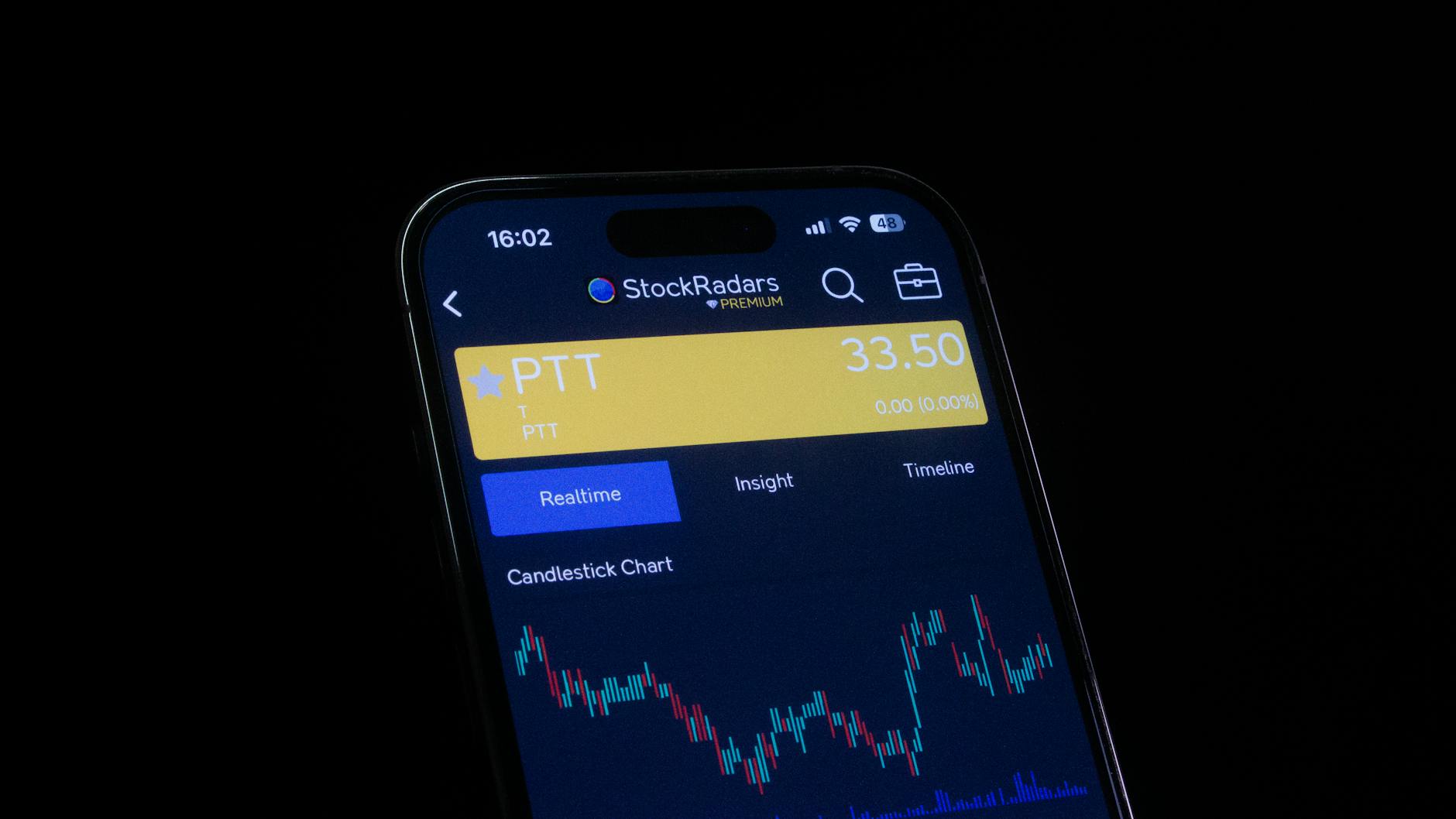
The integration of cTrader within prop firms enhances the overall trading experience by providing traders with reliable technology that supports firm evaluation, trading discipline, and strategy development. Furthermore, this platform's open architecture allows for integration with third-party tools and custom scripts, enabling traders to tailor their trading ecosystem according to specific firm policies and personal preferences.
In this context, understanding the key attributes of cTrader that serve prop trading operations becomes essential. These include its sophisticated order execution system, real-time market data, and extensive automation capabilities. As prop firms continue to adapt to evolving market conditions, cTrader's flexibility and performance make it a valuable asset for both new and experienced traders operating under proprietary firm settings.
Moving forward, the strategic implementation of cTrader is expected to influence the operational efficiencies and profitability of prop trading firms. Its features support rigorous evaluation processes, streamlined risk management, and adherence to compliance standards—all vital factors in the competitive landscape of proprietary trading.
Features of cTrader Relevant to Prop Trading
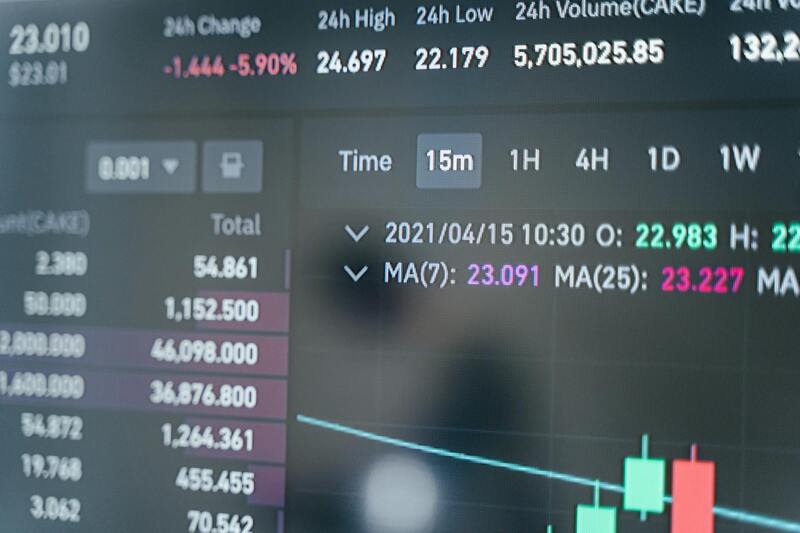
cTrader has become an integral platform for prop trading due to its suite of advanced features designed to empower traders in high-performance environments. Its sophisticated charting capabilities allow for detailed technical analysis, enabling traders to identify market trends and execute strategic entries and exits with precision. The platform’s high-quality visual tools include customizable chart layouts, multiple timeframes, and numerous technical indicators, which are crucial for developing and refining trading strategies specific to proprietary firm requirements.
Algorithmic trading is another cornerstone feature that significantly benefits prop traders utilizing cTrader. The platform supports cAlgo, which allows the development and deployment of automated trading strategies through custom scripts and robots. This automation assists traders in executing complex strategies swiftly and consistently, reducing emotional decision-making and optimizing trading performance under various market conditions.
Risk management tools embedded in cTrader are vital for maintaining disciplined trading practices within private trading firms. Features such as advanced order types— including one-cancels-the-other (OCO), trailing stops, and limit orders—help traders control potential losses and secure profits effectively. Additionally, real-time alerts and comprehensive trade analytics facilitate ongoing monitoring and quick response to emerging market opportunities or threats, aligning with rigorous risk protocols often employed by prop firms.

One of cTrader's most notable advantages for prop trading operations is its open architecture, which facilitates seamless integration with third-party services like algorithm developers, VPS hosting, and advanced order execution systems. Custom API access allows firms to tailor the platform’s functionalities further, customizing workflows to meet specific compliance standards or trading strategies. This flexibility supports continuous innovation and adaptation, key in the dynamic environment of proprietary trading.
Furthermore, cTrader offers reliable connectivity and server stability, minimizing downtime and ensuring traders can operate efficiently around the clock. Its intuitive interface reduces the learning curve, enabling new traders to become productive quickly while providing experienced professionals with the tools necessary for complex analyses and rapid trade execution. The platform’s performance stability and rich set of features make it a preferred choice among proprietary trading firms seeking to optimize their operational efficiency and profit potential.
Account Types and Funding for Prop Traders on cTrader
Proprietary trading firms utilizing the cTrader platform typically offer a variety of account structures tailored to meet the distinct needs of their traders. These account types often differ in leverage, capital allocation, and trading conditions, providing flexible options for traders at various experience levels. Common account classifications include funded accounts, scaling plans, and partnership programs, each designed to facilitate growth and performance evaluation.
Funded accounts are the cornerstone of prop trading operations on cTrader. Traders are granted access to a predetermined amount of capital, which is allocated after passing through rigorous evaluation stages or trading simulations. This process ensures traders adhere to the firm's risk management standards before receiving full funding. The funding procedures usually involve initial assessments, where traders demonstrate consistent profitability and adherence to risk protocols, followed by scaling phases where capital is increased based on performance metrics.
Scaling plans are integral to prop firms' growth models, allowing traders to gradually increase their trading capital in response to their performance. The cTrader platform supports this model by enabling seamless capital adjustments and real-time monitoring. Such frameworks motivate traders to optimize their strategies while minimizing undue risk, as consistent performance leads to increased funds and higher earning potential. Additionally, firms may implement tiered funding systems, where traders start with smaller accounts and progress to larger ones through a transparent evaluation process.

Capital allocation to traders is typically managed through the cTrader platform’s secure and integrative infrastructure. Firms often establish clear funding procedures, including initial deposit requirements, profit-sharing arrangements, and withdrawal protocols. These procedures align with comprehensive risk management policies, ensuring that trading activities remain within predefined parameters while providing traders with the resources they need to succeed.
Overall, the variety and flexibility of account types on cTrader allow prop firms to attract traders with different skill levels and trading styles. By offering structured funding and scalable capital options, these firms foster an environment conducive to consistent growth and profitability for their traders, backed by the robust capabilities of the cTrader system.
Account Types and Funding for Prop Traders on cTrader
Prop trading firms utilizing the cTrader platform often implement diverse account structures designed to accommodate traders at various experience levels and trading styles. These account types are meticulously structured to balance trader flexibility with the firm’s risk management standards, ensuring sustainable growth opportunities for both parties.
One of the most common frameworks is the evaluation or challenge account, where traders are given a specific period to demonstrate their skill and adherence to risk parameters. Successful completion of this phase typically results in access to a funded account, which comes with predefined capital allocations and trading limits. This step acts as a gatekeeper, allowing firms to identify traders with consistent performance and disciplined risk management.
Funded accounts are often tiered, starting with smaller sums that can escalate based on trading performance and adherence to rules. For instance, a trader might initially receive a $10,000 account, with the potential to grow to $50,000 or more as profits are realized and risk guidelines are respected. This tiered funding approach encourages ongoing development and provides traders with greater capital access in accordance with their proven capabilities.

Funding procedures are integrated within the platform to maintain transparency and security. Once a trader qualifies for a funded account, the firm deposits the capital, and trading activities are monitored through cTrader’s comprehensive suite of analytics and reporting tools. These tools enable real-time oversight, ensuring that both the firm and trader stay aligned with compliance standards and risk limits.
Flexibility in account management extends to withdrawal protocols, profit-sharing arrangements, and capital adjustments. Traders can often request withdrawals of their earnings, and these requests are processed swiftly through the platform, provided they meet the firm’s conditions. Such procedures are supported by the platform’s secure infrastructure, which safeguards funds and personal data alike.
Account customization also includes the possibility of segregated or pooled funds, depending on the firm's policies, enhancing risk mitigation while giving traders a tailored trading environment. This flexibility is a critical factor in attracting a wide array of traders, from novices to seasoned professionals, allowing firms to expand their talent pool effectively.
Risk Management and Compliance in cTrader Prop Trading
Effective risk management is at the core of sustaining profitable operations within prop trading environments utilizing the cTrader platform. Prop firms often establish stringent guidelines to control exposure and safeguard both the firm’s capital and traders’ accounts. These guidelines include predefined risk limits per trade, daily drawdown caps, and overall account drawdown restrictions. Such measures are essential in maintaining compliance with internal policies and minimizing potential losses.
In practice, traders are required to adhere to specific stop-loss levels for each position, which are designed to limit downside risk. The cTrader platform offers advanced order management tools, such as guaranteed stop-loss orders and trailing stops, enabling traders to implement precise exit strategies. These features help prevent catastrophic losses during volatile market conditions and ensure that trading stays within predetermined risk boundaries.
Compliance protocols play a pivotal role in prop trading on cTrader. Platforms integrate real-time monitoring systems that track trading activity, identify breaches of risk parameters, and generate alerts for immediate corrective action. This oversight not only helps maintain adherence to firm-defined rules but also fosters disciplined trading behavior. Regular audit reports generated within cTrader provide transparency and accountability, which are vital for ongoing performance evaluation and regulatory adherence.

Furthermore, many prop firms employ automated risk-control systems that pause or close trades if certain thresholds are crossed. These automated safeguards act as safety nets, preventing traders from exceeding their allocated risk limits and keeping the entire operation within safe bounds.
Advantages and Challenges of Using cTrader in Prop Trading
Utilizing cTrader for prop trading offers significant benefits. Its intuitive interface, robust analytical tools, and customizable order execution capabilities provide traders with a competitive edge. The platform's automation features enable precise risk management, reducing human error and enhancing operational efficiency. Additionally, cTrader’s comprehensive reporting and audit trail features support transparency and facilitate performance review, which are critical in the prop trading model.
However, there are challenges associated with integrating cTrader into prop trading strategies. The platform’s complexity may require substantial training for traders unfamiliar with its advanced functionalities. Some firms may also face integration hurdles with other internal systems, requiring additional technical infrastructure or custom development efforts. Moreover, while cTrader’s automation tools are powerful, they demand vigilant oversight to calibrate risk parameters appropriately and prevent unintended trading behaviors.

Nevertheless, when implemented correctly, cTrader provides a robust framework for scaling prop trading activities, offering both range and precision for managing capital and risk in a dynamic market environment. Continuous training and platform customization are essential to maximize these benefits and address potential hurdles effectively.
Risk Management and Compliance in cTrader Prop Trading
Effective risk management is fundamental to the success of prop trading operations utilizing the cTrader platform. Prop firms leverage cTrader’s advanced features to implement stringent risk controls, ensuring traders operate within predefined boundaries that protect both their capital and the firm’s assets. These controls often include daily loss limits, position sizing rules, and automatic stop-loss orders, all of which can be customized according to each trader’s strategy and risk appetite.
Within cTrader, traders can set automated risk parameters at the account or trade level, allowing for real-time enforcement of compliance policies. The platform’s ability to integrate scripting through cAlgo enables firms to develop bespoke risk management algorithms that monitor trading activity continuously. These scripts can trigger alerts, close positions, or halt trading if specified risk thresholds are breached, minimizing exposure during volatile market conditions.

To ensure adherence to internal guidelines and regulatory requirements, prop firms often utilize cTrader’s comprehensive audit and reporting features. These tools generate detailed logs of trading activities, including order history, trade execution times, and account balances. Regular review of these reports facilitates transparency, enabling managers to identify patterns that may indicate risky behavior or system vulnerabilities.
Additionally, cTrader supports regular compliance checks through automated reporting, which helps prop firms stay aligned with industry standards. Platforms integrate compliance modules that monitor trading activity against predetermined benchmarks and alert managers to deviations. Such proactive monitoring reduces the likelihood of unauthorized trading, improving overall operational integrity.
Proper training is indispensable for traders to understand risk protocols and utilize platform features effectively. Routine audits and real-time supervision, combined with clear guidelines on risk exposure, reinforce a robust trading environment that protects both the firm and its traders from unnecessary losses. In high-stakes prop trading, these practices cultivate discipline and consistency, leading to sustainable profitability.
Overview of Prop Trading Firms and cTrader Platform
Prop trading firms serve as specialized institutions that allocate capital to skilled traders, enabling them to execute large-scale transactions within a regulated framework. These firms focus on leveraging trader expertise while managing collective risk and ensuring compliance with trading standards.
The cTrader platform has become a preferred choice among prop traders due to its robust features and user-friendly interface. Designed with an emphasis on innovation and efficiency, cTrader offers advanced charting tools, one-click trading, and automated strategies that facilitate high-precision trading operations. Its intuitive design allows traders to execute swift decisions, which is vital in the fast-paced environment of proprietary trading.

Features of cTrader Relevant to Prop Trading
- Algorithmic Trading Support: cTrader Automated Trading (cTrader Automate) enables traders to develop, test, and deploy custom trading robots and indicators, boosting efficiency and consistency.
- Advanced Charting and Analysis: Multiple chart types, customizable indicators, and real-time data visualization assist traders in making informed decisions rapidly.
- Order Execution Speed: With low latency order execution, cTrader minimizes slippage—crucial for high-frequency trading demands.
- Risk Management Tools: Built-in functionalities like stop-loss, take-profit, and trailing stops allow traders to implement comprehensive risk controls effectively.
- Trade Management and Monitoring: The platform provides detailed trade summaries, performance analytics, and audit trails, facilitating transparency and oversight.
- Built-in Copy Trading and Social Features: For collaborative strategies or mentorship, cTrader offers social trading tools, enabling traders to mirror successful practices within a team environment.
Account Types and Funding for Prop Traders on cTrader
Prop firms typically offer different account structures tailored to various trading styles and risk appetites. Funding options generally include both initial capital allocations and scaling opportunities based on performance metrics.
- Scaled Funding Accounts: Traders start with a predefined capital, which can grow based on consistent performance and adherence to risk parameters.
- Leverage Settings: While leverage is available, prop firms often impose strict limits to maintain risk exposure within acceptable bounds.
- Profit Sharing Arrangements: Revenue generated from trading activities is typically shared between the trader and the firm according to predetermined ratios, encouraging responsible trading practices.
- Account Accessibility: Access to accounts via cTrader ensures traders can operate seamlessly across different devices and locations, maintaining flexibility without compromising security.
Trading Rules and Evaluation Processes in Prop Firms Using cTrader
Evaluations are central to prop trading, assessing a trader’s skill, risk management, and consistency before granting or renewing funding. Using cTrader’s analytical tools, firms monitor trading performance meticulously.
- Profitability Benchmarks: Traders must demonstrate consistent profitability over a specified evaluation period, adhering to predefined risk limits.
- Drawdown Restrictions: Limits are set for maximum allowable drawdowns to prevent excessive risk-taking and protect firm capital.
- Trade Frequency and Size: Rules specify acceptable trading frequencies and position sizes to avoid overtrading and ensure disciplined trading behavior.
- Reporting and Review: cTrader’s detailed logs and reports facilitate comprehensive performance assessments, identifying areas for improvement and verifying compliance with strategy guidelines.
Risk Management and Compliance in cTrader Prop Trading
Effective risk management in proprietary trading hinges on strict adherence to predefined trading protocols, which are augmented by cTrader’s sophisticated features.
- Automation of Risk Parameters: Traders can set automated alerts and limit orders to ensure they do not breach risk thresholds, minimizing unforeseen losses.
- Real-time Monitoring: Supervisory teams monitor trading activities in real-time, allowing for immediate intervention if necessary.
- Comprehensive Record-Keeping: cTrader’s logging and reporting functions generate detailed audit trails, essential for regulatory reviews and internal assessments.
- Automated Compliance Checks: Integration of compliance modules ensures continuous monitoring against industry standards and firm policies, reducing manual oversight requirements.
- Continuous Education and Protocol Enforcement: Regular training sessions reinforce risk awareness, ensuring traders understand and follow operational procedures effectively.
Overview of Prop Trading Firms and cTrader Platform
Prop trading firms serve as a vital component within the financial trading ecosystem, empowering skilled traders to utilize firm capital to engage in the markets. These firms typically provide established infrastructure, capital, and resources, allowing traders to focus solely on strategy execution and performance. Among the various platforms available, cTrader stands out as a preferred choice for many prop traders due to its intuitive interface, advanced trading tools, and robust infrastructure. Designed to streamline trading activities, cTrader offers a comprehensive environment that supports high-speed execution, automation, and detailed analytics, which are essential for prop trading operations that demand precision and discipline.

Features of cTrader Relevant to Prop Trading
- Advanced Charting and Analytical Tools: cTrader provides comprehensive charting options with numerous technical indicators, enabling traders to craft and refine trading strategies efficiently.
- Algorithmic Trading Capabilities: Built-in support for automated trading via cAlgo allows traders to develop, test, and deploy custom algorithms, which is essential for prop firms that emphasize systematic trading approaches.
- Fast Order Execution: With proprietary technology optimized for low latency, cTrader ensures trades are executed swiftly, reducing slippage and enhancing accuracy.
- Risk Management Features: The platform includes tools for setting stop-loss, take-profit, and trailing orders, with real-time monitoring to ensure trader adherence to risk parameters.
- Trade Management and Reporting: Detailed trade logs, activity reports, and performance metrics facilitate ongoing evaluation and compliance, helping firms maintain high standards.

Account Types and Funding for Prop Traders on cTrader
Prop firms utilizing cTrader typically offer specific account structures designed to accommodate different trading styles and capital requirements. These accounts often include:
- Evaluation or Demo Accounts: Used initially to assess a trader’s skill, discipline, and adherence to firm protocols. These accounts are funded with virtual capital, and traders are evaluated based on their performance metrics and compliance with trading rules.
- Funded Live Accounts: Upon successful evaluation, traders gain access to real capital provided by the prop firm. These accounts often come with predefined risk limits, profit sharing arrangements, and support for ongoing risk management.
- Scaling and Reinvestment: Many prop firms offer scaling plans that increase trading capital based on consistent performance, allowing traders to grow their trading operations over time.
Funding mechanisms are designed to ensure a smooth transition from evaluation to live trading, maintaining strict oversight and support to foster sustainable trading practices.
Trading Rules and Evaluation Processes in Prop Firms Using cTrader
Effective evaluation processes are central to prop trading, with rules often encompassing risk limits, trading frequency, and profit targets. cTrader’s detailed logging and reporting capabilities aid both traders and firm administrators in ensuring compliance. Typical evaluation procedures include:
- Trade Frequency Restrictions: Clear limitations on how many trades or positions a trader can open within a specified period to prevent overtrading.
- Maximum Drawdown Limits: Strict caps on account loss levels to mitigate substantial risk exposure.
- Profit Targets and Performance Benchmarks: Defined goals that a trader must meet during evaluation periods to qualify for funding.
- Continuous Monitoring and Review: Using cTrader’s real-time dashboards, managers oversee trading activities, ensuring adherence to procedures and providing feedback for improvement.
Risk Management and Compliance in cTrader Prop Trading
Risk control is fundamental in prop trading, with cTrader offering sophisticated tools to enforce discipline and safeguard capital. These include:
- Automated Risk Controls: Setting predefined limits for trade sizes, drawdowns, and maximum positions to prevent breaches and manage exposures proactively.
- Real-Time Surveillance: Supervisory teams can monitor all active trading activities, intervene proactively when necessary, and review trade histories for compliance purposes.
- Audit and Reporting Features: Detailed logs ensure transparent records of all trading actions, supporting internal audits and external reviews.
- Integration with Compliance Protocols: Continuous checks against established trading policies to promote disciplined behavior and prevent unauthorized activities.
Advantages and Challenges of Using cTrader in Prop Trading
Leveraging cTrader brings several advantages to prop trading operations, including high-speed execution, advanced automation, and comprehensive analytics. These features enhance trader performance and operational efficiency. However, challenges such as the learning curve associated with mastering the platform’s full capabilities and ensuring consistent adherence to protocols must be managed carefully. Continuous training, clear communication, and the integration of automated controls are vital to maximizing the platform’s potential while minimizing risks.
Choosing the Right Prop Firm with cTrader Support
When selecting a prop trading firm, consideration should be given to the firm’s technological infrastructure, especially its support for cTrader. Reliable firms clearly define their evaluation criteria, risk management protocols, and profit-sharing models. A strong focus on trader development, transparent account management, and dedicated support teams enhance the trading environment. Compatibility with cTrader's features—such as automated trading tools and risk management modules—is essential to ensure seamless operation and a productive trading experience.
