
Overview of Proprietary Trading in Malaysia
Proprietary trading, commonly known as prop trading, is a financial activity where firms or individual traders utilize their own capital to execute trades across various markets. This approach allows traders to capitalize on market movements themselves, rather than earning commissions from clients. In Malaysia, prop trading has gained prominence as part of the country's expanding financial sector, primarily driven by increased market complexity, innovative trading technology, and a thriving investment community.
Malaysia’s robust financial infrastructure, anchored by the Kuala Lumpur Financial Market, offers a fertile environment for prop trading activities. These trading firms operate across diverse asset classes, including equities, foreign exchange, commodities, and derivatives. The sector is characterized by a mixture of boutique proprietary firms and larger trading houses, each leveraging different strategies to enhance profitability and market presence.

The growth of prop trading in Malaysia is also supported by the country's strategic position as a regional financial hub. With a rapidly developing capital market, a skilled workforce educated in finance, and a regulatory framework that encourages innovation, Malaysian traders and firms are increasingly becoming active participants in both local and international markets.
In addition to market participation, prop trading firms contribute significantly to the liquidity and efficiency of Malaysia’s financial markets. They often engage in market-making, arbitrage, and algorithmic trading, which helps stabilize prices and narrow spreads. As technology advances, Malaysian prop traders are adopting more sophisticated trading platforms and software solutions, allowing for faster execution, data analysis, and risk management.
For aspiring traders or entrepreneurs interested in entering this sector, understanding the landscape entails recognizing the ecosystem's local nuances and competitive environment. Building expertise in technical analysis, risk management, and market dynamics is essential to succeed within Malaysia’s vibrant prop trading sphere.
Legal and Regulatory Environment for Prop Trading in Malaysia
Malaysian proprietary trading firms operate within a structured regulatory framework that emphasizes transparency, risk management, and ongoing compliance. The primary authorities overseeing these activities include the Securities Commission Malaysia (SC) and Bursa Malaysia. These institutions set standards that ensure traders and firms conduct their operations ethically and adhere to established market practices.
To engage in prop trading, firms often need to obtain relevant licenses or approvals, which involve meeting specific criteria related to financial stability, operational capacity, and risk controls. These licenses are designed to ensure that firms maintain the necessary infrastructure and personnel to support their trading activities effectively and responsibly.
Compliance standards require firms to implement robust internal controls, including effective risk management systems, financial reporting protocols, and regular audits. These measures help protect the integrity of the markets and foster investor confidence. Firms are also expected to follow guidelines related to anti-money laundering (AML) and know-your-customer (KYC) procedures, ensuring transparency and security within the Malaysian trading environment.

Furthermore, Malaysian prop traders are encouraged to adopt responsible trading practices, including proper leverage management, safeguarding client funds, and maintaining accurate transaction records. Periodic audits and reporting duties are integral to maintaining a registered status and continuing operations within the prescribed legal framework.
By establishing clear rules and ongoing compliance standards, Malaysia’s regulatory landscape aims to support a competitive yet disciplined environment for prop trading firms, fostering growth and stability in the financial markets.
Funding and Capital Requirements for Malaysian Prop Traders
Proprietary trading firms in Malaysia are required to maintain adequate capital reserves to support their trading activities and ensure operational stability. The specific capital requirements vary depending on the scale of the firm and the scope of their trading strategies but generally align with the standards set forth by the regulatory authorities overseeing the financial sector.
For smaller operations or individual traders, initial capital often starts from several hundred thousand Malaysian Ringgit (MYR), with larger firms necessitating capital in the millions to manage broader market exposures effectively. The purpose of these capital thresholds is to buffer against potential losses, provide sufficient liquidity for trading positions, and demonstrate financial robustness to stakeholders and regulators.
In addition to minimum capital requirements, Malaysian prop trading firms must maintain ongoing capital adequacy levels, which are regularly monitored through internal reporting and external audits. These measures help ensure that firms are prepared to withstand market volatility without risking their operational continuity or investor trust.

Funding structures in Malaysian prop trading often involve a mix of firm-capital contributions, external investments, and sometimes leverage facilities provided by financial institutions. Leveraged trading allows traders to amplify their market positions but comes with increased risk management obligations, including strict margin controls and real-time monitoring of trading activities.
Risk Management and Compliance in Prop Trading
Robust risk management strategies are integral to capital adequacy, helping firms mitigate potential losses and adhere to regulatory standards. These strategies encompass setting strict trading limits, employing sophisticated monitoring software, and enacting comprehensive internal controls. Compliance protocols extend beyond mere capital requirements, often requiring detailed record-keeping, transparent transaction reporting, and periodic review of trading practices.
Funding and Capital Requirements for Malaysian Prop Traders
Establishing a proprietary trading operation in Malaysia necessitates a clear understanding of the funding landscape and capital prerequisites. Typically, traders or firms must secure sufficient initial capital to engage in active trading, with the exact amount often influenced by the scope of trading strategies and the markets targeted. Most established prop trading firms start with a minimum capital base that complies with internal policies and external expectations, ensuring they can sustain trading activities during volatile market periods.
Funding sources are diverse and include personal savings, external financial backing, or partnerships with investment groups. Traders sometimes leverage capital through credit facilities offered by participating financial institutions; however, such leverage requires strict adherence to margin controls and risk assessment protocols. Maintaining adequate liquidity is essential, as it provides the flexibility needed to seize market opportunities without exposing the firm to unnecessary liquidity risks.

Financial backing extends beyond initial inputs, as continuous capital infusion may be necessary for expanding trading activities or embracing new markets. Many prop trading firms in Malaysia prefer diversified funding strategies, combining internal capital reserves with external investments or partner contributions. This approach helps in managing growth objectives effectively while maintaining operational stability.
In addition, prudent capital management is vital for ensuring that trading activities remain within the constraints of the firm's financial capacity. Regular assessment of capital adequacy helps avoid overexposure and maintains compliance with internal policies as well as prudential standards set by industry best practices.
Trading Strategies and Markets in Malaysia
Malaysian proprietary traders employ a broad array of strategies tailored to local and global markets. Their approaches range from high-frequency trading (HFT) and market making to longer-term positional trading. Leveraging advanced analytical software and algorithmic systems, traders seek to capitalize on small price movements, arbitrage opportunities, and momentum shifts across various asset classes.
The Malaysian market offers unique opportunities due to its diverse economic sectors, such as commodities (palm oil, rubber), financial instruments (equities, derivatives), and foreign exchange. Traders adept in these segments utilize strategies like scalping, trend following, and statistical arbitrage to generate consistent returns.
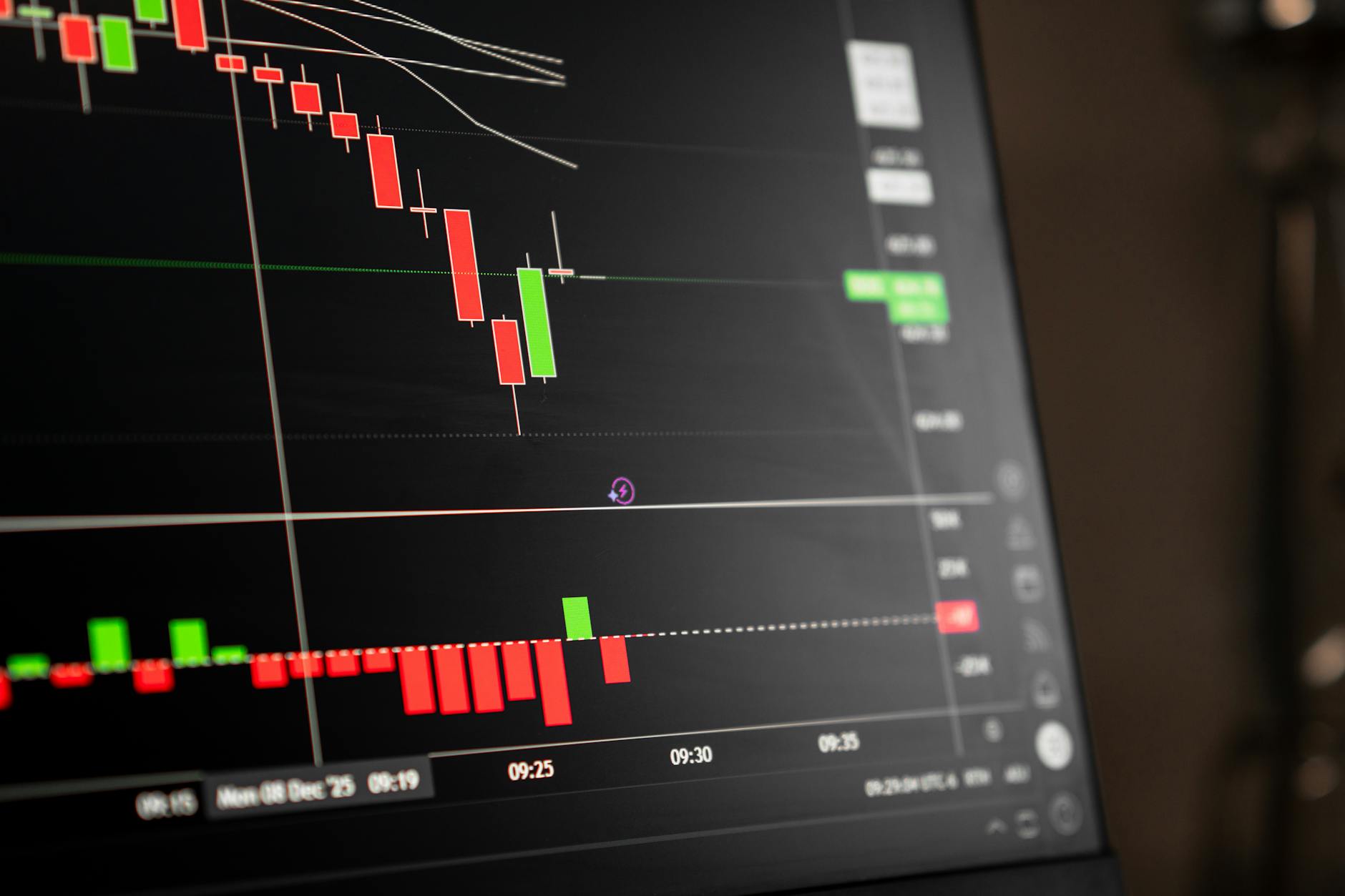
Global events, regional economic developments, and local regulatory changes influence trading patterns significantly. Prop traders must stay updated with market news and analyses, often utilizing real-time data feeds and sophisticated monitoring tools to adapt swiftly to shifting conditions.
Furthermore, Malaysia’s strategic position as a gateway to Southeast Asian markets provides additional avenues for diversification of trading portfolios and expansion into emerging markets. This geographic advantage enhances the potential for profit but also necessitates comprehensive market research and risk assessment.
Technology and Infrastructure for Prop Trading in Malaysia
Advanced technological infrastructure underpins successful prop trading operations. Malaysian firms invest heavily in high-speed trading platforms, connectivity, and secure data centers to support rapid execution of trades and real-time risk management. The deployment of cloud computing solutions and cutting-edge analytics software ensures traders have the tools needed for competitive advantages.
Communication systems are optimized for low latency, allowing traders to execute orders swiftly and manage positions effectively. Many firms also employ proprietary algorithms and machine learning models to automate decision-making and enhance trading accuracy.

Cybersecurity measures are integral, protecting sensitive information and ensuring continuous trading operations. Firms often partner with technology providers or establish in-house teams to customize infrastructural components, aligning them with specific trading strategies and risk management protocols.
As the industry evolves, incorporating innovations such as blockchain and artificial intelligence remains crucial for maintaining competitiveness. Ongoing upgrades and staff training are imperative to adapt to technological advancements and regulatory developments in the trading environment.
Funding and Capital Requirements for Malaysian Prop Traders
In Malaysia, proprietary trading firms typically establish clear financial thresholds to commence operations, aligning with industry standards and market expectations. While there are no explicit legal mandates explicitly outlining minimum capital for individual traders, most reputable firms impose their own internal standards to ensure sufficient buffer against market volatility. This often includes an initial capital deposit that can range from MYR 50,000 to MYR 200,000 for new traders, depending on the complexity of trading strategies and instruments involved.
For firms seeking to operate at a larger scale or engage in more sophisticated trading activities, substantial capital reserves are essential to both sustain trading operations and absorb potential losses. In such cases, firms may require capitalization exceeding MYR 1 million, allowing for wider trading capacity and risk management buffers. The availability of funding sources varies; some proprietary trading firms utilize personal funding, while others secure capital through institutional investors or partnerships with financial institutions.
Funding methods often include:
- Personal savings or initial capital contributions from trade founders
- Equity investments from institutional partners interested in the Malaysian trading landscape
- Fundraising or seed capital rounds within the regulatory framework
Most trading firms implement strict risk management policies that dictate leverage ratios, position sizes, and loss limits to protect their capital and ensure adherence to financial stability norms. Effective capital deployment enhances liquidity, allows for diversification across different asset classes, and enables the employment of advanced trading algorithms.
Technology and Infrastructure for Prop Trading in Malaysia
In the dynamic landscape of Malaysian proprietary trading, technological infrastructure forms the backbone of efficient and profitable operations. Prop traders in Malaysia leverage a combination of sophisticated trading platforms, cutting-edge software solutions, and reliable data feeds to stay ahead in highly competitive markets. These tools enable traders to execute strategies with precision, analyze market trends, and respond swiftly to changing conditions.
Major trading platforms utilized by Malaysian prop traders include MetaTrader 4 and 5, NinjaTrader, and proprietary trading software developed specifically for institutional use. These platforms provide robust charting capabilities, automated trading options, and comprehensive risk management features. Integration with real-time market data feeds ensures traders have access to the latest prices, order book insights, and economic indicators, crucial for making informed decisions.
Beyond trading platforms, advanced software solutions facilitate algorithmic and high-frequency trading, which are increasingly popular among Malaysian prop traders seeking to capitalize on rapid market movements. These systems often incorporate artificial intelligence and machine learning components to identify opportunities and optimize trading strategies.
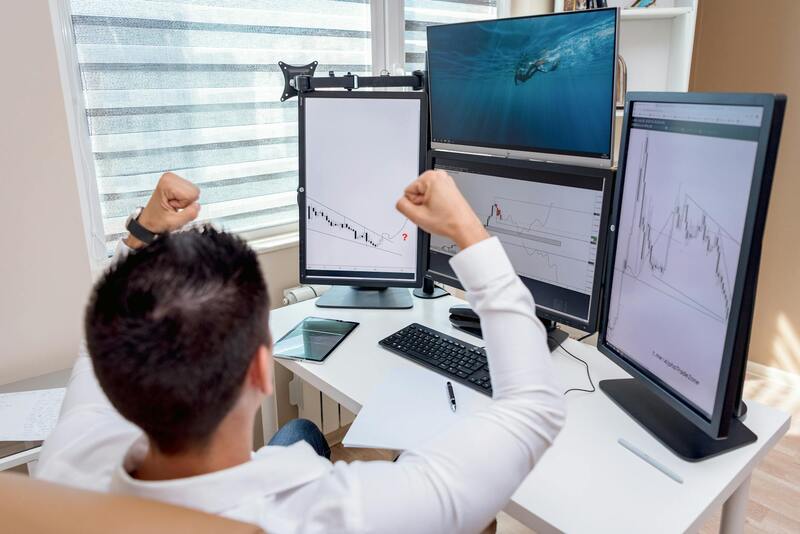
Reliable data feeds from major financial information providers such as Bloomberg, Reuters, and local sources are fundamental to maintaining competitive edge. These feeds deliver market news, economic releases, and sentiment data, all crucial for executing well-timed trades. Ensuring minimal latency and high uptime for these services is a top priority for professional prop trading operations in Malaysia.
Robust hardware infrastructure is equally vital. High-speed internet connections, secure servers, and backup power systems ensure uninterrupted trading activities and protect sensitive data. Many Malaysian prop firms invest in colocation services or cloud-based solutions to enhance connectivity and scalability, accommodating growth without compromising performance.
In addition to hardware and software, compliance with cybersecurity standards is imperative. Implementing multi-layered security protocols, such as encryption, firewalls, and regular security audits, safeguards trading systems from cyber threats and maintains client confidence.

As the Malaysian prop trading landscape evolves, staying ahead through technological innovation allows traders to execute complex strategies, manage risk effectively, and expand operations in a cost-efficient manner. Continuous investment in the latest trading tools and infrastructure remains a key component of success in this competitive arena.
Technology and Infrastructure for Prop Trading in Malaysia
For Malaysian proprietary traders aiming to excel in the competitive trading environment, investing in advanced technology and robust infrastructure is indispensable. High-performance trading terminals, sophisticated order execution systems, and accurate real-time data feeds form the backbone of a successful prop trading operation. These tools enable traders to execute strategies swiftly and precisely, minimizing latency and maximizing opportunities in fast-moving markets.
Securing high-speed internet connectivity is paramount. Reliable bandwidth ensures that traders can access market data, execute trades, and respond to market movements instantaneously. Many Malaysian prop firms opt for dedicated leased lines or colocation services within data centers to achieve ultra-low latency connections. This proximity to major exchange servers allows traders to capitalize on fleeting opportunities that require split-second decision-making.
Hardware resilience and cybersecurity are equally critical components. High-performance servers, backup power supplies, and cybersecurity measures such as encryption, firewalls, and regular vulnerability assessments safeguard trading systems and sensitive client data. Maintaining a secure and stable operating environment prevents costly disruptions and ensures trader confidence.
In addition to physical infrastructure, sophisticated trading software that supports algorithmic trading, backtesting, and risk analytics is essential. Many Malaysian prop firms develop proprietary trading algorithms or utilize advanced third-party trading platforms to enhance decision-making and automate strategies. Cloud computing solutions are increasingly being adopted to scale operations without significant upfront investment in hardware, offering flexibility and flexibility in resources as the firm grows.
Continuous innovation in trading infrastructure empowers Malaysian prop traders to stay ahead of technological trends, execute complex strategies efficiently, and manage risk more effectively. Staying at the cutting edge of technological advancements is a key vital in maintaining a competitive advantage in the intricate and high-stakes world of prop trading.
Proprietary Trading in Malaysia: Advanced Strategies and Continuous Evolution
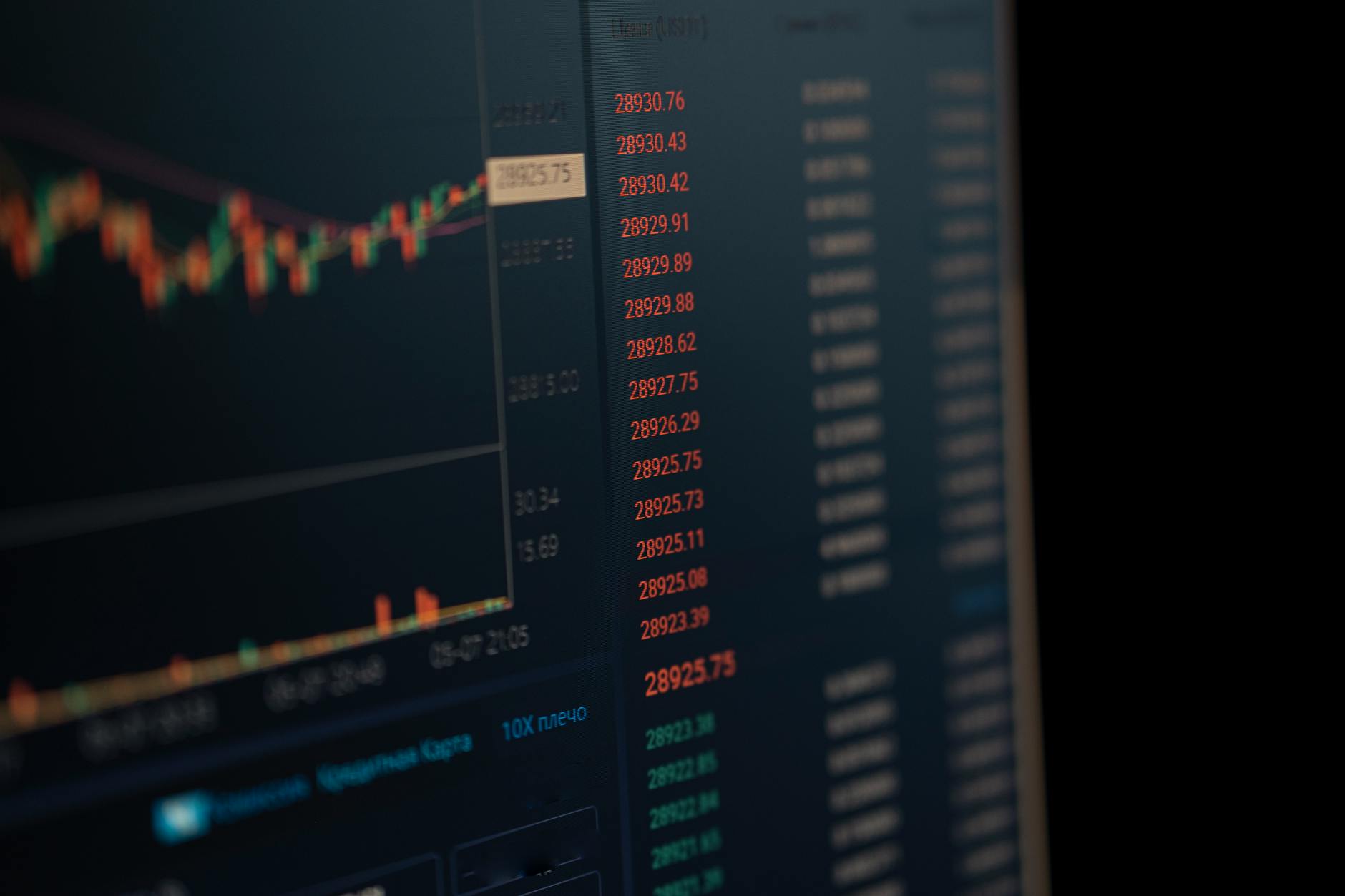
Malaysian proprietary trading firms are consistently exploring innovative approaches to enhance their trading performance and stay competitive amid rapid technological advancements and dynamic market conditions. A key focus for these firms is the integration of advanced trading algorithms and data analytics to refine decision-making processes. Many firms invest heavily in developing proprietary software that can analyze vast datasets in real time, identify trading opportunities, and execute orders with minimal latency. These tools often leverage artificial intelligence and machine learning to adapt strategies based on market trends and emerging patterns, providing traders with a significant edge.
In addition to algorithmic trading, Malaysian prop firms increasingly utilize quantitative analysis to develop systematic trading strategies. By harnessing statistical models, traders can identify anomalies and inefficiencies within local and international markets, execute trades based on data-driven insights, and optimize risk-adjusted returns. The integration of high-frequency trading (HFT) techniques enables traders to capitalize on short-term price movements, which require robust infrastructure and ultra-low latency connectivity.
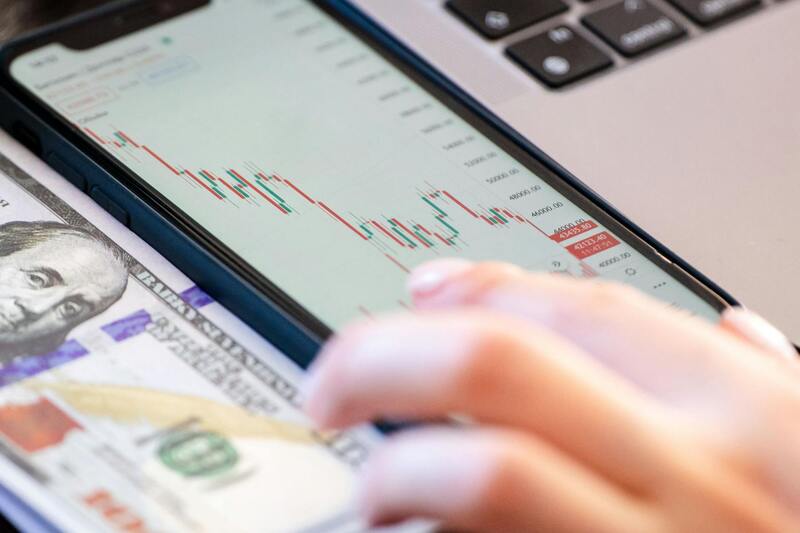
Furthermore, Malaysian prop trading firms are increasingly adopting cloud-based solutions to enhance scalability and operational flexibility. Cloud computing allows traders to expand computational resources during peak periods without the need for significant hardware investments. This approach facilitates rapid experimentation with new strategies, backtesting different models, and deploying algorithms across multiple markets seamlessly. Cloud platforms also offer robust security features and disaster recovery options, ensuring continuous trading operations and data integrity in a volatile environment.
As Malaysian prop traders venture into more sophisticated markets such as options, derivatives, and commodities, the reliance on advanced risk management techniques grows. Real-time risk analytics, stress testing, and scenario analysis are embedded into trading platforms to prevent excessive losses and safeguard firm capital. Traders regularly review their risk protocols to adapt to changing market conditions, regulatory updates, and technological innovations, ensuring their strategies remain resilient and compliant.
Emerging Opportunities and Strategic Enhancements
- AI-driven Market Insights: Utilizing machine learning models to predict market movements and automate decision-making processes.
- Integration with International Markets: Malaysian firms expanding their reach to include Asian, American, and European exchanges to diversify trading portfolios and access more liquidity.
- Partnerships with Fintech Innovators: Collaborating with fintech startups to develop cutting-edge trading tools and infrastructure, facilitating faster, more accurate executions.
- Sustainable Trading Practices: Incorporating environmental, social, and governance (ESG) factors into trading algorithms to align with global initiatives and investor expectations.
Technological evolution remains at the core of prop trading success in Malaysia. Firms that prioritize continuous innovation in infrastructure, data analytics, and strategic approaches position themselves to capitalize on emerging market opportunities while maintaining robust risk controls. Staying abreast of global technological trends and integrating these advancements into their daily operations affirms Malaysian prop traders' competitive standing in the international arena.
