
Definition and Role of Crypto Proprietary Trading Firms
Crypto proprietary trading firms, often referred to as crypto prop firms, serve as specialized entities within the financial trading landscape that focus exclusively on the buying and selling of cryptocurrencies using their own capital. Their primary purpose is to generate profit through the strategic trading of digital assets, capitalizing on price fluctuations, market inefficiencies, and emerging trends within the cryptocurrency market. Unlike traditional trading firms that may handle client assets or operate on commission-based models, crypto prop firms deploy their own funds, aiming to maximize returns through skilled trading strategies.
These firms play a significant role in the broader financial ecosystem by providing liquidity to cryptocurrency markets, facilitating the discovery of fair prices, and sometimes acting as market makers. They also contribute to market efficiency by continuously analyzing vast amounts of data and executing high-volume trades at rapid speeds, leveraging advanced technological tools and trading algorithms. The operational focus of a crypto prop trading firm involves rigorous risk management, in-depth market analysis, and the deployment of sophisticated trading strategies designed to adapt swiftly to the volatile nature of digital asset markets.

Crypto prop firms often attract highly skilled traders, quantitative analysts, and software developers who collaborate to optimize trading performance and develop innovative algorithms tailored for the cryptocurrency markets. Their activities contribute not only to profit generation but also help shape market structure by providing liquidity and stability, especially during periods of heightened volatility.
Operational Focus and Market Impact
- Utilizing proprietary capital to trade digital assets across various exchanges and tokens.
- Implementing algorithmic and quantitative trading models to identify profitable opportunities.
- Managing risk through systematic controls and ongoing assessment of market conditions.
- Supporting market liquidity by executing large volumes without significant market impact.
Through their operational framework, crypto proprietary trading firms significantly influence the liquidity, efficiency, and stability of cryptocurrency markets, acting as both market participants and innovators within this dynamic financial sector.
Structures and Business Models of Crypto Prop Trading Firms
Crypto proprietary trading firms operate under diverse structural frameworks tailored to their strategic goals and operational scope. While some entities function as standalone trading houses, others are part of larger financial conglomerates that integrate crypto trading into their broader asset management and investment operations. These firms typically adopt one of several prevalent business models to maximize trading efficiency and profitability.
Private Proprietary Trading Operations
Many crypto prop firms maintain private trading desks that exclusively deploy proprietary capital for executing trades across various digital assets and exchanges. These units are usually staffed with highly skilled traders, quantitative analysts, and technology specialists who leverage proprietary algorithms and automated trading systems. The private nature of their operations allows for greater flexibility, faster decision-making, and the implementation of proprietary strategies without external interference.
Hybrid Business Models
Hybrid models combine proprietary trading with client funds or managed accounts. In such configurations, the firm may execute trades on its own behalf while also offering trading services or investment management to external clients. This model enables the firm to expand its capital base, diversify revenue streams, and enhance market influence, especially when executing large-volume trades that contribute to market liquidity.
Partnerships and Collaborations
Some crypto prop trading firms establish partnerships with exchanges, liquidity providers, and other financial institutions to access advanced trading infrastructure or co-develop trading algorithms. These collaborations can foster innovation, improve execution quality, and provide strategic advantages in highly competitive environments.
Revenue Streams and Operational Focus
- Trading Profits: Profits generated from executing high-frequency and algorithmic trades based on market analysis and predictive models.
- Leverage and Margin Trading: Utilization of leverage to amplify trading positions, increasing both potential gains and associated risks.
- Market Making: Providing liquidity to digital asset markets by placing buy and sell orders, earning spreads, and contributing to market stability.
- Technology Licensing: Some firms develop proprietary trading algorithms or platforms and monetize these technologies through licensing arrangements.
Operational Infrastructure
Crypto prop firms invest heavily in sophisticated trading infrastructure, including high-frequency trading servers, secure communication channels, and risk management software. They also employ advanced data analytics, machine learning, and artificial intelligence tools to identify patterns and execute trades with minimal latency. This technological backbone is vital for maintaining competitive advantages in the fast-evolving cryptocurrency landscape.

By structuring their operations around robust technological foundations, tailored business models, and strategic partnerships, crypto proprietary trading firms aim to capitalize on the unique opportunities within digital asset markets while managing intricate risks effectively. Their adaptable frameworks enable them to respond swiftly to market shifts, enhance liquidity provision, and optimize profit margins within the rapidly changing crypto ecosystem.
Structures and Business Models of Crypto Prop Trading Firms
Crypto proprietary trading firms exhibit a diverse array of organizational structures and business models, each tailored to leverage their unique strategic goals and operational capacities within the rapidly evolving digital asset environment. These firms generally operate through a combination of ownership models, funding mechanisms, and strategic partnerships that create a resilient foundation for active trading.
Ownership structures often include privately held companies, partnerships, or corporate subsidiaries of larger financial organizations. Private ownership allows flexibility in decision-making and risk management, essential in the volatile crypto markets. Some firms operate as joint ventures between technological innovators and financial entities, fostering synergies between advanced trading algorithms and financial expertise.
Funding models are predominantly derived from internal capital pools, although external funding sources such as institutional investors or venture capitalists may also play a role, especially for firms seeking rapid expansion or technological development. These funding arrangements enable crypto prop firms to scale their trading activities, invest in cutting-edge infrastructure, and attract top-tier talent.
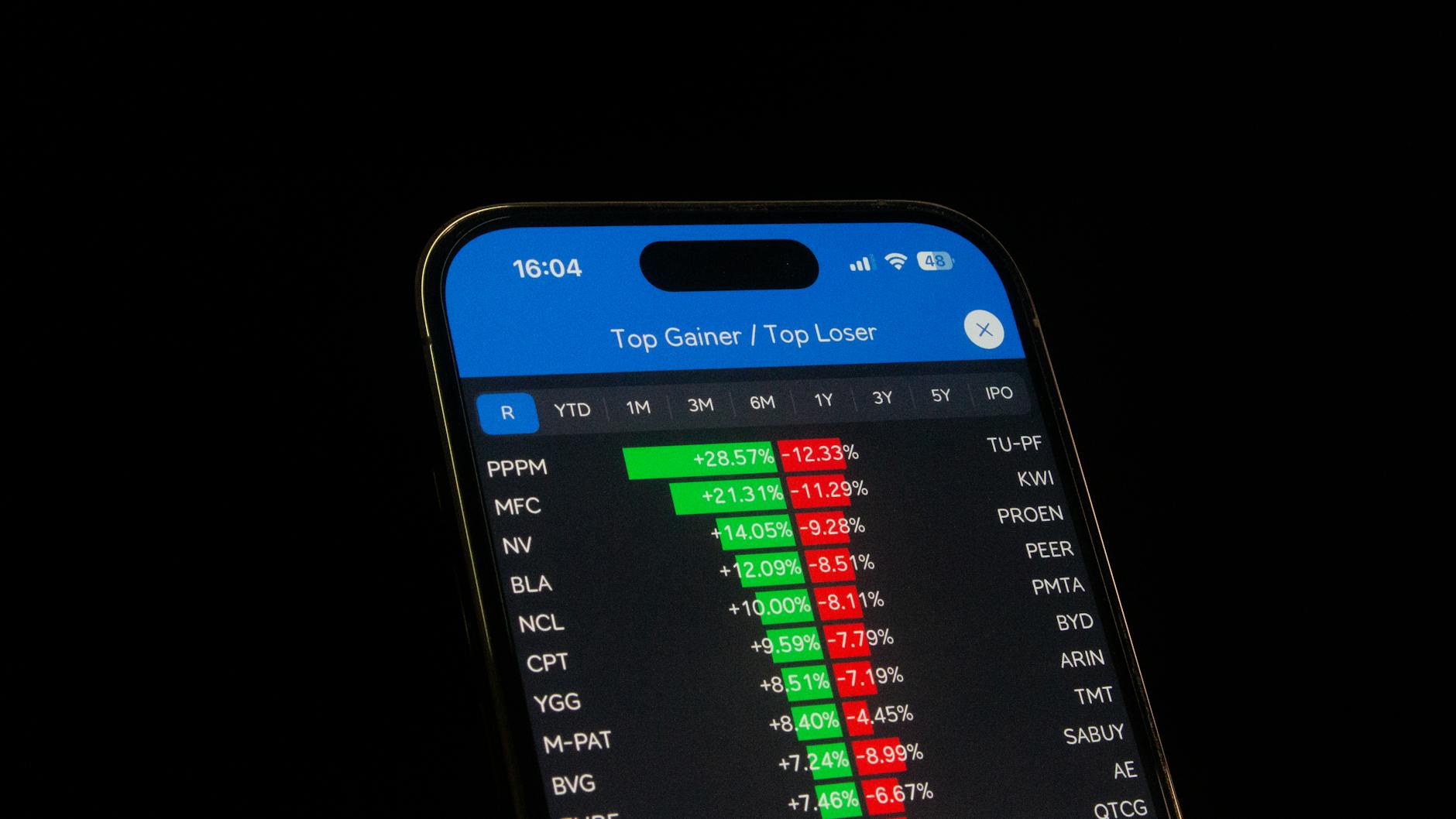
Partnership networks are instrumental for strategic growth, including collaborations with technology developers, liquidity providers, and market exchanges. These alliances help firms access advanced trading platforms, expand their operational footprint, and enhance market liquidity. Such collaborations often lead to the development of tailored solutions addressing specific challenges faced in digital asset trading.
Operationally, many crypto prop trading firms adopt a hybrid business model that combines active trading, technological innovation, and alliance-driven strategies. This approach provides agility in executing trades, deploying proprietary algorithms, and responding swiftly to market fluctuations, while also ensuring diversified revenue streams across various business segments.
Tools, Technologies, and Trading Strategies Used
To succeed in the crypto markets, proprietary trading firms rely heavily on sophisticated tools and cutting-edge technologies. These include high-frequency trading (HFT) systems capable of executing thousands of trades per second, advanced order execution platforms, and comprehensive risk management software. The integration of big data analytics, machine learning models, and artificial intelligence enhances decision-making precision and reaction times.
Trading strategies in crypto proprietary firms are diverse and often customized to exploit market inefficiencies. Common approaches involve arbitrage trading, trend following, market making, and algorithmic strategies that capitalize on short-term price movements. Firms continuously refine their algorithms through data-driven insights, enabling them to adapt rapidly to market dynamics.

In addition, firms employ sophisticated risk mitigation strategies, including real-time monitoring systems, automated shutdown protocols, and comprehensive compliance checks. These measures help manage exposure and protect trading capital amid the high volatility characteristic of digital assets.
Risks and Compliance in Crypto Prop Trading
Managing risk remains paramount for crypto prop firms, given the extensive volatility, regulatory shifts, and technological vulnerabilities inherent in digitalasset markets. Firms implement multi-layered risk controls, such as real-time position monitoring, automated risk limits, and robust cybersecurity protocols.
Compliance measures, while not explicitly detailed here, are integral to operational stability. This includes adherence to anti-money laundering (AML), know-your-customer (KYC) procedures, and ongoing surveillance for suspicious activities, all designed to reinforce operational integrity and maintain market trust.
Benefits of Joining a Crypto Proprietary Trading Firm
Participants benefit from access to high-caliber trading infrastructure, comprehensive training programs, and a collaborative environment that fosters skill development. Traders and technologists working within these firms often gain exposure to innovative strategies and cutting-edge tools, enhancing their professional expertise within a dynamic market landscape.
Challenges Faced by Crypto Prop Trading Firms
Operational challenges include managing technological complexity, navigating regulatory uncertainties, and maintaining competitive advantage in an aggressive trading environment. Market volatility, cybersecurity threats, and the need for continuous technological innovation require proactive strategies and substantial investments.
Future Trends and Developments in Crypto Proprietary Trading
Advancements in artificial intelligence and machine learning are expected to further refine trading algorithms, leading to smarter, more autonomous trading systems. The integration of decentralized finance (DeFi) protocols offers new liquidity pools and arbitrage opportunities. Moreover, increasing focus on regulatory compliance and transparency will shape operational practices, fostering sustainable growth and stability within the crypto prop trading ecosystem.
Tools, Technologies, and Trading Strategies Used
Crypto proprietary trading firms leverage a sophisticated array of tools and technologies to maintain a competitive edge in the fast-paced digital asset markets. Central to their operations are advanced trading algorithms capable of executing high-frequency trades with precision and speed that surpass human capabilities. These algorithms utilize a mix of technical indicators, machine learning models, and data analytics to identify fleeting arbitrage opportunities, market inefficiencies, and optimal entry and exit points.
In addition to algorithmic trading, firms invest heavily in robust technological infrastructure that ensures high uptime, low latency, and secure data transmission. Co-located servers and dedicated fiber optic lines often position trading systems within proximity to major cryptocurrency exchanges, reducing transmission delays that could impact trade execution quality. Such infrastructure facilitates real-time order placement, risk management, and instant response to market shifts.
Crypto prop trading firms also incorporate a suite of proprietary and third-party trading platforms. These platforms are customized to include functionalities such as real-time market data analytics, automated order management, and risk controls. Integration with blockchain explorers and decentralized finance (DeFi) protocols allows for diversified strategies that capitalize on liquidity pools, lending platforms, and yield farming opportunities. This multifaceted technological setup enables traders to diversify tactics and adapt swiftly to changing market dynamics.

Strategic Approaches and Methodologies
Crypto proprietary traders employ a range of strategies designed to harness the volatility and liquidity inherent in digital asset markets. Market making remains a key approach, where traders provide buy and sell liquidity, profiting from bid-ask spreads while managing exposure. Arbitrage strategies exploit price discrepancies across different exchanges or between spot and derivatives markets, often executed within milliseconds to capitalize on brief market moments.
Momentum trading and trend following are also prevalent, where quantitative models detect emerging trends and signal trades aligned with anticipated continuations. Mean reversion strategies focus on short-term price corrections, aiming to buy undervalued assets and sell overvalued ones. More recent innovations involve leveraging DeFi protocols for yield enhancement, staking, and liquidity mining to generate additional income streams.
Crypto prop traders continuously adapt their methodologies based on evolving market conditions, technological advancements, and regulatory frameworks. They prioritize risk management techniques, employing position limits, stop-loss orders, and real-time monitoring to mitigate losses and optimize profits. Such comprehensive use of technology and strategy underpins the ability of crypto proprietary trading firms to operate effectively in a highly volatile environment.
Tools, Technologies, and Trading Strategies Used
Crypto proprietary trading firms leverage a sophisticated array of tools and technological solutions to navigate the complex and volatile digital asset markets. These include advanced trading platforms that facilitate high-frequency and algorithmic trading, enabling traders to execute large volumes of transactions within milliseconds. Often, firms develop proprietary algorithms tailored to identify arbitrage opportunities, momentum shifts, and trend reversals, allowing them to capitalize on fleeting market inefficiencies.
Another critical component is the integration of real-time data feeds from multiple exchanges, combined with robust analytical software. These tools enable traders to monitor price movements, liquidity levels, and market sentiment across various platforms simultaneously, ensuring rapid decision-making and order execution. Additionally, firms employ risk management systems that set automated stop-loss and take-profit levels, reducing exposure to sudden market swings. Machine learning models are increasingly used to enhance predictive accuracy, adapt strategies dynamically, and improve overall trading efficacy.

In terms of trading strategies, crypto prop traders utilize a blend of quantitative and discretionary methods suited to the digital assets' unique environment. Market making remains central, where traders provide liquidity by continuously quoting buy and sell orders, profiting from the bid-ask spread while managing inventory risk. Arbitrage strategies exploit price differences between exchanges or derivative products, often executed on ultra-fast, automated systems that scan dozens of markets to identify profitable discrepancies.
Momentum trading seeks to capture sustained price moves driven by market sentiment or technical patterns, supported by complex algorithms that identify entry and exit points. Mean reversion strategies focus on temporary deviations from typical price levels, allowing traders to buy undervalued assets or sell overextended ones. More innovative approaches incorporate DeFi protocols, enabling traders to leverage yield farming, liquidity provision, and staking as supplementary income sources, further diversifying their trading footprint.
These diversified strategies are underpinned by continuous technological upgrades. The adoption of blockchain analytics tools, real-time monitoring dashboards, and AI-powered predictive analytics ensures that proprietary traders remain agile and responsive to the fast-changing crypto landscape. Security measures such as multi-signature wallets, hardware security modules, and encrypted communication channels are integral to safeguard assets and trading data amidst increasing cyber threats.
Tools, Technologies, and Trading Strategies Used
Crypto proprietary trading firms leverage an extensive array of advanced tools and cutting-edge technologies to execute and optimize their trading activities. Central to their success is the deployment of sophisticated trading platforms that facilitate rapid order execution, real-time market analysis, and seamless connectivity across multiple exchanges. These platforms often incorporate custom algorithms and proprietary software designed to exploit market inefficiencies and identify profitable trading signals with speed and precision.
Additionally, firms rely heavily on automation and algorithmic trading to execute high-frequency, low-latency trades that capitalize on small price movements. Algorithmic models are crafted using quantitative data, technical patterns, and machine learning techniques to anticipate market trends and make swift decisions without human intervention. This approach minimizes emotional bias and ensures consistent adherence to predetermined trading parameters.

Risks and Compliance in Crypto Prop Trading
Operating within the realm of crypto proprietary trading involves a unique set of risks that require diligent management and adherence to established operational standards. These risks include market volatility, technological failures, cyber threats, and liquidity challenges. Cryptocurrencies are known for their rapid and unpredictable price fluctuations which can expose traders to significant financial exposure within short periods.
To mitigate these factors, firms implement robust risk management frameworks, including real-time monitoring of positions, automated stop-loss mechanisms, and stress testing strategies under extreme market conditions. Furthermore, maintaining strict internal compliance protocols ensures adherence to industry best practices and operational integrity, safeguarding both the firm's assets and reputation.
Security measures are a core aspect of these protocols, incorporating multi-signature wallets, encrypted data channels, and hardware security modules (HSMs) to prevent unauthorized access. Continuous staff training on compliance standards and cybersecurity best practices further reinforces the firm’s resilience against evolving cyber threats. Regular audits and transparent reporting processes help maintain operational transparency and foster trust among stakeholders.
Risks and Compliance in Crypto Prop Trading
Operating within the realm of crypto proprietary trading involves a complex landscape filled with both opportunities and potential pitfalls. The high volatility characteristic of cryptocurrencies can lead to rapid shifts in trading positions, making risk management a critical component of any firm’s operational strategy. To navigate these challenges effectively, crypto proprietary trading firms employ an array of sophisticated risk mitigation tools and practices.
One of the primary strategies is the implementation of real-time monitoring systems that track market movements and trading activities continuously. These systems enable traders to react swiftly to sudden price fluctuations, reducing the likelihood of substantial losses. Automated stop-loss and take-profit orders are integral features that help enforce disciplined trading, ensuring that risk exposure remains within predefined limits even during moments of extreme volatility.
Stress testing and scenario analysis are routinely conducted to prepare for adverse market conditions. These simulations assess how trading models and capital allocations perform under hypothetical crises, allowing firms to adapt quickly and minimize damage. Importantly, crypto prop trading firms also develop comprehensive compliance protocols, ensuring adherence to industry standards and operational procedures. These protocols include strict internal controls, detailed documentation of trading activities, and periodic audits to verify adherence and identify potential vulnerabilities.
Security is paramount in crypto trading, given the digital nature of assets involved. Firms utilize advanced security measures such as multi-signature wallets, which require multiple operational confirmations to authorize transactions, and encrypted communication channels that protect sensitive data. Hardware security modules (HSMs) are also deployed to safeguard cryptographic keys and prevent unauthorized access to critical systems.

Staff training plays a crucial role in maintaining operational integrity. Regular training sessions focus on compliance policies, cybersecurity best practices, and emerging industry threats. This continuous education ensures that personnel are equipped to recognize and respond to potential risks swiftly. Additionally, ongoing internal audits and transparent reporting mechanisms foster accountability and trust, both within the firm and among external stakeholders.
Challenges Faced by Crypto Prop Trading Firms
Despite the attractive profit potential, crypto proprietary trading firms face several hurdles that can impact their operations. Regulatory uncertainty remains a significant concern, as the crypto landscape continues to evolve rapidly with new policies, restrictions, and compliance requirements emerging across different jurisdictions. Navigating these regulatory frameworks demands persistent diligence and adaptability.
Technological risks, including system outages, software bugs, and cyberattacks, pose ongoing threats to operational stability. Firms invest heavily in cybersecurity infrastructure but must remain vigilant against emerging threats that could compromise assets or disrupt trading activities. Market competition is also intense, with numerous firms striving to outperform one another through cutting-edge trading strategies and technological innovations, which can pressure smaller or newer players.

Overcoming these challenges requires a strategic approach that combines technological robustness, regulatory awareness, and a focus on operational excellence. Firms that successfully manage these aspects can sustain growth and maintain their edge within the dynamic landscape of crypto proprietary trading.
Understanding the Infrastructure and Operational Best Practices of Crypto Proprietary Trading Firms
Crypto proprietary trading firms operate within a complex ecosystem that demands adherence to robust operational practices, advanced technological deployment, and strategic risk management. These firms employ a spectrum of official methods to optimize trading performance while safeguarding their assets and reputation in the volatile crypto landscape. Proper infrastructure and established procedures are critical to ensure smooth operations, data integrity, and compliance with industry standards.
Advanced Trading Platforms and Risk Management Solutions
At the core of a reputable crypto prop trading firm’s infrastructure are state-of-the-art trading platforms that support high-frequency trading, algorithmic strategies, and real-time data analysis. These platforms are integrated with sophisticated risk management tools designed to monitor exposure thresholds, enforce position limits, and trigger automatic halts during adverse market conditions. This layered approach minimizes potential losses and enhances decision-making accuracy.

Secure Data Handling and Compliance Protocols
Maintaining data integrity is vital for operational transparency and strategic compliance. Crypto prop trading firms implement rigorous data security policies that include encryption, access controls, and regular auditing of data practices. These protocols safeguard sensitive client and transactional information, thereby fostering trust and ensuring consistent adherence to regulatory standards across jurisdictions.
Automated and Manual Trading Strategies
Firms leverage a blend of automated trading algorithms and manual trading oversight to enhance market responsiveness. Automated strategies facilitate rapid execution and consistent application of pre-defined parameters, while experienced traders provide manual interventions to adapt to sudden market shifts. The integration of these approaches requires careful calibration and continuous optimization, supported by detailed analytics and performance reviews.
Operational Governance and Internal Controls
To sustain reliability and accountability, crypto proprietary trading firms establish comprehensive governance frameworks. This involves routine internal audits, compliance checks, and clearly defined escalation procedures for trading anomalies. Leadership teams often incorporate internal reporting mechanisms that track trading activities, profit and loss metrics, and adherence to risk policies, reinforcing accountability at every level.
Technological Innovations Supporting Effective Trading
The landscape of crypto prop trading is marked by ongoing technological innovation. Firms invest in machine learning models for market prediction, advanced analytics for strategy refinement, and cybersecurity measures to thwart cyber threats. These innovations enable firms to maintain a competitive edge, optimize their trading performance, and adapt swiftly to regulatory or market changes.
Implementing Official Strategies and Market Intelligence
Effective crypto prop trading firm operations rely on official, well-documented strategies aligned with market research and intelligence. This approach includes following comprehensive research, utilizing reputable data sources, and adhering to industry best practices for trading discipline. Ethical conduct and transparency in trading practices underpin sustained success and reputation management.
Conclusion
Operational excellence in crypto proprietary trading involves combining technological sophistication, rigorous risk management, and disciplined governance. Firms that prioritize secure infrastructure, compliance adherence, and strategic innovation create a resilient foundation capable of navigating the inherent volatility of the crypto markets while maintaining integrity and stakeholder confidence.
