
What is a Trading Prop Firm?
Proprietary trading firms, commonly known as prop trading firms, serve as pivotal entities within the financial industry. These firms primarily engage in trading financial instruments such as stocks, options, commodities, and derivatives with their own capital rather than client funds. Their core purpose revolves around leveraging market insights, advanced trading strategies, and technology to generate substantial profits. Unlike traditional brokerage firms that facilitate client transactions, prop firms focus predominantly on trading their own accounts to capitalize on market opportunities. This strategic approach allows them to harness their expertise and resources to optimize trading results, often employing highly skilled traders and sophisticated algorithms to identify favorable trading conditions.

Roles and Functions of a Prop Trading Firm
Proprietary trading firms perform several key roles within the financial ecosystem:
- Market Liquidity: Prop firms contribute significantly to market liquidity, ensuring smoother transaction flows and narrower spreads.
- Innovation in Trading Strategies: They develop and implement cutting-edge algorithms and quantitative models to identify trading opportunities.
- Risk Management: These firms maintain advanced risk management frameworks to protect their capital against market volatility.
- Trader Development: Many prop firms provide training programs to nurture talented traders and enhance their skills.
- Research and Data Analysis: Continuous research efforts enable them to adapt quickly to changing market conditions and optimize trading performance.

Difference Between Prop Trading Firms and Other Trading Entities
While prop trading firms operate with their own capital, other financial institutions differ in purpose and operational scope. For example:
- Brokerages: Facilitate client trades without trading their own funds, earning commissions or fees instead.
- Asset Managers: Manage clients’ assets, aiming to generate returns on investments based on client mandates.
- Hedge Funds: Pool capital from investors to pursue diverse trading strategies and investment goals.
In contrast, prop firms focus solely on trading their resources, often employing aggressive strategies to maximize returns within controlled risk parameters. Their primary motivation is profit generation from their trading activities, rather than service provision or asset management for clients.
Legal and Regulatory Aspects
Proprietary trading firms operate under specific legal frameworks that govern their trading activities. These include compliance with financial regulations, reporting standards, and risk management requirements set by relevant authorities. Such regulations aim to ensure transparency, uphold market integrity, and foster a fair trading environment. Firms typically have internal controls and compliance departments to adhere to these standards and to monitor trading practices continually.
How Prop Trading Firms Generate Revenue
The primary revenue source for a prop trading firm derives from successful trading activities. Profits accumulated from trading are retained by the firm, but they are also subject to operational costs, compensations, and sometimes profit-sharing with traders. The innovative trading strategies and data-driven insights employed enable the firm to exploit market inefficiencies, generate alpha, and consistently grow their trading capital over time.
Trader Selection and Evaluation Processes
To maintain competitive advantage, prop firms rigorously evaluate traders before onboarding them. This process may include simulation trades, skill assessments, and evaluating past trading performance. Once integrated, traders are continuously monitored through performance metrics, risk adherence, and trading behavior analysis. Firms often provide ongoing training and resources to enhance trader capabilities and align individual success with firm goals.
Benefits and Risks for Traders and Firms
Profits for proprietary traders can be substantial, especially when trading capital and strategies align effectively. Firms benefit from shared expertise, technological innovation, and market influence. However, these ventures are not without risks, including market volatility, technological failures, and the challenge of maintaining consistent performance under pressure. Both traders and firms must implement robust risk management practices to safeguard their assets and sustain long-term profitability.
Future Trends in Proprietary Trading
The landscape of proprietary trading continues to evolve, with advancements in artificial intelligence, machine learning, and big data analytics reshaping how trading decisions are made. Increased automation, real-time data processing, and sophisticated algorithms are driving efficiency and competitive advantage. Moreover, emerging regulatory developments and market structures will influence how prop firms operate and innovate in the coming years.
Roles and Functions of a Prop Trading Firm
Proprietary trading firms serve as specialized financial entities that allocate their own capital to execute trading strategies across various markets. Their core objective revolves around generating profits through active market engagement while managing risk effectively. These firms operate by deploying a team of skilled traders, algorithms, and advanced technological infrastructure to capitalize on price discrepancies, market inefficiencies, and emerging opportunities.
Central to their operations is the structured management of trading capital, where firms typically divide funds among traders based on their experience, performance, and proven strategy effectiveness. Traders are granted access to substantial leverage within predefined risk limits, allowing them to amplify potential returns. This allocation process emphasizes ongoing performance evaluation to ensure optimal utilization of firm resources.

Risk management remains a pivotal function. Prop firms implement comprehensive systems to monitor trading activities in real time, ensuring adherence to risk guidelines, capital allocation policies, and compliance standards. Automated controls and adherence protocols prevent excessive exposure, protect assets, and sustain long-term profitability. The technological backbone often includes high-frequency trading systems, analytics platforms, and data feeds that provide traders with essential market insights.
Furthermore, proprietary firms foster collaborative environments where traders share insights, refine strategies, and leverage collective expertise. Investment in technological innovation and continuous training allows these firms to adapt swiftly to market developments and regulatory changes, maintaining their competitive edge.
Engaging traders in ongoing educational programs and providing state-of-the-art tools enables firms to nurture talent and improve trading performance. The combination of capital, technology, and strategic oversight forms the foundation of a prop trading firm's operational success, facilitating a dynamic landscape where calculated risks are harnessed for profit generation.
Definition of a Prop Trading Firm
A proprietary trading (prop trading) firm is a financial organization that allocates its own capital to execute trades across various financial markets. Unlike traditional investment firms that manage client assets, prop firms focus on deploying their resources to generate profits through strategic trading activities. These firms often employ skilled traders who use advanced analysis techniques, algorithms, and market insights to identify trading opportunities. The primary goal is to leverage the firm's capital efficiently to maximize returns without relying on external deposits or client investments.

Prop trading firms differ from other financial institutions because their main asset is their own capital, enabling them to pursue aggressive strategies that might be restricted in traditional asset management. They operate within specific frameworks of risk management, compliance, and technological infrastructure to optimize their trading activities while maintaining control over risk exposure. The focus on internal capital and in-house trading capabilities positions these firms as dynamic players committed to profit generation through skilled market speculation.
Roles and Functions of a Prop Trading Firm
Understanding the core roles and functions of a prop trading firm provides insights into how these entities operate effectively within highly competitive financial spaces. Key functions include:
- Capital Allocation: Distributing the firm's financial resources across different trading desks or strategies based on market conditions and risk appetite.
- Strategy Development: Designing and implementing diverse trading algorithms and manual strategies to capitalize on market inefficiencies.
- Risk Management: Establishing strict limits and controls to prevent excessive losses while allowing traders the flexibility to optimize profit potential.
- Technology Infrastructure: Utilizing sophisticated trading platforms, high-frequency trading systems, and real-time data feeds to support decision-making and execution.
- Trader Recruitment and Development: Identifying talented traders, providing ongoing training, and monitoring performance to maintain a high standard of trading excellence.
- Performance Monitoring: Continuously evaluating trading outcomes to refine strategies, optimize risk-reward profiles, and ensure adherence to operational standards.
These functions are integrated into a cohesive framework that allows the prop firm to adapt swiftly to changing market conditions, harness technological innovations, and sustain profitability over the long term.

By balancing aggressive trading strategies with disciplined risk controls and leveraging technological advancements, prop trading firms create a competitive environment where continuous improvement and innovation are central to their success.
What Is a Trading Prop Firm?
A trading proprietary (prop) firm is a financial organization that employs skilled traders to execute trades using the firm's capital. Unlike traditional investment firms that manage client assets or mutual funds, prop trading firms focus on generating profits through their own trading activities. These firms typically have specialized infrastructure, dedicated resources, and strategic frameworks designed to optimize trading performance and control risk.

Core Components and Operations of a Prop Trading Firm
At the heart of a prop trading firm lies a complex integration of advanced technology, disciplined risk management, and strategic trading approaches. These organizations leverage cutting-edge trading platforms and high-frequency systems that enable rapid execution and real-time data analysis. Traders within these firms often specialize in various asset classes, including equities, commodities, forex, and derivatives, employing both algorithmic and manual strategies to seize market opportunities.
Effective risk management is critical, with strict controls and predefined limits on trading exposure to mitigate potential losses. A competent prop trading firm emphasizes ongoing trader development, routinely assessing performance and providing training to ensure consistency in trading excellence. Additionally, the infrastructure supports seamless communication and operational efficiency, which are vital for reacting swiftly to market shifts.
Methods and Strategies Employed by Prop Firms
Prop trading firms typically utilize a broad spectrum of trading strategies, tailored to market conditions and objectives. Some of the common approaches include:
- Quantitative Trading: Relying on statistical models and algorithms to identify trading opportunities based on large datasets.
- Market Making: Providing liquidity by simultaneously quoting buy and sell prices, profiting from the bid-ask spread.
- Trend Following: Capitalizing on persistent market trends by entering positions aligned with the prevailing direction.
- Exploiting price discrepancies across different markets or instruments to secure risk-free profits.

Operational and Strategic Advantage
Trading firms have advantages rooted in their ability to adapt quickly to market conditions, owing to their proprietary information, technological edge, and flexible strategies. This agility enables them to pursue opportunities in highly volatile or rapidly changing markets with a level of precision that traditional asset managers may find challenging to match. Additionally, the capital allocation, risk controls, and trader expertise comprise a resilient framework that sustains profitability despite market fluctuations.
By fostering an environment of continuous innovation and disciplined execution, prop firms aim to outperform competing trading entities, maintaining their edge as market dynamics evolve.
Understanding the Role of Proprietary Trading Firms in Modern Markets
Legal and Regulatory Aspects
Proprietary trading firms operate within a framework that emphasizes transparency, compliance, and operational standards. These firms adhere to established guidelines that govern trading practices, ensuring that their activities align with market norms and institutional policies. Maintaining a robust compliance environment involves regular audits, rigorous internal controls, and adherence to reporting requirements that foster trust and stability within the financial ecosystem. Furthermore, they often participate in industry self-regulatory organizations, which set standards and promote ethical conduct across the trading community.
Part of the firm’s operational infrastructure includes dedicated compliance teams responsible for monitoring trading activities, ensuring that traders follow pre-defined risk management protocols, and promptly addressing any anomalies. This systematic approach minimizes the potential for irregularities and ensures that trading strategies are conducted responsibly, safeguarding the interests of stakeholders and maintaining market integrity.

Additionally, certain jurisdictions impose specific licensing and registration requirements for firms engaged in proprietary trading, often involving transparent record-keeping and disclosures. Such measures enable regulatory bodies to oversee market operations effectively and foster an environment of fair competition. While these regulations can vary significantly across regions, the core objective remains consistent: to promote orderly markets and mitigate systemic risks. Firms often invest heavily in compliance technology solutions to automate reporting, monitor trading behaviors, and quickly adapt to evolving regulatory landscapes.
Distinct Features of a Prop Trading Firm Compared to Other Market Participants
Unlike traditional investment firms or hedge funds, whose revenue primarily derives from managing client assets, proprietary trading firms focus exclusively on trading their own capital. This core difference shapes their operations, risk appetite, and strategic approaches. Prop firms typically leverage advanced technology platforms and sophisticated algorithms, enabling rapid decision-making and execution that are unattainable through manual trading alone.
This autonomy allows prop traders to adapt swiftly to market conditions and experiment with innovative trading strategies without the constraints associated with client mandates. Consequently, they often operate with a high degree of flexibility and responsiveness, seeking to capitalize on fleeting market opportunities. Their overarching goal is to generate consistent profits internally, which necessitates a carefully balanced approach to risk management and strategic agility.

Furthermore, the organizational structure of prop firms often involves traders working closely with quantitative analysts, risk managers, and technology specialists. This collaborative environment fosters continuous innovation in trading tactics and risk controls, ensuring the firm remains competitive in complex market environments. The profitability of such firms hinges heavily on their ability to develop, test, and implement effective trading algorithms and strategies within a disciplined risk framework.
Trader Selection and Evaluation Processes
Proprietary trading firms maintain rigorous and strategic methods for selecting traders to ensure alignment with their operational standards and risk management protocols. The recruitment process often begins with a comprehensive assessment of a candidate’s trading skills, risk tolerance, and technical knowledge. Firms typically utilize simulated trading assessments or trading challenges designed to evaluate a trader’s ability to develop consistent strategies, manage risk effectively, and demonstrate discipline under pressure.
These evaluation procedures usually involve multi-stage testing phases. Candidates may need to showcase their proficiency through simulated trading environments that mimic real market conditions, with particular attention to their decision-making process, profitability potential, and adherence to predefined risk parameters. Some firms also leverage psychometric tests or personality assessments to gauge traits such as resilience, patience, and concentration, which are critical in high-pressure trading scenarios.

Beyond quantitative measures, many prop firms prefer candidates with solid trading backgrounds, such as experience in financial markets, quantitative disciplines, or relevant professional certifications. A strong understanding of technical analysis, market fundamentals, and trading platforms is essential. Effective communication skills and a capacity for continuous learning are equally valued since these traits often influence a trader’s adaptability to evolving market dynamics.
Once selected, traders undergo ongoing performance reviews that involve tracking key metrics including profit and loss (P&L), risk-adjusted returns, consistency, and adherence to risk controls. Regular performance evaluations facilitate early identification of traders who demonstrate potential for growth and align with the firm’s strategic vision. Additionally, some firms implement mentorship programs or peer reviews, fostering knowledge transfer and maintaining high standards across their trading teams.
Importantly, trader evaluation isn’t solely focused on profitability. Firms are equally concerned with a trader's risk management discipline, capacity for strategic adaptation, and adherence to trading protocols. This holistic approach ensures that only traders who exhibit both skill and responsible trading behavior are entrusted with substantial capital, thereby safeguarding the firm’s overall risk profile.
How Prop Trading Firms Generate Revenue
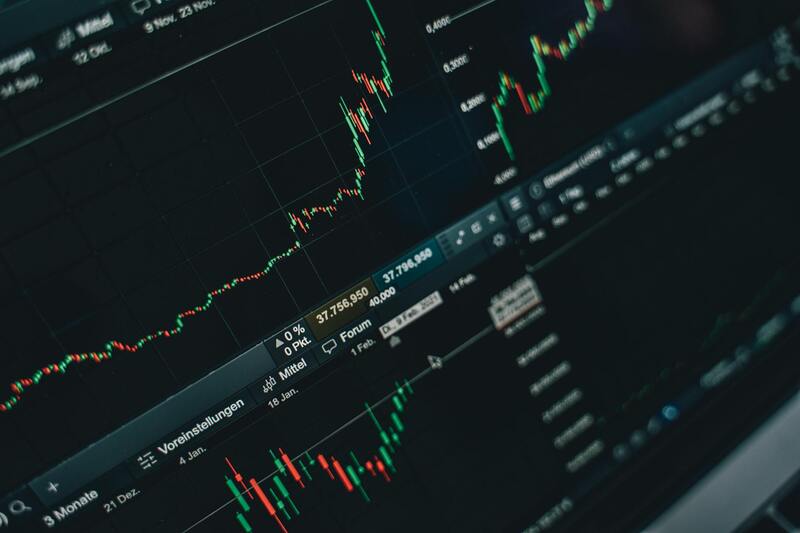
Prop trading firms primarily generate revenue through the trading activities of their traders. Unlike traditional brokerage firms or asset managers that earn commissions or management fees, prop firms benefit directly from the profits generated by their traders' positions. Each successful trade executed within the firm's risk parameters adds to its revenue stream, making trader performance a critical factor in profitability. The firms often implement profit-sharing models, where a portion of the trader’s earnings is retained by the firm, with the remainder allocated to the individual trader. This alignment of interests incentivizes traders to maximize returns while adhering to risk management protocols.
Moreover, many prop firms employ proprietary trading strategies that leverage advanced algorithms, quantitative models, or high-frequency trading techniques. These strategies seek to exploit market inefficiencies, potentially amplifying the firm's earnings. Additionally, some firms develop specialized trading desks focused on specific asset classes such as equities, commodities, or foreign exchange, allowing them to capitalize on niche market opportunities. The combination of trader performance, sophisticated trading methods, and risk management policies forms the backbone of a prop trading firm's revenue generation model.
Trader Selection and Evaluation Processes
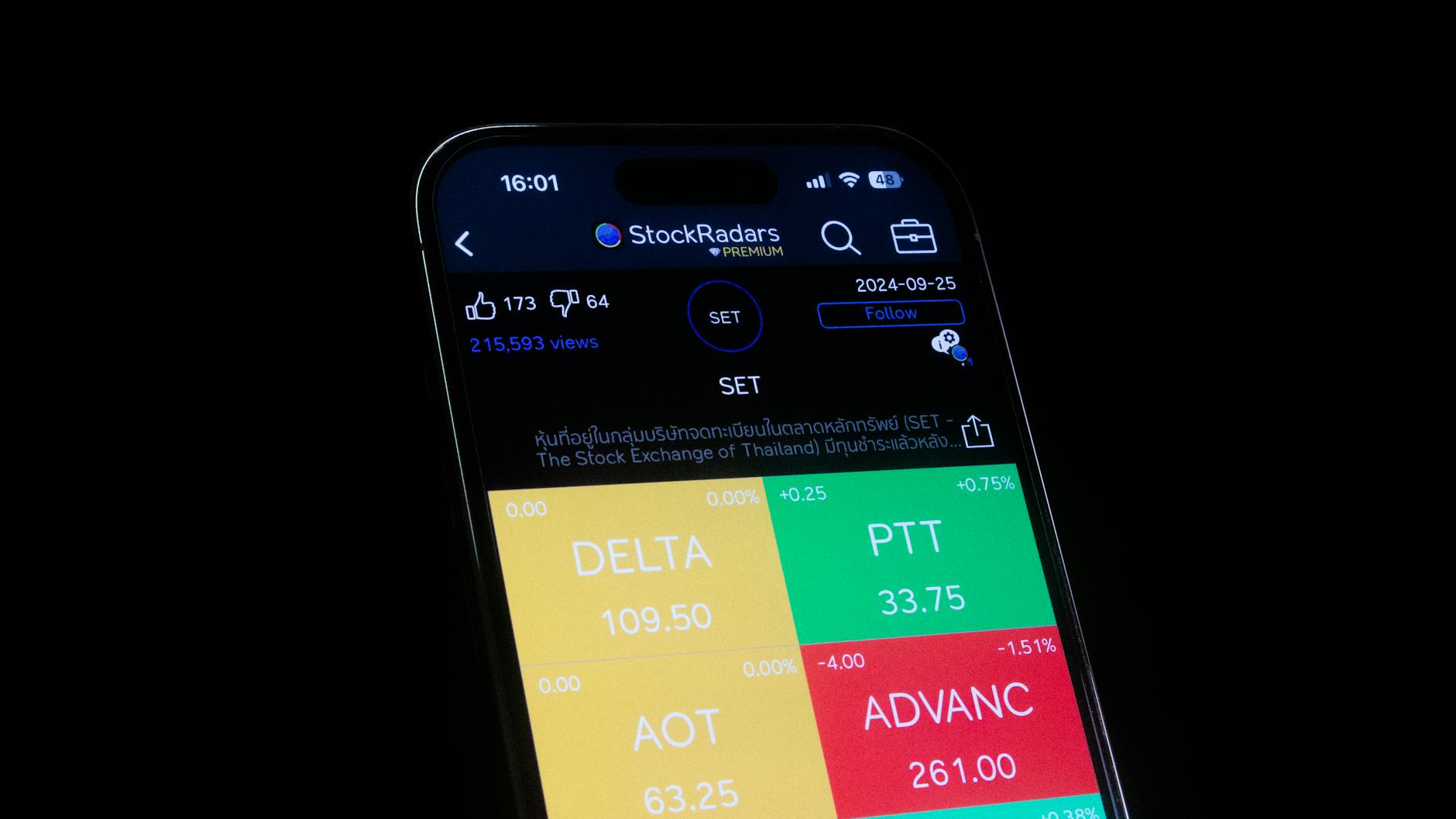
Ensuring the right traders are part of the firm is crucial for sustained profitability. Prop trading firms employ comprehensive selection processes that scrutinize a candidate’s technical skills, trading discipline, and market knowledge. These processes often include multiple stages such as online assessments, in-person interviews, and simulated trading evaluations. Firms seek individuals who demonstrate not just profitability potential but also robust risk management skills.
Post-selection, traders undergo a rigorous evaluation process that monitors their performance over time. This includes tracking metrics such as profit and loss (P&L), drawdowns, risk-adjusted returns, and consistency in trading results. Regular performance reviews are complemented by ongoing training, mentorship, and peer review initiatives, fostering a culture of continuous improvement. Traders who consistently meet or exceed performance benchmarks are typically granted access to increased capital allocations, allowing them to scale their trading activities responsibly.
Holistic evaluation criteria emphasize responsible trading practices, risk discipline, strategic adaptability, and adherence to firm protocols. This comprehensive approach ensures that only traders with proven skill and discipline can access significant capital, which minimizes overall risk for the firm while optimizing profit opportunities.
Understanding How Prop Trading Firms Sustain and Grow
Prop trading firms leverage a variety of strategic and operational methods to ensure their profitability and sustainability in dynamic financial markets. A core aspect of their success hinges on meticulous trader selection, advanced risk management strategies, and technological integration. These firms invest heavily in infrastructure, data analytics, and trader development to maintain a competitive edge, enabling them to adapt quickly to market changes and capitalize on emerging opportunities.
Technological Infrastructure and Data Analytics
Modern prop trading firms rely extensively on cutting-edge technology, including sophisticated trading platforms, real-time data feeds, and algorithmic trading systems. These tools facilitate rapid decision-making, precise order execution, and comprehensive market analysis, which are critical for maintaining a competitive position. Advanced data analytics and artificial intelligence further enhance a firm’s ability to identify patterns, forecast market movements, and optimize trading strategies.
Continuous Trader Development and Performance Monitoring
Training programs, mentorship, and ongoing performance evaluations are integral to a prop trading firm's approach. By fostering an environment of continuous learning, firms ensure that traders remain updated on the latest market developments, risk management techniques, and technological tools. Performance metrics such as profitability consistency, risk-adjusted returns, and adherence to trading protocols are systematically monitored, allowing for data-driven decisions regarding trader capital allocations.

Adapting to Market Dynamics
Prop trading firms maintain agility by staying attuned to macroeconomic trends, regulatory shifts, and technological innovations. They frequently update their strategies to exploit new market niches, sector rotations, and regulatory changes, ensuring that their trading activities remain relevant and profitable. The integration of machine learning algorithms and automated trading systems allows these firms to respond swiftly, minimize losses, and maximize gains in fluctuating conditions.
Securing Capital and Managing Risks
While prop firms actively deploy their own capital, they also implement strict risk management protocols to limit exposure. This includes setting maximum drawdown limits, employing hedging strategies, and diversifying trading portfolios across asset classes. Proper capital allocation based on trader performance and potential ensures sustainable growth without exposing the firm to excessive risk.
Conclusion
In essence, the resilience and growth of prop trading firms depend on their ability to integrate technological advancements, optimize trader performance, adapt to evolving market conditions, and implement rigorous risk management practices. This comprehensive approach allows them to sustain profitable trading operations and capitalize on market opportunities efficiently and responsibly.
