
Overview of Prop Firm Technology Solutions
In the dynamic environment of proprietary trading, the role of advanced technology solutions is integral to operational success. Prop trading firms rely heavily on sophisticated hardware and software systems to streamline trading workflows, optimize execution, and manage risks efficiently. These technology solutions enable traders to access real-time market data, execute trades swiftly, and monitor positions with precision, all while maintaining regulatory compliance and safeguarding sensitive information.
Utilizing cutting-edge technology also enhances the ability of prop firms to analyze market trends, refine trading strategies, and respond swiftly to market fluctuations. As competition intensifies, the deployment of reliable, flexible, and scalable technology becomes essential to sustain growth and profitability. Innovations in cloud computing, algorithmic trading platforms, and secure networking have transformed traditional trading desks into highly integrated digital ecosystems that support complex decision-making processes and reduce operational bottlenecks.

In essence, technology solutions are the backbone of prop trading firms, empowering traders with tools that enhance execution speed, improve risk controls, and facilitate compliance adherence. The evolving landscape continually prompts firms to adopt new technologies that not only meet current demands but also anticipate future requirements, thereby maintaining a strategic advantage in an ever-changing market environment.
Core Components of Prop Trading Technology
At the heart of successful prop trading operations lie integrated systems encompassing multiple core components. These include trading platforms that enable rapid order execution, connectivity solutions for reliable market access, risk management tools for monitoring exposures, and data analytics systems for market insights. Together, these components form a comprehensive technological framework that drives operational excellence and mitigates vulnerabilities.
Robust infrastructure, combined with tailored software solutions, supports seamless trade execution and effective risk oversight. As such, prop firms invest significantly in developing or acquiring proprietary and commercial solutions aligned with their strategic objectives. Maintaining up-to-date, scalable, and secure systems is fundamental to sustaining long-term success in high-frequency and quantitative trading environments.
Trading Infrastructure and Connectivity
Effective prop firm technology solutions rely heavily on a robust trading infrastructure that ensures stability, speed, and low latency. This infrastructure comprises high-performance servers, dedicated Internet connections, and resilient data centers, all optimized to minimize delays and prevent downtime during critical trading periods. Reliable connectivity solutions, such as direct market access (DMA) and colocation services, enable traders to execute orders swiftly and accurately, especially in high-frequency trading environments where milliseconds make a difference.
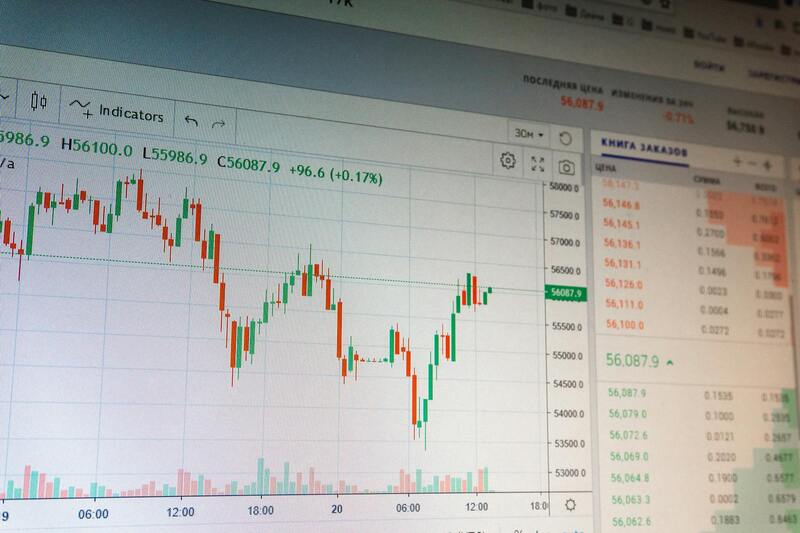
Seamless data transmission between trading terminals and exchanges is facilitated through advanced networking protocols and redundant pathways that ensure uninterrupted operations. These connectivity solutions also incorporate real-time monitoring tools that detect and rectify any issues proactively, maintaining consistent access to multiple international markets and liquidity pools. The integration of cloud-based hosting options further enhances scalability and flexibility, allowing firms to adapt quickly to market fluctuations or strategic shifts.
Risk Management and Compliance Tools
Risk management is central to prop trading, and technology solutions afford sophisticated tools for real-time monitoring and control of trading activities. Modern systems include automated risk assessment modules, limit setting protocols, and alert mechanisms that notify traders and risk officers when predefined thresholds are approached or breached. These measures help prevent excessive losses and ensure adherence to internal policies as well as external regulations.

Compliance tools are integrated into trading platforms to facilitate regulatory reporting, audit trails, and recordkeeping. These solutions often incorporate audit log features that track all trading actions and system activities, ensuring transparency and accountability. As regulations evolve, prop firms continually update their compliance modules to incorporate new mandates, enabling seamless adherence without disrupting trading operations.
Data Analytics and Market Intelligence
Proprietary data analytics systems are vital for extracting actionable insights from vast quantities of market data. These systems integrate real-time market feeds, historical data, and advanced analytics algorithms to support informed decision-making. Visual dashboards provide traders and analysts with a comprehensive overview of market trends, volatility measures, and liquidity insights, thereby enhancing predictive accuracy and strategic planning.

Machine learning and artificial intelligence (AI) modules are increasingly embedded within these systems to identify complex patterns, forecast market movements, and optimize trading algorithms. Such technological capabilities give prop firms a competitive edge by enabling proactive strategies, reducing reaction times, and improving overall trading performance.
Customization and Integration Capabilities
Many prop firms require systems tailored to their specific trading strategies and operational workflows. Modern technology solutions offer extensive customization options, allowing firms to modify interfaces, develop proprietary algorithms, and integrate third-party tools seamlessly. Application programming interfaces (APIs) facilitate these integrations, enabling smooth communication between different software components and ensuring a unified operational environment.

Integration also extends to back-office systems, order management systems (OMS), and compliance platforms, creating an end-to-end processing chain that minimizes manual intervention, reduces errors, and speeds up trade settlement processes. Such interoperability enhances operational efficiency and provides traders with a cohesive user experience.
Security and Data Protection
Security protocols are foundational to prop trading technology, safeguarding sensitive data from unauthorized access and cyber threats. Encryption methods, multi-factor authentication, and regular vulnerability assessments form the core of security strategies implemented across systems. Additionally, physical security measures in data centers and secure cloud infrastructure help protect against data breaches and system intrusions.

Data protection policies also encompass regular backup procedures, disaster recovery plans, and compliance with international standards such as GDPR or equivalent frameworks. This layered security approach ensures that proprietary trading algorithms, client data, and financial records remain protected against evolving cyber risks.
Future Trends in Prop Trading Technology
Innovations in artificial intelligence, blockchain, and quantum computing are poised to redefine prop trading technology landscapes. Emerging AI systems promise even more accurate predictive analytics and autonomous trading capabilities, while blockchain integration enhances transparency and settlement efficiency. Quantum computing promises to exponentially increase processing power, enabling the analysis of complex data sets at unprecedented speeds.
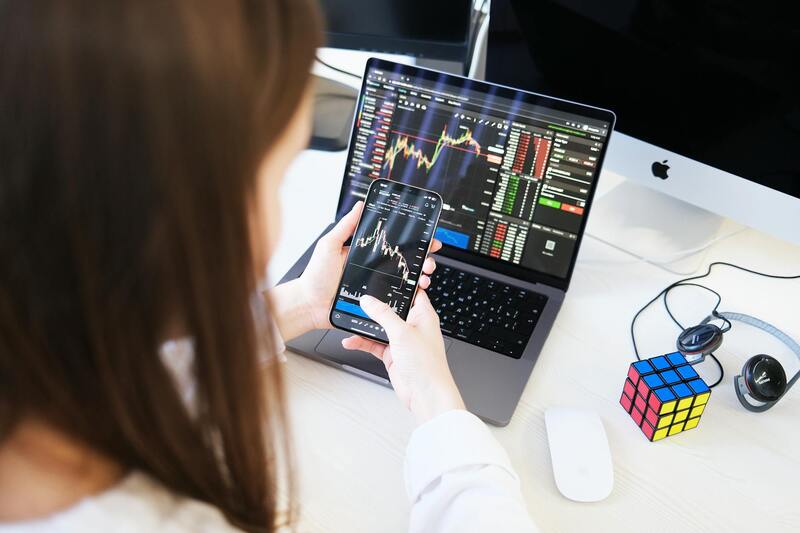
Additionally, increasing emphasis on cybersecurity measures and regulatory technology (RegTech) will continue to influence system development, ensuring that prop firms stay ahead in compliance and risk mitigation. The ongoing evolution of these technologies underscores the importance of continual investment in cutting-edge solutions to sustain competitive advantage in the dynamic trading environment.
Overview of Prop Firm Technology Solutions
Prop trading firms rely heavily on advanced technological infrastructure to maintain a competitive edge and operate efficiently in dynamic financial markets. Technology solutions in this sphere encompass a broad spectrum of systems designed to optimize trade execution, manage risk, ensure security, and provide deep market insights. These solutions are built on robust hardware and software platforms, integrating seamlessly to deliver real-time data processing, automated trading capabilities, and comprehensive compliance oversight. The deployment of such technology allows proprietary traders to execute strategies with precision and agility, leveraging innovations that support scalability and operational resilience.

Core Components of Prop Trading Technology
A successful prop trading operation is underpinned by several pivotal technological components. These include high-speed data feeds, low latency execution systems, and sophisticated algorithmic trading software. The backbone of these operations typically involves interconnected data centers and cloud-based solutions that ensure rapid data transfer and execution capabilities. Additionally, advanced risk management systems integrate with trading platforms to monitor positions, enforce compliance limits, and generate real-time alerts for potential risk exposures.
Institutional-grade hardware, such as dedicated servers and optimized networking equipment, minimizes delays and enhances throughput. Cloud computing environments complement on-premise infrastructure by offering flexible resource scaling, ensuring that trading operations remain unhindered during peak market activities. Furthermore, secure communication networks and encryption protocols safeguard sensitive data and trading activities from unauthorized access or interceptions.
Investment in Cutting-Edge Software Platforms
Prop firms typically utilize proprietary and third-party software solutions that facilitate complex analytics, back-testing, and simulation of trading strategies. These platforms often feature customizable modules to cater to specific trading styles and asset classes, whether equities, futures, or forex. Automated trading systems employ artificial intelligence and machine learning algorithms to adapt to evolving market conditions, providing traders with predictive insights and execution advantages.
Integration capabilities are vital for ensuring that different software components work cohesively. Application Program Interfaces (APIs) enable seamless communication between trading platforms, data providers, risk management tools, and compliance systems. This interconnected architecture results in a streamlined workflow, reducing manual intervention and enhancing overall efficiency.
Security and Data Protection
Given the sensitive nature of trading algorithms, client data, and financial information, prop firms prioritize robust security measures. Multi-layered security protocols include network firewalls, intrusion detection systems, and endpoint security. Data encryption, both in transit and at rest, prevents unauthorized access and ensures confidentiality. Regular security audits and vulnerability assessments keep the technology environment fortified against emerging cyber threats.
Data Backup and Disaster Recovery
To mitigate potential operational disruptions, prop firms implement comprehensive backup strategies, incorporating both on-site and cloud-based storage solutions. Disaster recovery plans outline procedures to restore systems swiftly following outages or cyber incidents, emphasizing minimal downtime and data integrity. Compliance with international standards, such as GDPR, underscores a commitment to protecting client information and maintaining operational trust.

Overview of Prop Firm Technology Solutions
Prop trading firms deploy advanced technology solutions to achieve operational excellence, maintain competitive advantage, and ensure seamless, secure trading environments. These solutions encompass a comprehensive suite of tools designed to facilitate efficient trade execution, risk management, regulatory compliance, and data analysis. By leveraging cutting-edge platforms and infrastructure, prop firms can adapt swiftly to market shifts, optimize trading strategies, and uphold the integrity of their operations, all while aligning with industry best practices and technological standards.

Core Components of Prop Trading Technology
The backbone of a prop firm's technological ecosystem consists of several critical components that work together to enable a smooth and responsive trading experience:
- Trading Platforms: Specialized software that provides traders with tools for market analysis, order placement, and portfolio management. These platforms often integrate with brokers and liquidity providers to ensure rapid execution.
- APIs and Connectivity Infrastructure: Application Programming Interfaces facilitate quick communication between disparate systems, such as trading engines, data feeds, and risk management tools. Reliable connectivity minimizes latency and enhances execution speed.
- Data Management Systems: Robust data storage and processing frameworks support real-time market data, historical datasets, and client information, enabling comprehensive analytics and decision-making.
- Risk Management Tools: Automated systems monitor trading activity to detect anomalies and prevent excessive exposure, ensuring trading aligns with predefined risk parameters.
- Compliance Systems: Automation and tracking tools help ensure adherence to trading regulations, reporting requirements, and internal policies effectively and efficiently.
Trading Infrastructure and Connectivity
At the heart of prop trading technology solutions lies a resilient infrastructure designed to deliver ultra-low latency and high reliability. This involves the deployment of:
- Dedicated Data Centers and Cloud Solutions: To support scalability and availability, prop firms utilize both on-premises data centers and cloud platforms, ensuring flexibility and redundancy.
- High-Speed Market Data Feeds: Direct connections to exchanges and liquidity providers deliver real-time data streams essential for timely trading decisions.
- Low-Latency Execution Protocols: Hardware and software optimizations, including co-location strategies, reduce delays from data receipt to order execution, providing a competitive edge.

Security and Data Protection
The integrity and confidentiality of trading operations depend heavily on sophisticated security measures. Prop firms employ multiple layers of protection to safeguard sensitive data and proprietary algorithms:
- Network Security Protocols: Firewalls, intrusion detection systems (IDS), and virtual private networks (VPNs) create a fortified perimeter around digital assets.
- Encryption Technologies: Data encryption in transit and at rest ensures that information remains confidential and uncompromised during exchanges and storage.
- Access Control and Authentication: Multi-factor authentication (MFA) and role-based access prevent unauthorized personnel from accessing critical systems and data.
- Regular Security Audits: Continuous vulnerability assessments and penetration testing help identify and address potential weaknesses proactively.
Additionally, compliance with international standards for cybersecurity fosters a secure trading environment, reinforcing trust among clients and partners.
Data Analytics and Market Intelligence
Prop firms leverage a variety of sophisticated data analytics tools and market intelligence systems to maintain a competitive edge in fast-paced trading environments. By harnessing real-time data processing capabilities, trading teams can identify market trends, price movements, and liquidity shifts as they happen, enabling more precise entry and exit points. These advanced analytics platforms integrate various data feeds—covering market prices, order book activity, economic indicators, and news sentiment—into cohesive dashboards that facilitate swift and informed decision-making.
Machine learning algorithms further enhance this process by uncovering hidden patterns and predictive signals from massive datasets. With predictive analytics, prop traders can anticipate potential market reversals or volatility spikes, allowing them to adapt strategies proactively. In addition, performance analytics tools enable continuous evaluation of trading strategies, measuring key performance metrics such as win rates, profit factors, and drawdowns, which assist traders in refining their approaches over time.
Market intelligence platforms also provide critical news and sentiment analysis, aggregating data from financial news outlets, social media feeds, and economic reports. This comprehensive perspective helps traders understand the broader market environment, gauge investor sentiment, and react swiftly to emerging opportunities or risks. Effective use of these tools ensures that prop firms can maintain agility and responsiveness amidst rapidly changing market conditions.

Customization and Integration Capabilities
Modern prop firm technology solutions emphasize high degrees of customization and seamless integration across various systems. Traders often require tailored interfaces that align with specific trading strategies, risk profiles, or asset classes. Custom dashboards, automated alerts, and personalized analytics enable users to optimize their workflows and decision-making processes.
Integration with external data providers, trading platforms, and back-office systems is vital for creating a unified operational environment. Proprietary trading algorithms, order management systems (OMS), and execution management systems (EMS) are interconnected to streamline order flow, reduce latency, and improve execution quality. APIs and middleware facilitate these integrations, ensuring data consistency and operational continuity across various platforms and devices.
Furthermore, the capability to adapt quickly to emerging technologies—such as artificial intelligence and cloud computing—allows prop firms to implement innovative solutions that enhance overall performance and scalability. This level of customization and integration helps firms stay agile and competitive in an increasingly technology-driven trading landscape.

Core Components of Prop Trading Technology
Prop firms depend heavily on a cohesive technological ecosystem that supports efficient trading, meticulous risk oversight, and robust data analysis. The core components of prop trading technology revolve around the infrastructure that facilitates rapid execution, high reliability, and secure data management. Central to this is the trading platform itself, which must be capable of handling high-frequency orders with minimal latency. These platforms often feature advanced order types, automated trading capabilities, and intuitive interfaces designed for professional traders.
Alongside the trading platform, connectivity solutions such as low-latency data feeds and high-speed networks are crucial. These tools ensure that traders receive real-time market data, enabling them to capitalize on fleeting trading opportunities. API integrations form a backbone for customizing and extending platform capabilities, allowing seamless interaction between proprietary algorithms, external data sources, and back-office systems.

Trading Infrastructure and Connectivity
Reliable, resilient, and scalable trading infrastructure is essential for maintaining optimal performance. Modern prop firms utilize dedicated servers and colocation data centers strategically positioned near exchanges to minimize latency. High-speed internet connections and redundant network pathways safeguard against downtime, ensuring uninterrupted trading activities.
Connectivity solutions also include smart order routing systems that dynamically select the best execution venues based on market conditions, pricing, and liquidity. These systems are tightly integrated with trading algorithms and execution management systems, which work together to optimize order fills and reduce slippage. Integrating these components with real-time market data feeds enhances overall trading responsiveness, influencing profitability and risk management.

Risk Management and Compliance Tools
Incorporating sophisticated risk management tools directly into trading platforms helps firms monitor and control trading exposure in real-time. Automated risk limits, margin monitoring, and trading halt protocols are embedded features that assist traders and risk officers in maintaining adherence to internal policies and external regulations.
Regulatory compliance tools automate the collection, archival, and reporting of trading data, ensuring transparency and ease of audit. These systems often integrate with trading algorithms and execution platforms to detect anomalies, prevent excessive trading, and enforce risk limits without impeding operational agility.

Data Analytics and Market Intelligence
Advanced data analytics platforms are at the forefront of prop firm technology, transforming raw market data into actionable intelligence. These tools analyze historical trends, price movements, order book dynamics, and other market indicators to identify patterns and inform trading decisions.
Market intelligence solutions incorporate news feeds, social media analysis, and macroeconomic data, offering traders contextual insights that help anticipate market shifts. Visual dashboards displaying key performance metrics, profit and loss traces, and risk exposure provide critical oversight and facilitate strategic adjustments.

Security and Data Protection
Safeguarding sensitive trading information and proprietary data is paramount in prop trading environments. Advanced encryption protocols ensure that all data transmitted across networks remains confidential and tamper-proof. In addition to encryption, multi-factor authentication mechanisms restrict access to critical systems, allowing only authorized personnel to interact with sensitive data and trading platforms.
Regular security audits, vulnerability assessments, and intrusion detection systems are integral to maintaining a resilient infrastructure. These measures help identify and mitigate potential threats proactively, ensuring continuous protection of trading assets and client information. Data backup solutions and disaster recovery plans further enhance security by enabling quick restoration of operations after unforeseen disruptions.

The integration of firewalls, antivirus software, and endpoint security tools creates multiple layers of defense, reducing the risk of unauthorized access and data breaches. Additionally, strict protocol enforcement and regular staff training on cybersecurity best practices are crucial for cultivating a security-focused operational culture. This comprehensive approach ensures that all facets of technological infrastructure remain protected against evolving cyber risks.
Future Trends in Prop Trading Technology
Looking ahead, advancements in artificial intelligence and machine learning will play an increasingly pivotal role in prop firm technology solutions. These innovations will facilitate more sophisticated risk assessment, automate complex trading strategies, and enhance predictive analytics. Furthermore, the adoption of blockchain technology is likely to improve transparency, traceability, and security of trading activities.
Enhanced cloud computing services will enable greater scalability and flexibility for prop firms, allowing them to adapt swiftly to changing market conditions. As data volumes grow exponentially, the importance of efficient data management and security measures will intensify, prompting ongoing evolution of technology solutions tailored to meet these needs.
Overview of Prop Firm Technology Solutions
Prop firm technology solutions encompass a sophisticated set of tools and systems designed to streamline trading operations, enhance execution quality, and manage risks effectively. These solutions integrate multiple facets of trading, from infrastructure setup to compliance, enabling proprietary trading firms to operate efficiently in dynamic markets. A comprehensive approach to technology empowers firms to adapt rapidly to market changes, optimize trading strategies, and maintain competitive advantages through state-of-the-art digital infrastructure. Key elements include trading platforms, connectivity frameworks, risk management tools, data analytics, and security protocols that collectively support sustainable and profitable trading activities.
Core Components of Prop Trading Technology
At the heart of any successful prop trading operation lies an interconnected set of core technology components. These include:
- Trade Execution Platforms: High-performance software that ensures rapid order placement, seamless execution, and minimal latency. These platforms often integrate advanced algorithms to facilitate automated and algorithmic trading strategies.
- Market Data Feeds: Reliable and real-time data streams are critical for traders to make informed decisions. These feeds provide insights into market movements, news, and other relevant information essential for strategic positioning.
- Order Management Systems (OMS): Systems that streamline order flow, tracking, and management, ensuring traders can modify or cancel orders efficiently while maintaining compliance with internal policies.
- Connectivity Solutions: Secure and low-latency networks that connect trading platforms with liquidity providers, exchanges, and data centers, facilitating swift transaction times and execution accuracy.
Trading Infrastructure and Connectivity
Establishing robust trading infrastructure is vital to achieving optimal performance. This includes colocated servers within data centers near exchange hubs, enabling ultra-fast data transfer and order execution. Connectivity solutions must prioritize low latency, high reliability, and redundancy to prevent potential disruptions. Virtual Private Networks (VPNs) and dedicated lines are commonly employed to secure and streamline data flow while ensuring compliance with operational standards. As trading frequency increases, more firms are investing in partnerships with data centers that offer direct access to exchanges, significantly reducing transmission delays and enhancing trade execution speed.
Risk Management and Compliance Tools
Proprietary trading teams face constant scrutiny to maintain risk within defined thresholds. Advanced risk management tools integrated into prop technology systems enable real-time monitoring of trading activities, margin levels, and leverage usage. Automated alerts are set to notify traders of potential breaches, allowing swift corrective actions. These systems also incorporate compliance modules that ensure adherence to trading regulations, internal policies, and reporting requirements. Such features are essential for cultivating operational discipline and safeguarding firm capital.
Data Analytics and Market Intelligence
Data analytics platforms harness vast volumes of market data, news feeds, and trading performance metrics. These insights assist traders in identifying patterns, evaluating strategy effectiveness, and making predictive analyses. Market intelligence tools facilitate rapid decision-making by providing comprehensive dashboards that display real-time analytics, historical trends, and risk assessments. Integrating machine learning models further refines predictive accuracy, helping firms anticipate market movements and adapt strategies accordingly.
Customization and Integration Capabilities
Trade firms often require tailored solutions to align with their unique trading strategies and operational workflows. Modern prop trading technology solutions support extensive customization, allowing firms to develop proprietary algorithms, integrate with third-party tools, and modify interfaces for user preferences. APIs (Application Programming Interfaces) enable seamless integration with existing systems, databases, and external applications. This flexibility ensures that trading environments remain adaptable and scalable, accommodating evolving business needs with minimal disruptions.
Security and Data Protection
As digital assets and sensitive data become integral to prop trading, security measures are paramount. Implementing multi-layered cybersecurity protocols protects against unauthorized access, malware, and data breaches. Regular vulnerability assessments, intrusion detection systems, and encryption protocols safeguard trading data and intellectual property. Additionally, strict authentication mechanisms like multi-factor authentication (MFA) reinforce system integrity. Data protection policies ensure compliance with data privacy standards and prevent operational disruptions caused by cyber incidents. Regular training and awareness programs cultivate a security-conscious culture among staff, reinforcing the importance of safeguarding proprietary information and client data.
