
Understanding Prop Firms and Their Role in Futures Trading
Proprietary trading firms, commonly referred to as prop firms, operate as specialized entities that utilize their own capital to engage directly in financial markets. Unlike retail traders who use personal funds to trade, prop firms allocate significant resources to execute large-scale trades across various asset classes, with a keen focus on futures contracts. These firms are instrumental in providing traders with the necessary capital, advanced infrastructure, and strategic support to capitalize on market opportunities.
Futures trading involves agreements to buy or sell an underlying asset at a predetermined price at a specified future date. Prop firms actively participate in these markets to generate profits through skilled trading techniques, sophisticated analysis, and leveraging capital reserves. Their involvement differs substantially from individual retail traders, as they often utilize a team of experienced traders, proprietary algorithms, and cutting-edge technology to execute timely and strategic trades.
The core distinction between prop firms and retail trading lies in the scale and scope of operations. Prop firms tend to access larger positions in futures markets, execute high-frequency trading strategies, and maintain diversified portfolios to manage risk effectively. Their primary goal is to maximize returns on investments while managing exposure through well-established risk control measures. This professional and organized approach enables prop firms to thrive even amidst volatile market conditions.

Successful prop firms often foster a collaborative environment where traders operate under a structured framework, adhering to strict risk management protocols. They rely heavily on data analytics, trading algorithms, and real-time market data to make informed decisions. Consequently, their activities significantly contribute to increasing liquidity and market efficiency in the futures domain, often setting the stage for strategic market movements.
In summary, prop firms serve as vital participants in the futures trading landscape. Their distinct approach to capital deployment, leverage of advanced technology, and strategic execution underpin their reputation as key drivers in market dynamics, offering a unique platform for professional traders to operate and achieve substantial performance outcomes.
Funding and Capital Allocation in Prop Trading Firms
In futures trading through prop firms, effective capital allocation is pivotal to leveraging opportunities while managing exposure. Prop firms allocate trading capital based on a trader’s skillset, trading history, and risk management performance, ensuring a balanced and sustainable trading environment. This process involves thorough assessment procedures, which include evaluating traders’ risk profiles, trading plans, and past performance metrics.
Once selected, traders are provided with proprietary trading accounts that come equipped with pre-determined capital limits. These accounts allow traders to execute futures contracts with access to significant leverage, amplifying potential gains and risks alike. The allocation process is dynamic, often adjusting to market conditions and traders’ ongoing performance, fostering a disciplined approach to trading capital management.

Financial discipline and risk controls are embedded into the fund management process. Prop firms implement strict risk limits per trader and across trading centers to avoid overexposure and ensure the stability of their trading operations. These limits include maximum daily losses, position sizing, and overall exposure caps, which are often monitored via real-time analytics and automated trading systems. This robust framework helps prop firms maintain resilience during volatile market periods while optimizing profit potential.
Additionally, many firms utilize profit-sharing models that motivate traders to perform within defined risk parameters. These models typically involve splitting profits generated from futures contracts, aligning trader incentives with firm objectives. Such arrangements promote a culture of responsible trading, emphasizing both profitability and risk mitigation.

Overall, the capital allocation policies within prop firms are designed to support scalable, disciplined futures trading. By providing traders with adequate resources and appropriate risk controls, prop firms foster an environment where disciplined strategies and technological advantages converge to produce consistent results.
Understanding Prop Firms and Their Role in Futures Trading
Proprietary trading firms, commonly known as prop firms, play a pivotal role in the futures trading landscape. They serve as dedicated entities that allocate capital to skilled traders, enabling them to execute large, strategic positions in various futures markets. This model allows traders to focus solely on their strategies without the pressure of personal capital constraints, fostering an environment conducive to innovation and disciplined trading practices. Prop firms often develop specialized expertise in futures markets, leveraging advanced analytics, technological infrastructure, and tailored risk management protocols to optimize trading outcomes.

Funding and Capital Allocation in Prop Trading Firms
Effective capital management constitutes a cornerstone of prop trading operations in futures markets. These firms meticulously design their funding mechanisms to balance growth opportunities with risk control. Capital allocation strategies typically involve the assignment of specific trading limits to individual traders based on their experience, track record, and risk appetite. These limits encompass maximum position sizes, daily loss thresholds, and overall exposure caps, which serve to mitigate potential losses and preserve the firm's financial health.
Automated systems and real-time analytics enhance oversight during trading activities, allowing for rapid intervention if risk parameters are breached. This approach not only safeguards the firm's capital but also encourages traders to adhere to disciplined strategies. Additionally, profit-sharing arrangements further incentivize traders to maintain a consistent performance within risk boundaries, aligning their objectives with the firm's long-term stability and profitability.
Capital deployment in futures trading involves a careful allocation process that considers market conditions, volatility levels, and the individual risk profiles of traders. Decentralized yet coordinated management ensures that each trading desk or trader operates within a defined risk environment, promoting resilience during turbulent market phases. The overall goal remains to generate sustainable profits while minimizing downside risks—ensuring the firm’s operations remain robust and adaptable.

Conclusion
Within the realm of futures markets, prop firms serve as vital catalysts for professional traders seeking ample funding, cutting-edge technology, and disciplined risk management frameworks. Their funding mechanisms are structured to foster responsible trading that aligns profitability with sustainability, marking a significant advantage over individual traders operating with personal capital. As futures trading continues to evolve with technological innovations and changing market dynamics, prop firms remain integral to enabling proficient, compliant, and resilient trading ecosystems.
Advanced Methods for Securing Funding in Prop Futures Trading
For traders seeking to expand their capacity within prop firms' futures trading environments, understanding the structured pathways to obtain funding is crucial. Many reputable prop trading firms establish stringent yet transparent qualifying procedures designed to assess a trader’s skills, discipline, and risk management capabilities. These procedures often include simulated trading evaluations, where traders demonstrate their ability to executeStrategy effectively under realmarket conditions, honoring predefined risk parameters.
Once these assessments are successfully completed, traders may be invited to access proprietary capital pools, which allow for increased position sizes and diversified trading opportunities. This phased approach ensures that traders have demonstrated consistent, responsible trading practices before being entrusted with substantial firm capital. It also emphasizes the importance of thorough evaluation processes in safeguarding the firm's assets while fostering trader development.
Official Funding Programs and Partnership Models
Several reputable prop firms implement formal funding programs designed to support traders with verified track records. These programs often involve structured tiers, where traders start with smaller accounts and, upon demonstrating proficiency and meeting specific profitability benchmarks, can progress to larger funding levels. This tiered model encourages continuous skill enhancement and risk discipline, aligning trader incentives with the firm's long-term operational stability.
Additionally, some firms utilize partnership agreements that share risk and rewards directly with traders. Under such arrangements, traders may contribute a portion of their own capital as a sign of commitment and confidence. These partnerships often incorporate performance-based profit sharing, royalty structures, and ongoing funding increments, all governed by clear contractual terms elucidating rights and responsibilities. Access to such official funding avenues provides traders with the stability needed to execute complex futures strategies without risking personal capital.
Legal and Compliance Considerations
Engaging in futures trading through prop firm channels involves adherence to established legal and regulatory standards designed to promote fair and responsible trading practices. Firms typically implement rigorous compliance protocols, including KYC (Know Your Customer) procedures, to verify trader identities and ensure adherence to financial conduct requirements. These measures help protect both traders and the integrity of the trading environment.
Moreover, firms often operate within the frameworks of recognized financial regulations, stipulating transparency in fee structures, profit-sharing agreements, and risk disclosures. Aligning with these official protocols is essential for traders aiming to maximize their potential within a compliant structure and avoid risky or unauthorized trading activities.
Developing a Strategic Approach to Capital Acquisition
Traders looking to secure careers within prop futures trading should focus on developing demonstrable trading records and disciplined risk management skills. Many firms favor applicants who maintain a documented history of consistent profitability, adherence to risk limits, and strategic adaptability across market conditions. Operational transparency, ongoing education, and a proactive attitude toward risk mitigation are critical components for success in obtaining and maintaining funding relationships.
It is always advisable to pursue opportunities through transparent, reputable channels that prioritize trader development while safeguarding capital. Building a strong track record and understanding the official procedures for funding eligibility significantly increase the likelihood of accessing reliable capital sources within the futures trading ecosystem.
Strategies for Mitigating Risks and Ensuring Compliance in Futures Trading
Effective risk management is fundamental when engaging in futures trading through prop firms. Traders must adopt disciplined techniques to safeguard their capital and optimize trading performance. This involves a combination of strategic planning, adherence to established protocols, and leveraging advanced technology to monitor and control exposures.
One of the most critical practices includes setting clear stop-loss and take-profit levels for every trade. These predefined exit points serve to limit potential losses and secure gains, particularly in the volatile futures markets. Maintaining strict adherence to these levels helps prevent emotional decision-making, which can often lead to overexposure or significant financial setbacks.
Moreover, traders should incorporate position sizing techniques. Proper position management ensures that no single trade can disproportionately affect the account balance. Adjusting trade sizes based on the volatility of specific futures instruments and the trader’s overall risk appetite is essential for balanced portfolio management.
Comprehensive record-keeping and continuous performance analysis enable traders to identify patterns, strengths, and weaknesses. Using analytics tools designed for futures trading allows for detailed audits of trading strategies, helping refine approaches and adapt to changing market dynamics.

Many prop firms also require traders to follow certain compliance protocols, including regular trading audits and adherence to risk limits outlined in their internal policies. These measures are vital for maintaining transparency and operational integrity, ensuring that all trading activities align with the firm's risk appetite and regulatory expectations.
Another crucial aspect involves staying updated with market developments, economic indicators, and structural changes within futures instruments. Educated decision-making backed by real-time data and research significantly reduces exposure to unforeseen risks, increases the likelihood of profitable trades, and supports long-term consistency.
Utilizing robust trading infrastructure, such as integrated risk management software, signal analysis tools, and real-time news feeds, equips traders with the necessary resources to navigate complex markets effectively. Combining technological integration with disciplined trading routines creates a resilient approach to futures trading that aligns with both firm policies and market realities.
Profit Sharing, Incentives, and Risk Management in Prop Trading
In the realm of futures trading within proprietary trading firms, a well-structured profit-sharing model remains fundamental to aligning the interests of traders and the firm. Typically, traders are compensated through a percentage of the profits they generate, which incentivizes consistent performance and strategic discipline. The proportional split varies across firms but commonly ranges from 50% to 80%, depending on the trader’s experience, trading volume, and constant adherence to the firm's policies.
Beyond direct monetary rewards, prop firms often employ a comprehensive incentive structure that rewards traders based on performance milestones, adherence to risk parameters, and consistency over time. These schemes motivate traders to refine their strategies, maintain disciplined trading routines, and pursue continuous professional development.
Risk Management Protocols
Effective risk management is paramount in futures trading. Proprietary firms implement rigorous protocols to safeguard their capital while enabling traders to explore market opportunities. These include predefined daily, weekly, and monthly loss limits, which act as guardrails to prevent significant capital erosion. Traders are required to follow strict stop-loss orders and position sizing rules designed to manage exposure effectively.
Additionally, firms utilize advanced risk assessment tools that provide real-time insights into leverage, margin utilization, and profit/loss metrics. These tools help traders make informed decisions promptly, ensuring they remain within acceptable risk levels. Continuous monitoring and performance reviews further facilitate early identification of trading behaviors that deviate from established risk parameters, allowing for timely corrective actions.
Compliance and Operational Transparency
Prop firms often integrate mandatory compliance procedures, including regular audits of trading activity and documentation reviews. These processes help maintain transparency, uphold operational standards, and ensure that all trading activities conform to internal policies and industry best practices. Maintaining detailed records of trades, preferences, and risk exposures also supports ongoing training and development efforts.
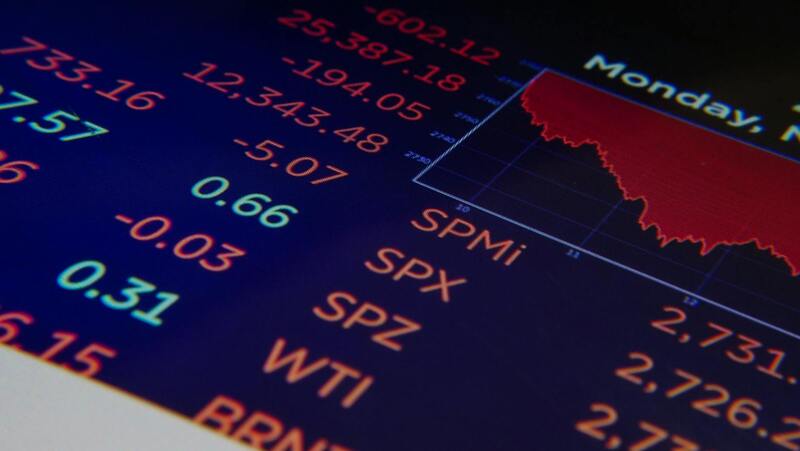
Incorporating technological solutions such as analytics dashboards, automated trading systems, and real-time market data feeds enhances risk oversight and decision-making accuracy. These systems allow traders and risk managers to act swiftly during volatile market conditions, minimizing potential losses and maximizing opportunities.
Ethical Trading and Industry Standards
Above all, maintaining high ethical standards is essential. This encompasses transparent trade execution, accurate record-keeping, and adherence to market regulations. By cultivating a culture of integrity and professionalism, prop firms reinforce their reputation and foster trust with both traders and the broader financial community.
Ultimately, structured profit-sharing schemes combined with robust risk management and transparent operational practices create an environment where traders can thrive while safeguarding the firm's capital. This disciplined approach allows prop trading firms to capitalize on futures markets' opportunities while maintaining stability and confidence in their trading operations.
Deepening the Understanding of Prop Firms and Their Role in Futures Trading
Prop trading firms serve as pivotal players in the futures markets, providing traders with the capital necessary to execute trades without risking their own funds. These organizations establish a symbiotic relationship where traders leverage the firm’s resources to capitalize on market opportunities, while the firm earns a share of the profits generated. This model allows traders to access larger trading sizes and sophisticated infrastructure that may be inaccessible otherwise, fostering an environment conducive to high-level futures trading activities.
Central to prop firms’ operational framework is the development of comprehensive onboarding procedures designed to rigorously evaluate traders' skills, experience, and trading approach. This evaluation process often involves reviewing trading histories, simulating trading scenarios, and analyzing risk management capabilities. Such assessments ensure that only qualified traders are entrusted with the firm's capital, promoting a disciplined and strategic trading environment.
Beyond individual trader assessments, prop firms emphasize ongoing training programs and professional development initiatives. These are tailored to refine trading techniques, enhance understanding of futures markets, and instill robust risk controls. Continuous education helps traders adapt to changing market conditions and evolve alongside technological advancements, thereby maintaining the firm’s competitive edge.

Funding and Capital Allocation in Prop Trading Firms
Effective capital allocation is fundamental to the success of prop firms engaged in futures trading. These firms allocate capital based on a trader’s proven ability, trading style, and risk appetite. The allocation process often involves a tiered system, where initial funding is granted with subsequent increases contingent upon performance metrics and risk management adherence. Such an approach ensures prudent utilization of firm capital and fosters a performance-driven culture.
Financial backing from the firm enables traders to engage in a variety of futures contracts, spanning commodities, indices, currencies, and interest rates. This diversity allows traders to diversify their strategies and hedge against market volatility. Moreover, proprietary firms typically utilize sophisticated capital management systems that dynamically adjust allocated funds across traders, based on real-time performance data and market conditions.
Monitoring and controlling risk exposure is a cornerstone of capital management. Prop firms employ advanced analytics to evaluate traders’ positions continuously, employing strategies such as position sizing caps, diversification rules, and stop-loss protocols. These measures mitigate potential losses and ensure sustainable growth of capital over time.
Futures Markets and Instruments Offered by Prop Firms
Prop firms specializing in futures trading provide access to an extensive array of instruments that cater to various trading strategies. Major futures markets include commodities such as gold, oil, agricultural products, and metals, as well as financial futures including stock indices, treasury bonds, and foreign exchange derivatives. The availability of diverse markets enables traders to implement both speculative and hedging strategies aligned with their market outlook and risk tolerance.
Futures contracts offer leveraged exposure, magnifying both gains and losses. Prop firms equip traders with cutting-edge trading platforms that facilitate swift order execution, sophisticated order types, and real-time market data. This technological infrastructure is crucial for executing complex strategies such as spread trading, arbitrage, and scalping, which are prevalent within futures markets.
Additionally, many prop firms are expanding their offerings to include emerging markets and innovative derivatives, responding to evolving investor demands and technological capabilities. Such diversification provides traders with additional avenues for profit while spreading risk across different asset classes and geographical regions.
Trading Strategies Employed by Prop Traders in Futures Markets
Prop traders leverage a wide spectrum of strategies tailored to the characteristics of futures markets. Trend-following approaches, which capitalize on sustained market momentum, are among the most common. Traders use technical analysis tools—such as moving averages, momentum indicators, and pattern recognition—to identify favorable entry and exit points.
Mean reversion strategies focus on market overextensions, betting on the price returning to its historical average. These strategies require precise risk controls to avoid prolonged adverse movements. Spread trading exploits price differentials between related futures contracts, such as calendar spreads or inter-commodity spreads, providing opportunities for low-risk profit in volatile markets.
High-frequency trading (HFT) and algorithmic strategies are increasingly prominent within prop futures trading. These approaches depend on sophisticated algorithms that execute trades at lightning speeds based on real-time data, exploiting tiny price discrepancies and liquidity imbalances. Such techniques demand robust technological infrastructure and rigorous risk oversight to prevent unintended exposures.
Regardless of the specific strategy, disciplined risk management remains integral. Traders utilize predefined stop-loss levels, real-time P&L monitoring, and strict position sizing to protect firm capital and sustain profitability over the long term.
Profit Sharing, Incentives, and Risk Management in Prop Trading
The profit-sharing model within prop firms typically incentivizes high performance while aligning trader interests with the company's goals. Common structures include a fixed base salary with performance-based commissions or a tiered revenue split, rewarding traders proportionally to their contributions. This arrangement motivates traders to refine their skills, innovate strategies, and uphold disciplined risk controls.
Risk management is woven into the fabric of prop futures trading. Firms enforce strict compliance policies, including maximum position limits, leverage caps, and real-time surveillance systems, to ensure that traders adhere to predetermined risk parameters. Automated monitoring tools alert risk managers of unusual activity or potential breaches, allowing prompt corrective actions.
Trader evaluations often incorporate periodic review of trading performance, adherence to risk protocols, and professional development activities. These evaluations foster an environment of continuous improvement, accountability, and risk awareness, ultimately safeguarding the firm’s capital and supporting consistent profitability.
Official and Well-Established Methods for Participating in Prop Firms Futures Trading
Engaging with proprietary trading firms for futures trading requires adherence to established procedures that ensure transparency, compliance, and mutual benefit. The process begins with comprehensive application procedures where traders submit detailed profiles highlighting trading experience, risk management strategies, and trading objectives. This serves as a foundational step for firms to evaluate potential traders' expertise and compatibility with their operational standards.

Once approved, traders typically undergo rigorous onboarding sessions that cover the firm’s trading platforms, risk management policies, and compliance protocols. These programs are designed to ensure that traders fully understand the operational framework and adhere strictly to the firm's trading guidelines, including position sizing, leverage limits, and reporting requirements. This structured onboarding guarantees that all traders operate within a standardized compliance environment, reducing the risk of missteps that could impact both parties.
Account Funding and Capital Allocation
Prop firms allocate trading capital based on a combination of factors including experience, track record, and demonstrated discipline. The initial funding often involves a risk assessment process, where traders are provided with a set amount of buying power, which can be increased with consistent performance. Some firms also implement a tiered structure, allowing traders to access larger trading accounts as their skills and results improve over time.
- Transparent Capital Distributions
- Defined Profit Sharing Protocols
- Regular Performance Reviews
It is essential that traders maintain detailed records of their trades and adhere to the firm’s risk management frameworks to ensure ongoing access to trading funds. Disputes or misunderstandings regarding account balances and profit calculations are addressed through clear, contractual clauses that outline procedures for audits and dispute resolution.
Legal Documentation and Compliance
Participation in prop futures trading is governed by comprehensive legal agreements that outline the rights and responsibilities of both the trader and the firm. These documents specify trading hours, permissible instruments, and reporting obligations, all aligned with industry-standard practices. Traders are expected to comply with these contractual requirements to maintain operational integrity and safeguard the firm's reputation.

Ongoing compliance also involves reporting any suspicious activities, ensuring timely execution of trades, and maintaining records for audit purposes. Firms may employ automated monitoring systems that track trade activities for irregularities, thus reinforcing best practices in transparent and ethical trading.
Training and Continuous Development
To uphold high standards, successful prop firms invest in continuous education and skill enhancement. Traders are encouraged to participate in advanced training modules, market seminars, and strategy refinement sessions. These initiatives foster a culture of professional growth, ensuring traders stay updated on market dynamics and technological innovations that can influence futures trading strategies.
Impeccable documentation and rigorous adherence to established procedures form the backbone of legitimate futures trading via prop firms. This disciplined approach not only enhances operational security but also promotes long-term sustainability within the industry, fostering a climate of trust and professionalism among all participants.
