
Definition and Purpose of Demo Prop Firm Accounts
In the landscape of proprietary trading, demo prop firm accounts serve as essential tools for both aspiring and experienced traders. These accounts are simulated trading environments provided by proprietary trading firms that aim to replicate real market conditions without risking actual capital. Traders access these accounts to develop their strategies, test their skills, and receive evaluation metrics that determine their suitability for managing live trading accounts.
The primary objective of a demo prop firm account is to facilitate skill development in a controlled environment. Unlike traditional trading platforms, demo accounts offered by prop trading firms come with predefined rules, specific trading objectives, and metrics that mimic live trading scenarios. This setup allows traders to refine their techniques, understand risk management principles, and adapt to market volatility without financial repercussions.
Within prop firms, establishing a strong performance in a demo account often forms the basis for obtaining a funded live account. Success in the demo phase demonstrates a trader’s ability to operate within set parameters, such as drawdown limits and profit targets, which are critical for maintaining the firm's capital and reputation. Consequently, these accounts act as an initial assessment stage, ensuring traders meet the firm's standards before transitioning to managing actual funds.
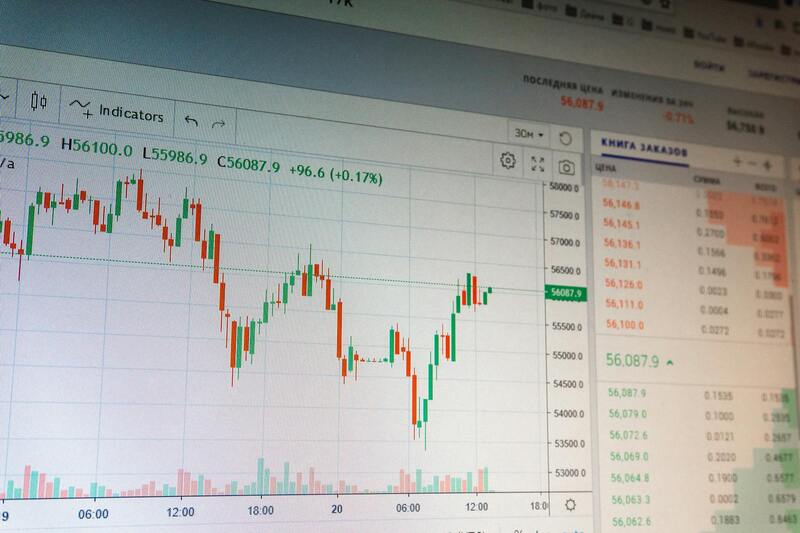
Overall, demo prop firm accounts are integral to the proprietary trading ecosystem, fostering skill acquisition, strategic testing, and performance validation. They bridge the gap between knowledge and real-world trading by providing a safe yet rigorous environment that prepares traders for the challenges of live markets.
Features and Characteristics of Demo Accounts
Demo accounts provided by prop firms come with distinct features designed to simulate real trading conditions as closely as possible. Traders typically access these accounts via web or trading platform applications, which offer a comprehensive suite of tools to analyze markets and execute trades.
- Simulated Market Conditions: Dynamic price movements mimic real-time market volatility, allowing traders to experience the pressure and decision-making processes involved in live trading.
- Predefined Rules: Many demo accounts are governed by specific rules such as maximum drawdown limits, profit targets, and trading time limitations to simulate professional trading environments.
- Progress Monitoring: Advanced analytics and reporting tools track trader performance, habits, and adherence to rules, providing valuable feedback for improvement.
- Risk Management Tools: Features such as stop-loss and take-profit orders guide traders in managing their risks effectively, fostering disciplined trading practices.
- Educational Resources: Some prop firms include training modules or skill assessments integrated within the demo environment, assisting traders in enhancing their capabilities.
The accessibility of these features makes demo accounts invaluable for learning and strategy development. They simulate the emotional and practical aspects of trading, preparing traders for the real challenges of live account management.
Differences Between Demo and Live Prop Firm Accounts
While demo accounts are designed to mimic live trading, fundamental differences exist that impact trader experience and expectations. Understanding these distinctions helps traders transition smoothly from practice to actual trading.
- Capital at Stake: Demo accounts use virtual money, thereby eliminating financial risk. Conversely, live accounts handle real funds with real monetary consequences attached to each trade.
- Market Impact and Execution: While demo accounts aim to replicate market conditions, latency and order execution may differ slightly from live environments, especially in high-volatility periods.
- Trader Psychology: The absence of financial loss in demo accounts can influence how traders approach risk and discipline. Managing emotions and stress levels is often more challenging when real money is at stake.
- Performance Expectations: Achieving consistent results in a demo does not always translate directly to success in live trading due to psychological factors and changing market liquidity.
How Prop Trading Firms Use Demo Accounts
Proprietary trading firms leverage demo accounts primarily as evaluation tools. They set specific performance criteria that traders must meet or exceed to qualify for funding. These criteria include profit targets within a set period, adherence to risk management rules, and consistency in trading behavior.
Firms often assign a specific trading challenge or evaluation phase, where traders are monitored across various metrics. Successful traders demonstrate the ability to generate profits while complying with firm policies on drawdowns and trade frequency. The performance in the demo phase is critical, as it dictates whether a trader will be offered a funded account and entrusted with real capital.
Benefits of Using a Demo Prop Firm Account
Utilizing demo accounts offers numerous advantages for traders aiming to break into proprietary trading. These benefits include:
- Cost-Effective Skill Development: Traders can hone their strategies without risking their own finances, enabling experimentation and learning from mistakes.
- Assessment and Feedback: Detailed performance analytics provide insights into strengths and areas for improvement, guiding traders towards better practices.
- Preparation for Live Trading: The simulated environment prepares traders psychologically and technically for the demands of managing real capital.
- Access to Structured Evaluation: Evaluation criteria in demo accounts offer clear benchmarks for progress, motivating disciplined trading behavior.
- Opportunity for Funded Accounts: Demonstrating consistent performance can lead to funding opportunities, providing real capital and profit-sharing arrangements.
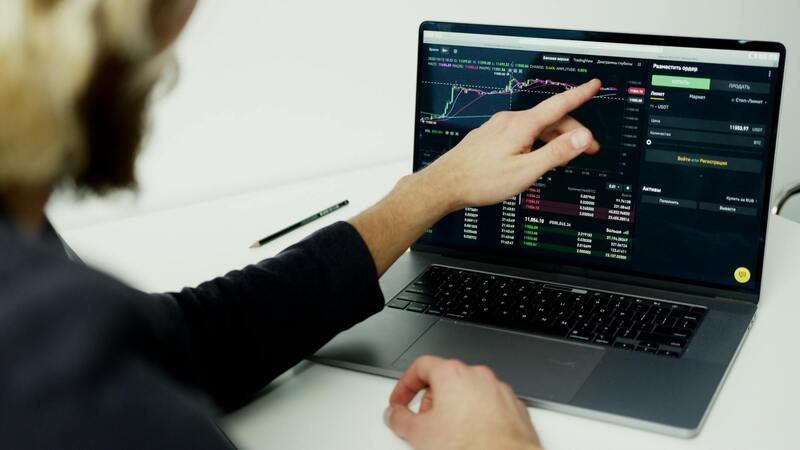
Features and Characteristics of Demo Accounts
Demo prop firm accounts serve as essential tools in the proprietary trading industry, offering traders a risk-free environment to develop and refine their trading skills. These accounts typically replicate the features and functionalities of live accounts, providing a realistic trading experience through sophisticated simulation environments. One of the defining attributes is the allocation of virtual funds, which range from thousands to millions of dollars depending on the firm's structure and evaluation stage.
Trading platforms accessible within demo accounts are often identical to those used in live trading, allowing traders to familiarize themselves with order execution, charting tools, and risk management features. This consistency ensures that skills developed in the demo phase can be directly translated into live trading scenarios. Interactive dashboard interfaces display critical performance metrics such as profit and loss (P&L), drawdowns, trading frequency, and leverage usage, offering traders comprehensive insights into their progress.

The environment of a demo account is calibrated to mirror actual trading conditions, including market volatility, order execution delays, and liquidity constraints. Many firms incorporate simulated news feeds and market events to challenge traders with dynamic scenarios that test decision-making under pressure. Such features are critical for developing a resilient trading mindset and for understanding how various market factors influence trading outcomes.
Additionally, demo accounts often include structured evaluation modules that set specific goals, such as reaching a target profit within a defined period while adhering to risk limits. These metrics serve as benchmarks, guiding traders through different phases of their evaluation process. The fairness and transparency of these simulated environments are maintained through strict adherence to the same trading rules and risk parameters enforced in live accounts, fostering disciplined and consistent trading behavior.
Traders benefit from the realistic risk-reward ratio, position sizing, and stop-loss mechanisms implemented within demo accounts. This approach ensures they acquire practical skills in managing trades effectively without experiencing financial loss, allowing them to build confidence and expertise before transitioning to live capital management.
In summary, the key characteristics of demo prop firm accounts encompass virtual funding, identical trading platforms, realistic market simulations, detailed performance tracking, and structured evaluation frameworks. These features collectively help traders prepare for the challenges of real-market trading while honing their strategies in a controlled and feedback-rich environment.
Definition and Purpose of Demo Prop Firm Accounts
Demo prop firm accounts serve as simulated trading environments designed specifically for aspiring traders aiming to work with proprietary capital. These accounts mirror the conditions of live trading, providing a platform where traders can demonstrate their skills without risking real money. The primary purpose of such accounts is to evaluate a trader’s ability to develop effective strategies, manage risk appropriately, and adhere to predefined trading guidelines established by the prop trading firm. Institutions utilize demo accounts to identify promising talent, offering a risk-free setting where traders can prove their capability to execute trades consistently and responsibly.
Unlike standard trading simulations, demo prop firm accounts are tied to the operational protocols of Funding agencies or proprietary trading entities. This connection provides traders with an understanding of the specific risk management practices and performance standards expected in a real trading environment. Overall, these accounts are invaluable tools for skill development, risk assessment, and for establishing a clear pathway towards managing actual firm-funded accounts, allowing traders to align their abilities with the specific requirements of proprietary trading operations.
Features and Characteristics of Demo Accounts
Demo prop firm accounts typically feature a suite of advanced tools designed to mimic live trading conditions. These features include realistic market simulations that replicate real-time data, order execution options that mirror real trading platforms, and performance tracking systems that record every trade executed during the simulation. Such detailed metrics help traders analyze their decision-making processes, refine their strategies, and understand their risk appetite in a controlled environment.
- Virtual Funds: Traders operate with a set amount of virtual capital that simulates real funds, allowing for practice without financial consequences.
- Uniform Platform Access: The trading interface used in demo accounts is identical to the live platform used once funding is gained, ensuring seamless transition and familiarity.
- Market Simulations: Dynamic environments mimic real-world volatility, news impacts, and liquidity conditions.
- Performance Metrics: Detailed reports track profitability, drawdowns, risk-to-reward ratios, and adherence to trading rules.
- Evaluation Modules: Structured challenges and benchmarks help traders measure their readiness to manage real capital.
Such characteristics foster a comprehensive understanding of trading dynamics, enabling participants to build confidence and technical proficiency necessary for successful prop trading.
Image Placeholder: 
Differences Between Demo and Live Prop Firm Accounts
While demo and live accounts share several features, notable distinctions influence a trader’s progression and risk management strategies...
Features and Characteristics of Demo Accounts
Demo prop firm accounts are designed to simulate real trading environments, providing traders with an authentic experience of platform usage and market conditions without risking actual capital. They typically utilize advanced trading software that mirrors the interface and functionalities of live trading platforms, including order types, charting tools, and execution methods. This fidelity ensures that traders develop skills in a setting that closely resembles actual trading scenarios.
One of the hallmark features of demo accounts is the provision of virtual funds—usually a fixed amount or scaled-up capital—that traders can utilize to execute trades. These funds enable ongoing practice, risk-free experimentation, and strategy testing. Moreover, these accounts often incorporate real-time market data, ensuring that traders experience market volatility, liquidity fluctuations, and news impacts just as they would in live trading.
Performance evaluation tools are integral to demo accounts, offering detailed analytics on trade outcomes, such as profit and loss, drawdowns, and adherence to trading rules. These insights foster continuous learning and strategic refinement. Additionally, structured challenges or trading benchmarks are commonly embedded to measure multidimensional skills like risk management, consistency, and decision-making under pressure.

Differences Between Demo and Live Prop Firm Accounts
While both account types share core functionalities, several areas distinguish demo accounts from their live counterparts. The primary difference lies in the nature of funds used; demo accounts employ virtual capital, whereas live accounts involve actual financial investment. The emotional experience also diverges significantly—trading with virtual funds typically lacks the psychological pressures associated with real money, which can influence decision-making and risk appetite.
Order execution speeds and slippage may differ subtly, as live markets can behave unpredictably, while demo accounts often execute trades instantly without broker-related delays. Furthermore, the stakes are nonexistent in demo trading, which may lead to different behaviors in real trading conditions where the financial consequences are tangible. Nonetheless, the technical platform remains consistent, ensuring skill transferability.
Another notable aspect is the evaluation process; demo accounts often feature structured testing modules aimed at assessing a trader's aptitude, discipline, and consistency before granting access to live trading or funding. This systematic approach enhances the overall training process and helps traders develop vital skills necessary for managing funds responsibly.

How Prop Trading Firms Use Demo Accounts
Prop trading firms leverage demo accounts as a fundamental component of their trader development and evaluation processes. These simulated platforms serve multiple strategic purposes, primarily centered around assessing a trader’s skill level, discipline, and ability to adhere to a set of predefined rules and risk limits. By providing a controlled environment, firms can observe how traders execute strategies, manage risk, and respond to market volatility without exposing real funds to unnecessary risk.
During the evaluation or training phase, traders are typically required to meet specific performance metrics within the demo platform. These benchmarks may include achieving a target profit percentage, maintaining drawdowns within acceptable limits, and demonstrating consistent decision-making over a set period. Successful navigation through these parameters often results in progressing to live trading and potential funding, providing a stepping stone from simulation to real capital management.
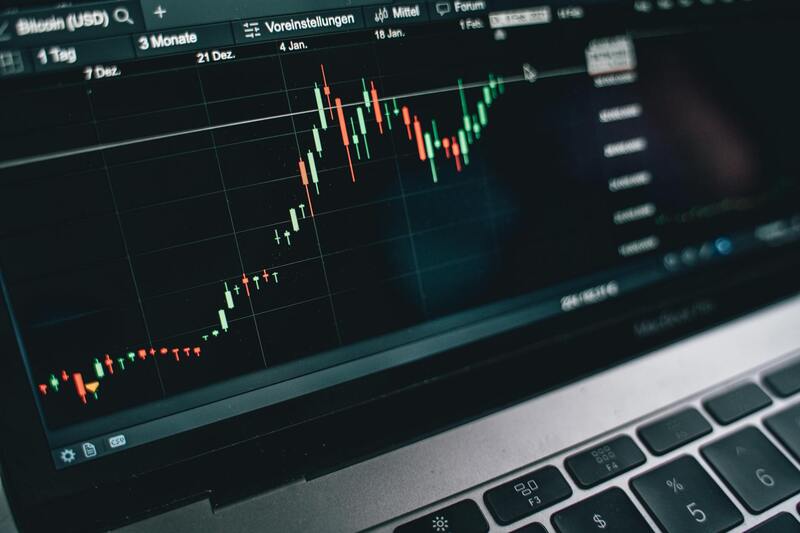
Prop firms also use demo accounts to familiarize traders with their proprietary trading platforms. This onboarding process ensures that traders are comfortable with the interface, order execution processes, and risk management tools available within the firm's ecosystem. Such training minimizes operational errors and enhances efficiency once traders transition to live trading.
Another critical application of demo accounts involves risk management strategy testing. Traders can experiment with various trading styles—whether scalping, day trading, or swing trading—while evaluating the effectiveness of their approaches in a risk-free setting. This experimentation enables traders to refine their strategies, develop consistent routines, and understand how different market conditions impact their performance.
Furthermore, the insights gained from demo trading assist prop firms in identifying promising candidates for funding programs. They review trading records, adherence to rules, and overall consistency. This rigorous vetting process ensures that only traders demonstrating discipline and skill are entrusted with real capital, aligning trader capabilities with the firm's risk appetite.
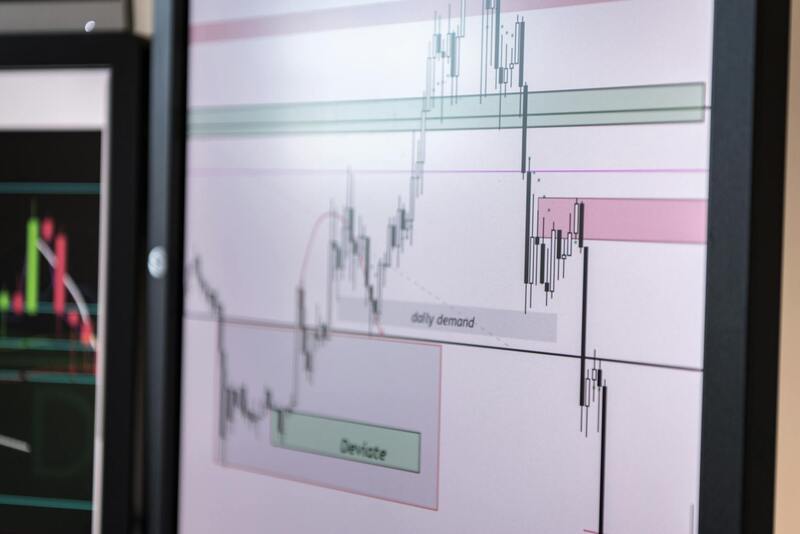
Technical feedback and performance analysis derived from demo trading sessions also enable firms to tailor their training programs. Based on trading behaviors observed during simulation, customized coaching can be provided to address specific weaknesses—such as improper risk controls or emotional decision-making—thereby fostering responsible trading habits.
In summary, demo accounts serve as an essential platform for prop trading firms to identify, train, and evaluate traders in a risk-mitigated environment. This approach helps cultivate skilled traders capable of managing real capital responsibly while maintaining the firm’s financial stability and reputation. Through structured testing, platform familiarization, and targeted strategy development, demo accounts are integral to the systematic development process employed by professional prop trading firms.
Understanding the Transition from Demo to Live Prop Firm Accounts
Transitioning from a demo prop firm account to a live trading environment represents a critical milestone in a trader’s developmental journey. This process involves more than just moving funds; it requires focused adjustments in trading mindset, risk management, and strategy execution. Prop firms carefully monitor traders' performance during the demo phase to ensure they have developed the necessary discipline and skill set before granting access to real capital.
To facilitate a successful transition, traders should demonstrate consistent profitability, adhere strictly to risk constraints, and maintain emotional composure under simulated market pressures. Prop firms often set specific criteria that must be met, such as achieving a minimum profit target within a designated period, without surpassing maximum drawdown limits. Meeting these benchmarks confirms the trader's ability to manage risk prudently and execute trading plans systematically.

Once criteria are met, the trader may undergo a formal review process, during which the firm assesses trading behavior, risk management consistency, and overall adherence to guidelines. This comprehensive review ensures that only traders with a proven track record of responsible trading are entrusted with live accounts, thereby safeguarding the firm’s capital and reputation.
Key Factors for a Smooth Transition
- Performance Consistency: Maintaining steady profitability over time suggests a sustainable trading approach.
- Risk Management Discipline: Demonstrating strict adherence to risk parameters, such as maximum drawdowns, helps minimize potential losses in live conditions.
- Emotional Resilience: Managing stress and emotional reactions during trading periods contributes to sound decision-making.
- Strategy Robustness: Having proven strategies that adapt well to different market conditions is essential for long-term success.
Some prop firms may require traders to complete additional training modules, pass evaluation tests, or demonstrate their understanding of firm policies before activation of live accounts. This layered approach emphasizes the importance of preparedness and responsible trading behavior in a real-market setting.
post-Transition Monitoring and Support
After transitioning, traders often benefit from ongoing oversight and support. Many prop firms provide continued mentorship, advanced training, and regular performance reviews to ensure traders stay on track. This continuous support fosters the development of disciplined trading habits and helps mitigate risks associated with emotional decision-making or strategy drift.

Importantly, traders should treat their first live accounts with respect and caution, applying the lessons learned during demo trading. Gradual scaling of trading size and strict adherence to risk limits can help prevent large losses early in the live phase. Building a consistent track record in live trading not only satisfies prop firm requirements but also sets the foundation for long-term profitability and growth in the trading career.
Understanding the Transition from Demo to Live Prop Firm Accounts
Transitioning from a demo prop firm account to a live trading environment marks a significant milestone in a trader's development. While demo accounts offer a risk-free setting to hone trading strategies, the shift to a live account involves real financial risk, emotional resilience, and disciplined execution. Successful traders approach this transition with careful planning and adherence to established procedures that help mitigate potential setbacks. This phase typically involves a comprehensive evaluation process, during which prop firms assess a trader's consistency, risk management, and ability to sustain profits over a predetermined period. These criteria ensure that traders are well-prepared to handle the realities of live trading, including market volatility and psychological pressures. Transition protocols often include a mandatory performance review based on demo account results, where traders demonstrate their capability to manage risk, follow trading rules, and maintain profitability under real-market conditions. Adherence to strict risk management practices during this phase is crucial; for instance, limiting trade sizes and maintaining disciplined use of stop-loss orders preserves capital and minimizes potential losses. Once a trader meets the firm's criteria, they typically move into the live trading phase with a funded account, allowing them to apply their skills within real market environments. Consistent performance during this transition phase not only affirms a trader’s readiness but also helps establish a track record that can facilitate further growth and increased funding opportunities within the firm.
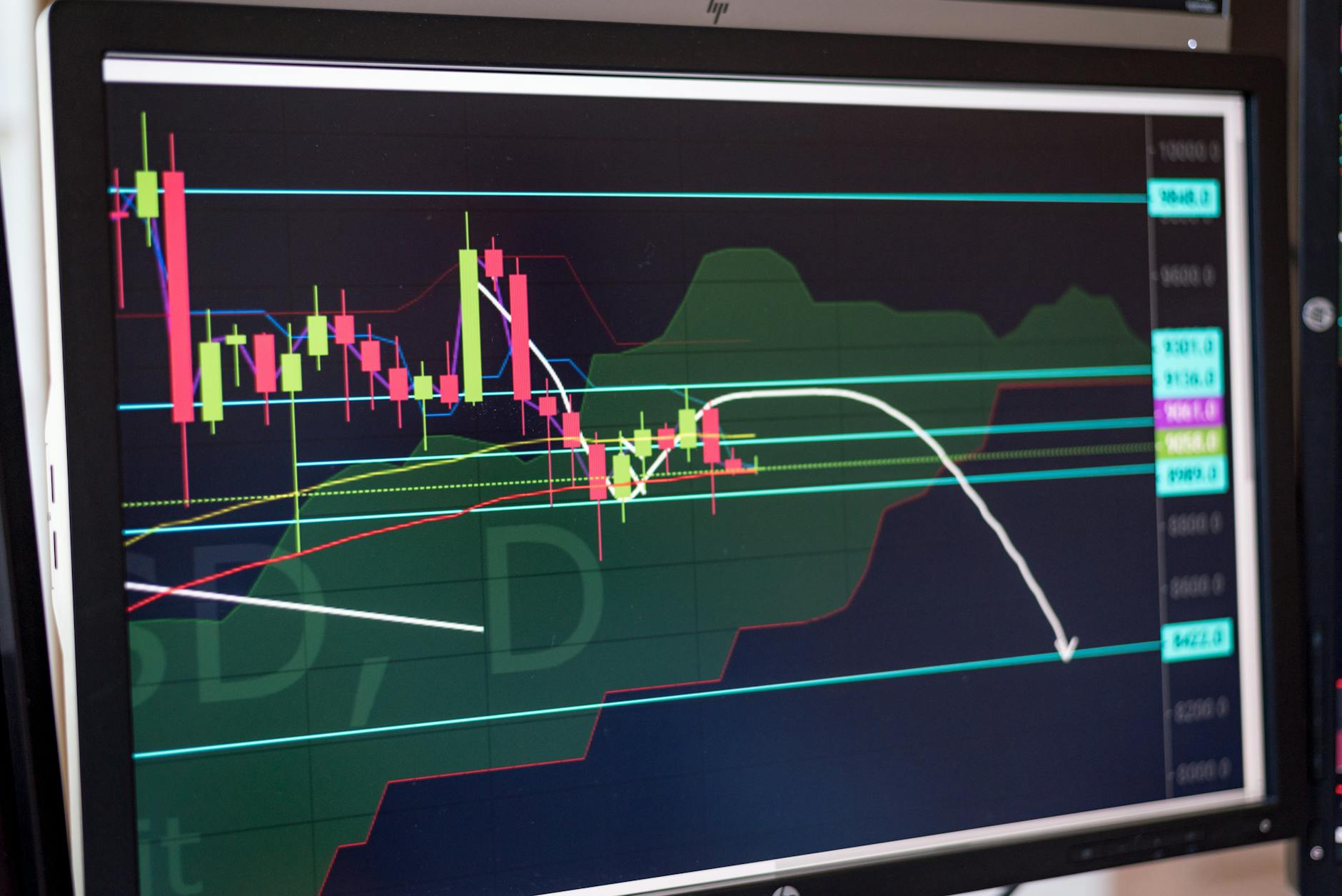
For traders, the key to a smooth transition involves a combination of disciplined risk management, psychological preparedness, and a thorough understanding of the firm's evaluation criteria. Maintaining a steady performance in the demo phase, coupled with careful adjustment to the emotional and financial pressures of live trading, forms the foundation of long-term success in the prop trading industry.
Understanding the Transition from Demo to Live Prop Firm Accounts
Successfully moving from a demo prop firm account to a live trading environment marks a pivotal milestone in a trader's development within the proprietary trading industry. This transition not only reflects a trader’s proficiency in applying their strategies under simulated conditions but also tests their readiness to operate with real capital and real market pressures. To facilitate this shift, traders must demonstrate consistent performance and risk management skills during the demo phase, aligning with the firm’s predefined evaluation metrics.
Protocols and Performance Benchmarks
Most prop trading firms establish clear performance benchmarks that must be met before granting access to a funded live account. These benchmarks include achieving specific profit targets, maintaining adherence to risk management rules, and exhibiting consistent trading behavior over a designated period. For example, a firm might require traders to maintain a maximum drawdown limit, adhere to specified leverage constraints, and demonstrate the ability to generate consistent profits without taking excessive risks.
Risk Management and Psychological Preparation
Transitioning involves more than just achieving numerical goals; traders must also cultivate a resilient psychological mindset. Managing emotional responses to gains and losses is critical when shifting to live trading. It is essential to implement disciplined risk controls, such as setting appropriate stop-loss and take-profit levels, to protect capital during this phase. Moreover, traders should gradually increase their trading size to adapt to the higher stakes associated with real funds, fostering confidence without exposing themselves to unnecessary risk.
Gradual Increase in Trading Size
Many prop firms recommend or require a phased approach when scaling from demo to live accounts. This process involves starting with smaller position sizes to minimize potential losses while gaining familiarity with live trading conditions. Over time, as performance and confidence improve, traders may increase their trading sizes gradually, ensuring they do not deviate from the disciplined strategies tested during the demo period. This incremental approach helps in managing psychological stress and ensures that traders do not prematurely take on risks they are not prepared for.
Performance Tracking and Documentation
Maintaining detailed records of trading activities during the demo phase can serve as a valuable reference during the transition. Proper documentation of trade rationale, risk management decisions, and emotional responses helps in self-assessment and continuous improvement. Prop trading firms often review these records during performance evaluations to verify consistency and adherence to firm protocols.
Final Evaluation and Funding Decision
Once the trader demonstrates consistent, rule-compliant performance over a predetermined period, the firm typically conducts a comprehensive review. This review considers performance data, risk management behaviors, and overall discipline. Successful candidates are then offered access to a funded live account, allowing them to execute real trades with real capital. This step signifies a validation of the trader's skills and preparedness for the realities of live markets.
Visual Guidance for Transitioning
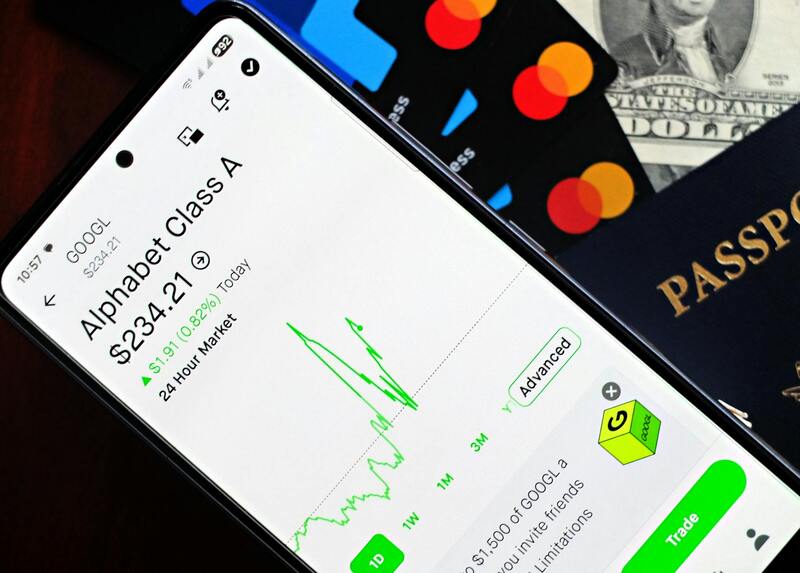
Key Takeaways for a Smooth Transition
- Develop and stick to a structured trading plan tested during the demo phase.
- Implement strict risk controls, including stop-loss orders and position sizing.
- Gradually increase trading sizes to adapt to real market dynamics.
- Maintain comprehensive trading records for review and improvement.
- Prepare psychologically to handle the emotional aspects of live trading.
Following these best practices can improve the likelihood of a successful transition, setting the stage for sustainable profitability and long-term growth within the prop trading environment.
