
Understanding Prop Trading Firms and Demo Accounts
Proprietary trading firms, commonly referred to as prop firms, are organizations that finance skilled traders to execute trades using the firm's capital. Unlike retail trading, where traders use their own money, prop firms provide the resources and leverage needed to maximize trading potential. These firms focus on identifying talented traders and offering structured programs that often include training, risk management parameters, and performance evaluations.
One essential tool in evaluating and preparing for a career with a prop firm is the demo account. A demo account is a simulated trading environment that mimics live market conditions without risking actual funds. Traders can practice trading strategies, test new approaches, and gain experience in real-time market scenarios. For aspiring traders, demo accounts offer a valuable platform to understand market dynamics, develop discipline, and refine their skills before moving on to funded trading.
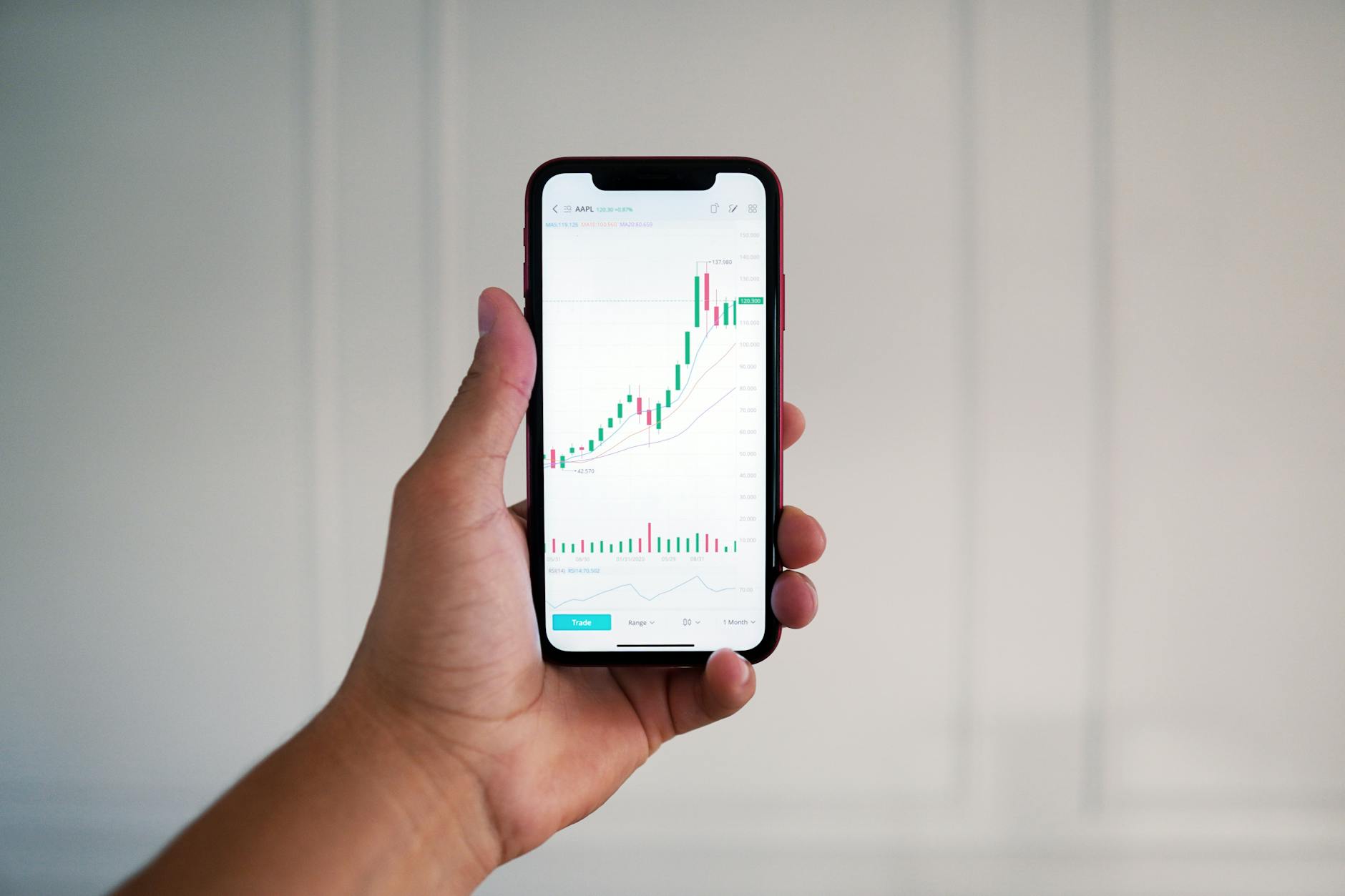
Using a demo account with a prop firm is an effective way to demonstrate trading capabilities and adhere to the firm’s risk management protocols. Since these accounts simulate actual trading conditions, they provide insights into how traders handle volatility, execute orders, and manage their portfolio without the pressure of real financial loss. This preparation stage is crucial for transitioning smoothly into funded live trading, where traders are authorized to trade with firm capital.
Benefits of Using Demo Accounts with Prop Firms
- Realistic market simulation that replicates live trading conditions
- Opportunity to test and refine trading strategies without financial risk
- Ability to understand the specific rules and risk parameters set by the prop firm
- Enhancement of trading discipline through practice and consistency
- Performance tracking and feedback to identify strengths and weaknesses
How to Access a Prop Firm’s Demo Account
Accessing a demo account typically involves registering with the prop firm’s official platform, which is often available via their website. The registration process is straightforward, requiring basic personal information and agreement to the firm’s terms of use. Once registered, traders are provided with login credentials to access the demo trading platform. This allows immediate practice in simulated market environments tailored to the firm’s specific rules and trading instruments.
Key Features of Prop Firm Demo Accounts
- Pre-configured trading parameters aligned with the firm’s risk management policies
- Limited timeframes or trading goals designed to evaluate trader performance
- Access to real-time market data to simulate actual trading conditions
- Progress tracking tools to monitor trading activity and results
- Built-in restrictions such as maximum drawdowns or position sizes
Using Demo Accounts to Prepare for Funded Trading
The primary purpose of a demo account is to prepare traders for the transition to live, funded trading. It allows traders to fine-tune their approach to risk management, test their ability to adhere to trading plans, and build confidence in their decision-making processes. Consistent performance and discipline in demo trading often serve as strong indicators of readiness for actual funded trading, where real capital is at stake and emotions can influence decisions.
Transitioning from Demo to Live Trading with Prop Firms
After demonstrating proficiency and consistency on the demo platform, traders generally participate in evaluation challenges or verification phases set by the prop firm. Successful compliance with these requirements typically leads to the granting of funded trading accounts. Transitioning involves understanding the firm’s specific rules for live trading, executing trades within prescribed limits, and maintaining disciplined risk management practices established during the demo phase.
Risks and Limitations of Demo Accounts
While demo accounts are invaluable for training and development, they do not fully replicate emotional and psychological pressures associated with live trading. Traders might experience different behaviors when real capital is at risk, which can affect decision-making. Additionally, certain market conditions may behave differently in a live environment due to factors like slippage or order execution delays not always present in demo simulations.
Choosing the Right Prop Firm with Demo Options
When selecting a prop firm that offers demo accounts, it is important to focus on the firm’s reputation, the transparency of their trading programs, and the features of their demo platforms. Effective demo accounts are designed to mirror real trading conditions as closely as possible, providing a comprehensive preparation environment. Evaluating the firm’s rules regarding funded accounts, fee structures, and support services can help traders find a suitable partner to develop their skills and progress to live trading efficiently.
How to Access a Prop Firm’s Demo Account
Accessing a demo account through a proprietary trading firm begins with identifying those that provide this option as part of their onboarding process. Most reputable firms offer sign-up procedures on their official websites, where traders can create a dedicated demo profile. Registration often requires providing personal information, such as name, email, and sometimes trading experience details, to tailor the simulation experience accordingly.
Once registration is completed, traders are typically granted immediate access to the firm’s demo trading platform. This platform is usually identical to the live environment, allowing users to familiarize themselves with its layout, tools, and functionalities without risking real capital. Some firms may also provide downloadable desktop platforms or mobile applications for seamless practice across devices.

Before diving into trading activities, it is advisable to go through any onboarding tutorials or training modules provided by the firm. Many organizations incorporate comprehensive educational resources within their demo platforms, including tutorials, market analysis tools, and risk management guidelines, to accelerate learning and skill development.
Key Features of Prop Firm Demo Accounts
- Realistic Market Conditions: High-quality demo accounts simulate live market environments, including varying spreads, slippage, and order execution delays to provide authentic trading experiences.
- Risk Management Tools: Traders can utilize stop-loss, take-profit, and trailing stop features, mirroring real trading options to develop effective risk control strategies.
- Performance Tracking: Detailed analytics and reporting features allow traders to review their trades, identify strengths and weaknesses, and refine their approach.
- Flexible Trading Parameters: Many prop firm demo platforms support multiple asset classes such as forex, commodities, indices, and cryptocurrencies, enabling diversified practice.
- Account Customization: Traders may have options to set leverage levels and trading sizes, aligning simulations with their preferred risk profiles.
Using Demo Accounts to Prepare for Funded Trading
Maximizing the utility of a prop firm demo account involves a structured approach. Traders should establish clear goals for each practice session, focusing on areas such as technical analysis, order execution, and discipline in following trading plans. Regularly reviewing trade history helps identify patterns, mistakes, and successful strategies.
Developing consistent trading routines during the demo phase is critical. This includes adhering to predefined entry and exit criteria, maintaining disciplined risk levels, and avoiding emotional decision-making. As proficiency improves, traders can gradually increase their trading sizes and test different asset classes to build versatility and confidence.
Transitioning from Demo to Live Trading with Prop Firms
Moving from a demo account to live trading within a prop firm environment requires a thorough understanding of the firm’s evaluation criteria. Most firms implement an assessment phase where traders must demonstrate consistent profitability and adherence to risk parameters over a set period. Meeting or exceeding these benchmarks typically unlocks access to funded accounts.
Before transitioning, traders should ensure their trading discipline remains intact—avoiding overtrading or abandoning risk management protocols. Some firms may offer a gradual scaling process, where traders begin with smaller live account sizes, gradually increasing as they prove their consistency.
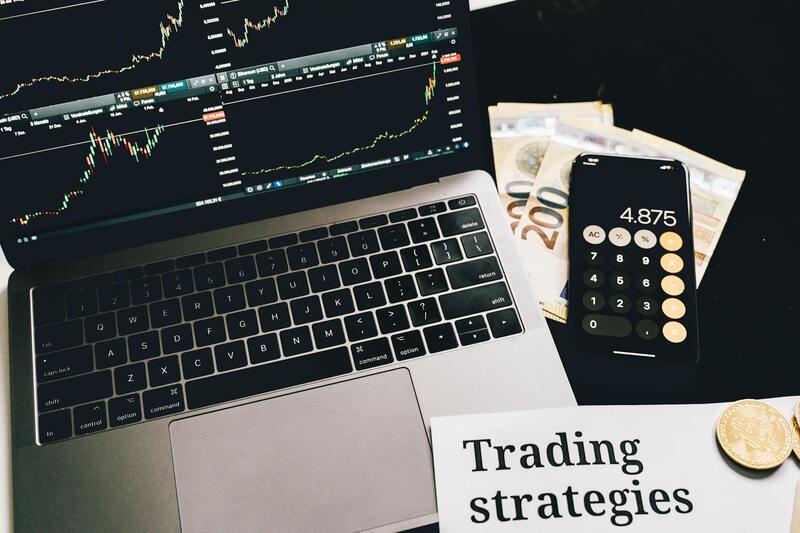
It is advisable for traders to review the firm’s specific rules for live trading, including any restrictions on trading hours, allowed assets, and margin requirements. This knowledge ensures smooth adjustment and sustained performance during this critical phase.
How to Access a Prop Firm’s Demo Account
Gaining access to a demo account at a reputable prop trading firm involves a straightforward process that prioritizes account security and trader verification. Typically, interested traders begin by visiting the official website of the firm, such as propfirmcompanies.com, where they can locate the section dedicated to demo account registration. The sign-up process often requires providing basic personal information, including name, email address, and contact details, establishing an account profile that ensures secure login credentials.
Proceeding with the registration, traders are usually prompted to select their preferred trading parameters, which may include the asset classes they wish to simulate trading, the initial virtual balance, and risk management settings. Some firms may also incorporate introductory quizzes or assessments to gauge the trader's familiarity with trading principles and platform operations, ensuring they are adequately prepared to utilize the demo environment effectively.
Once registration is complete, traders typically receive a confirmation email with login credentials or are directed to a login portal where they can access the trading platform. Most prop firms partner with reputable trading software providers, offering platforms compatible with popular trading applications that emulate real-market conditions seamlessly. The demo accounts are generally accessible through desktop applications, web browsers, or dedicated mobile apps, providing flexibility for traders to practice at any time.
It is crucial for traders to verify their email addresses and complete any additional identity verification steps required by the firm. This process not only secures the trading environment but also aligns the user with the firm's compliance standards. Often, firms offer new users a set period—such as 14 or 30 days—to explore the demo environment and familiarize themselves with the platform’s features and capabilities.
In some cases, prop firms may specify certain prerequisites or prerequisites for demo access, such as agreeing to terms and conditions, or providing proof of trading experience or financial background. Candidates should review these requirements carefully to ensure they meet all criteria before completing registration. Proper preparation and understanding of the sign-up process enable traders to maximize their practice period and refine their strategies without unnecessary hurdles.
Key Features of Prop Firm Demo Accounts
Understandably, every demo account is designed to mimic real trading conditions as closely as possible, with features that promote effective practice and skill development. Common features include real-time market data, customizable risk parameters, and access to a variety of asset classes such as forex, commodities, indices, and cryptocurrencies. These features allow traders to develop a comprehensive understanding of market movements and test different trading styles.
Some prop firms incorporate advanced simulation tools—like economic calendars, news feeds, and volatility indicators—that enable traders to evaluate performance under various market scenarios. Limited constraints on trade size and frequency foster an environment for experimenting with strategies, while risk management tools such as virtual stop-loss and take-profit orders help reinforce disciplined trading habits.
By leveraging these features, traders can analyze their decision-making processes, identify weaknesses, and implement systematic improvements. This foundational learning phase is vital for transition into funded trading, as it builds confidence and competence without financial exposure. A comprehensive demo environment ensures a zero-pressure setting where trial-and-error enhances skill and enhances readiness for live account management.
Active use of demo accounts for strategy testing and performance tracking is essential in developing a disciplined trading routine. Recording trades, reviewing results, and adjusting tactics are best practices that are fully supported through the sophisticated tools offered by most prop firms—ensuring traders are well-prepared for the transition to actual funding.
Understanding Prop Trading Firms and Demo Accounts
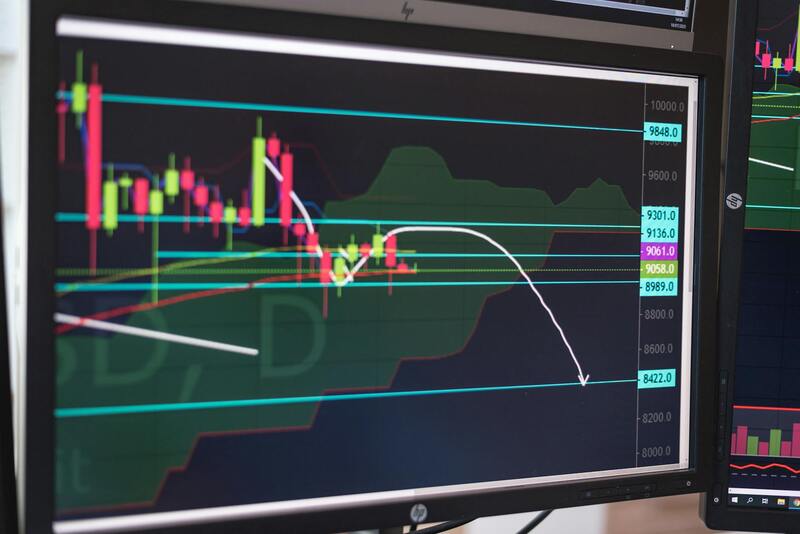
Prop trading firms serve as pivotal platforms that enable traders to access substantial trading capital and advanced market tools through structured evaluation processes. These firms typically provide traders with demo accounts that mimic live trading environments, allowing for development and testing of strategies without risking actual funds. The architecture of a prop firm’s demo account encompasses several features designed to replicate real-market conditions closely, such as realistic price feeds, order execution, and simulated risk parameters. The intent is to facilitate skill-building, discipline, and strategy refinement in a controlled setting, paving the way for successful funded trading careers.
Key Components of a Prop Firm’s Demo Account
- Market Access: Demo accounts typically allow trading across multiple asset classes such as forex, commodities, indices, and cryptocurrencies, providing traders with diverse opportunities to apply different strategies.
- Trading Limits and Constraints: These accounts often impose certain parameters such as maximum position sizes, daily loss limits, and specific trading hours, which help simulate real-world risk management.
- Evaluation Metrics: Performance tracking tools enable traders to analyze metrics like win-loss ratios, drawdowns, and profitability over set periods, fostering a data-driven approach to trading development.
- Technology and Tools: Access to advanced charting platforms, order types, and analysis tools ensures traders can practice using the same sophisticated features available in live trading environments.
- Timeframes and Deadlines: Some prop firms set specific challenge durations that test traders’ consistency and perseverance within a limited timeframe, aiding in building disciplined trading habits.
These core features create a comprehensive environment where traders can experiment freely, learn from mistakes, and devise robust trading routines without financial constraints. The accuracy and realism of demo accounts are instrumental in bridging the gap between theoretical knowledge and practical application, fostering essential skills needed for successful funded trading.
Using Demo Accounts to Prepare for Funded Trading
Engaging actively with demo accounts enables traders to develop critical competencies such as technical analysis, risk management, and emotional discipline. Repeated practice under simulated conditions allows traders to test various strategies, identify weaknesses, and refine their approach before engaging with real capital. Proper documentation of trades, performance reviews, and tactical adjustments are encouraged to create a systematic and disciplined trading routine. Incorporating feedback from demo sessions helps build confidence and prepares traders to handle the psychological pressures of live trading. Equipment with real-time data, order execution, and performance analytics ensures a seamless transition from a controlled trial environment to actual funded accounts, minimizing the chances of costly mistakes in live markets.

Transitioning from Demo to Live Trading with Prop Firms
Moving from a demo environment into live trading involves a strategic shift in risk and psychology. It is essential to carry forward the disciplined habits and strategies honed during demo practice. Most prop firms have structured development phases, where traders must meet specific criteria—such as achieving profit targets, adhering to risk parameters, and demonstrating consistency—to unlock live accounts. The transition is often facilitated by comprehensive onboarding processes that emphasize performance reviews, risk controls, and mental preparedness. During this phase, traders should gradually scale their positions, maintain strict risk management, and stay committed to their strategies to ensure sustainable growth in the live trading environment.
Risks and Limitations of Demo Accounts
While demo accounts are invaluable for preparation, they do have inherent limitations. For example, they lack the emotional intensity associated with real money, which can influence decision-making processes in live trading. Additionally, the execution speed, slippage, and spreads often differ slightly from live markets, potentially leading to discrepancies in performance assessments. Traders should remain aware that success in a demo does not automatically translate to guaranteed success on a live account, and consistent strategic discipline remains critical. Recognizing these boundaries allows traders to approach live trading with realistic expectations and a focus on continual improvement.
Choosing the Right Prop Firm with Demo Options
Selecting a prop trading firm that offers robust demo accounts involves assessing several factors. Traders should seek firms known for transparency, professional-grade trading platforms, comprehensive educational resources, and clear evaluation criteria. The availability of risk management tools, flexibility in trading style, and responsive support contribute to an optimal testing environment. Compatibility between the demo environment and the actual trading platform is also essential to ensure seamless transition without technical surprises. Prioritizing firms with proven success records and positive trader feedback helps build confidence in the testing process, ultimately enhancing the chances of a smooth progression into live funded trading.
Utilizing Demo Accounts for Skill Development and Strategy Testing
Demo accounts provided by prop trading firms serve as a vital playground for traders aiming to refine their skills and validate their trading strategies. They enable users to familiarize themselves with the specific features of the trading platform, including order types, execution processes, and available tools. Engaging with virtual funds allows traders to experiment with different trading styles, test risk management techniques, and optimize their approach without the pressure of financial loss.
Successful testing involves setting realistic goals, such as pinpointing optimal entry and exit points or analyzing how often certain setups occur. By tracking performance metrics and reviewing trade logs, traders can identify strengths and weaknesses in their strategies. This continuous feedback loop helps establish disciplined trading routines, essential for meeting the rigorous standards of prop firms.

Developing Consistent Trading Routines Through Demo Practice
The disciplined approach cultivated in a demo environment can be further enhanced by establishing structured routines. Consistency in trade execution, adherence to predefined trading plans, and regular performance reviews form the backbone of successful participation in funded trading programs. Traders should document their journal entries, noting the rationale behind each trade, outcomes, and lessons learned. This discipline assists in building confidence and fosters a mindset geared toward long-term profitability.
Additionally, traders who leverage demo accounts for backtesting strategies across different market conditions can better understand how various factors influence performance. Whether markets are trending or consolidating, the ability to adapt strategies accordingly is a key component of succeeding with prop firm evaluations and staying profitable during live trading.
Transitioning from Demo to Live Trading: Practical Considerations
While demo accounts provide invaluable preparation, transitioning into live trading requires adjustments to accommodate real market dynamics. Factors such as emotional discipline, managing the fear of real losses, and maintaining consistency under real-time pressure are critical components of this transition. Prop firms often provide guidelines and support during this shift, emphasizing the importance of scaling down size and practicing strict risk control measures.
In addition to honing trading strategies, traders should familiarize themselves with the specific risk management protocols of the chosen prop firm. This might include understanding profit/loss limits, drawdown thresholds, and the process for addressing breaches. Employing a gradual approach by increasing position sizes incrementally can help build confidence without exposing oneself to unnecessary risk, ultimately leading to a smoother transition into live trading environments.

Understanding Prop Trading Firms and Demo Accounts
Proprietary trading firms, often referred to as prop firms, are organizations that allocate their capital to skilled traders, enabling them to execute trades in various financial markets. These firms typically evaluate traders through structured testing processes before granting access to live trading capital. Demo accounts serve as essential tools in this evaluation process, providing a risk-free environment where traders can demonstrate their skills, discipline, and strategic approach without risking real money.

By utilizing demo accounts, traders can simulate real-market conditions, including order execution, price fluctuations, and market volatility, which are integral to prop firm evaluations. These simulated environments allow prospective traders to refine their risk management techniques, trading strategies, and decision-making processes. Consequently, a thorough understanding and effective use of demo accounts can significantly influence the chances of securing funded accounts and thriving in live trading environments.
Benefits of Using Demo Accounts with Prop Firms
Engaging with demo accounts offers numerous advantages for traders seeking to establish or expand their involvement with prop firms:
- Risk-Free Practice: Demo accounts eliminate financial risk, allowing traders to experiment with strategies and learn market dynamics without monetary consequences.
- Strategy Development: Traders can backtest and validate trading approaches under variable market conditions, honing their methods before risking real capital.
- Performance Tracking: Metrics like win-rate, risk-reward ratios, and drawdowns help traders identify strengths and weaknesses, fostering continuous improvement.
- Understanding Platform Features: Demo accounts facilitate familiarization with trading platforms, order types, and risk management tools specific to each prop firm's environment.
- Building Confidence: Consistent performance in demo trading can bolster a trader's confidence, making them better prepared for live trading scenarios.
How to Access a Prop Firm’s Demo Account
Gaining access to a prop firm’s demo environment typically involves a straightforward registration process on the firm’s official website. Traders are usually required to provide basic personal information and agree to specific terms and conditions associated with the demo program. In some cases, traders might need to complete a preliminary assessment or demonstration of their trading skills to qualify for enhanced demo features or personalized support.
Once registered, traders are generally provided with login credentials to access the proprietary trading platform. Many prop firms offer customizable demo accounts with varying settings to replicate different live trading conditions, including adjustable leverage and trading hours. It is advisable for traders to explore these settings thoroughly to simulate the most realistic trading environment possible.
Key Features of Prop Firm Demo Accounts
Effective demo accounts share several core features that support thorough preparation for live trading:
- Realistic Market Simulation: Market data, price movements, and liquidity are modeled to reflect actual trading conditions.
- Trade Execution Transparency: Order execution and slippage are simulated realistically, helping traders understand possible discrepancies in live trading.
- Risk and Drawdown Limits: Built-in safeguards mimic the restrictions traders will encounter during funded trading to enforce discipline and adherence to rules.
- Performance Analytics: Detailed reports on trade performance, including profit/loss metrics, win-loss ratios, and risk exposure, support continuous skill assessment.
- Customization Options: Traders can modify parameters such as trading capital, timeframes, and leverage to match their preferred trading styles and test various scenarios.
Using Demo Accounts to Prepare for Funded Trading
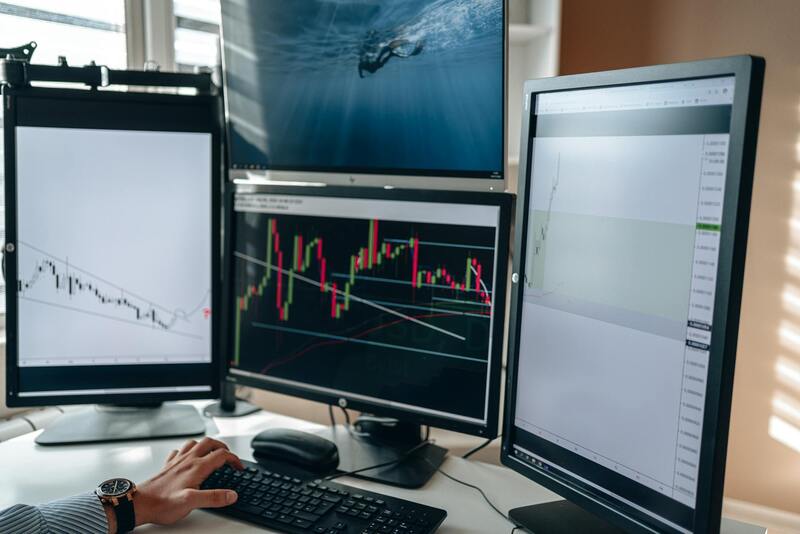
Effective use of demo accounts enables traders to refine their strategies, develop discipline, and evaluate the suitability of prop firm trading conditions. Engaging in consistent trading sessions, simulating real-time decision-making, and analyzing outcomes foster a disciplined approach and improved execution skills. It is vital to adhere to the prop firm’s trading rules during demo practice, including profit targets, loss limits, and specific risk management protocols, to ensure a smooth transition into live capital trading.
Furthermore, traders should utilize demo platforms to test their strategies across diverse market environments, such as trending or consolidating markets, to ensure robustness. Consistent review and adjustment based on demo performance can mitigate potential pitfalls when stepping into live trading—especially in managing emotional responses and maintaining discipline under real profit and loss pressures.

Using Demo Accounts to Prepare for Funded Trading
Maximizing the potential of a prop firm with a demo account hinges on disciplined, strategic preparation. Traders should leverage demo platforms as a testing ground to refine their methodologies, ensuring they are well-equipped before transitioning to real capital. Consistent engagement in trading sessions within the demo environment allows for the development of disciplined habits, critical for success in live trading scenarios.
Practicing under the same rules and conditions as live trading, including profit targets, maximum loss limits, and risk management protocols, ensures familiarity and compliance. This process aids in identifying potential weaknesses in trading strategies, allowing traders to adjust and optimize their approach proactively. By simulating real-market conditions, including volatile spikes, sideways movements, and trending markets, traders can evaluate how their strategies perform across different scenarios, leading to more resilient trading plans.
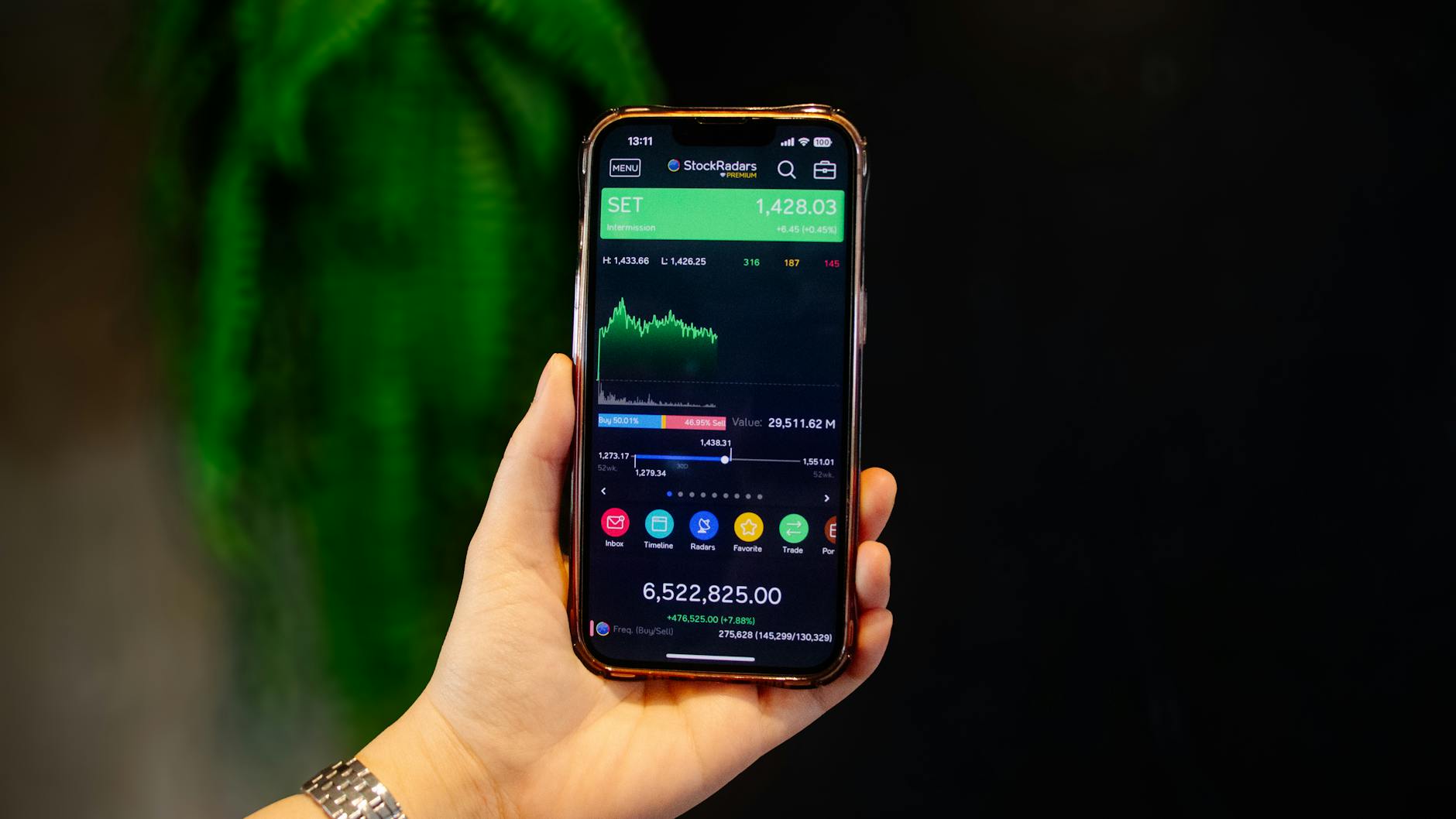
Another critical aspect involves monitoring emotional responses during demo trading. Although no real capital is on the line, replicating the pressure and discipline required in live trading helps in building psychological resilience. Consistent review of demo trades, including journaling their outcomes and analyzing decision-making patterns, helps identify areas for improvement. Understanding how to handle winning streaks or losses in a controlled environment prepares traders for the emotional volatility of live trading.
Additionally, traders should take advantage of the ability to test multiple trading styles, such as scalping, day trading, or swing trading, within the demo environment. This experimentation helps identify the style best suited to their risk tolerance and lifestyle. By thoroughly vetting strategies on demo accounts, traders foster confidence and technical proficiency, essential for sustaining performance once capital is at risk.
Consistent adjustment based on demo account feedback reduces variability in trading outcomes and ensures strategies are robust enough for live market conditions. This preparatory phase ultimately boosts the likelihood of successful fund utilization and profitability when switching from a demo to a live environment.
Risks and Limitations of Demo Accounts
While demo accounts serve as invaluable tools for developing trading skills, they do carry certain limitations. Market conditions simulated within demo environments may not fully mirror the emotional intensity and psychological pressure experienced during live trading. The absence of real financial risk often results in less cautious decision-making, which can lead to overconfidence and a false sense of security.
Furthermore, liquidity and slippage issues are typically minimized or absent in demo trading, potentially skewing a trader’s perception of market behaviors. Real trading involves dealing with order execution delays, price gaps, and latency, factors that can significantly impact performance and outcomes. Failing to account for these differences may result in unexpected losses when transitioning to live trading.
�Additionally, traders might become accustomed to the idealized conditions of demo accounts, which often feature perfect execution and no emotional stress. Such discrepancies underscore the importance of gradually integrating live trading simulations or starting with small funded accounts to acclimate to real market dynamics. Ultimately, awareness of demo account limitations ensures traders remain realistic about their preparedness and protocols for actual trading environments.
Choosing the Right Prop Firm with Demo Options
Selecting a prop trading firm that offers reliable demo accounts constitutes a crucial step in the trading journey. Prospective traders should prioritize firms renowned for transparency, clear rules, and comprehensive demo platforms that closely approximate live trading conditions. Availability of customizable settings, such as leverage and trading capital, enhances the utility of demo environments for testing various strategies.
It’s important to assess the quality of the demo platform, including ease of use, access to multiple asset classes, and features like order types and analytics. A credible prop firm should also provide educational resources and support to help traders maximize demo experience, preparing them effectively for real trading activities.
While demo accounts are a critical component of the evaluation process, traders must also consider the firm’s reputation, trading conditions, and the transparency of its funded trading criteria. Engaging with firms that maintain high standards and uphold rigorous trading protocols ensures a smoother, more effective transition from demo to live funded trading, ultimately contributing to sustained trading success.
Ensuring a Smooth Transition from Demo to Live Trading with Prop Firms
After familiarizing oneself with the features and functionalities of a prop firm’s demo account, the next crucial step involves transitioning from simulated trading to real money trading. This process requires strategic planning, disciplined execution, and adherence to the rules set by the prop trading firm.
Develop a Consistent Trading Routine
One of the primary keys to a successful transition is establishing a consistent trading routine developed during demo trading. Traders should analyze their performance over multiple sessions, identify patterns, and refine their strategies to ensure they are robust enough for real-world conditions. Developing discipline in adhering to risk management protocols, such as setting appropriate stop-loss and take-profit levels, translates directly into live trading environments.
Gradual Funding and Risk Management
Many prop firms require traders to meet specific evaluation milestones or achieve set profitability targets on demo accounts before granting access to funded accounts. Starting small once transitioning to live trading minimizes potential losses and helps build confidence. It is advisable to begin with the lowest permissible capital, gradually increasing exposure as consistency and risk management skills improve.
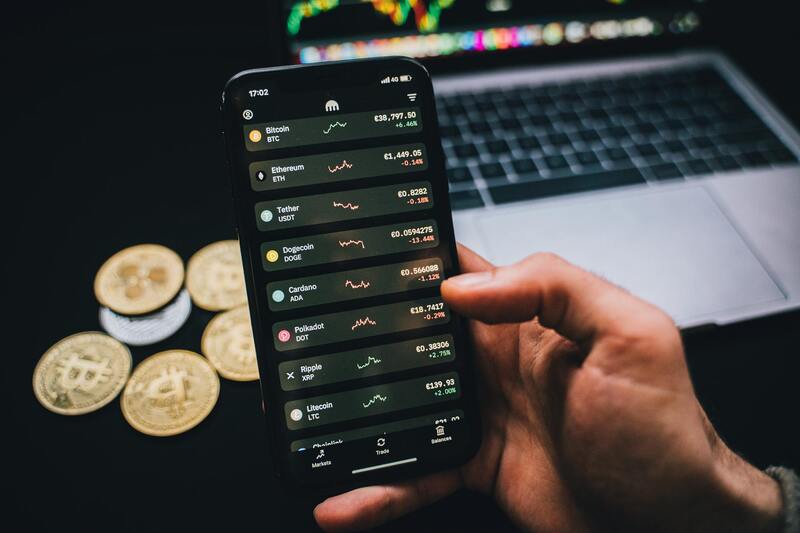
Maintain Realistic Expectations and Behavioral Discipline
It is essential to remember that even with extensive demo practice, live trading involves real emotions—such as fear and greed—which can impact decision-making. Traders should simulate this emotional aspect during demo sessions by adhering strictly to trading plans and avoiding overconfidence. This mental preparation ensures traders stay disciplined during live trading, reducing impulsive decisions and fostering long-term success.
Use Demo Trading as an Ongoing Learning Tool
Transitioning from demo to live trading does not mean that the demo environment should be abandoned. Continuous practice with a demo account helps refine strategies, test new approaches, and adapt to changing market conditions without risking capital. This ongoing learning process is vital for maintaining a competitive edge and refining trading skills over time.
Monitor and Adjust Trading Strategies Post-Transition
Once fully engaged in live trading, traders should regularly review trade performance, analyze outcomes, and adjust strategies accordingly. Keeping detailed trading logs and performing post-trade analysis can illuminate strengths and weaknesses, enabling continuous improvement. The transition from demo to live trading is an iterative process that benefits from a commitment to ongoing education and self-assessment.

By applying disciplined risk management, maintaining realistic expectations, and leveraging the skills honed during demo trading, traders can navigate the shift to live account trading more effectively. A structured approach grounded in experience and continuous learning lays the foundation for sustained profitability and a rewarding trading career within reputable prop trading firms.
