Understanding Prop Firm Requirements
Prop trading firms meticulously evaluate potential traders to ensure they possess the necessary skills, discipline, and consistency required for success in high-stakes trading environments. The evaluation process typically involves multiple criteria designed to gauge a trader's ability to manage risk, adhere to firm-specific rules, and demonstrate sustained profitability over time.
Key evaluation metrics include:
- Risk Management Skills: Firms expect traders to control and limit losses effectively. Demonstrating the ability to set appropriate stop-loss levels and avoid excessive risk is crucial.
- Profitability and Consistency: Maintaining steady gains during evaluation periods indicates reliability. Sudden spikes or inconsistent performance may raise concerns.
- Discipline and Adherence to Rules: Strict compliance with trading parameters such as position limits, max daily loss, and trading hours is scrutinized.
- Trading Knowledge and Strategy: A well-structured approach founded on sound analysis enhances the likelihood of passing evaluations.

Understanding these core requirements helps candidates align their trading styles and preparations with the expectations of professional firms, increasing their chances of success during the evaluation process.
Preparing for a Prop Firm Evaluation
Successfully navigating a prop firm evaluation hinges on a comprehensive preparation process that emphasizes skill enhancement, disciplined trading habits, and strategic planning. Candidates should focus on honing their risk management techniques, developing consistent trading routines, and aligning their trading objectives with the specific evaluation criteria of the firm. This preparation involves rigorous practice in simulated environments, meticulous review of trading performance, and understanding the nuances of the firm's trading parameters.

One of the primary steps in preparation is gaining familiarity with the evaluation process itself. Understanding the series of tests, such as profit targets, maximum drawdown limits, and trading duration requirements, allows candidates to tailor their strategies effectively. Trainees should set clear trading goals and establish routines that promote disciplined adherence to risk controls, which are often scrutinized during the evaluation.
Developing a robust trading plan is crucial. This plan should encompass defined entry and exit criteria, risk parameters, and money management rules. The consistency in applying this plan across different market conditions demonstrates to evaluators that a trader maintains discipline and strategic focus. Moreover, using practice accounts or demo platforms to simulate evaluation scenarios helps traders adapt to real-time pressures and refine their decision-making processes without risking capital.
Building a Consistent Trading Routine
A disciplined routine helps traders abide by their predefined strategies, maintain emotional stability, and react appropriately to market fluctuations. Consistency in trade execution, record-keeping, and risk limits reflects a trader’s reliability and readiness for the demanding environment of a prop trading firm. Regular review of trading logs and performance metrics enables continuous improvement and early identification of weaknesses that could jeopardize evaluation success.
Key Components of a Robust Routine:
- Daily market analysis aligned with specific trading setups.
- Pre-trade checklist to verify adherence to risk parameters.
- Post-trade review sessions to assess decision quality.
- Scheduled break periods to prevent emotional fatigue and maintain focus.
Implementing these components consistently fosters discipline and enhances the ability to execute trades reliably under evaluation conditions.
Utilizing Practice Accounts and Simulations
Simulations serve as a critical tool in prop firm preparation, providing realistic scenarios to test strategies, refine entries and exits, and measure risk management skills. Practice accounts replicate live trading environments, enabling traders to experience real-time market dynamics without financial risk. Regularly trading in these environments helps build confidence, develop intuition for market movements, and assess strategy robustness under simulated pressure.
Effective use of practice accounts involves setting specific goals, such as achieving certain profit targets or adhering to risk limits within designated periods. Maintaining discipline during simulation periods, including sticking to trading plans and controlling emotions, translates well to live evaluations. Moreover, detailed review of simulation results guides adjustments and fortifies traders’ preparedness for the actual evaluation process.

In addition to individual success, practicing under conditions that mimic evaluation standards—such as restricted trading hours, strict risk controls, and specific profit targets—enhances a trader’s ability to meet firm expectations seamlessly.
Monitoring Progress and Adjusting Strategies
Continuous performance tracking during these simulations is vital. Keep detailed records of trades, analyze results, and identify patterns of mistakes or areas for improvement. Adjustments should be made cautiously, ensuring that modifications align with overarching strategic principles and risk management rules. This iterative process broadens a trader’s skill set and develops resilience against trading pitfalls that could prevent passing prop evaluations.
Summary
Preparation for a prop firm passing process relies on disciplined practice, strategic planning, and continuous performance assessment. By leveraging simulation tools, establishing a consistent routine, and understanding the evaluation parameters, traders can significantly enhance their chances of success. Achieving mastery in risk management, maintaining behavioral consistency, and systematically analyzing trading results form the foundation of a strong candidacy for prop trading opportunities.
Common Prop Trading Tests and Challenges
Prop firms employ a variety of assessment methods designed to evaluate a trader’s skills, discipline, and ability to manage risk effectively. Understanding these evaluation formats allows traders to prepare more strategically and demonstrate their competence under realistic trading conditions.

Trading Challenges
Many prop firms implement simulated trading challenges that closely resemble real market scenarios. These challenges often require traders to meet specific profit targets within a set timeframe, all while adhering to strict risk parameters. Successful navigation of these challenges demonstrates a trader’s ability to generate profit and manage exposure under pressure.
Risk Management Tests
Risk management assessments focus on a trader’s capability to control drawdowns and avoid large losses. These tests may involve trading within predefined limits, such as maximum daily loss thresholds or position sizes. Consistently maintaining risk parameters while building returns indicates a disciplined approach to trading that prop firms highly value.
Evaluation Periods and Deliberate Observation
Evaluation periods are structured phases during which traders are monitored over days or weeks. During this time, firms assess traders’ ability to maintain steady performance, adapt to changing market conditions, and stick to defined trading strategies. The assessment typically considers factors such as risk compliance, consistency, and the ability to sustain profitability across multiple sessions.
Risk Management and Consistency
One of the most critical facets in passing prop evaluations is demonstrating unwavering discipline in risk management. Traders must establish clear rules for entry and exit points, set stop-loss orders appropriately, and avoid impulsive decisions. Maintaining a consistent approach reduces the likelihood of significant drawdowns and helps sustain steady growth over time.
Practicing meticulous record-keeping is also essential. By documenting trading activity, identifying patterns, and analyzing losses, traders can refine their methods and prevent repeated mistakes. Executing trades aligned with a pre-defined risk profile not only showcases professionalism but also ensures adherence to the firm's standards.
Developing a Winning Trading Strategy
Successful traders often develop nuanced strategies tailored to their risk appetite and market insights. Creating a robust trading plan involves analyzing historical data, understanding market volatility, and defining entry and exit criteria that are backed by objective analysis.
This strategic foundation helps traders to remain focused and disciplined during evaluations, reducing emotional trading and impulsive reactions. Regular backtesting enhances confidence in the approach and improves the likelihood of meeting evaluation benchmarks consistently.
Utilizing Practice Accounts and Simulations
Before attempting evaluations, proficient traders utilize demo accounts and simulation platforms to hone their skills. These tools replicate real-market conditions without risking actual capital, providing ample opportunity to test strategies and risk parameters. By mastering specific scenarios within these environments, traders foster the requisite confidence and clarity needed during live assessments.

Common Pitfalls and How to Avoid Them
Despite diligent preparation, certain pitfalls can hinder success in prop evaluations. Overtrading, neglecting risk controls, and inconsistency in applying strategies are frequent issues that compromise performance. Traders should vigilantly monitor their behaviors, stay disciplined, and avoid deviations from documented trading plans.
Psychological factors such as overconfidence or fear can also impact decision-making. Developing emotional resilience through practice and mindfulness techniques ensures that responses during evaluations remain rational and aligned with strategic objectives.
Post-Pass Steps and Building a Trading Career
Successfully passing the initial evaluation stage opens opportunities for further development within the prop firm's ecosystem. Traders should focus on continuous education, sharpening analytical skills, and adapting to evolving market conditions. Establishing a disciplined routine and maintaining transparency in trading activities foster long-term credibility and growth.
Building a sustainable trading career involves ongoing evaluation of performance metrics, adherence to risk management standards, and proactive engagement with educational resources. As experience accumulates, traders can explore advanced strategies and possibly scale their trading activities, paving the way for consistent profitability and career advancement.
Risk Management and Consistency
Effective risk management forms the backbone of successful prop trading, especially when aiming to pass evaluations and secure a trading account. Adhering to strict risk controls—such as maintaining a predetermined risk per trade and overall portfolio limits—ensures that traders do not expose themselves to unnecessary losses. This disciplined approach not only protects capital but also demonstrates responsibility to evaluation criteria, which often favor traders who exhibit prudent risk behaviors.

Consistency in trading behavior is equally critical. Evaluation panels look for traders who stick to their trading plans, avoid impulsive decisions, and maintain discipline throughout the process. Such consistency shows that a trader can operate methodically under various market conditions, minimizing emotional disturbances that could lead to erratic trades. Developing a set of standard operating procedures and documenting trading routines helps maintain this consistency, fostering trustworthiness and stability during assessments.
Adherence to Trading Rules and Recording Performance
During a prop firm evaluation, strict adherence to predefined rules, such as maximum drawdown limits, trading frequency, and position sizing, is closely monitored. Traders must demonstrate discipline by sticking to these parameters. Regular performance tracking, including journaling trades and analyzing outcomes, provides visible proof of compliance. This transparency reveals a sustainable approach and can be advantageous when establishing credibility with evaluating managers.
Building a Consistent Trading Record
Maintaining a consistent trading record involves not only following trading protocols but also managing emotional reactions and stress. Traders should focus on developing routines that encourage emotional neutrality and decision objectivity. Techniques such as reviewing past trades for lessons learned and maintaining disciplined routines during evaluation help reinforce this consistency, setting a foundation for long-term success within prop trading environments.
Developing a Winning Trading Strategy
The cornerstone of passing prop firm evaluations lies in the development of a robust trading strategy. This strategy should be based on thorough market analysis, sound technical and fundamental principles, and clear entry and exit rules. Backtesting and forward testing serve as crucial steps in refining strategies, ensuring their effectiveness across different market conditions. A well-structured trading plan demonstrates to evaluation panels that the trader operates with clarity and purpose.

The strategy must incorporate comprehensive risk controls, including stop-loss levels and profit targets, to reinforce discipline and manage losses efficiently. Consistency in executing the strategy under real trading conditions exemplifies professionalism and preparedness, traits highly valued during prop evaluations.
Key Elements of an Effective Trading Strategy
- Clear entry and exit criteria based on technical or fundamental signals
- Defined risk management rules, including stop-loss and take-profit levels
- Adaptability to different market environments
- Trade filtering methods to avoid overtrading or impulsive decisions
- Regular review and refinement based on performance data
Continuous Improvement and Strategy Adaptation
Successful traders periodically adapt their strategies in response to evolving market dynamics. Continuous learning, through courses, forums, and analyzing market trends, enhances a trader’s tactical approach. By staying informed and flexible, traders can adjust their strategies to optimize performance, which is vital for maintaining competitiveness during ongoing evaluations and beyond.
Utilizing Practice Accounts and Simulations
Preparation involves utilizing demo and simulation platforms extensively before engaging in live evaluations. These tools allow traders to refine their strategies without risking real capital, building confidence and reinforcing skills. Regular practice in simulated environments helps identify weaknesses in execution, ensuring traders are well-prepared for actual market conditions.

Simulations also provide valuable insights into how traders manage stress, adhere to their trading plans, and handle market volatility. By replicating evaluation scenarios within practice environments, traders can develop the mental discipline and technical skills needed to excel during official assessments.
Maximizing the Benefits of Practice Platforms
- Consistent schedule for practicing trading strategies
- Recording and analyzing simulated trades for performance trends
- Applying risk management rules in simulated settings
- Experimenting with different market conditions to enhance adaptability
- Transitioning smoothly from simulated to live trading with prepared routines
Understanding Prop Firm Requirements
When aiming to secure a position with a proprietary trading firm, traders must meet specific criteria that demonstrate their ability to generate consistent profits while managing risk effectively. These requirements often include a minimum trading capital, adherence to a maximum drawdown limit, and a focus on risk-adjusted returns. Recruiters assess both quantitative performance metrics and qualitative factors such as trading discipline, adherence to the trading plan, and emotional resilience.
Many prop firms establish clear benchmarks for traders during evaluation phases, which may involve passing multiple stages of testing or demonstrating competence in simulated environments. Traders should familiarize themselves with these benchmarks and criteria to develop targeted strategies that align with the firm's expectations. Transparency in trading methodology and a solid risk management framework are crucial for satisfying these prerequisites.

Key Factors Traders Should Recognize
- Profitability benchmarks over a specified period
- Maximum allowable drawdown percentage
- Consistency in trading approach
- Adherence to the firm’s trading style and risk parameters
- Discipline in maintaining trading records and documenting trades
Preparing for a Prop Firm Evaluation
Effective preparation begins with a detailed understanding of the evaluation process itself. Traders should focus on developing a systematic routine that emphasizes disciplined trading, strict adherence to predefined risk management rules, and consistent performance metrics. This involves setting clear trading objectives aligned with the firm’s criteria, practicing with real-time simulations, and maintaining rigorous records of trading activity to monitor progress.
One of the most reliable ways to prepare is through continuous practice on demo accounts or simulation platforms, which recreate live market conditions. This allows traders to fine-tune their strategies, assess their ability to manage stress, and adapt quickly to changing market dynamics. Maintaining a habit of reviewing performance metrics and adjusting strategies accordingly is essential for entering evaluations with confidence.

Strategic Preparation Tips
- Develop a clear trading plan that matches the firm’s criteria
- Practice extensively in simulated environments to build consistency
- Implement and test robust risk management protocols
- Maintain detailed records and analyze trade performance regularly
- Respect evaluation timelines and adhere strictly to rules during the assessment
Common Prop Trading Tests and Challenges
Prop firms often employ various testing formats to evaluate a trader’s capabilities. These may include time-bound challenges, profit and drawdown thresholds, and simulated trading periods that replicate real market conditions. Traders are assessed for their ability to produce steady profits, maintain risk limits, and exhibit disciplined decision-making under pressure.
Some of the most typical tests involve a combination of objective metrics and qualitative assessments. For example, traders might be evaluated based on their ability to adhere to risk parameters while demonstrating consistency in profitability. Challenges are designed to identify those who can sustain performance amid volatility and market fluctuations, establishing a foundation for a successful trading career within the firm.

Key Challenges in Prop Firm Tests
- Adhering to strict risk management protocols during volatile market conditions
- Maintaining consistent profitability within a defined trading window
- Managing psychological stress and emotional responses while trading live simulations
- Adjusting strategies in response to unforeseen market movements
- Complying with the firm’s trading rules without deviation
Risk Management and Consistency
Effective risk control remains a cornerstone of passing prop trading evaluations. Traders must develop and consistently follow a disciplined approach to manage potential losses and preserve capital. This includes setting appropriate position sizes, defining precise stop-loss levels, and avoiding over-trading or chasing the market. Successfully demonstrating consistency in applying these principles over a sustained period is key.
To reinforce good habits, traders should analyze their trading logs regularly, identify patterns that lead to losses, and refine their strategies accordingly. Using analytical tools to measure performance metrics such as win rate, average profit/loss, and risk-reward ratios helps ensure ongoing adherence to risk management rules. Maintaining calm and discipline during evaluation periods signals reliability and maturity in trading approach.

Utilizing Practice Accounts and Simulations
For traders committed to achieving prop firm passing, leveraging practice accounts and trading simulations is an essential component of preparation. These tools allow traders to replicate the live trading environment without risking real capital, providing a safe space to refine strategies and develop trading discipline.
When engaging with simulated accounts, traders should focus on mimicking real market conditions, including timing, volatility, and liquidity. This realistic approach ensures that the skills and strategies developed during practice sessions translate effectively during actual evaluations.

Consistent performance in these virtual settings is vital. Traders should record their results meticulously, analyzing key metrics such as win rate, profit factors, and drawdowns to identify strengths and weaknesses. Regularly reviewing this data helps in adjusting strategies, managing emotions better, and building a robust approach to live trading.
Integrating scenario-based exercises within simulations can improve a trader’s ability to adapt strategies quickly to unpredictable market movements. Importantly, simulate different market conditions—bullish, bearish, and sideways—to understand how strategies perform across diverse environments.
Additionally, using a variety of trading tools and indicators within simulated settings enables traders to develop versatility and confidence, which are critical during evaluation periods. Building familiarity with these analytical tools enhances decision-making speed and accuracy.
It is also advisable for traders to observe their psychological responses during simulated trading. Since emotional discipline is a key factor in prop firm evaluations, practicing mindfulness and stress management techniques in tandem with trading practice can foster composure during high-pressure scenarios.
Overall, dedicated practice with realistic simulations not only accelerates skill development but also ensures that traders internalize disciplined trading routines. This preparation significantly enhances the likelihood of passing prop firm assessments and establishing a long-term, profitable trading career.
Understanding Prop Firm Requirements
Successfully passing a proprietary trading firm’s evaluation involves a comprehensive understanding of its specific requirements and performance criteria. These firms typically set strict standards to assess a trader's skill level, discipline, and consistency. They often focus on factors such as risk management protocols, profit targets, and adherence to trading rules. Absolute clarity on these prerequisites enables traders to align their preparation process accordingly, optimizing their chances of meeting the firm’s benchmarks.
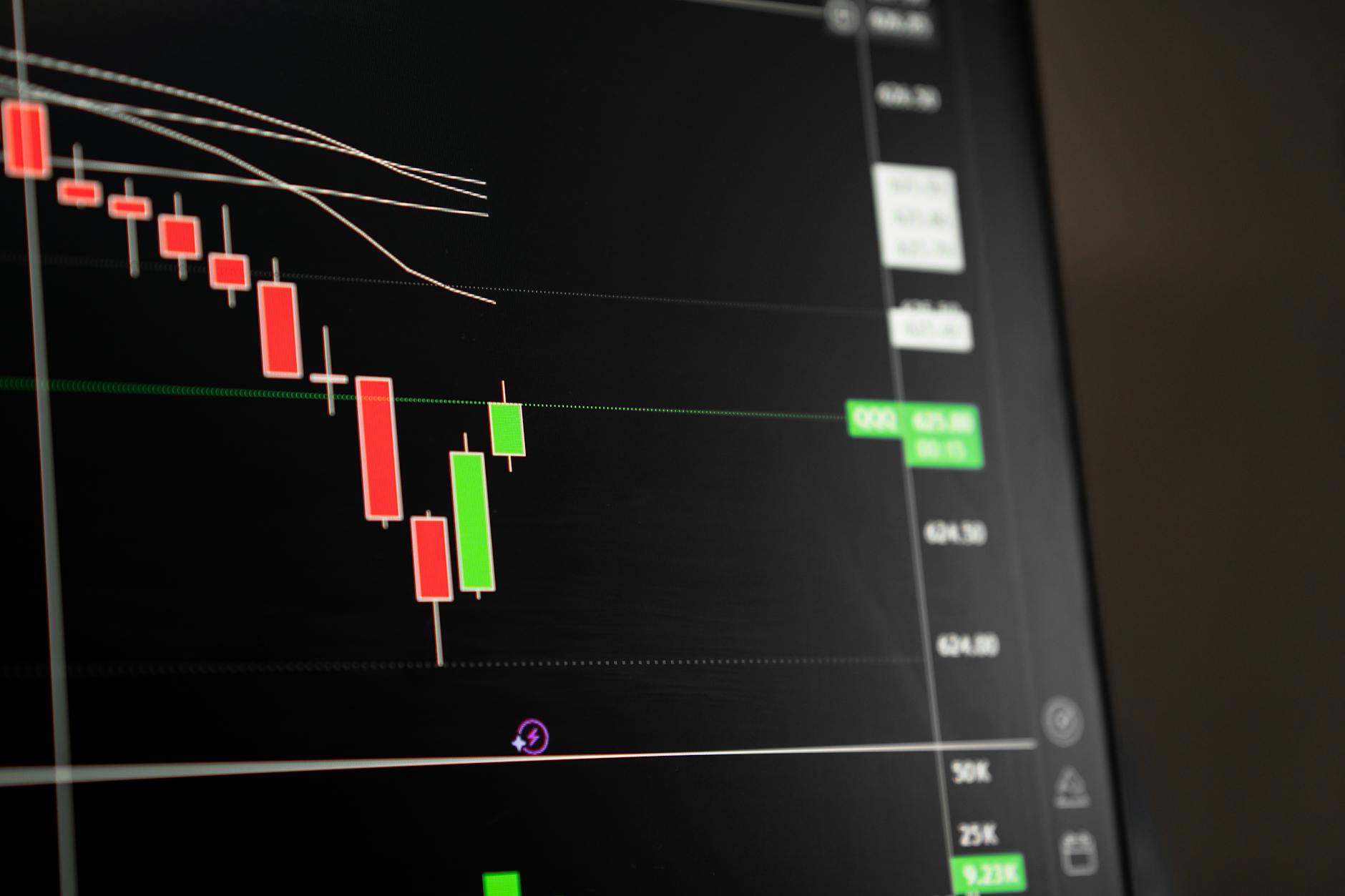
Precise knowledge of the evaluation parameters—such as maximum drawdown limits, minimum trading days, and performance metrics—ensures traders can craft strategies that meet the firm’s criteria. It’s equally important to understand the evaluation timeline, submission formats, and reporting protocols. Familiarity with these elements fosters a smoother evaluation process and reduces the risk of disqualification due to procedural errors.
Preparing for a Prop Firm Evaluation
Preparing efficiently for a prop firm evaluation requires a well-structured plan that encompasses skill development, strategy optimization, and mental resilience. Traders should focus on developing a disciplined trading routine, which includes consistent review of trade performance and adherence to predefined rules. Building a solid foundation in technical analysis, understanding market patterns, and mastering risk control are key components of this preparation.
Constructing a comprehensive risk management plan ensures traders can limit potential losses while maximizing profits within the firm’s specified thresholds. Implementing strict position sizing rules and stop-loss strategies helps in maintaining acceptable drawdowns, an essential aspect of evaluations.
Common Prop Trading Tests and Challenges
During evaluations, traders often encounter a series of challenges designed to test their resilience, discipline, and adaptability. These typically include:
- Achieving the profit target within a set period without exceeding risk limits.
- Consistently managing drawdowns to stay within acceptable levels.
- Handling market volatility and unexpected price movements effectively.
- Adhering strictly to trading plan parameters during stress scenarios.
Familiarity with such common hurdles allows traders to develop proactive strategies, ensuring they remain composed and disciplined under pressure.
Risk Management and Consistency
Risk management is the cornerstone of passing any prop firm evaluation. Traders should integrate comprehensive risk controls within their trading routines to prevent excessive losses and preserve capital. This involves setting strict stop-loss levels, avoiding overleveraging, and maintaining a diversified portfolio of trades.
Consistency in executing trading strategies is equally critical. This involves adhering to predefined rules for entry, exit, and risk parameters regardless of market sentiment. Practicing disciplined trading behavior not only minimizes emotional errors but also demonstrates reliability to evaluators. Maintaining a detailed trading journal can aid traders in tracking their performance, identifying patterns, and refining their approach over time.
Developing a Winning Trading Strategy
Crafting an effective trading strategy that aligns with prop firm requirements involves combining technical analysis, market understanding, and disciplined execution. Strategies should be designed to adapt to different market environments, such as trending or consolidating conditions. Incorporating indicators, price action analysis, and volume studies can improve decision-making accuracy.
Backtesting strategies extensively on historical data and forward testing them in live simulations helps ensure their robustness. During evaluations, traders should focus on executing their plans strictly, resisting impulsive decisions triggered by market noise or emotional reactions. Trading plans should define clear criteria for entry, exit, and position management, allowing for consistent application and easier evaluation.
Utilizing Practice Accounts and Simulations

Using demo accounts and simulations is an essential step before approaching an evaluation. These tools allow traders to practice under conditions that closely mimic live markets without risking real capital. Regularly trading in such environments helps reinforce strategic discipline, improve decision-making speed, and build confidence.
Traders should simulate various market scenarios—bullish, bearish, and sideways—to test their strategies’ adaptability and resilience. Incorporating real-time analytics and trading tools enhances the learning experience, ensuring that traders develop a comprehensive understanding of how different indicators and signals interact in practice.
Moreover, simulated trading offers valuable insights into psychological responses during high-pressure situations. Practicing mindfulness techniques alongside trading routines fosters emotional control, which is vital during live evaluations. Establishing a habit of reviewing simulated trades helps identify areas for improvement and solidifies disciplined trading routines.
Advanced Strategies for Sustained Prop Firm Success
Achieving entry through a prop firm evaluation marks the beginning of a rigorous journey toward consistent profitability and professional trading growth. Maintaining and improving upon initial success requires a strategic approach that emphasizes disciplined execution, continuous learning, and adaptive risk management. Traders should focus on refining their methodologies through detailed performance reviews, staying updated with market developments, and applying systematic adjustments to their trading plans.
Implementing Continuous Performance Analysis
Successful traders master the art of performance analysis by systematically reviewing their trades. This involves recording trade entries and exits, evaluating the adherence to their trading plan, and analyzing outcomes to identify patterns—both strengths and recurring mistakes. Utilizing detailed trading journals enhances self-awareness and fosters accountability, enabling traders to detect subtle biases or emotional tendencies impacting decision-making.
Quantitative analysis of trading data helps in recognizing which strategies yield consistent gains and which require modifications. Advanced metrics such as win rate, average risk-reward ratio, maximum drawdown, and expectancy provide insights into overall performance. Regular assessment ensures that traders remain aligned with their objectives and adapt their strategies in response to evolving market conditions.
Scaling Strategies While Preserving Risk Control
Once a trader demonstrates consistent success on a smaller scale, scaling up positions becomes a viable strategy for increasing profitability. This process must be approached incrementally, ensuring that risk controls remain intact. Employing proper position sizing techniques, such as the fixed fractional method, allows traders to grow their capital exposure without overcommitting, preserving core risk parameters.
Supplementing scaling strategies with diversification across different assets, time frames, or trading styles can also mitigate risk. Traders should remain vigilant against overtrading or deviating from established plans, especially during periods of heightened market volatility. Maintaining discipline during these phases is critical to sustain long-term trading performance.
Adapting to Market Conditions
Markets are inherently dynamic, necessitating ongoing adjustment of trading strategies to maintain success. This involves monitoring macroeconomic indicators, geopolitical developments, and sector-specific news that can influence market directions. Integrating fundamental analysis with technical signals enhances decision-making accuracy and helps in identifying optimal trading opportunities.
Advanced traders often employ multiple analytical frameworks and continuously experiment with new indicators, ensuring their approach remains robust. Risk-adjusted performance metrics are recalibrated regularly to reflect current market environments, enabling traders to optimize their risk-reward profiles in real time.
Developing a Resilient Trading Mindset
Psychological resilience plays a pivotal role in upholding consistent performance. Traders should develop routines that support emotional stability, including regular mindfulness practices, structured trading hours, and disciplined routine reviews. Recognizing and managing cognitive biases such as overconfidence, loss aversion, and herd behavior are essential for maintaining objectivity.
In addition, cultivating patience and maintaining a long-term perspective help traders navigate inevitable drawdowns and setbacks. A resilient mindset fosters adaptability, allowing traders to recover quickly and refine their strategies without succumbing to emotional reactions. Regularly engaging with supportive trading communities or mentors can provide fresh perspectives and emotional encouragement.