Understanding Proprietary Trading and Funding Options
Proprietary trading, commonly known as prop trading, involves traders executing trades using a firm's capital rather than their own. This model enables talented traders to access significant funding, often in exchange for a portion of the profits they generate. Unlike traditional trading, where personal funds are directly involved, prop trading firms often provide the necessary capital, infrastructure, and support to help traders succeed.
Initiating a trading career without personal capital is increasingly feasible through various funding pathways that prop firms offer. These methods include participating in evaluation programs, utilizing demo accounts, and engaging in firm-sponsored training initiatives. Such approaches allow aspiring traders to demonstrate their skills and build a track record, all without risking their own money upfront.
Funding options designed for traders with no initial capital typically revolve around structured evaluation processes, where traders are assessed based on their trading performance in simulated environments. Successful completion of these evaluations often leads to the allocation of live capital by the firm, granting the trader the opportunity to generate income while managing risk within predefined parameters.

Overview of Official Funding Pathways
- Evaluation or Prop Trading Programs: These programs involve traders passing specific assessment stages to prove their ability to manage risk and generate profits.
- Demo Accounts: Simulated trading environments provided by firms to showcase skill without real-money risks.
- Partnerships and Sponsored Accounts: Collaborations where firms support traders in exchange for shared profits or performance metrics.
By leveraging these avenues, traders can get started in the prop trading landscape without initial financial commitments, focusing instead on developing their trading skills and performance records.
Understanding Proprietary Trading and Funding Options
Proprietary trading, often referred to as prop trading, has evolved to become a viable pathway for aspiring traders aiming to enter the financial markets without initial personal investment. The landscape now offers multiple official funding options, each designed to test and showcase traders' skills through structured pathways. These pathways enable individuals to develop their trading capabilities and build a professional track record that can lead to accessing firm-provided capital.

Evaluation and Prop Trading Programs
These programs are the cornerstone for traders seeking to start with no personal capital. Typically, they involve a multi-stage assessment process where traders demonstrate their ability to trade within strict risk management guidelines. During this evaluation, traders are required to maintain discipline, adhere to predefined profit targets, and manage drawdowns effectively.
Successful traders who pass these evaluations are often granted access to a funded account, allowing them to trade real capital with the firm’s resources. This arrangement aligns incentives for both parties, as traders are rewarded for consistent performance, and firms benefit from profitable relationships.
Demo Accounts as a Stepping Stone
Simulated trading environments provided by many prop firms serve as a risk-free method for traders to practice and refine their skills. While trading on demo accounts does not involve real money, it closely mimics live market conditions, providing an essential testing ground for strategies and trading discipline. Mastery of trading on demo accounts can significantly boost confidence and readiness for evaluation stages that ultimately lead to funded trading accounts.
Partnerships and Sponsored Accounts
Some firms enter into collaborative agreements with traders, offering sponsorship programs based on performance and potential. These partnerships enable traders to access capital through shared profits or performance-based funding arrangements. This approach often emphasizes a mutual growth model, where both the trader's performance and the firm's investment are prioritized.
All these funding avenues highlight the importance of skill development, disciplined trading, and consistent performance. Aspiring traders can leverage these options efficiently by adhering to official procedures and demonstrating their ability to generate profits within controlled environments.
Finding Prop Trading Firms that Offer No-Capital Opportunities
Locating reputable proprietary trading firms that facilitate trading without requires meticulous research and understanding of industry standards. A critical aspect involves scrutinizing the firm’s operational transparency, criteria for trader selection, and the mechanisms they employ to support new traders. To identify these firms, prospective traders should focus on verified platforms, industry forums, and professional networks dedicated to trading. These sources often feature reviews and experiences shared by traders who have successfully partnered with such firms, providing insights that can distinguish authentic opportunities from less reliable options.

It is essential to verify that the firms under consideration have official registration, clear policies, and transparent communication channels. Firms offering no-capital routes typically emphasize structured evaluation processes—such as testing trading skills through simulation or performance-based assessments—before granting access to live trading accounts. Reputable firms also maintain detailed documentation, outlining profit-sharing arrangements, risk policies, and trader support systems. Identifying these institutions involves cross-checking credentials through industry associations, licensing bodies, or financial directories, ensuring that traders engage with legitimate entities committed to professional growth and ethical practices.
Evaluating the firm’s terms and conditions helps traders understand fee structures, profit splits, and performance benchmarks. Transparent firms tend to articulate their criteria clearly and provide comprehensive onboarding instructions. This setup helps aspiring traders align their efforts with the firm’s expectations and enhances their chances of progressing through evaluation phases without unwarranted obstacles.
Key Characteristics of Trusted No-Capital Prop Trading Firms
- Clear and transparent eligibility criteria for traders
- Structured assessment and evaluation protocols
- Accessible training and support resources
- Transparent profit-sharing and risk management policies
- Strong industry reputation and verified licensing or registration
By focusing on these attributes, traders can develop a shortlist of credible firms that support growth through risk-free or funded pathways, ensuring their efforts are rooted in reputable industry practices.
Using Evaluation or Demo Accounts to Gain Capital
For traders seeking to start prop trading with no initial capital, leveraging evaluation or demo accounts provided by reputable firms is a strategic approach. These accounts serve as a critical phase in building proficiency and demonstrating trading capabilities without risking personal funds. Once a trader successfully completes the initial assessment or demo phase, many firms grant access to fully funded accounts, offering real trading capital based on performance in simulated environments.
Evaluation accounts typically mirror live trading conditions, enabling traders to test their strategies, manage risk, and adapt to real market dynamics. mastery in navigating these simulated environments not only helps in securing funding but also cultivates the discipline necessary for real trading scenarios. Some firms require traders to meet specific profit targets during evaluation periods, emphasizing consistency and risk management over sheer profitability.

Participation in these testing phases usually involves strict adherence to the firm’s trading rules—such as maximum drawdowns, position sizing, and trading hours. Maintaining discipline during evaluation demonstrates a trader’s capacity to follow systematic procedures, which is critical for long-term success and for the firm’s confidence in allocating live capital.
Advantages of Using Demo and Evaluation Accounts
- Risk-Free Practice: Allows traders to refine techniques without risking personal funds.
- Skill Validation: Provides a measurable way to showcase trading ability to prop firms.
- Market Familiarization: Helps traders understand execution platforms, order types, and market conditions.
- Confidence Building: Preparation through simulation reduces emotional responses during live trading.
Progression to Funded Trading
Successful completion of evaluation stages often leads to an offer of a funded account. This transition signifies trust from the prop firm and grants access to real capital, enabling traders to generate profits. It’s essential for traders to view this step as both an achievement and an opportunity to implement disciplined trading strategies that have been proven effective during evaluations.
Once funded, traders are usually provided with detailed guidelines on risk aversion, profit-sharing arrangements, and ongoing performance benchmarks. Adhering to these protocols sustains the funding relationship and fosters a professional trading environment that supports growth and stability.
Established traders working through evaluation phases often find ongoing support, such as trading mentorship and educational resources, further enhancing their ability to succeed in live market conditions. This continuous development is crucial for building a sustainable trading career anchored in consistent, disciplined practices.

Using Evaluation or Demo Accounts to Gain Capital
For traders aiming to start prop trading without personal investment, leveraging evaluation and demo accounts serves as a fundamental pathway. These platforms enable traders to demonstrate their expertise while simultaneously earning credibility with proprietary trading firms. Evaluation programs, in particular, are structured assessments designed to scrutinize a trader’s ability to adhere to specific performance metrics and risk management standards. Successfully navigating these evaluations often results in the opportunity to manage a funded account, effectively gaining access to the firm’s capital without initial monetary contribution from the trader.
Demo accounts offer a simulated trading environment that closely mimics real market conditions without risking real money. While they do not directly lead to funding, mastery of demo trading provides a critical foundation for building trading discipline, testing strategies, and gaining market familiarity. Engaging regularly with demo accounts sharpens decision-making skills and enhances the trader’s ability to execute trades efficiently under various market scenarios.
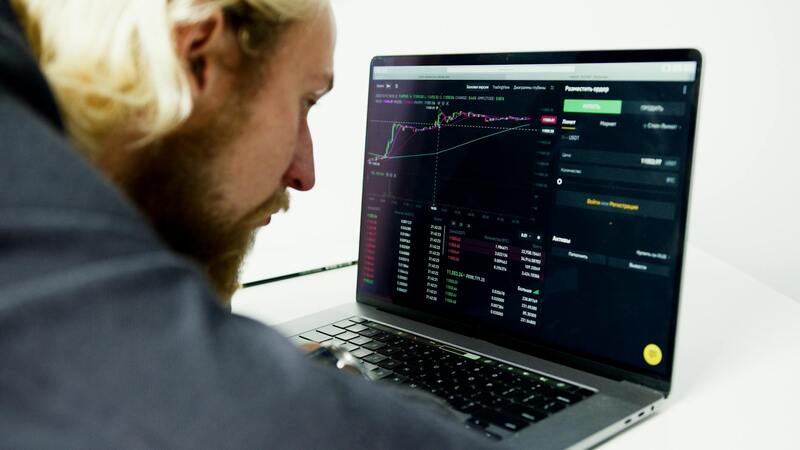
Many prop trading firms structure their onboarding process around evaluation stages, which can sometimes be referred to as challenge or assessment accounts. The trader is required to meet specific profit targets within a designated period while adhering strictly to risk constraints. Factors such as maximum drawdown thresholds, trade frequency limits, and profit goals are carefully monitored. Successful completion of these stages signifies to the firm that the trader possesses the necessary skill set and discipline to handle the firm’s capital responsibly.
Designing trading strategies that align with evaluation parameters is critical. Traders often utilize solid risk management techniques, such as setting stop-loss orders and limiting position sizes, to stay within prescribed boundaries. Consistency, discipline, and an understanding of market dynamics are emphasized during this process. Some firms also include educational components or mentorship opportunities as part of the evaluation process, further aiding traders in refining their approach and preparing them for real trading scenarios.
In addition to offering a pathway to funded accounts, evaluation programs serve as a mutual assessment phase where traders can gauge their preparedness for live markets. This period allows traders to refine their trading plans, adapt to real-time market challenges, and develop emotional resilience—all key components for long-term success.

Ultimately, the strategic use of evaluation and demo accounts minimizes the financial risk for aspiring prop traders while maximizing growth potential. It enables traders to prove their capability, build confidence, and develop the habits necessary for sustained profitability. This methodical approach not only facilitates the initial entry into prop trading without capital but also lays the groundwork for a disciplined, rewarding trading career.
Using Evaluation or Demo Accounts to Gain Capital
One of the most effective pathways to start prop trading without initial capital involves leveraging evaluation or demo accounts provided by many proprietary trading firms. These accounts serve as a testing ground where traders can demonstrate their skills, discipline, and strategic approach in a simulated environment that mirrors live market conditions. Successfully completing evaluation stages often results in the firm offering a funded account, making it possible to trade with the firm’s capital without risking personal funds.

Evaluation accounts typically come with specific trading objectives, such as profit targets within a set period, adherence to maximum drawdown limits, and strict compliance with risk management rules. These parameters are designed not only to assess trading capability but also to encourage responsible trading behaviors. Traders must adhere to these conditions meticulously, as failing to do so can disqualify them from progressing to the next stage or securing a funded account.
During these evaluations, traders often employ various techniques to maximize their chances of success. This includes developing disciplined risk management strategies—using stop-loss orders to preserve capital and position sizing to control exposure. They also focus on consistent profitability over a series of trades rather than isolated successes, which demonstrates reliability and emotional resilience under pressure.
Modern prop firms often provide robust analytical tools within their demo platforms, enabling traders to analyze their performance and refine their strategies. This environment allows for testing different approaches—whether it’s scalping, swing trading, or trend following—before committing to live trading with real capital.
Transitioning from demo to funded accounts is a significant milestone. After meeting evaluation criteria, traders are typically given access to the firm's capital, which they can use to generate profits. This step significantly reduces personal financial risk and provides a structured pathway into professional trading careers. Furthermore, sustained success in these accounts often leads to increased funding and scaling opportunities, enabling traders to grow their trading operations responsibly and sustainably.

It is crucial for aspiring traders to approach evaluation accounts with seriousness and preparation. Developing a comprehensive trading plan, practicing disciplined execution, and continuously analyzing performance are key for success. This method not only offers a no-capital entry point but also instills vital skills and habits that underpin long-term profitability and professional growth in prop trading.
Understanding Proprietary Trading and Funding Options
Proprietary trading involves traders using a firm's capital to execute trades across various financial markets, aiming to generate profits that are often shared between the trader and the firm. Unlike individual traders managing personal accounts, prop trading offers access to larger trading volumes and sophisticated resources that can enhance profitability. For traders looking to start with minimal personal risk, many firms now offer pathways to access capital without requiring upfront funds, primarily through structured evaluation programs and funded accounts.

Eligibility Criteria and Skills Needed to Begin
Most prop firms seek applicants with a strong foundation in trading principles, discipline, and a proven track record of consistent performance. Essential skills typically include technical analysis, risk management, and a disciplined approach to trading psychology. While some firms conduct rigorous interviews and testing phases, others focus on evaluating demo or evaluation account performance. Prospective traders should demonstrate an ability to adapt strategies, manage emotional responses, and stick to predetermined risk parameters—traits that are crucial when operating with minimal or no personal capital.
Finding Prop Trading Firms that Offer No-Capital Opportunities
Several reputable firms specialize in offering beginner traders entry points that require no initial personal investment. These firms often feature transparent evaluation programs designed to assess trading skills and risk management abilities before granting access to live capital. Many of these firms have well-developed online platforms, providing clear guidelines and support for traders aiming to leverage their trading skills without risking their own money. Recognizing legitimate and structured programs ensures traders align with firms that prioritize professional development alongside financial growth.

Application Process and Evaluation
Applying to a no-capital prop trading program typically entails completing an application that includes your trading experience, strategy overview, and sometimes a simulated trading assessment. Once accepted, traders often progress through evaluation stages that test their ability to adhere to risk parameters, maintain discipline, and demonstrate profitability over a series of simulated trades or demo accounts. Successful completion of these evaluations allows traders to access funded accounts, marking a transition from simulated environments to real-market participation without initial financial exposure.
Using Evaluation or Demo Accounts to Gain Capital
Evaluation and demo accounts are vital stepping stones for traders with no capital. These accounts replicate live trading conditions, enabling traders to refine their strategies and demonstrate consistency. Most firms require traders to meet specific profit targets and risk management standards within these environments. Once criteria are met, traders are then invited to operate with the firm’s capital, effectively bridging the gap between skill assessment and real trading. This process minimizes personal financial risk, as it relies solely on the trader’s competence and disciplined execution.

Training and Mentorship Programs for Aspiring Prop Traders
Many reputable prop firms provide comprehensive training modules and mentorship programs designed to enhance trading skills and promote best practices. These initiatives often include webinars, personalized coaching, and access to analytical tools that bolster strategy development. Engaging with such programs equips aspiring traders with the knowledge to navigate complex market scenarios, optimize risk-reward ratios, and develop disciplined trading habits. For traders starting with no personal capital, these structured learning pathways promote confidence and professionalism, increasing the likelihood of sustained success in funded trading accounts.
Managing Risks and Expectations when Trading with No Capital
Embarking on a proprietary trading career without initial capital requires a disciplined approach to risk management and expectation setting. Traders must recognize that progress often hinges on patience, continuous learning, and adherence to firm guidelines. Since access to trading capital is typically contingent upon successfully passing evaluation phases, managing risk during these stages is paramount to prevent setbacks and to maintain motivation.
One effective strategy is to adopt strict risk limits from the start. This includes setting daily, weekly, and overall maximum loss thresholds that protect trading accounts from significant drawdowns. Many firms impose specific risk parameters, such as risking no more than 1-2% of the designated trading capital per trade. For traders utilizing demo or evaluation accounts, adhering to these parameters ensures the development of sound trading habits that are scalable once actual capital is allocated.
Balancing expectations involves understanding that success in prop trading is a marathon, not a sprint. The evaluation process often involves multiple stages, each designed to test consistency and discipline. Traders should focus on incremental improvement, learning from mistakes, and refining their strategies rather than seeking quick gains. Patience is especially critical when starting with no personal capital, as mastering the process may take time before achieving funded status.

Additional considerations include maintaining emotional control, avoiding overleveraging, and sticking to proven trading setups. Emotional reactions to losses or gains can lead to impulsive decisions that jeopardize potential funding opportunities. Regular review of trading logs and performance metrics can help identify behavioral patterns for improvement.
Furthermore, traders should set realistic goals aligned with their skill level and the requirements of the prop trading firm. Achieving consistent profitability in evaluation stages indicates readiness to handle real capital and underscores the importance of disciplined trading routines. This mindset not only safeguards the trader’s psychological well-being but also aligns expectations with achievable benchmarks, laying a strong foundation for a sustainable long-term trading career.