
How to Start a Prop Trading Firm

Understanding Proprietary Trading and Industry Scope
Launching a proprietary trading firm involves a comprehensive understanding of the industry’s structure, core operations, and the strategic role of trading entities. Proprietary trading, commonly known as prop trading, refers to firms engaging in the buying and selling of financial instruments using their own capital, aiming to generate profits rather than facilitating client trades. This business model requires a keen understanding of financial markets, trading strategies, and risk management principles.
Prop trading firms serve as key players in the financial ecosystem, often leveraging advanced algorithms, proprietary strategies, and cutting-edge technology to capitalize on market opportunities. These firms operate across various asset classes including equities, commodities, forex, and derivatives. Their success hinges on establishing a sophisticated infrastructure, hiring skilled traders, and maintaining rigorous risk controls.
The industry landscape is highly competitive, characterized by a mix of established players and emerging startups. Success in this space demands a well-structured approach, significant initial capital, and ongoing strategic development. The sophisticated nature of prop trading means adhering to high standards of operational excellence and continuous innovation to stay ahead in dynamic markets.

Key Elements in Establishing a Prop Trading Firm
- Market Knowledge: A thorough understanding of financial markets and instruments.
- Technological Infrastructure: Advanced trading platforms and analytical tools.
- Risk Management Frameworks: Measures to protect capital and optimize trading performance.
- Skilled Personnel: Experienced traders, quantitative analysts, and support staff.
Building on these foundational principles sets the stage for the subsequent steps necessary to establish a robust, profitable prop trading business. Each phase, from market research to infrastructural development, requires strategic planning and meticulous execution.
Understanding Proprietary Trading and Industry Scope
Proprietary trading, commonly known as prop trading, involves financial firms using their own capital to execute trades with the goal of generating profits. Unlike traditional asset management or brokerage services, prop trading firms focus solely on their proprietary strategies and market insights to maximize returns. They operate across various asset classes, including equities, commodities, foreign exchange (forex), and derivatives, deploying sophisticated algorithms and technology to gain an edge in competitive markets.
In the industry, establishing a successful prop trading firm requires more than just capital. It demands a comprehensive understanding of market dynamics, risk management, and technological infrastructure. These firms often leverage quantitative analysis, high-frequency trading systems, and algorithmic strategies to identify and capitalize on market inefficiencies.
The competitive landscape comprises well-established players with years of experience and startups eager to innovate. To carve out a niche, new firms must demonstrate a thorough grasp of trading principles, implement robust risk controls, and continually adapt to evolving market conditions. Strategic planning, an initial injection of capital, and the ability to develop advanced trading systems are fundamental to success in this sector.
Creating a proprietary trading firm entails designing an operational framework built around core elements such as comprehensive market research, technological sophistication, risk control mechanisms, and talented personnel. Each step involves meticulous planning, ensuring that the firm can sustain profitability, adapt strategies swiftly, and maintain a competitive edge in a rapidly changing environment.

Key Aspects of Establishing a Prop Trading Business
- Market Expertise: Deep knowledge of financial markets and various trading instruments.
- Technological Infrastructure: Implementation of advanced trading platforms, analytical tools, and connectivity to liquidity providers.
- Risk Management: Systems designed to monitor, control, and mitigate trading risks effectively.
- Talent Acquisition: Hiring experienced traders, quantitative analysts, and support staff capable of executing complex strategies.
Developing these foundational aspects is essential to building a robust and scalable prop trading operation. With the right infrastructure and expertise in place, firms can explore diverse trading strategies, refine algorithms, and manage risks efficiently, paving the way for long-term profitability and growth.
Legal Structure and Regulatory Compliance
Establishing a proprietary trading firm requires a carefully planned legal framework that suits your business objectives and operational needs. This process involves selecting an appropriate legal entity, such as an LLC, corporation, or partnership, which provides the necessary liability protections and operational flexibility. Additionally, understanding the registration requirements and compliance obligations of relevant regulatory authorities is crucial to ensure smooth operation and avoid potential legal issues.
Procurement of necessary licenses and permits forms the backbone of a compliant enterprise. While the specific licensing depends on the jurisdiction and nature of trading activities, typical requirements include registration with financial regulatory agencies, adherence to reporting standards, and implementation of anti-money laundering (AML) policies. These measures establish credibility with clients and counterparties while safeguarding the firm from operational risks.
Compliance frameworks should incorporate comprehensive policies on data security, client confidentiality, and fair trading practices. Establishing internal controls, regular audits, and staff training on compliance protocols helps foster a responsible trading environment and maintain trust with partners. With a sound legal structure, your firm can operate confidently within established guidelines, positioning it for sustainable growth and strategic expansion.

Setting Up Infrastructure and Trading Technology
Building a solid technological foundation is fundamental to a successful proprietary trading operation. This involves selecting, customizing, and integrating high-performance trading platforms capable of executing fast, complex trades. Trading terminals should offer real-time data feeds, advanced analytical tools, and customizable interfaces to support traders' decision-making processes.
Connectivity to liquidity providers, such as prime brokers or exchange networks, is essential to ensure efficient trade execution and access to optimal market conditions. Establishing high-speed, reliable internet connections and backup systems minimizes downtime, which could otherwise lead to missed opportunities and financial losses.
In addition to trading platforms, deploying risk management software that provides instant analytics and alerts helps maintain oversight of trading activity. These tools enable the firm to monitor exposure, comply with internal limits, and react swiftly to market fluctuations. Integration of back-office systems for account management, reporting, and compliance ensures seamless operations and regulatory adherence.

Recruiting and Training Traders
The success of a proprietary trading firm hinges on the caliber of its traders. It is crucial to implement a disciplined recruitment process, focusing on candidates with proven expertise in specific markets and trading styles. Many firms prioritize quantitative analysts, algorithm developers, and experienced discretionary traders who demonstrate consistent performance under pressure.
Once recruited, comprehensive training programs should be implemented to align traders with the firm’s risk management policies, trading strategies, and technological tools. Ongoing education on market developments, new trading algorithms, and compliance standards helps maintain a competitive edge and mitigate operational risks.
Mentorship and performance review processes cultivate a culture of continuous improvement. Establishing clear performance benchmarks enables the firm to identify top talent, provide targeted development opportunities, and optimize trading teams for sustained profitability.

Establishing the Legal Framework and Regulatory Compliance
When starting a proprietary trading firm, selecting the appropriate legal structure is fundamental to ensure smooth operations and financial efficiency. Most firms opt for entities such as limited liability companies (LLCs) or corporations, which provide a legal shield for personal assets and facilitate ease of fundraising and stakeholder management. It is essential to register the chosen entity with the relevant state or federal authorities, adhering to local registration procedures and obtaining any necessary licenses or permits.
To operate within the financial industry, the firm must also comply with applicable regulations. This includes registering with regulatory bodies responsible for overseeing trading activities, such as the Commodity Futures Trading Commission (CFTC) for futures-focused firms or the Securities and Exchange Commission (SEC) for equity-centric operations, depending on the specific markets targeted. Ensuring compliance involves meeting reporting requirements, implementing record-keeping protocols, and establishing internal controls consistent with regulatory standards.

Furthermore, drafting comprehensive internal policies aligned with regulatory guidelines and industry best practices facilitates a transparent and accountable operational environment. These policies should cover trading conduct, risk limits, data security, and anti-money laundering (AML) procedures. Engaging legal counsel with expertise in financial regulations provides valuable insights into structuring the firm’s compliance framework, ensuring continuous adherence amid evolving regulatory landscapes.
Developing Infrastructure and Technology Systems
A robust technological foundation is vital for a prop trading company's efficiency and competitiveness. This involves selecting high-performance trading platforms capable of executing large volumes with minimal latency, integrating advanced data feeds, and implementing reliable order management systems. Automating routine processes through technology streamlines operations and reduces operational errors, thereby supporting rapid decision-making.

To support trading activities, the firm should invest in secure servers and cloud solutions that safeguard sensitive data and ensure high availability. Connectivity options such as co-location with major exchanges or direct market access (DMA) are also critical to reducing latency, enhancing execution speed, and maintaining a competitive edge.
The development of risk management software is equally essential. Tools that track cumulative exposure, enforce trading limits, and generate compliance reports enable the firm to operate within predefined risk parameters while maintaining transparency with stakeholders. Additionally, integrating analytical and back-testing platforms aids traders in refining strategies based on historical data and market simulations.
Building a Skilled Team and Fostering Internal Expertise
Identifying key personnel who bring market insight, technical prowess, and strategic thinking is fundamental. Recruitment should focus on quantitative analysts, software developers, experienced traders, and compliance specialists. Establishing relationships with industry networks and leveraging professional recruitment channels helps access high-caliber talent.
Once assembled, providing ongoing training in proprietary algorithms, risk policies, and trading software ensures that team members stay equipped to navigate complex market environments. Implementing mentorship programs and defining clear performance benchmarks cultivate a culture of continuous learning and operational excellence.
Effective team development not only enhances trading performance but also fosters resilience against market volatility and operational challenges, which are inherent in the proprietary trading space.
Setting Up Infrastructure and Trading Technology
Establishing a robust technological foundation is critical to the success and operational efficiency of a proprietary trading firm. Selecting appropriate trading software involves evaluating platforms that offer real-time data analysis, customizable algorithm integration, and high-speed execution capabilities. It is essential to choose solutions that can handle complex trading strategies while providing reliable connectivity to market data sources.
Hardware considerations should focus on low-latency processing, including high-performance servers, multiple monitor setups, and backup power supplies to ensure continuous trading activities. Investing in dedicated data feeds from reputable providers guarantees access to timely and accurate market information, which is vital for decision-making and algorithmic execution.

Security protocols must be prioritized to protect sensitive information and trading algorithms. Implementing firewalls, encryption standards, and secure network configurations minimizes vulnerabilities. Additionally, establishing a resilient IT environment includes redundancy plans and disaster recovery strategies to maintain uninterrupted trading in case of technical failures.
Automation, including the development of proprietary trading algorithms and order execution systems, further enhances efficiency. Integration of these tools with brokerage APIs allows for seamless order placement and management, reducing manual intervention and increasing precision.
The user interface should facilitate ease of use for traders while allowing customization to suit specific trading strategies. Cloud computing options can also be considered for scalability, enabling the firm to adapt quickly to growing data processing requirements and market complexities.

Beyond hardware and software, establishing a dedicated support team ensures swift resolution of technical issues. Regular maintenance and updates keep the infrastructure aligned with evolving market conditions and technological advancements. Overall, a well-designed technological environment underpins the firm's ability to execute rapid, accurate trades and maintain a competitive edge in the industry.
Establishing Operational Procedures and Staffing
Creating efficient operational procedures is vital to ensure consistency and adherence to your trading strategies. This involves formalizing policies related to trade execution, risk management, and compliance monitoring. Clear protocols help maintain discipline among traders and support scalable growth. Standard operating procedures (SOPs) should be documented comprehensively, covering aspects such as order placement, trade review, exception handling, and reporting processes.
Once core procedures are defined, assembling a capable team to manage day-to-day operations becomes a priority. This includes hiring skilled compliance officers, operations managers, and IT support staff. Their roles are crucial in maintaining the firm's infrastructure, monitoring trading activity, and ensuring all activities adhere to established policies.

Effective communication channels must be established to facilitate smooth workflow among departments. Regular meetings and updates help align the team with strategic objectives and address any operational issues proactively. Additionally, comprehensive documentation and training materials should be maintained to facilitate onboarding and ongoing education of staff, ensuring adherence to best practices and firm standards.
Establishing Data Management and Reporting Systems
Robust data management systems are fundamental for tracking performance, analyzing trading metrics, and ensuring compliance. Implementing centralized data repositories enables efficient storage of trading logs, account activity, and risk assessments. These systems should be equipped with analytical tools that generate actionable insights to refine trading strategies and operational procedures.
Accurate and timely reporting mechanisms support transparent communication with stakeholders and assist in regulatory reporting requirements. Automated report generation reduces manual errors and provides real-time visibility into key performance indicators such as profit/loss ratios, trade frequency, and risk exposures. Coupling these systems with real-time dashboards enhances decision-making agility and operational oversight.
Implementing Business Continuity and Security Measures
Business continuity planning (BCP) is essential to safeguard operational resilience against unforeseen disruptions. BCP strategies include data backups, redundant systems, and contingency plans ensuring trading can continue uninterrupted during outages or technical failures. Regular testing of these plans helps identify vulnerabilities and implement necessary improvements.
Security measures must be comprehensive, employing multi-layered defenses for both physical and digital assets. This encompasses secure server facilities, cybersecurity protocols (like intrusion detection systems), and access controls. Regular security audits help preempt threats and reinforce safety frameworks. Training staff in security best practices minimizes human error and enhances the overall security posture of the prop trading enterprise.
Implementing Effective Risk Management and Funding Models
Establishing robust risk management protocols is fundamental to the sustainable operation of a proprietary trading firm. This begins with defining clear risk limits tailored to each trading strategy and the overall firm’s risk appetite. Utilizing advanced risk analytics allows traders and risk managers to monitor exposure levels continuously, ensuring that no single position or set of positions jeopardizes the firm’s financial stability.
In addition to monitoring risk, developing sound capital allocation policies helps optimize resource distribution across various trading strategies and asset classes. This involves setting aside trading capital based on historical performance, projected volatility, and strategic importance. Proper allocation ensures diversification of risk and improves the firm's ability to withstand adverse market movements.

Funding models serve as the financial backbone for prop trading operations. These often involve mechanisms such as profit-sharing arrangements or trading account structures that align incentives among traders and the firm. Profit sharing can motivate traders to perform at their best, as their earnings are directly linked to their trading success, while the firm benefits from increased overall profitability.
Another effective model involves tiered funding, where traders begin with a smaller account size, and successful performance leads to increased capital access. This approach mitigates initial risk while encouraging traders to adhere to disciplined trading practices. Regardless of the chosen model, transparency and clear contractual agreements are key to fostering trust and accountability.
Launching and Scaling the Proprietary Trading Firm
Once foundational elements such as risk management, funding structures, and infrastructure are in place, the focus shifts toward launching the operational phase. Starting with a pilot team allows for performance tracking, process refinement, and strategy validation without exposing the firm to excessive initial risk.
Gradually scaling involves expanding the trading team, diversifying strategies, and increasing capital reserves. It is essential to maintain rigorous oversight during growth, employing data-driven decision-making and continuous evaluation of trading performance and risk metrics. Leveraging analytics and automation can streamline operations, improve efficiency, and support sustainable expansion.
Throughout the scaling process, fostering a strong company culture centered on disciplined trading, transparency, and ongoing professional development sustains long-term success. Regular training, strategic review sessions, and technological upgrades ensure the firm adapts to evolving market conditions and maintains competitive edge.
Implementing Robust Risk Management and Innovative Funding Models
Effective risk management is the backbone of a successful proprietary trading firm. It involves establishing comprehensive protocols to monitor, measure, and control trading risks in real time. This includes setting clear risk limits per trader, developing automated systems to flag excessive deviations, and employing advanced analytics to identify emerging vulnerabilities. By integrating these systems into daily operations, firms can prevent significant losses and sustain steady growth.
In addition to risk controls, traders should be equipped with continuous professional development opportunities, including regular training on risk awareness and decision-making under pressure. Moreover, fostering a culture of disciplined trading, where adherence to risk parameters is non-negotiable, helps maintain overall stability.
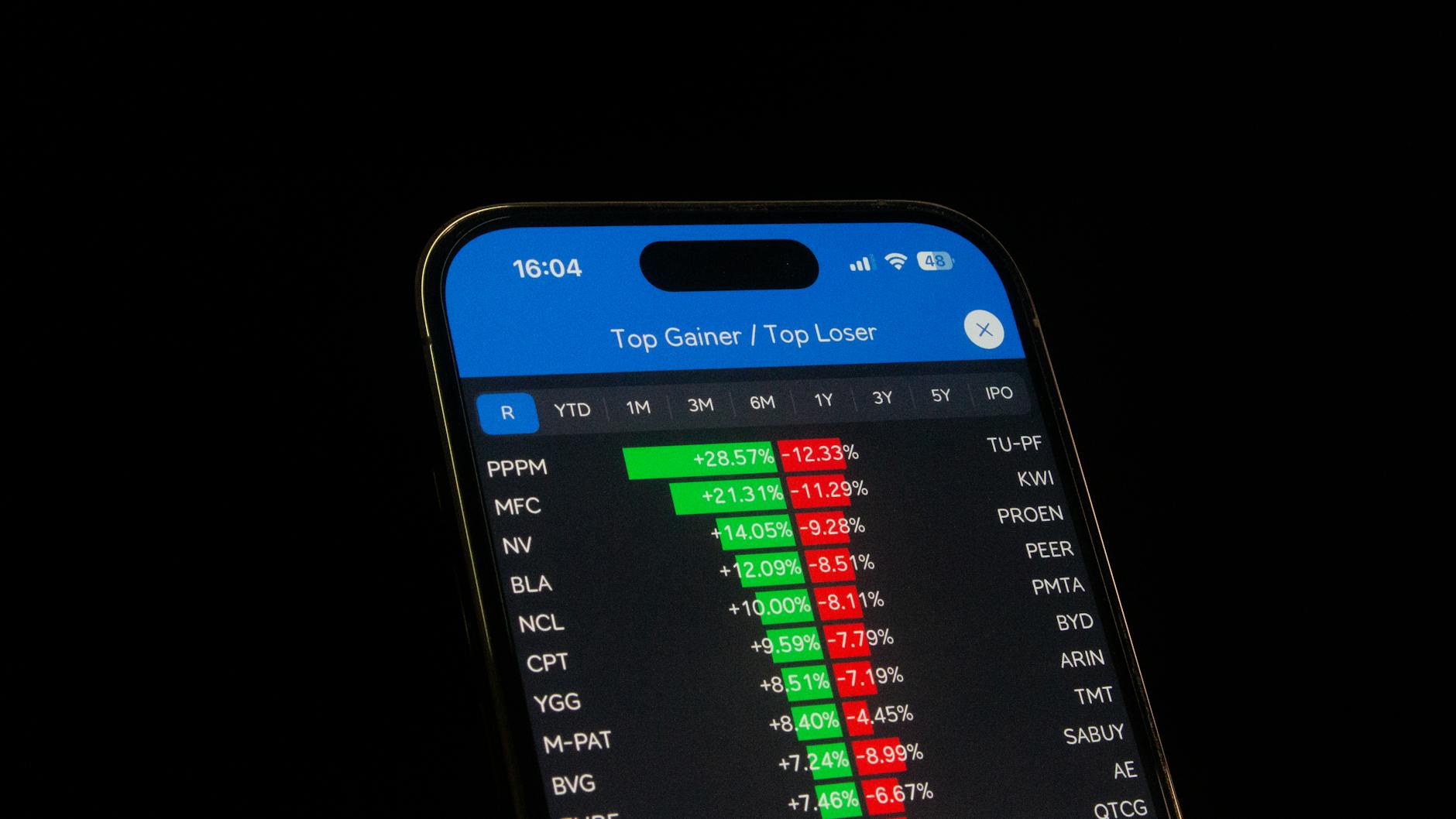
Funding models are equally critical in prop trading operations. Beyond traditional margin financing, firms are innovating with structures such as revenue-sharing agreements, profit splits, and performance-based incentives. These models align the interests of traders and the firm, encouraging disciplined trading while ensuring the firm’s capital is utilized efficiently.
One approach involves tiered funding, where traders start with smaller capital allocations and gradually earn increased funding based on consistent performance metrics. This method minimizes initial exposure while rewarding proven traders. Additionally, implementing drawdown limits and stop-loss protocols reinforces capital preservation and limits downside risk.

Transparency and accountability must underpin all these processes. Clear contractual documentation on risk limits, profit-sharing arrangements, and trader responsibilities is essential. Regular performance audits, detailed reporting, and open communication channels create an environment of trust and clarity.
Employing data-driven decision-making through analytics software enhances the ability to adapt risk parameters in response to market fluctuations. Automation tools can facilitate swift execution of risk controls and funding adjustments, thereby maintaining resilience and flexibility.
By integrating rigorous risk management practices with flexible, performance-aligned funding models, a prop trading firm can establish a resilient operational foundation. This approach not only protects capital but also motivates traders to perform optimally within structured boundaries, fostering long-term profitability and growth.
