
Overview of Prop Software in Proprietary Trading
Prop software plays a pivotal role within proprietary trading firms by providing advanced technological tools designed to enhance trading operations, improve decision-making processes, and boost overall efficiency. These specialized platforms serve as the backbone of modern trading strategies, integrating complex analytics, risk management features, and real-time data processing to empower traders with critical insights. Within the fast-paced environment of proprietary trading, where speed and accuracy are paramount, prop software functions as an indispensable asset that facilitates rapid execution of trades, meticulous monitoring of market movements, and strategic adjustments based on evolving data. The sophistication of such software often determines a trading firm’s competitiveness in the marketplace, as it enables traders to execute high-frequency trades, analyze vast datasets, and manage multiple assets simultaneously.

At its core, prop software consolidates various functionalities such as algorithmic trading engines, risk assessment tools, and compliance modules into a unified platform. This integration ensures that traders can operate within a seamless workflow, minimizing delays and reducing operational errors. Additionally, the software’s ability to adapt to changing market conditions through machine learning and real-time analytics enhances a trading firm's agility and responsiveness. As the landscape of proprietary trading continues to evolve with technological advancements, the importance of robust, reliable, and sophisticated prop software remains fundamental for maintaining a competitive edge, optimizing trade execution, and safeguarding the firm's capital.
Types of Prop Software Used by Trading Firms
Proprietary trading firms rely on a diverse array of software tools to enhance trading operations, mitigate risks, and analyze market data effectively. Each category of prop software is designed to serve specific functions, ensuring that traders and firms can operate with maximum precision and efficiency in a highly dynamic environment.

Trading Platforms
Trading platforms form the core interface for executing trades, monitoring market movements, and managing assets. These platforms often come equipped with advanced charting tools, real-time data feeds, and order management systems. Many proprietary trading firms develop or customize platforms tailored to their specific strategies and risk parameters, allowing for rapid order execution and advanced analytical capabilities.
Risk Management Systems
Risk management is vital for maintaining the stability of a trading firm’s capital. Sophisticated risk assessment tools are integrated into proprietary software to provide real-time monitoring of trading positions, exposure levels, and potential losses. These systems enable traders to set predefined risk thresholds, trigger automatic notifications, and execute hedging strategies if necessary to mitigate potential adverse effects.
Data Analysis and Algorithmic Trading Tools
Data analysis software helps traders sift through extensive datasets, identify market trends, and refine trading signals. Algorithmic trading engines automate decision-making processes based on complex modeling and machine learning algorithms. This automation allows for high-frequency trading and rapid response to market fluctuations, often surpassing manual execution in speed and consistency.
Backtesting and Simulation Software
Before deploying new strategies, trading firms utilize backtesting tools to evaluate historical performance. These platforms simulate trading scenarios using past market data, enabling traders to assess potential profitability, identify weaknesses, and optimize algorithms without risking real capital.
Compliance and Reporting Tools
Operational compliance is crucial within proprietary trading environments. Specialized software ensures adherence to regulatory requirements, facilitates comprehensive record keeping, and streamlines reporting procedures. Automated compliance checks help prevent violations which could lead to penalties or reputational damage.
Each of these software categories plays an integral role in supporting the complex workflows within prop trading firms. The integration of these tools into a cohesive ecosystem enhances operational efficiency, supports data-driven decision-making, and maintains regulatory standards — all vital for sustained success in competitive markets.
Overview of Prop Software in Proprietary Trading
Prop software is at the core of modern proprietary trading operations, facilitating a wide range of functions from trade execution to risk management. These platforms serve as comprehensive environments where traders can analyze data, implement strategies, automate trades, and monitor performance in real-time. The sophistication and reliability of the software directly influence a firm's ability to capitalize on market opportunities while maintaining strict control over risk exposure.
In today's fast-paced trading landscape, firms leverage advanced proprietary tools that integrate diverse functionalities into a seamless workflow. Such integration allows traders to react swiftly to market movements, execute complex algorithms efficiently, and maintain compliance with regulatory standards. Because these systems handle sensitive data and facilitate high-stakes transactions, their robustness, stability, and security are paramount.

Types of Prop Software Used by Trading Firms
Trading firms employ a variety of specialized software to support different aspects of their operations. Each type is designed to optimize a specific domain within the trading ecosystem, ensuring that all functions—from strategy development to compliance—are handled efficiently and accurately.
Order Management Systems (OMS)
Order management systems streamline the process of placing, modifying, and executing trades. These tools are integrated with liquidity providers and exchanges, allowing traders to route orders with minimal latency. OMS platforms also provide detailed order tracking and audit trails, aiding in operational transparency.
Execution Management Systems (EMS)
EMS platforms focus on optimizing trade execution by analyzing market conditions and selecting the best timing and venue for order placement. High-frequency traders benefit immensely from these tools, which reduce slippage and ensure timely fills through direct market access (DMA).
Data Analysis and Algorithmic Trading Tools
Data analysis software helps traders sift through extensive datasets, identify market trends, and refine trading signals. Algorithmic trading engines automate decision-making processes based on complex modeling and machine learning algorithms. This automation allows for high-frequency trading and rapid response to market fluctuations, often surpassing manual execution in speed and consistency.
Backtesting and Simulation Software
Before deploying new strategies, trading firms utilize backtesting tools to evaluate historical performance. These platforms simulate trading scenarios using past market data, enabling traders to assess potential profitability, identify weaknesses, and optimize algorithms without risking real capital.
Compliance and Reporting Tools
Operational compliance is crucial within proprietary trading environments. Specialized software ensures adherence to regulatory requirements, facilitates comprehensive record keeping, and streamlines reporting procedures. Automated compliance checks help prevent violations which could lead to penalties or reputational damage.

Key Features of Effective Prop Trading Software
Optimal prop software exhibits several essential functionalities, which collectively enable traders to operate efficiently and securely. These include:
- Order Execution Capabilities: Rapid, accurate execution of trades across multiple venues with minimal slippage.
- Real-Time Data Feeds: Access to up-to-the-second market data for informed decision-making.
- Risk Monitoring and Management: Tools to track exposure, set stop-losses, and implement risk mitigation strategies instantly.
- Backtesting and Optimization: Features to test strategies against historical data and refine parameters for better performance.
- User Interface and Customization: Intuitive dashboards with the flexibility for customization to suit individual or team workflows.
- Automated Trading Functions: Support for algorithm deployment and high-frequency trading algorithms that operate seamlessly within the platform.
Criteria for Choosing Prop Software for Trading Firms
Proprietary trading firms evaluate potential software solutions based on several critical factors:
- Performance and Speed: Ensuring the platform can handle high data throughput and execute orders with minimal latency.
- Reliability and Stability: The software must operate consistently without crashes or bugs, even during volatile market conditions.
- Security Features: Adequate measures to protect sensitive trading data and prevent unauthorized access.
- Compatibility and Integration: Seamless integration with existing systems and hardware infrastructure.
- User Experience: Easy-to-navigate interfaces that enable quick decision-making and reduce operational errors.
- Regulatory Compliance Tools: Built-in features that facilitate adherence to trading regulations and reporting standards.
Implementation and Integration of Prop Software in Trading Firms
Successful deployment of prop software involves meticulous planning and execution. Integration with existing trading infrastructure, including hardware and network configurations, is critical. Firms typically conduct extensive testing phases to ensure compatibility and performance. Staff training is also essential to maximize the platform’s capabilities, emphasizing both operational procedures and security protocols.
Implementation often includes phased rollouts, starting with core modules and gradually incorporating additional functionalities. Ongoing maintenance and updates are vital to adapt to evolving market conditions and technological advancements.
Impact of Prop Software on Trading Performance
Adopting advanced proprietary trading software substantially influences a trading firm's overall performance by streamlining operations, enhancing decision-making processes, and increasing execution efficiency. The core advantage of effective prop software lies in its ability to process vast streams of market data rapidly, enabling traders to identify and act on opportunities with minimal delays. This real-time data analysis is crucial in volatile markets where fractions of a second can determine profitability.
Moreover, sophisticated algorithms embedded within these platforms assist traders in implementing complex strategies with precision. These include market making, statistical arbitrage, and high-frequency trading, all of which depend heavily on the software’s capability to execute trades swiftly and accurately. A reduction in latency and execution errors directly correlates with improved profitability margins and tighter risk management.
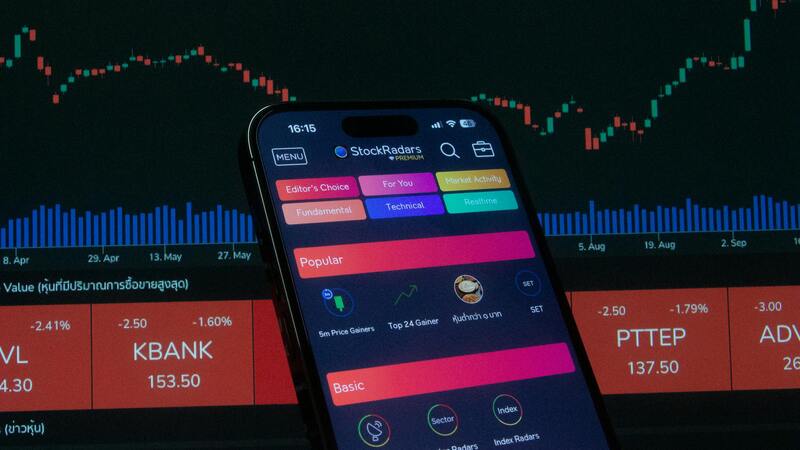
Trade automation features provided by professional software allow traders to automate routine tasks and focus on strategic decision-making. Enhanced automation reduces operational errors and ensures adherence to predefined trading parameters, fostering consistency and disciplined trading practices.
Additionally, integrated risk management tools within the software offer real-time monitoring of position sizes, margin utilization, and exposure limits. This capability allows firms to respond swiftly to market fluctuations, safeguard capital, and optimize risk-adjusted returns. The comprehensive analytics and reporting functions also facilitate continuous performance evaluation, enabling traders and managers to refine strategies and adapt to changing market dynamics.
Tools for seamless integration with market data feeds, order management systems, and back-office operations are vital in maintaining a cohesive trading environment. The interoperability of these systems ensures that all components operate harmoniously, reducing delays and operational bottlenecks.

Implementing robust prop software fosters an environment where data-driven insights translate into faster, more informed trading decisions. Consequently, firms can capitalize on fleeting market opportunities and mitigate losses more effectively, fundamentally elevating their trading performance and competitive edge in the financial markets.
Overview of Prop Software in Proprietary Trading
Prop software constitutes the backbone of modern proprietary trading operations, providing traders with advanced tools to analyze market data, execute trades, and manage risk efficiently. These platforms are designed to enhance decision-making processes by integrating complex algorithms, real-time data feeds, and automated execution capabilities. The core purpose of prop software is to empower traders with a cohesive environment that maximizes operational efficiency, precision, and consistency in trading strategies. They serve as centralized hubs where multiple functionalities—from charting and technical analysis to order execution and reporting—are seamlessly interconnected, removing the need for disparate systems and reducing operational complexity.

Types of Prop Software Used by Trading Firms
Trading firms employ a variety of specialized software tailored to their particular strategies and operational models. The most common categories include:
- Trading Platforms: These are comprehensive environments integrating market data, analytics, and order execution capabilities. Examples include proprietary platforms developed in-house or customized versions of popular trading software such as MetaTrader or NinjaTrader.
- Algorithmic Trading Software: Focused on automating trading strategies through predefined algorithms, these platforms enable quantitative traders to deploy and optimize complex trading bots that can react to market changes within milliseconds.
- Risk Management Tools: Essential for monitoring live trading activity, these tools provide real-time insights into exposure levels, margin requirements, and potential drawdowns, aiding firms in maintaining balanced and responsible trading practices.
- Data Analysis and Visualization Tools: Advanced analytics platforms support detailed backtesting, performance tracking, and visualization of trading metrics, which are vital for strategy refinement and performance assessment.
Key Features of Effective Prop Trading Software
Successful prop software must encompass a range of features that support robust trading operations while maintaining flexibility and security:
- Real-time Data Processing: The ability to ingest, process, and display high-frequency market data instantaneously is critical for capturing fleeting trading opportunities.
- Automated Trading Capabilities: Integration of order execution with algorithmic strategies ensures swift reaction to market signals, reducing delays and improving fill rates.
- Risk and Money Management: Tools that enforce risk controls, such as stop-loss and profit target settings, alongside margin monitoring, help in safeguarding capital.
- User-Friendly Interface: A clean, intuitive interface enhances trader productivity and reduces the risk of operational errors during high-pressure scenarios.
- Customization and Scalability: Software solutions should be adaptable to varying trading strategies and scalable as the firm expands its trading portfolio or increases trader headcount.
- Secure Data Handling: Ensuring the confidentiality and integrity of trading data through encryption and access controls is fundamental in safeguarding proprietary information and maintaining compliance.
Criteria for Choosing Prop Software for Trading Firms
Selecting the optimal prop software involves evaluating multiple factors aligned with the firm's operational objectives:
- Performance and Stability: The software must reliably operate under high-load conditions without latency issues or crashes, ensuring consistent execution during volatile market sessions.
- Compatibility with Existing Infrastructure: It should integrate seamlessly with current data feeds, execution venues, and back-office systems to prevent operational silos or redundancies.
- Customizability: The ability to tailor trading algorithms, user interfaces, and reporting metrics to specific strategy requirements enhances the software’s utility.
- Vendor Support and Updates: Ongoing technical support, regular upgrades, and comprehensive training are crucial for adapting to evolving market conditions and maintaining operational effectiveness.
- Security Features: Protecting proprietary data and ensuring compliance with relevant standards are essential considerations during the selection process.
- Cost-effectiveness: Balancing the software’s capabilities with budget constraints helps optimize return on investment, especially for firms scaling their trading operations.
Overview of Prop Software in Proprietary Trading
Proprietary trading firms rely heavily on specialized software solutions to execute and monitor trading strategies effectively. Prop software encompasses a broad range of programs designed to facilitate trade execution, data analysis, risk assessment, and algorithm development within a controlled environment. These tools are essential for traders who need real-time market insights, automated order placement, and comprehensive performance tracking. By leveraging sophisticated software, prop firms streamline their operations, enhance decision-making processes, and improve overall trading agility, positioning themselves for competitive advantage in dynamic financial markets.
Types of Prop Software Used by Trading Firms
Trading firms utilize a variety of proprietary software tailored to specific operational needs:
- Trade Execution Platforms: These are high-performance interfaces that connect traders directly to various exchanges or trading venues, facilitating swift order placement and management.
- Algorithmic Trading Systems: Automated programs that execute predefined trading strategies based on market signals, statistical models, or machine learning algorithms.
- Data Analysis and Visualization Tools: Software that aggregates market data, performs technical analysis, and presents insights through customizable dashboards.
- Risk Management Software: Solutions that continuously monitor trading exposure, enforce risk limits, and generate alerts for potential issues.
- Backtesting Platforms: Environments for testing trading strategies against historical data to evaluate performance and optimize parameters before deployment.

Key Features of Effective Prop Trading Software
For prop software to be beneficial, it must incorporate several critical features:
- Reliability and Speed: The software must execute trades accurately and within milliseconds to capitalize on fleeting market opportunities.
- Integration Capabilities: Seamless connectivity with data providers, brokers, and internal systems to ensure smooth workflows.
- Customizability: Flexibility to modify algorithms, user interfaces, and reporting modules based on specific trading strategies.
- Advanced Analytical Tools: Incorporation of machine learning, statistical models, and pattern recognition for deeper market insights.
- Robust Security Features: Encryption, multi-factor authentication, and access controls protect sensitive trading data from unauthorized access.
- User-Friendly Interface: Ease of use reduces onboarding time and minimizes operational errors.
- Real-Time Monitoring and Alerts: Continuous oversight with notifications about system status, risk thresholds, and market anomalies.
Criteria for Choosing Prop Software for Trading Firms
Selecting suitable prop software requires a detailed assessment of several factors:
- Performance: The software must handle high volumes of data and execute trades without latency or crashes, especially during volatile periods.
- Compatibility: It should integrate effortlessly with existing systems, including data feeds, brokerage platforms, and back-office tools.
- Customizability: Ability to adapt to unique trading strategies, dashboards, and reporting preferences increases operational efficiency.
- Vendor Support: Reliable technical support, comprehensive training, and regular software updates are vital for maintaining functionality and adapting to market changes.
- Security Measures: Data encryption, secure authentication, and compliance with industry standards safeguard proprietary information.
- Cost-Effectiveness: Balancing investment with expected performance gains ensures sustainable growth, especially for expanding trading operations.
Implementation and Integration of Prop Software in Trading Firms
Integrating new proprietary software into a trading firm's existing infrastructure demands a systematic approach. Initially, a thorough assessment of current systems, data flows, and operational workflows is essential to identify integration points. Collaboration with software vendors helps tailor implementations to the firm’s specific needs, ensuring compatibility and reducing downtime. Pilot testing is critical before full deployment, allowing traders and technical teams to identify and resolve issues proactively. During integration, data security protocols are reinforced to protect sensitive information. Staff training ensures that traders and support teams are well-versed in utilizing new features effectively. Continuous monitoring post-implementation helps detect and resolve unforeseen issues quickly, optimizing the software's contribution to trading performance.
Overview of Prop Software in Proprietary Trading
Prop software plays a crucial role in modern proprietary trading operations, empowering traders and firms to execute strategies with precision and efficiency. These specialized platforms integrate advanced analytics, risk management tools, and real-time data feeds, facilitating quicker decision-making and optimized trade execution. The utilization of robust prop trading software can significantly enhance a firm’s competitive edge by providing a comprehensive environment tailored to meet the demands of high-stakes financial markets.
In the context of proprietary trading, the software acts as the backbone for managing complex trading algorithms, monitoring market conditions, and implementing automated strategies. Effective prop software also supports seamless communication between various systems, enabling traders to adapt swiftly to changing market dynamics. As the trading landscape becomes more sophisticated, the importance of specialized software solutions that incorporate high-speed data processing and user-friendly interfaces continues to grow.

Types of Prop Software Used by Trading Firms
Proprietary trading firms utilize a diverse array of software solutions tailored to their specific strategies and operational requirements. These can be broadly categorized into:
- Trading Platforms: Intuitive interfaces that allow traders to execute orders, analyze market data, and develop strategies. Examples include customized electronic trading platforms designed for speed and reliability.
- Risk Management Systems: Software that continuously monitors trading positions and market exposures, providing real-time alerts and data to manage potential losses effectively.
- Data Analytics Tools: Sophisticated analytics modules that process large datasets for pattern recognition, predictive modeling, and strategy refinement.
- Automated Trading Algorithms: Software that employs predefined criteria to execute high-frequency or algorithmic trades without manual intervention.
Key Features of Effective Prop Trading Software
Successful prop software incorporates features that streamline trading processes and safeguard assets:
- High-Speed Data Processing: The ability to handle large volumes of market data with minimal latency ensures traders have the most current information.
- Customization and Flexibility: Modular design and configurable parameters help tailor the platform to specific trading strategies and preferences.
- Robust Risk Controls: Integrated risk management tools facilitate real-time exposure monitoring and automatic position limits.
- Security Measures: Encrypted data transmission, secure login protocols, and compliance with industry standards protect sensitive information.
- Reliable Connectivity: Seamless integration with various data sources and exchanges ensures uninterrupted trading operations.
Criteria for Choosing Prop Software for Trading Firms
When selecting prop software, trading firms should consider several critical factors to ensure optimal performance and security:
- Compatibility: Ensure the platform integrates smoothly with existing infrastructure, including order management systems, data feeds, and hardware.
- Performance and Speed: The software must provide low latency and high throughput to support high-frequency trading activities.
- User Interface: An intuitive and customizable interface enhances trader productivity and reduces onboarding time.
- Support and Training: Reliable vendor support, comprehensive training resources, and responsive customer service are essential for ongoing operations.
- Regulatory Compliance: The software should adhere to industry standards and facilitate compliance with relevant trading regulations.
- Cost and Licensing: Cost-effectiveness without compromising on essential features ensures sustainable growth and scalability.
Implementation and Integration of Prop Software in Trading Firms
Deploying prop software within a trading environment requires strategic planning and meticulous execution. A detailed assessment of existing systems helps identify necessary modifications and integration points. Collaboration with software providers enables customization that aligns with the firm’s operational workflows, minimizing disruptions. Testing phases are pivotal; pilot runs help detect integration issues and optimize system configurations before full rollout. During deployment, data security protocols are reinforced, ensuring sensitive transaction data and proprietary information are protected from breaches. Staff training ensures traders and technical teams are proficient in utilizing new features, maximizing the software’s potential. Post-implementation monitoring is vital to identify anomalies and promptly address any operational inefficiencies, ensuring that the software continuously contributes to improved trading outcomes.

Security and Compliance Considerations for Prop Software
Implementing prop software within a proprietary trading environment necessitates stringent security protocols and adherence to established standards to safeguard sensitive data. This involves deploying multi-layered security measures such as advanced encryption practices for data at rest and in transit, secure user authentication mechanisms including multi-factor authentication, and regular security audits. Ensuring that software providers follow robust data handling practices minimizes vulnerabilities and helps maintain the integrity of trading activities.
Furthermore, compliance with relevant industry standards, such as the guidelines set forth by financial regulatory bodies and data protection laws, is critical. Prop trading firms must select solutions capable of tracking and logging all user activities, trade executions, and system modifications. This transparency facilitates audit readiness and ensures operational accountability. Additionally, integrated compliance tools within prop software assist traders and compliance teams in monitoring adherence to trading limits, reporting suspicious activities, and maintaining comprehensive records for review.

Beyond technical safeguards, firms should establish clear policies for data access and management. Restricted access based on roles, regular security training for staff, and continuous monitoring of network activity contribute significantly to proactive threat mitigation. As trading environments face evolving cyber threats, maintaining vigilant security practices remains paramount, helping to preserve the firm's reputation and operational stability.
Training, Support, and Continuous Improvement
Effective utilization of prop software depends heavily on comprehensive training programs and reliable vendor support. Training should be tailored to address various skill levels within the firm, from traders to IT personnel, ensuring that everyone understands how to leverage new features and functionalities efficiently. Periodic refresher courses and hands-on workshops help keep staff updated on system upgrades and best practices.
Support services from software providers should include quick-response technical assistance, detailed documentation, and ongoing software updates that incorporate user feedback and technological advancements. Regularly reviewing software performance and gathering user input facilitates continuous improvement, ensuring the tools evolve in tandem with trading demands and regulatory landscapes.
Strategic Approach to Software Integration
Successful deployment of prop software requires a methodical integration strategy. This includes evaluating existing trading infrastructure to identify integration points and potential compatibility issues. A phased rollout minimizes disruption, allowing teams to adapt gradually and address challenges proactively. Collaboration with software vendors during customization ensures features align with the firm’s trading strategies and operational workflows.
During and after implementation, rigorous testing is crucial to validate system stability, data synchronization, and operational continuity. Ensuring seamless integration enhances overall efficiency, reduces downtime, and enables traders to focus on execution without technical hindrances.
Anticipating Future Trends in Prop Software Development
The landscape of prop trading software is continually evolving, influenced by advancements in technology. Increasing adoption of artificial intelligence (AI) and machine learning (ML) is revolutionizing market analysis, predictive modeling, and automated trade execution. Cloud-based solutions are becoming more prevalent, offering scalable infrastructure, real-time access, and cost efficiencies. These innovations are expected to continue shaping the capabilities and sophistication of proprietary trading tools, providing firms with competitive advantages through improved analytical accuracy, faster decision-making, and enhanced operational flexibility.
