
Understanding Proprietary Trading and Prop Firms
Proprietary trading, commonly known as prop trading, is a financial practice where trading firms use their own capital to buy and sell securities, commodities, currencies, or derivatives. Unlike traditional investment firms that manage client assets, prop trading firms operate independently with the primary goal of generating profits through strategic market participation.
Prop trading firms often employ highly skilled traders who utilize advanced trading algorithms, technical analysis, and market insight to capitalize on short-term price movements. These firms may focus on various financial instruments, including stocks, options, futures, and forex, depending on their preferred niche and expertise.
The core advantage of proprietary trading is the ability to leverage significant capital, allowing traders to take larger positions than they could with personal funds. This approach amplifies potential returns but also involves substantial risk management to prevent significant losses.

Prop trading firms often operate behind the scenes within the financial industry, serving as catalysts for liquidity and market efficiency. They may work alone or collaborate with exchanges and investment banks to analyze market trends and exploit potential profit avenues.
Establishing a prop trading firm requires a comprehensive understanding of financial markets, risk management, and operational infrastructure. As these firms play a pivotal role in market dynamics, setting up a legitimate and efficient operation is essential for long-term success.
Understanding Proprietary Trading and Prop Firms
Proprietary trading firms, commonly known as prop firms, operate with a primary focus on utilizing the firm's capital to generate profits through active trading in financial markets. These firms distinguish themselves from conventional asset management companies by their mission to directly participate in market activities rather than managing client funds. Their strategic approach involves deploying skilled traders, advanced trading algorithms, and proprietary analysis techniques to identify and capitalize on short-term market inefficiencies.
At the core of prop trading is the concept of leveraging significant internal capital to enable larger trading positions. This leverage allows traders to maximize profit potential from minute market movements, which often requires sophisticated risk management protocols to mitigate the downside risks inherent in high-stakes trading.

Prop firms typically operate across various financial instruments, including equities, derivatives like options and futures, currencies in the forex market, and other asset classes. The versatility of these instruments enables firms to diversify their trading strategies and adapt swiftly to changing market conditions. Through proprietary trading, these firms provide liquidity to financial markets, contributing to overall market efficiency and stability.
To establish a successful proprietary trading firm, operational infrastructure, a clear strategic vision, and in-depth market knowledge are essential. The decision-making process involves selecting the right niche, developing effective trading algorithms, and implementing robust risk management systems. With proper planning, these firms can achieve consistent profitability while managing market volatility and other financial risks.
Developing proprietary trading capabilities necessitates a deep understanding of market dynamics, the deployment of cutting-edge technology, and adherence to operational standards. As the landscape continues to evolve with emerging technologies and market trends, ongoing innovation and strategic refinement are critical for sustained growth and competitive advantage.
Market Opportunity and Industry Landscape
The demand for prop trading firms has grown significantly, driven by the rise of fintech innovations and increased appetite for alternative trading strategies. As traditional investment avenues face limitations, traders seek more sophisticated opportunities to leverage their skills and technological tools within prop firm structures.
Emerging trends in this industry include the integration of artificial intelligence and machine learning algorithms to enhance trading precision. Additionally, the use of cloud-based infrastructures enables rapid deployment and scalability of trading platforms. The competitive landscape features both well-established firms and new entrants aiming to capitalize on technological advancements and regulatory shifts, positioning themselves as leaders in innovation and profitability.

For aspirants seeking to launch a prop firm, understanding market trends and positioning oneself within a niche with growth potential can lead to long-term success. The industry’s evolving nature requires adaptation, strategic foresight, and a commitment to operational excellence to secure a competitive edge in this dynamic environment.
Understanding Proprietary Trading and Prop Firms
Proprietary trading, often abbreviated as prop trading, involves financial firms or individuals trading stocks, bonds, commodities, or other financial instruments using the firm’s own capital to generate profits. Unlike traditional investment management, where client funds are handled, prop trading focuses entirely on the firm's capital, with traders compensated based on their performance. This structure incentivizes traders to employ innovative strategies and leverage sophisticated tools to maximize returns.
Prop firms serve as platforms for talented traders to deploy their skills within a controlled environment while gaining access to substantial capital and cutting-edge technology. These firms typically provide comprehensive support, including advanced trading software, risk management systems, and ongoing professional development. For entrepreneurs considering launching their own prop trading operation, understanding the core principles of proprietary trading is essential to building a sustainable and competitive business.
Market Opportunity and Industry Landscape
The industry landscape for proprietary trading is marked by rapid technological advancements and increasing market sophistication. As trading algorithms become more intelligent, firms are investing heavily in artificial intelligence and machine learning to refine their strategies. Cloud computing also plays a significant role by enabling scalability, flexibility, and faster deployment of trading platforms.
Besides technological leaps, regulatory changes and evolving market conditions continuously shape the industry. New entrants with innovative business models, such as hybrid approaches that combine automated and discretionary trading, are gaining traction. The competitive environment rewards firms that can adapt swiftly to market trends, enhance operational efficiency, and implement rigorous risk management frameworks.
For those aiming to launch a prop firm, selecting a niche market or developing specialized trading strategies can be advantageous. Opportunities abound in forex, equities, options, and futures markets, especially where institutional trading remains accessible to smaller, agile players. Moreover, the industry’s growth prospects are bolstered by ongoing globalization and technological integrations, creating an environment ripe for new ventures to thrive.
Official and Ethical Methods to Launch a Prop Firm
Establishing a prop trading operation involves a set of well-defined, legitimate pathways built around operational integrity and strategic planning. Entrepreneurs should prioritize transparency, compliance with applicable regulations, and robust business practices to ensure long-term success and reputation within the financial industry.
Starting with thorough research into market niches and trading strategies helps identify the best fit for your firm’s goals. Developing a comprehensive business plan, including financial projections and risk management policies, lays a solid foundation. Using licensed trading platforms and technology solutions from reputable vendors ensures adherence to industry standards and smooth operational flow.
Funding from credible sources, such as private investors or venture capitalists focused on fintech and financial services, provides the necessary capital injection for technology infrastructure and initial trading capital. Establishing proper legal entities, registering with relevant authorities, and acquiring necessary licenses (where applicable) are critical steps toward legitimate operation. Maintained compliance, accurate record-keeping, and adherence to industry best practices are essential to uphold the integrity of your prop trading business.
Legal Foundations and Operational Setup for a Prop Trading Firm
Establishing a legitimate prop trading operation hinges on a series of methodical steps that reinforce operational integrity. Key aspects include registering the proper legal entities, such as a limited liability company (LLC) or corporation, which provides a structured framework for liability management and compliance. Ensuring that all relevant documentation, including operating agreements and shareholder arrangements, are in place helps create transparency and accountability from the outset.
Next, engaging with experienced legal counsel knowledgeable in financial regulations is essential. They can assist in obtaining necessary permits, licenses, and registrations from appropriate regulatory bodies, where applicable. This not only fosters trust among investors and clients but also ensures adherence to trading standards and operational protocols.
It is equally important to develop and implement comprehensive internal policies that govern trading activities, risk management, and reporting procedures. A clear delineation of roles within the organization, along with authoritative compliance manuals, helps maintain consistency and accountability. For instance, establishing clear guidelines for trader conduct, capital allocation, and disaster recovery measures safeguards the firm's reputation and operational continuity.

Technology, Infrastructure, and Trading Platforms
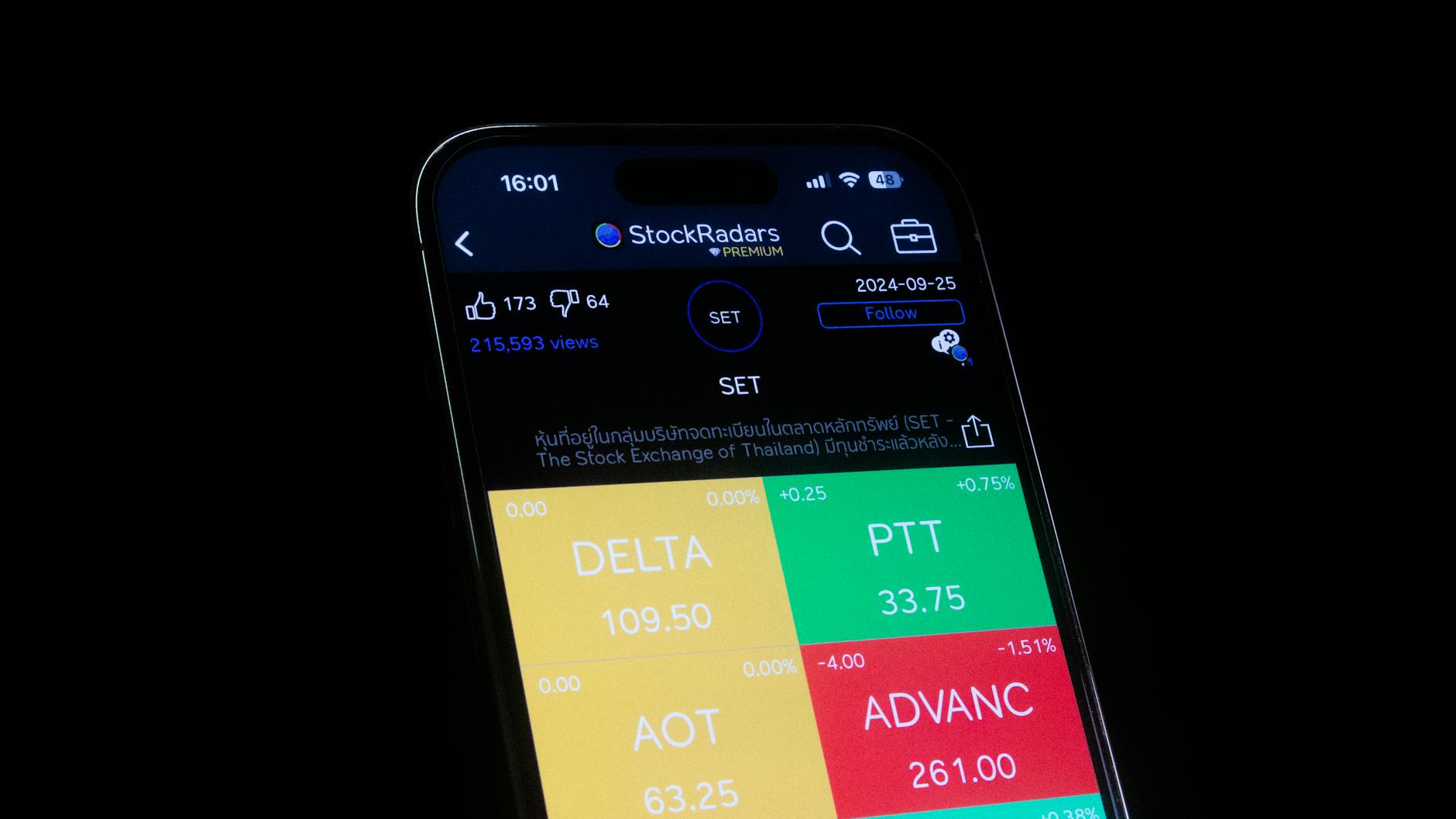
The backbone of a proficient prop trading firm is its technological infrastructure. Selecting reliable trading platforms from established vendors ensures stability, speed, and security, all critical factors during high-volume trading sessions. These platforms facilitate real-time data analysis, order execution, and comprehensive reporting, which are indispensable for effective trading strategies.
Besides standard trading software, integrating robust risk management tools is vital to monitor exposure, set profit/loss limits, and automate response actions. Utilizing secure data servers and encrypted communication channels also helps protect sensitive information and maintain compliance with data protection standards.
In addition to trading platforms, investing in high-performance hardware, such as servers with low latency, multiple monitors for analytical insight, and back-office systems for record-keeping, completes the operational setup. This comprehensive approach ensures smooth and efficient execution of trading activities, fostering confidence among traders and stakeholders.
Securing Funding and Capital Allocation
Securing adequate funding is essential for launching a successful prop trading firm, as it directly impacts the firm’s ability to execute strategies, manage risk, and scale operations. Establishing a structured approach to capital allocation ensures that trading activities are sustainable and aligned with the firm’s risk management policies. Initial funding can be sourced through personal investments, angel investors, financial institutions, or partnerships with institutional entities, each offering different advantages regarding control and scalability.
Once capital is secured, effective management involves setting clear policies for fund distribution across various trading strategies and asset classes. Maintaining a liquidity reserve is crucial to withstand market volatility and unforeseen trading expenses. Allocating capital in accordance with traders’ expertise, market opportunities, and risk appetite helps optimize returns while safeguarding the firm’s financial health.
As the firm grows, implementing rigorous monitoring systems to track fund utilization and performance metrics ensures transparency and accountability. Regular evaluations of capital deployment strategies enable dynamic adjustments to capitalize on emerging market opportunities and mitigate potential losses. This disciplined approach to funding and resource management creates a stable foundation for long-term trading success.

Developing comprehensive financial controls, including detailed budgets and risk thresholds, reinforces disciplined trading. Incorporating advanced analytics and real-time reporting further enhances decision-making efficiency, supporting a resilient and adaptable trading environment. Proper funding management, combined with strategic resource allocation, ultimately enables a prop firm to navigate complex markets and achieve its growth objectives effectively.
Understanding Proprietary Trading and Prop Firms
Proprietary trading, commonly known as prop trading, involves financial firms trading stocks, commodities, derivatives, and other financial instruments with their own capital rather than client funds. Prop firms utilize their resources and expertise to generate profits directly from market movements. The core advantage of this approach lies in the firm’s ability to implement trading strategies without external constraints, granting a high degree of flexibility to adapt to market conditions.
Established prop firms develop proprietary trading techniques based on quantitative analysis, market sentiment, technical models, or a combination of multiple strategies. This in-house approach enables them to capitalize on short-term market opportunities while managing risk through sophisticated control mechanisms. Prop firms often employ traders with specialized skills, providing them with resources, technology, and financial backing, fostering an environment conducive to innovation and performance.

Industry Benefits and Challenges
- Advantages: Higher profit potential, technological innovation, and strategic flexibility.
- Challenges: Intense competition, high risk exposure, and the need for advanced risk management systems.
Market Opportunity and Industry Landscape
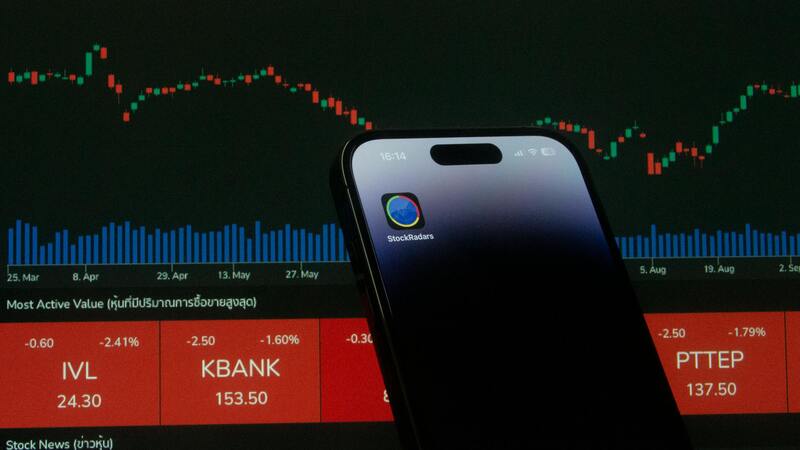
The landscape of proprietary trading is marked by rapid innovation and evolving regulatory frameworks. The rise of algorithmic trading, combined with increased accessibility to sophisticated technology, has lowered entry barriers for new firms aiming to launch proprietary operations. These developments create dynamic opportunities for traders and firms to leverage data-driven strategies and automated systems to generate consistent profits.
Furthermore, the growth of global financial markets expands the scope for prop firms to operate across diverse asset classes and geographical regions. As market volatility persists, prop trading firms can strategically position themselves to exploit fluctuations, either through short-term trading or long-term investments, depending on their core strategies.
Emerging Trends in Prop Trading
- Integration of machine learning and artificial intelligence for predictive analytics.
- Expansion into alternative asset classes such as cryptocurrencies and emerging markets.
- Enhanced regulatory oversight encouraging transparency and risk controls.
Steps to Establish a Prop Trading Firm
Launching a proprietary trading firm involves meticulous planning and strategic execution. The initial step is to develop a clear business plan that defines trading objectives, target markets, and operational structure. Success hinges on assembling a highly skilled team, including traders, analysts, risk managers, and technical support staff.
Legal and organizational frameworks lay the foundation for compliance and operational efficiency. This includes selecting the appropriate legal structure—such as a corporation or LLC—and adhering to local or international financial regulations. Additionally, establishing robust technological infrastructure, including high-speed trading platforms, data feeds, and risk management tools, forms a critical component of operational readiness.

Obtaining Necessary Approvals and Setting Up Operations
- Register the business with relevant authorities and acquire necessary licenses.
- Establish banking relationships for operational funding.
- Implement compliance systems to monitor trading activities and ensure adherence to industry standards.
- Set up trading infrastructure, including hardware, software, and connectivity solutions.
- Recruit and onboard talented traders and support personnel.
Developing a Business Model and Trading Strategies
Crafting an effective business model is vital for sustainable growth. This involves defining the risk appetite, revenue targets, and strategic differentiation from competitors. Prop firms often adopt a combination of trading strategies tailored to their expertise, market conditions, and scalability objectives.
Popular approaches include high-frequency trading, swing trading, trend following, and market making. Developing comprehensive backtesting procedures and simulation environments ensures strategies are robust before live deployment. Access to real-time market data and advanced analytics supports decision-making and improves profitability.

Strategy Optimization and Risk Management
- Continuous performance review and strategy refinement based on market feedback.
- Implementation of strict risk controls, including stop-loss limits and position sizing rules.
- Diversification across multiple asset classes to mitigate concentration risk.
- Utilization of predictive analytics to forecast market movements and adjust positions accordingly.
Securing Funding and Capital Allocation
Effective funding strategies are essential for launching and scaling a prop trading enterprise. Initial capital can be sourced through various avenues, including personal investments, partnerships, or external investors. Establishing clear agreements and risk-sharing arrangements helps ensure aligned interests and sustainable growth.
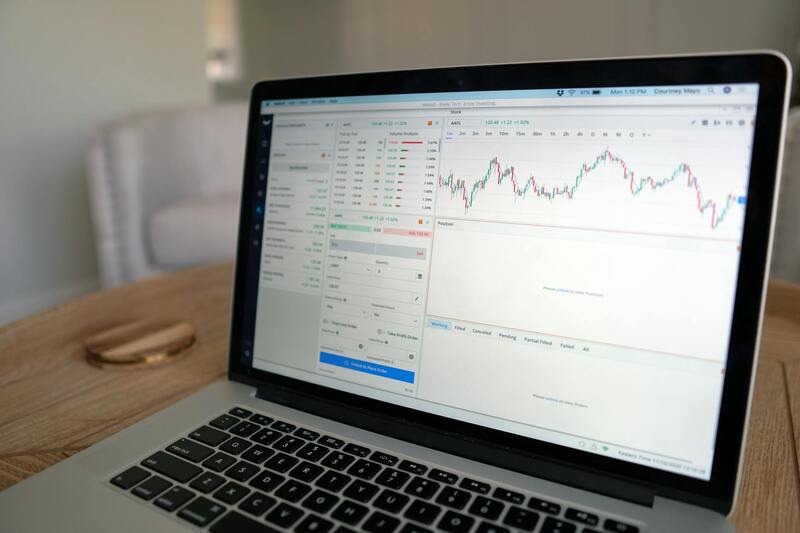
Once capital is available, managing its deployment across different strategies and asset classes becomes a priority. Allocating resources based on traders’ expertise and market opportunities maximizes returns while controlling exposure. Key to success is implementing strict oversight mechanisms, including real-time monitoring, to prevent over-leverage and ensure adherence to risk thresholds.
Additionally, maintaining adequate liquidity reserves helps navigate market volatility and unexpected trading expenses, making risk-adjusted capital management indispensable for long-term profitability.
Developing a Business Model and Trading Strategies
Creating a viable business model is fundamental for a successful launch in the prop trading industry. This process involves defining the firm's core operations, revenue streams, risk management protocols, and growth plans. A clear value proposition, whether it focuses on specific asset classes or trading approaches, helps differentiate the firm in a competitive landscape.
Designing effective trading strategies is equally crucial. These strategies should be tailored to market conditions, trader expertise, and technological capabilities. Quantitative models, technical analysis, and fundamental research form the backbone of strategic development. Constant backtesting and simulation ensure these strategies withstand various market environments, test their resilience, and optimize their predictive power.

The formulation of trading strategies must also incorporate robust risk management practices. This includes setting predefined risk limits, position sizing rules, and stop-loss mechanisms, which collectively protect the firm's capital base against unpredictable market swings. Diversification across asset classes and trading styles further mitigates concentrated risk and enhances the stability of returns.
Implementing Technology and Infrastructure
Advanced trading technology forms the operational backbone of a prop trading firm. High-performance trading platforms, data feeds, and analytical software enable traders to execute strategies efficiently and with precision. Establishing a secure and reliable IT infrastructure minimizes downtime and reduces potential cyber threats.
Hardware considerations must prioritize low latency and stability, which are essential for high-frequency and algorithmic trading approaches. Cloud-based solutions offer scalable resources, while dedicated servers can provide dedicated bandwidth and improved responsiveness. Integrating compliance and risk monitoring systems into the trading infrastructure ensures ongoing adherence to established protocols.
Market Data and Analytical Tools
- Real-time market data subscriptions to facilitate timely decision-making.
- Algorithmic trading software capable of automating order execution.
- Predictive analytics tools that forecast market trends based on historical data.
- Portfolio management systems for continuous monitoring of trading performance and risk exposure.

Additionally, ongoing staff training on platform usage, market regulation updates, and risk procedures ensures that the team remains proficient and adaptable to changing market dynamics. Incorporating feedback loops and performance reviews supports continuous improvement of technology integration and trading performance.
Launching and Growing the Prop Firm
Once the foundational elements such as compliance, team building, and trading infrastructure are in place, the focus shifts toward launching the firm and establishing a trajectory for sustainable growth. It begins with a strategic soft launch, progressing toward scaling operations, expanding trading capabilities, and solidifying market presence.
Initial Launch Phase
In the early stages, a controlled launch allows the firm to test its systems, trading strategies, and operational workflows in a real-world environment. During this phase, it is crucial to monitor key performance metrics, assess trader feedback, and fine-tune technology and procedures. Engaging with a select group of experienced traders or partners can provide valuable insights without exposing the firm to undue risk.

Scaling Operations
As the firm gains confidence in its operational stability, efforts to scale begin. This involves expanding the trader roster, increasing capital deployment, and broadening the range of trading instruments and strategies. Utilizing cloud infrastructure and scalable software solutions ensures that the technological backbone can support increased activity without sacrificing performance or security.
- Gradually increase trading limits and responsibilities among traders.
- Implement robust risk management protocols to oversee higher trading volumes.
- Allocate additional resources to enhance data feeds and analytical tools for more sophisticated decision-making.
Marketing and Brand Building
Building a reputable brand image fosters trust and attracts talented traders and investors. Transparent communication about the firm’s trading philosophy, success stories, and commitment to compliance establishes credibility. Industry events, digital marketing campaigns, and partnerships can amplify visibility within trader communities and financial networks.
Expanding Trading Capabilities
Innovation plays a pivotal role in long-term growth. Integrating emerging technologies such as artificial intelligence, machine learning, and advanced algorithmic strategies can elevate trading performance. Developing proprietary tools or proprietary trading algorithms enhances competitiveness and differentiates the firm in a crowded marketplace.

Fostering Long-term Relationships
Creating a network of reliable traders, investors, and industry partners ensures ongoing development. Incentive programs, continuous education, and trading performance analytics contribute to a motivated and proficient team. Maintaining compliance and transparency builds trust with stakeholders and supports sustainable growth.
