
Definition and Scope of Proptech
Proptech, short for property technology, originally emerged as a sector focused on innovation within the real estate industry, encompassing the use of digital tools and platforms to streamline property management, transactions, and investment processes. However, its scope has significantly expanded beyond traditional real estate, particularly influencing financial services related to property markets and asset management. Within the realm of proprietary trading firms, proptech refers to the deployment of advanced technological solutions designed to enhance trading operations, data analysis, risk mitigation, and market engagement.
In the context of prop trading, proptech encompasses a broad range of digital innovations, including sophisticated analytics platforms, algorithmic trading systems, real-time data feeds, and infrastructure enhancements that facilitate rapid decision-making and execution. These tools enable trading firms to access vast datasets, identify market trends swiftly, and execute trades with precision. As the trading landscape becomes increasingly digitized, proptech's role in augmenting operational efficiency, boosting trading performance, and maintaining competitive advantage continues to grow.

Technological Innovations in Prop Trading
Proprietary trading relies heavily on cutting-edge technology to optimize trade execution, strategy deployment, and market analysis. Innovations such as machine learning algorithms, artificial intelligence, and big data analytics are now embedded in daily trading activities. These technologies allow firms to develop predictive models, automate complex trading decisions, and gain insights that were previously inaccessible through traditional analysis methods.
- Algorithmic Trading Platforms: Automate entry and exit strategies based on predefined parameters, reducing human error and increasing trade speed.
- Real-time Data Integration: Continuous streams of market data enable traders to respond swiftly to market fluctuations.
- Cloud Computing: Facilitates scalable computing resources and data storage, supporting complex simulations and modeling.
- Advanced Analytics: Utilize historical market data to identify patterns and optimize trading strategies continuously.
Role of Proptech in Risk Management
Effective risk management is critical in proprietary trading, and proptech offers tools that allow for comprehensive risk assessment and mitigation. Technologies such as real-time risk dashboards, stress testing algorithms, and predictive modeling help traders to anticipate adverse market conditions and adjust strategies accordingly. These systems provide detailed insights into exposure levels, liquidity risks, and potential losses, enabling firms to make informed decisions swiftly and responsibly.
Technological Innovations in Prop Trading
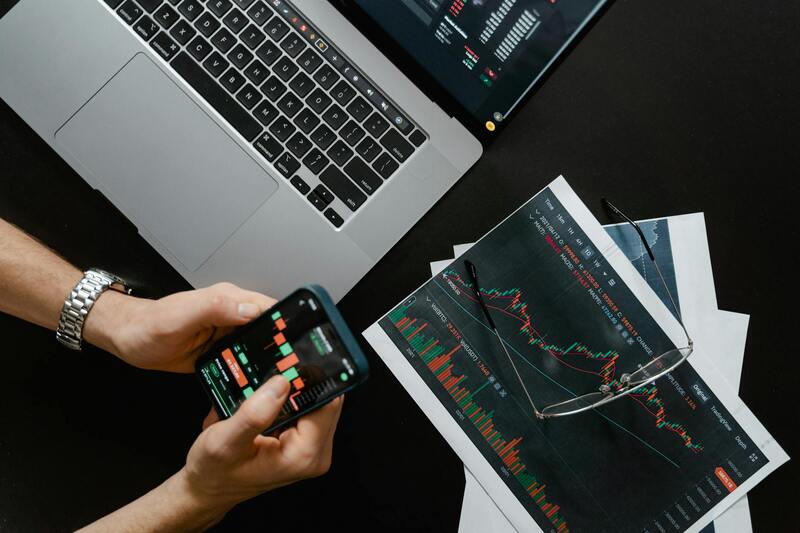
Prop trading has significantly evolved through the integration of advanced technological innovations that optimize decision-making, enhance efficiency, and improve overall trading performance. Among the most impactful developments are data analytics, artificial intelligence (AI), and automation, which enable traders to harness large datasets, identify lucrative opportunities, and execute trades with precision.
Data analytics plays a pivotal role in deciphering complex market patterns. By leveraging sophisticated tools, prop trading firms can process immense volumes of historical and real-time data to uncover insights that inform strategic moves. These analytics empower traders to recognize emerging trends, evaluate risk-reward ratios more effectively, and fine-tune their strategies accordingly.
Artificial intelligence has revolutionized trading by allowing systems to learn from market behavior and adapt autonomously. Machine learning algorithms can predict price movements based on historical data, filter noise from genuine signals, and dynamically adjust trading parameters. Such AI-driven models significantly reduce human biases and enable rapid reactions to market shifts, thereby increasing the probability of successful trades.
Automation in prop trading involves deploying algorithmic trading platforms that execute predefined strategies without manual intervention. These systems can operate across multiple markets simultaneously, executing trades at optimal moments based on real-time data and strategic criteria. The automation of trading processes minimizes operational errors, increases trading velocity, and allows traders to focus on strategy development and analysis rather than execution logistics.

Furthermore, integrating cloud computing resources enables trading operations to scale flexibly, supporting complex simulations and large-scale data processing. This infrastructure allows for the rapid deployment of new technological tools and supports collaborative environments where traders and data scientists can work seamlessly. Such advancements help firms stay competitive by ensuring their trading strategies are continuously refined and adapted to evolving market conditions.
In addition to these core technologies, the incorporation of high-frequency trading (HFT) platforms relies heavily on cutting-edge proptech. HFT systems process market data and execute trades within fractions of a second, exploiting minimal price discrepancies and market imperfections. The success of HFT strategies is largely contingent on robust technological frameworks that deliver ultra-low latency and high reliability.
Another area where proptech is making a substantial difference involves market intelligence tools. These include real-time news feeds, sentiment analysis engines, and macroeconomic indicators, all integrated into trading platforms. By providing traders with a comprehensive view of market conditions and external events, these tools enhance situational awareness and support more informed decision-making.
Key Components of Proptech Solutions
- Data Integration Platforms: Consolidate disparate market data sources for holistic analysis.
- AI and Machine Learning Algorithms: Drive predictive analytics and autonomous decision-making.
- Algorithmic Trading Systems: Automate trade execution based on predefined or dynamically adjusted parameters.
- Cloud Infrastructure: Offer scalable computing resources essential for real-time analytics and simulations.
- Market Intelligence Tools: Provide insights into market sentiment, macroeconomic factors, and news events.
As proptech continues to mature, the emphasis on integrated systems that combine data analytics, AI, and automation is expected to grow. These integrated solutions enable proprietary trading firms to operate at higher speeds, manage risks more effectively, and capitalize on fleeting market opportunities that would be inaccessible through traditional trading methods.
Role of Proptech in Risk Management
Proptech plays a pivotal role in enhancing risk management practices within proprietary trading firms. Advanced risk assessment tools leverage high-frequency analytics, real-time data feeds, and complex modeling techniques to identify potential vulnerabilities proactively. These tools analyze vast volumes of market data, historical patterns, and external economic indicators to generate comprehensive risk profiles for different trading strategies and portfolios.
Moreover, sophisticated risk management systems facilitate continuous monitoring of exposure levels and stress testing under various market scenarios. Such capabilities enable traders and risk officers to evaluate the resilience of their positions against sudden market shifts, liquidity shortages, or geopolitical events. Automated alerts and dynamic limit adjustments further support timely responses to emerging threats, minimizing downside risks.
Compliance and regulatory monitoring is also integrated into proptech solutions, ensuring that trading activities adhere to evolving regulatory standards. Automated reporting and audit trails simplify oversight, reduce manual errors, and ensure proper documentation of trading operations. The ability to swiftly adapt to changing rules and maintain transparent records underscores the importance of proptech in sustaining the integrity of proprietary trading operations.

Optimizing Portfolio Performance and Strategic Decisions
Proptech solutions facilitate more precise portfolio management by integrating real-time risk analytics with trading algorithms, enabling dynamic rebalancing and hedging strategies. These tools provide actionable insights that support strategic decision-making, allowing traders to allocate assets more effectively and capitalize on market opportunities with a clearer understanding of associated risks.
Impact of Proptech on Trading Infrastructure
The integration of proptech has significantly reshaped the core infrastructure of proprietary trading firms. Cutting-edge hardware, cloud computing resources, and enhanced networks ensure ultra-low latency connections essential for high-frequency trading. By deploying optimized data centers and colocation facilities near major exchanges, firms achieve minimal transmission delays, gaining a technological advantage over competitors.
In addition, the adoption of automated systems powered by AI and machine learning reduces manual intervention, minimizes human error, and streamlines trade execution processes. This technological backbone supports complex strategies that require rapid decision-making and continuous adaptation to market conditions.

Distributed Ledger and Blockchain Integration
Emerging trends include blockchain technology integration, which enhances transaction transparency, security, and settlement efficiency. By providing immutable records and real-time reconciliation capabilities, blockchain reduces settlement times and mitigates counterparty risks, reinforcing the robustness of trading infrastructure.
Data and Market Intelligence in Prop Trading
Reliable access to accurate, timely data is fundamental for successful proprietary trading. Proptech platforms aggregate diverse market information, including real-time price feeds, macroeconomic indicators, geopolitical events, and news analytics. This comprehensive data collection enables firms to formulate more informed trading strategies that better anticipate market movements.
Advanced analytics tools apply natural language processing and sentiment analysis to interpret news headlines, social media trends, and macroeconomic reports. The resulting insights allow traders to gauge market sentiment, identify emerging trends, and adapt strategies swiftly.

Utilizing AI for Predictive Modeling
Machine learning algorithms enhance the predictive accuracy of market movements by analyzing historical data and detecting subtle patterns. These models facilitate better risk-adjusted returns by anticipating volatility spikes, price reversals, and liquidity shifts, providing a valuable competitive edge.
Security and Regulatory Considerations
Implementing proptech solutions requires stringent measures to protect sensitive data and maintain operational integrity. Encryption protocols, multi-factor authentication, and continuous monitoring safeguard against cyber threats. Ensuring data privacy and compliance with regulatory frameworks enhances operational trustworthiness and fosters sustainable growth.
Regular security audits and updates to software systems are essential to address new vulnerabilities, and a structured approach to access controls prevents unauthorized activities. Transparent audit trails and reporting mechanisms support regulatory oversight and internal compliance standards.
Future Trends in Proptech for Prop Trading
The evolution of proptech indicates a continuous rise in automation, artificial intelligence, and cloud-based solutions. Future innovations may include more sophisticated autonomous trading systems, enhanced simulation environments for testing strategies, and integrated ESG metrics to incorporate sustainability considerations into trading decisions.
Emerging Technologies and Market Strategies
Quantum computing, though still in early stages, promises to revolutionize data processing capabilities, enabling even faster and more complex analytics. Additionally, decentralized finance (DeFi) and tokenization are poised to introduce new asset classes and liquidity options, expanding trading opportunities beyond traditional markets.
Integration of Proptech in Trading Firm Operations
For seamless functionality, proptech must be embedded within the daily operations of proprietary trading firms. This involves establishing robust IT infrastructures, fostering team expertise in emerging technologies, and cultivating collaborative environments where data-driven insights inform strategic planning. The continuous adaptation of workflows ensures that firms remain competitive amidst the rapidly evolving technological landscape.
Impact of Proptech on Trading Infrastructure
Proptech has significantly transformed the backbone of trading infrastructure within proprietary trading firms. As markets grow more complex and data-heavy, the importance of robust, scalable, and highly interconnected systems becomes paramount. Modern trading platforms harness advanced technologies to enable ultra-low latency execution, higher scalability, and enhanced data processing capabilities, directly impacting trading efficacy.
One of the most notable advancements is the deployment of cloud-based infrastructure, which offers unparalleled flexibility and resilience. This shift allows trading firms to dynamically allocate resources in response to market conditions, reducing downtime and ensuring continuous operation during critical trading windows. Moreover, cloud solutions facilitate easier integration of emerging tools, such as AI-driven analytics and predictive modeling, into existing workflows.
Enhanced connectivity infrastructure also forms a core part of this transformation. Leveraging fiber optic networks, dedicated data links, and colocation services, firms ensure their trading systems are directly connected to major exchanges and liquidity providers. Such proximity reduces latency and creates a competitive advantage by enabling faster order execution and real-time data transmission.
Furthermore, the customization of trading interfaces and back-end systems through APIs enables seamless integration with various data sources and analytic platforms. This interoperability allows traders to deploy complex strategies more efficiently, with instant access to market insights, order management, and risk controls.

In addition, the evolution of hardware components—such as high-performance servers, FPGA (Field-Programmable Gate Arrays), and specialized networking equipment—further accelerates data processing and order execution. By reducing hardware latencies, these innovations enable traders to react swiftly to market movements, which is critical in high-frequency trading environments.
The integration of these advanced features within a cohesive infrastructure framework ensures that proprietary trading firms can maintain consistent, efficient, and secure operations. As the technological landscape continues to evolve, ongoing upgrades in infrastructure components and architecture are essential to sustain competitiveness in an increasingly data-driven market environment.
Security and Regulatory Considerations
Implementing robust security protocols is fundamental for maintaining operational integrity within proprietary trading environments that leverage proptech solutions. Firms prioritize advanced encryption methods, multifactor authentication, and continuous monitoring systems to safeguard sensitive market data and proprietary trading algorithms from unauthorized access or cyber threats. These measures not only protect trading assets but also ensure compliance with industry standards and internal policies.
In addition to cybersecurity, comprehensive data governance frameworks are essential to manage vast volumes of trade-related information effectively. This involves establishing standardized protocols for data collection, storage, and dissemination, all while maintaining meticulous audit trails for review and verification purposes.

Adherence to Regulatory Frameworks
Given the rapidly evolving nature of financial regulation, trading firms employing proptech solutions must ensure adherence to all applicable rules and guidelines. This includes implementing compliance monitoring tools that automatically track trading activities for suspicious behaviors or violations of trading limits. Automated reporting systems facilitate transparent communication with regulators, promoting accountability and enabling swift responses to regulatory inquiries.
Additionally, firms are increasingly adopting technologies that support auditability and transparency. These systems record every transaction and interaction within the trading platform, creating an unalterable record essential for regulatory audits and ensuring that trading practices conform to established standards.

Balancing Innovation with Responsibility
While proptech innovations enhance trading efficiency and data accuracy, they also come with a responsibility to uphold the highest standards of operational integrity. Trading firms are encouraged to develop internal policies that promote ethical trading practices, transparency, and accountability. Regular staff training on new technologies and regulatory requirements helps mitigate risks associated with the adoption of advanced tools.
As market conditions and regulatory landscapes continue to change, maintaining a flexible approach to security and compliance strategies ensures that proptech investments support sustainable and responsible trading operations.
Impact of Proptech on Trading Infrastructure
Proptech has revolutionized the core infrastructure of proprietary trading firms by optimizing the hardware, software, and network systems that facilitate fast and reliable trading operations. The adoption of cloud computing platforms has enabled firms to scale their computing resources dynamically, reducing costs associated with maintaining on-premise servers and hardware. Cloud-based infrastructure supports high-frequency trading (HFT) and algorithmic strategies by providing rapid access to vast computational power and data processing capabilities.
Furthermore, modern trading infrastructure relies heavily on low-latency data transmission networks, often utilizing fiber optic connections and dedicated leased lines. These enhancements minimize delays in data delivery, allowing traders and algorithms to react swiftly to market changes. Implementing edge computing solutions also plays a vital role by processing data closer to the source, cutting down transmission times and improving overall performance.
Virtualization technologies have further strengthened trading systems, enabling firms to run multiple trading environments on a single physical hardware setup. This flexibility improves resource utilization and simplifies maintenance. Containerization, as an extension of virtualization, allows for deploying isolated and scalable trading applications rapidly, ensuring continuous operation even during system updates or failures.
In addition to hardware and network improvements, software-defined networking (SDN) offers programmable network management, enabling firms to optimize routing, prioritize traffic, and enhance security measures. This adaptability is crucial in high-stakes trading environments, where even milliseconds matter.
Integration of modern cybersecurity frameworks within trading infrastructure is essential to protect vast amounts of sensitive data and trading algorithms. Advanced threat detection systems, encryption protocols, and multi-factor authentication add robust layers of security, reducing vulnerabilities to cyber-attacks.
Data and Market Intelligence in Prop Trading
Data analytics tools embedded within proptech platforms have become a cornerstone of effective prop trading strategies. These tools aggregate data from multiple sources—market feeds, news outlets, economic indicators, and proprietary trading signals—to generate comprehensive market intelligence reports. By leveraging machine learning algorithms and statistical models, traders gain insights into market trends, volatility patterns, and liquidity conditions.
Real-time data feeds integrated into trading platforms facilitate instantaneous decision-making, ensuring traders respond swiftly to market movements. Historical data analysis helps in identifying patterns and testing trading hypotheses with high precision, enhancing strategy development.
Market sentiment analysis, powered by natural language processing (NLP), analyzes news sentiment and social media chatter to assess market mood. This adds an additional layer of context, enabling traders to anticipate potential price movements based on investor sentiment shifts.
Furthermore, predictive analytics models utilize vast datasets to forecast future market behavior, providing traders with a competitive edge. These insights assist in risk assessment, position sizing, and timing of trades.
Security and Regulatory Considerations in Proptech for Prop Trading
As property technology (proptech) continues to revolutionize proprietary trading, ensuring the integrity and security of trading operations becomes paramount. Proprietary trading firms heavily rely on advanced digital platforms, which handle vast amounts of sensitive data and facilitate high-frequency transactions. Consequently, implementing robust security measures is essential to protect proprietary information, prevent unauthorized access, and maintain operational continuity.
One of the fundamental aspects of secure proptech deployment is the enforcement of multi-factor authentication (MFA). This layer of security, requiring traders to verify their identity through multiple verification methods, significantly reduces the risk of unauthorized access. Coupled with encryption protocols, MFA helps safeguard data in transit and at rest, ensuring that confidential information remains protected against potential breaches.
Furthermore, continuous monitoring of trading platforms is essential for early detection of suspicious activities. Security information and event management (SIEM) systems collect and analyze logs, alerting administrators to unusual patterns that could indicate cyber threats or internal anomalies. Regular vulnerability assessments and penetration testing complement these measures, identifying potential security gaps before they can be exploited.

In addition to technical safeguards, these firms must align with industry standards and best practices for data protection and operational transparency. Adopting comprehensive governance frameworks ensures that all digital processes comply with established protocols governing data handling, user access, and security audits.
Trade execution platforms and data analytics tools incorporated through proptech are subject to rigorous controls to prevent manipulation or interference. This includes real-time audit trails that track all user activities and system interactions, providing accountability and facilitating backtracking in case of anomalies.
Security extends beyond technical measures to include staff training and awareness. Regular education on phishing, social engineering, and safe data handling practices empowers employees to act as the first line of defense against cyber threats.
Ultimately, a layered, proactive security approach integrated with regulatory guidance ensures that proptech enhances trading efficiency without compromising the safety and stability of trading operations. As technology evolves, continuous updates and adaptations are necessary to maintain resilient defenses against emerging cyber risks.
Integration of Proptech in Trading Firm Operations
Integrating proptech into the operations of trading firms requires a strategic approach that emphasizes seamless adoption, robust infrastructure, and continuous improvement. The inclusion of advanced technological tools aims to streamline workflows, enhance decision-making capabilities, and optimize overall performance, all while maintaining operational stability.
Strategic Planning for Proptech Adoption
Successful integration begins with comprehensive planning that aligns technological upgrades with the firm’s broader business objectives. This involves identifying specific areas where proptech can deliver measurable benefits, such as order execution, risk assessment, or data management. Establishing clear goals ensures that the implementation process remains focused and effective.
Assessment of Existing Infrastructure
Prior to adopting new tools, a thorough evaluation of existing systems is essential. This assessment helps pinpoint compatibility issues, infrastructure gaps, and areas necessitating upgrades. Modern trading environments often require high-performance computing resources, secure data channels, and scalable platforms to support advanced proptech solutions.
Training and Change Management
To maximize the benefits of proptech, training programs tailored to different user groups—traders, analysts, IT staff—are vital. Change management strategies facilitate smooth transitions, reduce resistance, and foster a culture receptive to innovation. Regular workshops, hands-on sessions, and continuous support ensure that staff can leverage new tools effectively.
Implementation of Best Practices
Adhering to best practices during implementation minimizes disruptions and enhances system stability. This includes phased rollouts, rigorous testing procedures, and detailed documentation. Ensuring interoperability between new proptech applications and existing platforms is crucial for maintaining data integrity and operational continuity.
Continuous Monitoring and Feedback
Post-implementation, continuous monitoring enables firms to evaluate the efficacy of integrated solutions. Feedback mechanisms allow users to report issues or suggest improvements, fostering iterative refinements. Utilizing analytics and performance metrics helps identify bottlenecks and opportunities for further optimization.
Building a Culture of Innovation
Embedding proptech within the corporate culture encourages ongoing technological advancement. Leadership support, open communication channels, and recognition of innovative initiatives motivate teams to explore new ideas and adopt emerging tools proactively. Cultivating such an environment ensures long-term resilience and competitive edge.
