What Is Prop Tech?
Definition of Prop Tech
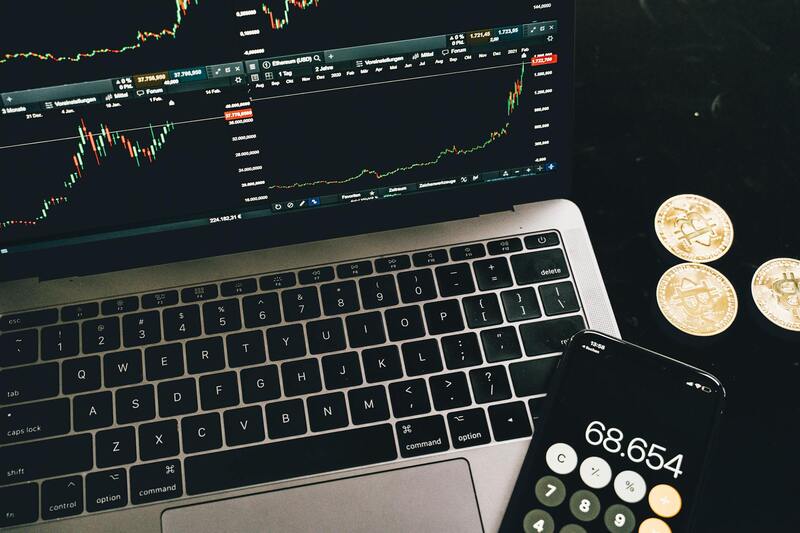
Prop tech, short for property technology, refers to innovative technological solutions that enhance and transform the real estate sector, including property management, investment, leasing, and trading activities. In the context of proprietary trading firms, prop tech encompasses a suite of digital tools and systems designed to optimize trading operations, improve decision-making, and increase overall efficiency. These technologies enable firms to leverage data analytics, automation, and advanced software to identify trading opportunities and manage risks more effectively. Unlike traditional methods, prop tech integrates cutting-edge innovations such as artificial intelligence, machine learning, cloud computing, and big data analytics, ensuring that trading firms remain agile and competitive in an ever-evolving financial landscape.
Historical Development of Prop Tech
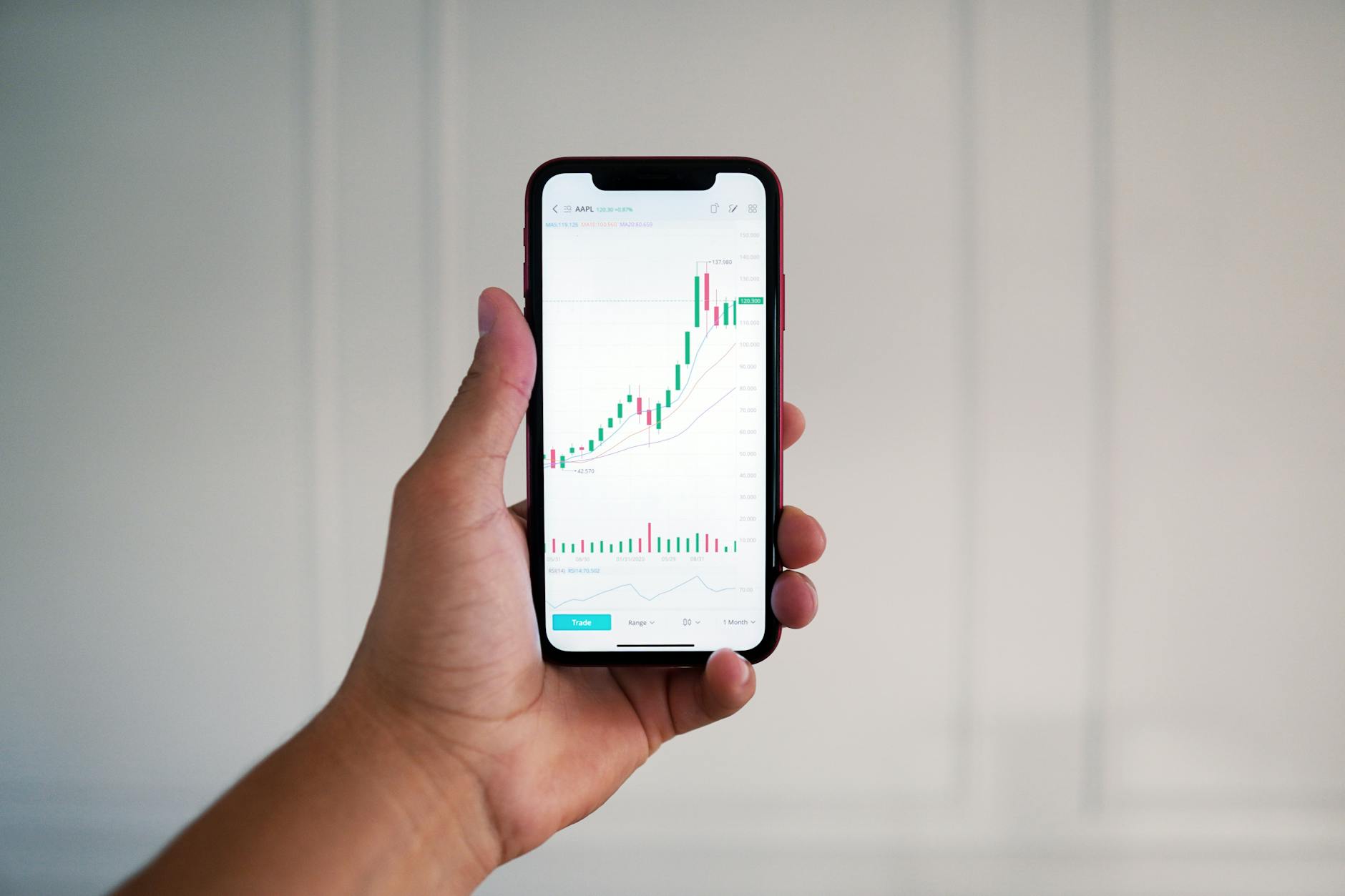
The evolution of prop tech traces back to the early days of financial markets, where manual processes gave way to electronic systems. The advent of electronic trading platforms in the late 20th century marked the beginning of technological integration in trading activities. Over time, the development of more sophisticated algorithms and data-processing capabilities propelled the growth of prop tech. The proliferation of internet connectivity and computing power further accelerated this trend, leading to a rapid adoption of automation, high-frequency trading, and data-driven strategies in proprietary trading firms. As the industry matured, specialized platforms emerged to support real-time market analysis, risk management, and execution automation, solidifying prop tech’s integral role in modern trading environments.

Core Technologies Behind Prop Tech
The foundation of prop tech is built on several key technological advancements that enable its functionalities:
- Artificial Intelligence (AI) and Machine Learning (ML): Used to analyze large datasets, identify patterns, and develop predictive models that inform trading decisions.
- Big Data Analytics: Facilitates the processing of vast amounts of market data to extract actionable insights and optimize trading strategies.
- Cloud Computing: Provides scalable infrastructure for data storage, real-time processing, and collaborative trading operations across multiple locations.
- Automation and Algorithms: Power high-frequency trading systems and automate order execution, reducing latency and operational overhead.
- Cybersecurity Measures: Protect sensitive financial data and ensure secure connectivity in a highly digitized trading environment.
Applications of Prop Tech in Prop Trading Firms
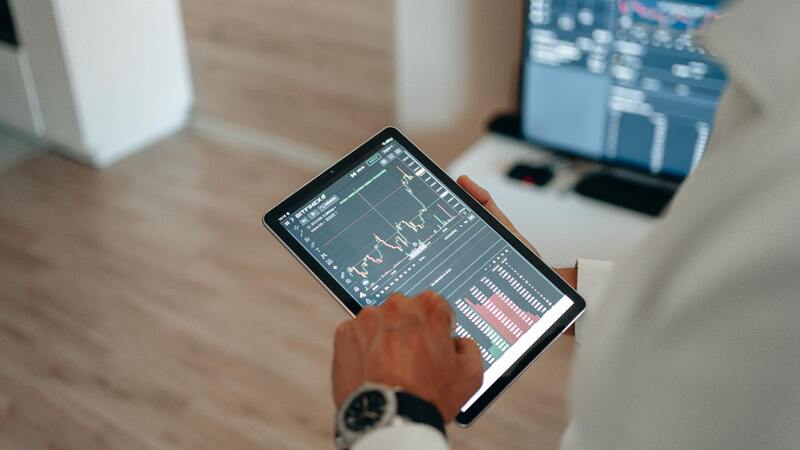
Prop trading firms leverage an array of proprietary tools and platforms that directly support their trading strategies. This includes advanced market analysis software, automated execution systems, and comprehensive risk management tools. These applications enable traders to monitor multiple markets simultaneously, execute complex strategies with precision, and adapt swiftly to changing market conditions. Additionally, real-time data feeds and AI-driven predictive analytics provide traders with a competitive edge, enhancing the likelihood of identifying profitable opportunities swiftly. The integration of these applications results in a more agile and informed trading environment, essential for maintaining profitability in a high-stakes industry.
Core Technologies Behind Prop Tech
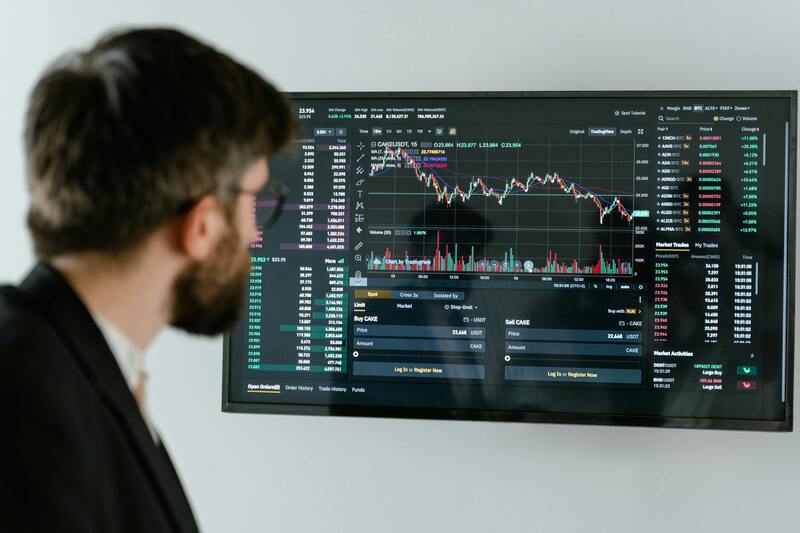
Prop technology encompasses a variety of sophisticated tools and systems that revolutionize the way proprietary trading firms operate. Central to these are advanced data analytics platforms, which aggregate and analyze vast quantities of financial data to inform trading decisions. These platforms utilize machine learning algorithms and statistical models to identify patterns, trends, and potential market movements, enabling traders to act proactively. Alongside analytics, trading infrastructure relies heavily on high-speed networking hardware and cloud-based systems, ensuring rapid data transfer and process optimization.
Another vital component is automated trading systems or algorithms that execute trades based on predefined criteria. These systems enhance speed and precision, allowing traders to capitalize on fleeting market opportunities without manual intervention. Risk management software integrated within these systems continuously monitors positions, leverage, and market volatility, providing real-time alerts and automatic safeguards.
Cybersecurity measures also constitute a fundamental part of prop tech, protecting sensitive trading algorithms and financial information from malicious threats. End-to-end encryption, multi-factor authentication, and intrusion detection systems work together to maintain data integrity and secure trading environments.

Definition of Prop Tech
Prop tech, short for property technology, encompasses a broad field of innovative solutions and digital tools designed to streamline, automate, and enhance various aspects of real estate and property management. It integrates cutting-edge technologies such as data analytics, cloud computing, mobile applications, virtual and augmented reality, and IoT (Internet of Things) to transform traditional property-related processes. These solutions aim to improve efficiencies for real estate professionals, investors, tenants, and clients by enabling faster decision-making, reducing operational costs, and fostering smarter building management.
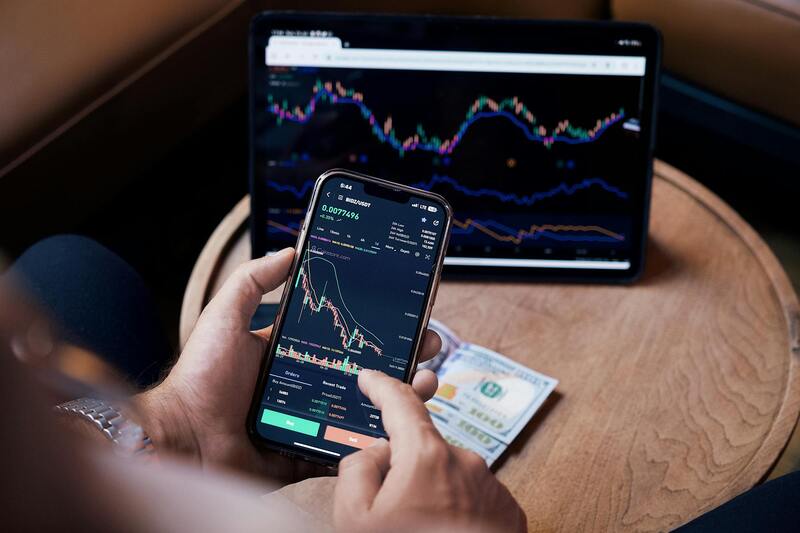
At its core, prop tech revolutionizes how real estate assets are acquired, financed, built, managed, and monetized. It bridges the gap between traditional property practices and digital innovation, facilitating smarter investments, improved leasing experiences, and enhanced building performance. The application of prop tech spans residential, commercial, industrial, and retail property sectors, serving stakeholders across the entire property lifecycle. By leveraging data-driven insights and automation, prop tech helps industry players navigate market complexities and optimize operational outcomes effectively.
Historical Development of Prop Tech
The evolution of prop tech reflects a trajectory marked by continual technological advancements and increasing digital adoption within the real estate sector. In the early stages, property management relied heavily on manual record-keeping and face-to-face transactions, which limited scalability and efficiency. The advent of the internet in the late 20th century introduced online listing services and digital marketing platforms, significantly expanding market reach and accessibility.
Over time, the integration of sophisticated software solutions began transforming property search, valuation, and leasing processes. The emergence of property portals and online transaction platforms enhanced transparency and reduced transaction friction. As mobile technology gained prominence, real estate firms adopted mobile apps for property viewing, management, and client engagement, making property services more accessible and convenient.
More recently, the proliferation of big data, artificial intelligence, and machine learning algorithms has brought about a new era of prop tech innovation. These technologies enable predictive analytics, automated valuation models, and personalized client experiences. Concurrently, the development of smart building systems and IoT devices has revolutionized property management by facilitating predictive maintenance, energy optimization, and smart security solutions, leading to more sustainable and cost-efficient properties. This historical progression underscores a continuous shift from manual, fragmented processes toward integrated, intelligent systems that drive efficiency and strategic insights across the property sector.
Core Technologies Behind Prop Tech
Several fundamental technological components form the backbone of prop tech solutions, each contributing to the digital transformation of real estate activities:
- Algorithmic Trading: Enables real-time market analysis and automated decision-making in property investments and transactions.
- Big Data Analytics: Collects and processes vast amounts of property-related data, including market trends, demographic information, and sensor data, to generate actionable insights.
- Machine Learning: Learns from historical data to improve prediction accuracy for property valuation, market movements, and risk assessment.
- Artificial Intelligence (AI): Powers chatbots, virtual assistants, and intelligent matchmaking platforms to enhance customer engagement and operational efficiency.
- Internet of Things (IoT): Connects buildings and infrastructure to monitor environmental conditions, optimize energy use, and maintain safety systems remotely.
- Cloud Computing: Offers scalable storage, seamless data sharing, and collaboration across dispersed teams and systems.

These technological tools collectively facilitate smarter decision-making, streamline operational workflows, and foster innovative approaches to property management and investment. The integration of such technologies positions prop tech as a vital driver of modernization within the real estate industry, catalyzing growth and efficiency across the entire spectrum of property services.
Understanding the Technologies Steering Prop Tech Forward
Integration of Advanced Digital Tools in Real Estate
Prop technology integrates an array of sophisticated digital tools designed to enhance efficiency, transparency, and decision-making within real estate markets. These technologies work in concert to transform traditional practices into data-driven, automated, and intelligent processes that align with rapid market changes and client expectations.
Key technological components underpinning prop tech innovations include:
- Algorithmic Trading: Facilitates real-time analysis and automated decision-making for property investments and transactions, allowing traders to respond swiftly to market fluctuations.
- Big Data Analytics: Aggregates extensive datasets—covering market trends, demographic shifts, and sensor inputs—culminating in valuable insights that guide investment and management strategies.
- Machine Learning: Utilizes historical data to enhance predictive models, improving accuracy in property valuation, market forecasting, and risk assessment.
- Artificial Intelligence (AI): Powers intelligent virtual assistants, chatbots, and matchmaking algorithms that elevate customer service and operational productivity.
- Internet of Things (IoT): Connects infrastructure components to monitor environmental conditions, optimize energy consumption, and automate safety protocols remotely.
- Cloud Computing: Provides flexible, scalable storage solutions, enabling seamless collaboration and data sharing across dispersed teams and systems.

These core technologies not only facilitate smarter, faster decision-making but also streamline operational workflows, foster innovation in property management, and support scalable growth. Their synergy positions prop tech as a catalyst for modernizing the real estate landscape, driving efficiency and enabling new business models across property services.
Visual Display of Prop Tech Components

By embracing these technological advancements, firms can better anticipate market trends, optimize asset utilization, and deliver enhanced value to clients. This integration exemplifies how digital transformation is reshaping real estate into a more agile, insightful, and client-centric industry.
Understanding the Core Technologies Driving Prop Tech Advancements
Prop technology, or prop tech, is fundamentally underpinned by a suite of innovative technologies that enable the transformation of traditional real estate practices. These core technological pillars facilitate refined decision-making, operational efficiency, and enhanced client engagement within property trading environments. The integration and development of these technologies continue to push the boundaries of how property data is collected, analyzed, and utilized, creating new pathways for strategic growth and competitive advantage.
Artificial Intelligence and Machine Learning
Artificial Intelligence (AI) and Machine Learning (ML) form the backbone of many proprietary trading strategies that leverage real estate data. AI-driven algorithms analyze vast datasets to uncover patterns and insights that would be difficult for humans to detect manually. This facilitates more accurate property valuations, sophisticated market trend predictions, and dynamic risk profiling. ML models are continually refined with incoming data, allowing trading firms to adapt swiftly to market shifts and optimize their portfolios with precision.

Internet of Things (IoT)
The Internet of Things (IoT) enables real-time monitoring and management of physical infrastructure. IoT sensors embedded within properties collect data on environmental conditions, occupancy levels, and equipment performance. This information facilitates remote management, predictive maintenance, and energy efficiency improvements, all of which contribute to operational cost reductions and better asset utilization. For proprietary trading firms, IoT data can feed into valuation models, provide real-time asset status, and inform trading decisions based on operational performance metrics.

Cloud Computing and Data Integration
Cloud computing platforms are essential for the secure, flexible, and scalable storage of the massive datasets generated by prop tech systems. They enable seamless collaboration among dispersed teams, real-time data sharing, and efficient data processing. For prop trading firms, cloud solutions facilitate rapid deployment of analytical tools, support large-scale simulations, and enable continuous data updates that improve predictive accuracy. The cloud infrastructure also enhances data security, ensuring sensitive information is protected across the digital ecosystem.
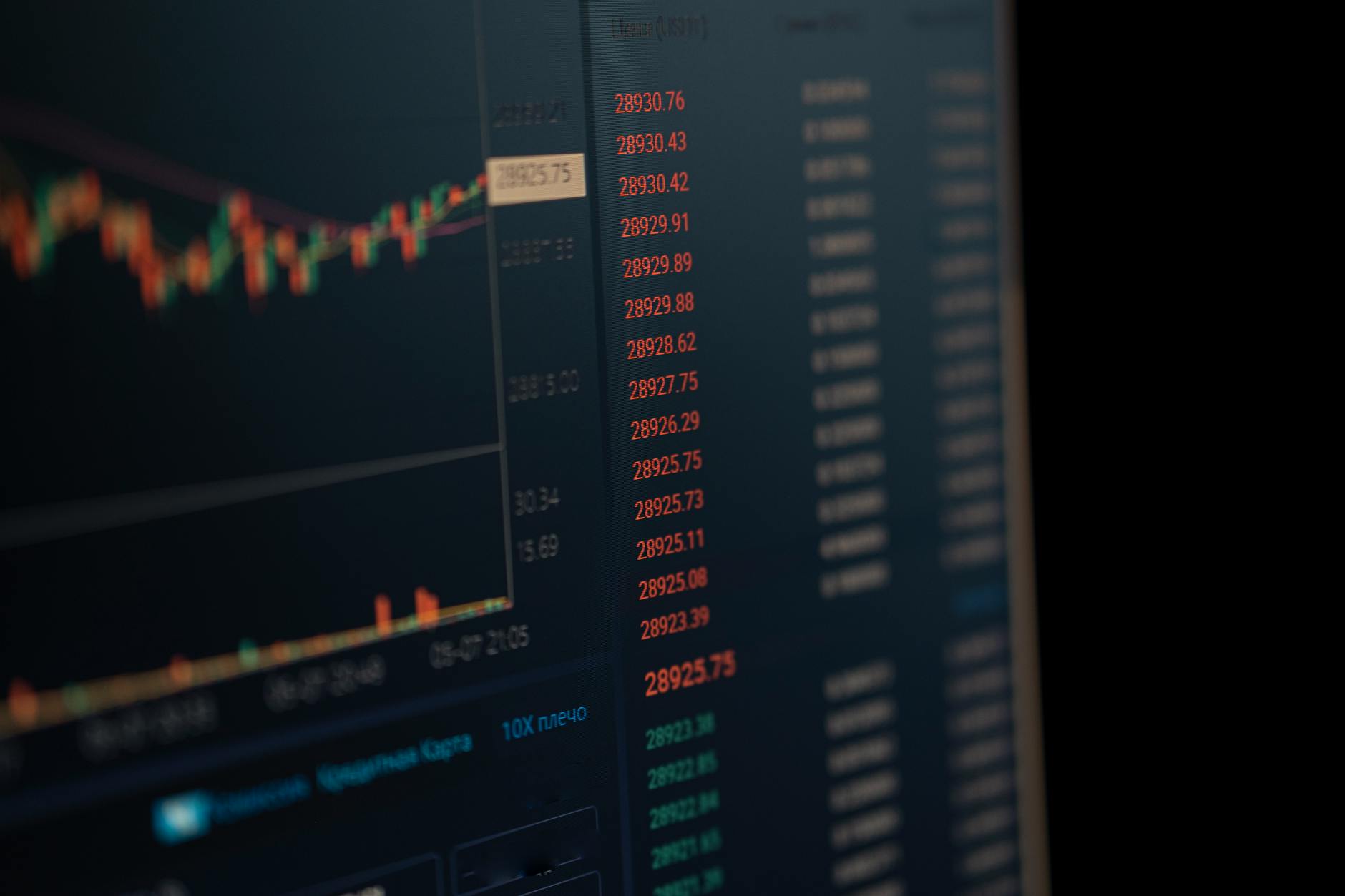
Visualization of Prop Tech Ecosystem
Graphical representations of how these core technologies intertwine illustrate the sophisticated ecosystem prop tech firms operate within. AI, IoT, and cloud computing, among others, work cohesively to automate workflows, enhance analytics, and support scalable operations. This interconnected digital infrastructure empowers proprietary trading firms to derive strategic insights with unprecedented speed and accuracy, positioning them advantageously within dynamic markets.
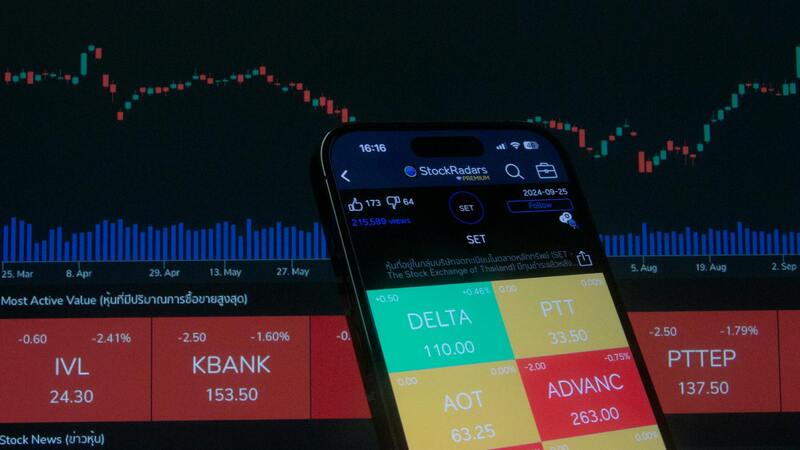
The continuous evolution of these core technologies signals a future where real estate markets become even more transparent, data-driven, and agile. As firms adopt these innovations, they gain the tools needed to anticipate market shifts, tailor their investment strategies, and deliver greater value to clients through enhanced insights and operational efficiency.
Understanding the Core Technologies Powering Prop Tech
Prop tech firms leverage a variety of advanced technological innovations to streamline real estate transactions, optimize asset management, and enhance data analytics. At the forefront are artificial intelligence (AI) and machine learning (ML), which facilitate predictive analytics, customer insights, and automated processes that reduce manual effort and increase precision. These technologies analyze vast datasets—from market trends to tenant behavior—to help both investors and property managers make informed decisions.
Another pivotal element is the Internet of Things (IoT). IoT devices are embedded within physical properties to collect real-time data on environmental conditions, occupancy rates, and energy consumption. This continuous stream of information allows for smarter building management, predictive maintenance, and improved tenant experiences, ultimately leading to operational cost savings and increased asset value.
Cloud computing forms the backbone of modern prop tech operations, offering scalable, secure, and accessible data storage and processing capabilities. Cloud platforms enable real-time collaboration across dispersed teams, support large-scale simulations, and facilitate rapid deployment of analytical tools. This infrastructure ensures that prop trading firms and property managers can access up-to-date information instantly, making their decision-making more agile and responsive to market shifts.

Practical Applications of Prop Tech in Proprietary Trading Firms
Proprietary trading firms utilize prop tech innovations to refine their investment strategies and operational workflows. For instance, data analytics platforms powered by AI sift through complex datasets to identify emerging market opportunities and quantify risk with high accuracy. These insights allow traders to implement informed, data-driven strategies that minimize downside exposure and capitalize on emerging trends.
On the transaction side, digital platforms streamline property acquisition and disposition processes. Automated valuation models (AVMs) and digital bidding systems reduce the time and effort involved in deal finalization. Additionally, virtual reality (VR) and augmented reality (AR) facilitate property visualization, enabling remote assessments and presentations that save time and resources.
Asset management benefits immensely from IoT integrations, which provide real-time operational data. Property managers can monitor energy use, security systems, and tenant satisfaction metrics continuously, enabling proactive maintenance and improved service delivery. This level of operational control enhances overall property performance, directly impacting profitability for trading firms.
Advantages that Prop Tech Delivers to Proprietary Trading Operations
- Enhanced Data Analysis: Advanced analytics provide nuanced insights into market conditions and asset performance, informing smarter investment decisions.
- Operational Efficiency: Automation of routine tasks reduces costs and accelerates workflows, freeing up resources for strategic initiatives.
- Risk Mitigation: Real-time monitoring and predictive analytics improve hazard detection and response, underpinning more resilient trading strategies.
- Market Transparency: Digital tools demystify complex real estate transactions and market data, supporting more informed action in competitive environments.
- Scalability: Cloud infrastructure allows firms to expand operations rapidly without the constraints of physical hardware limitations.

Understanding the Core Technologies Behind Prop Tech
PropTech relies on several transformative technologies that enhance property management, investment, and trading strategies. Cloud computing provides scalable resources for data storage and processing, enabling real-time analytics and remote access to critical information. Big data analytics play a central role by aggregating vast amounts of market data, property information, and user behavior to generate actionable insights. Artificial intelligence (AI) and machine learning algorithms analyze these datasets to forecast market trends, assess property values, and optimize investment portfolios.
Another pivotal technology in prop tech is the Internet of Things (IoT), which integrates sensors and connected devices into property infrastructure. IoT facilitates continuous monitoring of building systems, energy consumption, and security, providing actionable data that helps improve operational efficiency and risk management. Additionally, virtual reality (VR) and augmented reality (AR) are revolutionizing property visualization, allowing stakeholders to conduct remote inspections and presentations with immersive, interactive experiences.

Applications of Prop Tech in Proprietary Trading Firms
Proprietary trading firms leverage prop tech in multiple facets of their operations. These technologies enable comprehensive market analysis by integrating real estate data with financial metrics, supporting more precise asset valuation and trading decisions. Data-driven platforms allow traders to monitor property portfolio performance, pricing fluctuations, and market conditions in real-time, facilitating rapid response to market movements.
Automation tools streamline routine functions such as lease management, compliance checks, and financial reporting, reducing administrative overhead. Asset management is refined through IoT, which offers continuous data streams on building performance, allowing proactive maintenance that minimizes downtime and costs. The integration of AI-powered predictive analytics aids in identifying market opportunities and potential risks before they materialize, creating a strategic advantage in competitive trading environments.
Operational Benefits for Proprietary Trading
- Enhanced decision-making via comprehensive data analysis
- Reduced operational costs through automation
- Greater agility in responding to market shifts
- Improved asset performance monitoring
- Increased market transparency and insight
Furthermore, cloud-based platforms facilitate scalable operations, enabling firms to expand their property portfolios with minimal infrastructure constraints. This flexibility accelerates growth and diversification, securing a competitive edge in the fast-paced real estate and financial markets.
Challenges and Risks in Implementing Prop Tech
Despite its advantages, the deployment of prop tech systems can encounter hurdles. Integration complexity is notable as various systems and platforms need to communicate seamlessly, often requiring significant technical expertise. Data privacy and security concerns are paramount, especially when sensitive information related to properties and financial transactions is involved. Ensuring compliance with standards and safeguarding against cyber threats is critical for maintaining trust and operational integrity.
Moreover, the rapid pace of technological change demands continuous updates and investments, which can strain resources. Resistance from personnel accustomed to traditional methods may hinder adoption, necessitating comprehensive change management strategies. The risk of over-reliance on automated systems also exists, making it essential to maintain human oversight to interpret analytic outputs effectively and make informed decisions.
Ensuring Effective and Safe Adoption
- Implement robust data security protocols
- Invest in staff training and change management
- Maintain a balanced approach between automation and human expertise
- Regularly update systems to stay ahead of technological advancements
- Establish clear guidelines and compliance measures
Future Trends and Developments in Prop Tech
Integration of Artificial Intelligence and Big Data Analytics
Emerging advancements in artificial intelligence (AI) and big data analytics are poised to revolutionize how prop trading firms operate and analyze markets. AI algorithms can process vast quantities of data with unprecedented speed, uncovering intricate patterns and predictive signals that inform trading decisions. These technologies facilitate more accurate risk assessment, portfolio optimization, and real-time decision-making. As AI models learn and adapt, they enable firms to stay ahead of market fluctuations and respond swiftly to emerging opportunities.

Blockchain and Smart Contracts
The incorporation of blockchain technology is creating new paradigms for transparency, security, and efficiency in property transactions and data management. Smart contracts automate and enforce contractual agreements without intermediaries, reducing processing times and operational costs. This innovation not only enhances transactional confidence but also streamlines compliance and audit processes. For proprietary trading firms, blockchain-enabled systems facilitate the secure exchange of sensitive data, fostering trust among stakeholders and improving operational workflows.
Enhanced Data Security and Cybersecurity Measures
As prop tech becomes more integral to trading operations, protecting data integrity and privacy becomes increasingly critical. Future developments will focus on deploying sophisticated cybersecurity tools, such as multi-factor authentication, intrusion detection systems, and encryption protocols. These measures aim to safeguard proprietary data, client information, and transaction records against cyber threats and unauthorized access. Ensuring resilient security infrastructure will be vital for maintaining operational continuity and stakeholder confidence.
Deployment of Edge Computing and IoT Devices
Edge computing, combined with the Internet of Things (IoT), offers new avenues for real-time data collection and processing at the source. IoT sensors embedded in properties or infrastructure provide live updates on environmental conditions, asset statuses, and market-related metrics. This granular data enhances investment analysis and decision-making accuracy. Edge computing ensures that critical data is processed locally, reducing latency and bandwidth constraints, which is especially beneficial for high-frequency trading activities.
Increased Focus on Ethical and Responsible Use of Technology
As technological capabilities expand, emphasis on ethical considerations and responsible use of prop tech will grow. Transparency in algorithmic decision-making, fairness in data utilization, and adherence to privacy standards are becoming priorities. Firms will navigate regulatory landscapes by implementing comprehensive governance frameworks that align with societal expectations, fostering sustainable growth and trust in prop trading innovations.