
Overview of Forex Trading Platforms
Forex trading platforms serve as the essential digital interfaces that enable traders to execute currency trades across global markets. These platforms are sophisticated software solutions designed to provide real-time market data, advanced analytical tools, and efficient order execution capabilities. For proprietary trading firms and traders involved in high-volume, strategic forex activities, the functionality, stability, and security of the trading platform are of paramount importance.
At their core, forex trading platforms facilitate the connection between traders and liquidity providers, allowing seamless access to the immense liquidity pools in the global currency markets. They support multiple trading styles, from manual trading based on technical or fundamental analysis to automated trading leveraging algorithms and expert advisors. The operational reliability of these platforms directly impacts a trader’s ability to capitalize on fleeting market opportunities and manage risks effectively.
In the context of prop trading firms—companies that allocate capital to professional traders—using an effective forex trading platform is crucial for optimizing trading strategies and ensuring compliance with internal risk management protocols. The platform's capability to handle high transaction volumes with minimal latency, alongside its integration potential with proprietary analytical tools, makes it indispensable for professional forex trading endeavors.
Beyond individual trader needs, prop firms often rely on specific platform features designed to support multiple user accounts, automated trading, and detailed performance analytics. These platforms also play a key role in ensuring that trading activities are conducted smoothly across various devices and locations, providing flexibility and responsiveness in a fast-changing market environment.
Significance of Forex Trading Platforms in Prop and Proprietary Trading Firms
For prop and proprietary trading firms, the effectiveness of a forex trading platform can directly influence profit margins and operational efficiency. Firms prioritize platforms with robust connectivity, comprehensive data analysis tools, and flexible customization options to tailor trading interfaces to their specific needs. As the forex market is highly volatile and sensitive to geopolitical and economic events, having access to real-time data and quick execution methods through reliable platforms becomes a strategic advantage.
Moreover, the ability to integrate trading platforms with proprietary algorithms and risk management systems enhances the overall control traders and firms have over their operations. In a landscape where milliseconds can be the difference between profit and loss, the importance of stable, fast, and feature-rich trading platforms cannot be overstated.
Overview of Forex Trading Platforms
Forex trading platforms serve as the essential interface between traders and the foreign exchange market. They provide traders with real-time access to currency pairs, market data, and trade execution capabilities. The sophistication and functionality of these platforms greatly influence trading efficiency, accuracy, and the ability to respond swiftly to market fluctuations. In the context of proprietary and prop trading firms, choosing a platform that ensures seamless execution, comprehensive analytical tools, and robust connectivity is crucial for maintaining a competitive trading edge.

The core purpose of these platforms extends beyond individual trades; they often incorporate features like multi-account management, automated trading systems, and performance tracking. These functionalities streamline operations within high-stakes environments and facilitate the ability to monitor trading activity and optimize strategies effectively. Additionally, platforms that support multi-device access—covering desktops, tablets, and smartphones—offer traders the flexibility needed in today's dynamic forex market environment.
Another vital component for trading firms involves integration capabilities. Platforms that allow seamless connection with proprietary algorithms, risk management software, and third-party analytical tools enhance operational control. The importance of stability and speed cannot be overstated, as delays or downtimes can have significant financial repercussions. Therefore, the infrastructure supporting these platforms must be resilient, capable of handling rapid data flow, and equipped with advanced security features to protect sensitive trading information.
Significance of Forex Trading Platforms in Prop and Proprietary Trading Firms
Within professional trading contexts, the effective use of forex trading platforms directly correlates to execution quality and profitability. Firms often prioritize platforms that offer low-latency trade execution and sophisticated order management systems, which are critical during high-volume trading sessions. Furthermore, these platforms typically include multi-layered analytical tools—such as detailed charting options, technical indicators, and news feeds—that empower traders to make well-informed decisions in real time. The ability to customize layouts and trading workflows further enhances efficiency, allowing traders to adapt their environment to specific strategies or market conditions.
Operational efficiency is also bolstered by platforms capable of managing multiple accounts, facilitating team collaboration, and automating routine tasks. Automated trading systems are especially significant as they enable traders to implement strategies pre-programmed through algorithms that react instantly to market shifts, eliminating emotional bias and human error. When combined with comprehensive risk management functionalities—like stop-loss orders, margin controls, and position sizing adjustments—trading platforms become invaluable assets in safeguarding profits and minimizing losses in volatile markets.
Key Features of Forex Trading Platforms
- Speed and Reliability: Ensures rapid order execution and minimal downtime, vital during volatile trading sessions.
- Advanced Charting Tools: Provides real-time data visualization and technical analysis to support decision-making.
- Order Management: Includes various order types, such as market, limit, and stop orders, for flexible trade execution.
- Risk Management Features: Incorporates tools like automatic stop-loss and take-profit orders to automate risk control.
- Automated Trading Capabilities: Allows pre-programmed algorithms to execute trades automatically based on set criteria.
- Multi-account Management: Supports handling multiple trading accounts simultaneously, streamlining operations within firms.
- Real-time Market Data: Offers instant access to currency quotes, economic news, and market alerts.
- Cross-device Compatibility: Enables trading from desktops, tablets, and smartphones without loss of functionality.
- User-friendly Interface: Provides intuitive navigation tailored for fast-paced trading environments.
- Security and Data Encryption: Protects sensitive trading and personal data through advanced security protocols.
Ultimately, the selection of a forex trading platform hinges on its ability to meet the specific requirements of a trading firm—balancing speed, analytical depth, customization, and security. A well-chosen platform not only enhances the execution of trades but also provides the analytical tools necessary for strategic decision-making and risk mitigation, thereby supporting sustained profitability and operational stability within prop trading environments.
Overview of Forex Trading Platforms
Forex trading platforms serve as the primary interface between traders and the currency markets, providing access to vital market data, execution capabilities, and analytical tools. For proprietary trading firms, selecting an appropriate platform is crucial to ensure rapid order execution, comprehensive risk management, and seamless integration with other trading software. These platforms are designed to support high-frequency trading, multi-asset management, and advanced algorithmic strategies, facilitating the swift and accurate execution of trades across various currency pairs.
Most professional-grade forex trading platforms support real-time market data feeds, customizable dashboards, and secure transaction protocols. They are capable of handling large trade volumes without lag, which is fundamental for prop trading operations that often require rapid decision-making in volatile market conditions. Additionally, many platforms offer integration with analytic software, news aggregators, and third-party tools that enhance traders’ ability to analyze and react to global economic developments.
Key Features of Forex Trading Platforms
The effectiveness of a forex trading platform is typically gauged by its features and how well they align with trading firm's operational needs. Core functionalities include:
- Order Management: Supports various order types such as market, limit, stop-loss, and take-profit orders, allowing traders to execute trades precisely according to their strategies.
- Risk Management Tools: Automated features like trailing stops and position sizing help control exposure and minimize losses.
- Automated Trading Capabilities: Enables algorithm-driven trading methods, including Expert Advisors or custom scripts, to operate without manual intervention.
- Multi-account Support: Facilitates management of multiple accounts simultaneously, streamlining operations within trading firms.
- Market Data Access: Provides real-time quotes, economic indicators, and market alerts to inform strategic decisions.
- Device Compatibility: Ensures traders can access platforms from desktops, tablets, and smartphones, maintaining operational flexibility.
- Security Measures: Implements encryption, two-factor authentication, and secure data storage to safeguard sensitive information.
These features collectively contribute to the efficiency, security, and strategic flexibility necessary for successful prop trading. Fast execution, detailed analytics, and robust risk controls are fundamental components that enable firms to stay competitive and profitable in fast-moving markets.

Types of Forex Trading Platforms
Forex trading platforms are generally categorized based on their accessibility and operational environment:
- Desktop Platforms: Installed directly on a trader's computer, these platforms offer extensive features, high-speed execution, and customizability. They are preferred by traders who require comprehensive analytical tools and high-performance capabilities.
- Web-based Platforms: Accessible through browsers without local installation, these platforms provide ease of access and cross-device flexibility. They are suitable for traders who need to monitor markets remotely or switch between devices with minimal setup.
- Mobile Platforms: Designed for smartphones and tablets, mobile platforms enable trading on the go, with simplified interfaces optimized for touchscreens. They are ideal for quick trade execution and monitoring during volatile market movements.
The choice among these types depends on the trading strategy, operational environment, and specific needs of the prop trading firm. Many traders benefit from a hybrid approach, using desktop platforms for analysis and setup, with mobile or web solutions for ongoing monitoring and quick trading actions.

Overview of Forex Trading Platforms
Forex trading platforms serve as the essential interface between traders and the foreign exchange market. For proprietary trading firms, the choice of platform influences trading efficiency, risk management, and overall profitability. These platforms facilitate real-time market analysis, order execution, and portfolio management, enabling traders to respond swiftly to dynamic market conditions. In the context of prop trading, where quantitative strategies and rapid decision-making are pivotal, selecting a dependable and feature-rich platform becomes a strategic imperative.
Key Features of Forex Trading Platforms
Modern forex trading platforms are equipped with a comprehensive suite of features tailored to meet the demands of professional traders. These include:
- Advanced Charting and Analysis Tools: Customizable charts, technical indicators, and drawing tools allow traders to conduct thorough technical analysis, identify trends, and formulate trading strategies.
- Automated Trading Capabilities: Support for algorithmic trading enables prop traders to deploy pre-programmed strategies that execute trades automatically based on defined criteria.
- Order Types and Execution Speed: Multiple order types, including market, limit, stop-loss, and take-profit, provide flexibility. Execution speed is crucial, especially during high-volatility periods, to avoid slippage and ensure optimal trade entry and exit.
- Risk Management Tools: Built-in features such as position sizing, leverage controls, and real-time risk metrics help mitigate potential losses and maintain operational stability.
- Secure Account Management: Multi-factor authentication, encrypted data transmission, and strict access controls safeguard sensitive information and trading assets.
- Integration with Market Data Feeds: Reliable and real-time data feeds are essential for accurate decision-making and timely trade execution.
Types of Forex Trading Platforms
Prop trading firms typically select platforms based on operational preferences and strategic needs. The primary categories include:
Desktop Platforms
Installed directly on a computer, desktop platforms offer high configurability and robust analytical features. They are ideal for traders requiring extensive customization, rapid execution, and comprehensive charting options. Many proprietary trading desks prefer desktop solutions because they can be configured to integrate seamlessly with custom risk and trade management tools.
Web-based Platforms
Accessible through internet browsers, these platforms facilitate remote trading without the need for installation. They provide the flexibility to monitor markets across multiple devices with ease. Web platforms are particularly useful for teams that require centralized access and lighter system requirements, and they often support multi-user environments.
Mobile Platforms
Designed for smartphones and tablets, mobile platforms enable traders to stay connected and make trading decisions from anywhere. They usually offer streamlined interfaces optimized for touchscreens, with essential features such as quick trade execution, account monitoring, and notifications about market movements. Mobile trading is indispensable for prop firms that value agility and responsiveness during volatile trading sessions.
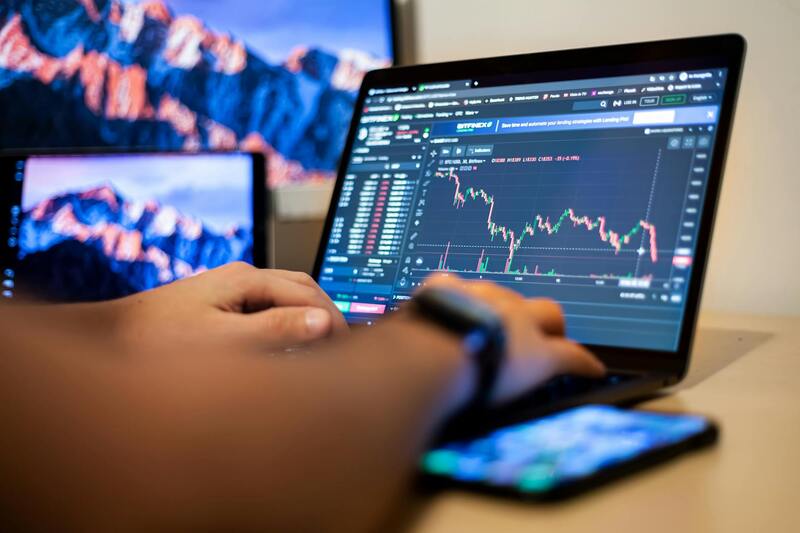
The selection of trading platforms for a prop trading firm must be aligned with the firm's overall trading strategy, operational scale, and the technical proficiency of its traders. Many successful firms adopt a hybrid approach, leveraging the analytical depth of desktop solutions combined with the flexibility of web and mobile platforms to achieve a balanced operational workflow.
Criteria for Selecting Forex Trading Platforms for Prop Trading
Choosing an appropriate forex trading platform for prop trading operations demands a meticulous evaluation of several critical aspects. These criteria ensure that the platform aligns with the operational needs, risk management protocols, and technological capabilities required for high-stakes trading environments.
Performance and Execution Speed
At the core of any effective trading platform is its ability to execute orders swiftly and reliably. Prop trading firms must prioritize platforms that offer minimal latency, ensuring that trades are executed promptly to capitalize on fleeting market opportunities. High-speed order execution reduces slippage and enhances the precision of trading strategies, which is vital in volatile forex markets.
Advanced Analytical Tools
Prop traders rely heavily on technical analysis, charting, and indicators to inform their trading decisions. Platforms with comprehensive analytical features, including customizable charts, multiple timeframes, and sophisticated drawing tools, enable traders to perform in-depth market analysis. The ability to integrate third-party analytical plugins further enriches the decision-making process.
Risk Management Capabilities
Robust risk management tools play a pivotal role in safeguarding trading capital and maintaining consistent profitability. Platforms should support stop-loss and take-profit orders, trailing stops, and real-time risk monitoring dashboards. Automated risk controls can help in enforcing strict compliance with the firm's trading limits and reduce emotional trading biases.
User Interface and Customization
A user-friendly interface paired with high customization options improves trader efficiency. Platforms that allow traders to tailor dashboards, hotkeys, and workspace layouts facilitate a more intuitive trading experience, reducing clutter and cognitive load during intense trading sessions.
Integration with Proprietary Trading Software
Seamless integration with back-office systems, order management platforms, and proprietary risk management tools ensures streamlined workflows. Compatibility with APIs and scripting capabilities allows for automation, strategy testing, and real-time data exchange, elevating overall operational efficacy.
Security and Data Protection
Given the sensitive nature of financial data and transactional security, platforms must incorporate advanced encryption, multi-factor authentication, and secure data storage protocols. Regular security audits and compliance with data protection standards further sustain the integrity of trading operations.
Support and Reliability
Reliable customer support and technical assistance are essential, especially in a high-pressure trading environment. Platforms backed by dedicated support teams and comprehensive training resources help mitigate downtime and ensure that traders can resolve issues swiftly.

Integration with Prop Trading Software and Tools
Efficient integration between forex trading platforms and proprietary tools is essential for prop trading firms aiming to optimize their trading workflows. Many of the leading trading platforms incorporate robust APIs and scripting capabilities, enabling seamless data exchange and process automation. This interoperability allows traders to execute strategies developed in external environments directly within the platform, eliminating manual data transfers that can introduce errors or delays. Additionally, integration with advanced risk management software ensures real-time monitoring of trading activity against predefined limits, providing immediate alerts or automatic intervention when risk thresholds are approached.
Such integration capabilities facilitate the deployment of algorithmic trading systems, which can analyze vast datasets, identify market opportunities, and execute orders with minimal latency. Proprietary back-office applications often interface directly with the trading platform, allowing for transparent tracking of trader performance, compliance checks, and reporting. This interconnected ecosystem promotes efficient information flow, minimizes technical discrepancies, and enhances decision-making precision.
Furthermore, many forex platforms offer customizable APIs, enabling prop firms to develop or adapt their own tools tailored to specific trading strategies or risk profiles. The capacity to automate routine tasks, backtest strategies, and deploy machine learning models within a secure, integrated environment significantly elevates a firm's trading capabilities and responsiveness to market changes.
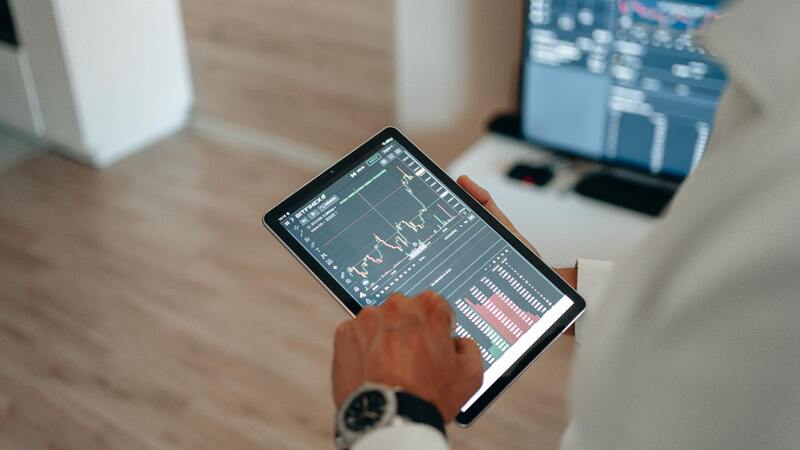
Understanding the depth of integration options available on different platforms assists prop firms in selecting solutions that align with their technological infrastructure and strategic objectives. Strong integration not only streamlines operations but also provides a competitive advantage in fast-moving markets, ensuring that the firm’s trading activities remain agile and well-coordinated.
Integration with Prop Trading Software and Tools
Deep integration capabilities within forex trading platforms are critical for prop trading firms aiming to maintain a competitive edge. These platforms often offer robust APIs that facilitate seamless connectivity with proprietary software, risk management tools, and automated trading systems. By leveraging such integrations, firms can create a unified trading environment where data flows effortlessly between different systems, reducing the likelihood of errors and delays.
For example, customizable APIs enable the development of tailored trading algorithms that can be backtested within the platform, ensuring that strategies are optimized before deployment in live markets. Moreover, real-time data feed integrations empower traders to make swift, informed decisions, while automated order execution reduces manual intervention, enhancing efficiency and consistency.

Many platforms also support integration with back-office systems for compliance, reporting, and performance analysis. This connectivity streamlines operational workflows, making it easier for prop firms to monitor trader activity, ensure regulatory adherence, and generate comprehensive reports. Such transparency and streamlined processes are crucial for maintaining integrity and operational excellence within prop trading environments.
In addition to API access, some forex platforms feature proprietary plugins or modules that extend functionality, such as advanced charting, algorithmic trading, or customization options tailored to specific trading strategies. These enhancements can be configured to suit the unique needs of a prop trading operation, whether that involves rapid scalping, high-frequency trading, or long-term position management.
Understanding the depth of integration options available on different platforms assists prop firms in selecting solutions that align with their technological infrastructure and strategic objectives. Strong integration not only streamlines operations but also provides a competitive advantage in fast-moving markets, ensuring that the firm’s trading activities remain agile and well-coordinated.
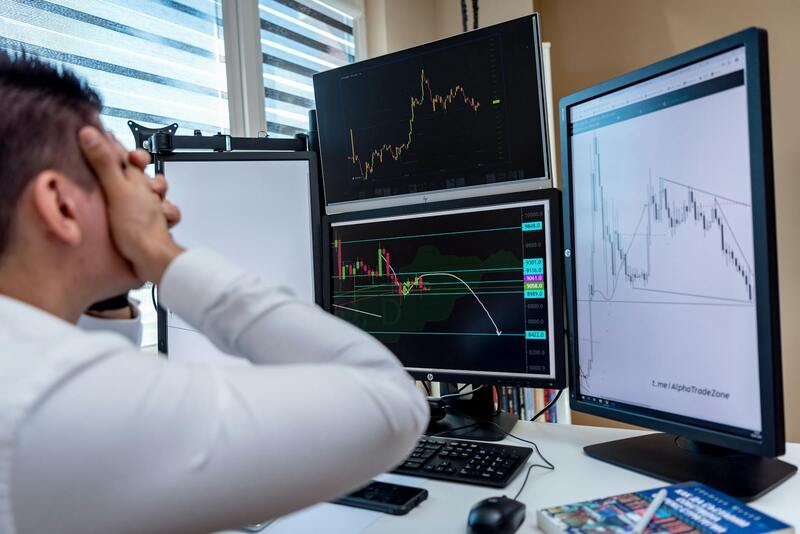
Regulatory and Security Aspects of Forex Trading Platforms
Ensuring the integrity of trading operations within prop trading firms hinges significantly on the security measures embedded within forex trading platforms. These platforms must implement robust encryption protocols to protect sensitive financial data and trader information from unauthorized access or cyber threats. Secure login procedures, such as two-factor authentication and biometric verification, are standard features that add layers of security, preventing unauthorized trades and safeguarding user credentials.
Data integrity is also paramount. Platforms that utilize secure servers and continuous monitoring help detect and prevent potential breaches or tampering. Regular security audits, compliance with international data protection standards, and encryption-at-rest are critical components that uphold the confidentiality and integrity of trading activities.
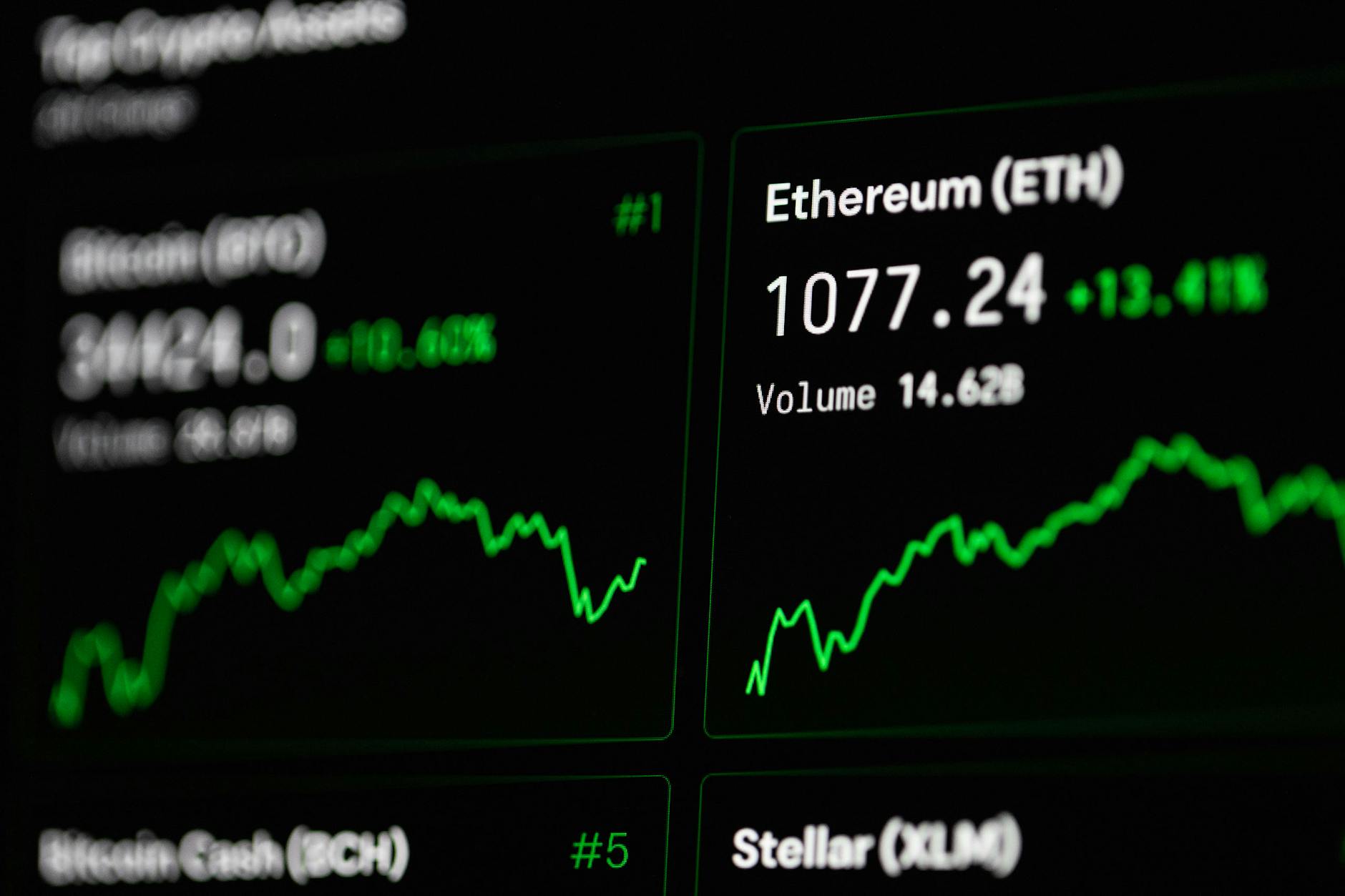
In addition to security, compliance with financial regulations and standards is integral to market operations. Prop firms should prioritize platforms that facilitate transparent audit trails, comprehensive reporting, and real-time monitoring. These features support accountability and enable quick responses to regulatory inquiries or internal audits, maintaining operational credibility.
Many leading platforms incorporate anti-fraud measures, such as anomaly detection and real-time transaction verification, to prevent manipulation or illicit trading activities. These security practices are essential for creating a trustworthy trading environment, where risk is minimized, and fairness is preserved.
Implementing Best Practices for Secure Forex Trading
- Maintain up-to-date cybersecurity measures to protect against evolving threats.
- Utilize multi-factor authentication for all user access points.
- Ensure data encryption both in transit and at rest to safeguard sensitive information.
- Conduct regular security audits and vulnerability assessments.
- Implement comprehensive user access controls to restrict sensitive functions.
- Keep software and systems regularly updated to patch vulnerabilities.
- Maintain detailed logs of all trading activity for audit and compliance purposes.
- Integrate fraud detection tools that monitor unusual trading patterns.
Future Security Considerations for Forex Platforms
Advancements in cybersecurity, such as artificial intelligence-driven threat detection, are anticipated to further enhance platform security. Blockchain technology may also find increasing application for transparent transaction recording and decentralization, adding layers of security and trust. As cyber threats evolve, forex trading platforms will continually adapt by incorporating innovative security measures to uphold a secure trading environment for prop firms and their traders.
