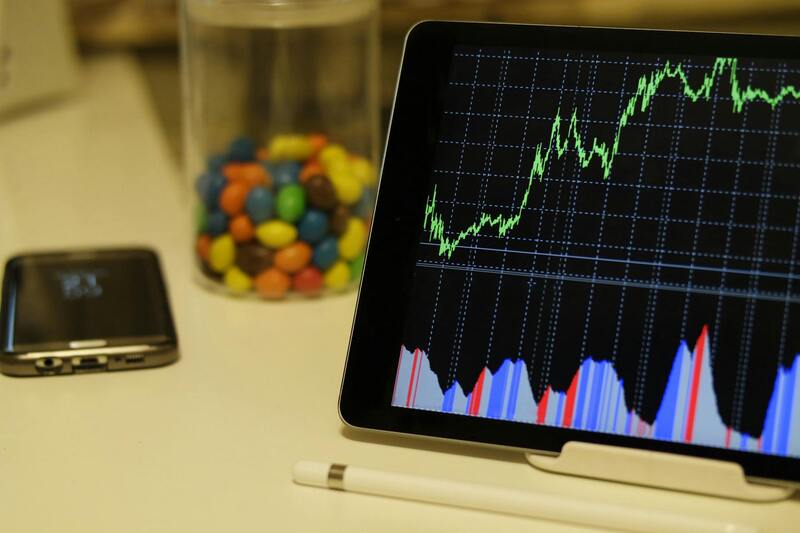
Overview of FX Trading Platforms
FX trading platforms serve as the digital arenas where traders execute currency transactions within the global foreign exchange market. These platforms are sophisticated software environments that facilitate real-time trading, analytical assessments, and strategy development. For proprietary trading firms, which leverage their own capital to capitalize on market opportunities, the choice of an effective FX trading platform is crucial. Such platforms enable traders to access multiple currency pairs, interpret market trends through advanced charting tools, and execute trades swiftly and precisely, minimizing latency and maximizing operational efficiency.
In the context of forex trading, these platforms act as the primary interface connecting traders with liquidity providers and market data feeds. They are indispensable tools that support the complex decision-making processes involved in currency speculation, hedging, and arbitrage. The importance of FX trading platforms extends beyond basic trade execution; they are integral to risk management, portfolio optimization, and adherence to trading strategies specific to prop trading firms.
Key Features of FX Trading Platforms
- Real-time Market Data: Provides live pricing, news updates, and market sentiment insights necessary for timely trades.
- Advanced Charting Tools: Enables technical analysis with customizable indicators and graphical representations.
- Order Types and Management: Supports various order types such as market, limit, stop-loss, and take-profit, allowing precise control over trades.
- Automated Trading Capabilities: Facilitates algorithmic trading through API integrations or built-in scripting languages.
- Risk Management Features: Provides tools for setting stop-loss and take-profit levels to manage exposure effectively.
- Security Measures: Ensures encrypted data transmission and secure login protocols to protect client information and trading activity.
Types of FX Trading Platforms for Prop Trading
FX trading platforms can be categorized into several types tailored to the specific needs of prop trading firms:
- MetaTrader Platforms (MT4 & MT5): Widely used for their user-friendly interface, extensive indicator library, and automated trading support.
- Proprietary Platforms: Custom-built solutions designed to meet the unique requirements of individual prop firms, offering enhanced integration and tailored features.
- Multi-Asset Platforms: Platforms that support forex alongside other asset classes like commodities and equities, providing diversification options.
- Web-Based Platforms: Browser-based solutions offering accessibility on multiple devices without the need for software installation.
Criteria for Selecting FX Trading Platforms
Choosing the right platform involves evaluating several critical factors:
- User Interface and Usability: An intuitive interface reduces the learning curve and enhances operational efficiency.
- Execution Speed: Critical for high-frequency trading, ensuring orders are filled at the desired prices with minimal slippage.
- Liquidity Access: The platform should connect to reputable liquidity providers to offer tight spreads and reliable order execution.
- Compatibility: Compatibility with various devices and operating systems ensures seamless access and trading continuity.
- Customization and Automation: Options for scripting and automation to implement complex trading strategies.
- Security and Data Protection: Robust security features protect sensitive trading data and financial information.
Integration with Trading Infrastructure
FX trading platforms are often integrated into comprehensive trading infrastructure, encompassing order management systems (OMS), risk analytics, and reporting tools. Proper integration ensures that prop trading firms can monitor positions in real-time, adjust strategies dynamically, and maintain compliance with internal protocols. Seamless connectivity with data providers and broker systems enhances overall efficiency and trading accuracy.
Security and Compliance in FX Trading Platforms
Maintaining data integrity and ensuring secure transaction execution are paramount in FX trading environments. Platforms employ advanced encryption, secure login systems, and regular security audits to protect activities. Additionally, adherence to industry standards and regulatory requirements, such as data privacy protocols, helps in establishing trusted trading operations.
Emerging Trends in FX Trading Platforms
Technological innovation continues to shape the landscape of FX trading platforms. Cloud-based solutions are increasing in popularity, offering scalable and flexible access. The integration of artificial intelligence (AI) and machine learning (ML) enhances predictive analytics and automated decision-making. Furthermore, the adoption of blockchain technology is beginning to influence transparency and settlement processes within forex trading ecosystems.
Choosing the Right Platform for Prop Trading Firms
For prop trading firms, selecting an FX trading platform that aligns with strategic goals and operational requirements is vital. Factors such as the platform’s capacity for customization, speed of execution, security features, and compatibility with existing infrastructure must be thoroughly assessed. A well-chosen platform provides the foundation for effective trading, risk management, and consistent performance in the dynamic forex market.
Key Features of FX Trading Platforms
Effective FX trading platforms are distinguished by their array of features that facilitate seamless trading experiences, particularly within prop trading environments. Among these, real-time data provisioning and efficient order execution stand out, enabling traders to react swiftly to market movements and execute trades with minimal latency. Advanced analytics tools assist traders in scrutinizing market trends, assessing risks, and refining strategies based on comprehensive data insights. Security measures are woven into the fabric of these platforms, ensuring protection against unauthorized access and cyber threats, which is critical in safeguarding sensitive trading operations.

The user interface plays a pivotal role, providing intuitive navigation and customization options that tailor the experience to specific trading styles and preferences. Additionally, automation capabilities, including algorithmic trading and customizable scripts, allow traders to execute complex strategies automatically, minimizing human error and optimizing timing. Multi-asset support and connectivity with other financial instruments enhance the versatility of these platforms, accommodating a broader range of trading activities and strategies.
Types of FX Trading Platforms for Prop Trading
Prop trading firms typically utilize a variety of FX trading platforms, each designed to cater to specific needs and operational models. These include:
- Desktop-based platforms: Known for their stability and advanced features, they offer extensive customization, real-time analytics, and comprehensive control over trading activities.
- Web-based platforms: These provide flexibility and accessibility from any device with internet connectivity, making them suitable for dynamic trading environments.
- Mobile trading apps: Offering high portability, they allow traders to monitor markets and execute trades on the go, often with simplified interfaces but robust core functionalities.
The choice among these depends on operational preferences, speed requirements, and integration capabilities with existing infrastructure.
Criteria for Selecting FX Trading Platforms
When identifying an appropriate FX trading platform for prop trading, several key criteria should be considered to ensure optimal performance and alignment with operational objectives:
- Execution speed: Rapid order execution minimizes slippage and enhances profitable opportunities.
- Stability and reliability: The platform should operate seamlessly during high-volatility periods without outages or lag.
- Customization options: Flexibility in interface, scripting, and analytical tools to tailor the platform to specific trading strategies.
- Security protocols: Robust encryption, secure login, and multi-factor authentication to protect sensitive information.
- Integration capabilities: Compatibility with existing trading infrastructure, data feeds, and risk management systems. li> Cost and licensing: Transparent pricing models that align with budget constraints while offering essential features.
Integration with Trading Infrastructure
Seamless integration with existing trading infrastructure is vital for prop trading firms. This involves compatibility with back-office systems, risk management tools, and data feeds. Platforms that support APIs and provide comprehensive SDKs facilitate customization and automation, allowing firms to streamline operations and implement proprietary trading strategies effortlessly. Compatibility extends to hardware and network configurations, ensuring smooth data flow and minimal latency across all components.
Security and Compliance in FX Trading Platforms
To maintain trust and operational integrity, FX trading platforms incorporate a suite of security features, including end-to-end encryption, device authentication, and regular security audits. Specific measures like data masking and access controls restrict sensitive information to authorized personnel. Compliance is maintained through adherence to industry standards and protocol updates, ensuring transparent and compliant operations across jurisdictions. This creates a secure environment that protects both the firm's assets and client data, fortifying it against threats and operational disruptions.
Emerging Trends in FX Trading Platforms
The landscape of FX trading platforms continues to evolve, driven by technological advancements. Cloud-based platforms are gaining traction for their scalability and accessibility, allowing traders to operate from any location with internet access. The integration of AI and ML introduces predictive analytics that improve decision-making and automate routine trading tasks. Additionally, blockchain technology appears increasingly in settlement processes, promising to enhance transparency and reduce settlement times. These innovations are reshaping the capabilities and efficiency of FX trading platforms, offering prop firms enhanced tools and competitive advantages.
Overview of FX Trading Platforms
Forex trading platforms serve as the backbone for executing currency trades, providing traders with essential tools and interfaces to analyze markets, execute trades, and manage their accounts efficiently. These platforms offer real-time data feeds, advanced charting capabilities, and customizable interfaces that accommodate both beginner and experienced traders. For prop trading firms, selecting a reliable platform is crucial, as it impacts trade execution speed, data accuracy, and overall operational efficiency. A well-designed FX trading platform ensures that traders can swiftly respond to market movements, utilizing analytical tools and automated trading features to maximize profit opportunities while maintaining tight control over risk management parameters.

Major providers of FX trading platforms include both proprietary solutions developed in-house and third-party software that offers a wide array of functionalities tailored to professional trading environments. Their core purpose remains consistent: delivering high-speed order execution, real-time market insights, and operational resilience. Across different market conditions, these platforms are designed to facilitate seamless trading experiences, which is particularly vital for prop firms aiming for competitive advantage and consistent performance.
Key Features of FX Trading Platforms
- Real-time Data and Market Analysis: Access to live price feeds, news updates, and economic indicators allows traders to make timely decisions based on the latest market developments.
- Advanced Charting Tools: Multiple chart types, indicators, and drawing tools assist traders in technical analysis, identifying trends and potential entry or exit points.
- Automated Trading Capabilities: Support for algorithmic strategies and expert advisors streamlines trade execution and management, reducing manual intervention.
- Risk Management Features: Stop-loss, take-profit, and hedging functionalities help traders control exposure and protect capital against adverse market movements.
- Order Management and Execution Speed: Efficient order processing with minimal latency is critical in fast-moving FX markets, directly affecting profit margins.
- Customization and User Interface: Tailorable dashboards and settings enable traders to configure the platform according to their workflow and preferences.
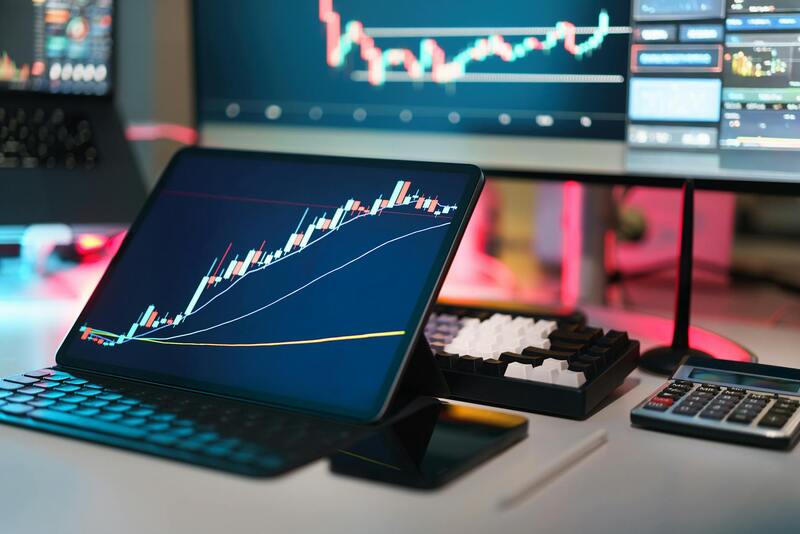
Security and Compliance in FX Trading Platforms
For prop trading firms, safeguarding sensitive data and ensuring operational continuity are top priorities. FX trading platforms implement robust security measures, including encrypted data transmission, multi-factor authentication, and regular security assessments. These measures protect against unauthorized access and data breaches, ensuring that traders' information and trading activities remain confidential.
Compliance features within trading platforms help firms adhere to industry standards and regulatory protocols. This includes audit trails for transaction records, access controls to restrict sensitive functions, and reporting tools that facilitate regulatory submissions. Maintaining a secure and compliant environment fosters trust with clients and partners, streamlines internal processes, and mitigates operational risks.
Emerging Trends in FX Trading Platforms
Technological advancements continue to reshape forex trading environments, bringing increased flexibility, automation, and transparency. Cloud-based platforms are becoming standard, providing scalable solutions accessible from any internet-connected device without the need for extensive on-premise infrastructure.
Artificial Intelligence (AI) and Machine Learning (ML) are being integrated to enhance predictive analytics, enabling traders to identify potential market shifts proactively. These technologies support algorithmic trading and decision automation, resulting in faster reactions and consistent execution.
Blockchain technology is also entering the FX space, particularly in settlement and transaction validation. Its use promises to reduce settlement times, improve transparency, and lower operational costs through decentralized ledgers.
Prop firms that leverage these innovations gain a competitive edge by enhancing their trading capabilities, reducing operational overheads, and fostering greater analytical insights. Staying ahead in this evolving landscape requires continuous evaluation of platform offerings to adopt the most efficient technologies available.
Overview of FX Trading Platforms
FX trading platforms serve as the primary interface between traders and the foreign exchange market. These platforms provide real-time access to currency pairs, market analysis tools, and order execution capabilities. For proprietary trading firms, selecting the appropriate platform is essential to optimize performance, execute trades efficiently, and maintain strict control over trading activities. These platforms facilitate a seamless trading experience by integrating market data feeds, analytical tools, and order management systems in a unified environment, which is crucial for prop traders operating under tight margins and fast-paced market conditions.

In addition to basic trading functionalities, modern FX platforms often incorporate features such as customizable dashboards, real-time risk management metrics, and automated trading capabilities. The ability to adapt to specific trading strategies and workflows is a key hallmark of robust FX trading platforms, enabling prop firms to maintain competitiveness and agility in a dynamic market environment. Such platforms are also designed with scalability in mind, allowing firms to expand their trading volumes or incorporate new asset classes with minimal disruption.
Key Features of FX Trading Platforms
Effective FX trading platforms are distinguished by several core features that enhance usability, security, and trading precision:
- Speed and Execution Efficiency: Low latency order execution is critical, particularly for high-frequency trading strategies. Platforms that minimize delays between order placement and execution provide a strategic advantage.
- Advanced Charting and Analytical Tools: Comprehensive technical analysis tools enable traders to identify market trends, entry and exit points, and develop sophisticated trading strategies.
- Customization Options: Ability to tailor interface layouts, alerts, and analytical parameters according to individual or firm-specific requirements.
- Risk Management Features: Integrated stop-loss, take-profit orders, and real-time risk exposure monitoring mitigate potential losses and manage capital effectively.
- Data Integration and API Support: Seamless connectivity with other trading systems, data providers, and automated trading algorithms enhances operational efficiency and strategic flexibility.

Types of FX Trading Platforms for Prop Trading
Various platform architectures cater to different prop trading needs, balancing between sophistication, user-friendliness, and integration requirements. Understanding these types is fundamental for firms aiming to align their technology stack with trading objectives.
Desktop-Based Platforms
Desktop platforms are the traditional choice, offering robust processing power and deep feature sets. These solutions are preferred by traders requiring extensive analytical capabilities and custom scripting environments. Desktop platforms often provide high levels of stability and security, especially when housed within dedicated infrastructure.
Web-Based Platforms
Cloud-based or browser-accessible platforms facilitate flexibility, allowing traders to access their accounts from any device with an internet connection. These platforms are typically lightweight, easy to deploy, and regularly updated, ensuring access to the latest features without manual upgrades.
Mobile Trading Platforms
Mobile applications empower traders to monitor the markets and execute trades on-the-go. They are equipped with essential analytical tools and notifications, supporting quick decision-making in fast-moving markets. Prop firms leveraging mobile platforms can enhance trader responsiveness and operational flexibility.
Integrated Trading Ecosystems
Some platforms offer integrated environments that combine execution, analysis, and risk management within a single interface. These ecosystems often support complex algorithmic trading, historical data analysis, and backtesting, providing a comprehensive solution suitable for prop trading operations.
Integration with Trading Infrastructure
For prop trading firms, the capability of an FX trading platform to seamlessly integrate with existing trading infrastructure is a crucial factor in ensuring efficient operations. These platforms must support robust connectivity with multiple systems, including order management systems (OMS), execution management systems (EMS), and real-time market data providers. Effective integration facilitates swift order execution and real-time monitoring, which are vital in the fast-paced environment of foreign exchange trading.
Most modern FX trading platforms offer application programming interfaces (APIs) that enable smooth interoperability with proprietary algorithms and custom-built risk management tools. These APIs automize processes like trade entry, position monitoring, and performance analytics, reducing manual intervention and minimizing errors. Compatibility with proprietary trading tools enhances the ability of prop firms to implement tailored trading strategies and risk mitigation measures effectively.
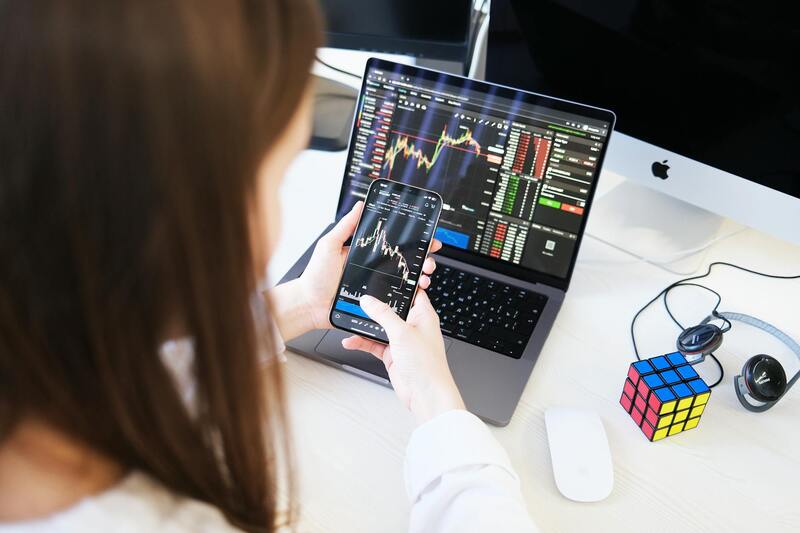
In addition, such platforms often support FIX (Financial Information eXchange) protocol—a widely adopted messaging standard that ensures rapid and secure connectivity with liquidity providers and banks. When integrating FX platforms with liquidity pools, firms gain access to a broader range of trading pairs and better price execution, enhancing overall trading efficiency and profitability.
Furthermore, a key aspect of integration is compatibility with risk management systems. Effective risk controls—such as margin monitoring, stop-loss orders, and real-time exposure metrics—are often embedded within or linked to the trading platform. This integration helps prop traders manage their positions proactively, avoid over-leverage, and adhere to firm-specific trading limits.

Advanced FX trading platforms may also incorporate advanced order types, multi-leg order functionalities, and automated trade execution based on predefined criteria. Such capabilities, when combined with integrated infrastructure, empower prop traders with versatile tools to optimize their trading strategies and respond swiftly to market movements.
Overall, the interoperability of FX trading platforms with the broader trading setup is instrumental in creating a streamlined, efficient, and responsive trading environment that supports the dynamic needs of prop firms.
Integration with Trading Infrastructure
Achieving seamless integration within FX trading platforms is a fundamental aspect for prop trading firms seeking operational efficiency and enhanced trading capabilities. The core of this integration involves establishing a reliable connection between the trading platform and external liquidity sources, such as banks and market makers. Many leading FX platforms support the Financial Information eXchange (FIX) protocol, a standard that facilitates rapid, secure, and standardized message exchanges, enabling traders to access multiple liquidity pools with minimal latency. This ensures that traders can execute large orders promptly while minimizing market impact.
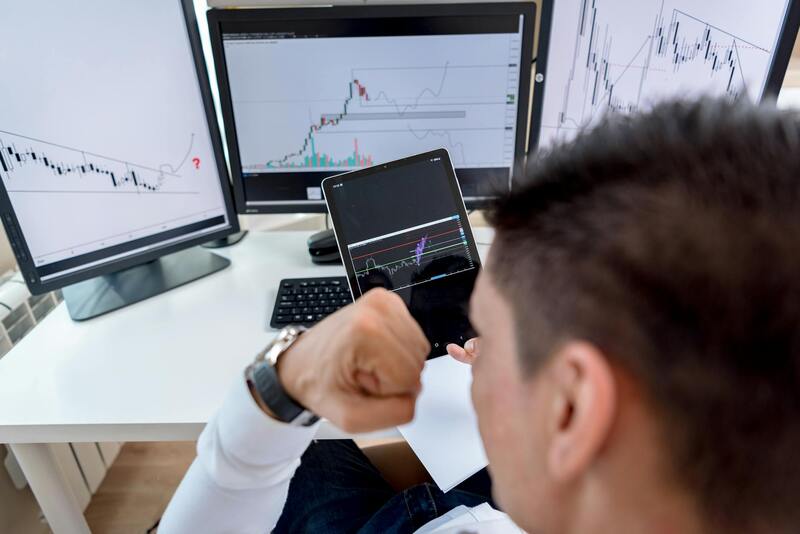
Beyond connectivity, integration encompasses compatibility with various trading tools and back-office systems. This includes risk management modules that monitor margin levels, exposure limits, and leverage ratios in real-time. Automated alerts and controls enable traders to respond swiftly to market fluctuations, reducing potential losses and aligning trades with overall risk appetite. Moreover, integration often allows for multi-asset trading and sophisticated order types, including multi-leg orders and conditional executions, which are crucial for complex prop trading strategies.
Furthermore, advanced FX platforms facilitate the incorporation of automated trading algorithms. These algorithms, based on preset parameters or machine learning models, can execute trades autonomously, optimizing entry and exit points without manual intervention. The synergy between trading infrastructure and automation tools enhances trading agility and consistency, particularly in volatile forex environments.
Durability and resilience of the integrated environment are also vital considerations. Redundancies, real-time data backup, and failover mechanisms ensure continuous operation even during system disruptions. This robustness is essential for prop firms that rely heavily on rapid execution and data integrity to capitalize on fleeting market opportunities.
Security and Compliance in FX Trading Platforms
Implementing comprehensive security measures is critical in protecting sensitive trading data and maintaining smooth operational workflows. Prop firms must enforce stringent user authentication, including multi-factor authentication (MFA), to prevent unauthorized access to trading accounts. Data encryption, both in transit and at rest, safeguards confidential information against cyber threats.
Compliance with regulatory standards is equally important, requiring platforms to integrate tools for monitoring trading activities, maintaining audit logs, and verifying user identities. These features help ensure adherence to industry best practices and internal policies, fostering a trustworthy trading environment. Regular security audits, intrusion detection systems, and real-time monitoring further fortify the platform against emerging threats.
Emerging Trends in FX Trading Platforms
In the rapidly evolving landscape of FX trading technology, several key trends are shaping the future of prop trading platforms:
- Artificial Intelligence and Machine Learning: AI-driven analytics are increasingly integrated to enhance market prediction accuracy, automate decision-making, and personalize trading strategies.
- Cloud-based Trading Solutions: Cloud technology offers scalable infrastructure, real-time data processing, and flexible access, enabling prop firms to optimize resource utilization and collaborate across global teams.
- Enhanced User Interfaces and Customization: Intuitive dashboards and customizable interface options improve user experience, allowing traders to tailor the platform to their specific needs.
- Advanced Risk Management Tools: Modern platforms provide granular risk controls, scenario analysis, and real-time exposure metrics to help manage large or complex positions effectively.
- Integration with Blockchain Technology: Emerging integrations aim to increase transparency, reduce settlement times, and enable secure, decentralized transaction verification.
Choosing the Right Platform for Prop Trading Firms
Selecting an appropriate FX trading platform tailored for prop trading requires careful evaluation of several critical factors. Firms should prioritize platforms that offer robust connectivity options, including support for FIX protocol and direct-market access (DMA). The platform’s ability to integrate seamlessly with liquidity providers, risk management systems, and back-office tools is also essential for operational coherence.
Ease of use and customization capabilities are equally vital. Traders benefit from user-friendly interfaces that can be adapted to suit their trading styles and workflows. Additionally, the platform’s performance metrics, such as speed of execution, latency, and uptime reliability, directly impact profitability, especially during high-volatility periods.
Security and compliance features must be comprehensive, ensuring that proprietary data and client information remain protected while keeping the firm aligned with regulatory requirements. Scalability is another consideration; the platform should accommodate growth, whether through increased trading volume or expanded asset classes.

Overview of FX Trading Platforms
FX trading platforms serve as the foundational environment where traders execute foreign exchange transactions. These digital interfaces facilitate real-time market data access, order execution, and account management, acting as essential tools for professional prop trading firms. Reliable platforms enable traders to monitor currency pairs, analyze market trends, and implement strategic trading decisions swiftly and accurately, all within a secure and efficient framework.
Connectivity, speed, and security are critical elements that determine the effectiveness of an FX trading platform. Given the rapid motions of the forex markets, prop trading firms rely heavily on robust technological infrastructure that ensures minimal latency and high uptime. Additionally, the ability to seamlessly integrate with liquidity providers, advanced analytical tools, and back-office systems directly influences trading efficiency and overall profitability.
Key Features of FX Trading Platforms
- Real-time Market Data: Access to live currency prices, news feeds, and economic indicators to inform trading decisions.
- Order Management: Advanced order types such as stop-loss, take-profit, and trailing stops to manage risk effectively.
- Execution Speed: High-speed order execution to capitalize on market movements, especially during volatile periods.
- Customizability: Ability to tailor interfaces, dashboards, and analytical tools for individual trading strategies.
- Risk Management Tools: Features like exposure metrics, automated alerts, and position limits help control risk exposure.
- Security Protocols: Encryption, multi-factor authentication, and other security features to safeguard sensitive data and trading activity.
Types of FX Trading Platforms for Prop Trading
- Dealing Desk Platforms (DoD): These often include proprietary venues where brokers may have a role in trade execution, suitable for firms requiring a high degree of control over market access.
- Straight-Through Processing Platforms (STP): Designed to connect directly to liquidity providers, offering transparent and fast execution, preferred by firms emphasizing autonomy and minimal interference.
- Direct Market Access (DMA) Platforms: Provide traders with direct access to market liquidity pools, enabling them to see multiple bid/ask prices and execute orders with low latency.
- Multi-Asset Platforms: Support trading across various asset classes alongside FX, allowing for diversified trading strategies within a unified interface.
Criteria for Selecting FX Trading Platforms
When evaluating FX trading platforms, prop trading firms must consider several key factors:
- Connectivity and Integration: Compatibility with existing infrastructure, including FIX protocol support and API access for custom integrations.
- Execution Speed and Latency: The platform’s ability to process orders swiftly ensures timely reaction to market changes and reduces slippage. li> Reliability and Uptime: Continuous operation without interruptions is essential during high-volume trading sessions.
- Security Features: Robust encryption and authentication measures protect sensitive data and trading activity.
- Scalability: Capacity to grow with the firm’s expanding trading volume and additional asset classes.
- User Interface and Usability: Intuitive design combined with customization options enhances trader productivity.
- Compliance and Reporting: Built-in tools to support adherence to regulatory standards and facilitate reporting requirements.
Integration with Trading Infrastructure
Effective FX trading platforms must seamlessly connect with various elements within a firm’s trading ecosystem. This integration includes linking to liquidity sources, risk management systems, back-office operations, and data analytics tools. Modern platforms often feature open APIs, enabling customization and automated workflows tailored to specific trading strategies.
Trade execution systems must synchronize with portfolio management software to facilitate real-time position tracking and performance analysis. Automated risk controls, such as exposure limits and margin monitoring, are integrated directly into the trading platform, ensuring continuous oversight and rapid response to market shifts. Furthermore, integration supports compliance by streamlining reporting processes and maintaining an audit trail of trading activities.
Security and Compliance in FX Trading Platforms
Security features are pivotal in safeguarding proprietary information and client data within FX trading platforms. Encryption protocols protect data in transit and at rest, while multi-factor authentication adds an extra layer of access control. Regular security audits and compliance checks help maintain system integrity and prevent unauthorized access.
Firms must stay aligned with industry standards and regulatory guidelines—this includes maintaining accurate records of all trading activities, implementing data privacy protocols, and ensuring transparent audit trails. Advanced platforms often incorporate compliance tools that assist with transaction reporting, client verification processes, and monitoring suspicious activities, reinforcing the firm’s operational integrity and reducing exposure to operational risks.
Understanding the Range of FX Trading Platforms Designed for Prop Trading
Prop trading firms rely heavily on the robustness and reliability of their FX trading platforms. These platforms serve as the backbone of daily trading operations, providing essential tools for execution, risk management, and analysis. Wide-ranging options are available in the market, each catering to different operational needs and trading styles. Navigating through the options requires a clear understanding of the core features, compatibility with existing infrastructure, and the security measures embedded within each platform.
Practical Approaches to Choosing an FX Trading Platform
When selecting an FX trading platform, prop trading firms must assess several practical factors:
- Operational Compatibility: The platform should seamlessly integrate with existing trading infrastructure, including risk management systems, order routing, and back-office software. Compatibility extends to support for various order types and execution methods, ensuring agility in different market conditions.
- Execution Speed and Reliability: High execution speed is crucial, especially in volatile markets. Look for platforms that provide low latency and high throughput capabilities, coupled with reliable uptime to avoid missed opportunities or slippage.
- Advanced Analytical Tools: Effective trading relies on comprehensive charting, real-time data feeds, and customizable dashboards. The platform must facilitate quick decision-making through intuitive interfaces and detailed analytics.
- Security Measures: Given the sensitive nature of trading activities, security features such as encryption, multi-factor authentication, and audit trail maintenance are foundational. Platforms should also undergo regular security audits to mitigate risks associated with cyber threats.
- Cost and Licensing: Cost-effectiveness remains a critical consideration. Firms need to evaluate subscription fees, transaction costs, and any additional charges associated with advanced features or data feeds.
By thoroughly examining these factors, prop trading firms can identify platforms that align best with their operational demands and strategic goals.
Integration Capabilities with Existing Trading Infrastructure
Efficient integration is fundamental in creating a cohesive trading environment. Modern FX trading platforms typically offer APIs and SDKs that enable integration with various software components such as algorithmic trading systems, risk management modules, and data analytics tools. Seamless connectivity ensures that trading data is consistent across all platforms, reducing manual intervention and operational errors.
Moreover, integrated platforms facilitate real-time synchronization of trading positions, account balances, and performance metrics. This level of connectivity enhances the ability to monitor exposures dynamically and implement automated trading strategies effectively. Compatibility with third-party plugins and compliance tools further streamlines the entire trading process, maintaining operational efficiency and data accuracy.
Security and Compliance Considerations for FX Trading Platforms
Security remains a central concern for prop firms operating in the FX markets. Trading platforms incorporate sophisticated encryption protocols to protect sensitive information, including client data, transaction details, and proprietary trading algorithms. Multi-factor authentication adds an additional barrier to unauthorized access, ensuring that entry points are tightly controlled.
Regular security assessments, vulnerability testing, and system audits are essential practices to maintain the integrity of trading platforms. These measures help preempt cyber threats and data breaches, safeguarding both firm assets and client information. In addition, platforms are equipped with compliance tools to assist with regulatory requirements. These include automated transaction reporting, client verification processes, and suspicious activity monitoring, which not only enhance operational transparency but also reinforce the firm’s adherence to industry standards.
Emerging Trends in FX Trading Platforms
Innovation continues to shape the landscape of FX trading platforms. Cloud-based solutions are gaining prominence, offering scalability, flexibility, and reduced hardware dependency. This transition enables firms to access advanced features without significant infrastructure investment.
Artificial intelligence and machine learning algorithms are increasingly integrated into trading platforms, providing predictive analytics and automated decision-making capabilities. These tools help traders identify patterns and opportunities that may elude manual analysis, improving overall trading performance.
Furthermore, user interfaces are evolving toward more intuitive, customizable dashboards that allow traders to adapt their workspace to specific needs. Enhanced visualization tools and real-time collaboration features support more efficient and coordinated trading activities, especially in teams operating across multiple geographic locations.